
Reviewed · ARASHIYAMA BAMBOO FOREST WALKS
Half Day Kyoto Sagano Bamboo Grove & Arashiyama Walking Tour
Bamboo quiet hits fast. I love the calm you get in the Sagano bamboo grove, and I especially love Tenryu-ji for its Zen garden mood and careful design. I also like the included river break during the yakatabune time near Togetsukyo Bridge. One drawback to plan for, though, is that it is a walking tour with some stairs, and busy days can feel crowded.
For $79.26, you are paying for more than “a sightseeing loop.” You get an English guide with a licensed interpreter, guided time at major temples, plus admission fees and transportation support folded in. It runs about four hours, with a smaller-group feel capped at 25 people.
This is a great fit if you want a guided hit of Arashiyama and Sagano without wrestling schedules, and if you are comfortable using public transit. You will still move at a steady pace, with roughly 3 km of walking total.
In This Review
- Key things that make this tour worth your time
- Sagano bamboo grove, the calm you can actually feel
- Tenryu-ji Temple: the garden design is the star
- Jojakko-ji: hillside views, Heike-era storytelling, and small treasures
- Togetsukyo Bridge and yakatabune: the best break in the middle
- The pacing, group size, and what 4 hours really feels like
- Price and value: what your $79.26 is buying you
- Who should book, and who should skip
- Practical tips so the day feels smooth
- Should you book this half-day Sagano and Arashiyama tour?
- FAQ
- Where does the tour start and end?
- How long is the tour?
- How much walking is involved?
- What sights are included?
- Is the entrance fee included?
- Is there a mobile ticket?
- What about public transportation during the tour?
- What happens in July and September?
- What is not included in the price?
- How big is the group?
- What is the cancellation window?
- Are children welcome?
Key things that make this tour worth your time
- Sagano bamboo grove walk (about 2 miles / 3 km total tour walking): you get the full stroll, not just a quick photo stop.
- Tenryu-ji Temple with World Heritage Zen garden focus: you learn how the garden design works with the Arashiyama setting.
- Jojakko-ji Temple on a wooded hillside: keep an eye out for the Jizo statue and the tucked-away pagoda.
- Togetsukyo Bridge views plus a yakatabune ride: a small river-time pause that breaks up the walking.
- Small-group pacing with strong English guiding: some guides, like Sachiko, Donna, and Michiharu, have been praised for clear explanations and helpful tips.
- Seasonal swap in July and September: Jojakko-ji is replaced by Okochi Sanso Villa Garden, and the start time shifts earlier to avoid peak heat.
Sagano bamboo grove, the calm you can actually feel
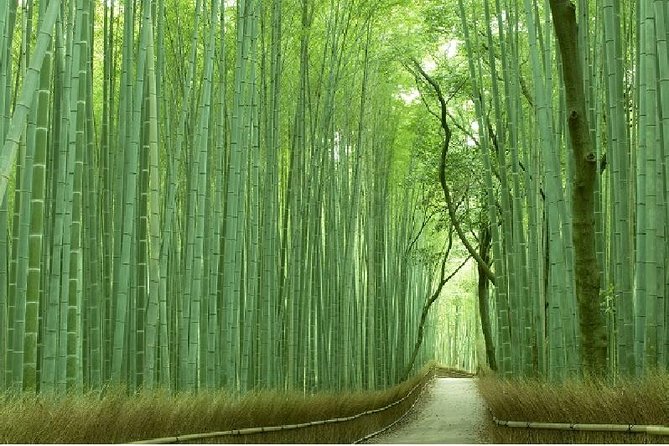
You come to Sagano for the bamboo grove, but the real value is how the tour slows you down just enough to notice the details. When the guide walks you through the tall stalks, the sound changes first, then your eyes do the rest. It is not just “pretty bamboo.” It is a whole atmosphere, created by height, light, and the way paths thread between the stems.
I like that the route builds from there into temples, because it keeps the day from turning into a checklist. You are in the right mindset for Zen places once the grove has done its job. Also, the walking distance is short enough that most people can keep up if they wear decent shoes, but long enough that it feels like a real stroll.
If you are thinking about when to go, autumn tends to be spectacular here. The tour timing and the temple hillside views lean nicely into seasonal color, especially later in the year.
Tenryu-ji Temple: the garden design is the star
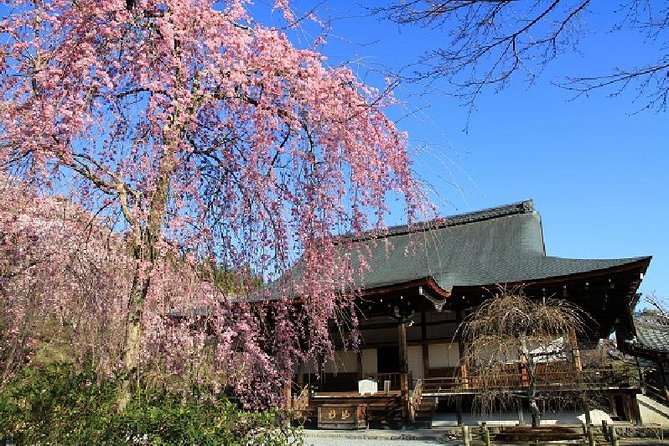
Tenryu-ji Temple is one of Kyoto’s “big names,” but what makes this stop feel different is the focus on the landscaped garden and how it connects to Arashiyama. The temple dates to 1339, founded under the Ashikaga Shogunate, and it is strongly tied to Rinzai Zen.
You will get about 30 minutes here, which is short, but not useless if you know where to look. I would treat this stop as a chance to learn the garden’s logic, not just snap photos. In Zen garden spaces, small layout choices guide how you read the scene.
Another practical point: gardens can be busy, especially around peak travel times. If you show up with a plan for what you want to see, you will feel like the stop pays off even in a crowd.
Green light through a bamboo grove
- Kyoto: Fushimi Inari, Kinkakuji, Bamboo Grove 1 Day Bus Tour
★ 4.8 · 4,316 reviews - Osaka/Kyoto:Kinkakuji,Arashiyama,FushimiInariShrine,NaraPark
★ 4.1 · 1,596 reviews - Kyoto/Osaka: Nara, Fushimi Inari Taisha, Arashiyama Bus Tour
★ 4.7 · 1,275 reviews - Kyoto Arashiyama Walking Tour: Bamboo, Monkeys, Gardens & Secrets
★ 5.0 · 1,216 reviews
Jojakko-ji: hillside views, Heike-era storytelling, and small treasures
From Tenryu-ji, you move through Sagano and then head toward Jojakko-ji Temple, which sits up on a wooded mountainside. This is the kind of place that feels quieter because the approach is more “built into nature” than laid out for mass crowds.
Jojakko-ji is tied to the Tale of the Heike, and the site is connected with a story about Empress Dowager Kenrei-mon-in. The tour also points you toward the visual details that make the temple memorable, including a Jizo statue and a hidden pagoda tucked in among maple trees.
You should also expect more movement here. Even if the overall walking total is around 3 km for the tour, temple approaches usually mean uneven ground and stairs. Wear shoes you trust, not “I wore them once at home” sneakers.
One seasonal heads-up: in July and September, the itinerary changes and the Jojakko-ji visit is replaced by Okochi Sanso Villa Garden, with an earlier start time to avoid peak heat.
Togetsukyo Bridge and yakatabune: the best break in the middle
By the time you reach Togetsukyo Bridge, you have seen bamboo and temples on a hill line. That sets you up for the best kind of contrast: river views and open sight lines.
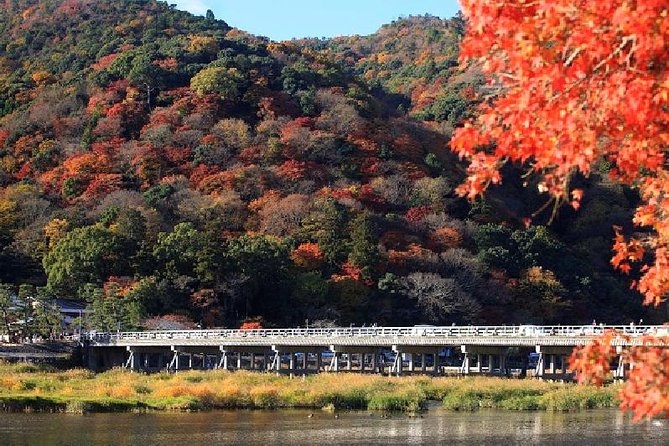
Togetsukyo is also called Crossing Moon Bridge. The current bridge is a reproduction of an earlier one, reconstructed in 1934, and it is a famous spot for spring cherry blossoms and autumn color. If you are traveling during those seasons, you will appreciate that the bridge is not just a crossing. It is a viewing platform.
What I like most is the added yakatabune time. This is a classic river experience in Arashiyama style, and it serves a real purpose in a walking tour. After temple time and uphill bits, the boat gives you a breather and lets you see the area from the water, with a calmer pace for photos.
When you plan your camera, remember: bridge photos and river photos need different angles. Give yourself a moment for both.
The pacing, group size, and what 4 hours really feels like
This tour runs about 4 hours, and it ends back at Kyoto Station. The key detail is that it is a walking tour with roughly 3 km of walking total. That distance is not huge, but it is not zero, and you should assume some stairs and steps between temple approaches.
Group size matters on a tour like this. The cap is 25 travelers, which is workable, but that does not guarantee quiet. On peak days, you can still feel the crowd energy, especially around Tenryu-ji and the bridge area.
Here is a practical trick: use the guide for the “why” and the route for the “where,” then take a bit of solo time when the tour allows it. Several people have said they valued the way their guide left some flexibility at the end, letting them chase an extra stop like the monkey park if they wanted it.
Also, expect public transit to play a real role. The tour includes a ride from Kyoto Station toward Saga-Arashiyama using non-reserved seats. Seating is not guaranteed, and you might stand during busy hours. If you travel at a rush time, I would plan your comfort gear accordingly.
Price and value: what your $79.26 is buying you
$79.26 per person can look steep until you unpack what is included. You are not paying just for a guide talking in English. You are also getting:
- a licensed English guide interpreter
- entrance fees for the included temple visits and tour stops
- transportation costs connected to the tour plan
- a mobile ticket
That combination matters in Kyoto, where lines, transit confusion, and ticket pricing can add up fast. If you tried to replicate this yourself, you would spend time figuring out transit, finding the right temple entrances, and paying entry fees one by one. Paying for the packaged guidance is often the difference between a relaxing day and a stressy day.
Is it worth it? If you care about learning how the garden and temple spaces are meant to be read, yes. If you mainly want wide-open free time to wander on your own from stop to stop, you might be able to DIY for less.
Think of this tour as a focused “best of Sagano and Arashiyama” sampler with built-in structure.
A quieter way to spend a day in Kyoto

Who should book, and who should skip
This works best for people who want:
- a short, guided half-day near Kyoto
- temple time that is more than just standing in front of a gate
- an included entry-fee plan that saves mental load
- a mix of calm nature and classic sightseeing spots
It is also a good pick if you like the idea of getting back to Kyoto Station afterward without having to navigate back yourself from Arashiyama.
I would skip it if you are the kind of traveler who hates crowds, hates stairs, or needs lots of quiet alone time for long stretches. Even if the bamboo grove is serene, the shared walk and major temple areas can be busy.
Practical tips so the day feels smooth
A few small things will make the tour feel better right away:
- Wear comfortable walking shoes. Temple grounds and stairs can slow you down fast if your footwear is wrong.
- Bring a light layer. Temple shade plus river air can feel cooler than you expect.
- For photos, plan to shoot twice: once right with the crowd flow, once during a slower moment when the group regroups.
- If you are near the end and you want extra time, ask your guide how to best spend the remaining window in the area, since guides sometimes build in helpful flexibility.
One more note: some people have flagged that they used a JR Pass and did not get a rebate for the train portion. If you are relying on a rail pass, check your own pass terms before you go.
Should you book this half-day Sagano and Arashiyama tour?
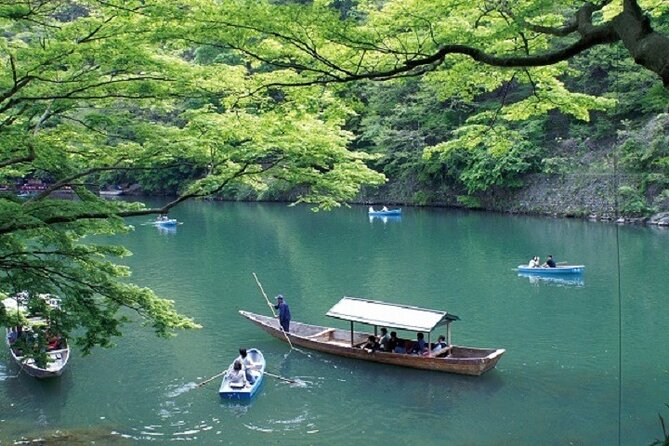
Book it if you want a guided, efficient taste of Sagano bamboo, major Zen temple gardens, and Togetsukyo Bridge views, with admission fees handled and a river pause on a yakatabune. The guide support is the real value here, especially if you like understanding what you are seeing and where to look in Tenryu-ji and Jojakko-ji.
Skip it if you want total quiet, lots of free wandering, or you are sensitive to stairs and crowds at peak times. You can absolutely reach Sagano and Arashiyama on your own, but this tour saves you the hassle of piecing it together in half a day.
If your goal is a structured Arashiyama morning that still feels calm in the bamboo, this is a solid pick.
FAQ
Where does the tour start and end?
The tour starts at the JTB SUNRISE TOURS DESK KYOTO location inside AVANTI, near Kyoto Station. It ends when you arrive back at Kyoto Station.
How long is the tour?
The tour duration is about 4 hours.
How much walking is involved?
The total walking distance is approximately 3 km, and the tour has moderate physical fitness needs.
What sights are included?
You will visit the Sagano Bamboo Grove, Tenryu-ji Temple, Jojakko-ji Temple, and finish at Togetsukyo Bridge area with a yakatabune ride for views.
Is the entrance fee included?
Yes. The tour includes admission fees for the stops listed in the tour inclusions.
Is there a mobile ticket?
Yes. The tour uses a mobile ticket.
What about public transportation during the tour?
You travel from Kyoto Station to Saga-Arashiyama Station using public transport with non-reserved seats. Seating is not guaranteed, and you may stand at busy times.
What happens in July and September?
In July and September, the itinerary changes and Jojakko-ji Temple is replaced by Okochi Sanso Villa Garden. The start time is earlier to avoid peak heat.
What is not included in the price?
Anything not listed under Included is not included, including fees other than those listed.
How big is the group?
The maximum group size is 25 travelers.
What is the cancellation window?
You can cancel up to 24 hours in advance of the experience for a full refund.
Are children welcome?
Children age 0 to 5 are free if they will not occupy separate seats.
New This Season
- Koyasan Day Trip by Private Car from Kyoto
- Old Port Town and Ultimate Sake Tasting Private Tour From Kyoto
- Kyoto’s Timeless Charm: 3hr Exploration of History and Peace
- Kyoto: 5 Types of Sushi Making
- Sacred Peak & Ancient Paths: Kurama-Kibune Hiking Experience
- Kyoto: Exclusive ZEN practice at Manpukuji temple in Uji
- Kyoto: Private Seasonal Aroma Yoga Class
- Traversing Kyoto’s Scenic West – Arashiyama to Kinkakuji
Arashiyama Bamboo Forest Walks, compared.
Fushimi Inari, Kinkakuji, Bamboo Grove 1 Day Bus Tour
Read our review →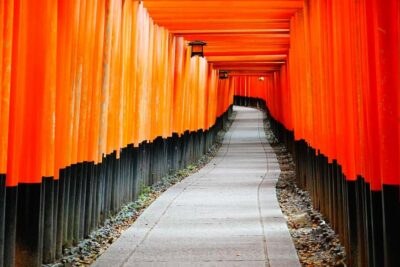
Kinkakuji,Arashiyama,FushimiInariShrine,NaraPark
Read our review →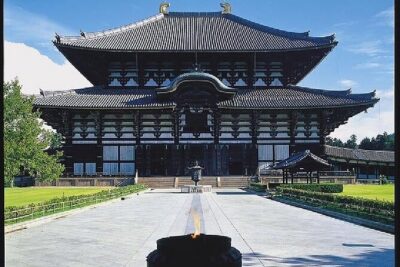
Nara, Fushimi Inari Taisha, Arashiyama Bus Tour
Read our review →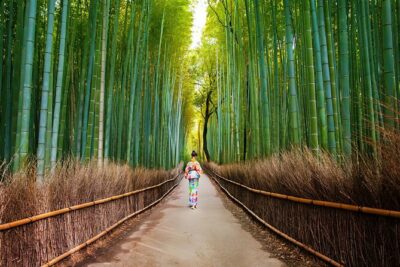
Kyoto Arashiyama Walking Tour: Bamboo, Monkeys, Gardens & Secrets
Read our review →
Arashiyama Bamboo, Temple, Monkeys, or Secret Sake Brewery
Read our review →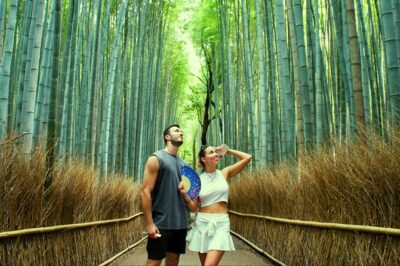
Arashiyama Bamboo Forest, Monkeys, Matcha & Temple Tour
Read our review →
Arashiyama, Nara & Fushimi Inari Shrine w/Lunch
Read our review →
Nijo, Kinkaku-ji, Arashiyama, Kiyomizu & Fushimi Inari
Read our review →Also filed under