
Reviewed · TEMPLE & SHRINE VISITS
Hidden Temples in Kyoto a Self-Guided Zen Tour
Kyoto feels different when you set your own pace. This self-guided Zen route uses a mobile app to add context fast, then you can dip in and out instead of feeling chained to a group schedule. You get a half-day sweep across big names and deeper temple corners, all while staying in control of your time.
I like that it stays practical, with clear stop-by-stop guidance from Nijō Castle through garden and temple time, plus street-level culture stops. One drawback: this is self-guided, so there is no in-person guide to rescue you if your phone dies or you miss a turn.
In This Review
- Key Points Worth Your Time
- How This App-Guided Zen Tour Fits Together From Nijō Castle
- Nijō Castle: Shogun Power and the Nightingale Floors
- Kyoto Imperial Palace Grounds for a Breather Between Temples
- Nishiki Market, Gion, and Yasaka Shrine at Street Level
- Nishiki Market Shopping District: Kyoto’s Kitchen
- Gion: Machiya Streets and a Possible Glimpse
- Yasaka Shrine: Evening Lantern Mood
- Philosopher’s Walk for a Calm, Scenic Reset
- Nanzenji to Kiyomizu-dera: Sanmon Gates, Gardens, and Mountain Views
- Nanzenji Temple: Sanmon Views and a Brick Aqueduct
- Heian Shrine: Vermilion Torii and Garden Bridges
- Kiyomizu-dera: Otowa Waterfall and the Love Shrine
- Kodaiji and Kennin-ji: Bamboo, Painted Screens, and Tea Time
- Kodaiji Temple: Bamboo Grove and a Circular Garden Bridge
- Kennin-ji Temple: Oldest Zen Temple in Kyoto
- Fushimi Inari-taisha: Torii Tunnels and Late-Day Strategy
- Kinkaku-ji Golden Pavilion and Arashiyama Bamboo Grove Photos
- Kinkaku-ji: Gold Leaf and a Mirror Pond Reflection
- Arashiyama Kimono Forest: Bamboo Grove, Best Early
- Pacing Your Half-Day: How to Keep It From Feeling Rushed
- Cost and Value: What $3.51 Really Buys
- Who This Self-Guided Zen Tour Suits Best
- Should You Book Hidden Temples in Kyoto on Your Own?
- FAQ
- How long is the Hidden Temples in Kyoto self-guided Zen tour?
- Where does the tour start and end?
- Is this tour guided by an in-person guide?
- What do I get with the tour?
- Is admission included for temples and attractions?
- Is transportation included?
- Is the tour private?
- How do I access the tour?
- Can I cancel for a full refund?
- Is it near public transportation?
Key Points Worth Your Time
- A self-paced route that lets you skip ahead or pause longer without breaking the plan
- Zen temples paired with classic Kyoto streets, so you do not feel stuck in one type of sightseeing
- Smart timing tips built into the stops, like early mornings for Kinkaku-ji and Arashiyama, and late-day Fushimi Inari
- Real temple details to look for, from Nijo Castle nightingale floors to Kennin-ji’s twin dragon ceiling mural
- Food and neighborhood breaks are built in, including Nishiki Market and Gion walking time
How This App-Guided Zen Tour Fits Together From Nijō Castle
This is a 5-hour, self-guided walking tour in Kyoto, designed to connect major Zen sights with the neighborhoods that give them context. The meeting point is Nijō Castle, and the experience ends back at the same spot, so you are not zig-zagging the city and wondering how to retrace your steps.
Your main tool is the mobile app plus a digital city map. The big win here is that the app does not just list places, it helps you understand what you are seeing, so you can enjoy the temples instead of just walking through them like photos on a screen.
Nijō Castle: Shogun Power and the Nightingale Floors
Nijō Castle is your starting anchor, and it makes a strong opener because it is not just pretty. It is about power, wealth, and control during the Tokugawa shogunate.
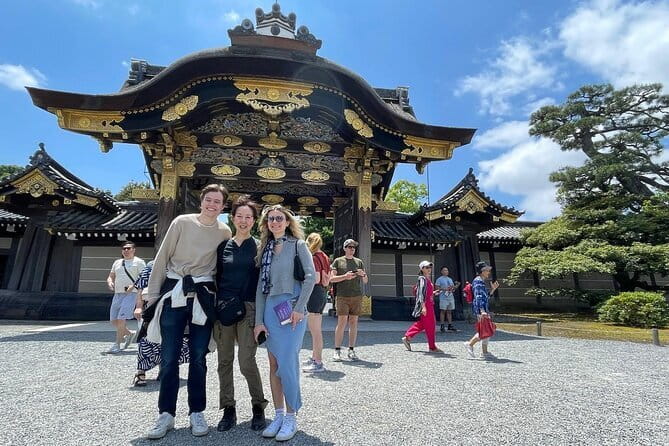
As you explore, listen for the distinctive chirping of the nightingale floors, described as an ancient security system. Then focus on the Ninomaru Palace, known for ornate sliding doors, plus the tranquil gardens around the complex. Even if you are not a history superfan, this is the kind of place where a few details make the whole experience click.
Practical tip: Nijō Castle is a great “warm up” stop. If you are the type who likes to gather bearings before you get swept into temple hopping, this start works.
More rooftops worth a detour
- Kyoto: Tea Ceremony Ju-An at Jotokuji Temple
★ 4.9 · 3,207 reviews - Arashiyama Bamboo, Temple, Monkeys, or Secret Sake Brewery
★ 4.8 · 886 reviews - Kyoto: Arashiyama Bamboo Forest, Monkeys, Matcha & Temple Tour
★ 5.0 · 759 reviews - Osaka/Kyoto: Arashiyama, Nara & Fushimi Inari Shrine w/Lunch
★ 4.4 · 754 reviews
Kyoto Imperial Palace Grounds for a Breather Between Temples
After the castle, the route turns to a quieter, more formal setting at the Kyoto Imperial Palace. The Imperial Palace served as the residence of Japan’s Imperial Family until 1868, and the grounds reward a slower pace.
Spend your time admiring the traditional architecture and the meticulously maintained gardens. This stop functions like a palate cleanser, so when you later hit Kyoto’s more intense sights, like torii gates and stone paths, you are not running on empty.
If you want photos, this is also a good place to take a moment to breathe, reset, and then re-enter the sightseeing rhythm.
Nishiki Market, Gion, and Yasaka Shrine at Street Level

This tour does not treat Kyoto’s neighborhoods as filler. It places them right where they help you understand the city you are walking through.
Nishiki Market Shopping District: Kyoto’s Kitchen
At Nishiki Market, you have about an hour in a narrow shopping street with over 100 food stalls and restaurants. The tour highlights classic Kyoto tastes like yuba (tofu skin), pickles, and Kyoto-style sushi.
It also points you toward fun, lower-commitment treats like soy milk donuts and fish-shaped taiyaki filled with matcha cream. This stop is perfect if you like to graze rather than plan one big sit-down meal.
Gion: Machiya Streets and a Possible Glimpse
Next is Gion, Kyoto’s famous geisha district, with traditional wooden machiya houses and cobblestone streets. You walk along Hanami-koji Street, where you might spot a geiko or maiko.
This is a good moment to slow down and look for the details in the streets, not just people. If you are hoping for an etiquette-focused experience, the notes suggest joining an evening walking tour, but you can still enjoy Gion independently on this route.
A quieter way to spend a day in Kyoto

Yasaka Shrine: Evening Lantern Mood
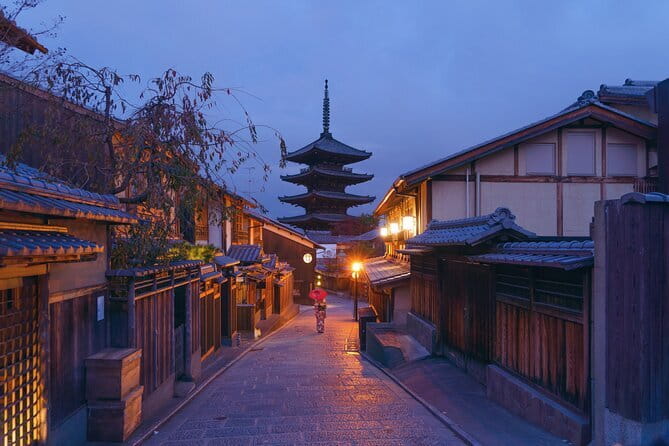
Then you reach Yasaka Shrine, also known as Gion Shrine, a colorful Shinto shrine at the eastern end of Shijo-dori Street. The tour specifically recommends visiting in the evening for the illuminated look, plus the lanterns around the grounds.
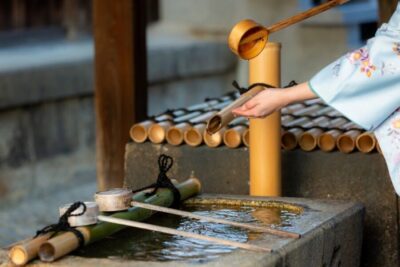
If you like trying local rituals, the route mentions drawing an omikuji (fortune). It is a small thing, but it is also one of those Kyoto moments that makes your walk feel more personal.
Philosopher’s Walk for a Calm, Scenic Reset
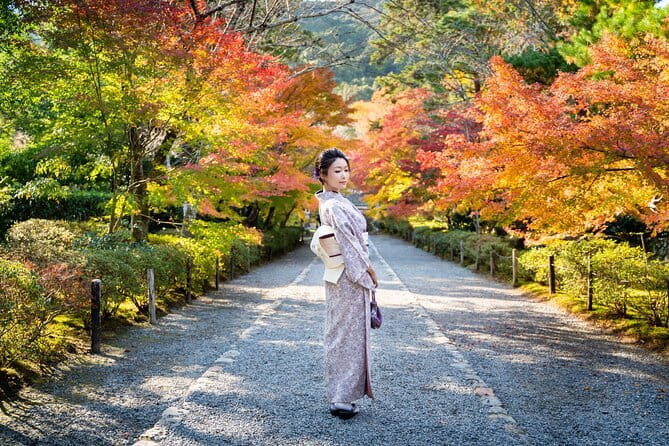
After the food and streets, the route shifts into a softer pace at the Philosopher’s Walk (Philosopher’s Path). This is a stone walkway following a canal, lined with hundreds of cherry trees.
It is named after philosopher Nishida Kitaro, who meditated there daily. The route frames it as a peaceful 2-kilometer stroll, with cherry blossom season called out as the high point. Even if you are not in spring, the canal-side calm makes it a useful break from temple crowds.
When I picture this kind of stop, it is the part where I would want to slow my walking speed and actually notice the small temples and cafés along the way.
Nanzenji to Kiyomizu-dera: Sanmon Gates, Gardens, and Mountain Views
The next stretch is where the tour earns its Zen title in a very physical way, with some of Kyoto’s most famous temple experiences.
Nanzenji Temple: Sanmon Views and a Brick Aqueduct
At Nanzenji, you get impressive Sanmon gates plus a unique brick aqueduct. The route encourages you to explore the main temple grounds, and it also suggests climbing the Sanmon gate for panoramic views of Kyoto.
It also recommends checking out sub-temples, especially Tenjuan, known for its gardens. This is a good stop for anyone who likes variety within one temple complex.
Heian Shrine: Vermilion Torii and Garden Bridges
Then you move to Heian Shrine, known for a striking vermilion torii gate and a vibrant green roof. It was built in 1895, and the route sets you up to spend time exploring the grounds and the gardens behind the main hall.
The garden features a central pond and multiple bridges. If you happen to be visiting in spring, the notes also mention weeping cherry trees.
Kiyomizu-dera: Otowa Waterfall and the Love Shrine
Next is Kiyomizu-dera, perched on Mount Otowa. The tour calls out stunning views from the famous wooden terrace, and it encourages exploring the halls and shrines within the complex.
Two details are especially worth prioritizing:
- Jishu Shrine, dedicated to love and matchmaking
- Otowa Waterfall, where drinking from the falls is said to grant wishes for health, longevity, and success
This is one of those places where a little intention pays off. If you rush straight to the terrace without checking the smaller shrine areas, you miss the meaning behind what people come for.
Kodaiji and Kennin-ji: Bamboo, Painted Screens, and Tea Time
This portion feels more like “Zen in your face,” with gardens, meditative spaces, and atmospheric buildings.
Kodaiji Temple: Bamboo Grove and a Circular Garden Bridge
At Kodaiji Temple (founded in 1606), the tour highlights Zen gardens and an impressive bamboo grove. You are prompted to explore the main hall, the mausoleum, and a circular bridge in the garden.
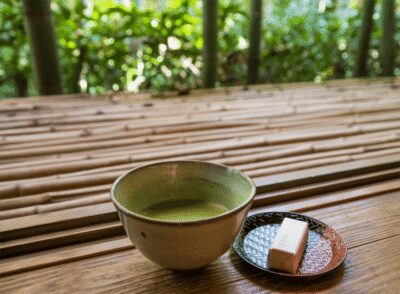
The route also suggests that you participate in a tea ceremony in the temple’s teahouse. Since the tour only lists it as an option, I would treat this as something you decide on the day you get there, based on timing and whether the offer is running.
Kennin-ji Temple: Oldest Zen Temple in Kyoto
Then you reach Kennin-ji, described as the oldest Zen temple in Kyoto. The tour points out painted screens and a twin dragon ceiling mural, then asks you to spend time in the rock garden.
If you like architecture plus quiet, this is the stop that can shift your mood from sightseeing to actual breathing room. Give yourself a little patience here, even if the rest of the route feels fast.
Fushimi Inari-taisha: Torii Tunnels and Late-Day Strategy
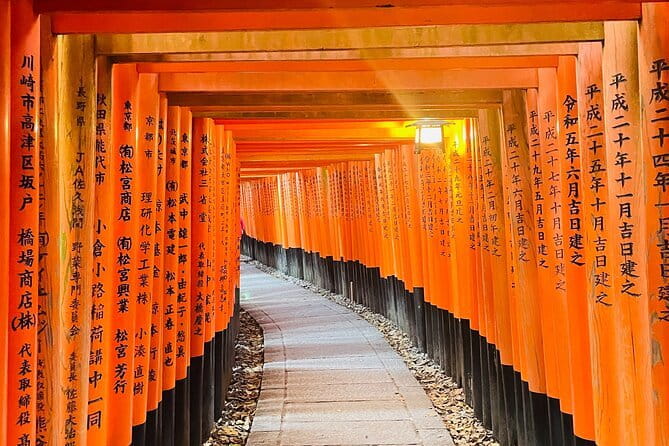
No Kyoto Zen day feels complete without Fushimi Inari-taisha Shrine. The route emphasizes that it is dedicated to Inari, the Shinto god of rice and prosperity.
Your main activity is hiking through the mesmerizing tunnels of vermilion torii gates that wind up Mount Inari. The key practical note is timing: for fewer crowds and better sunset light, visit late afternoon or early evening.
If you only have one chance to get the lighting right for photos, this is the one I would treat with the most flexibility. The later you go, the more likely you are to feel like you are moving through a tunnel instead of dodging foot traffic.
Kinkaku-ji Golden Pavilion and Arashiyama Bamboo Grove Photos
The tour closes with some of Kyoto’s most photographed spots, but it tries to keep your experience grounded with specific timing advice.
Kinkaku-ji: Gold Leaf and a Mirror Pond Reflection
At Kinkaku-ji (Golden Pavilion), the top two floors are completely covered in gold leaf. The route encourages you to admire the pavilion’s reflection in the mirror pond and explore the surrounding Japanese stroll garden.
It also strongly suggests visiting early in the morning to avoid crowds and get better photo conditions. If you care about your pictures, this is one of the stops where planning your start time matters.
Arashiyama Kimono Forest: Bamboo Grove, Best Early
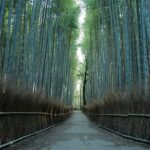
Finally, you hit the Arashiyama Bamboo Grove, referred to here as the Arashiyama Kimono Forest. The walking experience is described as ethereal, with towering green stalks.
Again, early is the play: the route recommends morning to avoid crowds and capture best photos. The notes also suggest renting a bicycle to explore nearby sights like Togetsukyo Bridge and the monkey park.
Even if you do not bike, this stop is worth treating like a slow walk, not a quick photo sprint.
Pacing Your Half-Day: How to Keep It From Feeling Rushed
A 5-hour walk across so many stops can feel like a lot, even with a self-guided app. The tour’s best feature is that you can adjust, so use that.
Here is a pacing approach that fits what the app is designed for:
- Pick one “must-do” temple where you will slow down and actually look around
- Let market and neighborhood stops be flexible, so you can snack and move on
- Use the timing tips to decide when to spend extra time on the places that benefit most from light and lower crowds
If you are traveling with anyone who hates walking, you may still enjoy this tour, but you will need to choose fewer stops or accept that you will move faster than you like.
Cost and Value: What $3.51 Really Buys
$3.51 per person sounds almost unreal until you see what is included. This tour is basically the digital city map and self-guided walking tour app, with a mobile ticket, and the actual sightseeing spaces are handled by you.
That means your value is in:
- Having stop-by-stop context on your phone
- Getting a structured route that connects distant areas
- Being able to dip in and out without losing your way
You should budget for things the tour does not include, like any paid attractions, food, and any extra activities you choose. The notes also say there are no fees for museums and tourist attractions included, so if a stop you care about has an entry charge, you will pay that yourself.
Still, if you like independent travel and you do not mind walking, the price-to-structure ratio is extremely strong.
Who This Self-Guided Zen Tour Suits Best
This is a great match if you:
- Want a Zen-focused route but still like markets, shrines, and neighborhood wandering
- Prefer independence over group pacing
- Carry a charged phone and can use a map while walking
It is also a solid option if you enjoy “learning as you go.” The app-style guidance makes it easier to notice details like the nightingale floors at Nijō Castle or the ceiling mural at Kennin-ji instead of just snapping pictures.
If you hate planning, or you want someone to answer questions in real time, this is not that kind of experience. It is quiet, self-directed, and you set the pace.
Should You Book Hidden Temples in Kyoto on Your Own?
I would book it if your goal is a half-day Kyoto circuit that mixes temple focus with classic neighborhoods, without the cost of a full guided tour. The strongest reason to choose it is the app’s ability to add detail quickly and let you adjust your time on the fly.
I would skip it if your group needs an in-person guide for navigation and context, or if you want a relaxed, slow itinerary with long sit-down time at every stop. At 5 hours, you are moving, even when you choose to pause.
If you do book, pack this mindset: use the timing tips where they matter most, then let the rest of the route serve as a flexible checklist you can shape to your day.
FAQ
How long is the Hidden Temples in Kyoto self-guided Zen tour?
It is listed as about 5 hours.
Where does the tour start and end?
It starts at Nijō Castle (541 Nijōjōchō, Nakagyo Ward, Kyoto 604-8301, Japan) and ends back at the same meeting point.
Is this tour guided by an in-person guide?
No. There are no in-person guides, and you explore independently using the digital tour app.
What do I get with the tour?
You get a digital city map and a self-guided walking tour app.
Is admission included for temples and attractions?
The tour notes say no fees for museums and tourist attractions are included. Some stops are listed as free admission, but any paid entries would be for you to handle.
Is transportation included?
No private transportation is included.
Is the tour private?
Yes. Only your group will participate.
How do I access the tour?
You use a mobile ticket, plus the app for navigation and stop information.
Can I cancel for a full refund?
Yes, free cancellation is available up to 24 hours before the experience’s start time for a full refund. If you cancel less than 24 hours before, you do not receive a refund.
Is it near public transportation?
Yes, the meeting point is noted as near public transportation.
New This Season
- Koyasan Day Trip by Private Car from Kyoto
- Old Port Town and Ultimate Sake Tasting Private Tour From Kyoto
- Kyoto’s Timeless Charm: 3hr Exploration of History and Peace
- Kyoto: 5 Types of Sushi Making
- Sacred Peak & Ancient Paths: Kurama-Kibune Hiking Experience
- Kyoto: Exclusive ZEN practice at Manpukuji temple in Uji
- Traversing Kyoto’s Scenic West – Arashiyama to Kinkakuji
- Kyoto: Private Seasonal Aroma Yoga Class
Temple & Shrine Visits, compared.
Arashiyama Bamboo, Temple, Monkeys, or Secret Sake Brewery
Read our review →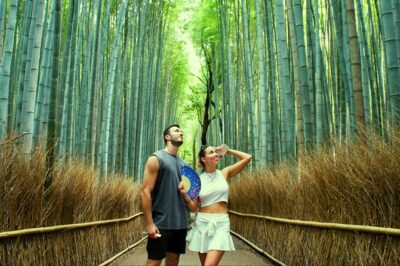
Arashiyama Bamboo Forest, Monkeys, Matcha & Temple Tour
Read our review →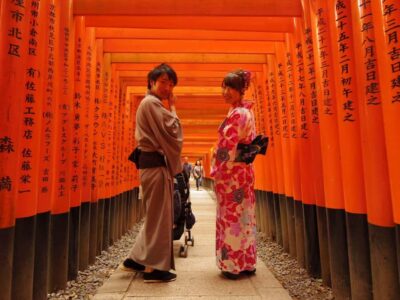
Arashiyama, Nara & Fushimi Inari Shrine w/Lunch
Read our review →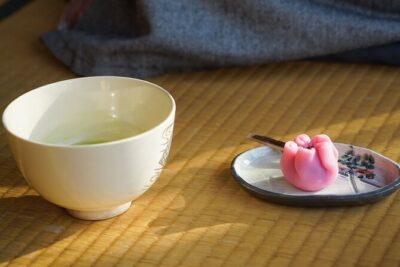
Kyoto Zen Meditation & Garden Tour at a Zen Temple with Lunch
Read our review →
KYOTO Tea Ceremony with kimono near by Imamiya Jinjya Shrine
Read our review →Arashiyama Bamboo, Matcha, Monkeys & Temple Tour
Read our review →Also filed under