
Reviewed · HIKING & TREKKING
Hiking Tour for Sacred Sites in Kyoto with a Guide
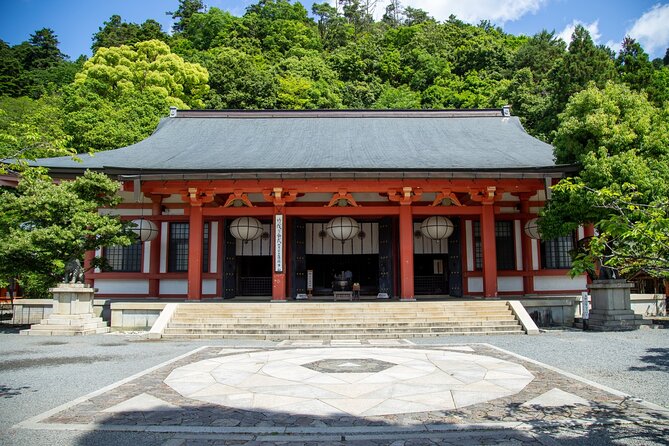
Kyoto turns quiet when you hike north. This half-day trip combines sacred sites with a scenic forest walk, then finishes at Kifune Shrine for a calm, spiritual setting. You get a National Licensed Guide Interpreter, so the day feels more like informed wandering than a checklist.
What I like most is the balance: temple time where you can slow down, plus a manageable stretch of hiking that still feels like you earned the views. I also like that the pace is designed for real people, including families, since the main walking segment is about 4 km and takes roughly 1.5 to 2 hours.
The main consideration is practical: the itinerary can shift with weather, and lunch is not included, so you’ll want a plan for food and breaks.
In This Review
- Key highlights you will actually feel
- Sacred Hiking from Kyoto Station, without the guesswork
- Meeting your National Licensed English guide (and why it helps)
- Stop 1: Kyoto Station Building to Kurama station by train
- Stop 2: Kurama-dera temple visit, calm steps in the mountains
- Stop 3: Mt. Kurama hike, the main scenic payoff
- Stop 4: Kifune Shrine, Shinto spirituality in a village setting
- Stop 5: Kokusaikaikan Station and back to Kyoto Station
- Price and value: what $250 buys you in real life
- What to do if weather changes the plan
- Who this tour is best for, and who might want something else
- Practical tips to make the most of the Kurama to Kifune day
- Should you book this Kurama and Kifune sacred hike?
- FAQ
- How long is the hiking tour in Kyoto?
- Where does the tour start, and how do you get to Kurama?
- How long is the hike from Mt. Kurama to Kibune?
- Are the temple and shrine admission fees included?
- Is lunch included in the tour price?
- What language is the guide, and can other languages be requested?
- Can you accommodate dietary restrictions?
- Is pickup offered, and do you receive a mobile ticket?
- Is this a private tour?
- Can the itinerary change due to weather?
Key highlights you will actually feel
- Licensed guide-led pacing: You’re not guessing routes or timing, and you keep moving at a steady, comfortable rhythm.
- Kurama-dera and Kifune Shrine on the same day: You get both Buddhist and Shinto sacred stops without stress.
- A classic 4 km hike segment: Mt. Kurama to Kibune is the core walk, usually about 1.5 to 2 hours.
- Transport built in: Train and bus legs are part of the day, with admissions covered.
- Family-friendly walking effort: Moderate fitness is the target, not extreme trekking.
- Small-group experience: It’s private for your group only, so questions and photo stops feel easier.
Sacred Hiking from Kyoto Station, without the guesswork
This is the kind of Kyoto day trip that gives you the best of two worlds: the ritual side of the city, and the outdoorsy side you don’t get from temple hopping by bus.
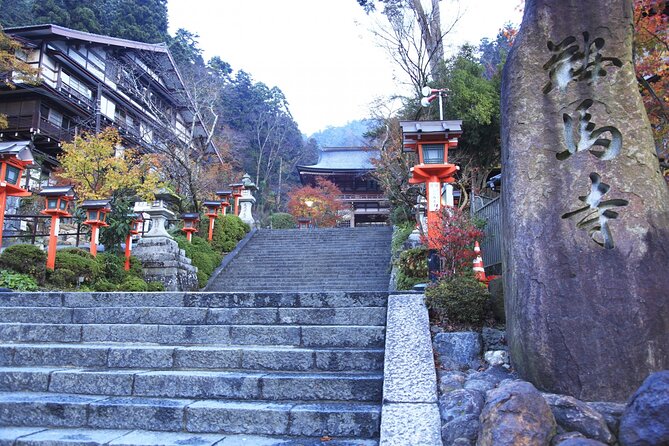
You start from Kyoto Station Building and head north by train to Kurama station. From there, the day builds naturally. First comes Kurama-dera, then the hike up and down toward Kifune, and finally Kifune Shrine in the village of Kibune. Even if you’ve visited temples in Kyoto before, the mix of mountains and sacred sites makes the route feel more “Kyoto in motion” than “Kyoto standing still.”
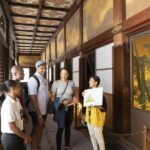
And because this is guide-led with a National Licensed English speaking interpreter (and other languages available if you ask), you’ll get context at the stops. That matters, because sacred sites in Japan are not just pretty buildings. Without explanation, it’s easy to admire silently and miss why each place feels important.
One more practical plus: the tour is designed around public transportation. That means you’re using the same system locals use, without paying for a private car that can’t handle the walking anyway.
Meeting your National Licensed English guide (and why it helps)
A big part of the value here is the guide. You’ll be with a National Licensed Guide Interpreter who speaks English. If you prefer another language, you can request it.
Why that matters on a hike day: you’re making quick decisions. Where to pause. What to notice as the trail changes. How to time shrine visits so you’re not rushing through either worship space or viewpoints. On a mountain route, those small choices affect how the whole day feels.
In the best version of this tour, the guide keeps the group together and the pace steady. One family-style experience highlighted that even kids could keep up on the Mt. Kurama to Kifune stretch, largely because the walking rhythm was well managed. So if your group includes less experienced walkers, this structure is a comfort.
More trails into the hills above the city
- Fushimi Inari Hidden Hiking Tour (Private Option Available)
★ 5.0 · 1,750 reviews - Kyoto: 3-Hour Fushimi Inari Shrine Hidden Hiking Tour
★ 4.9 · 270 reviews - Kyoto Hiking Tour: The Nature and Legends of Kurama and Kibune
★ 5.0 · 75 reviews - Kyoto: Fushimi Inari Hidden Hike (Private)
★ 5.0 · 31 reviews
Stop 1: Kyoto Station Building to Kurama station by train
Your day kicks off at Kyoto Station Building. Then you take trains to Kurama station.
This matters more than it seems. Kyoto Station is a major hub, so you’re starting from an easy place to orient yourself. Once you’re on the train, the city starts to fall behind you, and the day becomes about mountains rather than crowds.
The tour includes the public transportation fee, so you’re not juggling tickets mid-day. That alone saves time and mental energy, especially if you’re traveling with family or you want fewer moments of “wait, where do we go next?”
Stop 2: Kurama-dera temple visit, calm steps in the mountains
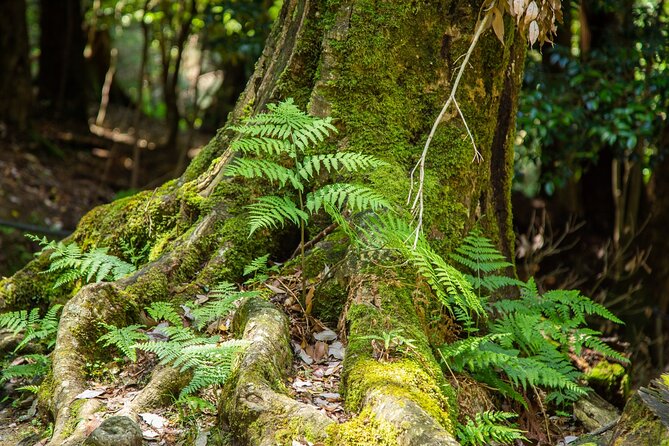
At Kurama station, you go to Kurama-dera, a Buddhist temple in the mountains north of Kyoto. The setting is the point: you’re in a natural, quieter area, and the temple visit feels like a breather before the hike.
The visit is about 1 hour. Admission is included, and it’s listed as around 500 JPY per person.
What to expect here:
- A serene stop where you can shift from city mode to mountain mode.
- A guided explanation that helps you read what you’re seeing, instead of just looking.
- A chance to reset before the walking portion starts.
What could be a drawback: Kurama-dera is a sacred site, so you may need to follow basic site rules and stay respectful of worship areas. That’s normal, but it means this is not a “walk fast, take one photo” kind of stop.
Tip: if weather is iffy, this temple time can be your buffer. Even if the trail gets wet later, you’re not losing the whole day, because you still get a full guided cultural stop upfront.
Stop 3: Mt. Kurama hike, the main scenic payoff
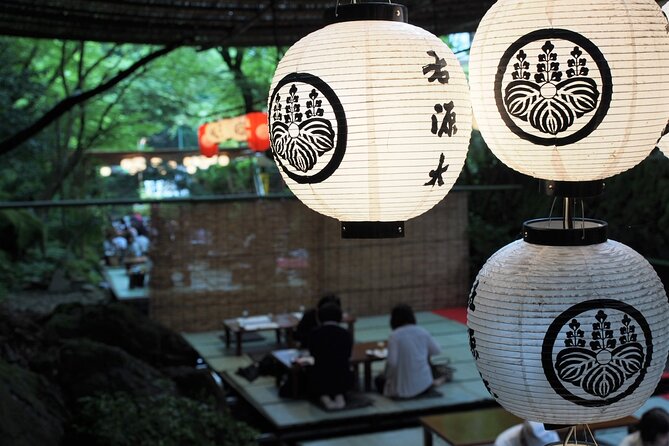
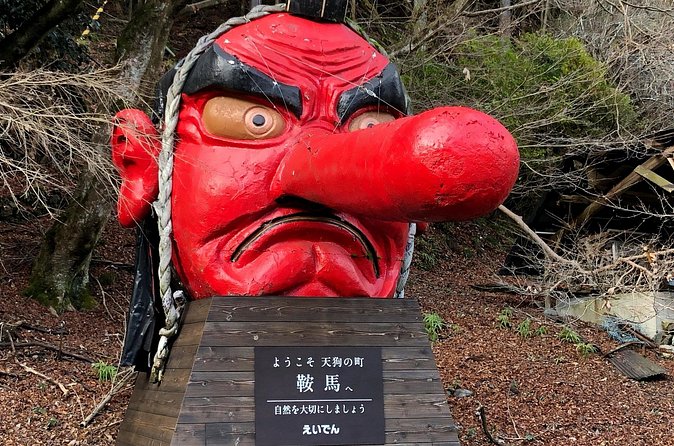
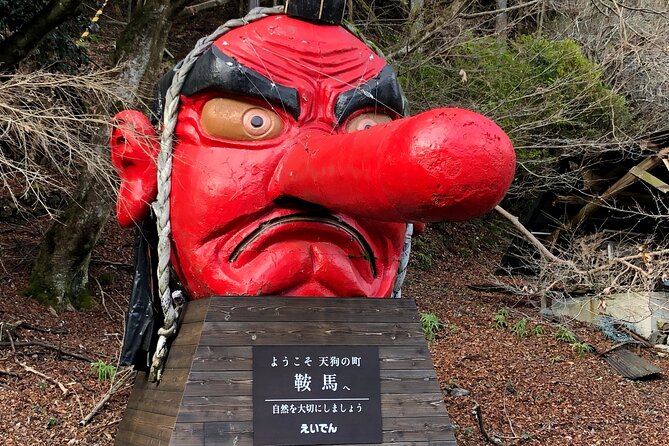
Next is the core of the experience: the hike from Mt. Kurama to Kibune.
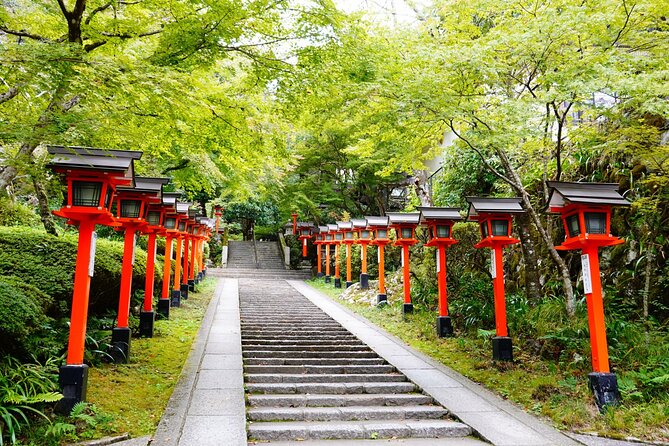
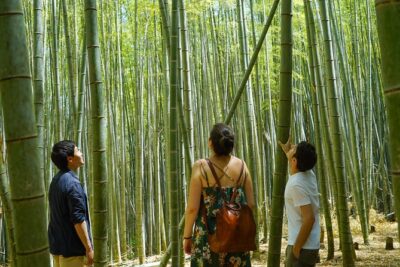
This is a popular route and the day is built around it. The hike distance is about 4 km, and it takes roughly 1.5 to 2 hours. The trail is described as scenic, with serene forest paths and cultural experiences along the way. Admission is free for this part.
This segment is where you feel the value of having a guide:
- You’re moving through a natural area, not a city grid.
- The guide helps you keep the timing right so you reach the shrine stop without sprinting.
- You get context about what you’re seeing while the air and light shift along the route.
If you’re deciding whether this hike fits you, treat it as a moderate walk, not a technical climb. The tour info specifically notes travelers should have moderate physical fitness. That usually means: you can handle sustained walking for about an hour and a half, plus some uneven ground.
Footwear matters. Even without adding new distance, wet or slippery sections can slow you down. Bring shoes with decent grip and expect that the pace will adjust in weather.
Stop 4: Kifune Shrine, Shinto spirituality in a village setting
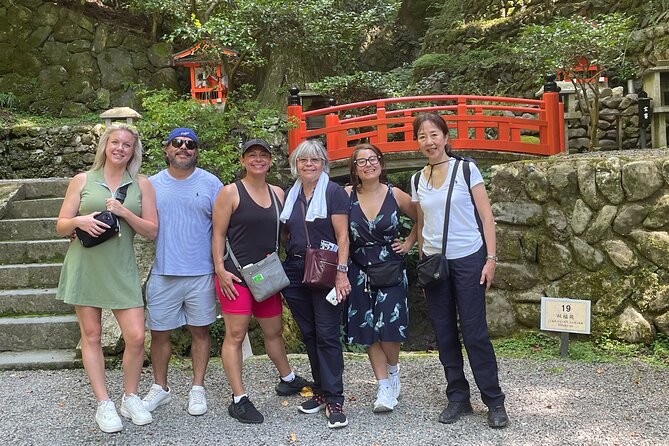
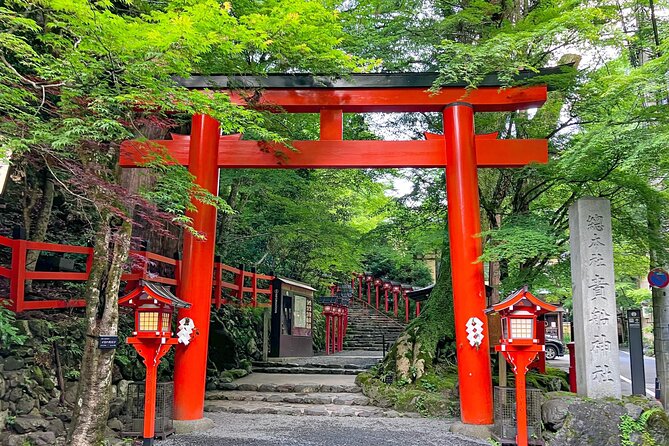
After the hike, you arrive at Kifune Shrine (Kifune-jinja). This is Shinto, and it’s known for its connection to water deities.
The time here is about 1 hour, and admission is included. It’s described as serene and picturesque, located in the village of Kibune just north of Kyoto.
What makes this stop land after the hike:
- The spiritual tone changes. You go from mountain forest walking to shrine space.
- You get a different religious tradition than the earlier Buddhist temple stop.
- The setting feels settled, like you’ve stepped into a quieter pocket of Kyoto.
What to notice: instead of treating the shrine as a photo backdrop, take the guided context seriously. Water deities are part of the identity of Kifune, so the explanations help you understand why the atmosphere feels the way it does.
Practical tip: keep your senses open. When you arrive from the trail, you’ll notice how different the sound and pace feel. That transition is part of what makes the day memorable.
A quieter way to spend a day in Kyoto

Stop 5: Kokusaikaikan Station and back to Kyoto Station
After Kifune, you head back toward Kyoto.
The route includes a bus from Kibune-guchi station to change at Kokusaikaikan station, then continue to Kyoto station. This portion is about 2 hours, and transport is covered. Admission is free for this leg.
Why this matters: return rides can be the stressful part of day tours, but here it’s built into the plan. You’re not trying to reverse-engineer bus lines after a hike, when everyone is tired and hungry.
Also, the bus plus transfer approach usually keeps the plan flexible. If weather shifts, public transportation is often easier to reschedule than a custom road plan.
Price and value: what $250 buys you in real life
The price is $250 per person.
For a Kyoto experience, that sounds like a lot if you think only in terms of “a hike and two shrines.” But value is more than ticket price. Here’s what you’re actually paying for:
- National Licensed English speaking guide interpreter included
- Admission fees included for the included cultural stops
- Public transportation fees included for the train and bus segments
- A full day structure of about 8 hours (approx.), not a loose walking suggestion
Lunch is not included (about 10 to 20 USD), and you’ll need to budget for that yourself. But because admissions and transit are already handled, your day spending is mostly under control. It’s easier to stick to a plan when you are not paying for multiple small items all day.
If you compare this to DIY, the biggest savings are not just money. It’s time, confidence, and the chance to understand what you’re seeing. If you’ve ever spent a whole morning on transit and then rushed through shrines because you were behind schedule, this guided pacing can be worth every dollar.
What to do if weather changes the plan
The tour info is honest: the itinerary might change due to weather conditions or other reasons.
That’s not a dealbreaker, but it does affect how you should pack and how you should think about expectations. Since you’re hiking on a mountain route, rain can change footing and comfort. Cloudy or wet conditions can make a hike more difficult and potentially reduce how much time you want to spend outside.
Your best move:
- Wear water-resistant layers if you have them.
- Keep your shoes geared for wet ground.
- Bring a small umbrella or rain shell, not just a hooded jacket.
The bright side is that you still have structured sacred visits built into the day. Even if outdoor sections shift, you’re not losing every meaningful moment.
Who this tour is best for, and who might want something else
This tour works well if you want Kyoto north of the city center, and you care about the meaning behind sacred sites, not just the scenery.
It’s a strong fit for:
- People with moderate physical fitness who want a manageable hiking effort
- Families who want a structured day and a guide to keep pace
- Travelers who prefer public transportation and guided interpretation over self-planning
It may be less ideal if:
- You need a fully flat, low-effort walk. The main hiking segment is about 4 km and takes up to 2 hours.
- You want a long free-form time with no schedule at all. This is guided, with timed stops.
Also, note that it’s a private tour/activity, meaning only your group participates. That’s a big deal for families and friends, since it reduces waiting and helps you ask questions without worrying about slowing down strangers.
Practical tips to make the most of the Kurama to Kifune day
Here’s how I’d prepare so you feel comfortable from the first train ride to the final return to Kyoto.
1) Plan for a full day
Even though the hike is about 1.5 to 2 hours, the total day is around 8 hours. You’ll have temple time, shrine time, and transit time. That means snacks and hydration matter.
2) Bring lunch money and snacks
Lunch isn’t included, with a suggested cost range of 10 to 20 USD. If you think you’ll get hungry after hiking, bring a small snack to hold you over between stops.
3) Pack for a sacred sites mindset
This is a shrine and temple day, so think respectful dress and quiet behavior. You’ll be moving through worship spaces, even if the atmosphere is relaxed.
4) If you have dietary needs, ask ahead
The tour can accommodate dietary restrictions like vegetarian, vegan, and gluten-free. If that matters to you, indicate it at booking so the plan can match your needs.
Should you book this Kurama and Kifune sacred hike?
I’d book it if you want a single, well-paced day that connects Buddhism and Shinto, plus a real mountain walk, without stress. The combination of included guide, included admission fees, and included public transportation fee makes the $250 price feel more reasonable. You’re buying a structured experience, not just access to places.
Skip it if you have very limited walking tolerance, or if you dislike any hiking at all, since the main segment still takes up to 2 hours.
One last comfort point: if your plans change, free cancellation is available up to 24 hours in advance for a full refund. That gives you some breathing room if weather or timing gets messy.
FAQ
How long is the hiking tour in Kyoto?
The tour is about 8 hours (approx.).
Where does the tour start, and how do you get to Kurama?
It starts at Kyoto Station Building, and you take trains to Kurama station.
How long is the hike from Mt. Kurama to Kibune?
The hike is approximately 4 kilometers and takes about 1.5 to 2 hours.
Are the temple and shrine admission fees included?
Yes. Admission fees are included for the stops listed on the itinerary.
Is lunch included in the tour price?
No. Lunch is not included, and it’s roughly 10 to 20 USD.
What language is the guide, and can other languages be requested?
The guide is a National Licensed English speaking interpreter. If you prefer a different language, you can let the provider know.
Can you accommodate dietary restrictions?
Yes. Dietary restrictions like vegetarian, vegan, and gluten-free can be accommodated if you indicate them at booking.
Is pickup offered, and do you receive a mobile ticket?
Pickup is offered, and the tour includes mobile ticket service.
Is this a private tour?
Yes. It is private, meaning only your group participates.
Can the itinerary change due to weather?
Yes. The itinerary might be changed due to weather conditions or other reasons.
New This Season
- Koyasan Day Trip by Private Car from Kyoto
- Old Port Town and Ultimate Sake Tasting Private Tour From Kyoto
- Kyoto: 5 Types of Sushi Making
- Sacred Peak & Ancient Paths: Kurama-Kibune Hiking Experience
- Kyoto’s Timeless Charm: 3hr Exploration of History and Peace
- Kyoto: Exclusive ZEN practice at Manpukuji temple in Uji
- Kyoto: Private Seasonal Aroma Yoga Class
- Traversing Kyoto’s Scenic West – Arashiyama to Kinkakuji
Hiking & Trekking, compared.
Fushimi Inari Hidden Hiking Tour (Private Option Available)
Read our review →
Kyoto Hiking Tour: The Nature and Legends of Kurama and Kibune
Read our review →
Kyoto Arashiyama Bamboo Forest Hiking Tour(Hidden Temples)
Read our review →
Ninja Trekking half-day tour at Mt.Daimonji Kyoto
Read our review →Also filed under