

Reviewed · COOKING CLASSES
Japanese Cuisine Cooking Class in Kyoto
Kyoto tastes better when you cook it. This class takes place in a traditional Kyoto machiya near Toji Temple, and it’s led by chef Iku with a nutrition-minded approach to Japanese home cooking. You’ll learn clay-pot rice and miso basics, then make a full meal of soup and five side dishes before finishing with matcha.
I especially like the small-group setup, because you get real back-and-forth, not just watching from the sidelines. I also love that the menu is mostly vegan-friendly, with vegetables driving the flavors, so it fits well for a lot of diets.
One thing to consider: even though most ingredients are vegan, fish and eggs may be used, so if you are strict, you’ll want to message ahead for a fully vegan version.
In This Review
- Key highlights before you book
- Kyoto Machiya kitchen near Toji Temple
- The hands-on plan: rice in a clay pot and miso basics
- One soup and five side dishes, plus matcha tea
- Small group energy and bilingual teaching in practice
- Vegan-leaning ingredients, allergies, and how to request fully vegan
- Tools, recipes, and taking the class home
- Price and timing: why $71.67 can be worth it
- Where this class fits best in your Kyoto plan
- Should you book this Japanese cooking class in Kyoto?
- FAQ
- Where is the meeting point for the cooking class?
- How long is the class, and what’s the schedule like?
- What dishes will I cook and eat?
- Is the class vegan?
- Is it a private class?
- Do I need to arrange transportation or bring anything?
- Can I get a refund if plans change?
Key highlights before you book
- Machiya kitchen near Toji Temple with a short walk from Kyoto Station
- Clay-pot rice and miso taught step-by-step in a hands-on way
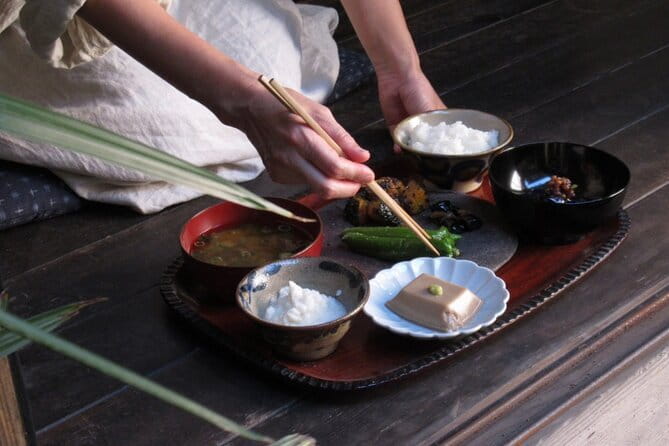
- One soup and five vegetable-based side dishes, then you eat your own work
- Bilingual support in English and Japanese, plus time for questions
- Mostly vegan ingredients, with options to adjust for allergies or fully vegan needs
- Recipe pack and tools provided, so the class translates to your kitchen at home
Kyoto Machiya kitchen near Toji Temple
I like my cooking classes small, calm, and close enough to see what’s happening. This one fits that mood. It’s held in a Kyoto machiya exhibition room, near Toji Temple, about a 5-minute walk from Kyoto Station. That matters on travel days, because you can get here easily without complicated transit plans.
You’re meeting at 411-2 Kujōchō, Minami Ward, Kyoto, and the session starts at 11:30 am. You’ll be done after about 3 hours, and the activity ends back at the meeting point. Since private transportation isn’t included, I’d plan to arrive by public transit and keep your schedule light around midday.
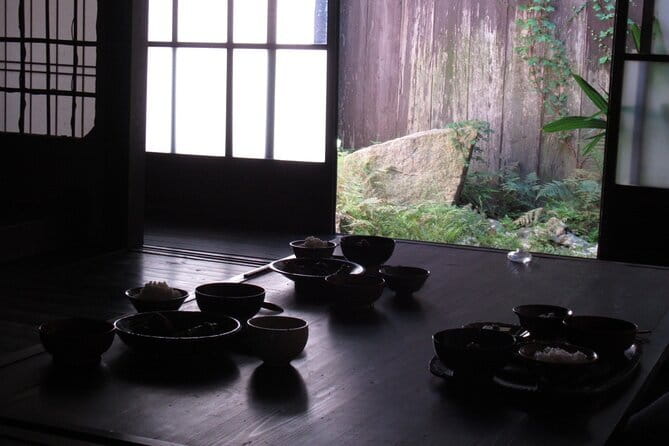
The setting also feels right for the theme. Machiya spaces give you that lived-in Kyoto feeling: simple, functional rooms built for everyday life, not a staged tourist kitchen. That helps you focus on the food and the techniques, not the distractions.
The hands-on plan: rice in a clay pot and miso basics
The class centers on Japanese home-style technique, and it starts with two anchors you can actually use again later: rice in a clay pot and miso, a fermented staple.
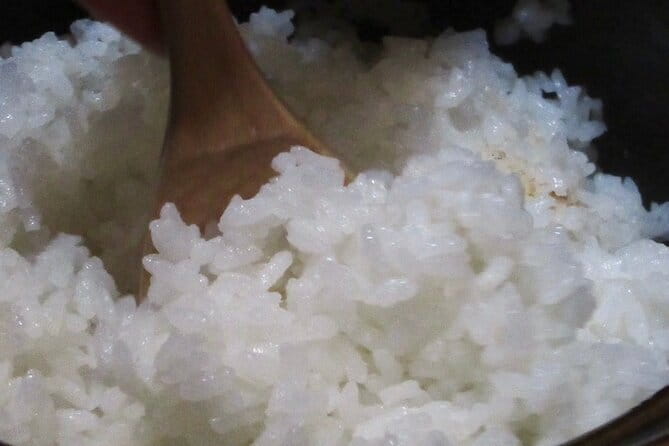
First, you’ll watch the chef demonstrate how to cook rice in the clay pot. Then, with help, you’ll make your own rice during the session. Clay pot rice is more than a gimmick. The pot helps the rice cook evenly and develop that comforting, slightly nutty aroma that makes Japanese meals feel cozy and complete.
Next comes miso. You’ll get a guided look at what miso is and how it behaves in cooking. Since miso is fermented, it brings more depth than plain salt and broth. In class, you’ll use it for a miso soup, which then becomes part of your final meal.
From there, you’ll move into the rest of the menu with the same hands-on approach. The rhythm is practical: watch, ask questions, then do it yourself.
A quieter way to spend a day in Kyoto
- Ramen Cooking Class at Ramen Factory in Kyoto
★ 5.0 · 1,937 reviews - Kyoto: Ramen Cooking Class at a Ramen Factory with Souvenir
★ 4.9 · 532 reviews - Kyoto: Ramen, Gyoza, and Onigiri Cooking Class
★ 5.0 · 445 reviews - Kyoto: Japanese Washoku Bento Small Group Cooking Class
★ 5.0 · 380 reviews
One soup and five side dishes, plus matcha tea
At the end, you eat what you cook. The meal is one soup and five side dishes, and the menu is based on vegetables. That’s a great structure for learning, because you practice how to balance a meal: one warm, savory soup plus a set of complementary sides that each bring a different texture or flavor direction.
This format also makes it easier to take lessons home. If you tried to learn five dishes from scratch in one class, you’d worry it’s too much. But the class keeps it manageable by teaching fundamentals through repetition. You’ll plate your food and then sit down together to eat.
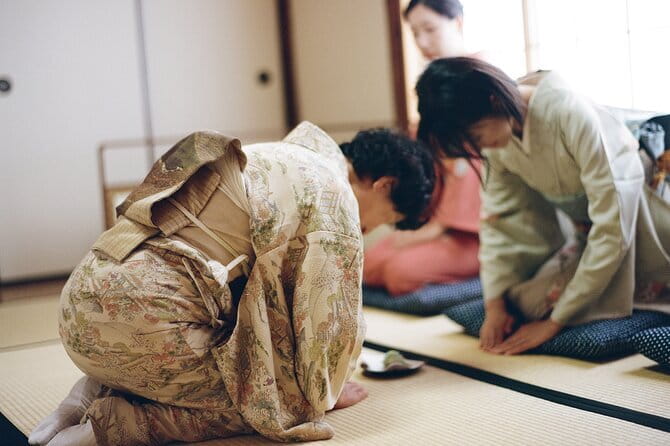
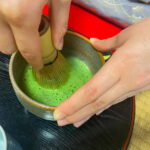
After the meal, you’ll be served matcha tea. It’s a classic Kyoto pairing, and it gives the class a clean finish: you cook, you eat, then you cool down with something familiar and local.
Small group energy and bilingual teaching in practice
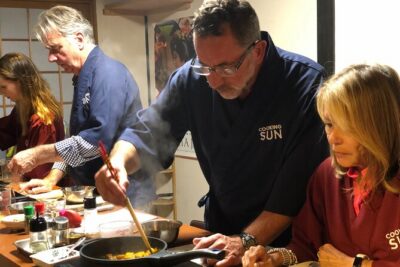
This is built for overseas visitors who want interaction, not just a ticket to a demonstration. The group size is small, and the experience is described as a private activity, meaning only your group participates. In practical terms, that usually translates to more attention when you have questions.
You’ll also have support in English and Japanese. Even if your Japanese is basic, you can still follow what’s happening, ask about utensils, and understand ingredients. The chef also encourages questions about Japanese cuisine and culture, which is where these classes can become more than cooking. You’re not just memorizing steps, you’re learning what the ingredients do and why they matter.
You should expect a mix of watching, cooking, and tasting. One reason people leave these classes happy is that they’re not asked to copy perfectly on the first try. Instead, you learn by doing, with guidance along the way.
Vegan-leaning ingredients, allergies, and how to request fully vegan
This class is mostly vegan in ingredient use, but it’s not automatically 100 percent vegan. Fish and eggs may also be used. If you have allergies, you should let the instructor know in advance, so the chef can guide you through safer choices during cooking.
If you want a completely vegan diet, the class asks you to send a message. I’d take that seriously, because it’s the difference between a class that works broadly and one that works perfectly for you.
Here’s the practical tip I give friends: when you request adjustments, be specific. Instead of only saying vegan, also mention key allergy concerns (for example, eggs) so the chef can tailor what you handle during cooking and what’s used in the final soup and sides.
This ingredient flexibility is one reason the class can feel both authentic and accommodating. You still get Kyoto flavors built around vegetables, miso, and rice, while the chef works with your needs.
Tools, recipes, and taking the class home
You don’t show up empty-handed. Cooking utensils, recipes, and writing implements are included. That sounds basic, but it’s actually important for value.
Recipes help you recreate the dishes after you return home. Writing implements help you capture what you learn in the moment, like cooking timing cues or how the chef describes texture. In Japanese cooking, texture and doneness matter, so notes can be as useful as the recipe list.
Also, having the right tools on-site means you’re learning the method, not forcing an improvised substitute. If you’ve ever cooked miso dishes at home and wondered why it doesn’t taste the same, the tool-and-technique part often explains the difference.
A day of temples goes further with something to break it up.

Price and timing: why $71.67 can be worth it
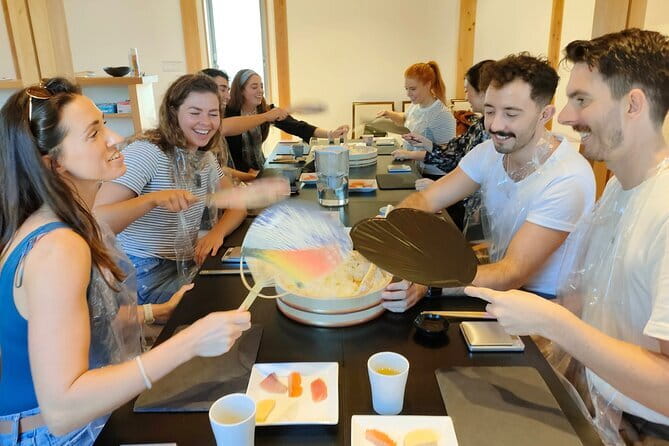
This class costs $71.67 per person and runs for about 3 hours. On paper, that’s not the cheapest meal in Kyoto. But you’re paying for several things at once: guided instruction, a small-group hands-on format, and a full meal you eat at the end.
The value gets better when you treat it like a skill session, not a restaurant meal. You’re learning rice technique in a clay pot and the role of miso in soup, then practicing multiple vegetable-based side dishes. You also leave with recipes and the takeaway knowledge to cook similar meals again.
Timing matters too. With a 11:30 am start, this fits neatly between morning sightseeing and afternoon plans. If you’re already doing Kyoto Station area stops, this is an easy add. It’s also a good choice if you want a break from walking and want a structured cultural activity that ends with food and tea.
One more detail that affects value: the class includes all fees and taxes. So you’re not likely to hit surprise add-ons once you get there, other than your own getting-to-Kyoto-Station logistics.
Where this class fits best in your Kyoto plan
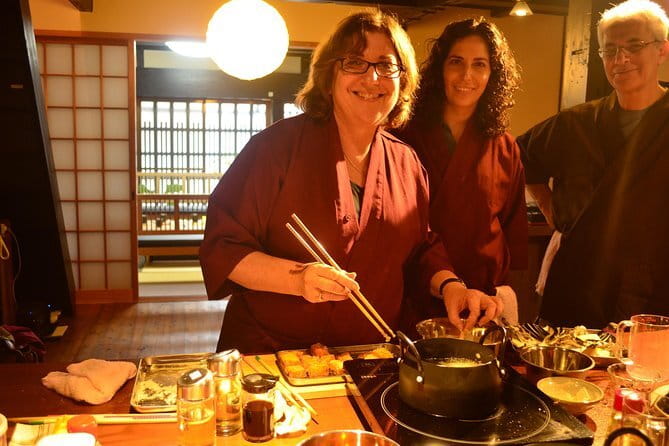
I’d book this if you want Kyoto food culture, not just Japanese food tasting. The focus on cooking is what makes it hit differently. Instead of thinking, That was tasty, you’ll understand why the dishes work together.
It also pairs well with other Kyoto plans that involve temples and neighborhoods, because the machiya setting near Toji gives you local context. If you enjoy food markets and kitchen stories, this class gives you a kitchen-based counterpart.
Best match for:
- Food lovers who learn by hands-on practice
- Veggie-forward eaters who want Japanese home cooking
- Travelers who want something structured and relaxing in the middle of a sightseeing day
- People who care about technique, especially rice and miso
You might choose something else if:
- You want a strictly vegan class without any chance of fish or eggs, unless you message ahead
- You need a very early or very late activity window, since it starts at 11:30 am
Should you book this Japanese cooking class in Kyoto?
If you’re the type of traveler who likes to come home with a skill, not just photos, I think this is a strong booking. The combination of clay-pot rice, miso soup, and a meal built from five vegetable-based side dishes gives you a complete Kyoto-style cooking lesson in one sitting. Add the small-group feel, bilingual teaching, and recipe handouts, and the $71.67 price starts looking fair.
Just do two things before you go: message clearly about dietary needs if you need fully vegan cooking, and arrive ready to ask questions about utensils and ingredients. If you do that, you’ll leave with food you understand, not just food you ate.
FAQ
Where is the meeting point for the cooking class?
You’ll meet at 411-2 Kujōchō, Minami Ward, Kyoto 601-8473, Japan. It’s near Toji Temple and about a 5-minute walk from Kyoto Station.
How long is the class, and what’s the schedule like?
The class runs for about 3 hours. It starts at 11:30 am, and the activity ends back at the meeting point.
What dishes will I cook and eat?
You’ll cook rice in a clay pot and make miso. Your meal includes one soup and five side dishes, then you’ll plate and eat what you made. Matcha tea is served after the meal.
Is the class vegan?
Most of the ingredients used in class are vegan. Fish and eggs may also be used. If you want a completely vegan diet, you’re asked to send a message, and you should let the instructor know about allergies in advance.
Is it a private class?
Yes. This is a private tour or activity, so only your group will participate.
Do I need to arrange transportation or bring anything?
Private transportation isn’t included. Cooking utensils, recipes, and writing implements are provided, and you’ll receive a mobile ticket.
Can I get a refund if plans change?
Yes. There is free cancellation. You can cancel up to 24 hours in advance of the experience start time for a full refund.
New This Season
- Koyasan Day Trip by Private Car from Kyoto
- Old Port Town and Ultimate Sake Tasting Private Tour From Kyoto
- Kyoto’s Timeless Charm: 3hr Exploration of History and Peace
- Kyoto: 5 Types of Sushi Making
- Sacred Peak & Ancient Paths: Kurama-Kibune Hiking Experience
- Kyoto: Exclusive ZEN practice at Manpukuji temple in Uji
- Kyoto: Private Seasonal Aroma Yoga Class
- Traversing Kyoto’s Scenic West – Arashiyama to Kinkakuji
Cooking Classes, compared.
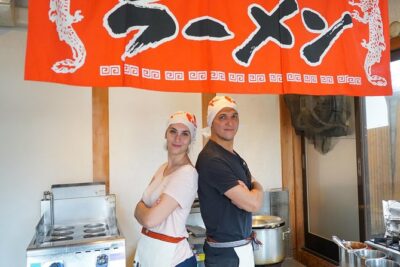
Ramen Cooking Class at Ramen Factory in Kyoto
Read our review →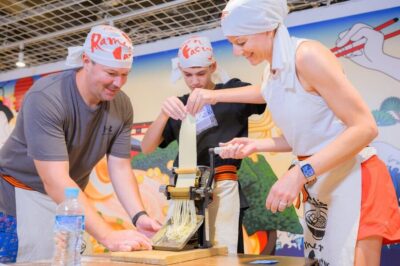
Ramen Cooking Class at a Ramen Factory with Souvenir
Read our review →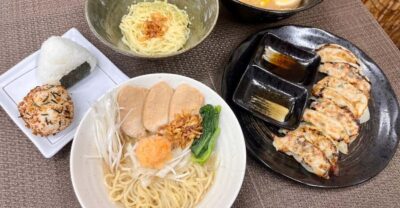
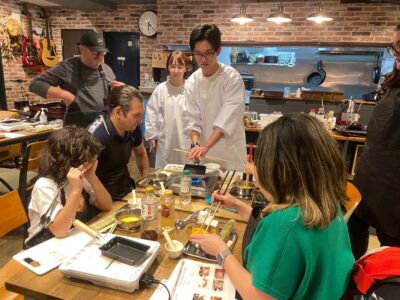
Japanese Washoku Bento Small Group Cooking Class
Read our review →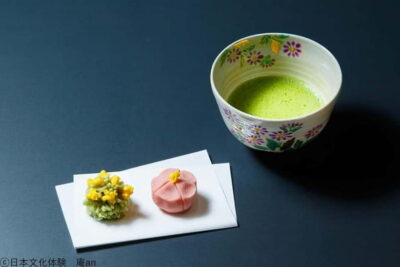
Japanese Traditional Sweets Making and Tea Ceremony
Read our review →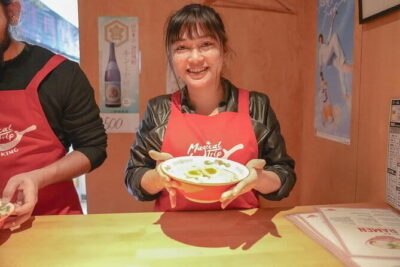
Kyoto Ramen and Gyoza Cooking Class with Professional Chefs
Read our review →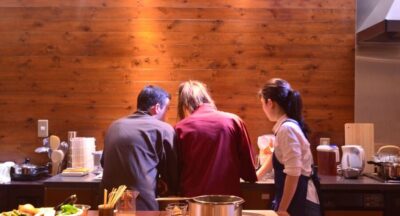
Also filed under