
Reviewed · COOKING CLASSES
Japanese Soba Noodle Making Experience & Workshop in Kyoto
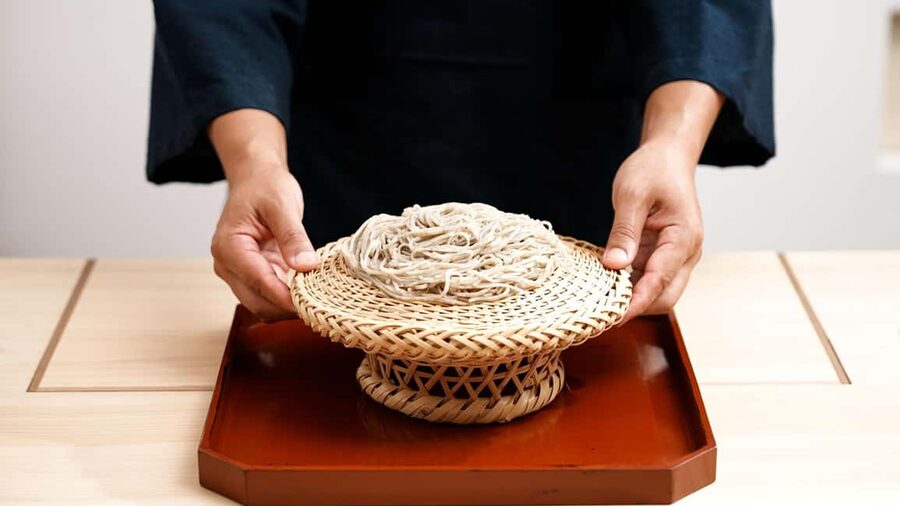
Soba dough turns into noodles fast. This Kyoto workshop teaches you soba-making from scratch in a calm, small-group setting (max 8), with close attention as you knead, roll, and cut. I like the hands-on pace you can keep with your hosts, and I really like that you use the right soba knife to slice even noodles. One thing to consider is the time limit, 90 minutes passes quickly once you start kneading.
After the noodles, you get to actually eat what you made. You’ll enjoy a soba meal with toppings, plus a cup of high-quality matcha and a traditional Kyoto sweet, all in a venue that includes a traditional garden and tea room. If you’re expecting a long, slow dinner experience, this one is more about making and tasting than lingering for hours.
In This Review
- Key moments that make this workshop worth your time
- A Kyoto class that feels personal, not rushed
- What you learn during the hands-on soba-making steps
- 1) Dough: getting the texture right
- 2) Rolling: thin sheets without tearing
- 3) Cutting: slicing even noodles with the soba knife
- Cooking and eating your soba, warm or chilled
- The cultural thread: history of soba plus food culture in Kyoto
- Matcha time and a Kyoto sweet to finish strong
- Price and value: is $127 per person fair
- Who this workshop suits best
- Practical tips before you go
- Should you book this Kyoto soba workshop?
- FAQ
- FAQ
- How long is the Japanese soba noodle making experience?
- Where is this activity located?
- How much does it cost?
- What is included in the price?
- What is not included?
- What happens during the workshop?
- Do you get matcha and a sweet?
- What group size is it?
- What languages are used?
- Is the venue wheelchair accessible?
Key moments that make this workshop worth your time
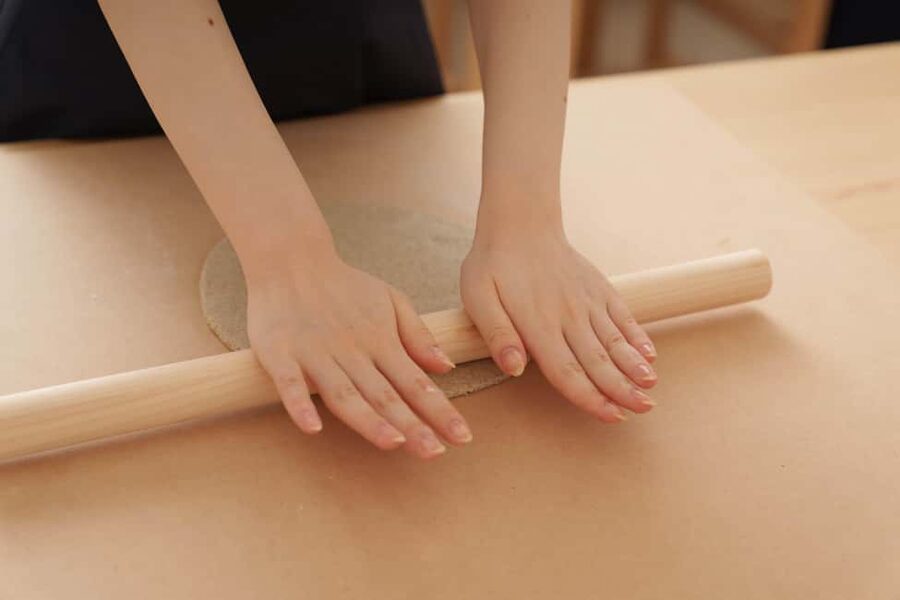
- From knead to cut: you start with Japanese buckwheat flour dough and finish with neatly sliced noodles.
- Small group, real coaching: limited to 8 participants, so you get individual help during the fiddly steps.
- Special tools, especially the soba knife: cutting is part of the learning, not an afterthought.
- Your soba meal comes right after: warm in broth, chilled with dipping sauce, plus toppings like wasabi, grated radish, and green onions.
- Matcha plus a Kyoto sweet: tea time feels like the closing chapter, not a random add-on.
A Kyoto class that feels personal, not rushed
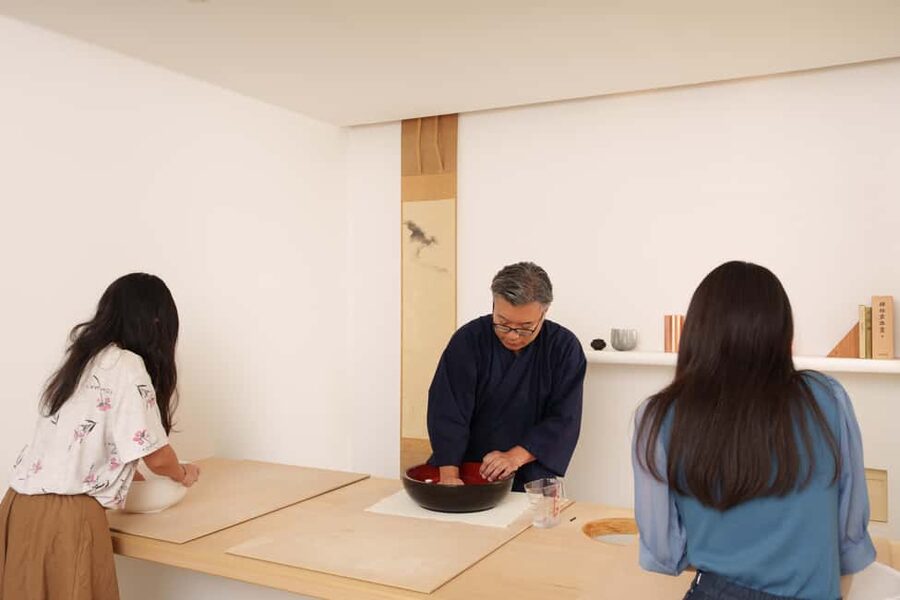
Kyoto food classes can go two ways: you watch, or you do. This one is built for doing. You work with Japanese buckwheat flour, learn how to judge dough texture as you add water, roll the sheets carefully so they don’t tear, and then cut with a proper soba knife.
The small group size matters more than it sounds. When you have up to 8 people, you’re more likely to get corrections in real time. You can adjust your hand pressure, your roll thickness, and your cutting rhythm without feeling like you’re holding up a train schedule.
The venue also sets a good mood. You’ll be in a traditional garden and tea room setting, which makes the cooking feel tied to Japanese food culture rather than just a cooking demo. One review specifically described the intimacy of an older back space connected to ceramics and that you’re welcomed warmly. That matches the overall feel of the class, structured but not stiff.
Possible drawback: you only have 90 minutes. That’s enough to learn the process and eat your noodles, but it’s not enough for a full, multi-course food journey. If you want a long, slow evening, plan a second activity after.
What you learn during the hands-on soba-making steps
This workshop starts with the core skill: turning buckwheat flour into soba dough that’s workable, not sticky or crumbly. You’ll select high-quality buckwheat flour, then knead the dough while your instructor guides you on what to look for.
Here’s the sequence you can expect.
A quieter way to spend a day in Kyoto
- Ramen Cooking Class at Ramen Factory in Kyoto
★ 5.0 · 1,937 reviews - Kyoto: Ramen Cooking Class at a Ramen Factory with Souvenir
★ 4.9 · 532 reviews - Kyoto: Ramen, Gyoza, and Onigiri Cooking Class
★ 5.0 · 445 reviews - Kyoto: Japanese Washoku Bento Small Group Cooking Class
★ 5.0 · 380 reviews
1) Dough: getting the texture right
You begin by kneading buckwheat flour into dough, then gradually add water. The key is watching texture as you go. In soba, that texture is everything. Too dry, and the dough won’t roll cleanly. Too wet, and it can become hard to handle and prone to tearing during rolling.
I like how this step frames learning as observation. You’re not just copying motion. You’re learning what the dough should feel like so you can adapt when your hands and the flour behave slightly differently.
2) Rolling: thin sheets without tearing
Next comes rolling the dough into thin sheets with a rolling pin. This is where patience helps. Rolling thin takes control. You’ll be taught to roll gently and evenly, keeping the sheets delicate rather than trying to force them.
If you’ve done pasta rolling before, the skills are similar. The difference is that soba dough can feel more sensitive. Even thin sheets need respect.
3) Cutting: slicing even noodles with the soba knife
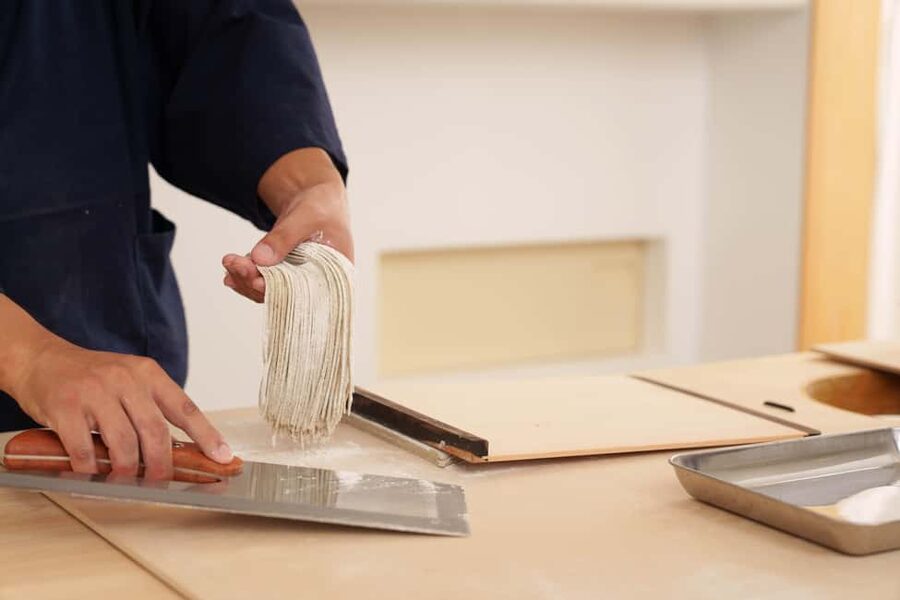
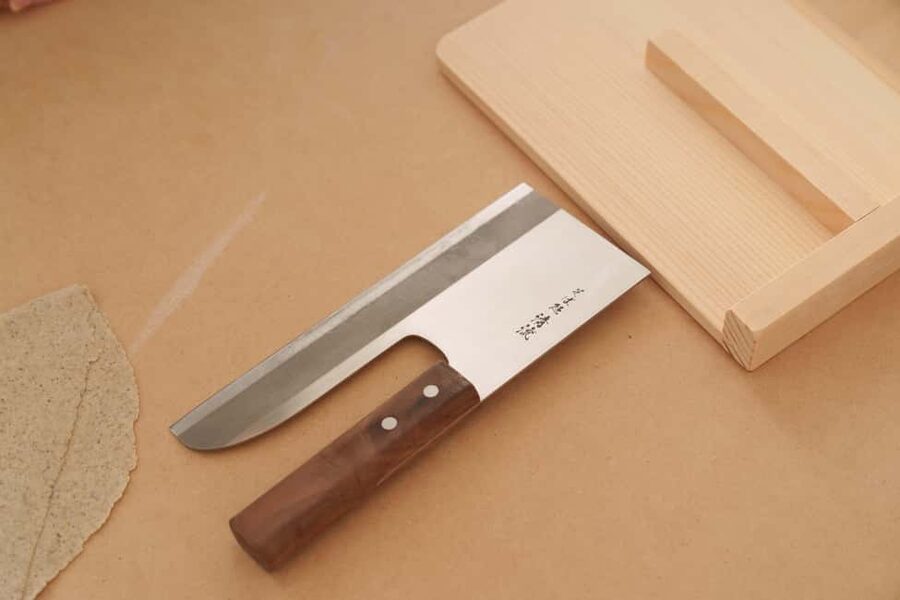
Then comes the satisfying part, cutting. You’ll use a special soba knife to cut thin, even noodles. Evenness matters for eating because it affects texture in the pot. This is also where the class really lives or dies, you can’t learn cutting by watching alone.
One strong highlight is the moment you pick up the knife and slice. A review mentioned how impressive the knife was and how the preparation ran at the pace of the class, not on a strict timer. That coaching style is a big deal when you’re learning something this hands-on.
Cooking and eating your soba, warm or chilled
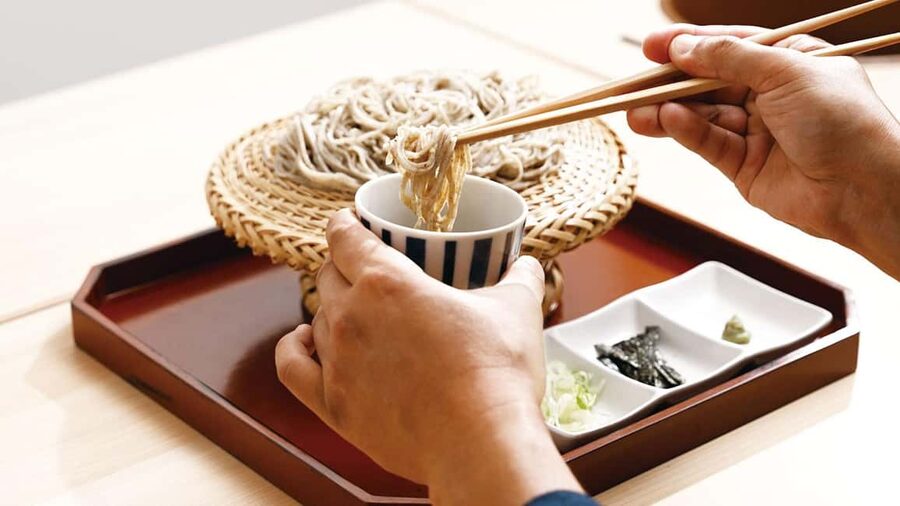
Once your noodles are made, you cook them in a large pot and then enjoy them in a few styles. This is where the workshop becomes more than technique practice.
You can expect options like:
- Warm soba in a flavorful broth
- Chilled soba with a dipping sauce
Then you’ll add toppings you can recognize and customize. Common options include green onions, grated radish, and wasabi.
This part is valuable because it connects skill to taste. You’ll see how your noodle thickness and cutting shape the bite, and you’ll notice how hot broth versus chilled dipping sauce changes the experience. Soba can taste earthy and nutty when warm. Chilled versions tend to feel lighter and more refreshing.
If you’re wondering what you’ll actually eat, the workshop includes a soba meal, so you’re not left to wonder whether it’s filling enough. It’s also paced so you can move from cooking to eating without waiting forever.
A day of temples goes further with something to break it up.

The cultural thread: history of soba plus food culture in Kyoto
This experience isn’t only culinary mechanics. You also learn about the history and cultural significance of soba in Japan.
You’ll hear how soba fits into Japanese food culture, and the instructor frames it as a traditional dish with nutritional value. In fact, soba here is described as a traditional Japanese superfood, rich in protein, vitamins, minerals, and fiber. That matters if you’re choosing food activities beyond just tasting.
I like that the cultural info comes alongside the cooking. It turns soba from a generic menu item into something with context. You’ll walk away understanding why people care about texture and why soba is treated as more than “just noodles.”
Matcha time and a Kyoto sweet to finish strong
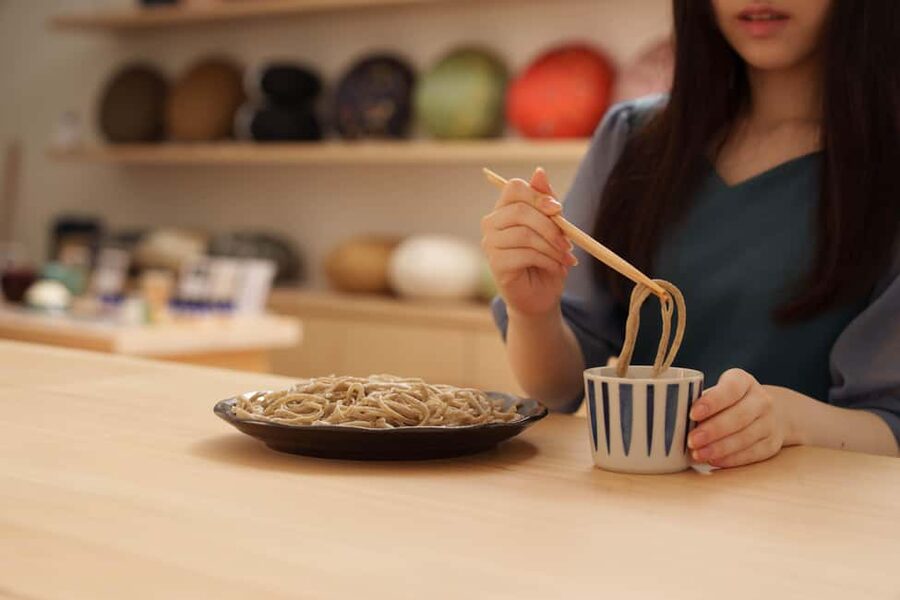
After you’ve eaten your homemade soba, you shift to tea time. The workshop includes a matcha experience and a traditional Kyoto sweet.
You’ll savor premium matcha, then enjoy the sweet afterward. This timing is smart. You don’t get distracted by dessert right before you understand your own noodles. You learn, you eat, and then you close with a classic Japanese finish.
The venue having a tea room helps too. Even if the tea portion is shorter than a dedicated tea ceremony class, it still gives you that sense of ceremony.
If you’re a matcha fan, this part is a practical bonus. You’re not spending extra money or hunting for a matcha set later if you don’t want to.
Price and value: is $127 per person fair
At $127 per person for 90 minutes, this sits in the mid-to-higher range for food workshops in Kyoto. The question is what you’re buying.
You’re getting:
- A guided soba-making session from scratch
- Use of soba-making tools
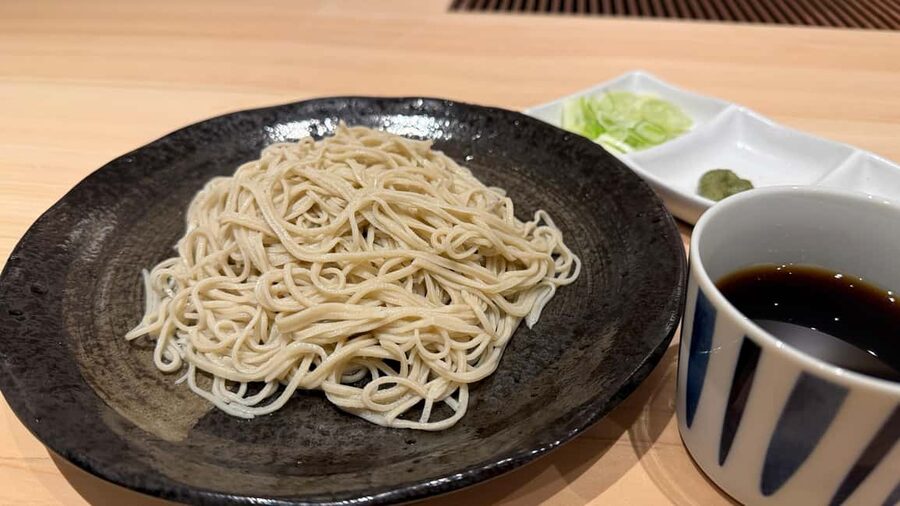
- A soba meal with toppings
- Premium matcha plus a traditional Kyoto sweet
- A small group limit, which improves the quality of instruction
When you compare that to the cost of eating soba at a restaurant plus paying for a separate workshop, the value picture tightens. The meal components are part of what you pay for, not an optional extra. And the hands-on cutting and kneading training is the main reason the price makes sense, you’re not just watching.
If you’re traveling on a tight budget, $127 may feel steep. If you’re the type who likes to learn by doing, it’s easier to justify, because you get skills you can bring home, even if you’ll never recreate Kyoto perfection exactly.
Who this workshop suits best
This is a great fit if you:
- Want an active food experience, not a spectator class
- Like learning technique, especially noodle cutting
- Prefer smaller classes where you can get feedback
- Enjoy both savory food and a proper tea finish (matcha plus sweet)
It also works well for people who want a Kyoto experience that feels grounded in local practice, especially since the venue includes a traditional garden and tea room.
If you have very limited time in Kyoto, the 90-minute duration helps. Still, you’ll want to plan around travel to the venue, because transportation isn’t included.
Practical tips before you go
A few things will help you enjoy the class more smoothly.
- Wear comfortable clothes you don’t mind getting slightly messy. Kneading and rolling can be forgiving, but flour is flour.
- Go in hungry enough to enjoy the meal right after cooking. The workshop includes soba, so you don’t need to eat beforehand.
- If you care about chilled versus warm noodles, pay attention when they explain the options. You’ll be able to choose how you like them, and it helps to line up your preferences early.
- Bring curiosity for the cultural talk. Even a short history segment can make the whole dish feel more meaningful.
You can also relax about the format. The instructor teaches in Japanese and English, and the class is wheelchair accessible.
Should you book this Kyoto soba workshop?
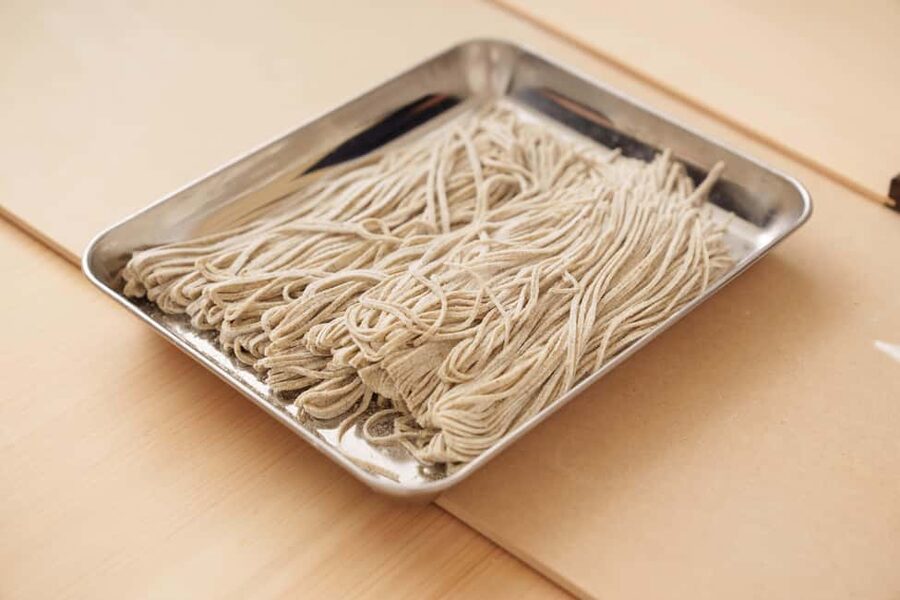
If you want a hands-on Kyoto food experience that ends with a real meal plus matcha, I’d book it. The biggest reasons are the structure of learning from flour to noodles, the small group size that keeps coaching close, and the way the workshop finishes with what you made, not just what you watched.
The only strong reason to skip is if you’re expecting a long, leisurely dining outing. This is 90 minutes of technique and tasting, not an all-evening event.
If that matches your style, reserve your spot. A small group like this fills up, and you’ll get the kind of calm attention that makes the dough, knife work, and final bowl feel genuinely worth it.
FAQ
FAQ
How long is the Japanese soba noodle making experience?
The experience runs for 90 minutes.
Where is this activity located?
It takes place in Honshu, Japan, in Kyoto.
How much does it cost?
The price is $127 per person.
What is included in the price?
Included are the soba making experience, use of soba making tools, and a soba meal.
What is not included?
Transportation to the venue is not included.
What happens during the workshop?
You learn to make soba from scratch using buckwheat flour, including kneading dough, rolling thin sheets, cutting noodles with a soba knife, cooking the noodles, and then eating them with toppings.
Do you get matcha and a sweet?
Yes. After your homemade soba, the experience includes a cup of high-quality matcha and a traditional Kyoto sweet.
What group size is it?
It is a small group limited to 8 participants.
What languages are used?
The instructor speaks Japanese and English.
Is the venue wheelchair accessible?
Yes, it is wheelchair accessible.
New This Season
- Koyasan Day Trip by Private Car from Kyoto
- Old Port Town and Ultimate Sake Tasting Private Tour From Kyoto
- Kyoto’s Timeless Charm: 3hr Exploration of History and Peace
- Kyoto: 5 Types of Sushi Making
- Sacred Peak & Ancient Paths: Kurama-Kibune Hiking Experience
- Kyoto: Exclusive ZEN practice at Manpukuji temple in Uji
- Kyoto: Private Seasonal Aroma Yoga Class
- Traversing Kyoto’s Scenic West – Arashiyama to Kinkakuji
Cooking Classes, compared.
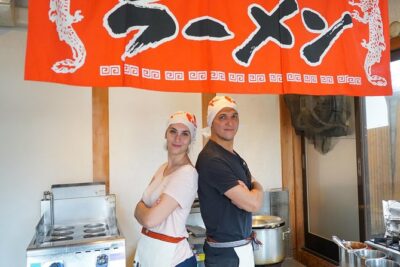
Ramen Cooking Class at Ramen Factory in Kyoto
Read our review →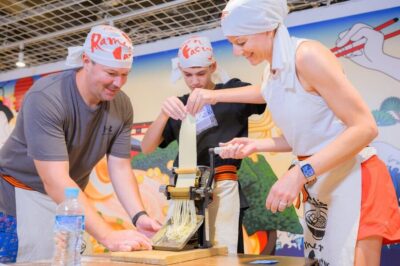
Ramen Cooking Class at a Ramen Factory with Souvenir
Read our review →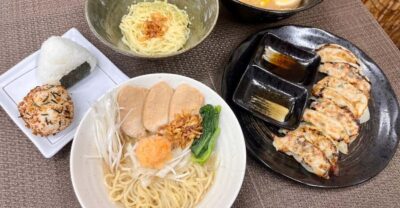
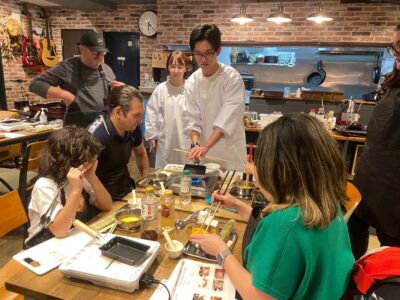
Japanese Washoku Bento Small Group Cooking Class
Read our review →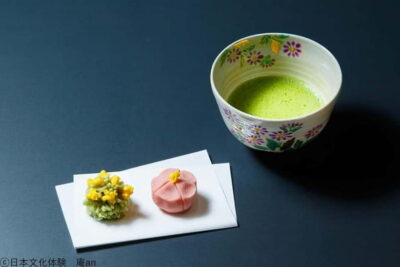
Japanese Traditional Sweets Making and Tea Ceremony
Read our review →
Kyoto Ramen and Gyoza Cooking Class with Professional Chefs
Read our review →
Also filed under