
Reviewed · KIMONO & YUKATA RENTALS
Kimono Wearing Experience-Fun to Wear Wearing-Fun to Know-
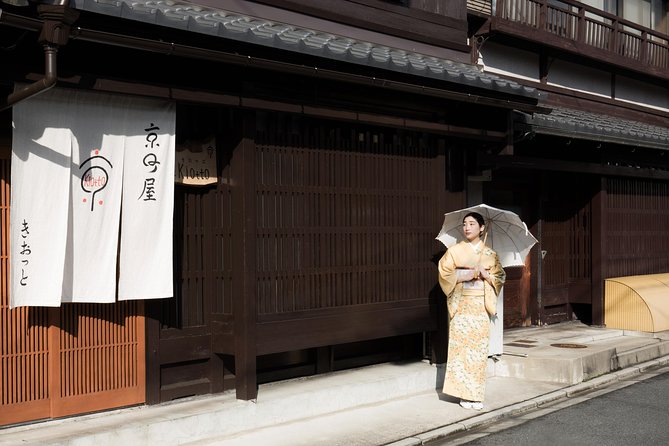
Kimono time in a real Kyoto home. I love how this feels like a private lesson, not a rushed costume change, and you get to practice dressing basics at your own pace. The setting matters too, since the experience happens in a traditional kyomachiya (Kyoto town house), where the whole mood is quieter and more local than the usual sightseeing circuit.
I also like that the focus stays practical. You’ll get step-by-step help with what you wear and why, plus you can pick the outfit and obi style that suits you. One thing to consider: it’s about an hour, and the time for going out is limited, so it’s better for learning and photos than for a long Kyoto wander.
In This Review
- Key Highlights You Will Actually Care About
- A Kyomachiya Setting That Makes the Lesson Feel Kyoto
- Your Lesson Flow, Step by Step (and What to Watch For)
- Choosing Yukata vs Kimono Like You Mean It
- How the Instructor’s Support Changes Your Hour
- The Second Floor Experience, Photos, and the Zen Garden Moment
- Practical Value: What You Pay for (and Why It’s Reasonable)
- If You Bring Your Own Kimono, Here’s the Good Part
- Kyoto Planning Help From Staff With Long Experience
- Who This Kimono Lesson Is Perfect For
- Booking Timing and Arrival Basics (Kept Simple)
- Is It Worth Booking? My Honest Decision Rule
- FAQ
- Where do we meet for the kimono lesson?
- How long does the experience last?
- Is this a private experience?
- What should I expect to do during the lesson?
- What courses are available?
- Is there any need to return a rented kimono?
- What’s included regarding kimono and dressing items?
- Do you provide footwear like clogs?
- How do I receive my ticket?
- What is the cancellation policy?
Key Highlights You Will Actually Care About
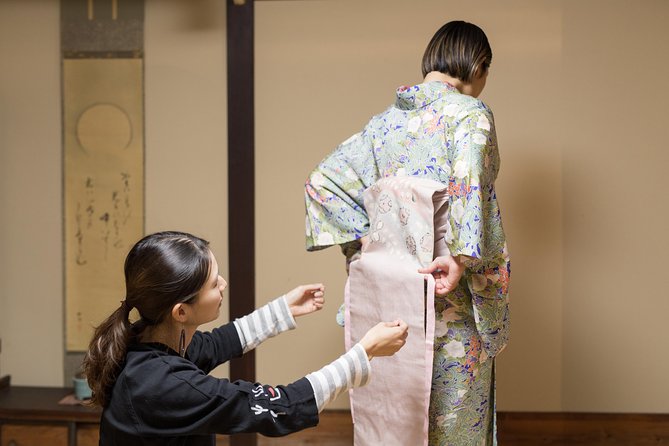
Private, qualified instruction you control so you can move at a comfortable pace.
Kimono or yukata setup is supported, with rental items included for dressing-related needs.
Two course paths to choose from, including yukata with a half-width band or kimono with a Nagoya band (Taiko).
A kyomachiya second-floor dressing rhythm that feels slower and more Kyoto-life than a storefront.
Photo time with a zen garden backdrop, great for getting those clean, authentic-looking shots.
Free clogs available if you want footwear support during the photo and strolling time.
A Kyomachiya Setting That Makes the Lesson Feel Kyoto
This isn’t the typical, line-at-the-counter kimono rental experience. You’re stepping into a Kyoto town house atmosphere, and that alone changes how you’ll remember the hour.
The structure matters. You dress on the second floor, and the pace is described as leisurely. That gives you something rare in Kyoto tourism: time to adjust, ask questions, and actually learn what you’re doing, instead of just getting dressed and sent back downstairs.
Also, it’s private. Your group is the only one in the lesson space, so you can move at your own speed, ask for specific help, and take photos without feeling like you’re waiting your turn.
Your Lesson Flow, Step by Step (and What to Watch For)
The plan is simple, which is good. When you have limited time, clear steps keep the experience stress-free.
First, there’s a brief explanation. You’ll get greetings and a quick rundown of what’s necessary for kimono (including yukata basics). This is a smart start for first-timers, because it sets expectations before the fabric starts flying. You’ll understand the role of pieces like the obi, and you won’t feel lost when the instructor starts adjusting things.
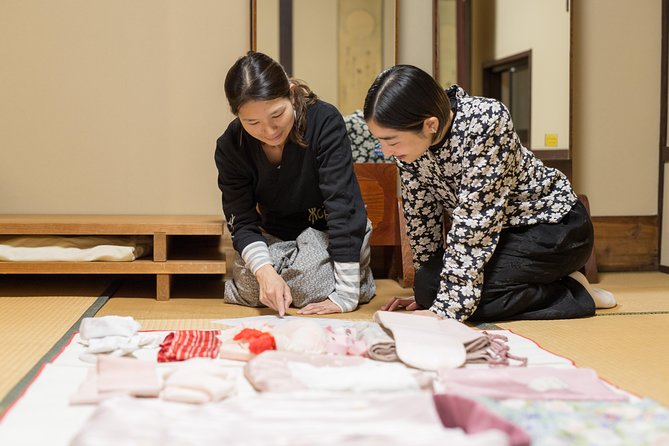
Next, you choose what you want to wear. You can pick a favorite kimono or yukata, and you’ll also have a choice of obi. This is where the experience stops feeling generic. Instead of wearing whatever is available that day, you’re selecting something you actually want to look like in photos.
Then you choose between two course options:
- Yukata course paired with a half-width band
- Kimono course paired with a Nagoya band (Taiko)
If you have requests, you can tell the staff in advance. The value here is control. You’re not just following a script, you’re shaping the outcome.
Finally, the instructor helps you fix everything a little. You’ll take a photo, then have free time during the session. You might not go out for long, but you can still enjoy the moment, and you can get clogs lent for free if you want them.
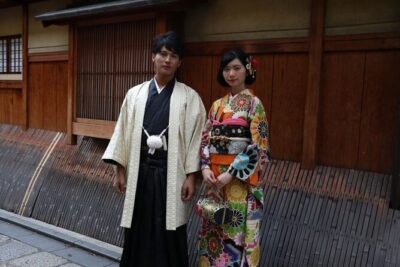
Walk the old streets in kimono
- Kimono Tea Ceremony at Kyoto Maikoya, NISHIKI
★ 5.0 · 911 reviews - Kyoto: Kimono Rental with Hairstyling and Accessories
★ 4.8 · 653 reviews - Kyoto: Kimono Tea Ceremony at Orizuruya Gion
★ 4.9 · 618 reviews - KYOTO Tea Ceremony with kimono near by Imamiya Jinjya Shrine
★ 5.0 · 343 reviews
Choosing Yukata vs Kimono Like You Mean It
If you’ve ever stared at Kyoto kimono photos and thought, I want that look, this is where you make it real.
The two courses are basically your style switch:
- If you want a lighter, summer-feeling vibe, choose yukata with the half-width band.
- If you want a more traditional kimono look, go for kimono with a Nagoya band (Taiko).
Don’t overthink it, but do think about your goal. If you’re aiming for comfy and casual photos, yukata can feel easier and less formal. If you want the more classic kimono presence, the Nagoya band option is the move.
Also, remember that the lesson is private. That means you can ask questions about what looks right on you and how the pieces sit. Even if it’s your first time, you’re not expected to know the rules. You’re expected to learn them.
How the Instructor’s Support Changes Your Hour
This kind of experience lives or dies on the teacher. Here, the instruction is described as careful, and it’s run by qualified instructors.
That quality shows up in pacing. You’re not forced through steps. You can follow at your own pace depending on your needs. If you’re the type who likes to understand what each garment is doing, you’ll get that. If you’re more of the, just help me look right, your instructor can still guide you without making it complicated.
I also like that the experience is set up as a learning path, not just a dressing service. You’re effectively practicing how kimono is put together, and you’ll leave with a better sense of the basic structure. That’s especially good if you have a hobby interest, or if you just want to be able to talk about what you’re wearing.
The Second Floor Experience, Photos, and the Zen Garden Moment
Most people visit Kyoto looking for photos. This lesson gives you a photo setup that feels less like a photo booth and more like a real place.
Dressing happens on the second floor of the kyomachiya. That means you’re not just changing in a back room. You’re working with the building itself, and the setting naturally supports a slow, calm vibe.
After your fit is adjusted, you take a photo. Then you get time to spend freely. One of the best perks is the zen garden setting for pictures. That matters because it gives you a Kyoto backdrop that looks intentional, not random.
And yes, footwear is handled. You can have clogs lent for free, which makes it easier to move around the property without fiddling with your own shoes the whole time. It’s a small thing, but small things save minutes and reduce stress.
Practical Value: What You Pay for (and Why It’s Reasonable)
At about $31.35 per person, this is priced like an efficient, no-fuss cultural lesson. And the value comes from what’s included and what’s taught.
Key value points:
- Dressing-related items are rented free of charge, so you’re not paying extra for the basics of getting into kimono.
- It’s private, so you’re paying for instruction and attention, not just fabric access.
- It’s time-boxed to about 1 hour, which makes it easy to fit into an already-full Kyoto day.
If you’ve ever done kimono activities where the real cost hits after the rental, this feels more straightforward. You’re paying for the experience, not a bunch of add-ons.
There is one tradeoff to be honest about. It’s not a full day of exploring in kimono. The experience says you can’t go out for a long time, though you can still enjoy the moment and have clogs for the short time you spend outside or in the property area.
So, think of it as a learning-and-photo experience. If your priority is hours of street time, you may want a longer wearing plan elsewhere. If your priority is getting dressed correctly and learning the basics, this one fits neatly.
A day of temples goes further with something to break it up.


If You Bring Your Own Kimono, Here’s the Good Part
Some people travel with their own kimono, either from home or from a prior rental. If that’s you, this setup has a helpful promise: you won’t have troublesome return work.
That makes it less stressful. You can focus on the lesson itself, not logistics. If you’re already committed to wearing your own outfit, this can be a great way to get an expert eye on fit and styling.
Kyoto Planning Help From Staff With Long Experience
One of the most underrated parts of doing something like this in Kyoto is that you’re in conversation with someone who understands how the city works.
The staff are described as having more than 30 years in Kyoto, and they can help plan routes. The info also highlights that you can access places like Arashiyama, Kinkakuji, and Gion using a single train, so it’s the kind of trip-planning shortcut that saves time during your day.
Even if you already built an itinerary, ask anyway. A quick route check from local-experienced staff can help you avoid unnecessary transfers and reduce the walk-heavy surprises.
Who This Kimono Lesson Is Perfect For
This experience fits a specific kind of traveler, and it does it well.
Book it if:
- You’re a first-timer who wants careful help and a calm pace
- You care about learning basic kimono structure, not just wearing clothes
- You want a traditional Japanese house setting for photos, including a zen garden moment
- You prefer a private experience where you can ask questions without pressure
- You like the idea of picking your own outfit and obi style
You might skip it if:
- You want a long day of walking around Kyoto in kimono
- You’re only looking for a cheap costume and don’t care about instruction
Booking Timing and Arrival Basics (Kept Simple)
This activity tends to be booked around 60 days in advance on average. If you’re traveling in peak season or on a weekend, plan ahead so you’re not hunting for last-minute slots.
You’ll receive a confirmation within 48 hours of booking, subject to availability, and the experience uses a mobile ticket. You’ll meet at Kyomachiyakiotto9-10 Mibuhinokicho in Nakagyo Ward, Kyoto, and the activity ends back at the meeting point.
For arrival, just be ready for a change-in-progress vibe. Wear something easy to slip on and off. Keep your phone charged if you want photos, and be prepared to follow the instructor’s timing.
Is It Worth Booking? My Honest Decision Rule
If you want kimono in Kyoto, but you also want it done correctly and calmly, this is a strong choice.
The lesson format, private attention, and the kyomachiya setting are the winning combo. You get a real sense of what you’re wearing, and you also get photo time that looks like Kyoto rather than a generic backdrop.
I’d book it when you have limited time and want maximum learning per hour. I’d skip it if your main goal is all-day street roaming in kimono. For a photo-and-lesson hour in a beautiful house, this one hits the mark.
FAQ
Where do we meet for the kimono lesson?
You meet at Kyomachiyakiotto9-10 Mibuhinokicho, Nakagyo Ward, Kyoto 604-8844, Japan.
How long does the experience last?
It lasts about 1 hour.
Is this a private experience?
Yes. It is a private tour or activity, and only your group participates.
What should I expect to do during the lesson?
You get a brief explanation, choose your kimono or yukata and obi, pick one of the two course styles, then get help fixing your outfit, take a photo, and enjoy free time.
What courses are available?
You can choose between a yukata course with a half-width band, or a kimono course with a Nagoya band (Taiko). You can also share other requests in advance.
Is there any need to return a rented kimono?
No troublesome return work is required if you bring your own kimono.
What’s included regarding kimono and dressing items?
All items related to dressing are rented free of charge.
Do you provide footwear like clogs?
Clogs can be lent for free.
How do I receive my ticket?
This activity uses a mobile ticket.
What is the cancellation policy?
You can cancel for a full refund up to 24 hours before the experience starts. Free cancellation is offered, with local time cutoff rules.
New This Season
- Koyasan Day Trip by Private Car from Kyoto
- Old Port Town and Ultimate Sake Tasting Private Tour From Kyoto
- Kyoto’s Timeless Charm: 3hr Exploration of History and Peace
- Kyoto: 5 Types of Sushi Making
- Sacred Peak & Ancient Paths: Kurama-Kibune Hiking Experience
- Kyoto: Exclusive ZEN practice at Manpukuji temple in Uji
- Kyoto: Private Seasonal Aroma Yoga Class
- Traversing Kyoto’s Scenic West – Arashiyama to Kinkakuji
Kimono & Yukata Rentals, compared.
Kimono Tea Ceremony at Kyoto Maikoya, NISHIKI
Read our review →
KYOTO Tea Ceremony with kimono near by Imamiya Jinjya Shrine
Read our review →
Kimono and Tea Ceremony Experience at Cultural Asset
Read our review →
Family-Friendly Kimono & Yukata Experience at WARGO
Read our review →Also filed under