
Reviewed · COOKING CLASSES
Kyoto|10 miso & soup tastings, miso balls & light meal
Miso is more complicated than it looks in Kyoto. I love comparing 10 miso tastings side by side, and I love the hands-on miso balls you can remake at home. The workshop turns a pantry staple into something you can actually taste, explain, and choose with confidence.
You get a simple, beginner-friendly flow in a small group, so questions do not get lost. I also like that the class is set up near central stops like Omiya Station and Shijo Station, which makes it easy to fit into a day of temples and markets.
One possible drawback: if you rely on very clear spoken English, plan for some effort. In past sessions, the host Hasumi was described as very nice, but spoken English was sometimes hard to follow for finer differences between miso and the steps.
In This Review
- Key things you will love about this Kyoto miso workshop
- Why miso tastes so different, and why this class makes it click
- Entering the workshop near Shijo and Omiya, no Kyoto stress required
- The 90 minutes, step by step: quiz, tasting 10 miso, then cooking light
- 1) Quick intro, fun quiz, and the basics that matter
- 2) Taste 10 kinds of miso and miso soup, compare in real time
- 3) Choose your favorite, then build miso balls for a soup pack
- 4) Light meal together, using different miso styles
- Fermentation, region, and color: what you will actually be able to taste
- Making miso balls: the hands-on part that turns tasting into a takeaway
- The light meal: how to eat miso like more than just soup
- Price and value: is $56 for 10 tastings and a workshop fair?
- Dietary needs: vegan, gluten-free, halal-friendly, and allergy-free handled
- English and questions: Hasumi’s teaching style, plus how to plan
- Who should book this Kyoto miso tasting experience?
- Should you book this Kyoto miso tasting and miso ball class?
- FAQ
- How long is the Kyoto miso and soup workshop?
- How much does it cost per person?
- How many people are in the group?
- Where is the meeting point, and what are the nearest stations?
- Can the workshop accommodate dietary restrictions?
- What should I bring and wear?
- Is there free cancellation, and do I need to pay right away?
Key things you will love about this Kyoto miso workshop
- 10 miso tastings, side by side, so you can notice how flavor shifts from one style to the next
- Hands-on miso balls, where you learn how to portion and top your soup mix
- Fermentation and regional styles, explained in plain language you can actually use
- A light meal using multiple miso types, so tasting becomes real eating, not just samples
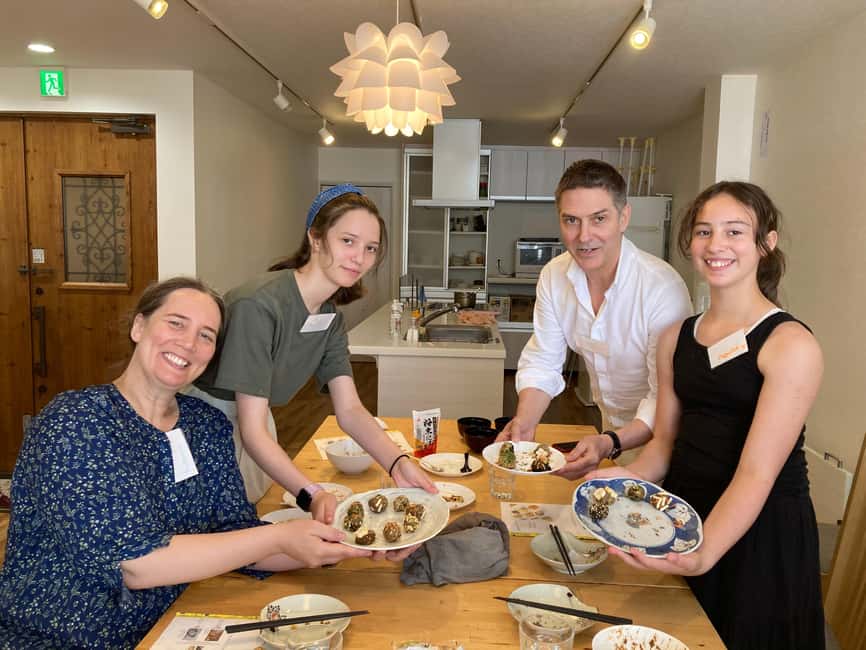
- Small group size (up to 5), which makes it easier to ask questions and slow down
Why miso tastes so different, and why this class makes it click
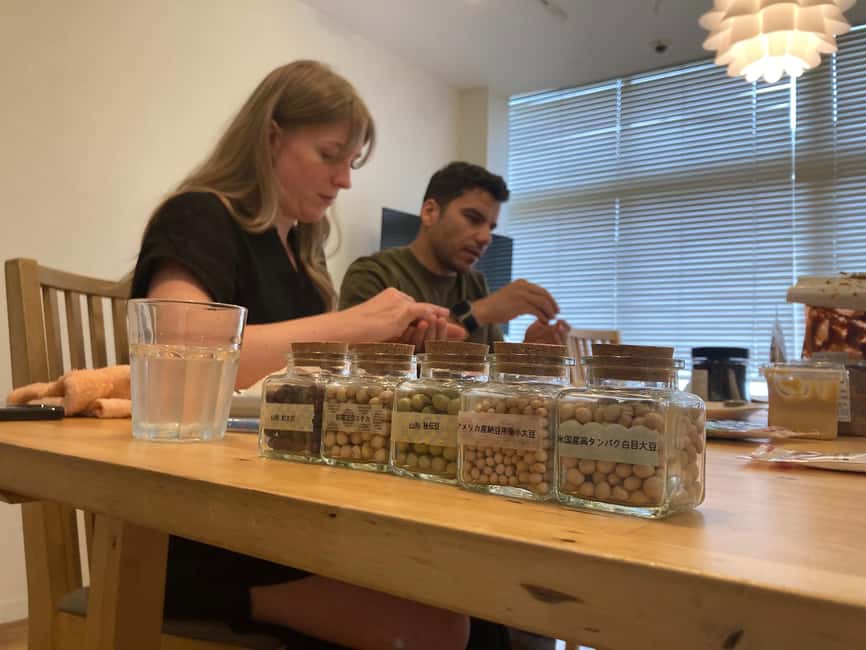
Miso is one of those foods that seems simple until you see the shelves. In Japan, there are many styles, and the differences show up in aroma, richness, and how long flavors linger. This class is built to help you stop guessing and start tasting with a purpose.
What I like is the way the experience uses comparison. Instead of handing you one soup and moving on, you taste 10 types of miso and miso soup in a structured way. Once you do that, the idea of fermentation and regional tradition stops being abstract.
You also learn what different color differences can mean. That matters because a lot of people buy miso by label or color, then wonder why the results feel off at home. Here, you connect those visual cues to actual flavor.
Entering the workshop near Shijo and Omiya, no Kyoto stress required
This takes place in a centrally located spot in Kyoto. The meeting point is around a 10-minute walk from Omiya Station (Hankyu Line) and within about 20 minutes of Kyoto Station and Nishiki Market. Nishiki Market is roughly a 15-minute walk.
When you arrive, you take the elevator to the third floor and press the doorbell for 302. You are also told there is a Japanese restaurant on the first floor of the apartment, which helps you confirm you are in the right building.
For planning, this is a good option if you want something practical between sightseeing blocks. It is also a calmer choice than chasing a long food crawl, because the pace stays focused on tasting and making.
A quieter way to spend a day in Kyoto
- Ramen Cooking Class at Ramen Factory in Kyoto
★ 5.0 · 1,937 reviews - Kyoto: Ramen Cooking Class at a Ramen Factory with Souvenir
★ 4.9 · 532 reviews - Kyoto: Ramen, Gyoza, and Onigiri Cooking Class
★ 5.0 · 445 reviews - Kyoto: Japanese Washoku Bento Small Group Cooking Class
★ 5.0 · 380 reviews
The 90 minutes, step by step: quiz, tasting 10 miso, then cooking light
The workshop runs for 90 minutes, and the structure is clear from start to finish. You do not need cooking experience. You do need curiosity, and maybe a willingness to taste things you might not normally buy.
1) Quick intro, fun quiz, and the basics that matter
The session begins with an interactive introduction. You learn about miso history and regional varieties, and you also get an explanation of fermentation and why it changes flavor. There is even a quiz format, plus visual tools, so the key ideas stick without turning into a lecture.
If you are new to miso, this part helps you understand what you are tasting. If you already like miso soup, it helps you name what you are noticing.
2) Taste 10 kinds of miso and miso soup, compare in real time
The heart of the workshop is the guided tasting. You sample 10 different miso pastes and miso soups, comparing them side by side.
This is where the regional and fermentation lessons become tangible. You start noticing how some miso tastes deeper and more mellow, while others lean sharper or more savory. You also feel how soup base preparation changes what you think you are tasting.
The comparisons are key. The experience is designed so you can pick up patterns instead of forgetting everything after the tenth cup.
3) Choose your favorite, then build miso balls for a soup pack
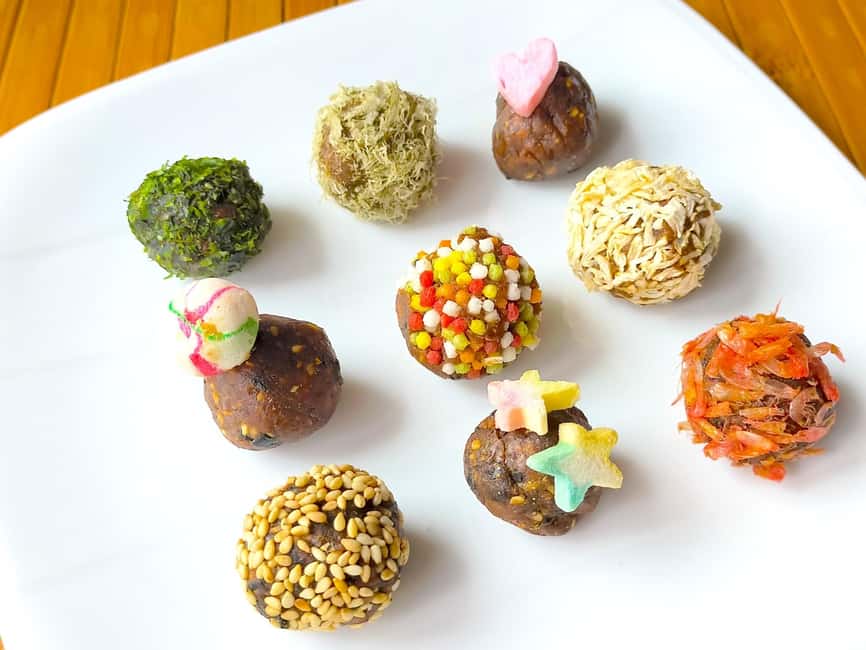
After tasting, you choose your favorite miso. Then you make miso balls, which are traditional portions you can use for soup. The idea is straightforward: once your balls are portioned, you can prepare soup at home by adding hot water.
You can also choose your own toppings for the miso balls. That means your final product is not just educational, it is personal. You take the process home with you, which is a big part of the value.
A day of temples goes further with something to break it up.


4) Light meal together, using different miso styles
The final part is eating. You prepare and enjoy a light meal using miso in several simple forms. Because you are using different miso styles, this part reinforces what you learned during tasting.
It also turns the class into a social meal moment, not just a workshop where you snack and leave. The pace is kept calm, with clear guidance so beginners do not feel rushed.
Fermentation, region, and color: what you will actually be able to taste
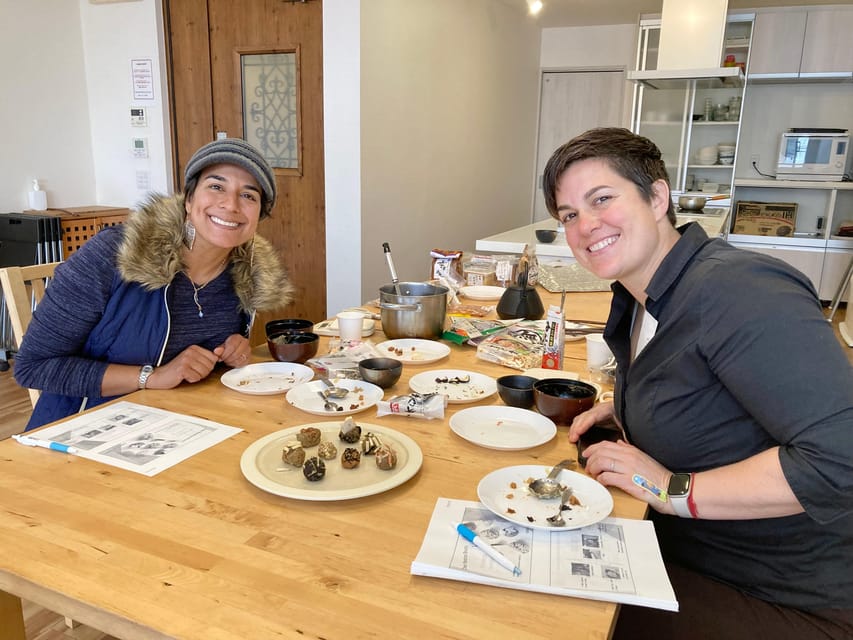
One reason miso is fun to learn is that it is both simple and layered. It is made through fermentation, and that process shapes flavor over time. In this class, you learn the fermentation basics and how they connect to regional style.
You also learn cultural significance and health benefits, though the experience keeps the focus on flavor and understanding. The point is not to memorize a textbook. The point is to recognize why miso tastes the way it does.
When you taste a range of miso and then build soup portions with your favorite, you train your palate to connect cause and effect. Later, when you stand in front of miso shelves again, you will have a mental checklist:
- how it smells
- how quickly the flavor hits
- whether it tastes sweeter, deeper, or more pungent
- how it behaves in soup
That is the kind of learning that pays off on future grocery trips.
Making miso balls: the hands-on part that turns tasting into a takeaway
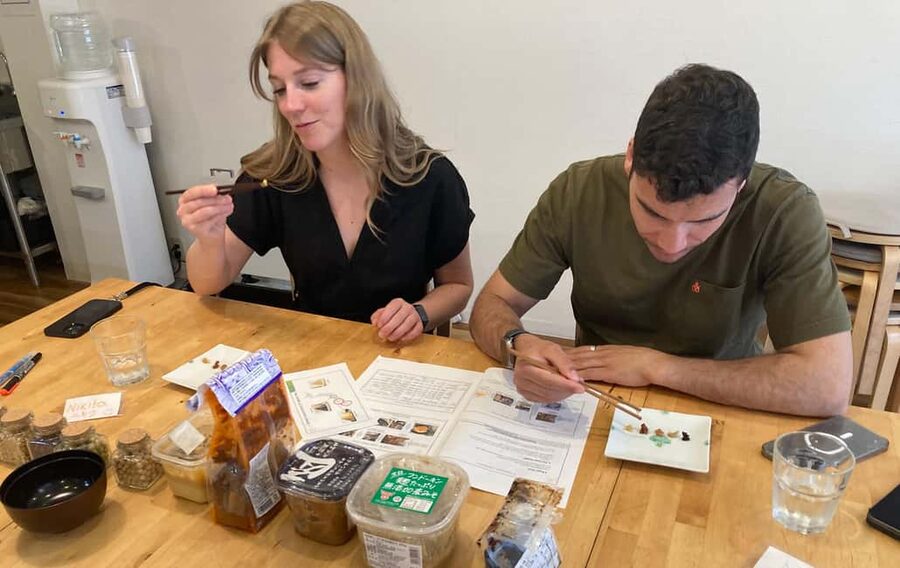
If you like food experiences where you go home with something useful, this is a standout. Many classes teach you, but they do not always let you repeat the process. Here, you make miso balls and assemble a miso soup pack using the miso you picked.
The process is kept simple. You portion the miso into balls, add toppings you choose, and finish with an easy way to prepare soup later. The big idea is that your hands-on product is meant for real use, not just a photo prop.
You will also notice how toppings change the overall balance. That is one more way the class teaches you that miso is not a solo performer. It is a foundation that can shift depending on what you pair it with.
The light meal: how to eat miso like more than just soup
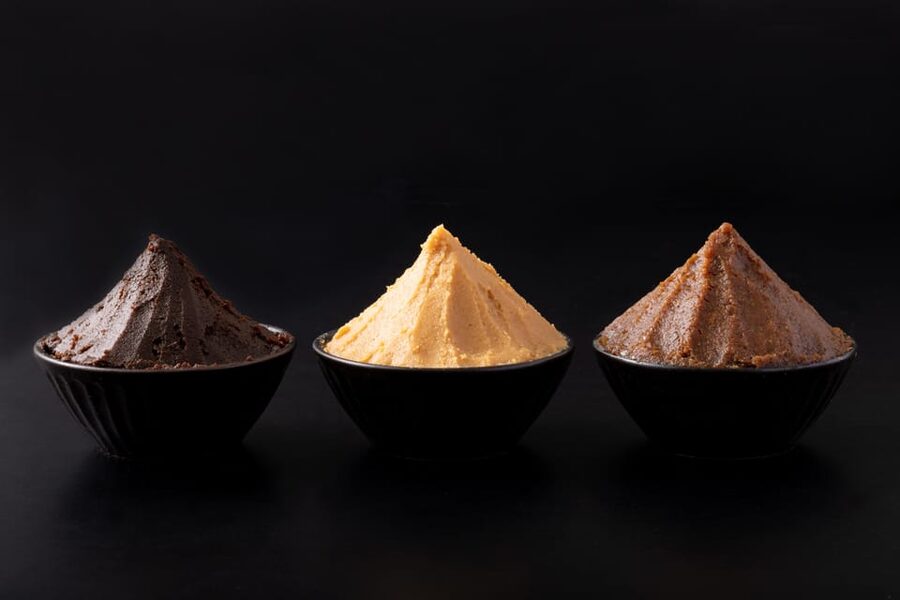
The meal portion uses miso in different simple forms. Even if you start out thinking of miso only as miso soup, this changes your mental shortcut. You see how miso works in everyday eating, where it brings savory depth and helps round out other flavors.
This is also a practical moment. When you know how different miso styles behave, you can choose which one fits your cooking at home. You will have a better sense for what you want: richer and mellow, or sharper and more assertive.
Because you taste so many varieties earlier, the meal feels like a continuation of the same lesson. You are not starting over. You are applying.
Price and value: is $56 for 10 tastings and a workshop fair?
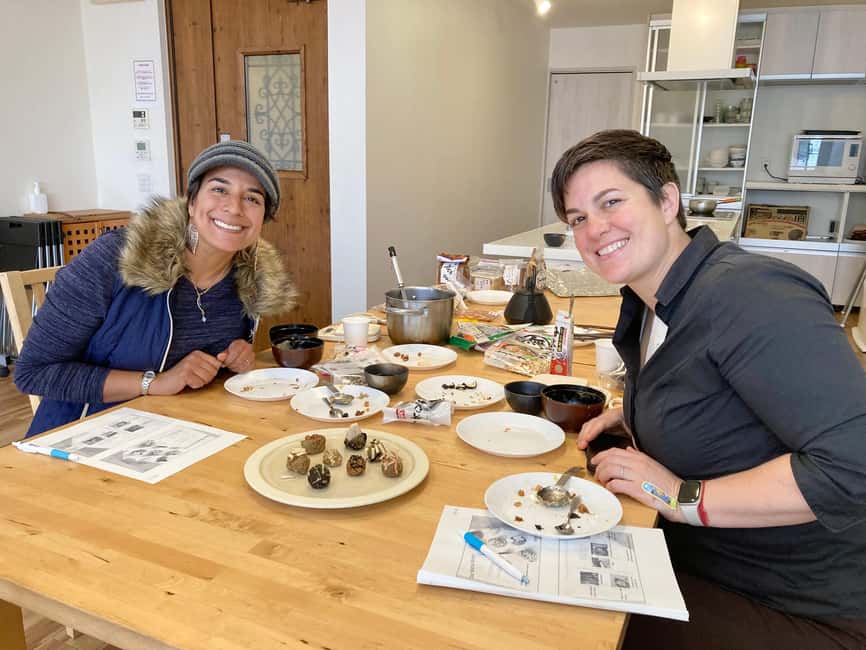
At $56 per person for 90 minutes, this is not a cheap “grab a bite” activity. Still, it is priced like a real class with hands-on time, a limited group, and tasting labor.
You are paying for several things at once:
- guided tasting of 10 miso and miso soup samples
- explanations about fermentation, regional styles, and color meaning
- hands-on time to make your own miso balls
- an included light meal portion using miso in multiple forms
- a small group setup capped at 5 participants
If miso is one of your favorite flavors, this feels like good value because you leave with both knowledge and a take-home soup concept. If you are not a miso person yet, you might treat it as a structured sampler. Either way, the class is designed to help you make better choices at home.
Dietary needs: vegan, gluten-free, halal-friendly, and allergy-free handled
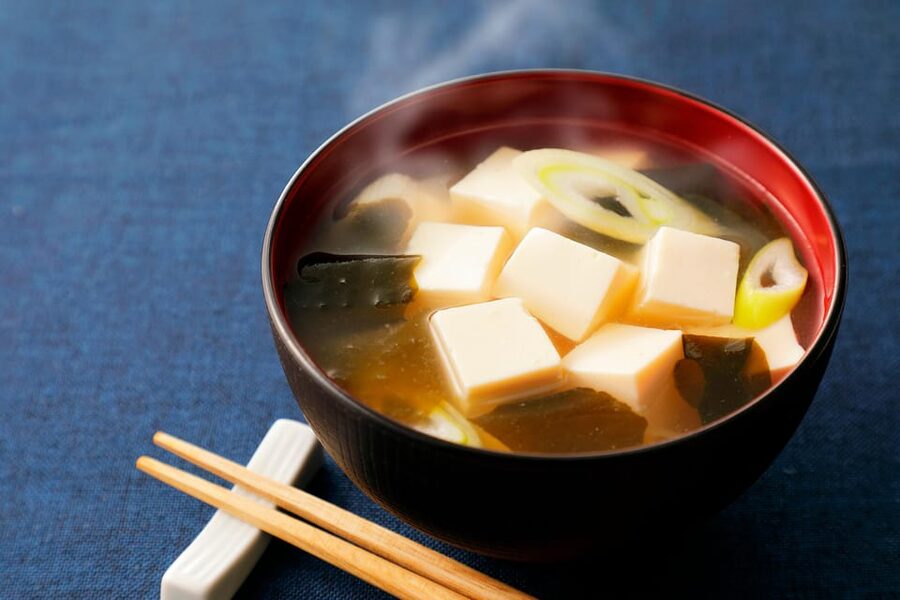
This experience explicitly supports dietary accommodations if you tell them in advance. Options include vegan, vegetarian, Gluten-free, and halal-friendly, plus allergy-free preparation.
That matters because miso workshops often involve multiple ingredients and cross-contact questions. Here, the ingredient preparation is adjusted when you share restrictions at reservation time.
If you have multiple constraints, still communicate them clearly. The more specific you are, the easier it is for the team to match what you can eat.
English and questions: Hasumi’s teaching style, plus how to plan
The instructor works in English and Japanese. Based on past experience feedback, Hasumi was described as very kind and willing to answer questions. The same feedback also noted that spoken English might not be perfectly clear for every participant when it comes to subtle distinctions.
So here is my practical suggestion: come with a couple of simple, direct questions. For example, ask what to look for when you buy miso at the store, or which miso style works best for soup you want to be mild versus bold.
Even if the explanations are not word-perfect in English, tasting plus clear visuals still do a lot of the teaching. The format is built around comparison, not just narration.
Who should book this Kyoto miso tasting experience?
This workshop fits best if you want to understand Japanese food beyond the tourist basics. It is especially great for:
- you if you like miso soup and want to know why some miso feels deeper or sharper
- you if you want a calm, beginner-friendly food activity with a small group
- you if you want a takeaway you can actually use, miso balls you can turn into soup at home
- you if you are traveling with dietary needs and want advance accommodation
It may feel less ideal if you only want a quick snack and do not care about learning flavor differences. This is a class. It takes your attention.
Should you book this Kyoto miso tasting and miso ball class?
Yes, I would book it if miso matters to you. The biggest strength is the combination of 10 tastings, clear fermentation and regional explanations, and a hands-on result you can repeat at home. The small group size also makes it easier to get answers without feeling lost.
If you are very sensitive to spoken language clarity, plan to lean on tasting and visuals, and bring a few focused questions. For the right traveler, this feels like one of those Kyoto experiences that turns a grocery shelf into a story you can taste.
FAQ
How long is the Kyoto miso and soup workshop?
The experience runs for 90 minutes.
How much does it cost per person?
The price is $56 per person.
How many people are in the group?
It is limited to a small group of up to 5 participants.
Where is the meeting point, and what are the nearest stations?
You meet at the Google map location provided for the workshop. You take the elevator to the third floor and press the doorbell for 302. It is within about a 10-minute walk of Shijo Station (Kyoto Municipal Subway Karasuma Line), Karasuma Station, or Omiya Station (Hankyu Kyoto Line). It is also about a 15-minute walk from Nishiki Market.
Can the workshop accommodate dietary restrictions?
Yes. Dietary accommodations are available with advance notice, including vegan, vegetarian, Gluten-free, and halal-friendly options, and allergy-free preparation.
What should I bring and wear?
Bring water and wear comfortable clothes.
Is there free cancellation, and do I need to pay right away?
Free cancellation is available up to 24 hours in advance for a full refund. You can also reserve now and pay later, so you do not have to pay today.
New This Season
- Koyasan Day Trip by Private Car from Kyoto
- Old Port Town and Ultimate Sake Tasting Private Tour From Kyoto
- Kyoto’s Timeless Charm: 3hr Exploration of History and Peace
- Kyoto: 5 Types of Sushi Making
- Sacred Peak & Ancient Paths: Kurama-Kibune Hiking Experience
- Kyoto: Exclusive ZEN practice at Manpukuji temple in Uji
- Kyoto: Private Seasonal Aroma Yoga Class
- Traversing Kyoto’s Scenic West – Arashiyama to Kinkakuji
Cooking Classes, compared.
Ramen Cooking Class at Ramen Factory in Kyoto
Read our review →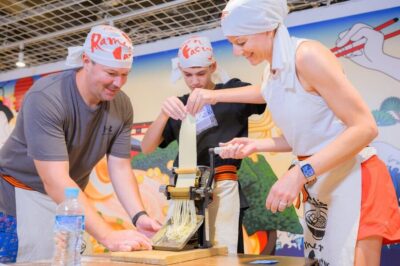
Ramen Cooking Class at a Ramen Factory with Souvenir
Read our review →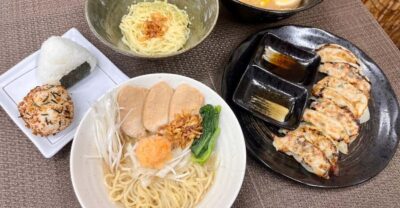
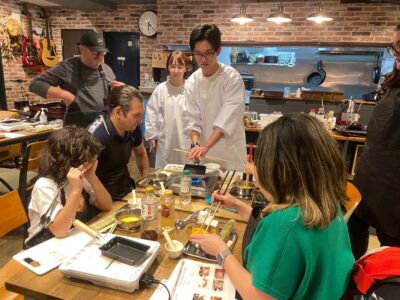
Japanese Washoku Bento Small Group Cooking Class
Read our review →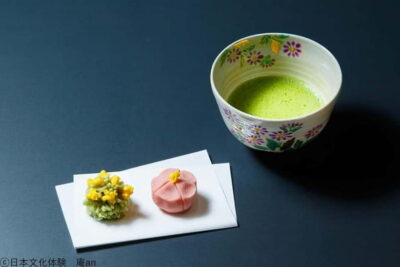
Japanese Traditional Sweets Making and Tea Ceremony
Read our review →
Kyoto Ramen and Gyoza Cooking Class with Professional Chefs
Read our review →
Also filed under