
Reviewed · ARASHIYAMA BAMBOO FOREST WALKS
Kyoto: Arashiyama Bamboo Grove, Monkey Mountain Walking Tour
Bamboo rustles, monkeys watch in Kyoto. This 4-hour Arashiyama walk pairs the iconic bamboo grove with a hike toward Monkey Mountain, plus a zen garden and matcha break.
I love how the bamboo grove changes the sound in the air, you actually hear the swish of branches overhead. I also love the Okochi Sanso Villa stop, where you slow down with matcha tea in a garden-style setting.
The only real consideration is the short uphill climb to the top, so pack comfortable shoes and be ready for some effort.
In This Review
- Key highlights worth your time
- Getting to Saga-Arashiyama: meet up and settle into a good pace
- Arashiyama Bamboo Grove: the bamboo sounds better than the photos
- Okochi Sanso Villa: zen garden calm and matcha that actually hits
- Strolling the park, then heading to Monkey Mountain
- Monkey Mountain: troupes close by and the optional feeding choice
- Why the guide matters more than most people think
- Price and value: does $77 make sense for Arashiyama and Monkey Mountain?
- What to bring, what not to bring, and what to expect physically
- Who should book this Kyoto half-day, and who should skip it
- Should you book Kyoto Fun for Arashiyama and Monkey Mountain?
- FAQ
- Where is the meeting point for the Kyoto Arashiyama tour?
- How long is the tour?
- What is the price per person?
- What is included in the tour price?
- What is not included?
- What languages are available for the live guide?
- Are private or small groups available?
- Is there free cancellation, and how far in advance?
- Is reserve now, pay later available?
- Is the tour good for people with mobility impairments or older travelers?
- Are drones allowed during the tour?
Key highlights worth your time
- Arashiyama Bamboo Grove sounds like a natural soundtrack, not just a photo spot
- Okochi Sanso Villa matcha gives you a calm reset after the walking
- Monkey Mountain views plus troupes of monkeys up close
- A guide who stitches the places together with stories and practical tips
- Optional monkey feeding if you want to do it, at your own expense
- A digital Kyoto guide to help you plan meals and stops after the tour
Getting to Saga-Arashiyama: meet up and settle into a good pace
Your tour meets outside a small 7/11 kiosk, directly outside the Saga Arashiyama subway station gates. That matters more than it sounds. It reduces the “where are we?” stress before you even start walking.
This is also a walking tour designed for a steady rhythm. You’re moving through multiple highlights in a single half-day, but it’s not built like a race. With the right guide, the pace stays comfortable enough for people who can handle a bit of climbing.
You’ll want to show up with basics covered. Comfortable shoes are key. Bring water too, because you’ll be outside for a while. Dress in comfortable clothes, and if you’re wearing anything slick or unsupportive, swap it before you get on the path.
Arashiyama Bamboo Grove: the bamboo sounds better than the photos
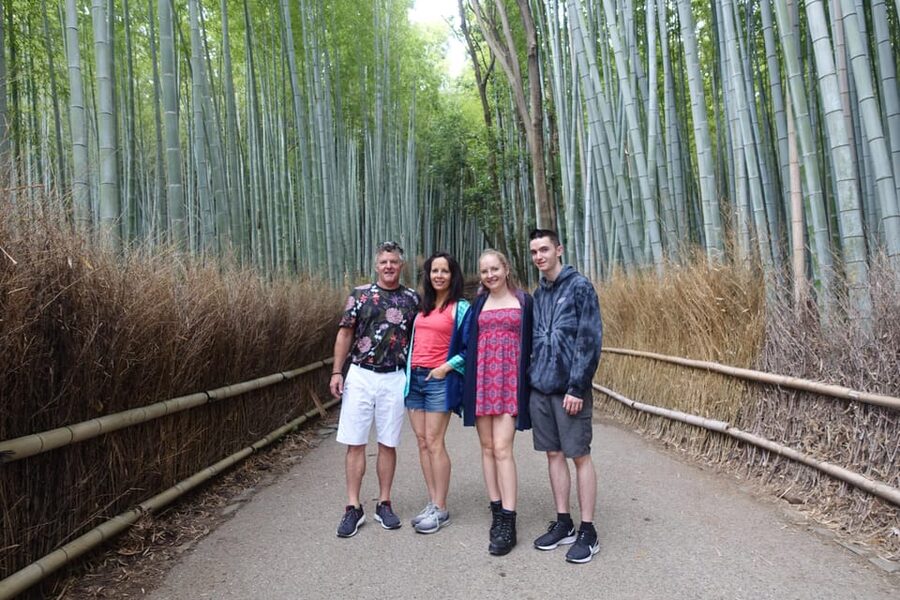
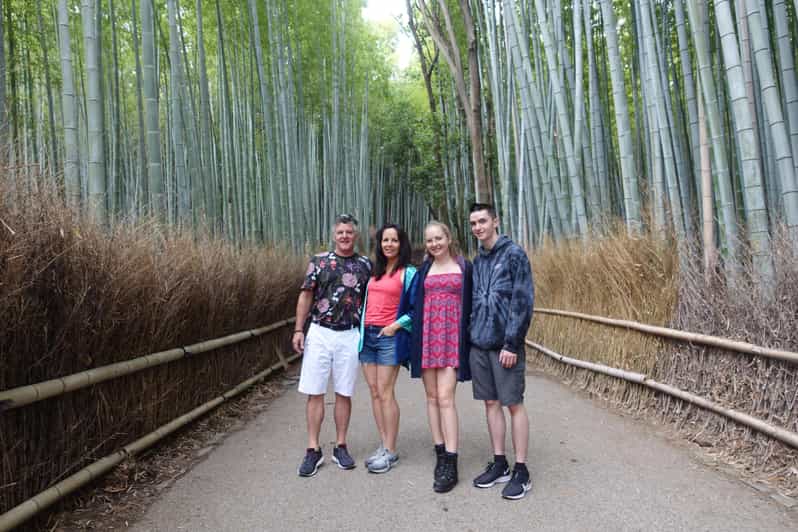
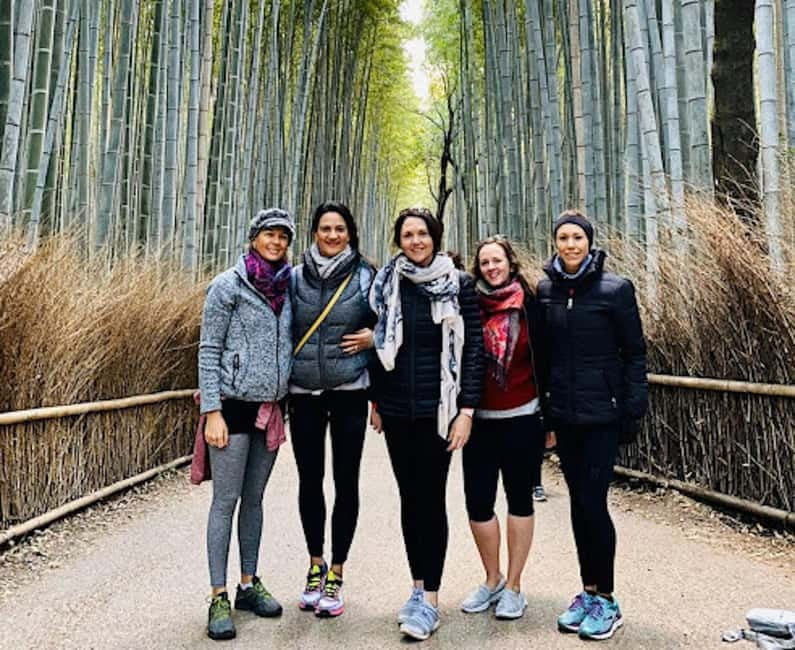
The heart of the experience is a stroll through the Saga-Arashiyama bamboo grove. Yes, it’s famous. But what makes it feel special on a guided walk is how you experience it in motion, not just standing still.
The bamboo isn’t quiet. The branches rustle overhead, and that sound does something to your mood. The air feels cooler under the canopy, and the grove turns into a slow-moving tunnel where every turn reveals another stretch of stalks.
One reason I’d pick a guided version here is the crowd factor. This tour’s setup is designed to help you stay away from the biggest tourist crushes. That means more breathing room for looking up, listening, and taking photos without feeling like you’re trapped in a stream.
A practical tip: plan to pause. Don’t rush through just because there’s a path and people ahead of you. The best moments usually come when you stop walking for 30 seconds and let the grove do its thing.
Green light through a bamboo grove
- Kyoto: Fushimi Inari, Kinkakuji, Bamboo Grove 1 Day Bus Tour
★ 4.8 · 4,316 reviews - Osaka/Kyoto:Kinkakuji,Arashiyama,FushimiInariShrine,NaraPark
★ 4.1 · 1,596 reviews - Kyoto/Osaka: Nara, Fushimi Inari Taisha, Arashiyama Bus Tour
★ 4.7 · 1,275 reviews - Kyoto Arashiyama Walking Tour: Bamboo, Monkeys, Gardens & Secrets
★ 5.0 · 1,216 reviews
Okochi Sanso Villa: zen garden calm and matcha that actually hits
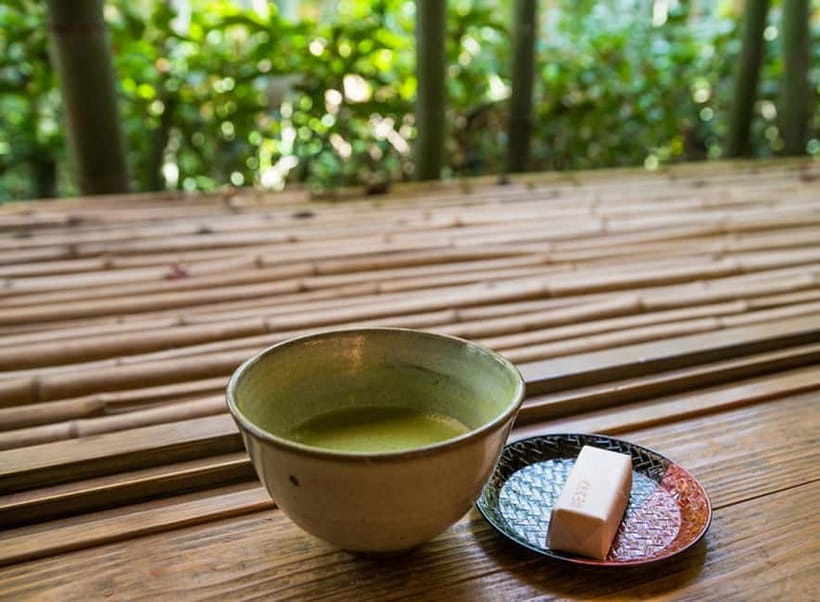
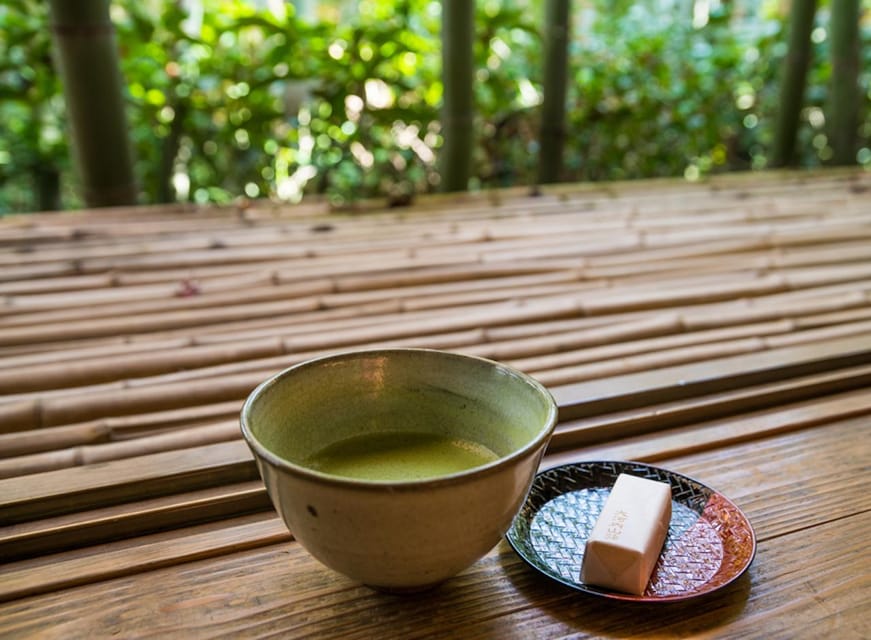
After the bamboo walk, you shift from “wow, this is scenic” to “okay, I can breathe again.” The stop at Okochi Sanso Villa is centered on a zen inspired garden, and that change of pace is a big part of why the tour feels balanced.
You’ll savor local matcha tea after your contemplative walk through the garden area. This isn’t just a drink break. The timing matters. Tea tastes better when your feet are tired in a good way, and when your brain has had a minute to settle.
If you enjoy Japanese design and garden spaces, this part is worth paying attention to. You’re looking at an environment that encourages quiet observation, not frantic sightseeing. Even if you’re not the type who studies gardens, you’ll probably appreciate how the place slows you down.
Also, this stop is a nice reminder that Arashiyama isn’t only about one famous photo location. It’s a whole pocket of Kyoto with different textures, walking styles, and viewpoints.
Strolling the park, then heading to Monkey Mountain
After the villa garden, you continue with a stroll through the surrounding park area. This is a transition phase, a chance to keep moving without the intensity of the first bamboo section. It also helps you build momentum before the hike.
Then comes the climb to the top of Monkey Mountain. It’s not a massive trek, but it is a hike. The tour is very clear about the fitness expectation: it includes a short uphill segment, and it should feel manageable if you can climb 2 to 3 flights of stairs on a normal day without getting seriously out of breath.
What makes the climb worthwhile is what comes at the top. You’re aiming for spectacular views, and you’re also looking for the monkeys. You’ll want comfortable clothes that handle walking, and you’ll be happier if your shoes have grip.
A quick reality check: the mountain part can feel more physical than the rest of the tour. So if you’re even slightly on the fence about mobility or energy levels, plan accordingly, and do not treat this like an easy flat stroll.
Monkey Mountain: troupes close by and the optional feeding choice
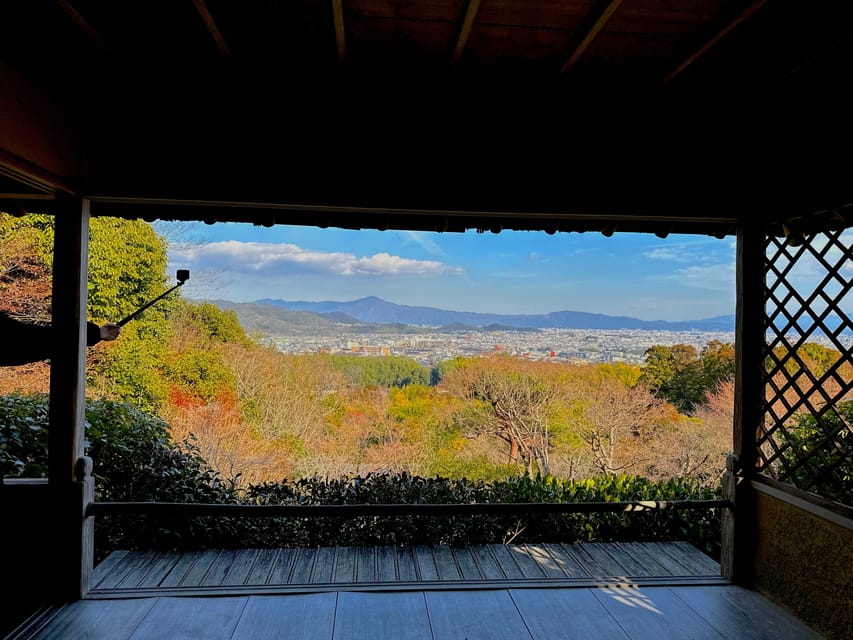
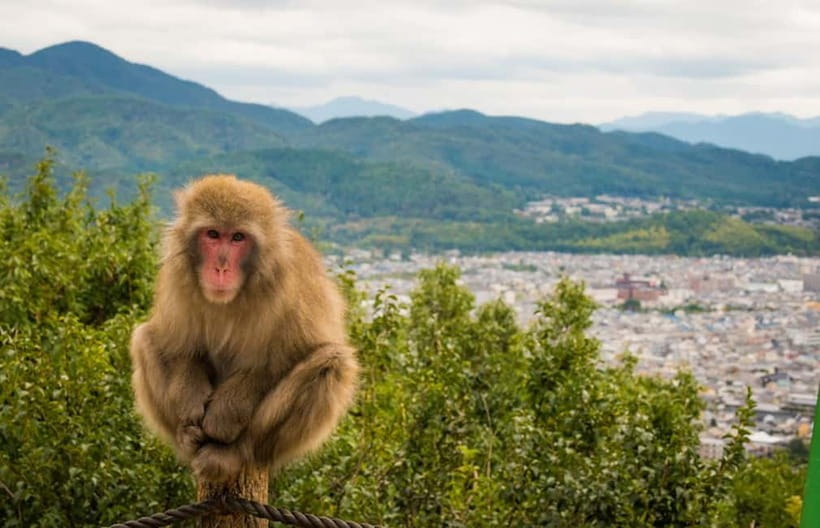
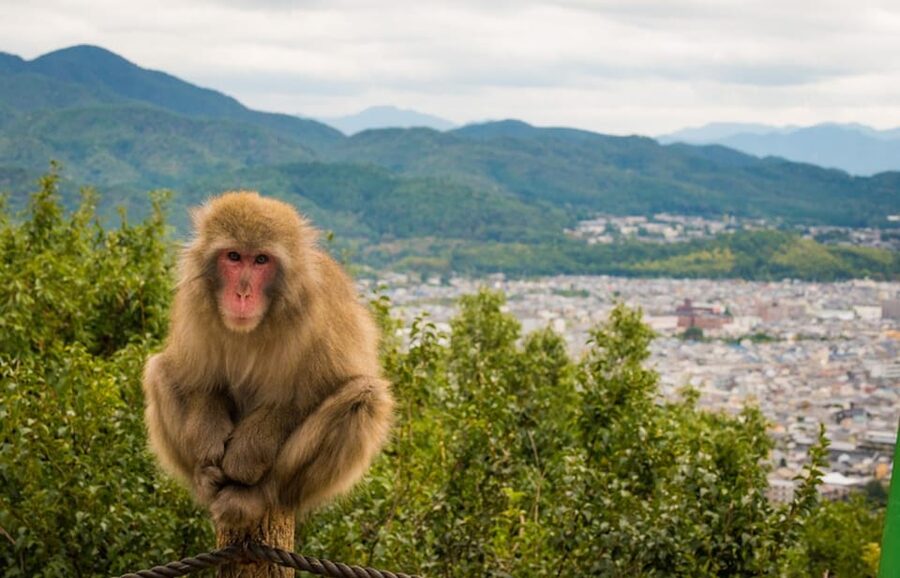
At the summit, you’ll take in the views and have encounters with wild monkeys. The monkeys can be the highlight for a lot of people because you’re not just seeing them from far away. You’re in their environment.
The tour also offers an optional chance to feed the monkeys from inside a small building at the top, but it’s at your own expense. This is one of those choices where you’ll want to think with your common sense. If you do it, follow the rules exactly and be ready for the fact that the monkeys are wild animals, not a show.
You’ll also have the chance to buy a refreshing drink at the top after your hike. Since food and drinks aren’t included, this is one place where budgeting a small amount helps you keep the experience comfortable.
My advice here is simple: treat the monkeys with respect. Watch what the area’s doing, keep your distance when you can, and avoid turning this into a chaotic photo moment. If you handle it calmly, the experience feels more memorable and less stressful for everyone.
Why the guide matters more than most people think
This tour runs with a live guide (English and French are available). The big value is how the guide helps you connect each stop so it feels like a story instead of a checklist.
You’ll hear stories that make each place come to life, and you’ll get an explanation of what you’re seeing as you move from bamboo, to garden, to mountain. That interpretive layer can turn a familiar attraction into something you actually understand.
One detail I’d watch for is how the guide manages pacing and attention. A past guide named Kevin from Canada was praised for creating a great atmosphere and going at a comfortable pace, plus sharing a lot of tips for what to do after the tour. Even if you do not get the same guide, that kind of thoughtful pacing is the difference between feeling rushed and feeling like you got your money’s worth.
You also get a digital guide to Kyoto, aimed at best restaurants, cafes, bars, and more. That’s a practical add-on. After a walking tour in Arashiyama, your toughest problem is usually not what to see, it’s where to eat. Having that help ready can save time and guesswork.
A quieter way to spend a day in Kyoto

Price and value: does $77 make sense for Arashiyama and Monkey Mountain?
At $77 per person for about 4 hours, you’re paying for a structured half-day with entry tickets, a guide, and a walking tour. Food and drinks are not included, so plan for at least water you bring, plus possibly a drink at the mountain.
Where the value really comes from is the “all-in-one” format. You’re combining:
- Saga-Arashiyama bamboo grove time
- Okochi Sanso Villa with matcha tea
- A hike up Monkey Mountain with monkey viewing
- Ticketed access for the key stops
- Guide time plus a digital Kyoto recommendation tool
If you tried to DIY all of that, you’d still spend time figuring logistics and you might miss context that makes the places feel more meaningful. If you want a calmer visit that avoids the densest crush and gives you a clear route, this price can feel fair.
Is it a deal? It’s a reasonable price for a guided, ticket-included Kyoto experience that covers multiple highlights in one go. If you’re traveling in a group and you’ll actually use the guide’s stories and tips, it tends to become better value fast.
What to bring, what not to bring, and what to expect physically
Bring:
- Comfortable shoes
- Water
- Comfortable clothes
- Sports shoes
Not allowed:
- Drones
Fitness expectations:
- This tour includes a short hike.
- It should be fine if you can climb 2 to 3 flights of stairs without being seriously out of breath on a normal day.
If you’re the type who gets tired quickly on inclines, consider how much you want to push uphill today. The rest of the tour is walking too, but the climb to Monkey Mountain is the part that changes the difficulty level.
Also, if you’re traveling with kids under 10, the tour notes that families should opt for a Private Tour. That’s usually the best call because you can adapt pacing and expectations for younger legs.
Who should book this Kyoto half-day, and who should skip it
I think this tour is best for you if:
- You want bamboo grove scenery plus an actual garden break, not just one photo stop
- You like guides who tell stories and share practical tips
- You want to see monkeys while still having a calmer route than a free-for-all crowd plan
- You prefer a structured 4-hour plan over an all-day sprint
I’d skip it if:
- You have mobility impairments, since the tour is not suitable for that
- You’re over 80, since it’s noted as not suitable for people over that age range
- You do not feel comfortable with any uphill hiking, even if it’s short
If you’re unsure, think about the stairs test. That simple check aligns well with how the climb feels in real life.
Should you book Kyoto Fun for Arashiyama and Monkey Mountain?
Book it if you want a guided half-day that hits multiple big Arashiyama highlights without turning into a nonstop, elbow-to-elbow slog. The combination of Saga-Arashiyama bamboo, a zen Okochi Sanso Villa matcha moment, and the Monkey Mountain viewpoints is a solid sweep, and the guide support makes it feel easier to enjoy.
Skip it if your day is better spent resting, or if stairs and uphill walking are a real problem for you. Also, if you hate the idea of managing wild animal encounters, reconsider the Monkey Mountain part and pick a different Kyoto experience.
If you do book, do two things: wear real shoes, and give yourself permission to pause. The bamboo sounds best when you stop walking for a moment, and the monkeys are more enjoyable when you stay calm and observant.
FAQ
Where is the meeting point for the Kyoto Arashiyama tour?
Meet your guide outside a small 7/11 kiosk, directly outside the Saga Arashiyama subway station gates.
How long is the tour?
The duration is 4 hours.
What is the price per person?
The price is $77 per person.
What is included in the tour price?
It includes all entry tickets, the guide, the walking tour, and a digital guide to Kyoto (best restaurants, cafes, bars, and more).
What is not included?
Food and drinks are not included.
What languages are available for the live guide?
The live tour guide is available in English and French.
Are private or small groups available?
Yes, private or small groups are available.
Is there free cancellation, and how far in advance?
There is free cancellation up to 24 hours in advance for a full refund.
Is reserve now, pay later available?
Yes, you can reserve now and pay later.
Is the tour good for people with mobility impairments or older travelers?
The tour is not suitable for people with mobility impairments, and it is not suitable for people over 80 years.
Are drones allowed during the tour?
No, drones are not allowed.
New This Season
- Koyasan Day Trip by Private Car from Kyoto
- Old Port Town and Ultimate Sake Tasting Private Tour From Kyoto
- Kyoto’s Timeless Charm: 3hr Exploration of History and Peace
- Kyoto: 5 Types of Sushi Making
- Sacred Peak & Ancient Paths: Kurama-Kibune Hiking Experience
- Kyoto: Exclusive ZEN practice at Manpukuji temple in Uji
- Kyoto: Private Seasonal Aroma Yoga Class
- Traversing Kyoto’s Scenic West – Arashiyama to Kinkakuji
Arashiyama Bamboo Forest Walks, compared.
Fushimi Inari, Kinkakuji, Bamboo Grove 1 Day Bus Tour
Read our review →
Kinkakuji,Arashiyama,FushimiInariShrine,NaraPark
Read our review →
Nara, Fushimi Inari Taisha, Arashiyama Bus Tour
Read our review →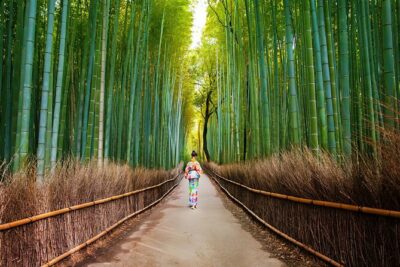
Kyoto Arashiyama Walking Tour: Bamboo, Monkeys, Gardens & Secrets
Read our review →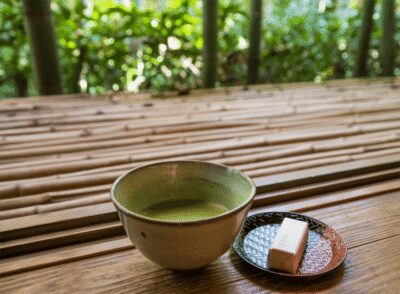
Arashiyama Bamboo, Temple, Monkeys, or Secret Sake Brewery
Read our review →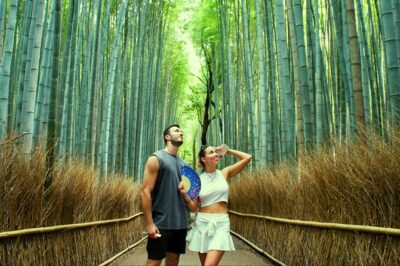
Arashiyama Bamboo Forest, Monkeys, Matcha & Temple Tour
Read our review →
Arashiyama, Nara & Fushimi Inari Shrine w/Lunch
Read our review →
Nijo, Kinkaku-ji, Arashiyama, Kiyomizu & Fushimi Inari
Read our review →Also filed under