
Reviewed · ARASHIYAMA BAMBOO FOREST WALKS
Kyoto Arashiyama soba noodle making experience – Private plan
Kyoto’s best souvenirs are edible.
In Arashiyama, you get a hands-on hand-made soba lesson in a real working shop, with a setup that keeps you moving at your own pace. I like the focus on technique without taking over, and I like that you finish by eating the noodles you made. One thing to consider: this is not for people with a buckwheat allergy.
Because it’s private, you are not sharing space or timing with strangers. You can fit it into an Arashiyama day right near the bamboo forest area and even the trolley line, so you spend less time commuting and more time in Kyoto.
In This Review
- Key Highlights You Will Care About
- Arashiyama Location Makes This Feel Like Part of the Day
- Inside the Working Soba Shop: What You’ll Do, Step by Step
- The Flour Blend: Why 80 Percent Buckwheat Matters
- Private by Design: How the Instructor Guides Without Taking Over
- From Dough to Lunch: Eating Your Own Soba Right Away
- Price and Value: Is $106.70 Per Person Fair?
- Logistics That Keep It Easy: Mobile Ticket, Meet, Then Make
- Who This Soba Lesson Is Best For
- Should You Book This Private Soba Workshop?
- FAQ
- How long is the Kyoto Arashiyama soba noodle making experience?
- Is this a private class?
- Where does the experience take place?
- Do I eat the noodles I make?
- What ingredients are used for the soba noodles?
- Do I need to bring anything or prepare anything?
- Who teaches the class?
- Is buckwheat allergy an issue?
- Is transportation included in the price?
- What if I need to cancel?
Key Highlights You Will Care About
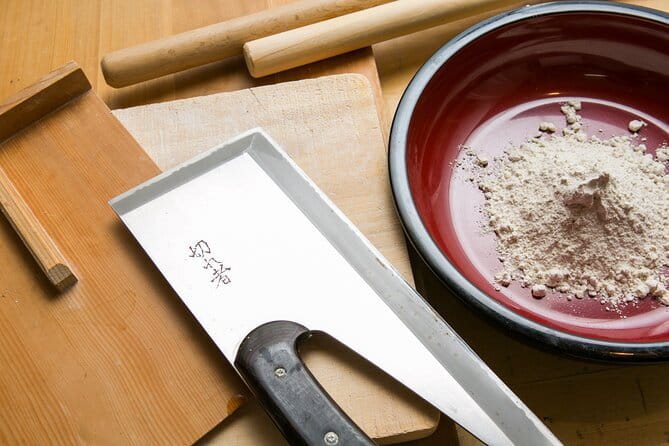
- Private soba lesson with no other customers present
- Real shop setting where you make and eat your own noodles
- 80 percent buckwheat and 20 percent wheat from Nagano Prefecture
- Small, clear steps: mix, stretch, cut, then taste
- Lunch included, sampling the noodles you made
- Instructor with 20 plus years of experience, advice only when needed
Arashiyama Location Makes This Feel Like Part of the Day
Arashiyama already pulls you in. You go for the bamboo forest area and the classic Kyoto scenery, then you start looking for something that feels local instead of another photo stop.
This experience is based in Arashiyama, Kyoto, and the meeting point is within walking distance of popular sights like the bamboo forest and the trolley train. That matters more than you might think. When a class is close to where you already want to be, you do not waste a big chunk of daylight getting there and back. You also tend to arrive calmer, which makes a hands-on activity easier.
The pacing is also built for sightseeing mode. It runs about 1 hour 15 minutes, so you can pair it with lunch. That is a smart move in Kyoto. After an active morning outside, it is nice to sit down, eat what you made, and rest your feet.
Inside the Working Soba Shop: What You’ll Do, Step by Step
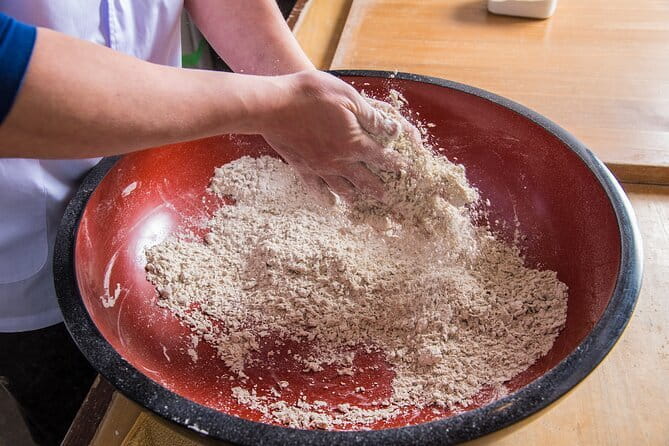
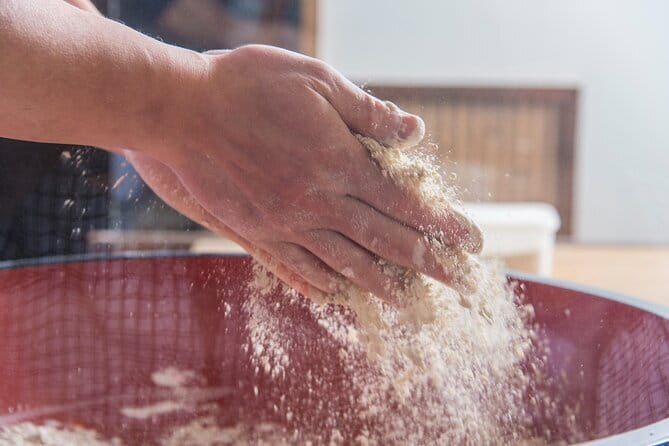
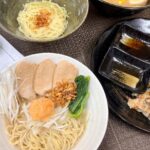
The heart of the experience is simple: you make traditional Japanese hand-made soba noodles and taste them while it is still fresh.
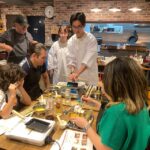
You can expect the class to follow a clear flow, with the instructor guiding you only when you need it. The steps are:
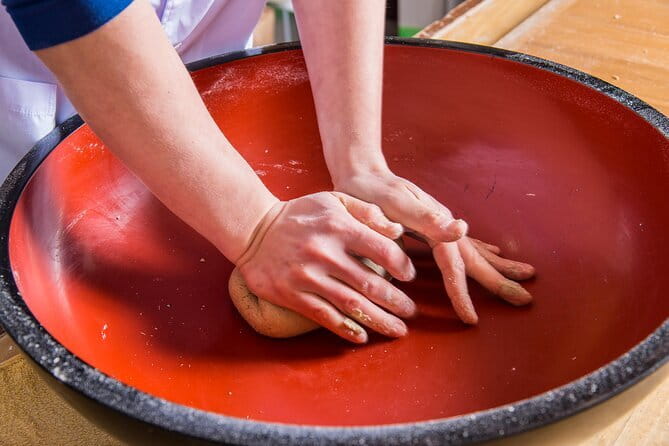
1) Mix buckwheat flour and water and knead
2) Stretch the soba noodles
3) Cut the soba noodles
4) Taste the soba noodles you made
That structure is part of the value. You are not just watching someone else perform. You are learning the physical rhythm behind soba.
Kneading and stretching are where the technique shows up. Soba dough can feel different from wheat-only dough, because buckwheat behaves in its own way. The class is designed to make that complexity feel approachable. You are guided to enjoy the process, without the instructor constantly taking over.
Cutting is the final craft step. Even when you are not aiming for perfect uniformity, the act of cutting helps you understand why soba has its characteristic texture when cooked.
By the end, you taste what you made, and that is where the whole thing clicks. The noodles are not just a souvenir. They are something you can evaluate with your own palate.
Green light through a bamboo grove
- Kyoto: Fushimi Inari, Kinkakuji, Bamboo Grove 1 Day Bus Tour
★ 4.8 · 4,316 reviews - Osaka/Kyoto:Kinkakuji,Arashiyama,FushimiInariShrine,NaraPark
★ 4.1 · 1,596 reviews - Kyoto/Osaka: Nara, Fushimi Inari Taisha, Arashiyama Bus Tour
★ 4.7 · 1,275 reviews - Kyoto Arashiyama Walking Tour: Bamboo, Monkeys, Gardens & Secrets
★ 5.0 · 1,216 reviews
The Flour Blend: Why 80 Percent Buckwheat Matters
Soba can taste like a quiet, nutty story, and the ingredients decide a lot of that.
Your noodles are made using 80 percent buckwheat flour and 20 percent wheat flour produced in Nagano Prefecture. That ratio is important because pure buckwheat alone is tricky to handle. The wheat percentage helps with structure and workability, which likely contributes to why the class can focus on letting you make real noodles in a short time window.
Also, using a named regional source is a subtle quality signal. Nagano is known for buckwheat, so you are getting that classic soba profile instead of a random mix. If you are the type who likes understanding what you are eating, this detail is worth paying attention to.
Private by Design: How the Instructor Guides Without Taking Over
This is a private lesson, and that changes the tone immediately. There are no other customers besides your group. That means you are not working around other people, and you are not waiting for someone else’s pace.
The instructor has over 20 years of experience. He is described as enthusiastic, but the key is how he helps. He gives advice only when necessary, so you can keep your own rhythm and confidence. That approach is perfect for first-timers. You get help at the moments that matter, instead of being constantly corrected.
From what I’ve seen in reviews of top food classes, the best ones let you feel capable. Here, the goal seems to be exactly that: make the technique understandable, but not so controlled that it stops being fun.
One review stood out for this part: the teaching was called awesome, and the setting itself was praised as an actual soba shop. That combination is a big deal. If you want authentic technique, it helps when the class happens in the same kind of space real locals use.
From Dough to Lunch: Eating Your Own Soba Right Away
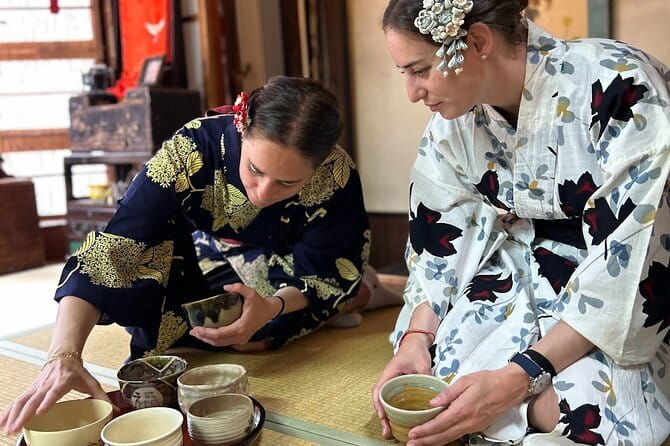
The experience is not complete until you eat the noodles you made. And yes, the lesson includes lunch: you sample the soba noodles you made during the experience.
That is a smart format for two reasons. First, you do not have to wonder how your noodles will turn out after you leave. Second, eating soon after making gives you better context. You can connect taste and texture directly to the steps you did: mixing, stretching, and cutting.
In Arashiyama, where days can be active and foot-heavy, this is also practical. You get lunch without needing to plan a separate dining spot or wait for a table. You just finish the last step, then you sit down and enjoy the payoff.
Price and Value: Is $106.70 Per Person Fair?
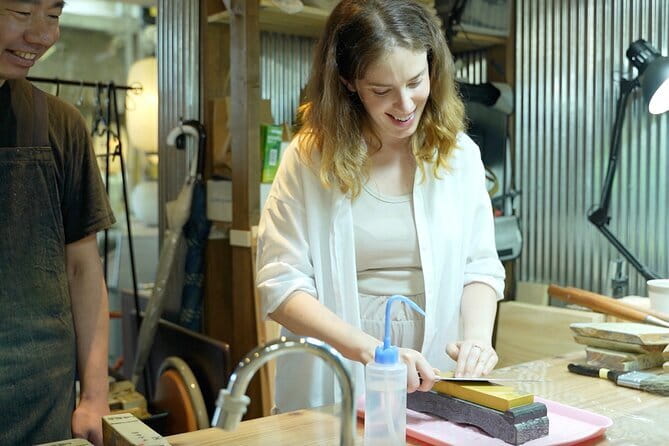
At $106.70 per person, this is not a budget activity. But it also is not trying to be one. You are paying for a private class in Arashiyama, a specific flour blend, tools and fees included, and instructor time focused only on your group.
Here is the value logic I’d use if I were deciding:
- You get private time, not a shared workshop.
- You make and eat soba in about 1 hour 15 minutes, which is efficient for a sightseeing day.
- All fees and taxes are included, and tools used are covered.
- Lunch is included as part of the experience, so you are not paying separately for a meal.
What is not included is private transportation. That is typical. Since the meeting point is near public transit and in the Arashiyama area, you likely will handle getting there on your own anyway.
If you love food experiences, especially ones with clear technique and a real kitchen context, this price can feel reasonable. If you are only looking for a quick bite or a hands-on photo, you might find it pricey. This class is for people who want to learn something and eat the result.
A quieter way to spend a day in Kyoto
Logistics That Keep It Easy: Mobile Ticket, Meet, Then Make
The logistics here are refreshingly light. You do not need to bring anything or prepare anything. The experience also includes a mobile ticket, and you confirm at booking.
Meeting point and end point are the same. You start at 25-13 Sagatenryūji Aburakakechō, Ukyo Ward, Kyoto 616-8346, Japan, and the activity ends back at the meeting point. That makes planning simpler, especially if you are already walking around Arashiyama.
The class is also described as near public transportation. That matters on busy Kyoto days. If your day is already full, easier transport reduces stress.
One more practical note: this is not suitable for people with buckwheat allergies. If you are unsure about your allergy details, do not guess. Skip this activity.
Who This Soba Lesson Is Best For
This is a strong match if you:
- Want a hands-on food experience with a clear process
- Like authentic technique in a real shop environment
- Are doing an Arashiyama day and want lunch built in
- Prefer learning with a private instructor style
It is also a good choice if you enjoy pacing yourself. Since the instructor offers advice only when needed, you are not forced into a rushed learning cycle.
You might decide it is not for you if:
- You cannot eat buckwheat
- You want a very long, leisurely class instead of a focused 1 hour 15 minutes
- You are not interested in the making process and only want a meal
Should You Book This Private Soba Workshop?
I’d book it if you want a Kyoto food experience that is both hands-on and practical. The combination of private class time, a real shop setting, and the fact that you eat what you make is a solid triple win. In a city full of great meals, this gives you more than flavor. It gives you a story you can taste.
If your schedule is tight in Arashiyama, this also fits. You can turn it into lunch, with minimal travel friction.
The only big reason to hesitate is dietary. If you or anyone in your group has a buckwheat allergy, pass. Otherwise, this is the kind of activity that makes your Arashiyama day feel genuinely lived in, not just photographed.
FAQ
How long is the Kyoto Arashiyama soba noodle making experience?
It takes about 1 hour and 15 minutes to complete.
Is this a private class?
Yes. It is a private lesson, and there will be no other customers besides your group.
Where does the experience take place?
The meeting point is at 25-13 Sagatenryūji Aburakakechō, Ukyo Ward, Kyoto 616-8346, Japan, and the activity ends back at the meeting point.
Do I eat the noodles I make?
Yes. Lunch is included, and you can sample the soba noodles you made during the experience.
What ingredients are used for the soba noodles?
The noodles are made from 80 percent buckwheat flour and 20 percent wheat flour produced in Nagano Prefecture.
Do I need to bring anything or prepare anything?
No. There is nothing you need to bring or prepare.
Who teaches the class?
A popular instructor with over 20 years of experience is in charge.
Is buckwheat allergy an issue?
Yes. Those with buckwheat allergies cannot participate.
Is transportation included in the price?
No. Private transportation is not included.
What if I need to cancel?
Free cancellation is available. You can cancel up to 24 hours in advance for a full refund. If you cancel less than 24 hours before the start time, the amount paid is not refunded.
New This Season
- Koyasan Day Trip by Private Car from Kyoto
- Old Port Town and Ultimate Sake Tasting Private Tour From Kyoto
- Kyoto’s Timeless Charm: 3hr Exploration of History and Peace
- Kyoto: 5 Types of Sushi Making
- Sacred Peak & Ancient Paths: Kurama-Kibune Hiking Experience
- Kyoto: Exclusive ZEN practice at Manpukuji temple in Uji
- Kyoto: Private Seasonal Aroma Yoga Class
- Traversing Kyoto’s Scenic West – Arashiyama to Kinkakuji
Arashiyama Bamboo Forest Walks, compared.
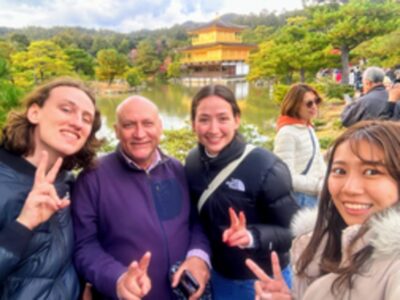
Fushimi Inari, Kinkakuji, Bamboo Grove 1 Day Bus Tour
Read our review →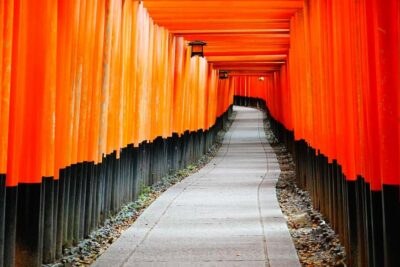
Kinkakuji,Arashiyama,FushimiInariShrine,NaraPark
Read our review →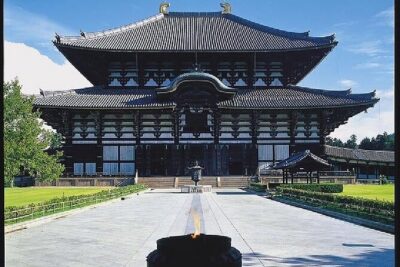
Nara, Fushimi Inari Taisha, Arashiyama Bus Tour
Read our review →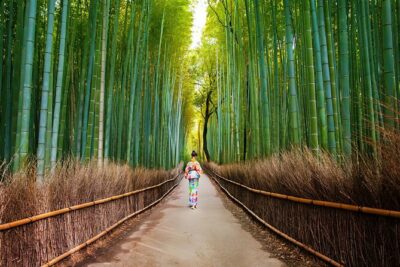
Kyoto Arashiyama Walking Tour: Bamboo, Monkeys, Gardens & Secrets
Read our review →
Arashiyama Bamboo, Temple, Monkeys, or Secret Sake Brewery
Read our review →
Arashiyama Bamboo Forest, Monkeys, Matcha & Temple Tour
Read our review →
Arashiyama, Nara & Fushimi Inari Shrine w/Lunch
Read our review →
Nijo, Kinkaku-ji, Arashiyama, Kiyomizu & Fushimi Inari
Read our review →Also filed under