
Reviewed · ARASHIYAMA BAMBOO FOREST WALKS
Kyoto: Arashiyama UNESCO Walking Tour with Admission
Arashiyama looks unreal in person. I love the combination of Tenryu-ji Temple and the Arashiyama Bamboo Grove because the scenery and the meaning connect, not just pose-for-a-photo. I also like that the guide helps you slow down at the right spots for better pictures and calmer moments. The only real drawback to plan for is that the temple requires shoe removal, and the experience is not set up for wheelchair access.
This is a compact tour that still covers the big “why this place matters” pieces. You get an English-speaking live guide, a small group limited to 10, and admission to Tenryu-ji included, so you are not piecing together tickets while everyone else waits. If you want the optional monkey park hike, that is on you to arrange since the admission is not included.
The route starts at Chopsticks Studio Kyoto, then moves through classic Arashiyama highlights in a logical flow: temple garden, bamboo grove, Nonomiya Shrine, and Togetsukyo Bridge, finishing near the monkey park area. It is mostly flat walking, but you’ll still want comfortable shoes for the short strolls and steps.
In This Review
- Key Highlights You’ll Feel Right Away
- Entering Arashiyama Through Tenryu-ji’s UNESCO Lens
- Bamboo Grove Photo Walk That Doesn’t Feel Rushed
- Nonomiya Shrine: A Quick Stop With Kyoto’s Love Story Energy
- Togetsu-kyo Bridge: The View That Makes the Whole Area Click
- Iwatayama Monkey Park: Optional, Self-Guided, Admission Not Included
- Price and Timing: Why $25 Can Actually Make Sense
- What the Guides Tend to Do Well (Based on Real Patterns)
- Shops, Sweets, and Souvenirs Without Making It a Shopping Tour
- Getting Ready: What to Wear and Bring
- Who Should Book This Arashiyama Tour
- Should You Book This Tour?
- FAQ
- How long is the Kyoto Arashiyama UNESCO walking tour?
- What is included in the tour price?
- Where does the tour start, and how do I find the guide?
- Is there wheelchair access?
- What should I wear or bring for the temple?
- Is the monkey park part of the guided section?
Key Highlights You’ll Feel Right Away
- Tenryu-ji UNESCO admission included, so the most important site is taken care of for you
- Bamboo Grove photo time with guidance, including where to stand for the best views
- Nonomiya Shrine stop for love wishes, with a chance for a quick, meaningful photo
- Togetsukyo Bridge included, giving you that iconic river-and-bamboo backdrop
- Iwatayama Monkey Park is optional, a self-guided hike if you want more after the tour
Entering Arashiyama Through Tenryu-ji’s UNESCO Lens
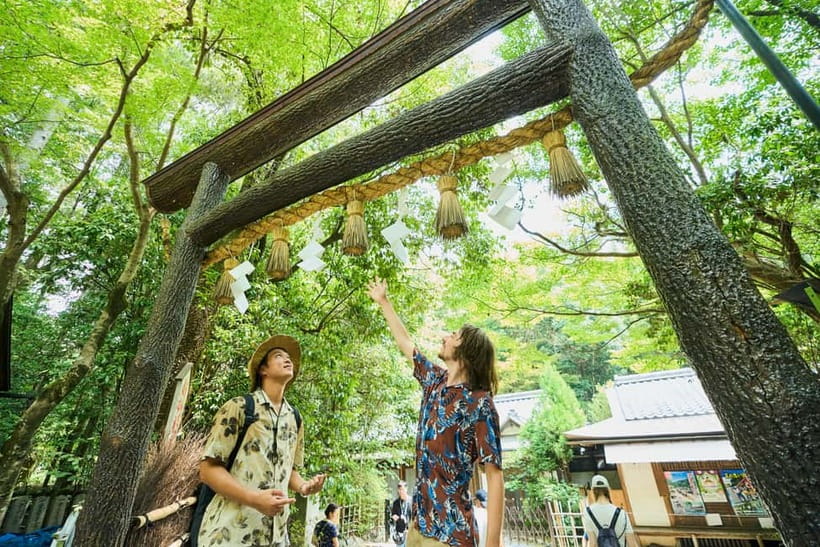
Arashiyama can feel like a postcard, but the best tours help you read the place. This one starts by setting context at Tenryu-ji Temple, a UNESCO World Heritage site. You get a guided visit for about 40 minutes, which is the sweet spot for a temple without turning into a long, exhausting museum marathon.
Here’s what makes Tenryu-ji worth your time. You’re not just looking at buildings, you’re watching how gardens and Zen atmosphere work together. The guide explains the spirit of Zen and how the garden design supports calm, focused attention. The gardens can change how you look at everything else you will see afterward, especially the bamboo grove, because suddenly it’s not “pretty trees,” it’s part of a larger cultural landscape.
Practical note: you must remove your shoes when entering the temple. If you wear shoes that are quick to slip off and on, you will make your life easier. Also bring cash, since it helps for small purchases at nearby shops.
Bamboo Grove Photo Walk That Doesn’t Feel Rushed
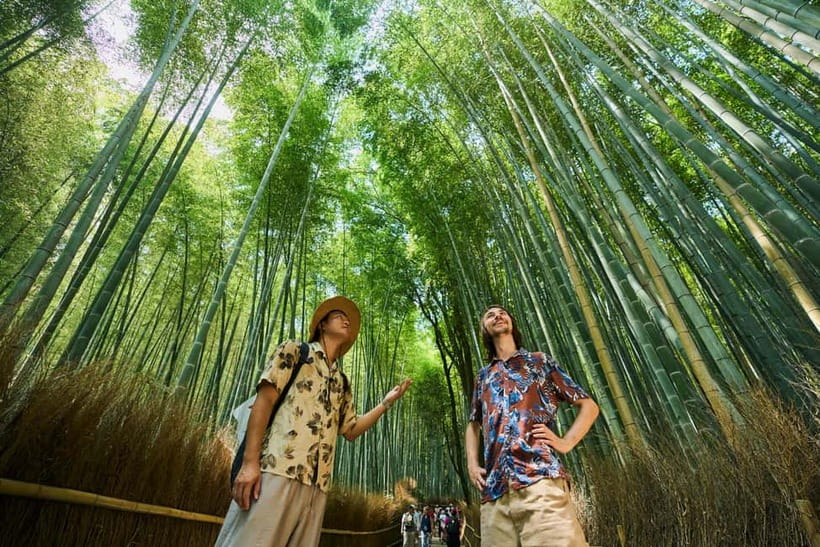
Yes, the Arashiyama Bamboo Grove is packed and photogenic. But the tour’s value is that you don’t just march through it like a checklist. Your guide points out why the grove is tied to the UNESCO designation, so the walk comes with meaning, not just crowds.
What I like about a guided bamboo stroll is the “timing” advantage. You tend to move to viewpoints when the light and the spacing are better. Guides also help you avoid common photo mistakes like standing too far back for that tall-stalk perspective, or stepping into the flow of people instead of letting the crowd pass first.
You’ll also get brief scenic walking time en route, so you can catch views that are not just the main grove. Expect stops that feel planned for photography, but not so rigid that you never breathe. And if you want a few minutes of quiet, some guides build in calm pauses. I’d take that as a hint to bring your patient side. Arashiyama rewards slow looking.
Green light through a bamboo grove
- Kyoto: Fushimi Inari, Kinkakuji, Bamboo Grove 1 Day Bus Tour
★ 4.8 · 4,316 reviews - Osaka/Kyoto:Kinkakuji,Arashiyama,FushimiInariShrine,NaraPark
★ 4.1 · 1,596 reviews - Kyoto/Osaka: Nara, Fushimi Inari Taisha, Arashiyama Bus Tour
★ 4.7 · 1,275 reviews - Kyoto Arashiyama Walking Tour: Bamboo, Monkeys, Gardens & Secrets
★ 5.0 · 1,216 reviews
Nonomiya Shrine: A Quick Stop With Kyoto’s Love Story Energy
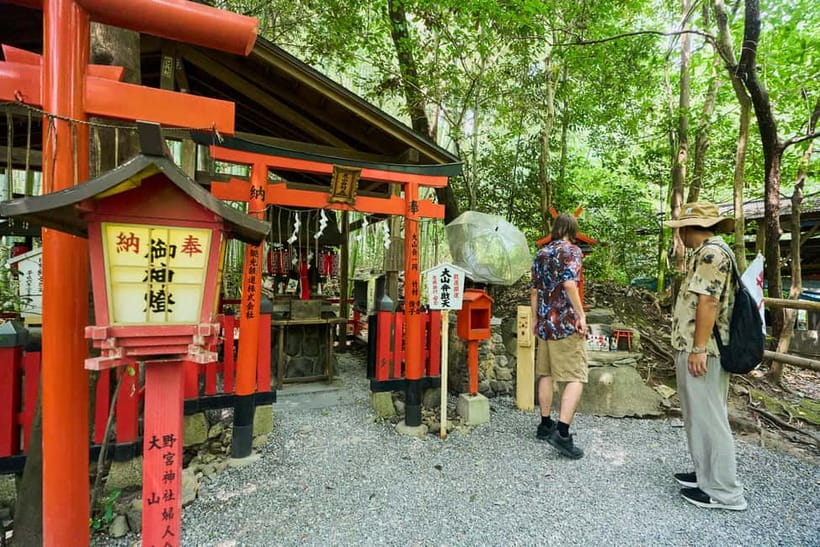
After the grove, the tour moves to Nonomiya Shrine, known as a place to pray for love in Kyoto. It’s a photo stop plus a short guided walk and explanation, so it doesn’t turn into a detour that steals your whole afternoon.
This stop matters because it shows another layer of Kyoto beyond Zen gardens and bamboo icons. Shrines in Japan are not only about sightseeing. They’re about ritual, intention, and small moments that make you feel connected to the local culture.
The shrine timing is also useful. You’ll be walking at a pace that keeps energy up, but you still have time to pause, look around, and take a photo without feeling like you’re sprinting. If you enjoy small, specific cultural stops like this, you will appreciate that the tour includes more than the obvious big names.
Togetsu-kyo Bridge: The View That Makes the Whole Area Click
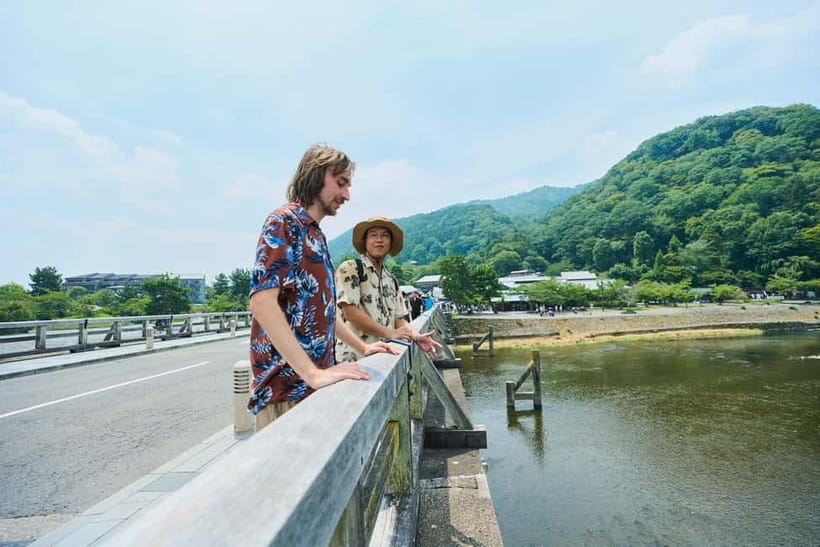
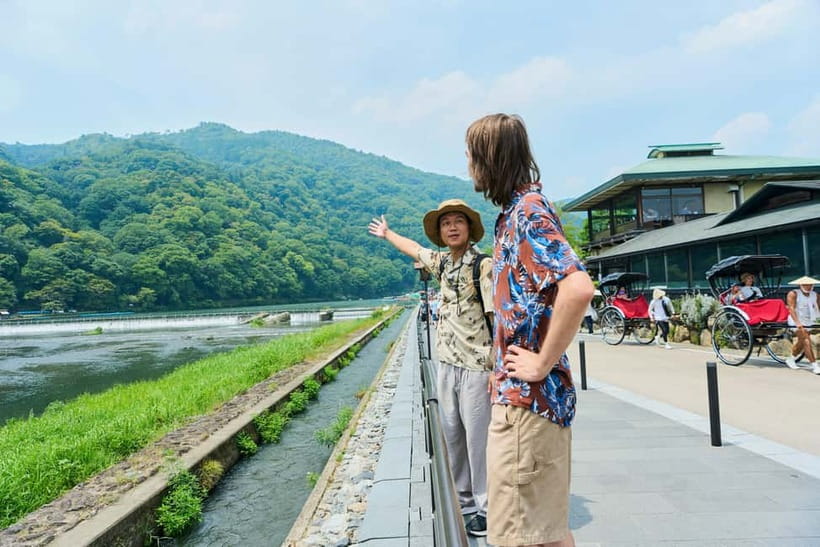
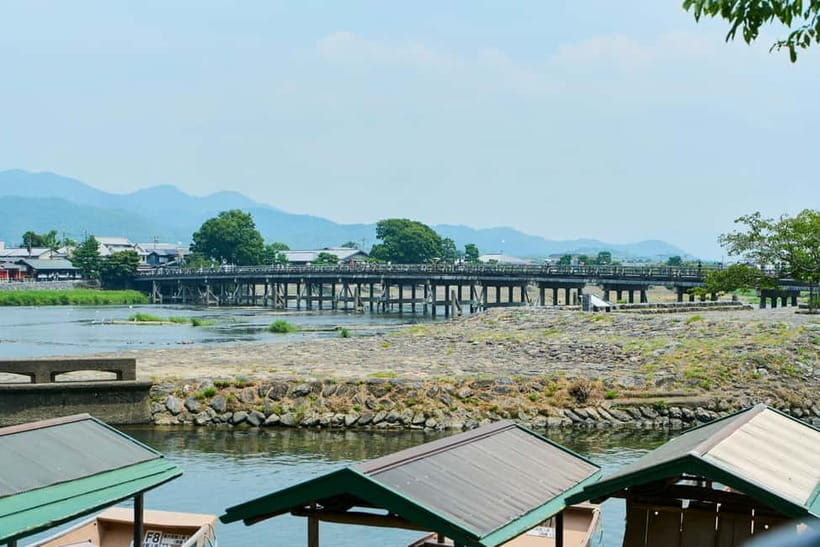
Next comes Togetsu-kyo Bridge, which is one of those “of course it’s famous” spots. The bridge ties the bamboo area to the river views, giving you that classic Arashiyama composition: stalks, water, and historic Kyoto atmosphere in one frame.
This part feels like a reward. You’ve walked through the temple calm, moved into bamboo photo time, and added a shrine stop. On the bridge, the tour shifts into open views and easier strolling. It’s a great time to take a few wide shots that you can’t get inside the grove itself.
If you care about photos, bring a little patience here too. People drift in waves. You can usually find a moment to frame a clean shot if you wait 20 to 40 seconds rather than forcing it.
Iwatayama Monkey Park: Optional, Self-Guided, Admission Not Included
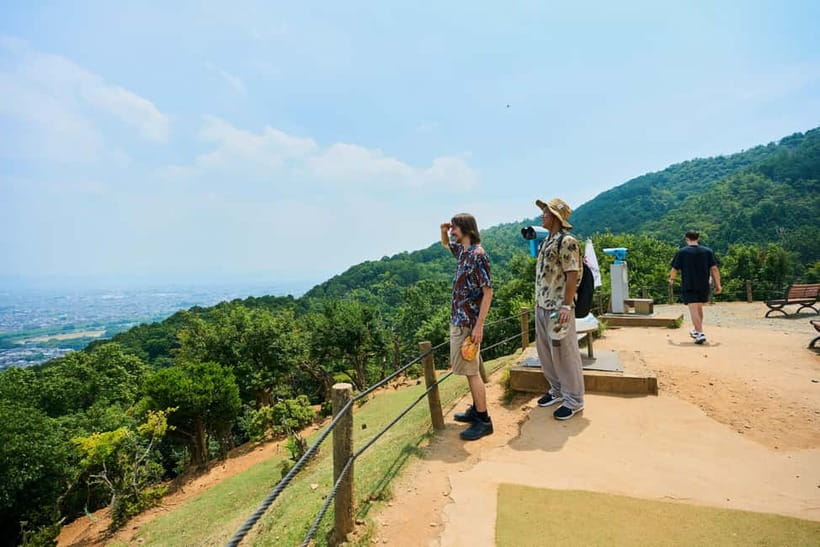
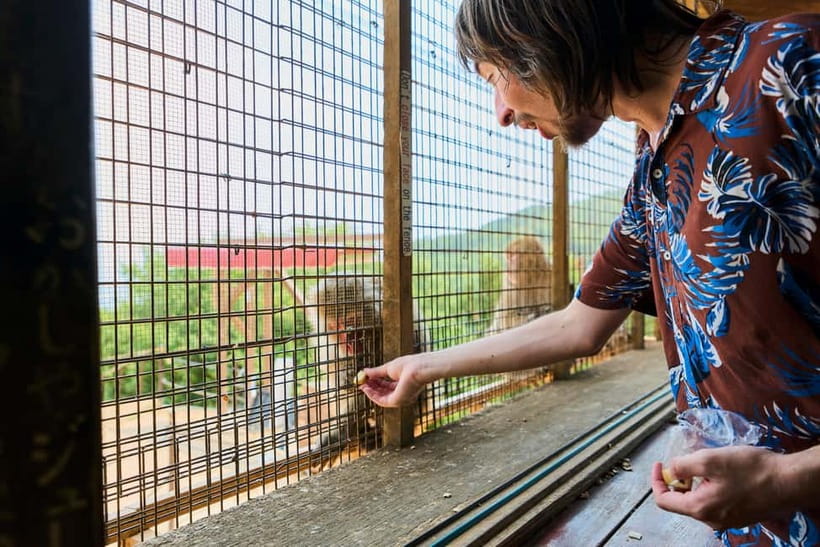
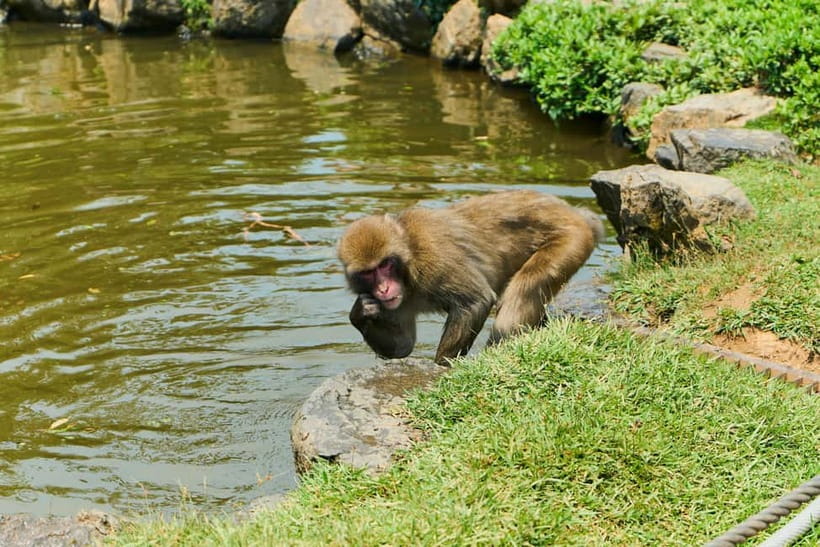
At the end of the guided portion, you head toward the Iwatayama Monkey Park area. This is where you get flexibility. The monkey park part of the experience is free time with a self-guided hike, but admission is not included.
I like this setup because you can choose based on your energy and your interest in animals. If you want more views and you’re comfortable with a short hike, the monkey park can add variety after temples and bamboo. If your legs are done, you can end right where the tour finishes and spend the rest of your time eating, shopping, or relaxing along the river.
One smart move: check what the weather is doing before you decide. A sunny day makes the viewpoints worth it. If it’s rainy or icy, consider whether extra walking is worth the effort that day.
Price and Timing: Why $25 Can Actually Make Sense
At around $25 per person for a 90-minute tour, the big value is that the most important admission is included: Tenryu-ji Temple entry. When you’re paying for a short, tightly focused experience, admission inclusion matters because it removes friction. You do not have to hunt down tickets or calculate whether it’s cheaper to buy on your own mid-walk.
The other value piece is the small group size, limited to 10. That’s not just a comfort upgrade, it improves the experience. In tight crowds like Arashiyama, a guide who can manage flow helps you keep your pace and get to viewpoints without getting trapped behind someone stopping for every photo.
This is also an English live guide tour, which is a major deal in Kyoto. You can ask questions and get context on the spot, like why Tenryu-ji gardens reflect Zen thinking, or why the bamboo grove is treated as more than decoration. Some guides also bring a light touch that makes the group feel at ease.
A quieter way to spend a day in Kyoto
What the Guides Tend to Do Well (Based on Real Patterns)
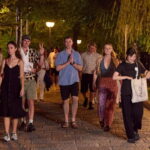
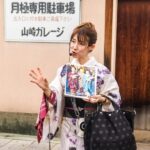
Different guides lead this tour, but the best reviewed ones share a few clear strengths. I’ve seen reports of guides like Uta, Ben, Nao, Naoya, and NOW bringing both history context and practical photo help. You also see a pattern of friendliness and question-answering, meaning you are not stuck with a one-way lecture.
One thoughtful detail that comes up is photo assistance during quieter moments, like a short pause for reflection where the guide helps capture the memory. Another is adaptability for different needs, including suggestions to make the route feel more comfortable when someone in the group had additional considerations. That tells me the guides focus on keeping the experience enjoyable for real people, not just running the route on rails.
So if you book, your best strategy is simple: ask your guide where to stand, and ask one good question about the site you’re at. You’ll usually get a more interesting answer than you’d get from reading a sign.
Shops, Sweets, and Souvenirs Without Making It a Shopping Tour
Between stops, you’ll pass recommended cute character shops and local souvenir stores. You’ll also have time to browse Kyoto favorites like matcha sweets and wagashi (traditional Japanese confections). The bamboo-themed artisan goods are another common souvenir type you might see along the way.
The tour doesn’t force you to buy anything. That matters because Kyoto is at its best when you mix major sights with small, spontaneous choices. If you want to grab a matcha sweet to snack while you walk later, this tour gives you chances to do that naturally.
Tip for buying: have some cash. The tour specifically suggests bringing cash, and small shops often run that way. It keeps you from having to hunt for an ATM when you find something you really want.
Getting Ready: What to Wear and Bring
This tour is easy in the big-picture sense, but you’ll enjoy it more if you plan for the small realities.
Bring:
- Comfortable clothes for walking
- Cash for snacks and shopping
- A plan for shoe removal at Tenryu-ji Temple
Wear:
- Shoes that are comfortable for short strolls and steps
- Something easy to remove and re-wear quickly if you hate fumbling with laces
Mobility note: terrain is mostly flat, but the tour is not suitable for wheelchair users. If you have mobility limitations, this is one of the spots where you’ll want to think carefully before booking.
Who Should Book This Arashiyama Tour
This is a strong fit if you want:
- A focused, 90-minute Arashiyama hit without spending your whole day getting oriented
- UNESCO value through Tenryu-ji admission, paired with the bamboo icon
- Guided context so the places feel connected and not random photo stops
- A small group experience with time to take photos and browse a bit
You might skip it if you want a long, slow, do-everything day. There are optional elements like the monkey park that require extra time, and this tour is designed as a clean, shorter circuit. Also, if you’re wheelchair dependent, the tour is not listed as suitable.
Should You Book This Tour?
Yes, if you want the best of Arashiyama in a manageable window, this tour is a solid choice. The included Tenryu-ji admission makes it better value than many “guided walk only” options, and the route includes both meaning and iconic scenery.
I’d book it especially if you care about photos, because the guide-led approach helps you hit the right spots without getting overwhelmed. If you also like the idea of possibly adding the monkey park later, you get the freedom to decide on the day.
FAQ
How long is the Kyoto Arashiyama UNESCO walking tour?
The tour lasts 90 minutes.
What is included in the tour price?
Admission to Tenryu-ji Temple is included, and you’ll have an English live guide. Monkey Park admission is not included.
Where does the tour start, and how do I find the guide?
The meeting point is Chopsticks Studio Kyoto. The guide will wait at the front road of the building holding a sign that says Local Guide Stars.
Is there wheelchair access?
The tour is not suitable for wheelchair users.
What should I wear or bring for the temple?
Wear comfortable clothes and bring cash. At Tenryu-ji Temple, you must remove your shoes when entering.
Is the monkey park part of the guided section?
The monkey park area is optional and you’ll have free time there. The hike is self-guided, and admission to the monkey park is not included.
New This Season
- Koyasan Day Trip by Private Car from Kyoto
- Old Port Town and Ultimate Sake Tasting Private Tour From Kyoto
- Kyoto’s Timeless Charm: 3hr Exploration of History and Peace
- Kyoto: 5 Types of Sushi Making
- Sacred Peak & Ancient Paths: Kurama-Kibune Hiking Experience
- Kyoto: Exclusive ZEN practice at Manpukuji temple in Uji
- Kyoto: Private Seasonal Aroma Yoga Class
- Traversing Kyoto’s Scenic West – Arashiyama to Kinkakuji
Arashiyama Bamboo Forest Walks, compared.
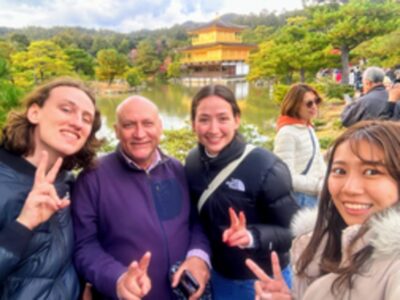
Fushimi Inari, Kinkakuji, Bamboo Grove 1 Day Bus Tour
Read our review →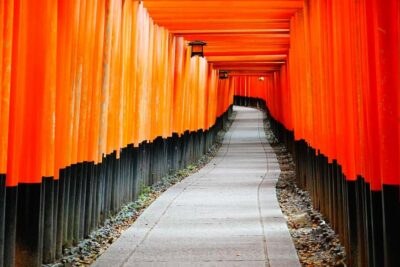
Kinkakuji,Arashiyama,FushimiInariShrine,NaraPark
Read our review →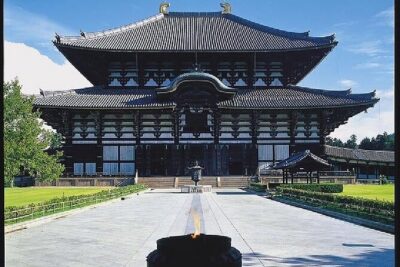
Nara, Fushimi Inari Taisha, Arashiyama Bus Tour
Read our review →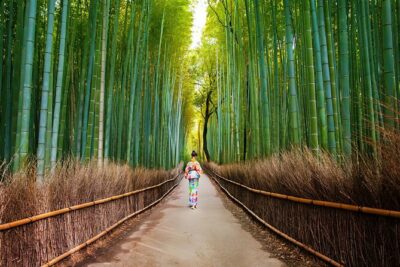
Kyoto Arashiyama Walking Tour: Bamboo, Monkeys, Gardens & Secrets
Read our review →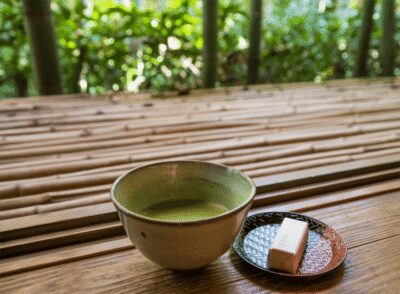
Arashiyama Bamboo, Temple, Monkeys, or Secret Sake Brewery
Read our review →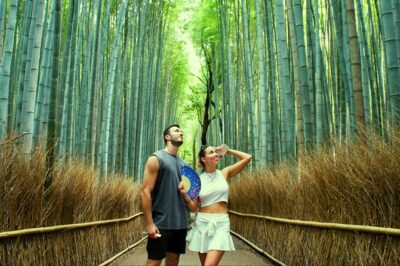
Arashiyama Bamboo Forest, Monkeys, Matcha & Temple Tour
Read our review →
Arashiyama, Nara & Fushimi Inari Shrine w/Lunch
Read our review →
Nijo, Kinkaku-ji, Arashiyama, Kiyomizu & Fushimi Inari
Read our review →Also filed under