
Reviewed · WORKSHOPS
Kyoto: Beginner Knife Sharpening & Handle Fitting Workshop
A knife skill you can use tomorrow. In Kyoto, this 2 hour workshop has you practice hands on sharpening and fit your own handle on a real Japanese knife, with English help from guides like Julio and Tim when needed.
What I like most is how practical it feels: you are taught the motions, then you get corrections and feedback as you go, so the technique sticks beyond the classroom. The second big win is that the result is not hypothetical. You finish with a knife you can actually keep, even optional engraving, so the day turns into a tool you will use, not just a photo.
One consideration before you book: the handle fitting uses fire, so you may notice smoke and your clothes could pick up a smoky smell. Wear something you do not mind taking home a little scented.
In This Review
- Key highlights at a glance
- A bench-top skill session at HIRAI in Kyoto
- Picking your knife: Santoku, Deba, or Yanagi
- Sharpening practice that builds confidence for everyday use
- Handle fitting with the magnolia handle, plus a little smoke
- Optional engraving, then packing up your finished knife
- Price and value: what $161 really covers
- Logistics that actually matter: time, clothes, and the white curtain
- Small group size and language support: why you learn faster
- Who should book this Kyoto knife workshop, and who should skip it
- Should you book the Kyoto Knife Sharpening & Handle Fitting Workshop?
- FAQ
- How long is the Kyoto beginner knife sharpening and handle fitting workshop?
- How many people are in each workshop group?
- Can I take the knife home after the workshop?
- What knives can I choose for the workshop?
- Is engraving available on the knife?
- Are whetstones provided?
Key highlights at a glance
- Small group (up to 3 people) means you get hands on attention while you sharpen and assemble.
- Choose your blade style from Santoku, Deba, or Yanagi before you begin.
- Magnolia handle fitting with some fire makes it feel like real craftsmanship, not a demo.
- Optional engraving (up to 4 letters) with notice in advance, then you take the finished knife home.
- No sales pressure is part of why the class feels worth it, even if you never buy extra knives.
A bench-top skill session at HIRAI in Kyoto
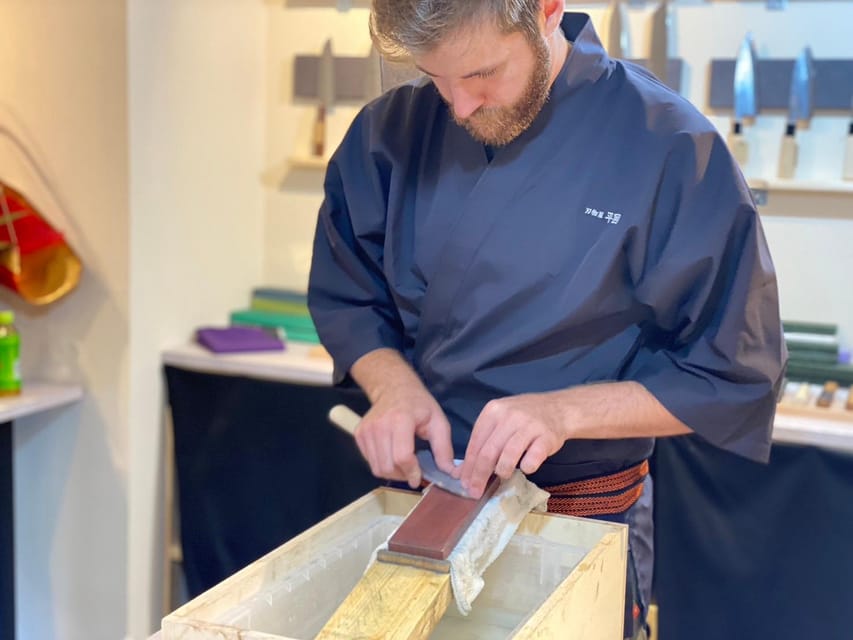
This Kyoto workshop is set up like a working shop session, not a tourist show. You spend two focused hours learning how to sharpen and how to fit a Japanese knife handle, then you walk out with the completed knife. That combination matters, because sharpening is only half the story if you want a knife that feels right in your hand every time you cook.
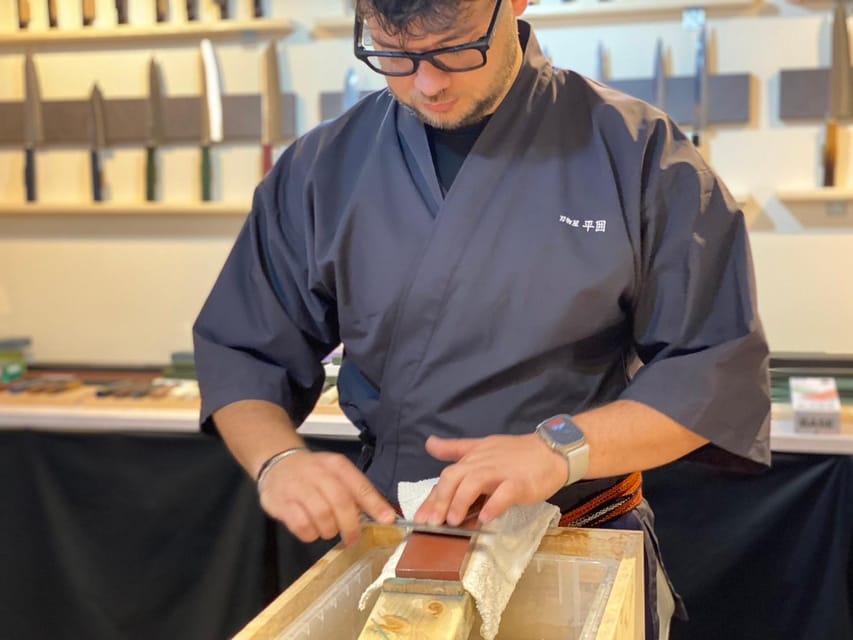
The experience runs through HIRAI, a Japanese knife shop, and the format keeps the class calm and doable for beginners. Multiple reviews note patient teaching and clear corrections, which lines up with the way the workshop is built: short explanations, then practice, then adjustments as you learn. You also get Japanese working uniform and an apron, which helps you stay comfortable and tidy while you work.
Another thing I appreciate is the language support. The workshop offers English and Japanese, and the setup is designed so beginners can keep up. That is not just nice for understanding, it also helps you avoid the common beginner problem of doing the motions but not knowing what to fix.
Picking your knife: Santoku, Deba, or Yanagi
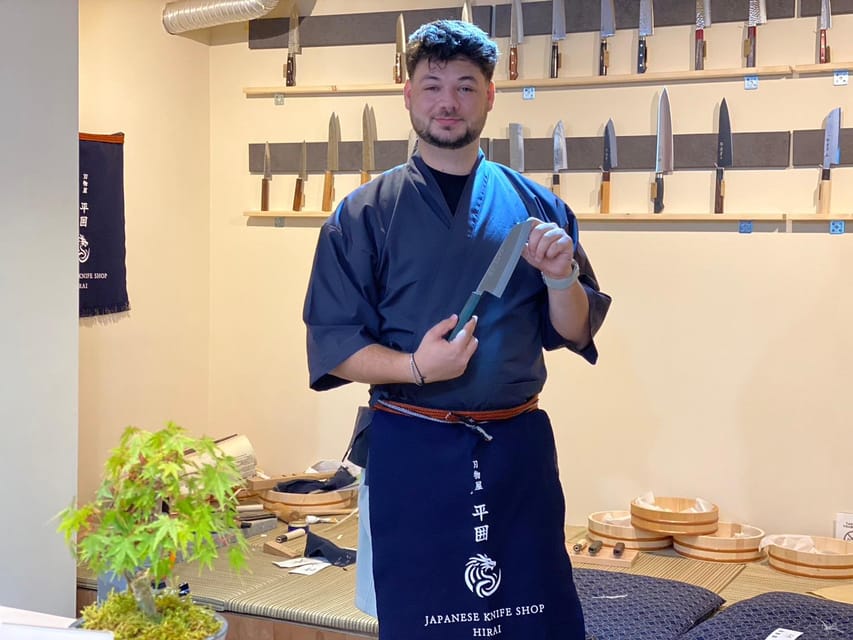
Before anything starts, you choose one knife for the workshop from the Santoku, Deba, or Yanagi options. That choice is part of the value, because you are not just learning on a random sample. You sharpen the knife you will ultimately take home, and that makes the lesson feel connected to a real outcome.
If you are unsure which style to pick, choose based on what you want to use at home. The workshop does not ask you to bring your own knife, so your takeaway will be the one you select that day. I would treat the choice like buying a tool for your kitchen, because that is what it becomes after the handle fitting.
This is also where you might think about engraving. Engraving is available, and you can request it in advance by telling the shop what characters you want, up to four letters. If you want a name, a gift message, or simple initials, decide early so the workshop is smooth.
A quieter way to spend a day in Kyoto
- Kyoto: 45-Minute Tea Ceremony Lesson Experience
★ 4.3 · 2,378 reviews - Ramen Cooking Class at Ramen Factory in Kyoto
★ 5.0 · 1,937 reviews - Kyoto : Chopsticks Making Workshop in Gion with Engraving Option
★ 5.0 · 958 reviews - Kyoto: Samurai Sword Class by Experts in Traditional Arts
★ 4.9 · 657 reviews
Sharpening practice that builds confidence for everyday use
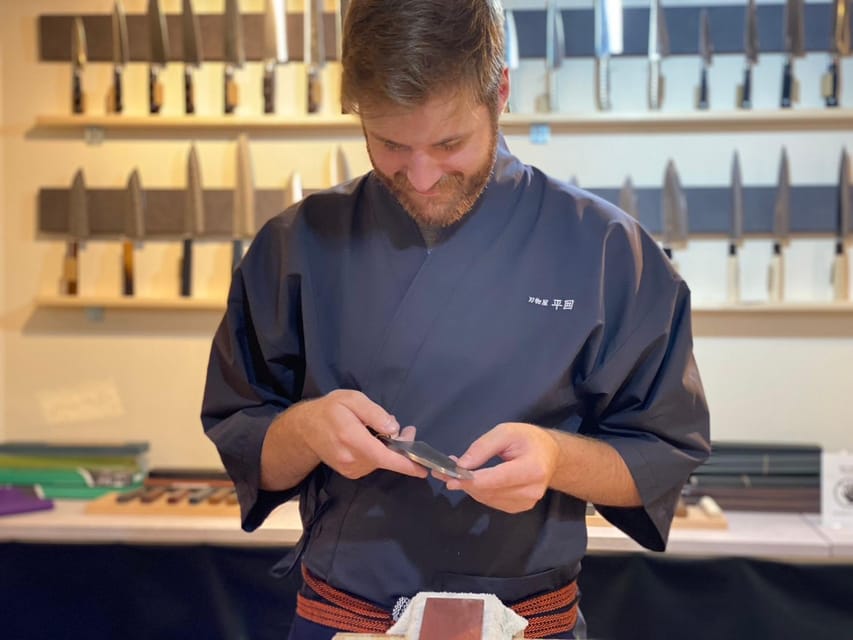
Sharpening is where many people get stuck. You watch a video, you try it at home, and suddenly your blade does not feel right. The best part of this workshop is that it is hands on and feedback heavy. In reviews, people specifically mention instructors and translators who explain steps in a beginner friendly way and then correct technique as you go.
The class uses whetstones provided by the shop. That detail might sound small, but it is actually important for value and stress level. You are not forced to purchase equipment before you even know what style of sharpening works for you. Instead, you learn the method with the tools the shop expects you to use.
Also, the structure helps. You start with a demonstration, then you sharpen your own selected knife, then you keep refining based on the instructor’s checks. Reviews repeatedly highlight that double-checking and confirmation make people feel confident they can replicate the technique later. That is exactly what you want from a beginner workshop: not just a good end product, but a process you can repeat at home.
Handle fitting with the magnolia handle, plus a little smoke
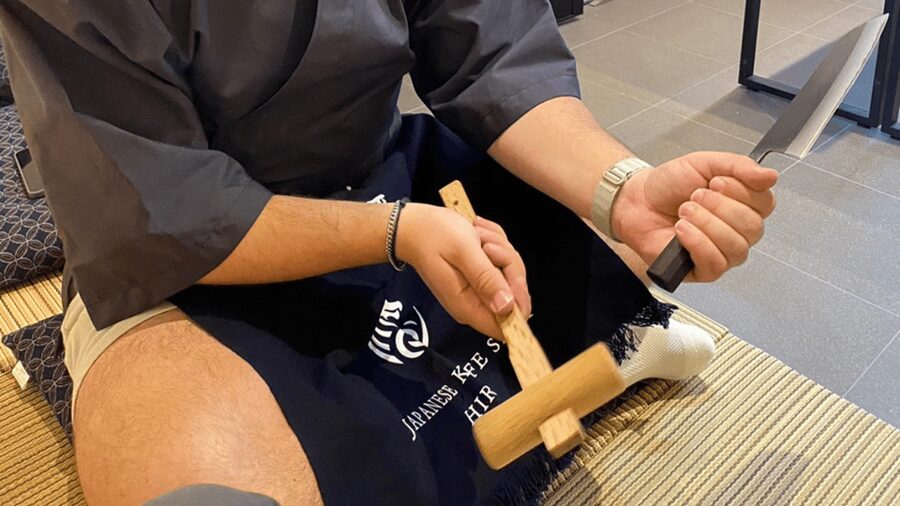
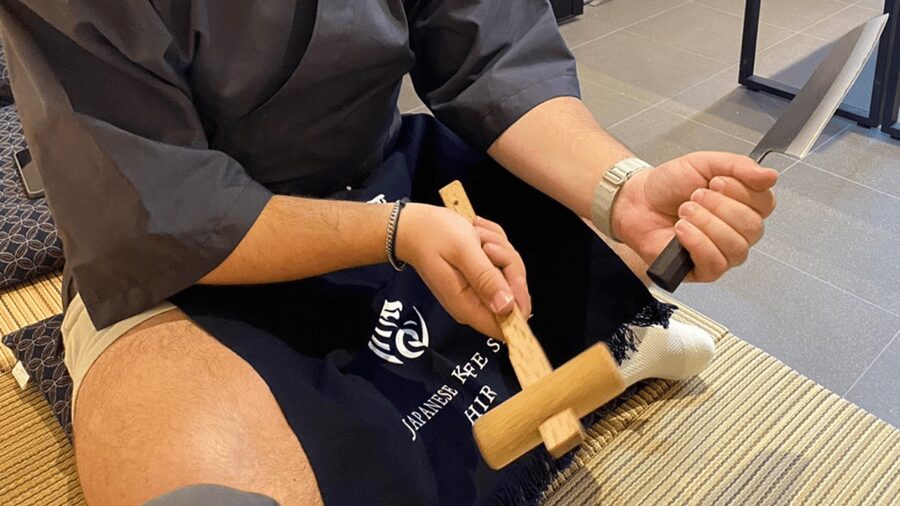
The second half is handle fitting, where the workshop becomes more physical and more craft-like. The included handle option is a magnolia tree handle, and you attach it during the class. This hands-on assembly piece is a big reason the workshop feels special. You are not only sharpening a blade, you are building the full knife experience.
Here is the practical reality: handle fitting uses fire, and sometimes smoke comes out. The workshop provides a Japanese working uniform and apron, but they also advise you to wear clothes you do not mind getting smoky. If you are carrying fragile fabrics or your best outfit, leave it for later in your Kyoto day. A change of clothes is a simple backup plan.
If you want to go beyond the standard magnolia handle, the workshop allows other handle types for an additional fee. The additional charge changes depending on the handle you choose, so you only know the exact number after you see the options in the shop. The key point for planning is that you can keep it simple and get the included handle, or you can upgrade if you want a different look and feel.
And yes, you still get instruction during fitting. People mention attentive guidance that is precise enough for beginners, which is what makes a take-home knife realistic even if you have never assembled anything before.
Optional engraving, then packing up your finished knife
Engraving is offered as an add-on service, and the workshop advises you to let them know in advance if you want it. The request is for characters up to four letters, so think short and meaningful. If you are gifting the knife, this size works well for initials, a short date, or a brief message.
The engraving fee is listed as included. That matters because it reduces the chance of surprise costs once you are already in the workshop. If you do plan to engrave, decide before you arrive so you can focus on sharpening and fitting during the class.
When the workshop ends, the team packages your knife so you can take it home. Reviews highlight the satisfaction of receiving a quality Japanese knife you can keep for years, not something that feels like an unfinished project. The packaging step also helps because you are leaving a working shop environment and moving back into travel mode.
Price and value: what $161 really covers
At $161 per person for a two hour experience, the price looks straightforward until you break down what you get. You sharpen a knife that you take home, you attach an included magnolia handle, you receive Japanese working uniform and apron, and you also get the experience fee and the engraving fee.
The workshop does not include buying extra knives, and it does not include purchasing alternate handle types if you choose to upgrade. It also does not include purchasing a whetstone because whetstones are provided by the shop. So the base experience is designed to be complete without extra shopping.
Several reviews mention that the activity feels like strong value because the class cost is not far from the price of simply buying a knife. That logic makes sense. You are paying for the knife plus the training, and you are not just buying a souvenir. You also avoid the trial and error of learning sharpening alone, which can cost money in the form of ruined blades, wasted whetstones, or an ongoing frustration you never solve.
There also seems to be little to no sales pressure. People call out that the standard knife choices are already very good, and that upgrades are optional. That makes the workshop feel like a skill lesson with a real product attached, rather than a shopping detour.
A day of temples goes further with something to break it up.



Logistics that actually matter: time, clothes, and the white curtain
The meeting approach is simple: come to the shop directly. You are looking for a white storefront curtain at the building of the shop. If you arrive late, the whole session can feel rushed, so the workshop asks you to be at the shop at least five minutes early to start smoothly.
Kyoto shop locations can be tricky in busy areas, so I treat early arrival as part of the experience. Give yourself time to find the curtain and settle in before the session begins. That is not just convenience. Being relaxed makes it easier to focus during hands on sharpening and fitting.
What to wear is worth planning carefully. You get the uniform and apron, but because handle fitting uses fire, you should also wear clothes you do not mind potentially smelling smoky afterward. If you are doing this on a day packed with dinner reservations and photo stops, plan a practical outfit choice, like something dark and older that you can tolerate smelling like the workshop for a few hours.
Also note the behavior rules: no pets, no baby strollers, no smoking, no alcohol or drugs, and no making noise. It is a quiet workshop environment, so keep your phone calls and noise level low.
Small group size and language support: why you learn faster
This is a small group workshop limited to three participants. That matters a lot more than it sounds. In a group that stays small, instructors can watch your technique in real time, not after the fact. Reviews mention friendly and attentive guides, and also mention that the sessions feel balanced between instruction and hands on practice.
Language support is also part of the learning curve. The workshop lists English and Japanese, and multiple reviews call out English translation support that makes the steps clear. That means you can ask questions and get corrections without guessing.
If you are nervous about sharpening, this group size is the safety net. You can make mistakes while you learn, and you get guided corrections instead of feeling lost. The result is that you leave with a knife you can use, and a process you can try again at home.
Who should book this Kyoto knife workshop, and who should skip it
This workshop fits best if you want a practical kitchen skill plus a take-home craft item. It is also ideal if you tried sharpening before and felt unsure, because the class is specifically built to teach beginners in a way that sticks. Reviews mention people feeling confident they can replicate the technique after being corrected during the workshop.
It is not for everyone, though. The workshop lists restrictions including no children under 15, no wheelchair users, and no people over 80. If mobility is a concern, check alternatives before booking.
I would also book it if you enjoy crafts where you can see the end result immediately. Sharpening gives you control over performance, and handle fitting changes how the knife feels in your grip. That hands on arc is a big part of why reviews call it relaxing as well as instructive.
Finally, this is the right activity for you if you like learning from real shop professionals. The provider is a knife shop, HIRAI, and instructors are described as patient, precise, and focused on technique.
Should you book the Kyoto Knife Sharpening & Handle Fitting Workshop?
If you want a two hour workshop that turns into a tool you will actually use, I think you should book it. The strongest reasons are simple: you get guided sharpening, you assemble the handle yourself, and you take the finished knife home. That package is rare, and it is why the reviews lean so strongly positive about learning and value.
Book it especially if you are a beginner who wants clear steps and real corrections, and if you like the idea of engraving something small and personal. Also, plan your clothing and be ready for the smoke from the fire during handle fitting.
Only skip it if you are not comfortable with a working shop environment, you hate any chance of clothes smelling smoky, or you are outside the listed age and mobility suitability limits.
FAQ
How long is the Kyoto beginner knife sharpening and handle fitting workshop?
It lasts 2 hours.
How many people are in each workshop group?
The workshop is limited to a small group of up to 3 participants.
Can I take the knife home after the workshop?
Yes. After the workshop, the shop packages your knife and you can take it home.
What knives can I choose for the workshop?
You can choose one knife style from Santoku, Deba, or Yanagi.
Is engraving available on the knife?
Yes. Engraving is available, and you can request up to 4 letters. You should let the shop know in advance what characters you want.
Are whetstones provided?
Yes. Customers use the whetstones provided by the shop.
New This Season
- Koyasan Day Trip by Private Car from Kyoto
- Old Port Town and Ultimate Sake Tasting Private Tour From Kyoto
- Kyoto’s Timeless Charm: 3hr Exploration of History and Peace
- Kyoto: 5 Types of Sushi Making
- Sacred Peak & Ancient Paths: Kurama-Kibune Hiking Experience
- Kyoto: Exclusive ZEN practice at Manpukuji temple in Uji
- Kyoto: Private Seasonal Aroma Yoga Class
- Traversing Kyoto’s Scenic West – Arashiyama to Kinkakuji
Workshops, compared.

Ramen Cooking Class at Ramen Factory in Kyoto
Read our review →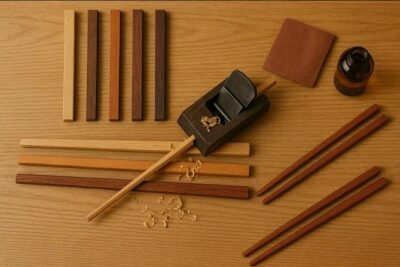
Chopsticks Making Workshop in Gion with Engraving Option
Read our review →
Samurai Sword Class by Experts in Traditional Arts
Read our review →
Ramen Cooking Class at a Ramen Factory with Souvenir
Read our review →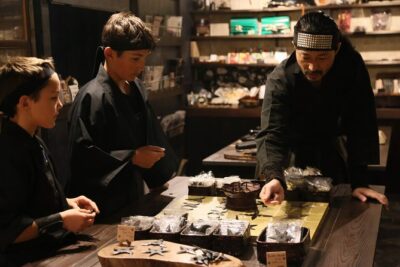
Ninja 1-hour Hands-on Lesson by Japanese master in Kyoto -Entry
Read our review →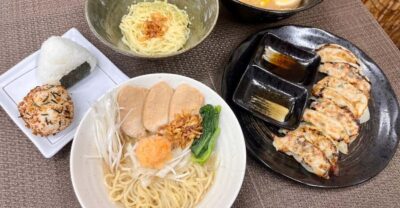
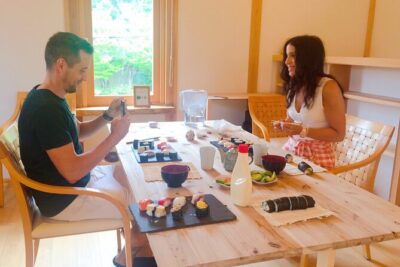
The Original Small-Group Sushi Making Class in Kyoto
Read our review →Also filed under