
Reviewed · FUSHIMI INARI SHRINE WALKS
Kyoto Early Bird Tour in Uji and Fushimi Inari
Early Kyoto feels like a secret. This early bird route strings together Fushimi Inari-taisha, UNESCO Byodoin Temple, and Uji’s quieter shrines in one smooth half-day, timed to beat the later rush. I like that it keeps the group small, so you can ask questions without shouting over other tour groups.
What I like most is the way it handles access. Byodoin Temple entry is included, so you spend less time searching for the right ticket counter and more time looking at the Phoenix Hall area with clear headspace.
One thing to consider: the price does not include transportation (¥390 per person) and lunch is not included, so you’ll want a simple plan for getting from Uji back to Kyoto after the tour.
In This Review
- Key things to love about this Kyoto early bird plan
- Kyoto Station start, and why the first hour matters
- Fushimi Inari-taisha, red gates before the crush
- Byodoin Temple and the Phoenix Hall UNESCO moment
- Ujigami Shrine: quiet Uji and centuries-old wooden calm
- The guide experience, and why Q&A makes the day better
- Price and logistics, what you truly pay for
- Pacing and comfort: 5.5 hours in the early-morning zone
- Where this tour fits best in your Kyoto plan
- Should you book this Kyoto to Uji and Fushimi Inari early bird tour?
- FAQ
- How long is the Kyoto Early Bird Tour in Uji and Fushimi Inari?
- What stops are included on the tour?
- Is the Byodoin Temple entrance fee included?
- Is lunch included?
- What is the group size limit?
- Where does the tour start?
- Where does the tour end?
- Is transportation included in the price?
- Do I get an English-speaking guide?
Key things to love about this Kyoto early bird plan
- Small group max 8 travelers, so your guide can actually answer questions
- Byodoin Temple admission included, helping you skip the slow parts of arrival
- Early timing that aims to reach landmarks before crowds land
- Fushimi Inari-taisha with lots of red-gate walking, without late-day crush
- UNESCO Byodoin Temple plus Uji shrines in one run, great value for first-time visitors
- A guide-led balance of Shinto and Buddhism context, including explanations shared by guides like Genki
Kyoto Station start, and why the first hour matters
The meeting point is at Kyoto Station, near Higashishiokoji Kamadonocho in Shimogyo Ward. That matters because it gives you a straightforward way to get going early without extra neighborhood navigation. From there, you’ll head toward Fushimi Inari and then continue on into Uji.
This tour is built around one simple idea: start early and keep moving. The later part of the day at major Kyoto sites can turn into a steady squeeze of people. Here, the goal is to arrive when the light is better, the sidewalks feel wider, and your photos do not have to fight for space.
Also, the tour runs about 5 hours 30 minutes. That’s long enough to see three major stops, but short enough that you can still enjoy the rest of Kyoto that day without feeling wrecked.
Fushimi Inari-taisha, red gates before the crush
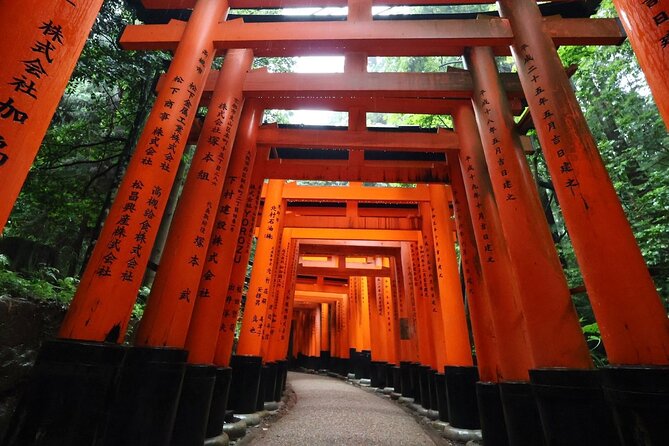
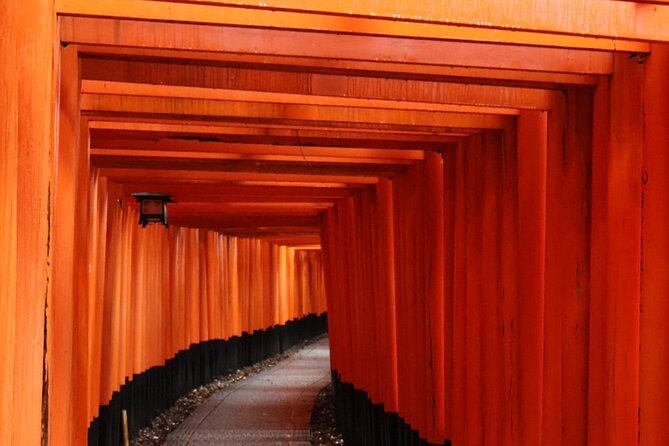
Your first stop is Fushimi Inari-taisha Shrine, and you get about 1 hour 30 minutes there. The headline is the famous corridor of thousands of red torii gates, which makes Inari feel almost like you’re walking through a tunnel of color.
Early in the morning, the rhythm of this place changes. Instead of moving with the flow of tour-bus crowds, you get a slower pace and more control. You can choose when to pause for photos, when to take the stairs, and when to step aside to let others pass.
One practical note: Inari involves walking, including stairs and uneven footpaths in places. If your pace is slower or you have knee trouble, you might want to keep your expectations flexible. You do not have to race upward, and you do not have to reach every high point to enjoy the atmosphere and the shrine views.
Since the admission ticket is free for this stop, your main “cost” is energy. Wear comfortable shoes, and bring a light layer if it’s cool in the morning.
Still climbing through the orange gates?
- Kyoto: Fushimi Inari, Kinkakuji, Bamboo Grove 1 Day Bus Tour
★ 4.8 · 4,316 reviews - Fushimi Inari Hidden Hiking Tour (Private Option Available)
★ 5.0 · 1,750 reviews - Osaka/Kyoto:Kinkakuji,Arashiyama,FushimiInariShrine,NaraPark
★ 4.1 · 1,596 reviews - Kyoto/Osaka: Nara, Fushimi Inari Taisha, Arashiyama Bus Tour
★ 4.7 · 1,275 reviews
Byodoin Temple and the Phoenix Hall UNESCO moment
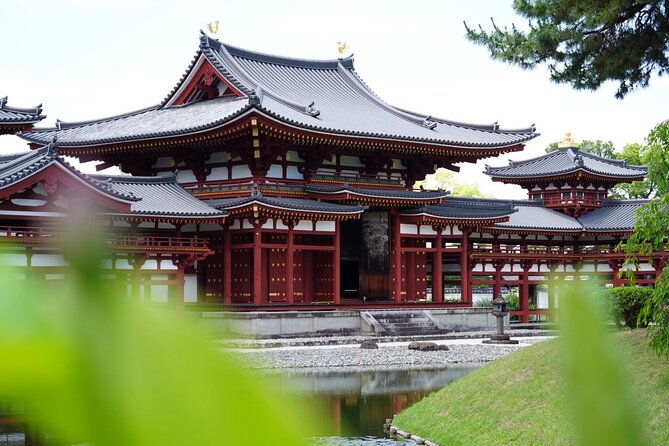
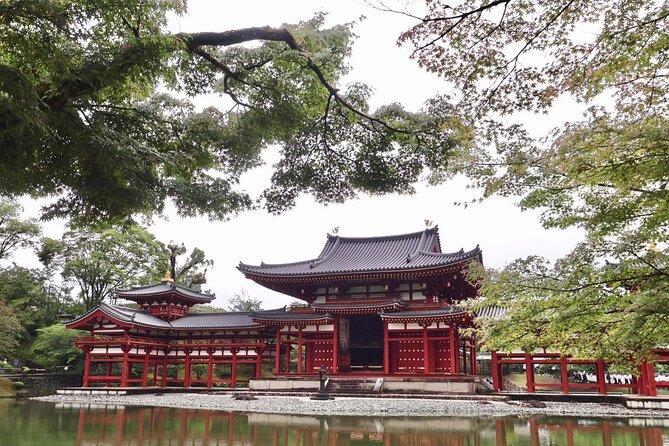
Next comes Byodoin Temple in Uji, with another 1 hour 30 minutes on site. This is a UNESCO World Heritage Site and one of Kyoto-area stops people recognize instantly because the Phoenix Hall appears on the back of Japan’s 10 yen coin.
This stop is the heart of the tour, and the value is very clear: Byodoin Temple entry is included. When admission is handled for you, your time stays focused on the buildings, the views, and the quiet details you’d otherwise miss while waiting in line.
What you should do with your time here is simple. Look at the Phoenix Hall from viewpoints that let you understand the layout, then slow down for the feel of the grounds. Even if you’re not chasing every architectural term, you’ll notice how the hall sits within the temple complex in a way that makes the whole space feel intentional, almost staged for contemplation.
The atmosphere is often calmer than you’d expect from a famous UNESCO site, especially when you arrive earlier. That’s the real win. You can read placards, ask questions, and absorb what you came for instead of constantly checking the clock.
If you’re interested in how Japanese spirituality connects to daily life, this is also where your guide’s explanations can click into place. A good guide helps you connect the dots between different beliefs you’ll see in Japan, and this tour is set up for that kind of context.
Ujigami Shrine: quiet Uji and centuries-old wooden calm
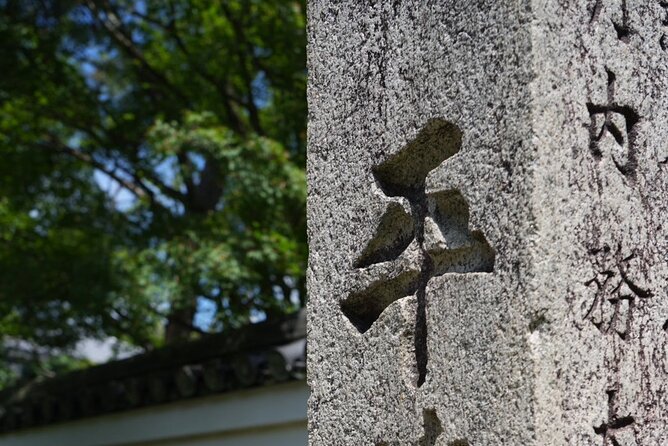
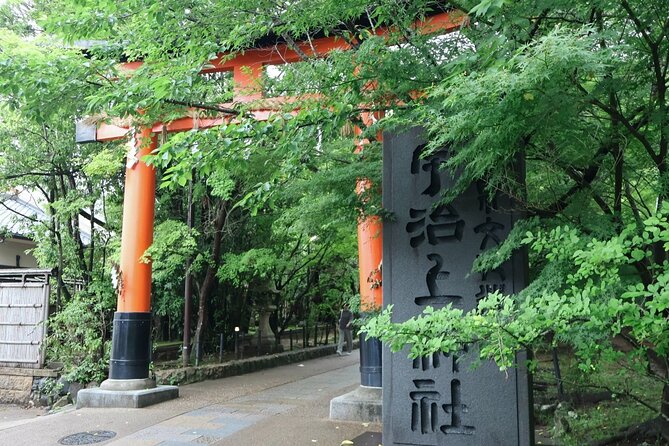
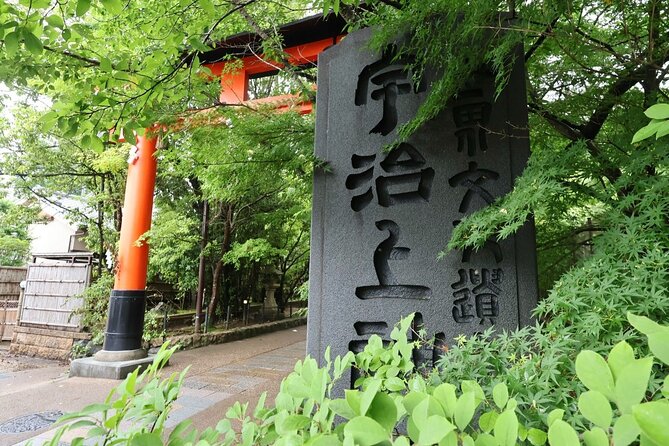
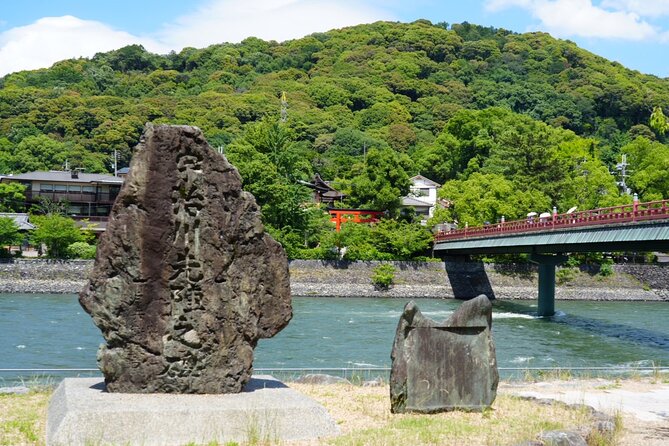
Your final shrine stop is Ujigami Shrine, located in the Uji area. You’ll have 1 hour 30 minutes, and admission is free.
Ujigami Shrine is described as Japan’s oldest standing shrine, and it leans into atmosphere: centuries-old wooden architecture and grounds that feel soft and mossy. What I like about a stop like this is that it changes the day. After walking through red gates and seeing a UNESCO temple highlight, you get a more intimate, peaceful setting that feels like it’s meant for slower observation.
The practical thing to know: free shrines are still places where you should dress respectfully and move calmly. Ujigami Shrine rewards quiet behavior. If you treat it like a quick photo stop, you’ll miss why people enjoy it.
You’ll also be in Uji proper, which is useful if you want something different from the typical Kyoto sightseeing loop. The day gives you contrast: loud-to-quiet, big landmark to small stillness.
The guide experience, and why Q&A makes the day better
This tour includes an English-speaking guide, and the group size is capped at 8 travelers. That combination is a big deal in Kyoto, because the difference between a good outing and a frustrating one is often the ability to ask one or two targeted questions.
I especially like when a guide explains the spiritual context in everyday terms. In the past, guides like Genki have been praised for explaining differences between Shinto and Buddhism in a way people can actually remember. Instead of memorizing definitions, you start seeing how shrines and temples operate differently, what the symbols might mean, and why you’re noticing certain features in each place.
The tour style also aims to avoid dragging you through long lines and waiting. With Byodoin entry handled, the guide can focus on pacing and interpretation, which keeps the day from turning into logistics.
A small group also helps you adjust on the fly. If you want to spend extra moments near a viewpoint or you want a bit more time understanding a temple layout, it’s easier for your guide to steer the group accordingly.
Price and logistics, what you truly pay for
The listed price is $55.18 per person. For that, you get the guided portion and Byodoin Temple entrance.
Here’s how I think about value: you’re paying for three things.
- Access help (including entry to the UNESCO site)
- An English guide to explain what you’re seeing
- Time savings from not wasting your precious morning on ticket entry waits
However, the tour does not include transportation, which is ¥390 per person. It also does not include lunch.
So if you’re budgeting for the full day, add those two items. The transport fee is not huge, but it’s still a real cost. And since lunch is not included, you’ll want to bring a snack or plan where you’ll eat after you finish.
The tour ends at Uji Station. The guide can help with directions, but they will not take the train back with the group. In practical terms, it means you should be ready to handle your own ride back to Kyoto after the tour.
A day of temples goes further with something to break it up.
Pacing and comfort: 5.5 hours in the early-morning zone
The itinerary stretches across three main stops, each with about 1 hour 30 minutes. That makes the pace feel structured, but not frantic. Still, this is a walking day, and you’ll cover shrine paths and temple grounds.
The tour notes a moderate physical fitness level. If you’re generally comfortable walking and you don’t mind stairs in places, you’ll likely be fine. If not, plan to slow down at your own pace and use your free time wisely, especially at Fushimi Inari where the terrain can tempt you to climb farther than you planned.
What to bring is straightforward.
- Comfortable walking shoes
- A small water bottle
- A light layer if mornings are cool
- A snack plan since lunch is not included
If you’re the kind of traveler who likes to linger, small-group tours help. Your time is less “herded,” so you can pause without feeling like you’re holding everyone up.
Where this tour fits best in your Kyoto plan
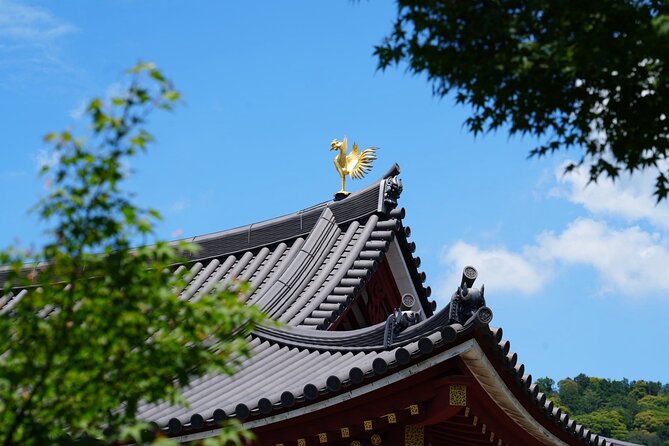
This Kyoto early bird tour is ideal when you want a focused day that mixes the big name sites with Uji’s calmer energy.
It’s a smart choice if:
- You’re short on time and want a strong Kyoto highlight set
- You prefer morning sightseeing to avoid heavy crowding
- You like a guide who can connect symbols and traditions so you understand what you’re seeing
- You want a day that moves between Kyoto and Uji without doing everything alone
If you’re already spending many hours in Kyoto that day at other major temples, you might treat this tour as your “anchor block.” It gives you the UNESCO hit at Byodoin and the iconic red-gate experience at Inari, then you end in Uji where the pace slows down.
If you’re bringing family members or anyone with limited mobility, consider that there is walking and stairs. This is not described as wheelchair-friendly in the details provided, so you’ll want to think carefully about comfort and movement.
Should you book this Kyoto to Uji and Fushimi Inari early bird tour?
I’d book it if you want a calm, guided half-day with a clear payoff: Fushimi Inari, Byodoin Temple, and Ujigami Shrine in one run, timed to help you enjoy the sites before the later rush. The small group cap of 8 is a practical advantage, and the included Byodoin entry is the kind of detail that protects your time.
Skip or reconsider if you do not want to manage add-ons and timing on your own. Since transportation (¥390 per person) and lunch are not included, and the tour ends at Uji Station without your guide staying with you for the return, you’ll need a simple plan for food and your ride back.
FAQ
How long is the Kyoto Early Bird Tour in Uji and Fushimi Inari?
It runs about 5 hours 30 minutes.
What stops are included on the tour?
You visit Fushimi Inari-taisha Shrine, Byodoin Temple, and Ujigami Shrine.
Is the Byodoin Temple entrance fee included?
Yes. Entrance fee to Byodoin Temple is included.
Is lunch included?
No, lunch is not included.
What is the group size limit?
The tour has a maximum of 8 travelers.
Where does the tour start?
The meeting point is Kyoto Station, Higashishiokoji Kamadonocho, Shimogyo Ward, Kyoto.
Where does the tour end?
The tour ends at Uji Station.
Is transportation included in the price?
No. There is a transportation fee of ¥390 per person not included.
Do I get an English-speaking guide?
Yes. The tour includes an English speaking guide.
New This Season
- Koyasan Day Trip by Private Car from Kyoto
- Old Port Town and Ultimate Sake Tasting Private Tour From Kyoto
- Kyoto’s Timeless Charm: 3hr Exploration of History and Peace
- Kyoto: 5 Types of Sushi Making
- Sacred Peak & Ancient Paths: Kurama-Kibune Hiking Experience
- Kyoto: Exclusive ZEN practice at Manpukuji temple in Uji
- Kyoto: Private Seasonal Aroma Yoga Class
- Traversing Kyoto’s Scenic West – Arashiyama to Kinkakuji
Fushimi Inari Shrine Walks, compared.

Fushimi Inari, Kinkakuji, Bamboo Grove 1 Day Bus Tour
Read our review →
Fushimi Inari Hidden Hiking Tour (Private Option Available)
Read our review →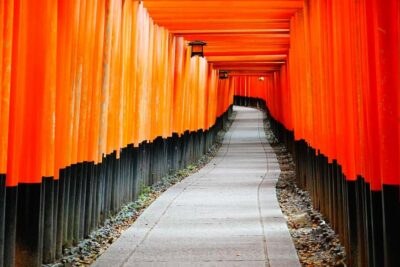
Kinkakuji,Arashiyama,FushimiInariShrine,NaraPark
Read our review →
Nara, Fushimi Inari Taisha, Arashiyama Bus Tour
Read our review →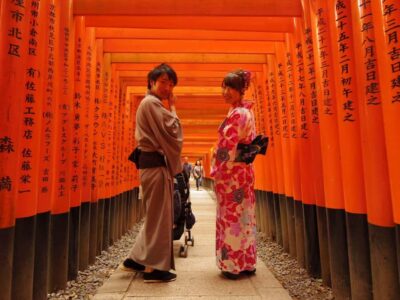
Arashiyama, Nara & Fushimi Inari Shrine w/Lunch
Read our review →
Nijo Castle, Kiyomizu & Fushimi Inari Guided Tour
Read our review →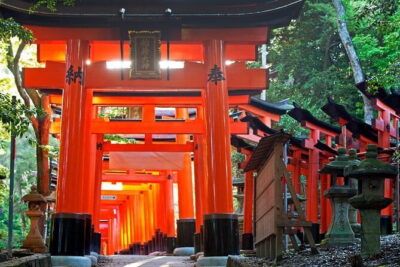
Nijo, Kinkaku-ji, Arashiyama, Kiyomizu & Fushimi Inari
Read our review →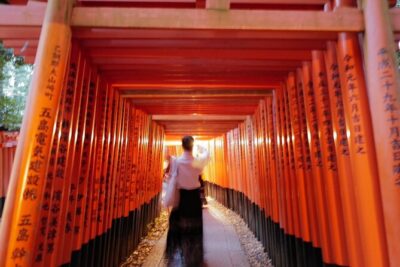
Also filed under