
Reviewed · SUSHI-MAKING WORKSHOPS
KYOTO: Exploring Six Scenic Spots with Sushi
Kyoto can feel like a puzzle. This private afternoon route strings together iconic temples and classic streets, with time to actually understand what you are seeing. I love how the day moves from the Golden Pavilion to calmer Higashiyama temples, then lands in Gion for a sushi finish. The other big plus is your guide, who brings Kyoto history and everyday culture down to earth in English or Japanese. One thing to consider, the price includes the guide fee and hotel pickup, but entrance fees and transport for you and your guide are not included.
If you like structure without being rushed, this works. You get a clear sequence, with guided time at major stops and a local dinner in the Gion area, plus extra touches like help with photos. The possible drawback is simple: it is a lot of legs and time in transit for a half-day plan, so you will want comfortable shoes and realistic expectations about pacing.
In This Review
- Key things to know before you go
- Kyoto in a Half Day, Without the Guesswork
- What Makes the Six Stops Work: Golden Pavilion to Gion Sushi
- Kinkaku-ji Golden Pavilion: Gold Leaf, Zen Calm, and Pond Reflections
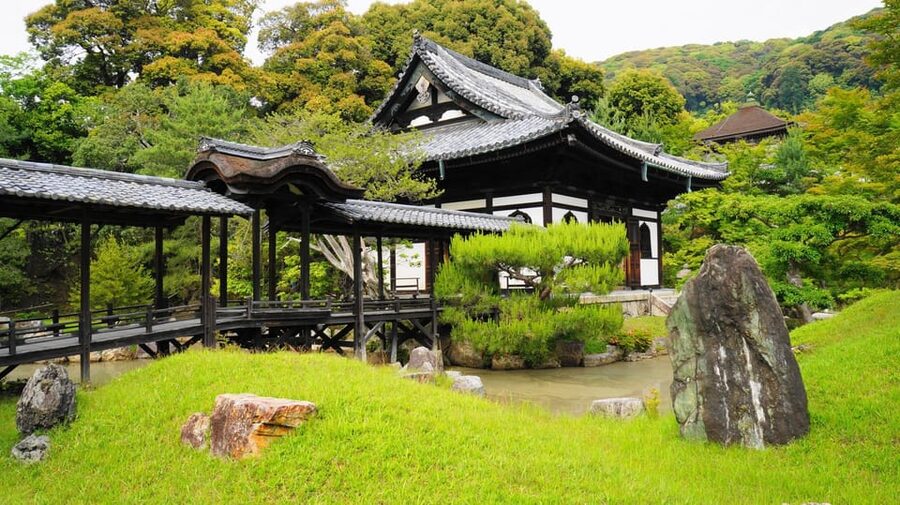
- Entokuin Temple and Wabi-sabi Details You Might Miss Alone
- Kodaiji Temple at Dusk: Gardens, Hideyoshi Memory, and Illumination
- Maruyama Park and Yasaka Shrine: Cherry Blossoms to Festival Spirit
- Wander Gion Like a Local, Then Finish with Sushi Dinner
- Price and Value: Why $293 for Up to 3 Can Make Sense
- What the Private Group Format Changes for Your Day
- Who This Tour Fits Best (and Who Might Want Another Plan)
- Should You Book This Kyoto Exploration with Sushi?
- FAQ
- How long is the Kyoto tour?
- Where does the tour start, and do they pick you up?
- Is this a private group tour?
- What languages does the guide speak?
- Are entrance fees, meals, or transportation included?
- Is there a cancellation window?
Key things to know before you go
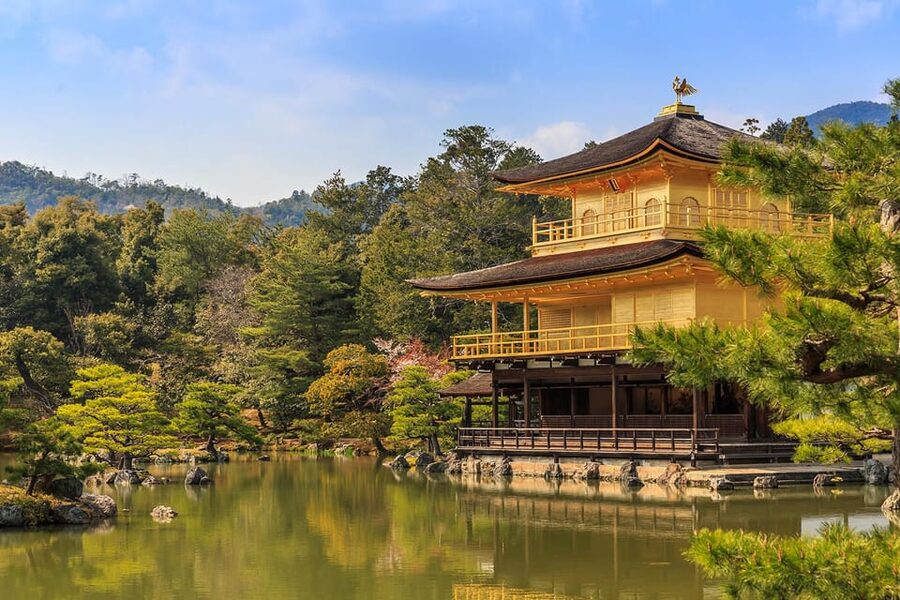
- Kinkaku-ji in the flesh with gold leaf and those famous pond reflections
- Higashiyama temples that slow you down, including Entokuin and its screen paintings
- Kodaiji Temple timing for atmosphere, especially when gardens are illuminated in the evening
- Yasaka Shrine and the Gion Festival connection explained by a local guide
- Gion streets plus dinner, with a real shot at spotting geiko or maiko
- Private group flexibility with hotel pickup in Kyoto
Kyoto in a Half Day, Without the Guesswork
This tour is built for people who want a Kyoto experience that feels guided, not chaotic. You are not just checking boxes, you are getting context for why each place matters and what to notice once you are standing there. With hotel pickup in Kyoto and a private group format, you can keep the day feeling personal.
The pace is a key part of the value. Even though it is a 390-minute outing, the schedule is set up so you spend your energy where it counts: temple grounds, shrine space, and the old-street mood of Gion. Then you relax with sushi in the middle of the evening plan.
One more practical win: the tour uses a live guide in English or Japanese. If you have questions as you walk, this is the type of day where your guide can actually answer them on the spot.
What Makes the Six Stops Work: Golden Pavilion to Gion Sushi
A lot of Kyoto tours race from landmark to landmark. This one strings together three vibes that match Kyoto’s own style: Zen quiet, Higashiyama beauty, and Gion tradition. That mix matters, because the city changes mood block by block.
Here is the flow you can expect. You start at the Kinkaku-ji, Golden Pavilion area, then head into Higashiyama for temples like Entokuin and Kodaiji. After that, the plan shifts toward shrine culture with Yasaka Shrine, then ends with Gion walking and dinner.
There is also a smart “what to look for” angle. At Kinkaku-ji, you focus on gold leaf and pond reflections. In Higashiyama, you focus on the quieter design choices that support wabi-sabi style. In Gion, you look at architecture and the possibility of seeing geiko or maiko as you wander.
Learn to roll your own sushi
- Sushi Making in Kyoto! Same-day bookings welcome!
★ 5.0 · 713 reviews - The Original Small-Group Sushi Making Class in Kyoto
★ 5.0 · 436 reviews - Kyoto: Small-Group Authentic Sushi Making Workshop
★ 5.0 · 137 reviews - Sushi – Authentic Japanese Cooking Class – the best souvenir from Kyoto!
★ 5.0 · 93 reviews
Kinkaku-ji Golden Pavilion: Gold Leaf, Zen Calm, and Pond Reflections
Kinkaku-ji is the kind of Kyoto stop that feels instantly recognizable, even if it is your first time in the city. The pavilion is covered in gold leaf, and it sits in a Zen Buddhist setting that is designed for stillness. When you add the surrounding pond, you get that iconic mirror effect that is hard to appreciate from photos alone.
What I like about starting here is the teaching opportunity. Gold leaf is the visual hook, but the bigger value is understanding the Zen atmosphere and how the architecture supports it. Your guide can help you notice how the space is meant to slow you down rather than hype you up.
Practical note: bring patience for the photo moment. This is a popular landmark, so expect the viewing area to be busy at times. Your best move is to give yourself a few minutes to watch how the light shifts and how the reflection changes, then take a photo when it looks most serene.
Entokuin Temple and Wabi-sabi Details You Might Miss Alone
After Kinkaku-ji, the tour goes into Higashiyama and includes Entokuin Temple. This stop is purposely lesser-known compared to the headline sites, which is exactly why it is valuable. You get a peaceful break from the louder Kyoto magnets.
Entokuin is known for its gardens and for exquisite sliding screen paintings. That detail matters, because you can only fully appreciate screen art when you are not frantically moving. With a guide, you are more likely to notice the design choices and the atmosphere they create.
This is also where the day can connect to the Japanese aesthetic of wabi-sabi, the idea that beauty lives in simplicity and imperfection. You do not need a philosophy degree to appreciate it. You just need a moment to look closely at gardens, textures, and the way the space feels finished without feeling fancy.
Kodaiji Temple at Dusk: Gardens, Hideyoshi Memory, and Illumination
Next up is Kodaiji Temple, another major highlight in Higashiyama. Kodaiji was established in memory of Toyotomi Hideyoshi, one of Japan’s most important historical figures. That historical tie adds weight to what you are seeing, because the gardens and buildings become more than scenery.
The most enticing part of Kodaiji is the mood. The temple grounds are especially enchanting in the evening when the gardens are illuminated. If your timing lines up with that, you get Kyoto atmosphere in its most gentle, glowing form.
Even if you do not catch peak illumination, the value still holds. Kodaiji is built for strolling and noticing the structure of the grounds. With a guide, you will likely learn what to pay attention to so you are not just walking through green space.
Maruyama Park and Yasaka Shrine: Cherry Blossoms to Festival Spirit
From the temple quiet, the tour moves to a more public Kyoto space with Maruyama Park and then Yasaka Shrine.
Maruyama Park is well known for cherry blossoms in spring, but it is still a pleasant place to relax even outside that season. I like this stop because it gives your body a chance to reset between major religious sites. It also helps you transition from “temple mode” to “Kyoto neighborhood mode.”
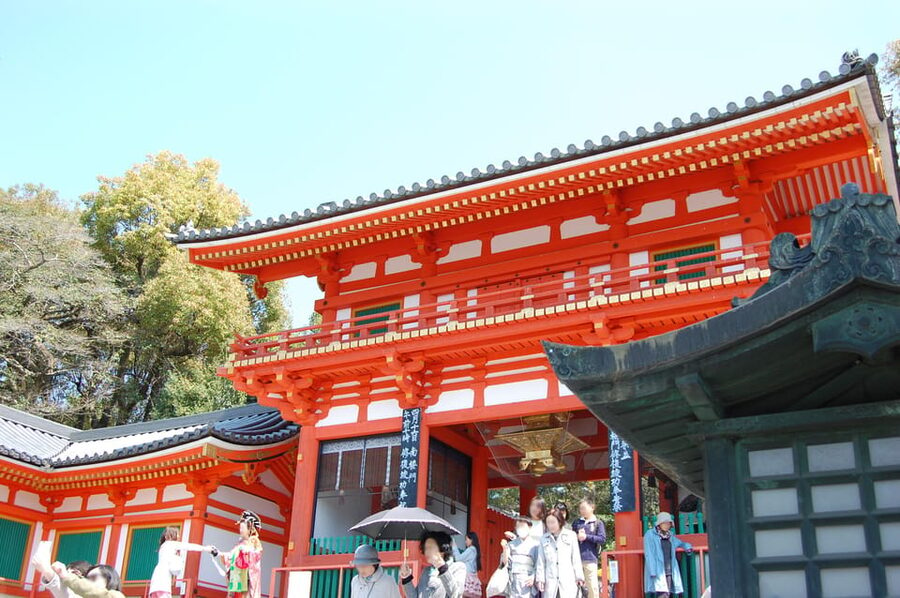
Then comes Yasaka Shrine, which plays a central role in the Gion Festival. Your guide will explain the rituals and traditions connected to the shrine, which is a big difference from just standing and reading a sign. You start to understand why the area feels important to locals, not just to tourists.
If you are curious about Shinto culture, this is one of the stops where the explanations can really change how you interpret the space.
A day of temples goes further with something to break it up.
Wander Gion Like a Local, Then Finish with Sushi Dinner
The final segment is Gion, Kyoto’s best-known classic district. The streets here are known for well-preserved wooden machiya houses and tea houses, and you may even spot a geiko (Kyoto’s term for geisha) or maiko (apprentice geisha) as you walk.
I find Gion works best when you treat it like an atmosphere, not an attraction. Take it slow. Look at street width, building lines, and the way the neighborhood keeps its traditional feel even while modern life hums in the background.
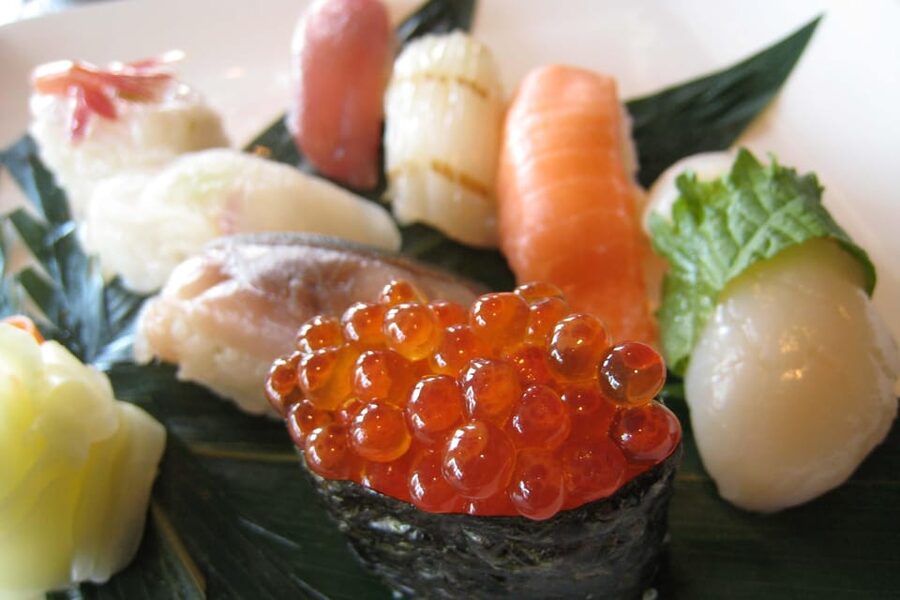
Then you finish with dinner: sushi at a local restaurant in the Gion area. The tour sets you up for a meal prepared with fresh ingredients, served in a setting that fits Kyoto’s refined approach to food. If you are thinking about the day as a full taste of Kyoto, this ending makes sense. Temples give you calm, and sushi gives you a satisfying, local-flavored conclusion.
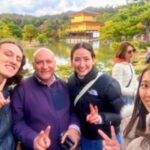
A small but meaningful bonus from the experience feedback: your guide may help with photos. That matters if you want images that look like you spent time together, not just quick selfies while you stand at the edge of a crowd.
Price and Value: Why $293 for Up to 3 Can Make Sense
The headline price is $293 per group up to 3 for a 390-minute afternoon tour. For many people, that is a fair way to buy time and guidance in Kyoto, especially if you want hotel pickup and an English or Japanese guide.
Here is what your price includes. You get the guide fee plus hotel pickup within Kyoto. That can save you hassle, and it also reduces the mental load of figuring out connections mid-journey.
Here is what the price does not include. Transportation fare for you and the guide, plus lunch or dinner or dessert for you and the guide, and entrance fees. Sushi dinner is part of the tour plan, but the data also lists meals as not included, so you should treat this carefully. In practice, you should confirm what exactly is covered for dinner when you book, because “dinner included” and “dinner not included” can sound contradictory.
For group size, the provider uses an hourly guide fee model. One guide can handle up to 7 guests, and additional guides can be added as the group grows. The basic hourly rate per guide is ¥7,000 per hour, and the price adjusts if the group exceeds 3 guests. If you are traveling as a small group, the base price makes the most sense. If you are rolling with a larger party, it is worth checking how the formula impacts the total cost.
So is it good value? If your goal is to reduce guesswork, get historical context, and see multiple top areas without spending your evening stitching together buses and tickets, the structure can be worth the money. If your goal is maximum independence at minimum cost, you might prefer a do-it-yourself day with public transit and a loose temple plan.
What the Private Group Format Changes for Your Day
Private group means you are not stuck listening to a rigid script meant for strangers. In Kyoto, that flexibility matters, because lighting, crowd levels, and your personal pace can shift the most comfortable order of stops.
It also makes a difference for questions. You can ask about the meaning of what you see, not just what you should photograph. The tour’s guide style is described as attentive and flexible, and that matches what you want in a city where details can be cultural, not just visual.
Private group also helps with timing. With hotel pickup and guided time at each major site, you keep the day moving in a way that fits your energy level. You still walk a fair amount, but it feels organized.
Who This Tour Fits Best (and Who Might Want Another Plan)
This tour is a strong choice if you want a Kyoto evening setup that feels traditional and thoughtfully sequenced. It is especially good for couples or small groups who want a guide-led look at Kinkaku-ji, Higashiyama temples, Yasaka Shrine, and Gion without spending extra time planning route logic.
You should consider a different plan if you hate walking between neighborhoods or if you only want one or two major sites. This is a six-stop style itinerary, and it is designed to cover a lot of ground with guided explanations.
It is also a good option if you appreciate photo help. One review highlighted that the guide communicated well and helped with photos, which is practical for travelers who do not love begging strangers to take pictures.
Should You Book This Kyoto Exploration with Sushi?
I would book it if you want structure, local context, and a classic Kyoto finish. The combination of Kinkaku-ji, Higashiyama temple culture, shrine tradition at Yasaka, and Gion walking sets you up for a well-rounded afternoon that does not feel like a rushed checklist. Ending with sushi in the Gion area gives your day a satisfying, local flavor that matches the rest of the experience.
I would hesitate only if you want zero extra costs. Entrance fees and transportation are not included in the base listing details, so you will need to budget for them. Also, double-check what is included with dinner when you book so there are no surprises.
If you like guided travel that still leaves you time to look closely and enjoy Kyoto’s moods, this tour is a solid bet.
FAQ
How long is the Kyoto tour?
The tour duration is 390 minutes.
Where does the tour start, and do they pick you up?
Your guide picks you up at your accommodation within Kyoto.
Is this a private group tour?
Yes, this is listed as a private group.
What languages does the guide speak?
The tour includes a live guide in English and Japanese.
Are entrance fees, meals, or transportation included?
Transportation fare, lunch/dinner or dessert for you and the guide, and entrance fees are listed as not included.
Is there a cancellation window?
You can cancel up to 24 hours in advance for a full refund.
New This Season
- Koyasan Day Trip by Private Car from Kyoto
- Old Port Town and Ultimate Sake Tasting Private Tour From Kyoto
- Kyoto’s Timeless Charm: 3hr Exploration of History and Peace
- Kyoto: 5 Types of Sushi Making
- Sacred Peak & Ancient Paths: Kurama-Kibune Hiking Experience
- Kyoto: Exclusive ZEN practice at Manpukuji temple in Uji
- Kyoto: Private Seasonal Aroma Yoga Class
- Traversing Kyoto’s Scenic West – Arashiyama to Kinkakuji
Sushi-Making Workshops, compared.
Sushi Making in Kyoto! Same-day bookings welcome!
Read our review →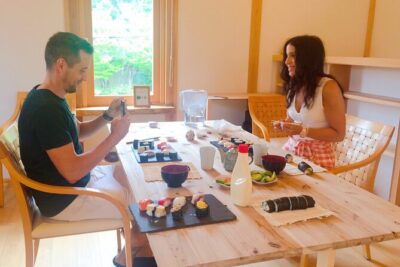
The Original Small-Group Sushi Making Class in Kyoto
Read our review →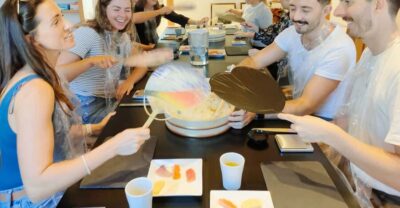
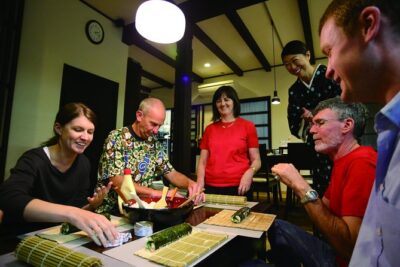
Sushi – Authentic Japanese Cooking Class – the best souvenir from Kyoto!
Read our review →
Private Kyoto Sushi Cooking Class & Tea Ceremony with Emika
Read our review →
Enjoy Sushi & Market Tour! Best for Family & Couple!
Read our review →
Sushi or Traditional Japanese Cuisine in a Kyoto Home with Emika
Read our review →Also filed under