Reviewed · GION GEISHA QUARTER WALKS
Kyoto: Gion Geisha District & Sake-in-Hand Walking Tour
Lantern-lit Gion, sake in hand, is magic. This Kyoto night walk threads together iconic streets and quieter side lanes, with cultural commentary you can actually use as you look around. You end at Yasaka Shrine, so the experience has a natural finish instead of backtracking.
I like two things most: the small-group size (max 10), and the fact that you’re not just sightseeing, you’re getting sake in-hand context as you go. The pace also feels designed for questions, not for rushing through photos.
One thing to consider is that it’s a lot of walking through residential areas at night, and you’ll need to keep your voice down out of respect for locals.
In This Review
- Key highlights worth planning for
- Why Gion at night hits differently
- Price and value of a $27.84 small-group walk with tasting
- Meeting point: Kikunoi Roan and the easy start
- Kamo River first: set your eyes before the backstreets
- Gion and Hanamikoji: how the guide helps you notice what matters
- Yasui-Konpiragu Shrine: the stop with an emotional theme
- Hokan-ji Temple and Yasaka Pagoda: an iconic silhouette in motion
- Sannenzaka and Ninenzaka slopes: old streets you can actually walk
- Nene-no-Michi: a quieter path with a specific story
- Yasaka Shrine: finishing strong at the end point
- Sake-in-hand: how to enjoy the tasting on a walking tour
- Guides, group size, and how to get your money’s worth
- Walking logistics and respect for the neighborhood
- Should you book the Kyoto Gion Geisha District and Sake-in-hand tour?
- FAQ
- How long is the Kyoto Gion Geisha District & Sake-in-Hand Walking Tour?
- What does the tour include besides walking and sightseeing?
- How large is the group for this tour?
- Where does the tour start and where does it end?
- Is there an age requirement?
- Is the tour suitable if I have limited mobility?
- What happens if weather is bad or I need to cancel?
Key highlights worth planning for
- Max 10 people keeps the group feeling human, not crowded.
- Kamo River to Gion gives you an easy visual warm-up before the backstreets.
- Hanamikoji Street is timed as a key Gion moment, so you can spot atmosphere fast.
- Shrines and pagoda stops include Yasui-Konpiragu and Hokan-ji (Yasaka Pagoda) without feeling like homework.
- Sake tasting included so the night feels like a Kyoto evening, not a museum tour.
- End at Yasaka Shrine means you can keep exploring right after, or take a taxi.
Why Gion at night hits differently
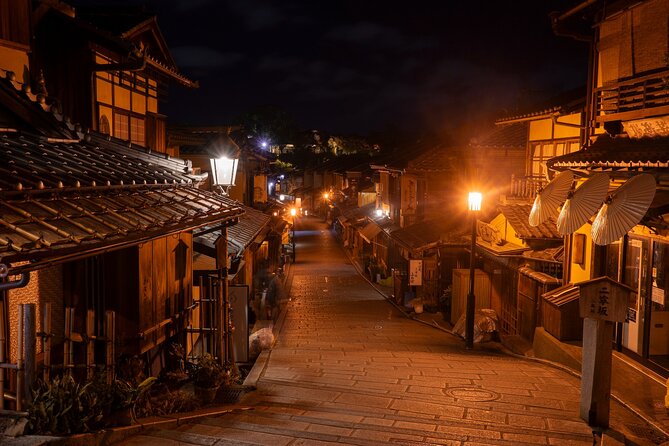
Gion in the evening has a softer rhythm than the daytime crush. The streets narrow fast, lantern light makes wood and stone look warmer, and the vibe shifts from sightseeing to atmosphere.
This is also a practical way to understand the area. Instead of trying to read Kyoto from a map, you get a route that connects major landmarks with the in-between streets that make Gion feel like itself.
Price and value of a $27.84 small-group walk with tasting
At about $27.84 per person, the value is strongest if you want three things at once: guided context, a compact route, and a built-in night tasting. Many Kyoto walking tours either focus only on sights, or only on food and drinks. This one tries to do both, and the timing matters because the sake tasting is woven into the walk.
It lasts about 1 hour to 1 hour 30 minutes, which is ideal if you have dinner plans or limited energy. The tour also runs with mobile tickets and includes group discounts, which helps if you’re traveling with someone else.
More cups to sample before dinner
- Kyoto Night Foodie Tour in Gion (9+ dishes + 6 Sake tastings)
★ 5.0 · 1,762 reviews - 3-Hour Kyoto Insider Sake Brewery Tour with Tastings & Pairings
★ 5.0 · 917 reviews - Arashiyama Bamboo, Temple, Monkeys, or Secret Sake Brewery
★ 4.8 · 886 reviews - Kyoto: Insider Sake Brewery Tour with Sake and Food Pairing
★ 5.0 · 704 reviews
Meeting point: Kikunoi Roan and the easy start
You start at Kikunoi Roan Japan (600-8012 Kyoto, Shimogyo Ward, Saitōchō, 四条下る斎藤町118). It’s not a complicated handoff point, and it’s listed as near public transportation, which matters in Kyoto where routes can be confusing at night.
From there, you’ll head toward the heart of the evening route. The biggest practical tip is to arrive a few minutes early so your first minutes are relaxed, not frantic.
Kamo River first: set your eyes before the backstreets

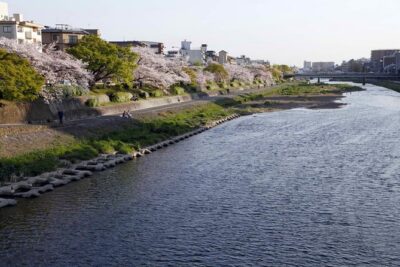
The route begins at the Kamo River, a scenic, historically significant waterway that runs through Kyoto. This is a good first stop because it lets you slow down, get oriented, and start noticing light, reflections, and street textures before the Gion alleyways get narrow.
Even if you’re not chasing photos, this kind of early “visual reset” helps. Your brain stops treating everything as a list and starts treating it like a place.
Gion and Hanamikoji: how the guide helps you notice what matters

You spend a short stretch walking through Gion, Kyoto’s famous geisha district, known for traditional machiya houses and teahouses. The alleyways can make you feel like you’re stepping into a different Kyoto era, but that effect can also make you forget what to look for if you’re on your own.
That’s where the guide commentary earns its keep. Along the way, you get cultural context about geisha culture, plus tips on where you might spot a geisha. The tour also connects the area to stories tied to samurai culture and Zen meditation, which gives you something more meaningful than just architecture spotting.
Next comes Hanamikoji Street, one of the most recognized Gion streets. It’s historic, lined with preserved machiya houses, and it’s where the “Kyoto evening” feeling really clicks. It’s listed as about 10 minutes, so it’s enough time to notice details without dragging on.
Practical move: keep your phone charged and ready, but also look up. Lantern light and preserved wooden façades photograph well, but the best moments are the ones you see with your own eyes first.
Yasui-Konpiragu Shrine: the stop with an emotional theme
One of the more distinctive stops is Yasui-Konpiragu Shrine in the Higashiyama area. It’s known for being associated with severing bad relationships and bringing good ones, and it features a large Enki element that’s part of why people remember this stop.
This is a good example of why guided context helps. A shrine stop can feel like a quick photo moment when you don’t know the theme. Here, you’re given a reason to pay attention, so the stop becomes more than a checkpoint.
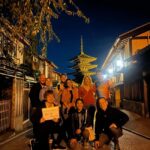
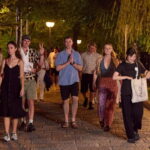
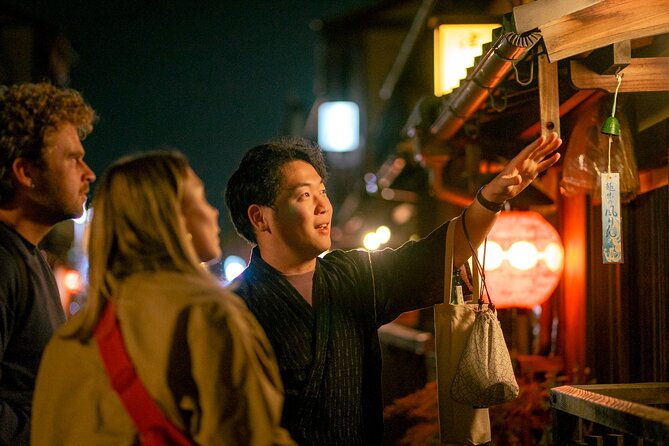
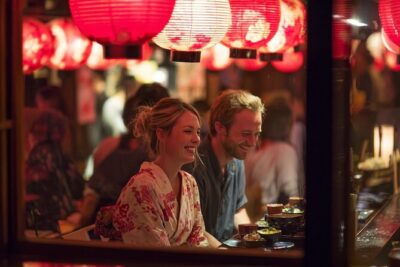
Lantern-lit streets of the geisha quarter
Hokan-ji Temple and Yasaka Pagoda: an iconic silhouette in motion
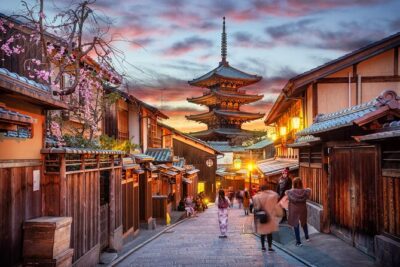
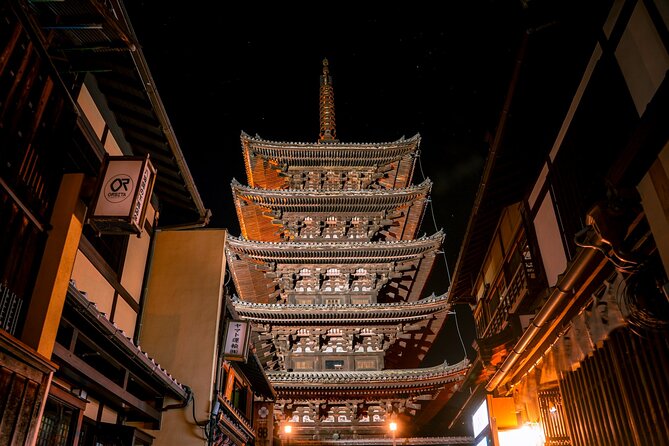
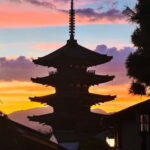
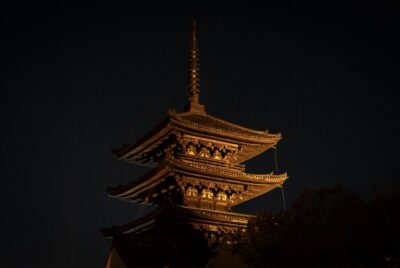
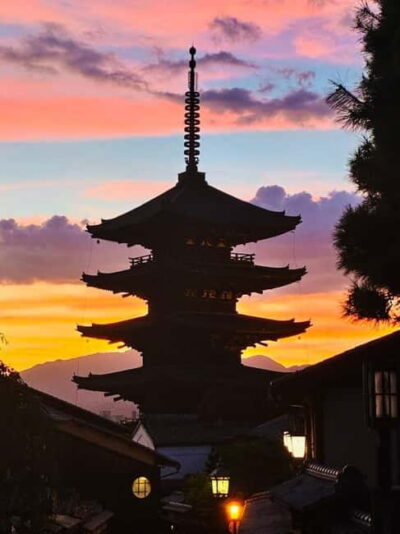
Then you reach Hokan-ji Temple, commonly called Yasaka Pagoda. It’s an iconic five-story pagoda, tied to a much earlier era because it dates back to the 6th century. Even if you only see it briefly, the pagoda silhouette is one of those Kyoto images that sticks after you leave.
The listed time is about 15 minutes, which is enough to take photos, look at the structure, and absorb the mood as the night walk continues. This stop also helps break up the street walking rhythm with something more monumental.
Sannenzaka and Ninenzaka slopes: old streets you can actually walk
You also go through the pedestrian lanes of Sannenzaka and Ninenzaka. These areas are known for traditional atmosphere and well-preserved wooden buildings, and the path is gently sloping, which makes it easier on your legs than steep stairs.
The itinerary includes a short window for Sannenzaka Ninenzaka (about 5 minutes) and then Sanneizaka (another 5 minutes) nearby. That short timing is intentional. You’re not being asked to spend forever here. You’re being guided through the look and feel of the streets so you get what makes them Kyoto, then you keep moving toward the next big landmark.
Tip: wear shoes you can trust. Slopes and stone lanes can be slippery, especially at night.
Nene-no-Michi: a quieter path with a specific story
Next is Nene-no-Michi, a serene stone-paved path named after Nene, the wife of Toyotomi Hideyoshi. You’ll get a sense of calm here, and it also serves as a natural link between temple area lanes and the bigger shrine finish.
This stop is listed at about 10 minutes. It’s long enough to feel the “pause” in the route, which helps if you’re tired from earlier walking.
Yasaka Shrine: finishing strong at the end point
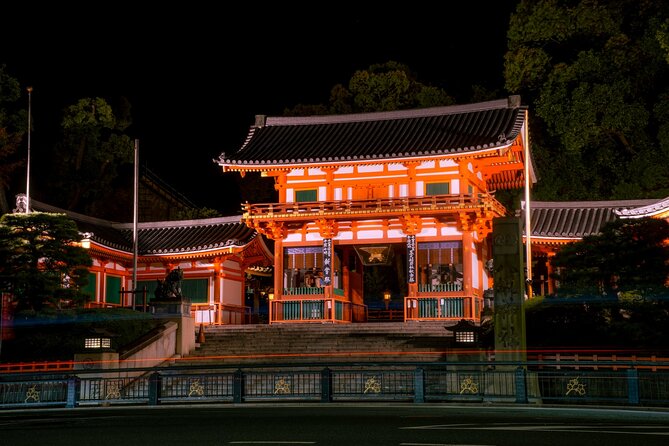
The tour ends at Yasaka Shrine, also known as Gion Shrine. It’s one of Kyoto’s most famous Shinto shrines and is listed as dating back to 656 AD. You’ll have about 20 minutes at this final major stop, which is a smart amount of time because it lets you arrive, settle in, and still enjoy the atmosphere before the night moves on.
The tour concludes at 625 Gionmachi Kitagawa, Higashiyama Ward, Kyoto. If you want a clean getaway plan, this end point is practical. You can also ask for help coordinating a taxi if you need one, since the tour notes that buses may have stopped running by the time it ends.
Sake-in-hand: how to enjoy the tasting on a walking tour
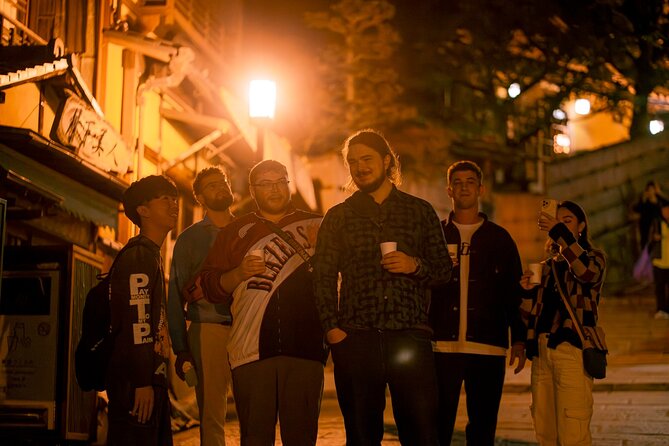
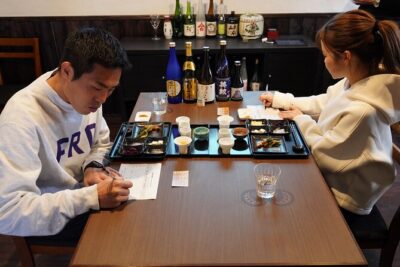
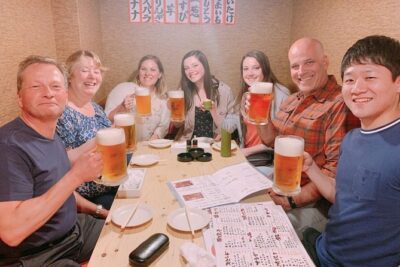
Sake is included, and the tour notes that alcohol is part of the experience, so you should drink responsibly. For me, the biggest plus of having a sake tasting on the walk is that it supports the mood. It turns the route into an evening experience instead of a standard sightseeing circuit.
Because you’re walking, don’t treat it like a bar crawl. Pace yourself, take small sips, and keep an eye on how you feel. If you’re not used to alcohol, you’ll likely enjoy it more by slowing down and savoring one tasting moment rather than pushing for more.
Also, remember this is a night walk in residential areas. If you’re holding a drink, it’s even easier to get carried away. The guide expectation is clear: keep voices down and be respectful.
Guides, group size, and how to get your money’s worth
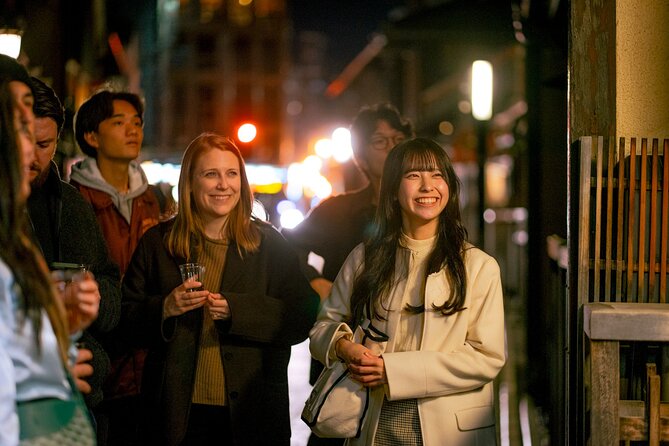
The tour caps at 10 travelers, which tends to make the experience feel personal. A smaller group also means you’re less likely to lose the guide in the narrow lanes, and it’s easier to ask questions without shouting.
From what I’ve seen in guide performance, the tours succeed when you engage. Guides named Shumpei, Shunpei, and Mune have been singled out for friendly interaction and for answering questions about Japan. If you’re the kind of person who wonders what you’re seeing, this format works well.
One practical tip: ask before you take a photo. If the guide gives a quick bit of context right as you arrive somewhere, you’ll understand the scene more and the photo will make sense later.
Walking logistics and respect for the neighborhood
This isn’t a slow sit-and-stare tour. The instructions call for moderate physical fitness and mention that you’ll be walking a lot. Comfortable clothing and sturdy shoes matter more than you think, especially on stone lanes and slopes.
There’s also a clear etiquette expectation. You’ll be walking through residential areas at night, so keep voices down. It’s one of those rules that makes the experience better for everyone, including you, because it keeps the vibe calm and respectful.
If you get rain or strong cold, your comfort plan matters. The tour notes that it requires good weather, so weather can affect whether it runs.
Should you book the Kyoto Gion Geisha District and Sake-in-hand tour?
Book it if you want a short, guided night walk that mixes Gion streets, shrine and temple stops, and a sake tasting without eating up your whole evening. It’s especially a good fit if you enjoy architecture, lantern-lit streets, and stories that explain what you’re seeing rather than just naming places.
Skip it if you hate walking or you want a tour that feels very interactive every single minute. One review concern mentioned limited interaction, so if you expect the guide to be constantly engaging with your group, you might want to check whether a similar tour with more discussion fits your style better.
If you’re deciding, here’s my practical bottom line: at $27.84, the combination of small-group pacing, a route built around major Gion landmarks, and an included sake tasting is a strong value for a Kyoto night. Just come ready to walk, sip responsibly, and keep it respectful in the neighborhoods.
FAQ
How long is the Kyoto Gion Geisha District & Sake-in-Hand Walking Tour?
It runs about 1 hour to 1 hour 30 minutes.
What does the tour include besides walking and sightseeing?
The tour includes a sake tasting and guide commentary focused on geisha culture and related cultural stories.
How large is the group for this tour?
The tour has a maximum of 10 travelers.
Where does the tour start and where does it end?
It starts at Kikunoi Roan Japan and ends at Yasaka Shrine.
Is there an age requirement?
Yes, participants must be 20 years old or older.
Is the tour suitable if I have limited mobility?
The tour involves a lot of walking, and a moderate physical fitness level is recommended. Comfortable clothing and shoes are advised.
What happens if weather is bad or I need to cancel?
The tour requires good weather. If it is canceled due to poor weather, you are offered a different date or a full refund. You can cancel for a full refund up to 24 hours in advance; within 24 hours, the amount paid is not refunded.
More Food & Drink in Kyoto

More Drinking Tours in Kyoto
New This Season
- Koyasan Day Trip by Private Car from Kyoto
- Old Port Town and Ultimate Sake Tasting Private Tour From Kyoto
- Kyoto’s Timeless Charm: 3hr Exploration of History and Peace
- Kyoto: 5 Types of Sushi Making
- Sacred Peak & Ancient Paths: Kurama-Kibune Hiking Experience
- Kyoto: Exclusive ZEN practice at Manpukuji temple in Uji
- Kyoto: Private Seasonal Aroma Yoga Class
- Traversing Kyoto’s Scenic West – Arashiyama to Kinkakuji
Gion Geisha Quarter Walks, compared.
Kyoto Geisha Walking Tour: Gion District & Hidden Gems
Read our review →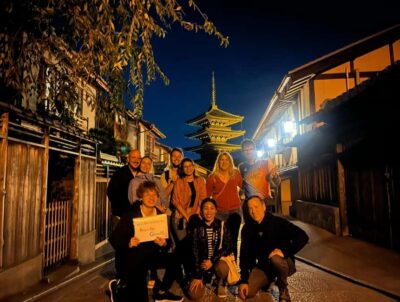
Gion Magical Night Walking Tour with Geisha Trivia
Read our review →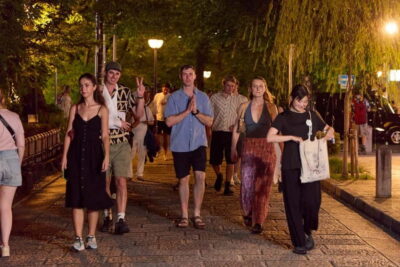
Gion Geisha District Walking Tour – Stories of Geisha
Read our review →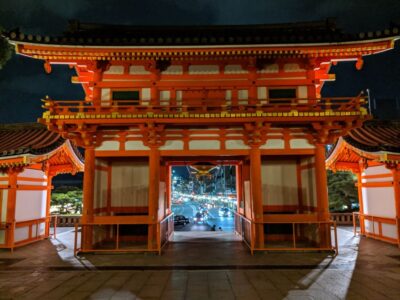
Best of Kyoto: Gion, Geisha, Pagodas & Cobblestones
Read our review →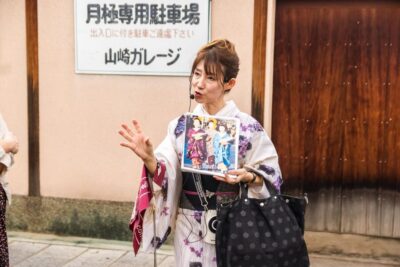
Kyoto Night Foodie Tour in Gion (9+ dishes + 6 Sake tastings)
Read our review →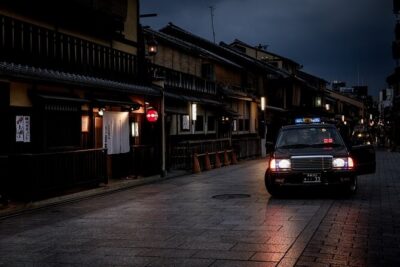
Kyoto Gion Geisha District Walking Tour – The Stories of Geisha
Read our review →