
Reviewed · GION GEISHA QUARTER WALKS
Kyoto: Gion Hidden Gems & Geisha Culture Tour
Gion looks different after the crowds. This 2-hour walk threads Shirakawa riverside charm, old shrines, and Edo-period streets, then finishes on Hanamikoji-dori where you may catch a geisha headed to an evening engagement.
I especially like the start at Shirakawa Canal, with willows, stone paths, and traditional tea-house vibes. I also love that the guide turns what you see into context, explaining geisha training and the craft behind kimonos, hairstyles, and formal etiquette.
One thing to plan for: this is a walking tour on uneven streets and it is not suitable for wheelchair users or people with mobility impairments, so comfortable shoes matter more than you think.
In This Review
- Key things to know before you go
- Why This 2-Hour Gion Walk Works After Dark
- Meeting at Shijo Ohashi (Yes, a Macdonald) and Getting Ready
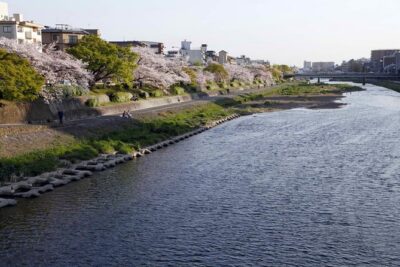
- Shirakawa Canal First, So You See Gion’s Mood Immediately
- Tatsumi-jinja Shrine and the Weight of 1,000 Years
- Yasaka Shrine to Ninenzaka: Old Kyoto Streets You Can Read
- Hōkan-ji Temple, Quiet Lanes, and Temple Photo Rules
- Yasui Kompira-Gu Shrine and the Walk Toward Hanamikoji
- Hanamikoji-dori at Geisha Hour: Spotting and Understanding
- Guides Matter More Than You Think, And You’ll See Why
- Price and Logistics: Great Value for a Focused 2-Hour Night
- Who Should Book This Kyoto Gion Geisha Culture Tour
- Should You Book This Tour?
- FAQ
- How long is the Kyoto Gion Hidden Gems and Geisha Culture Tour?
- Where do we meet for the tour?
- Is the tour available in English?
- Can I take photos during the tour?
- What should I bring?
- Does the tour run in the rain?
Key things to know before you go
- Geisha spotting is possible, not guaranteed. You’re in the right area at the right time, and the guide gives you the cues to notice.
- A 1,000-year-old shrine stop (Tatsumi-jinja) adds real historical weight to the night stroll.
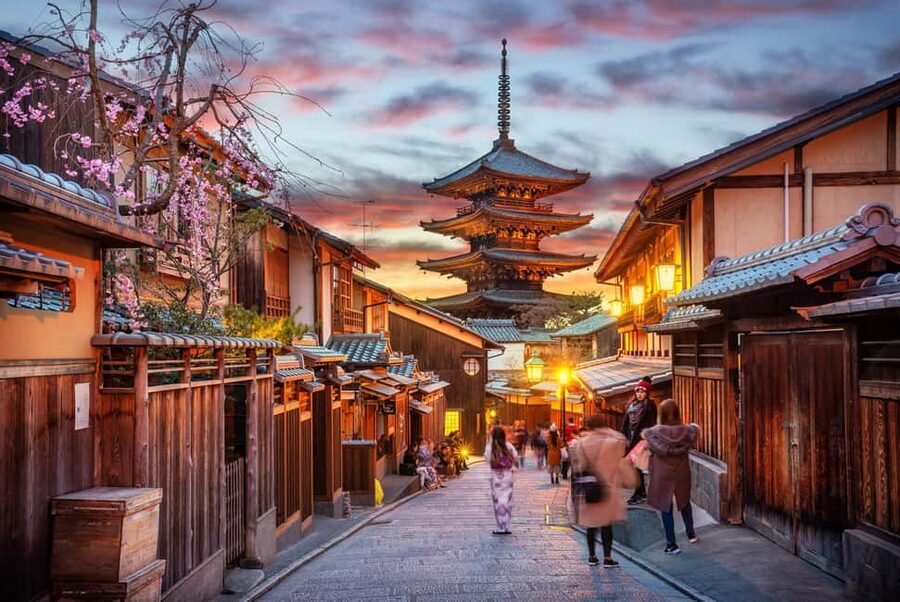
- Edo-period townhouses and preserved lanes make the district feel like Kyoto, not a theme park.
- Quiet backstreets with fewer tourists help you see details you’d miss on your own.
- Photography rules are temple-specific, so plan your shots with no flash where it’s not allowed.
- You walk for about 2 hours, so hydration and sunscreen are practical musts.
Why This 2-Hour Gion Walk Works After Dark
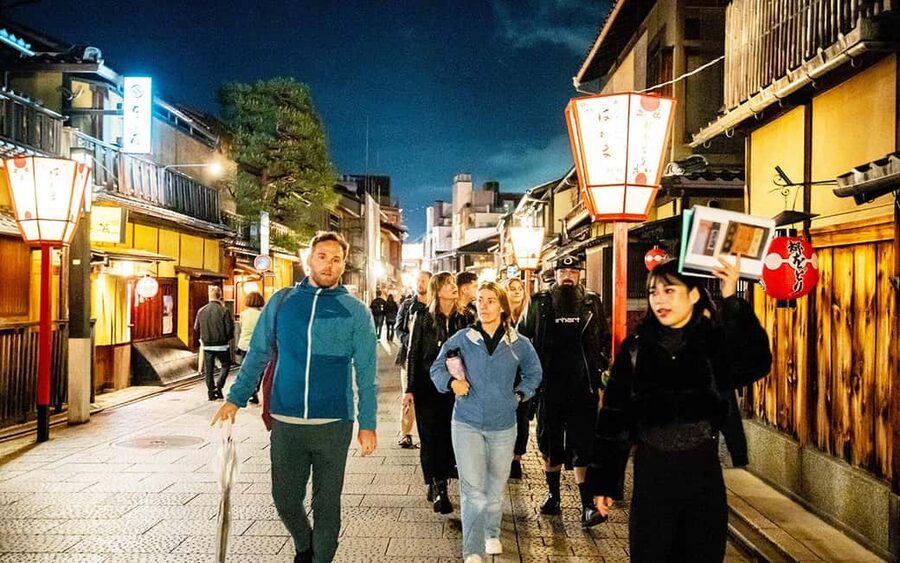
If you’ve seen Gion during peak daylight, you already know it can feel like everyone has the same photos in mind. This tour leans into the calmer side of Kyoto: you walk through lanes when the sidewalks are less packed, then you end where evenings start to unfold.
What makes this experience click is the way it mixes scenery with meaning. You’re not just strolling past pretty streets. You’re guided through shrines and historic neighborhoods while you learn how the geisha district actually works, including training and the craftsmanship that shows in every detail.
And yes, geisha spotting is part of the payoff. The reality is simple: you may spot a geisha on her way to an engagement, but you should treat it like a chance, not a promise.
Meeting at Shijo Ohashi (Yes, a Macdonald) and Getting Ready
Your meeting point is マクドナルド 四条大橋店 (Macdonald Shijo Ohashi store), at 105-1 Hashimoto-cho, Shimogyo-ku, Kyoto-shi, Kyoto. The practical tip here is that the front area gets very busy, so the guide will wait by the side holding a sign that says Local Guide Stars.
Show up with the mindset that this is a city-walk, not a bus tour. You’ll cover several stops on foot, and the pacing matters. Guides do a good job keeping the group together, with pauses so you can catch up rather than sprinting between photo ops.
Before you meet, sort your basics: comfortable walking shoes, sunscreen, and a bottle of water. If rain is in the forecast, plan for it. The tour takes place even in the rain.
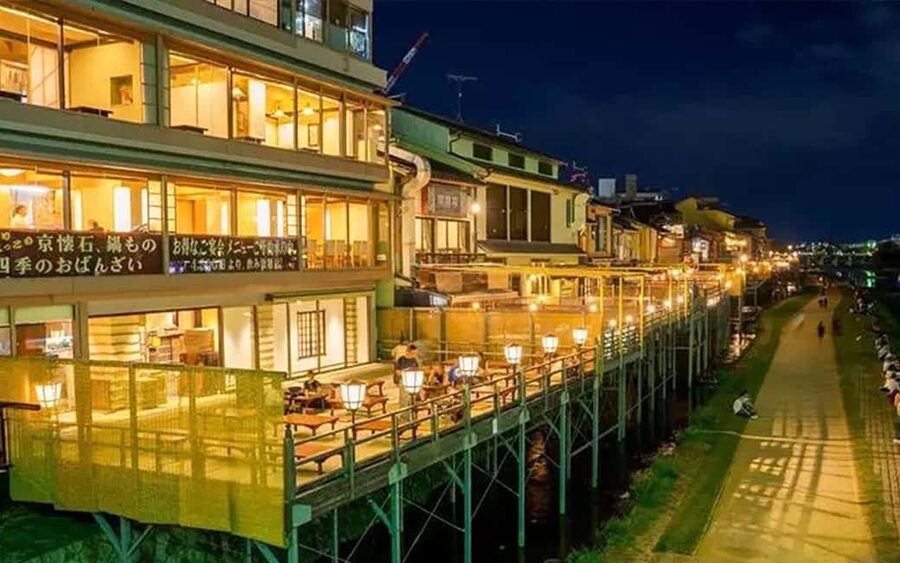
Lantern-lit streets of the geisha quarter
- Kyoto Geisha Walking Tour: Gion District & Hidden Gems
★ 4.7 · 3,273 reviews - Kyoto: Gion Magical Night Walking Tour with Geisha Trivia
★ 4.9 · 2,393 reviews - Kyoto: Gion Geisha District Walking Tour – Stories of Geisha
★ 4.7 · 2,187 reviews - Best of Kyoto: Gion, Geisha, Pagodas & Cobblestones
★ 4.9 · 2,058 reviews
Shirakawa Canal First, So You See Gion’s Mood Immediately
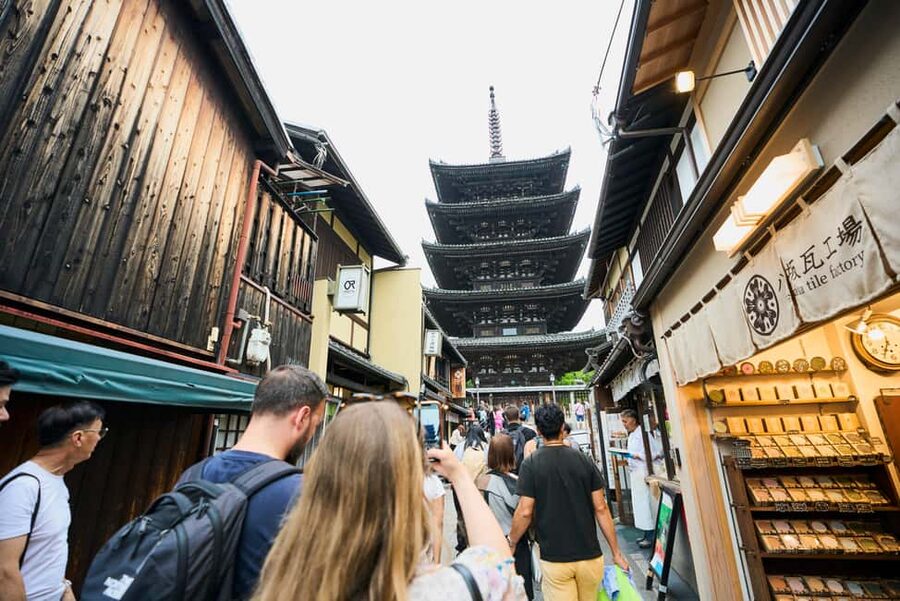
The tour begins at Gion Shirakawa, and that first stretch sets the tone. You start at the riverside lined with willow trees, traditional tea houses, and stone-paved paths. Even a short opening walk can make you understand why Gion feels special when the lighting changes and the crowd density drops.
This is also the moment where you start training your eyes. You’ll notice the textures that matter in Kyoto: woodwork, stone edging, and the way the street curves rather than runs straight like a modern grid. The guide includes photo stops and short guided moments, so you’re not just holding your phone up.
If you’re thinking about timing, this part is why a later slot can be extra good. You want the canal and backstreets to feel quieter, so the district reads as lived-in, not overrun.
Tatsumi-jinja Shrine and the Weight of 1,000 Years
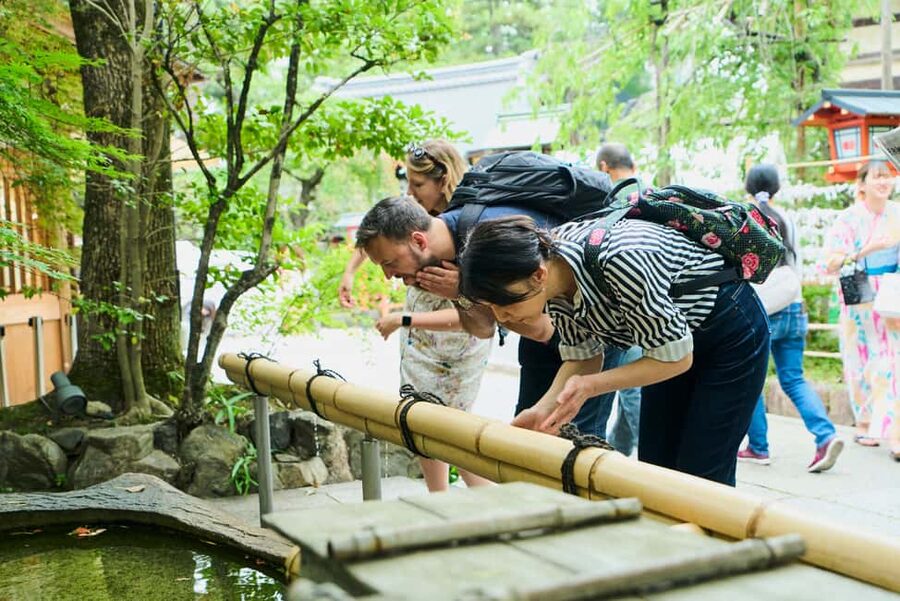
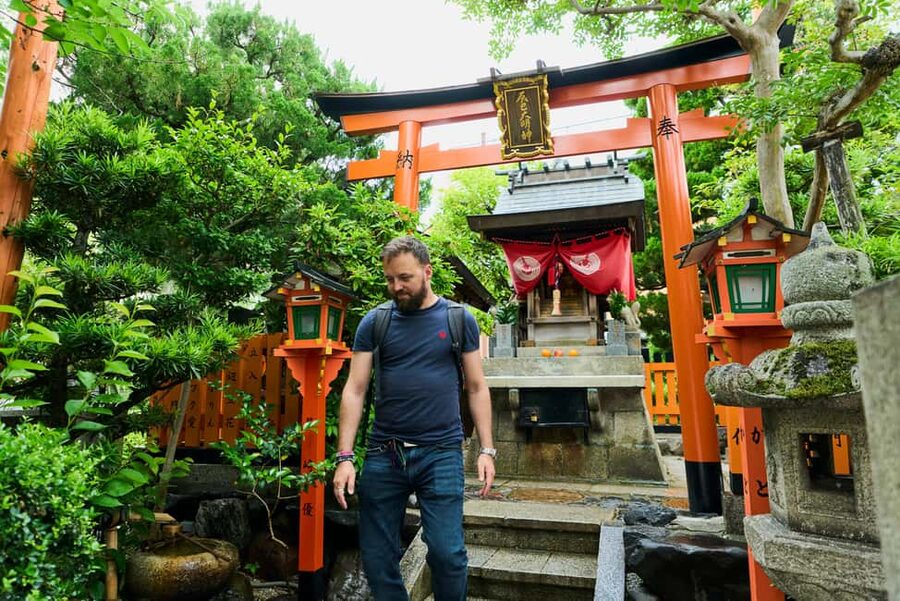
Next you head to Tatsumi-jinja Shrine, one of the key historical stops on the route. The tour highlight for this part is a 1,000-year-old shrine visit, which gives you a different frame than the usual geisha-only narrative.
Shrines in Kyoto aren’t just pretty waypoints. They connect daily life, seasonal rhythm, and local belief. Even though your time here is a guided stop rather than a long exploration, it helps you understand why Gion exists in the first place. The district isn’t isolated from the rest of Kyoto. It sits inside the city’s spiritual and cultural network.
Expect a photo stop and time to visit, with the guide sharing what to look for. Keep an eye on how people behave here, since it’s part of the respectful context that pairs well with geisha culture later.
Yasaka Shrine to Ninenzaka: Old Kyoto Streets You Can Read
From Tatsumi-jinja, the tour moves toward Yasaka Shrine, another stop that blends atmosphere with structure. You’ll have time to visit, plus guided commentary as you walk through the area.
Then you continue toward Ninenzaka, a street known for its historic stone steps and old Kyoto vibe. In practical terms, this is where the tour becomes more than a checklist. You’ll see Edo-period townhouses and the older streetscape feel, and the guide helps you make sense of what you’re looking at instead of treating it like scenery.
The walking here is part of the lesson. As you move, you get changing angles on storefronts, street layout, and the layering of old architecture. It’s one of the best ways to get oriented in Kyoto, because you start to understand how neighborhoods connect, not just how they look.
Hōkan-ji Temple, Quiet Lanes, and Temple Photo Rules

One of the mid-to-late stops is Hōkan-ji Temple. The tour includes a photo stop and then time walking through and around the temple area with guidance.
Here’s the important practical rule: flash photography is not permitted inside temples. You can still take photos, just use natural light and avoid flash. If you like low-light shots, this is where a phone night mode or steady hands help, but the key point is no flash at temple interiors.
Also, this stop helps reinforce the tour’s theme: Gion culture is tied to place. Kyoto’s formal spaces, from shrines to temples, shape behavior and expectations. When you pair that with later explanations about geisha training and etiquette, the whole story feels more coherent.
A day of temples goes further with something to break it up.

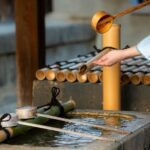
Yasui Kompira-Gu Shrine and the Walk Toward Hanamikoji
After Hōkan-ji, you’ll head to Yasui Kompira-Gu Shrine. This is a shorter visit, but it keeps the rhythm of the tour moving through historically meaningful points rather than only chasing big sights.
Then you transition toward the geisha district heart area, with a Hanamikoji-dori finish. On the way, you also get passes and brief photo stops that keep you looking outward, not just at the guide.
This section is where you start to feel the district shift. You’re moving from shrine-and-streetscape Kyoto into the evening district energy where formal engagements happen.
Hanamikoji-dori at Geisha Hour: Spotting and Understanding
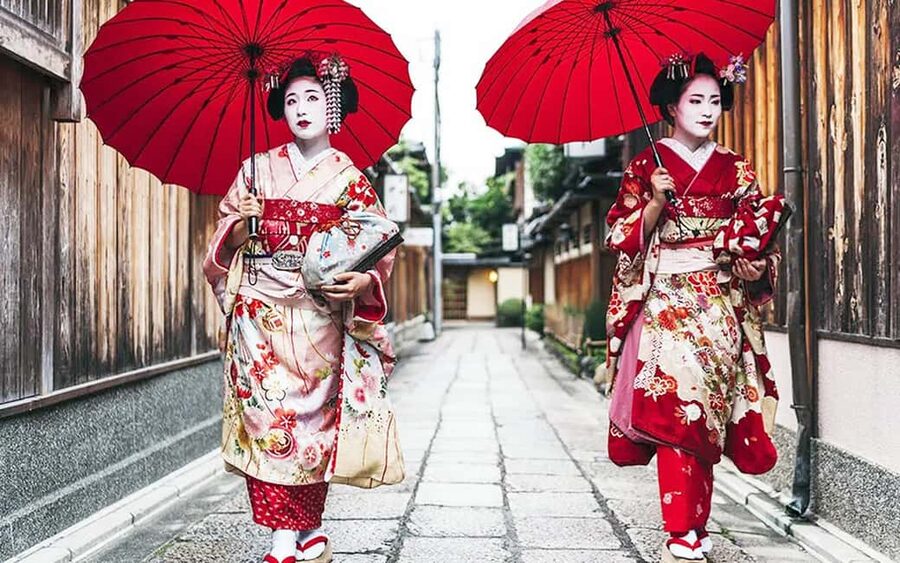
The tour ends on Hanamikoji-dori, which is the heart of the geisha district. This is where you may catch a glimpse of a geisha on her way to an evening engagement. The guide also explains what you’re seeing and what it means in the world of geiko and maiko culture, including:
- how training works
- what graceful dance traditions represent
- how kimono craftsmanship and hairstyle detail tie into identity and discipline
Now, a quick reality check that will help you enjoy it more: geisha are working professionals. You’re not there to force eye contact or treat it like a show. If you spot someone, keep your distance, behave respectfully, and let the moment stay dignified. The guide’s job is to help you notice appropriately, not to hype it into something inappropriate.
This ending is the biggest reason the tour is popular. You get a narrative build-up. You start with Kyoto’s physical beauty, then history, then cultural practice, and finally you land where the district’s evening life becomes visible.
Guides Matter More Than You Think, And You’ll See Why
A lot of the best reviews circle around the guides, and I get it. Good guidance changes a walk from seeing places to understanding places.
On this tour, you’ll hear many helpful personal details from the people leading the group. For example, guides like Isako, Oliver, Mai, Wajid, Dan, Takumi, Uta, Alex, and Nicolas are mentioned for clear English explanations, friendly storytelling, and good pacing. Some guides also share practical restaurant ideas at the end, which is exactly what you want when you’re trying to eat well without guessing.
If you care about the how and why, not only the what, this tour fits that preference. The best moments are usually when the guide connects an architectural detail, a shrine element, or a street layout to the larger cultural picture.
Price and Logistics: Great Value for a Focused 2-Hour Night
At $23 per person for 2 hours, this tour is priced like a smart city add-on rather than a half-day commitment. You’re paying for three things that are hard to replicate on your own quickly:
- a local route that strings together the right stops
- cultural context so you notice details that matter
- the chance to be in position for geisha district evening movement
For value, the key question is whether you want structure. If you like wandering and building your own agenda, you can do parts of this route independently. But if you want the story in real time, the guide’s explanations are what make the price feel fair.
Practical logistics are simple, too: you meet at Macdonald Shijo Ohashi, the guide is easy to identify with the Local Guide Stars sign, and you walk the whole time. The only real “gotcha” is footwear and mobility limits, since this is not wheelchair-friendly.
Who Should Book This Kyoto Gion Geisha Culture Tour
This tour is a strong fit if:
- you want a first taste of Gion with guidance
- you like cultural context, not just photo stops
- you care about seeing how shrines and historic streets set the stage for geisha district life
- you’re hoping to catch a geisha glimpse during the right evening window
It’s less ideal if you need step-free access or have mobility challenges. The route is walking-heavy, with lanes and temple areas that can be uneven.
Best strategy: if the schedule gives you options, choose the later start time. Gion can feel quieter as the evening approaches, which helps you enjoy the lanes and the ending on Hanamikoji-dori.
Should You Book This Tour?
I’d book it if you want your Gion visit to feel organized, meaningful, and respectful, with a real shot at seeing evening movement in the geisha district. The tour is short enough to keep your energy for dinner after, and the guide explanations turn the sights into understanding.
Skip it only if your main goal is guaranteed geisha sightings. That’s not how the district works, and no tour can control what you’ll see. Also, if walking distances or uneven surfaces are a problem, you should look for another format.
FAQ
How long is the Kyoto Gion Hidden Gems and Geisha Culture Tour?
The tour duration is 2 hours.
Where do we meet for the tour?
Meet at Macdonald Shijo Ohashi store (マクドナルド 四条大橋店), 105-1 Hashimoto-cho, Shimogyo-ku, Kyoto-shi, Kyoto. The guide holds a sign that says Local Guide Stars and waits at the side of the store.
Is the tour available in English?
Yes, it includes an English-speaking local guide.
Can I take photos during the tour?
Photography is allowed, but flash photography is not permitted inside temples.
What should I bring?
Wear comfortable walking shoes. Bring water and sunscreen for the walk.
Does the tour run in the rain?
Yes, the tour takes place even in the rain. Bring an umbrella or raincoat.
New This Season
- Koyasan Day Trip by Private Car from Kyoto
- Old Port Town and Ultimate Sake Tasting Private Tour From Kyoto
- Kyoto’s Timeless Charm: 3hr Exploration of History and Peace
- Kyoto: 5 Types of Sushi Making
- Sacred Peak & Ancient Paths: Kurama-Kibune Hiking Experience
- Kyoto: Exclusive ZEN practice at Manpukuji temple in Uji
- Kyoto: Private Seasonal Aroma Yoga Class
- Traversing Kyoto’s Scenic West – Arashiyama to Kinkakuji
Gion Geisha Quarter Walks, compared.
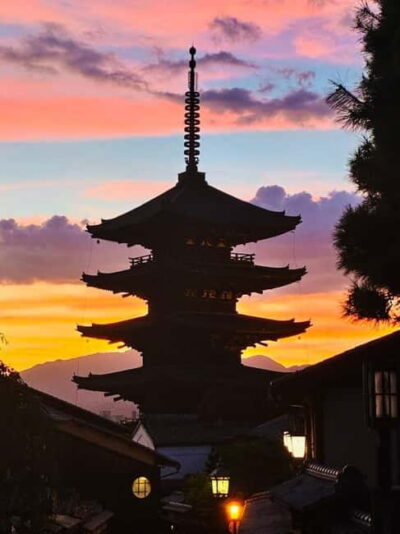
Kyoto Geisha Walking Tour: Gion District & Hidden Gems
Read our review →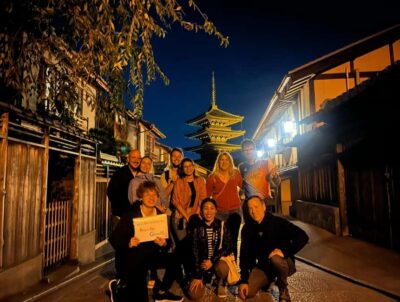
Gion Magical Night Walking Tour with Geisha Trivia
Read our review →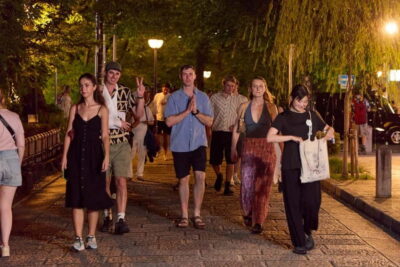
Gion Geisha District Walking Tour – Stories of Geisha
Read our review →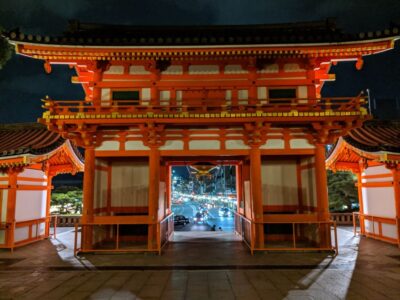
Best of Kyoto: Gion, Geisha, Pagodas & Cobblestones
Read our review →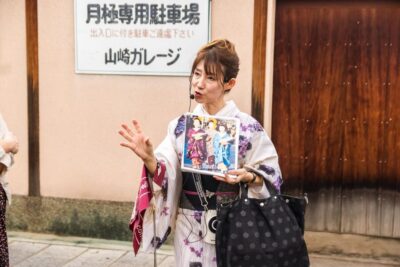
Kyoto Night Foodie Tour in Gion (9+ dishes + 6 Sake tastings)
Read our review →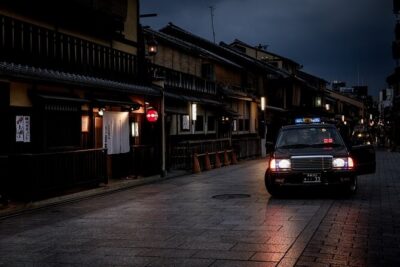
Kyoto Gion Geisha District Walking Tour – The Stories of Geisha
Read our review →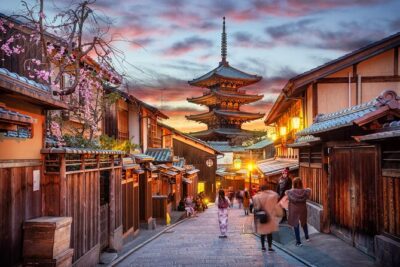
Kyoto Gion: 2-Hour Geisha Culture & History Walking Tour
Read our review →Also filed under