Reviewed · TOURS
Kyoto Hop-On, Hop-Off Sightseeing Bus Tour
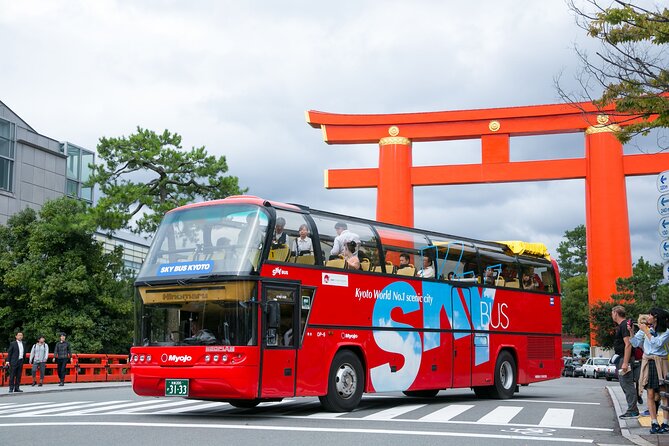
Kyoto looks complicated until you have a simple loop to follow. This SKY HOP BUS KYOTO lets you ride open-air views, then hop off when you’re ready to walk.
I especially like the hop-on hop-off freedom near major landmarks, so your day stays flexible instead of locked to one fixed route. The second thing I really appreciate is the built-in multilingual audio plus earphones, which helps you understand what you’re seeing while you’re riding.
One watch-out: the buses do not feel instant. If you want tight timing between famous stops, the ride frequency can make planning a bit tricky.
In This Review
- Key Points to Know Before You Ride
- Why This Hop-On, Hop-Off Bus Fits Kyoto So Well
- Price and Value: Is $45.56 Actually Worth It?
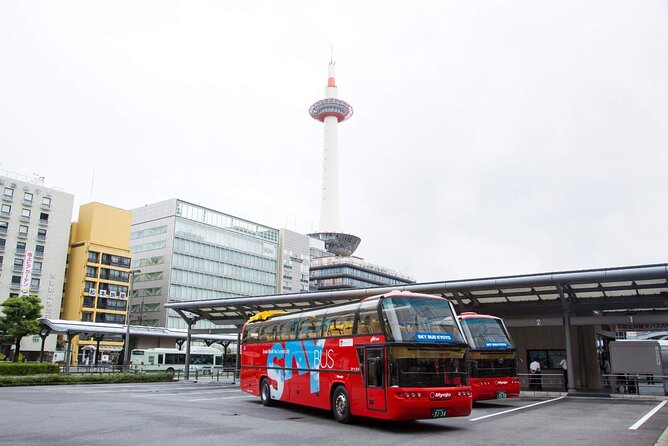
- Getting On at Kyoto Station Without Missing Your Chance
- The East Side Loop: Ginkaku-ji, Gion, Kiyomizu-dera, Sanjusangendo
- Stop 1, Kyoto Station
- Stop 2, Karasuma Gojo (Akioji-cho area)
- Stop 3, Shijo Karasuma Nishiki-Ichiba Market
- Stop 4, Kyoto City Hall
- Stop 5, Ginkakuji Temple (Silver Pavilion)
- Stop 6, Heian-jingu Shrine, Okazaki Park
- Stop 7, KOTOWA KYOTO YASAKA (Gion area)
- Stop 8, Gojozaka (Kiyomizu-dera)
- Stop 9, Sanjusangendo Kyoto National Museum (near Hyatt Regency Kyoto area)
- The West Side Loop: Nijo-jo, Kitano-tenmangu, Kinkaku-ji, Kyoto Imperial Palace
- Stop 2, Nishi Hongan-ji Temple
- Stop 3, Nijo-jo Castle
- Stop 4, Kitano-tenmangu Shrine (Kamishichiken)
- Stop 5, Kinkaku-ji
- Stop 6, Daitoku-ji Temple
- Stop 7, Kyoto Imperial Palace (Doshisha Univ.)
- Stop 8, Shijo Karasuma Nishiki-Ichiba Market (return)
- Using the Audio Guide, Earphones, and WiFi Like a Pro
- Comfort, Weather Gear, and the Reality of Seats
- Timing and Frequency: Why the Bus Can Speed You Up, or Slow You Down
- Who Should Book This Bus, and Who Should Consider Alternatives
- Should You Book SKY HOP BUS Kyoto?
- FAQ
- Do I get to hop on and off as many times as I want?
- How long is the Kyoto hop-on hop-off bus experience?
- What stops are included on the route?
- Is there an audio guide on board?
- Is there WiFi on the bus?
- What if it rains?
- Are seats assigned?
- Do buses run often?
- How much does the ticket cost?
- Can children ride for free?
Key Points to Know Before You Ride
- Frequent hop-on hop-off stops near top sights like Gion, Kiyomizu-dera, Kinkaku-ji, and Arashiyama area connections
- Multilingual audio guide with earphones, so you can follow along without guessing
- WiFi on board plus an easy way to reset your plan as crowds and lines change
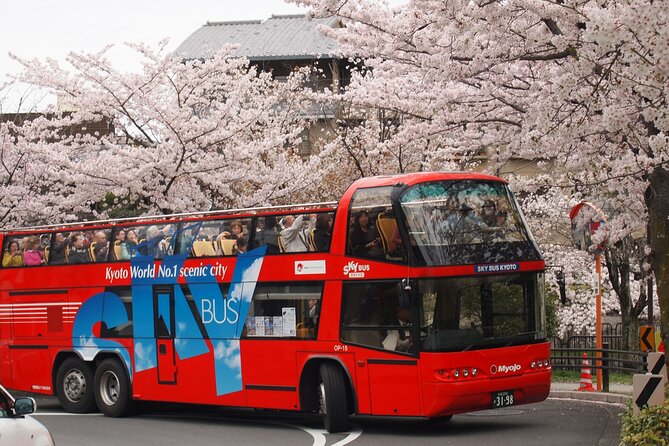
- Open-top double-decker views for big scenery, especially useful if it’s your first time in Kyoto
- Unreserved seating means you’ll want to board early if you care about where you sit
Why This Hop-On, Hop-Off Bus Fits Kyoto So Well
Kyoto has a way of eating your time. One temple turns into two, and suddenly you’re crossing town on tired legs. A hop-on hop-off bus is a smart way to keep your day moving without turning every stop into a mini project.
What makes this one work is the list of targets. You’re not just doing “generic sightseeing.” The stops cluster around places you’ll actually want to visit: Kyoto Station as your hub, then the east side spine toward Gion and Kiyomizu-dera, plus a west side loop that makes room for Nijo-jo Castle and Kinkaku-ji.
Price and Value: Is $45.56 Actually Worth It?
At $45.56 per person, this is not a “cheap bus” option. It’s a paid shortcut that buys you two things: coverage and convenience.
Here’s the value math I use:
- If you plan to visit multiple major sites over a single day, you likely spend far more time and effort than you expect on transit and transfers.
- If you’re doing a tight first trip, the bus helps you get your bearings fast, then you can decide what deserves deeper walking time.
- If you choose a Two Days Pass (if that option is selected when you book), the per-day value usually makes more sense. Kyoto rewards a second pass, even if you start out thinking you’ll see everything in one go.
One practical note from booking reality: if you’re buying through a reseller, it pays to check who the operating service is and what you’ll receive. A disappointing booking experience can come from confusion more than from the sightseeing itself.
Kyoto rewards patience — the quieter half of the city sits just off the main path.
- PERFECT KYOTO 1-Day Bus Tour
★ 5.0 · 13,518 reviews - Kyoto: Fushimi Inari, Kinkakuji, Bamboo Grove 1 Day Bus Tour
★ 4.8 · 4,316 reviews - Kyoto: Tea Ceremony in a Traditional Tea House in Kiyomizu
★ 4.9 · 3,519 reviews - Kyoto Geisha Walking Tour: Gion District & Hidden Gems
★ 4.7 · 3,273 reviews
Getting On at Kyoto Station Without Missing Your Chance
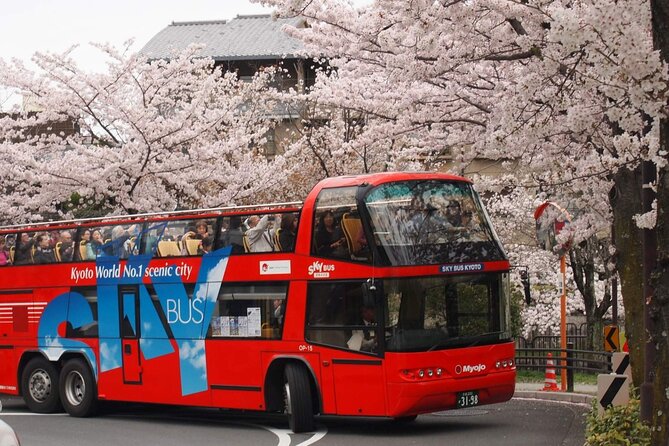
Kyoto Station is huge, so “near the station” can still mean a bit of hunting. One rider noted that it was hard to find the bus stop at the terminal at first. I’d treat that as normal, not unusual.
My practical plan:
- Give yourself a buffer time. Don’t arrive right when you think the bus leaves.
- Look for signage for the SKY HOP bus stops, then confirm you’re boarding the correct direction for the sights you want that day.
- If you’re traveling in summer, plan for heat. One reviewer suggested bringing water because it was extremely hot on board during their ride. Even with comfort features, standing in the wrong sun can drain you fast.
The East Side Loop: Ginkaku-ji, Gion, Kiyomizu-dera, Sanjusangendo
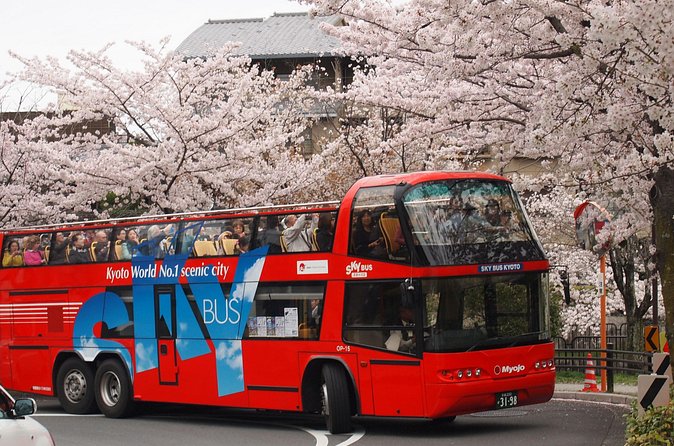
This loop is built for Kyoto’s most famous walking areas. The big advantage is that you can ride, then hop off near the places you care about most, like temples and historic districts.
Stop 1, Kyoto Station
Start where most Kyoto plans begin. Kyoto Station is your practical reset point, especially if you’re moving between day trips, rail rides, or other local transit.
Tip: If you’re starting early, this is where you want to be first. Picking your seat before the ride fills up is easier.
Stop 2, Karasuma Gojo (Akioji-cho area)
This is a useful in-between stop if you want a break between major sights. It also helps if you’re connecting from other parts of Kyoto.
If you’re short on time, you can treat stops like this as transit nodes, then focus your walking time on the headline temples.
A day of temples goes further with something to break it up.


Stop 3, Shijo Karasuma Nishiki-Ichiba Market
This stop is for food lovers and street-walkers. Nishiki area shopping streets are ideal when you want snacks, small bites, and quick browsing without committing to a long museum visit.
Drawback to plan around: market areas can be busy, so build in a little extra time for moving through crowds.
Stop 4, Kyoto City Hall
Not the most famous sight on the list, but it can help you get around efficiently. City-adjacent stops often connect well to walking routes and nearby transit.
If you’re here mostly for temples and shrines, you might skip this stop. If you like wandering city streets, it can be a calm pivot point.
Stop 5, Ginkakuji Temple (Silver Pavilion)
This is one of Kyoto’s classic temple experiences. Even if you’re not a hardcore temple person, it’s the kind of stop that helps you understand Kyoto’s aesthetic rhythm: gardens, quiet courtyards, and the idea that stillness is part of the attraction.
Consideration: if your day is hot or rainy, your enjoyment depends on how long you want to spend on the grounds before returning to the bus for the next hop.
Stop 6, Heian-jingu Shrine, Okazaki Park
Okazaki Park is a strong pairing with Heian-jingu. You’re in a zone that supports longer walking because the area feels designed for strolling and shade.
This stop also works if you want a breather after temple-and-shrine density. It’s a good “reset” stop.
Stop 7, KOTOWA KYOTO YASAKA (Gion area)
This is one of your gateways toward Gion. Even if you don’t plan a full Gion walk right away, dropping here gives you an easier path into the historic streets.
Practical tip: if you want photos, aim for early or later in the day. Midday crowds can slow you down.
Stop 8, Gojozaka (Kiyomizu-dera)
Kiyomizu-dera is a big draw, and Gojozaka helps you access the approach. This is where you’ll likely want to hop off and commit to a walking portion, even if you only plan a short visit.
Watch-out: steep and crowded approaches can be tiring. If you’re traveling with mobility limits, you may prefer a shorter stop here and prioritize other sights.
Stop 9, Sanjusangendo Kyoto National Museum (near Hyatt Regency Kyoto area)
This stop covers the Sanjusangendo museum zone, which is a great choice if you want something indoor or semi-indoor. It can also help you build a more balanced day between gardens, outdoor temples, and shrine streets.
Drawback: if you’re only doing one fast “greatest hits” day, this may feel like an extra. If you’re a “temples plus art plus atmosphere” person, it’s a good add.
The West Side Loop: Nijo-jo, Kitano-tenmangu, Kinkaku-ji, Kyoto Imperial Palace
This half is for castles, major shrines, and the Kyoto temple everyone wants to see at least once.
Stop 2, Nishi Hongan-ji Temple
A strong start for anyone who likes large temple complexes. It’s also a good way to break up your day before hitting the “must-see” postcard sites.
If you’re choosing only a few hops, this is one of the stops that can still feel substantial.
Stop 3, Nijo-jo Castle
Nijo-jo is a clear highlight. Castle experiences add a different lens than temple-only sightseeing. You get architecture, layout, and the sense of Kyoto as a political center as well as a cultural one.
Consideration: castles can take longer than you expect if you slow down for photos and rooms.
Stop 4, Kitano-tenmangu Shrine (Kamishichiken)
This is a great shrine-side stop, especially if you like connecting the dots between Kyoto’s religious life and its neighborhood streets.
Practical tip: plan your visit with comfort in mind. Shrine grounds often mean more walking than you think.
Stop 5, Kinkaku-ji
Kinkaku-ji is the big name for a reason. Even if you’ve seen photos before, it’s one of those stops that feels different in person because of scale and setting.
Downside: it can be crowded. If you’re chasing atmosphere rather than a checklist photo, you’ll enjoy the stop more if you go at a quieter time of day.
Stop 6, Daitoku-ji Temple
This is an interesting contrast. After Kinkaku-ji crowds, Daitoku-ji can feel more grounded if you’re okay with a slower, reflective temple mood.
Time trade-off: you may need more time here than you planned, especially if you like temple gardens and quiet spaces.
Stop 7, Kyoto Imperial Palace (Doshisha Univ.)
This stop adds a political and administrative dimension to your day. It’s also a useful “finish strong” hop if you want a different type of site than the shrines and pavilion temples.
If you’re not into palace grounds, treat it as a transit stop to get where you want next.
Stop 8, Shijo Karasuma Nishiki-Ichiba Market (return)
Looping back to Nishiki helps you end the day with shopping and food. It’s the kind of stop that makes your final hours feel less like transit and more like a stroll.
Using the Audio Guide, Earphones, and WiFi Like a Pro
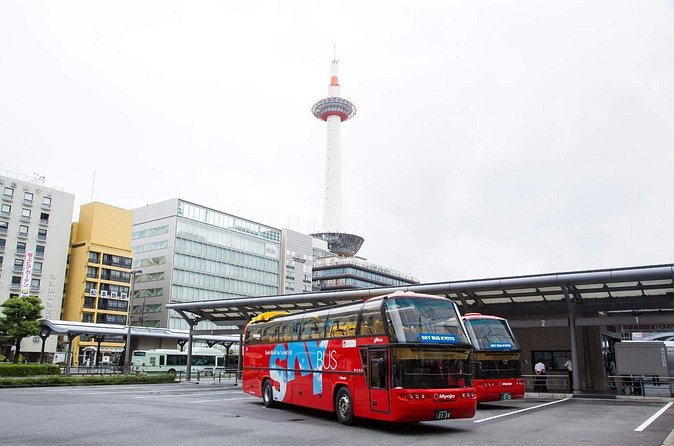
The tour includes a multilingual audio guide and earphones, and there’s WiFi on board. That combination is more useful than it sounds.
Here’s how you can use it without getting stuck:
- Listen while riding between major stops, when you’re not busy deciding where to hop.
- Use the audio to pick your priorities before you arrive. If a stop gets a longer story in the guide, it’s often worth stepping off for a real visit.
- For translations and trip tweaks, WiFi helps you check opening hours and plan your walk route from the stop you chose.
One practical note: audio guides are only helpful if you can hear them. Earphones included means you’re not scrambling for your own gear.
Comfort, Weather Gear, and the Reality of Seats
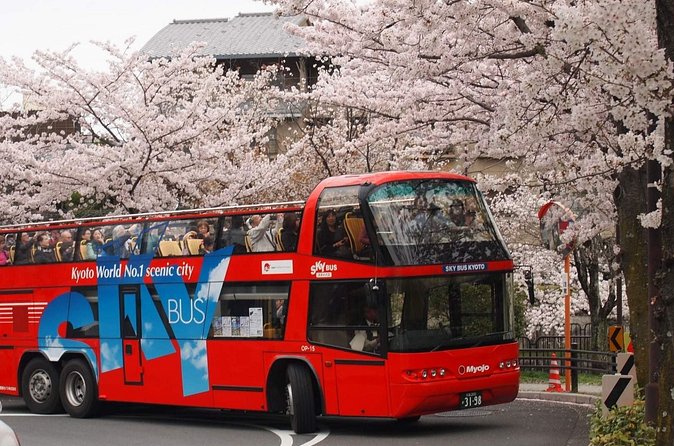
This bus is an open-top double-decker with panoramic views. You’ll get better sightlines that way, especially around temple rooftops and street scenes.
But comfort depends on conditions. That’s why the included poncho (in the case of rain) matters. Weather can change fast in Kyoto, and you’ll want to keep moving without stopping your day early.
Seat reality:
- All seats are unreserved. That means if you care about location, you’ll do better boarding earlier rather than waiting for the last moment.
Also, one reviewer specifically praised an air-conditioned feel while riding on top. You might find it more comfortable than you fear, but do not assume perfect comfort in every season. Bring water if it’s hot.
Timing and Frequency: Why the Bus Can Speed You Up, or Slow You Down
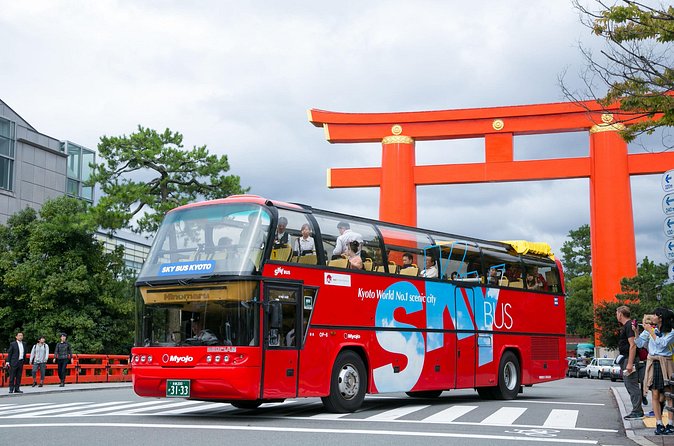
This is a hop-on hop-off experience, but you should plan with its rhythm. One reviewer said buses came about every 50 minutes. That’s not bad for sightseeing, but it can limit how tightly you can stack stops.
My scheduling advice:
- Don’t design your day like a timed museum itinerary.
- Pick one “anchor” stop in each area and use the bus for everything else.
- If you hop off, give yourself time to return, then hop again. Kyoto walking is slower than you think once you start photographing and sampling street snacks.
Also remember: the trip duration is listed as about 1 hour 8 minutes. That’s the ride time for the route loop. If you hop off repeatedly, your total day grows, which is usually the point.
Who Should Book This Bus, and Who Should Consider Alternatives
This Kyoto bus is ideal if you:
- Want an easy way to see multiple major sights in one trip day
- Prefer flexibility over a strict tour schedule
- Enjoy knowing what you’re looking at with a multilingual audio guide
- Like to mix sightseeing with shopping, especially around Nishiki
It’s less ideal if you:
- Want a highly exact schedule between several timed attractions
- Hate waiting for transport segments
- Prefer private, direct transfers rather than riding loops
If you’re booking for the cheapest possible sightseeing, you may want to compare operators before committing. One review explicitly pointed out that the price felt higher than other operators available, even though the hop-on hop-off idea was good.
Should You Book SKY HOP BUS Kyoto?
If you’re visiting Kyoto for the first time, I think this is a practical buy. It gives you an efficient framework for seeing the city’s headline neighborhoods, especially the stretch from Kyoto Station toward Gion and Kiyomizu-dera, plus the west side hits like Nijo-jo and Kinkaku-ji.
Book it if your priority is flexibility with major coverage. Skip it or compare options if you’re very time-pressed, very picky about exact timing, or you’re hunting for the lowest price rather than the least hassle.
FAQ
Do I get to hop on and off as many times as I want?
Yes. You can board and exit as many times as you like at all Sky Hop Bus stops within the ticket validity period.
How long is the Kyoto hop-on hop-off bus experience?
The duration is listed as about 1 hour 8 minutes (approx.).
What stops are included on the route?
The itinerary includes stops such as Kyoto Station, Ginkakuji Temple (Silver Pavilion), Heian-jingu Shrine (Okazaki Park), KOTOWA KYOTO YASAKA (Gion-machi), Gojozaka (Kiyomizu-dera Temple), Sanjusangendo Kyoto National Museum, Nijo-jo Castle, Kitano-tenmangu Shrine, and Kinkaku-ji.
Is there an audio guide on board?
Yes. The tour includes a multilingual audio guide with earphones.
Is there WiFi on the bus?
Yes, WiFi is available on board.
What if it rains?
A poncho is included in case of rain.
Are seats assigned?
No. All seats on the bus are unreserved.
Do buses run often?
One review stated the buses came every 50 minutes, so plan with that in mind.
How much does the ticket cost?
The price is listed as $45.56 per person.
Can children ride for free?
Children under age five can ride for free when sitting on the lap of their parents or guardians.
New This Season
- Koyasan Day Trip by Private Car from Kyoto
- Old Port Town and Ultimate Sake Tasting Private Tour From Kyoto
- Kyoto’s Timeless Charm: 3hr Exploration of History and Peace
- Kyoto: 5 Types of Sushi Making
- Sacred Peak & Ancient Paths: Kurama-Kibune Hiking Experience
- Kyoto: Exclusive ZEN practice at Manpukuji temple in Uji
- Kyoto: Private Seasonal Aroma Yoga Class
- Traversing Kyoto’s Scenic West – Arashiyama to Kinkakuji
Tours, compared.
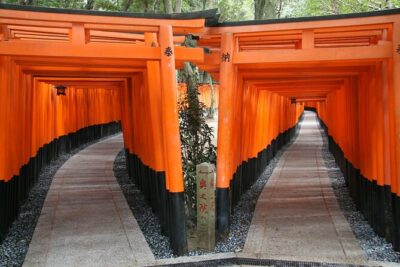
Fushimi Inari, Kinkakuji, Bamboo Grove 1 Day Bus Tour
Read our review →
Kyoto Geisha Walking Tour: Gion District & Hidden Gems
Read our review →
Gion Magical Night Walking Tour with Geisha Trivia
Read our review →
Gion Geisha District Walking Tour – Stories of Geisha
Read our review →
Kyoto Night Foodie Tour in Gion (9+ dishes + 6 Sake tastings)
Read our review →