
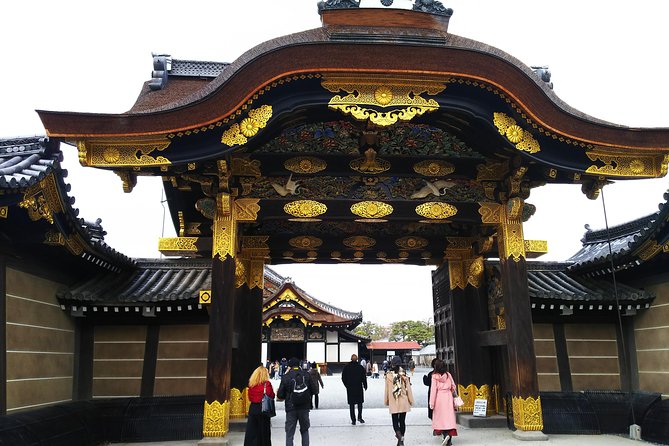
Reviewed · NIJO CASTLE VISITS
Kyoto Imperial Palace and Nijo Castle Walking Tour
One day, Kyoto feels like five. This private tour strings together the city’s big faith sites and power centers, with guides like Naoko, Chie, and Fuji bringing history to life in clear English. You also get Nijo Castle and the Kyoto Imperial Palace on the same day, so your first Kyoto trip has real structure.
I especially like the stop at Nishiki Market, known as Kyoto’s kitchen, because it gives you a low-pressure way to taste the city. And I like the balance here: temple and palace history, plus time to shop and grab snacks without feeling trapped in museums.
One thing to plan for: this is quite a bit of walking, and the castle admission is not included, so you’ll want to budget for that on top of the tour price.
In This Review
- Key things that make this tour worth it
- Kyoto in One Walkable Day: What You Get From This Tour
- Meeting at Kyoto Station, Then Getting Your Bearings
- Higashi Hongan-ji Temple: Buddhism, Faith, and Free Entry
- Nishiki Market Shopping District: Kyoto’s Kitchen and Real-Life Food Breaks
- Nijo Castle: Shogun Power, 1,000-Plus Paintings, and Castle Time
- Kyoto Imperial Palace: The Emperor’s Residence Until 1868
- Geisha Street Stroll: Kyoto’s Everyday Culture, Not Just Landmarks
- The Walking Pace and How to Plan Your Day
- Price and Value: What the $111 Covers (and What to Add)
- Guide Quality Matters, and the Best Part Is the Q&A
- Tickets, Mobile Entry, and What Weather Can Do to Your Plans
- Should You Book the Kyoto Imperial Palace and Nijo Castle Walking Tour?
- FAQ
- How long is the Kyoto Imperial Palace and Nijo Castle walking tour?
- Is admission included for Nijo Castle?
- Are there any free admission stops on the itinerary?
- What time does the tour start, and where do we meet?
- Is this tour private?
- What happens if the weather is bad?
Key things that make this tour worth it
- A one-day Kyoto highlights plan that covers palace, shogun history, temples, and market time
- Free temple entry at Higashi Hongan-ji, so you spend less time budgeting and more time seeing
- Nijo Castle’s impressive interior with 1,000-plus pictorial works to slow your pace and look closely
- Nishiki Market as a practical food stop, easy to use even if you’re still getting your Kyoto legs
- Guides who handle questions well, including families, with friendly explanations and smart routing
Kyoto in One Walkable Day: What You Get From This Tour
This is the kind of Kyoto day that helps you sort out the city fast. One morning and early afternoon, you cover places tied to major religious life, shogun-era politics, and the emperor’s seat in Kyoto, then you end with some time for everyday Kyoto energy at the market.
The tour is set up as a private group experience. That matters more than people expect. You’re not fighting a crowd for the guide’s attention, and the pacing can feel calmer when you’re stopping at places that are visually busy.
The route also keeps you from doing that classic first-trip mistake: bouncing around by yourself and missing context. Here, the guide gives a simple through-line, from faith and daily life to who held power and where.
Meeting at Kyoto Station, Then Getting Your Bearings
You start at Hotel Granvia Kyoto, JR Kyoto Station Central Entrance, at 9:00 am. That’s convenient because Kyoto Station is a hub for most rail connections, and it’s easy to meet without a complicated scavenger hunt.
The tour ends back at the same meeting point. That may sound small, but it helps your mental math. After 7 hours of walking and stops, you don’t want to also figure out how to get home.
Also keep in mind the pacing: this is built for a morning-to-afternoon rhythm, with a mix of short stops (like 30 minutes) and longer site time (like about 1 hour to 1 hour 15 minutes). If you like to snack as you go, you’ll have room for it without disrupting the flow.
Nightingale floors that sing when you walk
- Kyoto: Nijo-jo Castle and Ninomaru Palace Guided Tour
★ 4.7 · 1,020 reviews - Kyoto: Nijo Castle, Kiyomizu & Fushimi Inari Guided Tour
★ 4.7 · 700 reviews - Kyoto: Nijo, Kinkaku-ji, Arashiyama, Kiyomizu & Fushimi Inari
★ 5.0 · 699 reviews - Kyoto: Imperial Palace & Nijo Castle Guided Walking Tour
★ 4.7 · 453 reviews
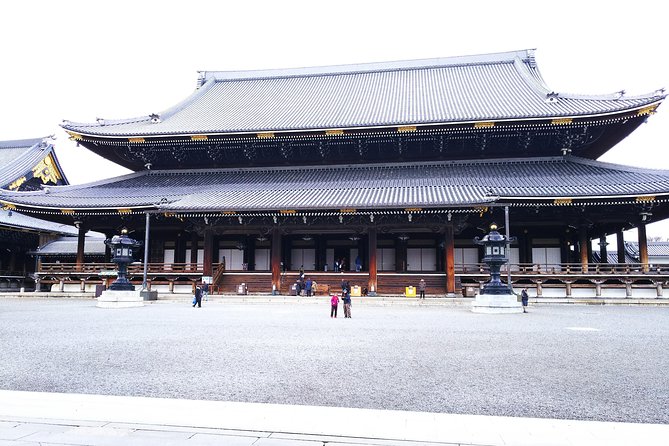
Higashi Hongan-ji Temple: Buddhism, Faith, and Free Entry
Your first stop is Higashi Hongan-ji Temple, with about 30 minutes and free admission. This is a smart opener because it sets Kyoto’s spiritual tone early, before you jump into the more political weight of castles and palace grounds.
The guide frames the religious side in a grounded way. Japan has multiple Buddhist sects, and Shingon Otani is one of the major ones, with believers estimated around 8 million. Even if you don’t know the details, you’ll leave with a clearer sense that these places are not just buildings. They’re part of living community life.
Practical tip: since you’re only there for about half an hour, focus on one or two visual elements. Look at the architecture and how the space is used. That way, you get meaning even with limited time.
And because admission is free here, you’re not mentally juggling fees at the start. That makes the day feel smoother.
Nishiki Market Shopping District: Kyoto’s Kitchen and Real-Life Food Breaks
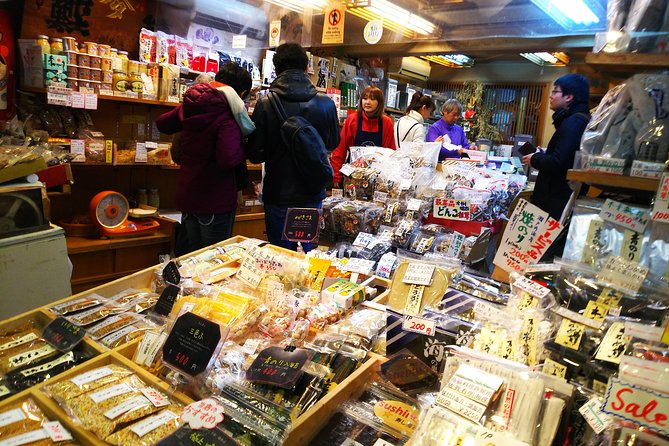
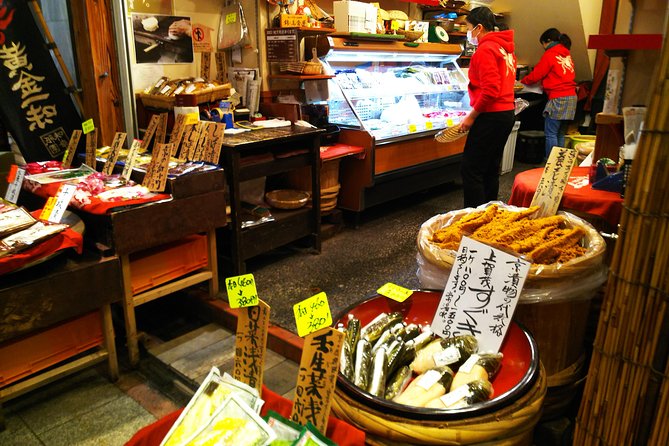
Next up is Nishiki Market Shopping District, another 30-minute stop with free admission. Nishiki is often described as Kyoto’s kitchen, and the tour explains why that label sticks: there’s an underground water reservoir underneath the district, tied to Kyoto’s access to fresh water.
That detail is useful because it helps you understand the market’s reputation beyond hype. Fresh water plus centuries of supply habits equals food that tastes like it belongs to Kyoto, not just to a tourist street.
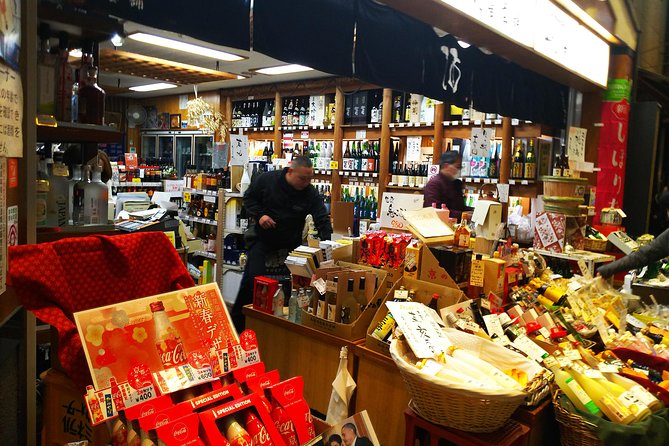
You’ll have time to shop and snack. That’s the right kind of freedom in a guided tour. You’re not forced to buy anything, and you’re not rushed out the second you reach for a bite.
What I like: this stop is short enough that it doesn’t derail your whole day, but it’s long enough for you to grab something small and keep moving. If you’re the type who wants to try multiple things, use the time strategically. Pick one savory thing, one sweet or drink option, and call it a win.
Nijo Castle: Shogun Power, 1,000-Plus Paintings, and Castle Time
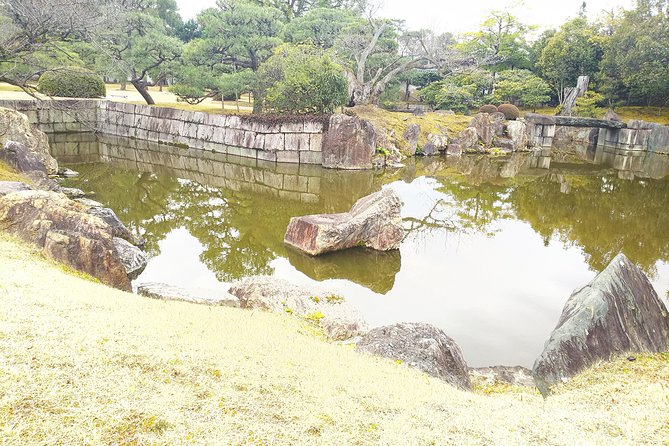
Then comes Nijo Castle, the shogun’s Kyoto base when visiting. The historical anchor is clean: after the shogunate moved to Edo in 1603, Nijo Castle became the place where the shogun stayed when in Kyoto.
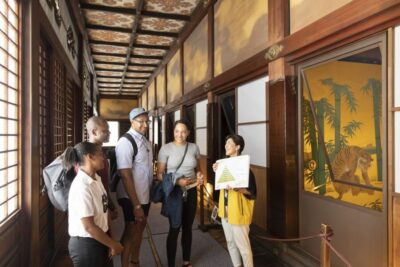
In terms of what you’ll actually see, the tour highlights the interior’s many pictorial works, with over 1,000 gorgeous painted pieces. That detail matters because it tells you what kind of experience this is. It’s not just a walk-and-photo stop. It’s a look-and-read moment, especially if your guide points out what to focus on.
Time is about 1 hour, and admission is not included. You’ll need to budget ¥1,300 per person for the entry fee.
A quick way to get value from that hour: don’t try to see everything at once. I’d choose a couple rooms or sections and look for repeating motifs. Then let the guide connect those patterns to the story of power and prestige in the shogun era.
If your group includes kids, this castle also works well because the guide can turn visual details into something you can question. In the feedback for this tour, guides are praised for answering questions patiently and making the sights feel less intimidating.
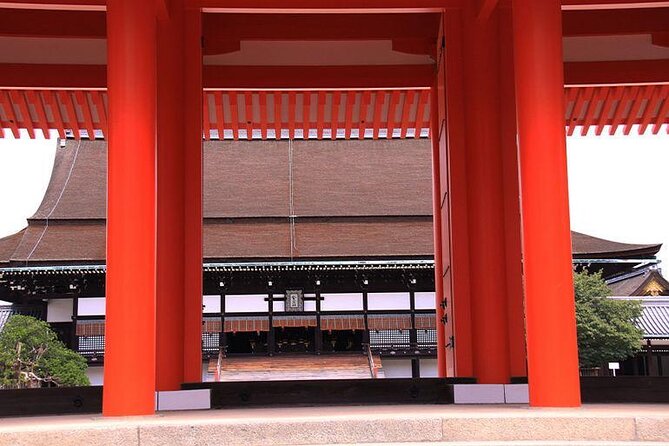
Kyoto Imperial Palace: The Emperor’s Residence Until 1868
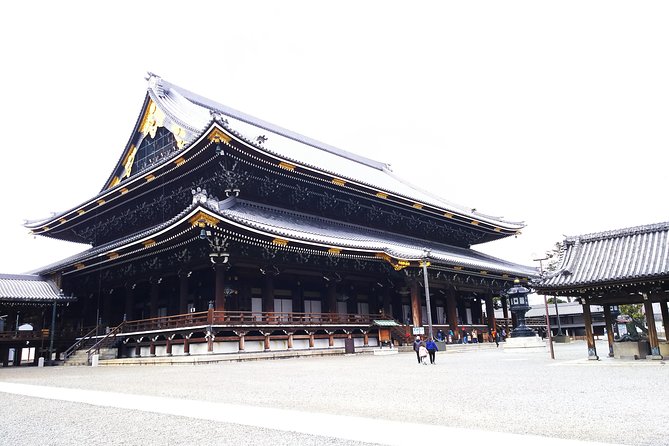
After the castle, you go to Kyoto Imperial Palace, with about 1 hour 15 minutes and free admission. This is where you pivot from shogun power to imperial history.
The tour context is straightforward. Kyoto served as the capital before it moved to Tokyo in 1868, and the emperor’s family lived here. Even today, the palace has an active presence in Japan’s national story.
One thing to know before you go in: European palace comparisons can set you up for the wrong expectations. The palace is meaningful, but it isn’t just a room full of gold-and-furniture spectacle. It’s an expansive site with a long political and cultural life.
What I like about building your day this way is the contrast. You’ve seen a castle designed around authority and control, then you see the emperor’s seat as a different kind of symbol. Same country, different structure of power.
If you like architecture, use the extra 15 minutes here to slow down. Even if you don’t catch every detail, that extra time helps your brain absorb the scale of the grounds.
A quieter way to spend a day in Kyoto
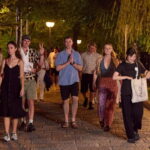

Geisha Street Stroll: Kyoto’s Everyday Culture, Not Just Landmarks
The tour overview also includes a stroll through a geisha street area. This is the part of the day that often turns a history-heavy itinerary into something more “Kyoto in real life.”
Even if you’re not an expert on geisha culture, the street walk gives you atmosphere and a sense of how historic neighborhoods still feel lived in. It’s also a good mental reset after the formality of temples, castle interiors, and palace grounds.
I’d treat this segment like a casual photo and people-watching break. Keep your eyes on small street details. Doorways, signage, and the rhythm of the lane tell you more than a single big view.
The Walking Pace and How to Plan Your Day
The tour is listed as requiring moderate physical fitness and notes that there is quite a bit of walking. That’s honest, and you should plan accordingly.
Here’s how I’d set yourself up:
- Wear comfortable shoes you can walk in for hours.
- Keep your water situation simple. Don’t pack so much that you’re hauling bags all day.
- If you’re sensitive to heat, aim for shade whenever you can, and take advantage of the short stops for quick resets.
It’s also a group tour format, so you won’t be able to wander off and rejoin later. The guide does the routing, and that’s the point. You get a smooth flow, but you trade a bit of independent pacing.
Good to know: service animals are allowed, and the tour is designed with public transportation proximity in mind. That can make the meeting point easier to reach if you’re using transit during your Kyoto stay.
Price and Value: What the $111 Covers (and What to Add)
The tour price is $111.03 per person and includes the guide fare. It also mentions mobile ticket and group discounts, and it’s booked on average about 56 days in advance.
What’s not included:
- Nijo Castle admission: ¥1,300 per person
- Public transportation fare: about ¥1,000 per person
So the real budgeting picture is: you’re paying for the guide and the structured route, then adding the obvious site entry for the castle plus transit costs to connect between stops.
Is it good value? For a one-day plan that covers four major stops in a single loop, yes, especially if you want context and you don’t want to spend your energy figuring out routes mid-day. If you already plan to visit Nijo Castle and Kyoto Imperial Palace anyway, a guided structure can save you time and help you notice what you might miss alone.
The private group angle is also part of the value equation. If you’re traveling with family or friends and can split the group cost, the guide’s attention and routing quality matter more than it would on a large public tour.
Guide Quality Matters, and the Best Part Is the Q&A
The guides get consistently strong marks, and you can feel the difference between a script reciter and a guide who handles questions.
Naoko is praised for being amazing, knowledgeable in a way that stays fun, and especially good with kids. Chie gets credit for lots of information and for making navigation efficient so you maximize time at the right places. Fuji is highlighted for answering history and culture questions and recommending food at Nishiki Market.
Even without seeing the guide list in front of you, this is the kind of tour where the guide’s style changes your experience. The format gives you plenty of chances to ask why something is the way it is, not just what it is.
One practical takeaway: come with one or two curiosity questions before you meet the group. Ask about how Kyoto’s religious life shaped daily routines, or how shogun-era politics translated into architecture. That turns your viewing into something active.
Tickets, Mobile Entry, and What Weather Can Do to Your Plans
The tour uses a mobile ticket, and confirmation is provided at booking. That makes the day easier on your end since you’re not hunting for paper tickets.
One more real-world factor: the experience requires good weather. If it’s canceled due to poor weather, you’ll be offered a different date or a full refund. For a walking tour, this is exactly what you want to hear. Rain changes everything, and a good operator plans for that.
If you’re traveling in rainy season, keep an open mind about timing. Also, pack for quick weather changes, because Kyoto can shift conditions faster than your plans can.
Should You Book the Kyoto Imperial Palace and Nijo Castle Walking Tour?
Book it if you want a structured first Kyoto day with the city’s key power and faith sites plus market time. This is a great fit if you hate museum solitude but love history when it’s explained clearly. It’s also a strong choice for families because guides in this program have a track record of making the sights click for kids.
Consider skipping or rethinking if you know you dislike long walking days or you prefer to explore at your own speed without a set route. Also, if your budget is tight, remember that Nijo Castle admission and public transportation costs add to the base tour price.
If you’re landing in Kyoto with limited time, this tour helps you make that time count. You’ll leave with a real sense of how Kyoto’s religious life, imperial tradition, and shogun history connect, and you’ll still get a taste of Kyoto through Nishiki Market.
FAQ
How long is the Kyoto Imperial Palace and Nijo Castle walking tour?
The tour runs for about 7 hours.
Is admission included for Nijo Castle?
No. Nijo Castle admission is not included, and the fee listed is ¥1,300 per person.
Are there any free admission stops on the itinerary?
Yes. Higashi Hongan-ji Temple and Kyoto Imperial Palace are listed as free, and Nishiki Market also has no admission fee.
What time does the tour start, and where do we meet?
The tour starts at 9:00 am. The meeting point is Hotel Granvia Kyoto, JR Kyoto Station Central Entrance.
Is this tour private?
Yes. It is a private tour/activity, so only your group participates.
What happens if the weather is bad?
The experience requires good weather. If it’s canceled due to poor weather, you will be offered a different date or a full refund.
New This Season
- Koyasan Day Trip by Private Car from Kyoto
- Old Port Town and Ultimate Sake Tasting Private Tour From Kyoto
- Kyoto’s Timeless Charm: 3hr Exploration of History and Peace
- Kyoto: 5 Types of Sushi Making
- Sacred Peak & Ancient Paths: Kurama-Kibune Hiking Experience
- Kyoto: Exclusive ZEN practice at Manpukuji temple in Uji
- Kyoto: Private Seasonal Aroma Yoga Class
- Traversing Kyoto’s Scenic West – Arashiyama to Kinkakuji
Nijo Castle Visits, compared.
Nijo-jo Castle and Ninomaru Palace Guided Tour
Read our review →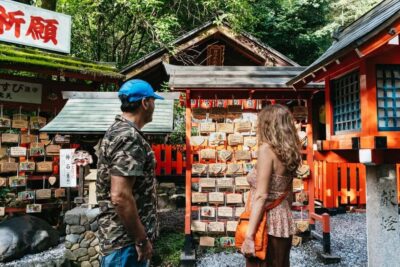
Nijo Castle, Kiyomizu & Fushimi Inari Guided Tour
Read our review →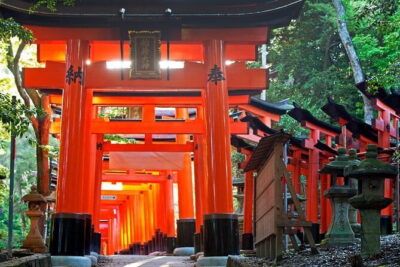
Nijo, Kinkaku-ji, Arashiyama, Kiyomizu & Fushimi Inari
Read our review →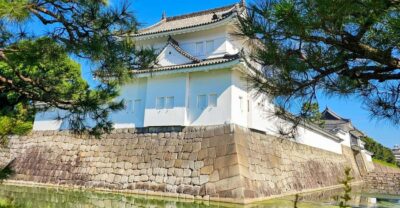
Imperial Palace & Nijo Castle Guided Walking Tour
Read our review →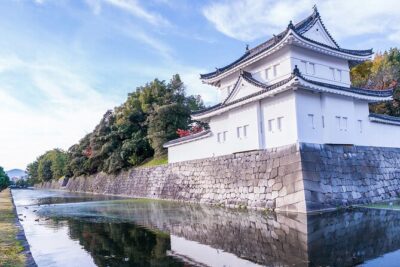
Nijo Castle World Heritage Guided Tour with Admission
Read our review →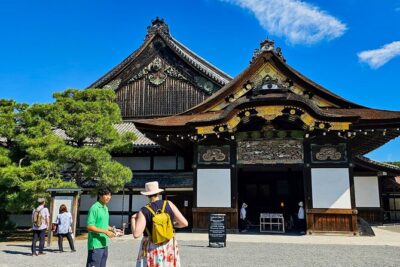
Kyoto Imperial Palace & Nijo Castle Guided Walking Tour – 3 Hours
Read our review →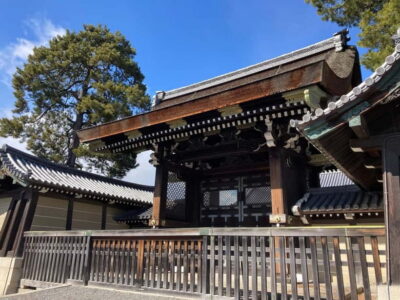
Nijo Castle and Kyoto Imperial Palace Guided Tour
Read our review →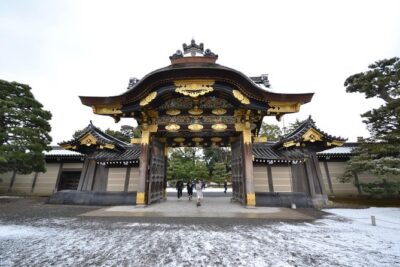
Nijo Castle and Imperial Palace Visit with Guide
Read our review →Also filed under