
Reviewed · WORKSHOPS
Kyoto: Japanese Koto Musical Instrument Class
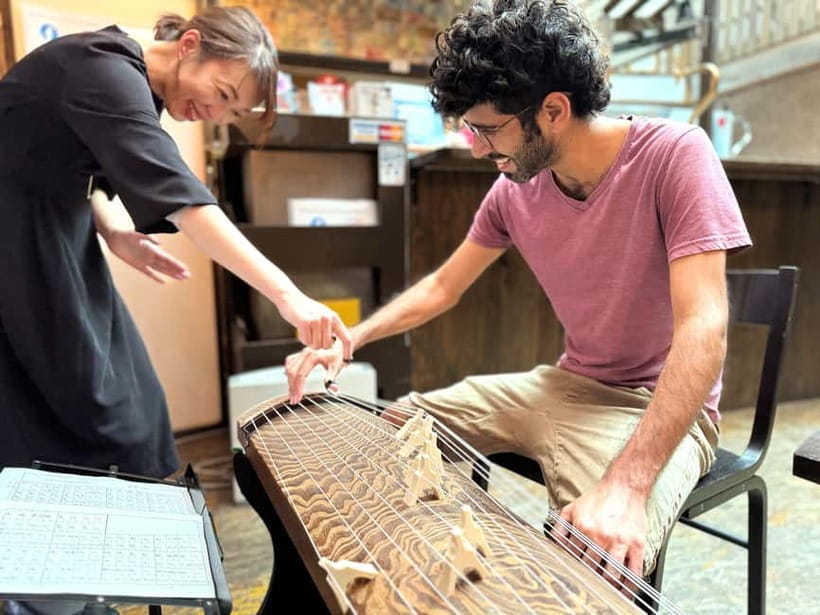
Koto lesson in Kyoto sounds almost too calm. That feeling starts with a live performance, then you jump straight into playing the Koto yourself and learn the classic folk song Sakura Sakura. I like that this is beginner-friendly and that the instruction keeps you moving step by step, not staring at a textbook.
One drawback to consider: this is a hands-on class, not a sightseeing shuffle. If you want your time to be mostly temples and neighborhoods on foot, plan a separate Kyoto walk before or after.
At Gojo Paradiso, right along the Takase River on Kiyamachi Street, you get the best of both worlds. A small group limited to 10 means you are not lost in a crowd, and the class runs 90 minutes in English and Japanese.
In This Review
- Key highlights you’ll actually feel
- Why This Kyoto Koto Lesson Feels Personal
- Getting There: Gojo Paradiso by the Takase River
- Your 90 Minutes Step by Step (What You Do, in Order)
- 1) Arrive and settle into the Gojo Paradiso setting
- 2) Start with a live Koto performance
- 3) Learn a beginner-friendly version of Sakura Sakura
- 4) Try additional songs once you get the hang of it
- 5) Record your moment
- The Big Moment: Playing Sakura Sakura for the First Time
- Teacher Matters: English and Japanese Coaching You Can Rely On
- Price and Value for a 90-Minute Culture Class
- Who Should Book This Kyoto Koto Class (And Who Might Skip It)
- Quick Practical Tips Before You Go
- Should You Book This Kyoto Koto Class at Gojo Paradiso?
Key highlights you’ll actually feel
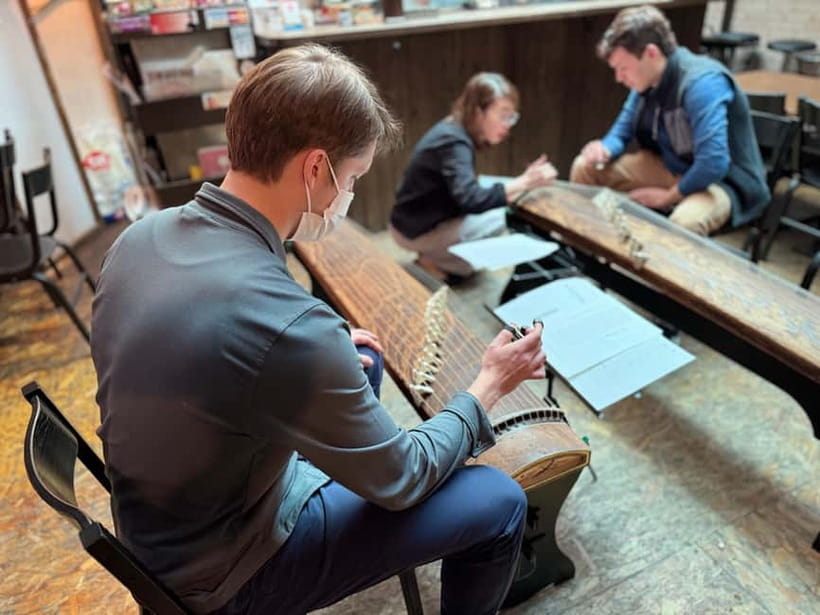
- Live Koto first, then you copy what you just heard, so it clicks fast
- Sakura Sakura practice gives you an immediate sense of progress
- Small-group coaching (up to 10 people) keeps feedback personal
- Photos and videos are part of the experience, so you leave with proof
- Kiyamachi Street by the Takase River adds a quiet Kyoto atmosphere
- No prior experience required, everything you need is provided
Why This Kyoto Koto Lesson Feels Personal
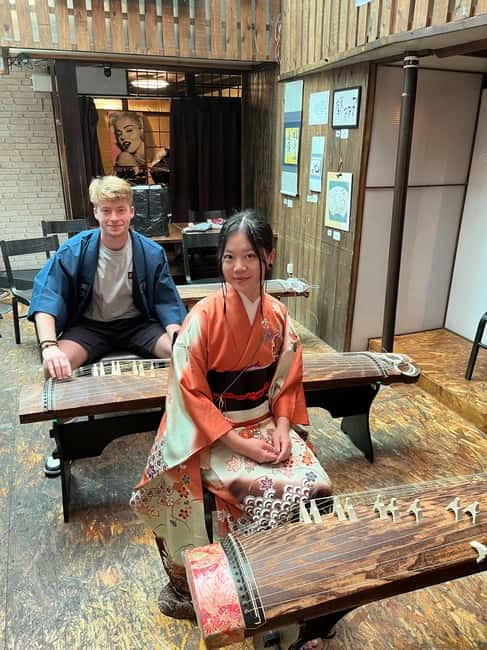
Kyoto can be overwhelming. Streets are busy, signs are everywhere, and your brain is always translating. This class is different because it asks you to slow down and listen first, then try, then adjust.
I also like the confidence boost you get from doing something tangible. Within the 90 minutes, you are not just watching. You are making music with your hands, guided by an instructor who can explain in English and Japanese.
The small group limit matters more than you might think. When there are only a handful of people, you can ask questions without feeling rushed, and the instructor can catch common beginner mistakes early.
Getting There: Gojo Paradiso by the Takase River
Your meeting point is Gojo Paradiso, on Kiyamachi Street along the Takase River. It is about a 5-minute walk from Keihan Kiyomizu Gojo Station and around a 10-minute walk from Keihan Shichijo Station.
This location is useful for two reasons. First, it puts you in central Kyoto, so you can combine it with an easy evening stroll later. Second, the riverside setting makes the whole lesson feel less like a classroom and more like a quiet cultural moment.
If you are arriving from nearby landmarks, take a moment to orient yourself to the river before you head in. You will feel less rushed once you see where the calm part of the evening starts.
A quieter way to spend a day in Kyoto
- Kyoto: 45-Minute Tea Ceremony Lesson Experience
★ 4.3 · 2,378 reviews - Ramen Cooking Class at Ramen Factory in Kyoto
★ 5.0 · 1,937 reviews - Kyoto : Chopsticks Making Workshop in Gion with Engraving Option
★ 5.0 · 958 reviews - Kyoto: Samurai Sword Class by Experts in Traditional Arts
★ 4.9 · 657 reviews
Your 90 Minutes Step by Step (What You Do, in Order)
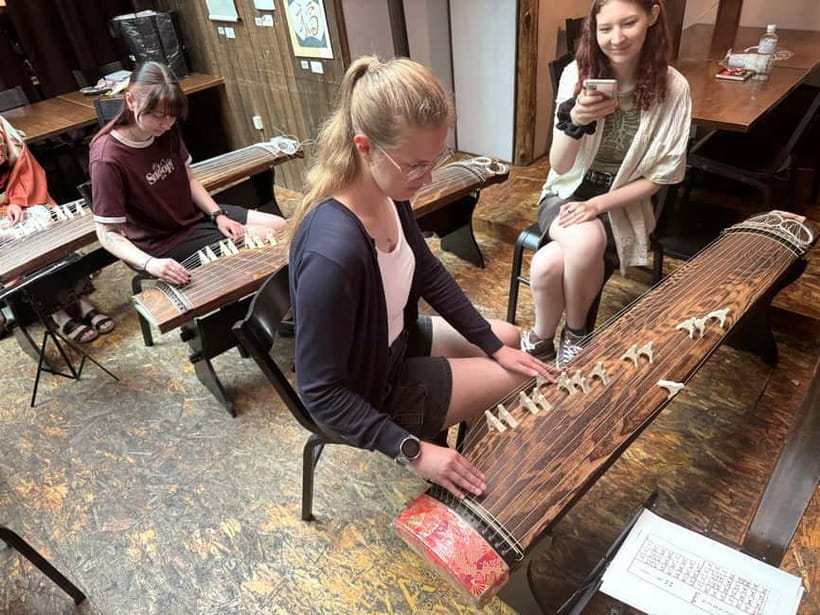
This is a structured lesson, but it is paced for beginners. The 90 minutes are built around one core idea: hear the music, then play the music.
1) Arrive and settle into the Gojo Paradiso setting
You will meet at Gojo Paradiso and get set up with the materials you need. The instructor team provides everything required, so you do not need to hunt down special equipment.
Because it is only 90 minutes, come ready to focus from the start. Phones are fine for photos and videos, but it helps to keep notifications silent once the lesson begins.
2) Start with a live Koto performance
Before you touch the instrument, you listen to a live Koto performance. This matters because you hear how the melody sounds in real life, not just in your head.
Listening first also reduces the intimidation factor. When you finally play, you have a clear sound reference for what you are aiming to produce.
3) Learn a beginner-friendly version of Sakura Sakura
Next comes the hands-on part. The class focuses on playing the famous Japanese folk song Sakura Sakura with your own hands. Even if you have never played an instrument before, the lesson structure is designed to make it achievable.
This is a great choice for first-timers because the song is recognizable and the goal is clear. You can hear the connection to Japan’s musical tradition right away.
A day of temples goes further with something to break it up.

4) Try additional songs once you get the hang of it
After you master the basics of Sakura Sakura, you can even try other songs. The lesson does not stop at one track, so the experience feels more like real learning and less like a one-and-done demo.
You will leave with the sense that you could keep improving if you had another chance.
5) Record your moment
The class includes time to capture photos and videos. I love this because it turns a cultural activity into a souvenir you can rewatch later and remember how it felt.
A practical tip: record a short clip, then watch it once you are done. This helps you notice what sounded right and what you want to do differently next time.
The Big Moment: Playing Sakura Sakura for the First Time
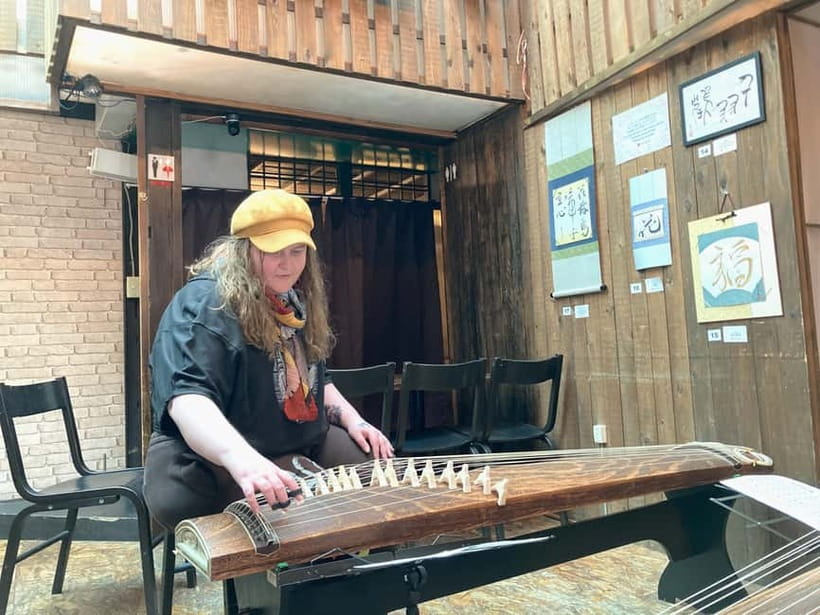
Sakura Sakura is the emotional centerpiece of the class. It is the “first song” for a reason: it gives you a memorable win that feels tied to Japanese culture, not just a generic music exercise.
What you should expect from this stage is incremental progress. You start by focusing on how the melody fits together, then you practice until it feels familiar enough to play with confidence. The instructor guides you, and beginner-friendly coaching keeps the experience from feeling frustrating.
From the teaching style shared by instructors in this class, you can also expect patience. People learning music for the first time often need extra repetition, and the feedback approach is built for that.
If you are the type who gets nervous performing, this is still a good bet. You are not on a stage. You are in a small-group lesson where the goal is learning, not impressing strangers.
Teacher Matters: English and Japanese Coaching You Can Rely On
The instructor can teach in English and Japanese, which is a big plus if you are in Kyoto for a limited time. Even if you are comfortable with basic phrases, having instruction available in English makes it easier to understand what you are supposed to do and why.
One standout detail from the experience is the instructor’s patience and friendliness. Names that come up include Natsuko, and the tone described is consistently supportive and clearly focused.
That coaching style changes how the lesson feels. When the instructor is calm, you can stay calm too. And when you stay calm, you pick up the lesson faster.
If you learn best by asking questions, this format also works. With a small group limited to 10 people, you have more opportunities to get clarification.
Price and Value for a 90-Minute Culture Class
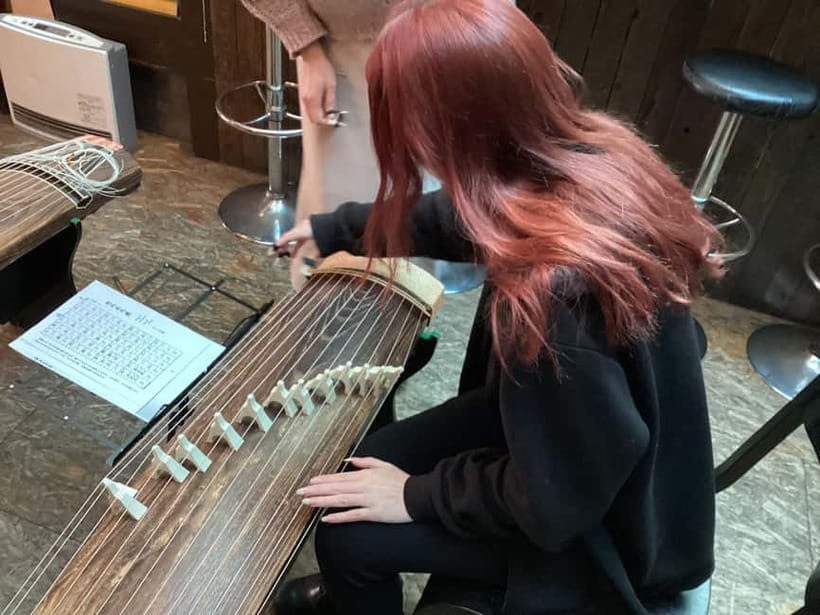
At $32 per person for 90 minutes, this is a very straightforward value proposition. You are paying for real instruction, not just entry to a venue. Materials are provided, and there is no prior experience required.
Here is why that pricing makes sense. You are getting several “learning components” in one session:
- a live performance as your model
- hands-on practice with direct coaching
- guidance to reach a complete, satisfying song moment
- time to try additional songs
- photos and videos so you capture the experience
Also, the class averages 4.9 out of 5 from 11 verified bookings. That does not guarantee your outcome, but it is a strong signal the lesson format is working for many first-timers.
If you are comparing it to other cultural activities in Kyoto, the biggest value edge is participation. Many experiences are watch-and-learn. This one is hands-on, and that memory tends to last longer.
Who Should Book This Kyoto Koto Class (And Who Might Skip It)
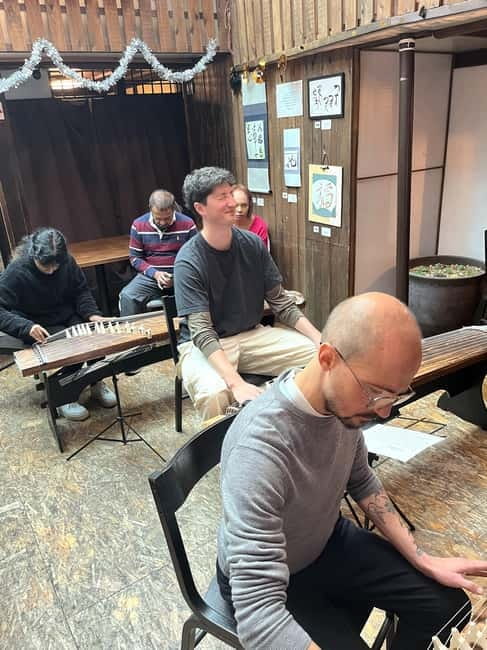
This is best for you if you fall into one of these buckets:
- you love Japanese culture and want something practical, not just scenic
- you want a beginner lesson that actually feels doable
- you like music, but you do not need to be “good” at instruments to enjoy it
- you want a small-group activity rather than a large tour
You might skip it if:
- you only want temple-hopping or neighborhood walks
- you are traveling with children under 10, because the experience is not suitable for them
Wheelchair access is available, so mobility needs are considered. If you use a wheelchair, you should still show up with a little extra time so you can settle comfortably.
Quick Practical Tips Before You Go
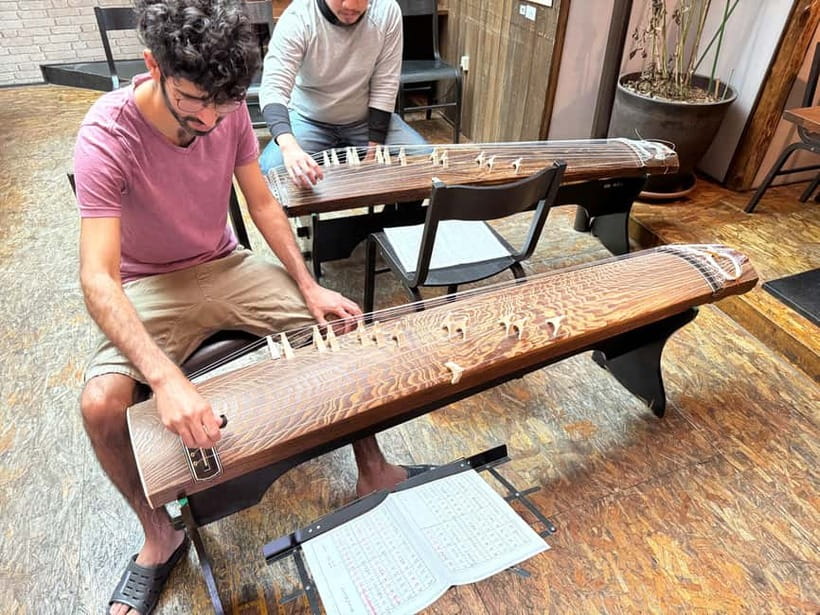
A few small choices make a big difference with classes like this:
- Go with a relaxed mindset. The goal is learning your first steps, not performing perfectly.
- Wear comfortable clothes. You will be focused for the full 90 minutes.
- Plan your day so you do not rush. After the class, you will probably want to stroll or reflect with your video clips in hand.
- If you care about recording, set your phone ready early and keep recording short clips.
Also, reserve in advance. Reservations are required at least 1 day ahead. If your schedule is flexible, you can book and pay later.
Should You Book This Kyoto Koto Class at Gojo Paradiso?
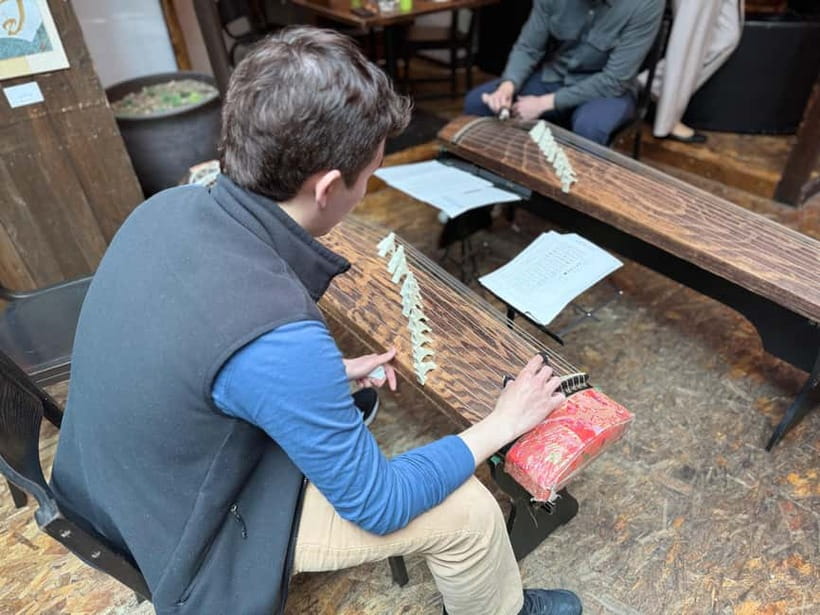
I would book it if you want a Kyoto experience that is both calm and hands-on. The combination of live performance first, Sakura Sakura practice, and patient beginner guidance makes it a rare activity where you actually leave with a skill, not just a photo.
Skip it only if your priority is maximum sightseeing with minimal seated focus. If you are okay spending 90 minutes learning something traditional, this is one of the more satisfying ways to understand Japanese music up close.
New This Season
- Koyasan Day Trip by Private Car from Kyoto
- Old Port Town and Ultimate Sake Tasting Private Tour From Kyoto
- Kyoto’s Timeless Charm: 3hr Exploration of History and Peace
- Kyoto: 5 Types of Sushi Making
- Sacred Peak & Ancient Paths: Kurama-Kibune Hiking Experience
- Kyoto: Exclusive ZEN practice at Manpukuji temple in Uji
- Kyoto: Private Seasonal Aroma Yoga Class
- Traversing Kyoto’s Scenic West – Arashiyama to Kinkakuji
Workshops, compared.
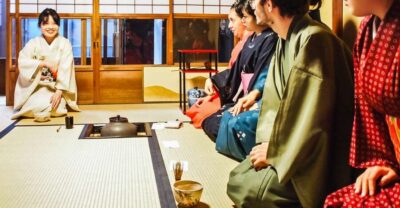

Ramen Cooking Class at Ramen Factory in Kyoto
Read our review →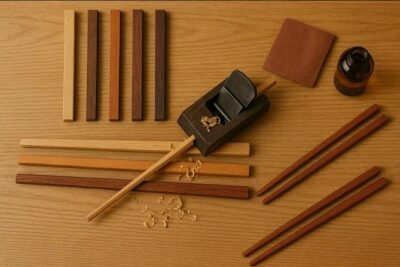
Chopsticks Making Workshop in Gion with Engraving Option
Read our review →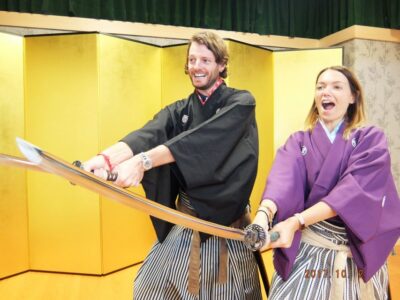
Samurai Sword Class by Experts in Traditional Arts
Read our review →
Ramen Cooking Class at a Ramen Factory with Souvenir
Read our review →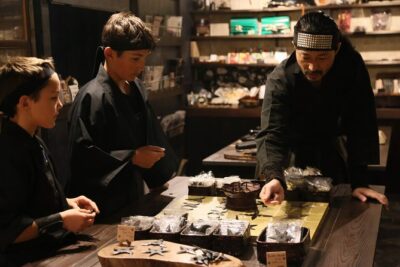
Ninja 1-hour Hands-on Lesson by Japanese master in Kyoto -Entry
Read our review →
The Original Small-Group Sushi Making Class in Kyoto
Read our review →Also filed under