
Reviewed · SUSHI-MAKING WORKSHOPS
Kyoto Making Wagyu Sushi experience
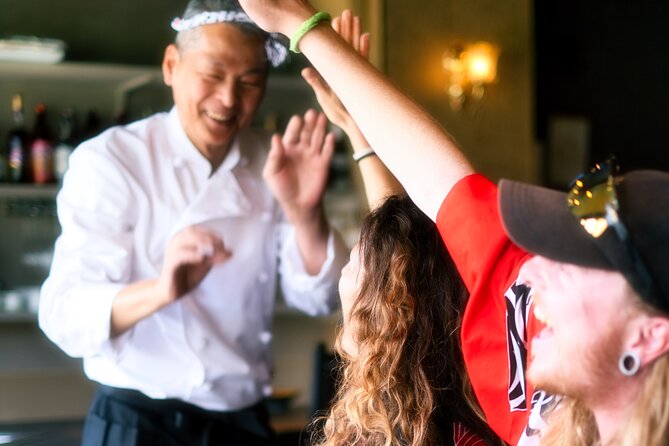
Hands and rice, the fun kind of learning. This Kyoto class has you make wagyu sushi step by step, from washing your hands to finishing plates. I especially like the hands-on flow and the fact that you eat what you make, not just watch.
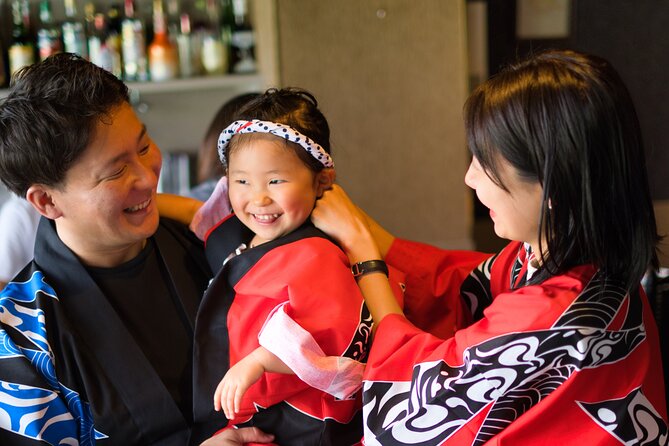
You also get a special happi coat, which instantly makes it feel like a real in-the-kitchen moment. Still, there is one downside to plan for: the meeting spot can be a little tricky to find inside the Golden Building, so give yourself extra time.
In This Review
- Key things I’d highlight before you go
- Wagyu Sushi in Kyoto starts at Cocotte Alpha’s Golden Building (3F)
- The 1 hour 15 minutes flow, from hand wash to plate ready
- Shari time: making sushi rice you can actually feel
- Nigiri assembly with wasabi choice, and why it matters
- Makizushi rolling, then the chef’s cut
- Gunkan maki and the seaweed size detail people miss
- Lunch is included, and it is not just a snack
- Chef Yoshi and the small-group vibe
- Price and value: $70 for 1 hour 15 minutes plus lunch
- Who should book this Kyoto wagyu sushi making experience
- Booking and timing tips for a smooth start
- Should you book Kyoto Making Wagyu Sushi?
- FAQ
- What is the duration of the Kyoto wagyu sushi making experience?
- How much does it cost, and what is included?
- Where does the experience start?
- What time does it start?
- Is this experience small-group or large-group?
- Is it family-friendly for children?
- Are allergies accommodated?
- What ticket do I receive?
- What happens if the weather is bad?
Key things I’d highlight before you go
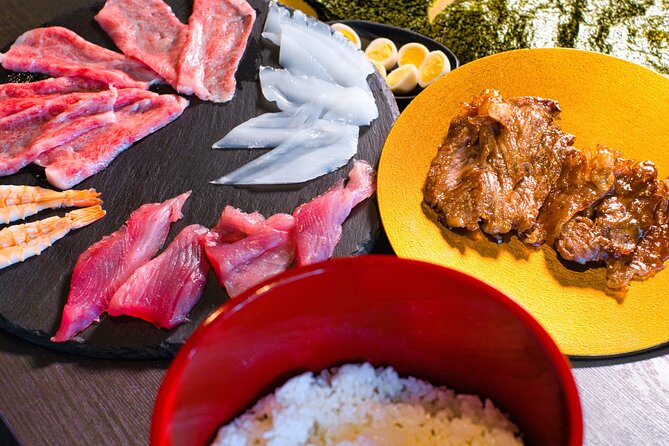
- Wagyu in sushi form, not just a teppanyaki steak meal
- Chef Yoshi selects fresh ingredients so your lunch ingredients feel top-notch
- Learn nigiri, maki, and gunkan maki instead of only one style
- Seaweed sizes differ for each sushi type, and that detail matters for balance
- Lunch is included, with sushi plus tempura, red soup, pickles, and a soft drink
- Allergy check up front, with eggs and shrimp specifically called out
Wagyu Sushi in Kyoto starts at Cocotte Alpha’s Golden Building (3F)
This experience is tied to Cocotte Alpha Premium Wagyu Teppanyaki Kyoto Pontocho, in the Kyoto Golden Building, 3F. Start time is 12:00 pm, and it ends back at the same meeting point. It is near public transportation, but the building layout can be confusing, so I’d treat this like a “show up early” plan.
What helps: use the full address from your booking, then focus on getting to 3F inside the Golden Building. One practical tip from real-life location headaches, avoid assuming the first elevator you see is the right one. If you get stuck, ask staff for help getting to the sushi experience room.
The group size is capped at 10, which keeps the pace friendly. You will get time to work, not just stand around watching someone else do it.
The 1 hour 15 minutes flow, from hand wash to plate ready
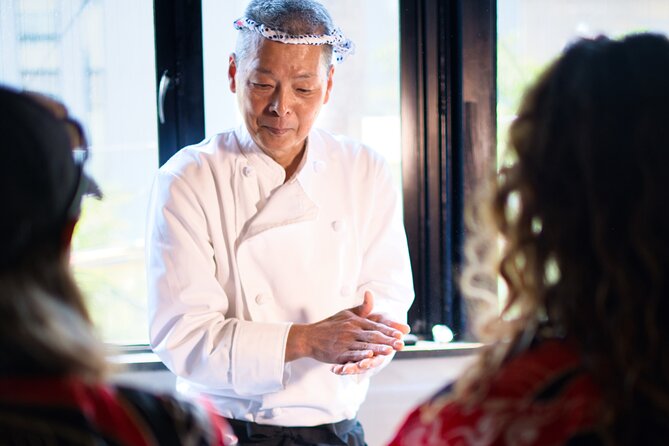
The class runs about 1 hour 15 minutes. Even though that sounds short, the structure keeps it moving in a way that still teaches the key sushi moves. You go in order, and each step builds the next.
Here is the rhythm you can expect:
1) Wash your hands
2) Make sushi rice, the shari
3) Add toppings, the neta
4) Assemble nigiri, and finish with optional wasabi
5) Roll makizushi
6) Have the chef cut the roll
7) Make gunkan maki, with the right seaweed size
8) Line everything up and say いただきます, then eat lunch
Because the class moves in stages, it is easier to learn than the usual “watch for 2 minutes, then good luck” setup.
Learn to roll your own sushi
- Sushi Making in Kyoto! Same-day bookings welcome!
★ 5.0 · 713 reviews - The Original Small-Group Sushi Making Class in Kyoto
★ 5.0 · 436 reviews - Kyoto: Small-Group Authentic Sushi Making Workshop
★ 5.0 · 137 reviews - Sushi – Authentic Japanese Cooking Class – the best souvenir from Kyoto!
★ 5.0 · 93 reviews
Shari time: making sushi rice you can actually feel
The first major skill is making shari, the sushi rice base. The goal is not just to make rice. It is to shape rice that feels right for holding a topping and for taking a bite that is clean, not mushy or dry.
Even if you have never made sushi before, this part is typically where a class pays off for non-experts. You learn how the rice should come together before you start placing toppings. This is also where your confidence starts. Once your hands understand the texture, the rest gets simpler.
If you are cooking for yourself at home later, shari is the core you will remember. The class gives you the process, so you are not stuck copying a one-time trick.
Nigiri assembly with wasabi choice, and why it matters
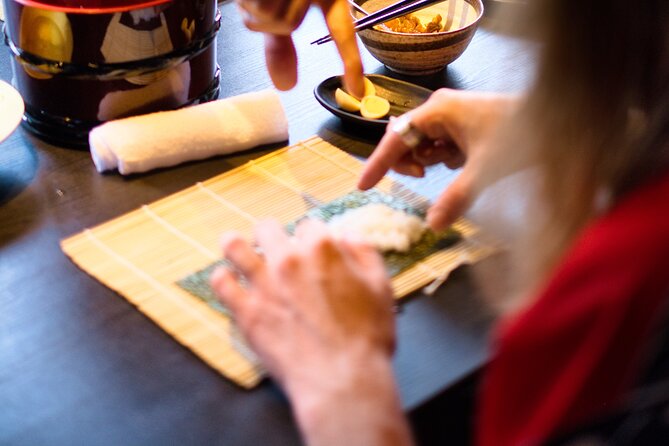
Next comes nigiri. You place the topping on the rice, creating the familiar sushi shape. The class includes the option to add wasabi if you want it. That small choice is useful because wasabi can be intense, and everyone’s preference is different.
This is also where wagyu makes the experience feel distinctive. You are not just learning a technique, you are learning how to balance rich meat with rice. With wagyu, the bite can be softer and more flavorful, so the rice texture matters even more.
You finish each nigiri by letting it become “one piece,” rice plus topping, ready to eat.
A nice practical detail: the pace allows you to make more than one nigiri. That means you are not leaving with a single pretty picture. You leave with a plate you genuinely helped create.
Makizushi rolling, then the chef’s cut
Then you switch gears to makizushi, the rolled sushi. Rolling can look simple from far away. Up close, it is all about pressure and alignment. The class walks you through the rolling step, and then the chef handles the cutting after the roll is complete.
Having the chef do the final cut is a smart compromise. It avoids turning your class into a knife skills lesson, and it keeps the finished pieces neat. You still get full credit for making the roll, since that is the main work.
For you, this means you learn the motion and feel of rolling, then you get the satisfying result of clean slices. It is a better learning loop than “roll once, then the chef takes over everything” or “roll and cut and hope.”
Gunkan maki and the seaweed size detail people miss
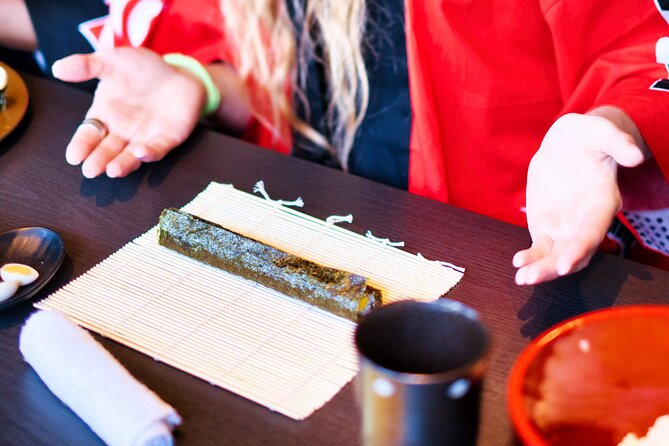
One of the more interesting parts is gunkan maki, the little sushi cups that need the right seaweed size. The class calls out that each type uses different seaweed dimensions. That matters because gunkan maki relies on seaweed holding shape around the filling.
If you try gunkan maki at home without paying attention to seaweed size, it often collapses or looks uneven. In this class, you get that detail explained through doing, not just by reading about it.
This is one of those “small detail, big payoff” skills. You leave understanding that sushi is engineering, not just artistry.
A day of temples goes further with something to break it up.
Lunch is included, and it is not just a snack
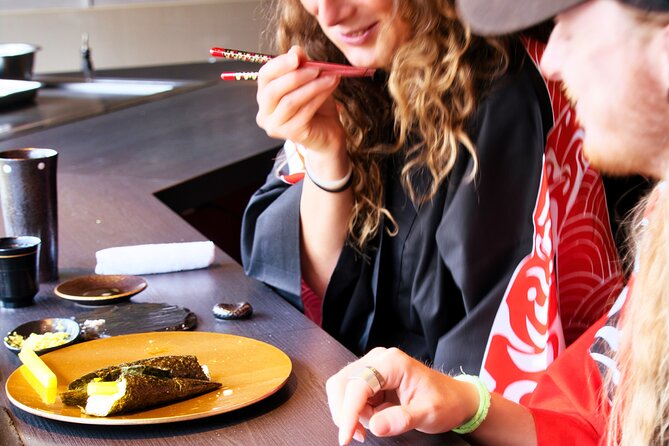
At the end, you arrange your made sushi and then いただきます. Then lunch hits. Included in lunch time are:
- sushi
- tempura
- red soup
- pickles
- soft drink
That is a solid meal bundle, and it changes how you should think about the price. You are not paying only for instruction. You are paying for a full lunch experience with multiple courses on the table.
Also, you are eating in the moment. When the class ends and you start eating, it feels like all the steps had a purpose. That connection is what turns “a class” into a true experience.
If you like food that is varied but still centered on one theme, this lunch setup works well. You get warm fried bites in tempura, a comforting soup, and crunchy or tangy pickles to keep the richness from feeling heavy.
Chef Yoshi and the small-group vibe
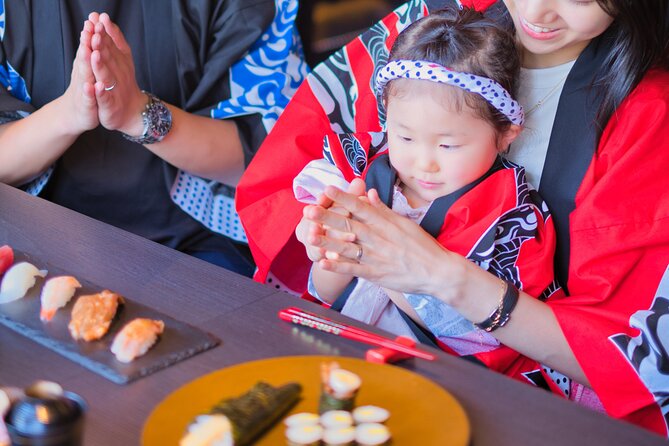
This is a small group, max 10. That size changes everything about attention. I like experiences where you can ask questions without waiting. You get that here.
In addition, Chef Yoshi picks fresh ingredients. That matters because sushi lives or dies on ingredient quality. If the ingredients are chosen well, your finished bites taste like the real thing, not like a classroom imitation.
There is also a vibe shift when the group is small enough that it can feel like a private session. Even with more people, it still feels personal because the activity is work you do with your own hands.
If you’re planning a date in Kyoto, this kind of shared food task is a great option. You get conversation while doing something fun, not just sitting and ordering.
Price and value: $70 for 1 hour 15 minutes plus lunch
At $70 per person, you might wonder if it is “just a class.” The key is what is included. You get:
- hands-on instruction in multiple sushi styles
- the chance to make nigiri, maki, and gunkan maki
- lunch with sushi, tempura, red soup, pickles, and a soft drink
- a small-group format
When you compare that to the price of a normal sit-down lunch plus the cost of a workshop, $70 starts to look fair, especially because you eat right away what you helped create. It also helps that sushi workshops in Kyoto can be popular, and this one is often booked about 40 days in advance on average. So the price reflects demand.
Also, you are not just getting a souvenir moment. You leave with technique you can repeat.
Who should book this Kyoto wagyu sushi making experience
I think this suits a few different types of travelers:
- Families: it is described as something children can do, and happi coats make it feel like a fun cultural moment rather than a strict lesson.
- Date planners: small-group setup plus shared food-making is a great match for people who want something more interactive than a standard restaurant meal.
- Food curious travelers: if you want more than surface-level sushi sightseeing, this gives practical skills in shari, nigiri, rolling, and gunkan assembly.
- People who like structure: the step-by-step flow is clear, so you are not guessing what happens next.
If you hate hands-on activities, or if you are short on time and want a purely observational experience, you might find the class aspect a lot. But if you like learning with your hands, this is a strong fit.
Booking and timing tips for a smooth start
Because the class starts at 12:00 pm and lasts about 1 hour 15 minutes, I’d plan your morning loosely and avoid rushing. Show up early, especially if you know you might have trouble with the Golden Building elevators.
This experience also requires good weather. If weather is poor and the activity gets canceled, you will be offered either another date or a full refund. That’s important because it affects planning if you are traveling with tight day-by-day schedules.
If you want the best chance at a small group, book ahead. This one is commonly reserved about 40 days in advance.
Should you book Kyoto Making Wagyu Sushi?
Yes, if you want a Kyoto lunch that doubles as a real cooking lesson. The combination of hands-on nigiri, makizushi, and gunkan maki plus a full included meal makes it feel like better value than many “watch and snack” experiences.
I’d also recommend it if you enjoy food details. The seaweed size point and the way the class builds from shari to assembly are the kinds of practical notes that actually help.
The only strong caution is location stress. Go a bit early and follow the exact 3F meeting point directions, because getting inside the Golden Building can be the annoying part.
If you want a fun, structured, and edible Kyoto memory, this one is a great bet.
FAQ
What is the duration of the Kyoto wagyu sushi making experience?
It lasts about 1 hour 15 minutes.
How much does it cost, and what is included?
It costs $70 per person and includes lunch time food: sushi, tempura, red soup, pickles, and a soft drink.
Where does the experience start?
It starts at Cocotte Alpha Premium Wagyu Teppanyaki Kyoto Pontocho, Kyoto Golden Building 3F, Nakagyo Ward, Zaimokuchō, 175, Kyoto, Japan.
What time does it start?
The start time is 12:00 pm, and it ends back at the meeting point.
Is this experience small-group or large-group?
It has a maximum of 10 travelers.
Is it family-friendly for children?
Yes. The experience is described as available for children, so families can participate.
Are allergies accommodated?
You should inform the provider in advance if you have allergies, specifically eggs or shrimp.
What ticket do I receive?
You use a mobile ticket.
What happens if the weather is bad?
The experience requires good weather. If it is canceled due to poor weather, you are offered a different date or a full refund.
New This Season
- Koyasan Day Trip by Private Car from Kyoto
- Old Port Town and Ultimate Sake Tasting Private Tour From Kyoto
- Kyoto’s Timeless Charm: 3hr Exploration of History and Peace
- Kyoto: 5 Types of Sushi Making
- Sacred Peak & Ancient Paths: Kurama-Kibune Hiking Experience
- Kyoto: Exclusive ZEN practice at Manpukuji temple in Uji
- Kyoto: Private Seasonal Aroma Yoga Class
- Traversing Kyoto’s Scenic West – Arashiyama to Kinkakuji
Sushi-Making Workshops, compared.
Sushi Making in Kyoto! Same-day bookings welcome!
Read our review →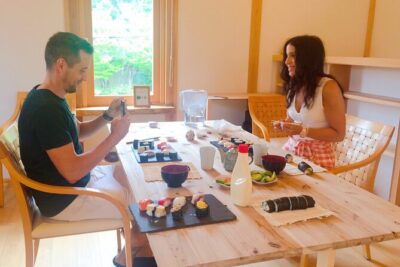
The Original Small-Group Sushi Making Class in Kyoto
Read our review →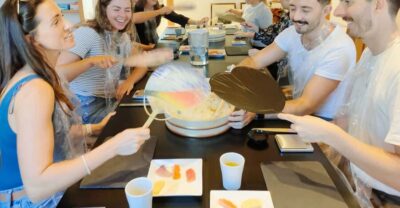
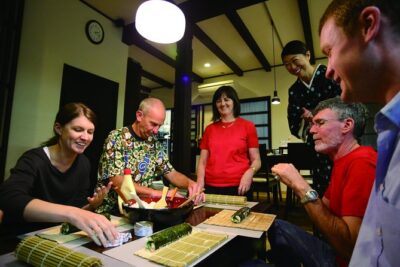
Sushi – Authentic Japanese Cooking Class – the best souvenir from Kyoto!
Read our review →
Private Kyoto Sushi Cooking Class & Tea Ceremony with Emika
Read our review →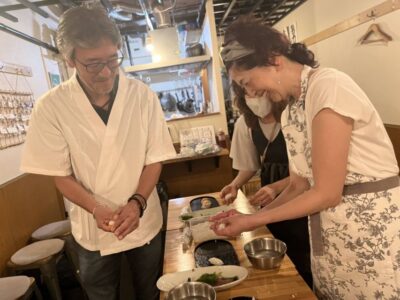
Enjoy Sushi & Market Tour! Best for Family & Couple!
Read our review →
Sushi or Traditional Japanese Cuisine in a Kyoto Home with Emika
Read our review →Also filed under