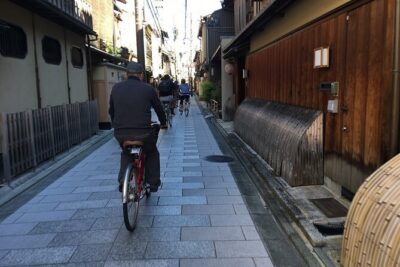
Reviewed · MORNING
Kyoto Morning Run tour with local guide-Discover new Kyoto-
Kyoto looks different when you run at dawn. This 90-minute sunrise run with an English guide is a simple way to see Kyoto before the day gets loud, and you cover real sights while the light is soft. I especially like the small group setup (up to 6), because you can actually talk, ask questions, and keep your pace without feeling rushed. If your guide is Itsuki, you can also count on clear English and a fun running rhythm.
My second favorite part is the different route each day, which means you can join more than once and still feel like you are seeing Kyoto fresh. The main drawback is that this is still a run for 90 minutes, so if you have low fitness or you want a stop-every-block walking tour, this may not match your style.
In This Review
- Key highlights to know before you go
- Why Kyoto at sunrise works for a running tour
- Start at Misayama Park, then follow the English guide
- Three routes you can run: Eastern Zen, Riverside Kamo, Imperial Legacy
- Eastern Zen Route: Heian Shrine to Nanzen-ji and Philosopher’s Path
- Riverside Kyoto Route: Kamo River with Shimogamo Shrine
- Imperial Legacy Route: Kyoto Gyoen, Kitano Tenmangu, Seimei Shrine, and Nijo Castle views
- How the 90 minutes actually unfold on the ground
- Making sense of the sights: temples, shrines, and Kyoto details in early light
- Comfort and weather: what to bring for a morning jog
- Price and value: is $25 worth 90 minutes of guided running?
- Who this Kyoto Morning Run suits best, and who should skip it
- Practical tips before you meet at Misayama Park
- Should you book this Kyoto Morning Run tour?
- FAQ
- Where is the meeting point for the Kyoto Morning Run?
- How long is the tour?
- Is the tour in English?
- How many people are in the group?
- What routes are offered?
- Are temple and shrine entrance fees included?
- What should I bring, and what is not allowed?
Key highlights to know before you go
- Sunrise timing in Kyoto means cooler air and fewer crowds around major sights
- Small group, up to 6 people keeps the pace manageable and conversation easy
- 3 daily route options let you mix Eastern Zen, riverside Kamo, or Imperial-area history
- Short stops plus photo time help you see a lot without turning it into a long slog
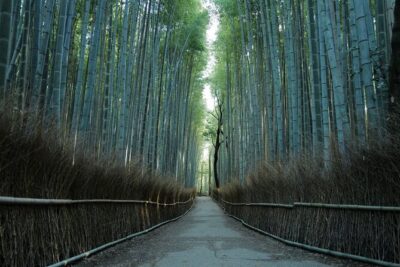
- A guide who adds real local color including lesser-seen spots like bamboo areas
Why Kyoto at sunrise works for a running tour
Kyoto at dawn has a different mood. The streets feel calmer, the sky is brighter without being harsh, and the first temple silhouettes can look almost unreal. This Kyoto Morning Run leans into that, giving you a moving perspective that you cannot get from standing in one place.
I also like that you are not trying to do everything on your own schedule. The guide keeps you pointed in the right direction and helps you make sense of what you are seeing, from shrines to river stretches. It is a great fit if you want “active sightseeing,” not just a checklist.
There is another practical benefit. When you run early, you usually beat the crowds that build later around popular temple areas. That can mean more space to pause for photos, and more calm for quiet moments by water.
Start at Misayama Park, then follow the English guide
The meeting point is Misayama Park (御射山公園), in front of a cake shop. No hotel pickup, so you will want to plan your morning transport accordingly and build in a little extra time to arrive before the run starts.
This is an English-language tour with a live guide, and the group stays small. Limited to 6 participants, the tour does not feel like you are being shepherded with dozens of strangers. In one recent run, the guide Itsuki was described as friendly, fun, and running with the group while speaking English clearly. That matters, because you are more likely to ask questions and actually understand what you are passing.
Pace is “running,” but it is not a speed workout. One review noted that short stops kept the effort low aerobic even while covering around 8 km in 90 minutes. If you can jog comfortably and you do not need to sprint, you should be in the right zone.
Beat the crowds with an early start
- Kyoto Early Morning Tour with English-Speaking Guide
★ 5.0 · 1,427 reviews - Kyoto: Early Morning Tour with English-Speaking Guide
★ 4.9 · 1,128 reviews - From Kyoto: Nara Guided Morning Tour
★ 4.6 · 335 reviews - Kyoto Morning Tour from Kyoto or Osaka
★ 4.0 · 281 reviews
Three routes you can run: Eastern Zen, Riverside Kamo, Imperial Legacy
One of the smartest parts of this tour is that the route changes every day. That means you can pick the route that matches your interests, and you can join again on another morning without repeating the same loop.
You will also want to confirm which route is scheduled for your day, since there is a different course each morning.
Eastern Zen Route: Heian Shrine to Nanzen-ji and Philosopher’s Path
If you want temples and that famous Kyoto atmosphere, the Eastern Zen Route is the one to choose. You run through a serene part of the city, starting with stops around Heian Shrine and Nan zen-ji Temple, then you follow the Philosopher’s Path before ending near Ginkaku-ji (Silver Pavilion).
What to expect here is a lot of slow-looking scenery. Even while you are jogging, this route encourages pauses for photos and short looks at details. The Philosopher’s Path is also known for a canal-side feel, and mornings can make it calmer and more peaceful than later in the day.
A realistic consideration: if you dislike crowds entirely, even dawn routes can get some attention around the most recognizable landmarks. But the timing helps, and the guide-led pace means you are not just stuck at the same spot.
Riverside Kyoto Route: Kamo River with Shimogamo Shrine
The Riverside route is for you if you want water views and a sense of local rhythm. You run along the Kamo River, where you may see early-rising locals moving about, then you visit Shimogamo Shrine, which is described as an ancient UNESCO site set in a forest area.
This is a lovely contrast to the more temple-dense eastern route. Instead of focusing mainly on iconic buildings, you get more time with open-air stretches and the calmer feeling of running beside a river.
Practical note: river paths can be uneven in places. Wear shoes made for city pavement and light roots or rough spots. Comfort matters more than “pretty sneakers.”
Imperial Legacy Route: Kyoto Gyoen, Kitano Tenmangu, Seimei Shrine, and Nijo Castle views
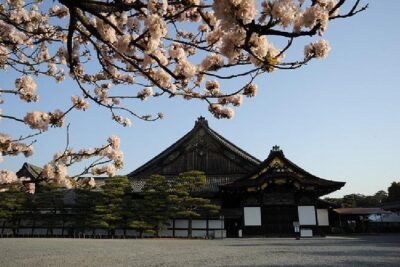
This route is the best pick if you like palace gardens and shrine hopping in one run. You start with the spacious grounds around the Kyoto Imperial Palace (Kyoto Gyoen), then continue to historic shrines such as Kitano Tenmangu and Seimei Shrine. The finish includes a view toward Nijo Castle.
This option tends to feel like “Kyoto on a bigger scale.” Gardens and palace grounds give you breathing room, then shrines add atmosphere and symbolism. If you are the type who likes to see how different parts of Kyoto connect, this route can click fast.
One small caution. Since entrance fees are not included, some of what you see may be outside viewing, photo stops, or guided explanations rather than a fully ticketed visit into every building. If you want full interior access, plan on paying separately when it applies.
A quieter way to spend a day in Kyoto

How the 90 minutes actually unfold on the ground
The tour runs for 90 minutes, and it is built around a steady flow: jogging time, short break time, photo stops, and guided visits as you go. The itinerary format is simple, but the structure is what keeps it enjoyable instead of exhausting.
That “break plus photo stops” combo is key. It is how you can keep the effort light enough to enjoy the scenery, and it is also how the guide can point out details you would probably miss at running speed. One review specifically mentioned “low aerobic” effort even at an estimated distance of about 8 km, with those small stops helping along.
You will also hear explanations as you move. The tour includes views of temples, rivers, and lesser-known spots, and the guide is there to connect the dots. In one experience, Itsuki shared a secret-style bamboo forest area that people often walk past without realizing it is there.
Because the tour is small, you can usually adapt on the fly. If you need a slower moment, you are not being swept along by a huge group.
Making sense of the sights: temples, shrines, and Kyoto details in early light
Kyoto’s spiritual and historical sites can feel overwhelming if you try to hit them all at random times. This tour helps because it keeps you moving through a logical morning sequence, rather than hopping around blindly.
Here is what stands out by route, and what you should pay attention to:
- Heian Shrine and Nanzen-ji (Eastern Zen): watch for the transition from shrine grounds into larger temple complex vibes. Early light can make stone textures and gate shapes pop.
- Philosopher’s Path (Eastern Zen): look for the calm rhythm of water and stone. Morning pace makes it easier to pause without feeling like you are in a photo line.
- Ginkaku-ji (Silver Pavilion) area (Eastern Zen): expect a strong “Kyoto postcard” feel, but try not to race straight to the most obvious view. Let the guide point out the best angles for your time window.
- Kamo River (Riverside): you are running with the city’s daily flow. Even small glimpses of early locals are part of the value here.
- Shimogamo Shrine (Riverside): the forest setting is a big part of the mood, so slow down mentally when you reach the greenery. It can feel cooler and quieter right when you enter.
- Kyoto Imperial Palace gardens and surrounding shrines (Imperial Legacy): this route is good for sensing Kyoto as a planned landscape, not just a string of buildings.
- Kitano Tenmangu and Seimei Shrine (Imperial Legacy): listen for the guide’s explanations, because shrine details matter, and it is hard to pick up meaning without context.
- Nijo Castle view (Imperial Legacy): you may not get a long stay, but the sight-line is a nice finish that ties the morning into bigger landmarks.
If you want to get the most out of your photos, dress for quick stops. You will want a hat and water so you can stay comfortable while you pause for pictures.
Comfort and weather: what to bring for a morning jog
This tour gives you a checklist that is refreshingly practical. Wear comfortable running shoes and clothing, and bring a hat, drinks, sunscreen, and water.
Morning Kyoto can surprise you. Even if the day looks mild, the air can be cooler than expected when you start early. One review also mentioned rain during their run, and the rain made it cooler and easier. That suggests the tour does not automatically turn into a frustrating slog when weather shows up, but you still need to be ready.
Also read the rules. No smoking, and no alcohol or drugs. Baby strollers and baby carriages are not allowed, and boots are not allowed. If you are traveling with gear, keep it light and running-friendly.
Price and value: is $25 worth 90 minutes of guided running?
At $25 per person for 90 minutes, this is one of the more budget-friendly ways to get a guide for Kyoto sightseeing. You are not paying for private transport, hotel pickup, or a long day of multiple vehicle transfers. Instead, you are paying for three things that actually matter on the ground: a fluent English guide, a small group size, and a set of routes that get you to major areas efficiently.
The value gets even better when you think about repeat visits. Since there is a different route each day, you can join multiple mornings and keep it from feeling like you bought the same thing twice.
The one part to mentally budget for is that entrance fees to temples and shrines are not included, along with meals and drinks. So the tour price covers the running, guidance, and sight time, but you might still spend on any ticketed access you choose to add.
If you already plan to do morning exercise anyway, this fits neatly into your schedule. If you do not run much, you can still choose it as an easy introduction, as long as you show up with comfortable shoes and a realistic effort level.
Who this Kyoto Morning Run suits best, and who should skip it
This tour is listed as not suitable for several groups:
- children under 6
- people with mobility impairments
- wheelchair users
- people with altitude sickness
- people with low level of fitness
- babies under 1 year
- people over 95 years
From a lifestyle standpoint, I think this tour is best for you if you:
- want an active way to see Kyoto before crowds
- enjoy jogging at an easy to moderate pace
- like guided context for temples and shrines
- would rather do one focused morning loop than chase spots all day
It may not fit you if your ideal Kyoto day is fully seated or if you need a totally flat, slow, no-surprises walk. This is a run, and the course includes streets and paths where your feet will do the work.
Practical tips before you meet at Misayama Park
A few small choices can make this morning run smoother:
- Plan to arrive early at Misayama Park, in front of the cake shop, so you can start on time.
- Bring water even if the weather feels mild. You will be moving for 90 minutes.
- Confirm the route of the day ahead of time by contacting the tour, so you can match the plan to your interests.
- Use sunscreen and a hat. Sunrise still means sun, and you are out long enough to feel it.
- Keep your expectations realistic about entrances. Temples and shrines are in the route, but entrance fees are not included.
If you are joining more than once, rotate routes: Eastern Zen for classic temple vibes, Riverside for calm river running, Imperial Legacy for gardens and shrine variety.
Should you book this Kyoto Morning Run tour?
Book it if you want a guided, small-group sunrise activity that actually gets you moving while still showing you Kyoto’s most meaningful areas. The different routes, up to 6-person group size, and English-speaking guide are a strong match for people who like an early start and an efficient itinerary.
Skip it if running is not your thing, your fitness is low, or you want a slow walking tour with long, ticketed indoor time. You will also want a different plan if you need hotel pickup or you rely on stroller access.
If your Kyoto mornings are already crowded in your mind, this gives you a fresh angle. It is not just exercise, it is a way to see temple gates, shrine forests, and river edges in the calmest light they get all day.
FAQ
Where is the meeting point for the Kyoto Morning Run?
The meeting point is Misayama Park (御射山公園), in front of a cake shop.
How long is the tour?
The duration is 90 minutes.
Is the tour in English?
Yes. The live tour guide speaks English.
How many people are in the group?
The group is small, limited to 6 participants.
What routes are offered?
There are 3 unique routes: Eastern Zen Route (Ginkakuji and Philosopher’s Path), Riverside Kyoto Route (Kamo River and Shimogamo Shrine), and Imperial Legacy Route (Kyoto Gyoen and shrines).
Are temple and shrine entrance fees included?
No. Entrance fees are not included.
What should I bring, and what is not allowed?
Bring comfortable running shoes, a hat, drinks, sunscreen, and water. Not allowed: baby strollers or baby carriages, smoking, alcohol or drugs, boots, and party groups.
New This Season
- Koyasan Day Trip by Private Car from Kyoto
- Old Port Town and Ultimate Sake Tasting Private Tour From Kyoto
- Kyoto’s Timeless Charm: 3hr Exploration of History and Peace
- Kyoto: 5 Types of Sushi Making
- Sacred Peak & Ancient Paths: Kurama-Kibune Hiking Experience
- Kyoto: Exclusive ZEN practice at Manpukuji temple in Uji
- Kyoto: Private Seasonal Aroma Yoga Class
- Traversing Kyoto’s Scenic West – Arashiyama to Kinkakuji
Morning, compared.
Kyoto Early Morning Tour with English-Speaking Guide
Read our review →Early Morning Tour with English-Speaking Guide
Read our review →

Traditional Japanese Washi Papermaking- Kyoto morning
Read our review →