
Reviewed · COOKING CLASSES
Kyoto: Morning Japanese Bento Cooking Class
Nothing like cooking breakfast in Japan. This Kyoto morning bento class has you making several classic dishes with hands-on guidance, then eating a finished lunch you put together yourself. I especially like the step-by-step pacing and the fact that the staff can handle swaps like no-shellfish or vegetarian versions. One thing to consider first, there is no hotel pickup, so you will need to get to Cooking Sun on your own.
If you care about food beyond just tasting it, this is a strong choice. The class also gives you cultural context for what bento means and why it became such a Japanese staple. The kitchen setup is very instructional, but it is not the kind of course where you should expect advanced knife-skill training.
In This Review
- Key highlights worth showing up early for
- A Kyoto morning bento class that actually teaches you food
- Cooking Sun, Funayacho: getting there without stress
- What the 2.5 to 3 hours feels like in the kitchen
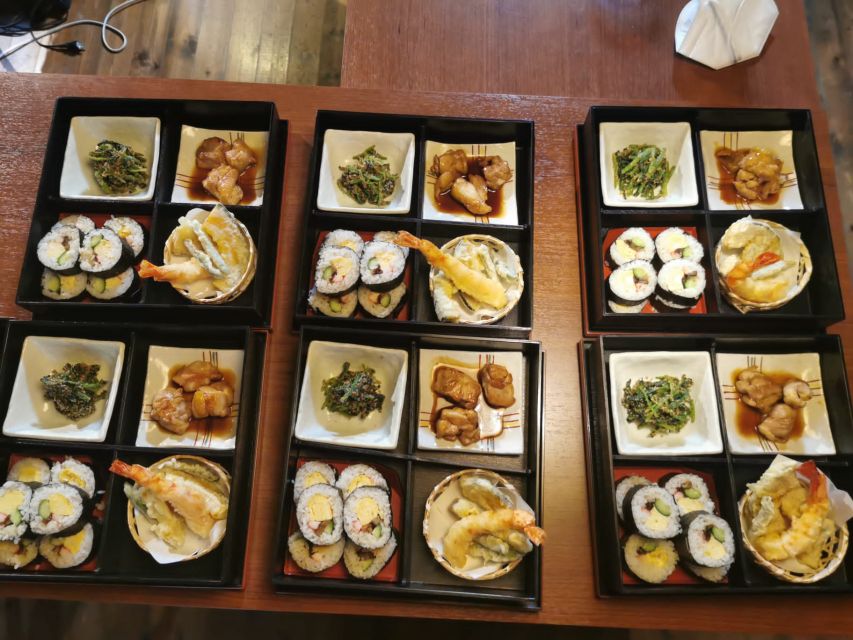
- Bento building blocks: sushi, tempura, teriyaki chicken, miso soup
- Sushi component: practice the logic, not just the roll
- Tempura: crispness comes from timing and batter behavior
- Teriyaki chicken: sweet-salty flavor that stacks well
- Miso soup: balance and that comfort-bowl finish
- Bento culture you can explain at dinner
- Lunch is not an afterthought, it is the point
- English instruction, small groups, and name-brand helpfulness
- Dietary needs: how to get the right version for your plate
- Price and value: is $67 for 3 hours fair?
- Who this Kyoto bento class suits best
- Practical tips to make your morning easier
- Should you book this Kyoto morning bento class?
- FAQ
- What dishes do you learn to make in the class?
- How long is the Kyoto morning bento cooking class?
- Where is the meeting point?
- Is lunch included?
- What is included in the price?
- Is hotel pickup or drop-off included?
- What language is the instruction in?
- Can the class accommodate dietary requirements?
Key highlights worth showing up early for
- Make a full bento box in one morning, not a tiny tasting portion
- Learn the core flavors and techniques behind sushi, tempura, teriyaki chicken, and miso soup
- Small groups (often up to about 8, sometimes even smaller) mean more help when you need it
- English instruction plus written recipes, so you can repeat the dishes at home
- Dietary accommodations are possible when you mention needs during booking
- You finish by eating your own lunch, including the satisfaction of proper bento arrangement
A Kyoto morning bento class that actually teaches you food
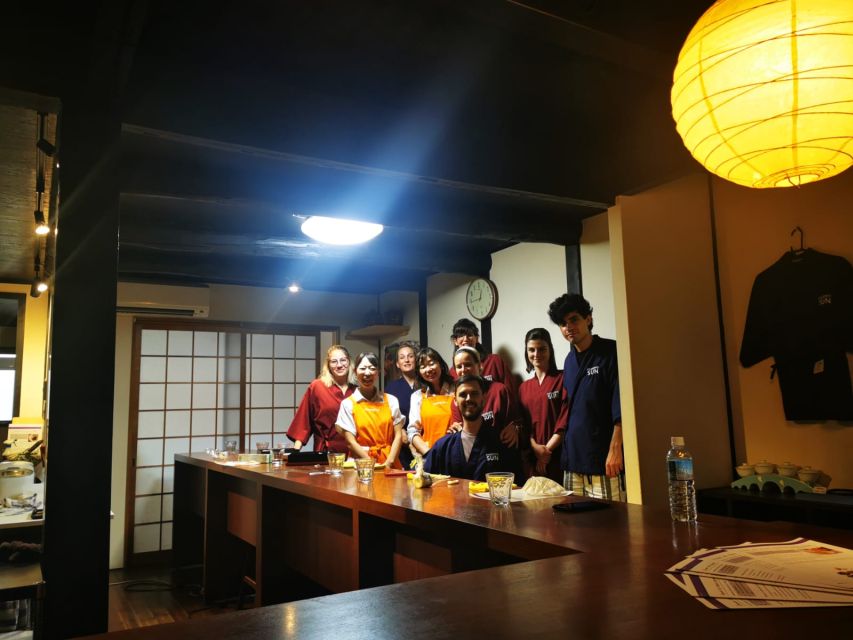
Bento is one of those Japanese words that feels simple until you see how much thought goes into it. A good bento is portion control, balance, and a visual order that makes a lunch feel special even when it is taken on the go. A morning class adds another bonus: you get the experience with fresh energy, before Kyoto crowds fully hit.
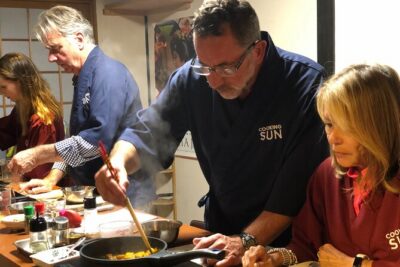
What makes this class appealing is the mix of skill and culture. You are not just watching. You follow a chef’s lead, use utensils and ingredients provided, and then you eat what you made.
Cooking Sun, Funayacho: getting there without stress
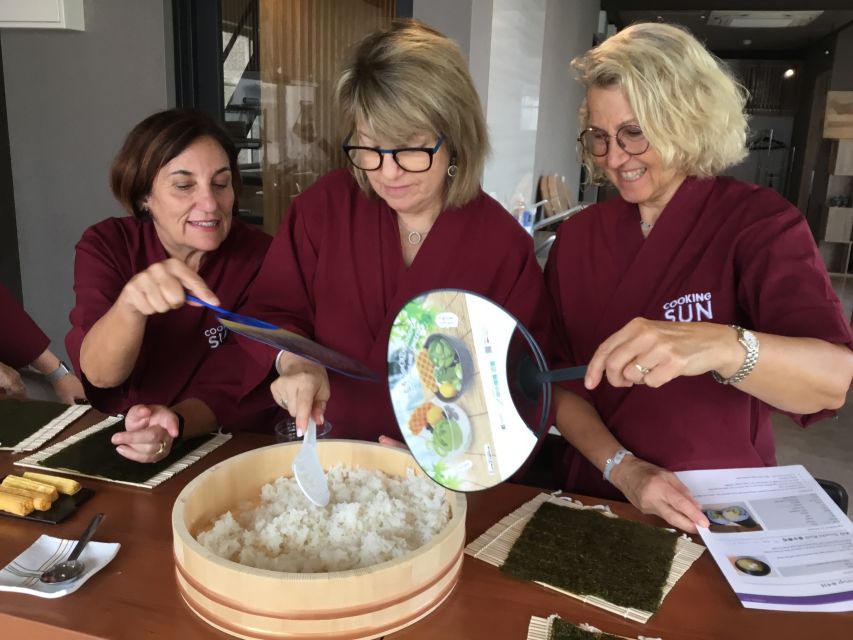
The meeting point is Cooking Sun, Funayacho, Shimogyo Ward, Kyoto 600-8466. Hotel pickup and drop-off are not included, so plan your route like you would for a museum or cooking shop, not a guided bus tour.
This matters because the only real scheduling pressure here is arriving on time. If you are staying in central areas like Gion or Kyoto Station, you will likely find it manageable by taxi or transit, but do not assume the class staff will pull you in with a pickup.
If you have food allergies or strong preferences, this is also the moment to line those up. You should advise dietary requirements when booking, and the class has shown it can adjust meals like shellfish-free and vegetarian options.
Beat the crowds with an early start
- Kyoto Early Morning Tour with English-Speaking Guide
★ 5.0 · 1,427 reviews - Kyoto: Early Morning Tour with English-Speaking Guide
★ 4.9 · 1,128 reviews - From Kyoto: Nara Guided Morning Tour
★ 4.6 · 335 reviews - Kyoto Morning Tour from Kyoto or Osaka
★ 4.0 · 281 reviews
What the 2.5 to 3 hours feels like in the kitchen
Expect a morning rhythm that moves. You arrive, collect your ingredients plus apron and utensils, then you watch the chef demonstrate what comes next. The class runs about 2.5 to 3 hours, and in that time you will make multiple components that all fit together into one bento lunch.
A key practical detail: some prep is done for you. Several past participants noted it is not a knife-skill heavy class, meaning you can focus on assembly, timing, and technique rather than struggling with raw basics. That makes it a great fit if you are on vacation and want real results, not a slow intro course.
Most sessions are run by English-speaking instructors, and you may work with two chefs at once. That often helps because while one person explains, another can check your progress so you do not fall behind.
Bento building blocks: sushi, tempura, teriyaki chicken, miso soup
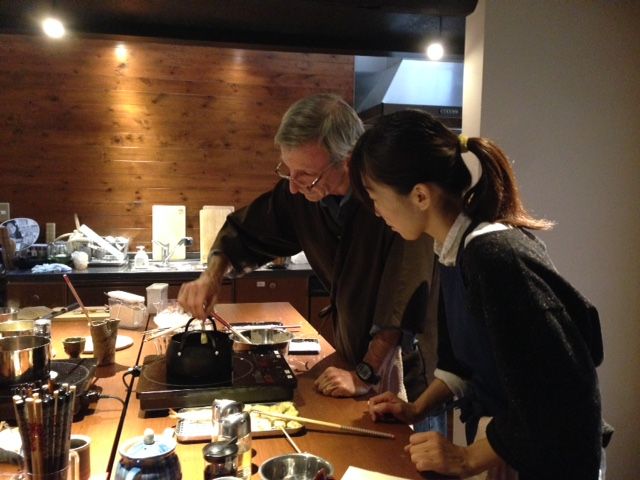
The menu has four big anchors, and learning them together is what gives the class its value. Each dish trains a different part of Japanese cooking, from texture and heat control to flavor building and careful serving.
Sushi component: practice the logic, not just the roll
Sushi in a bento format usually means thinking in small portions and clean, repeatable steps. The class includes learning how to make sushi as part of your overall box, and the instructors explain the tricks that help the final look and taste come out right.
The takeaway for you is mindset: sushi is less about one magic step and more about consistent handling and simple technique you can repeat later.
Tempura: crispness comes from timing and batter behavior
Tempura is where many home cooks start over and over again because it is easy to undercook or end up with soggy results. In class, you get guidance on the process and you also get to experience ingredients and steps you may not try at home yet.
Even if you do not become a tempura expert in one session, you will leave with a clearer sense of what matters: heat, batter behavior, and when to stop.
A quieter way to spend a day in Kyoto
Teriyaki chicken: sweet-salty flavor that stacks well
Teriyaki chicken is a bento workhorse for a reason. It is flavorful, it reheats decently, and it plays well with rice and vegetables. In this class, you learn how to make it as one of the main bento dishes, with explanations aimed at helping you recreate the sauce and cook properly.
What I like here is practicality. Teriyaki is one of those Japanese flavors you can keep using long after your Kyoto trip ends.
Miso soup: balance and that comfort-bowl finish
Miso soup is small in effort but huge in payoff. It gives your bento lunch that complete, home-cooked feeling, and it also teaches you a softer side of Japanese cooking compared with crunchy tempura or saucy teriyaki.
You will follow the chef’s steps to make miso soup and understand how it fits into the overall meal. It is the kind of dish that helps you connect the dots between ingredients, seasoning, and comfort.
Bento culture you can explain at dinner
This class includes cultural background for bento, including a quick historical thread. Bento is traced back to the late Kamakura Period (1185 to 1333), and today it is a staple of Japanese cuisine.
Why that matters for you: when you understand that bento is meant to travel, to stay balanced, and to feel enjoyable even when eaten away from a dining table, you stop treating it like just lunch-in-a-box. You start seeing it as a design system, portion strategy, and a culture of careful food preparation.
You also learn how to make dishes look good in bento form. That is not superficial. In Japan, presentation is part of the experience, and this class focuses on those practical arrangement details that can elevate simple ingredients.
Lunch is not an afterthought, it is the point
After cooking, you eat your bento lunch. That sounds basic, but it is actually a major reason this experience works. You get immediate feedback on your results, and you can compare the different components while everything is still warm and at its best.
Several people also highlighted that the lunch was delicious and satisfying, not just a small sample. If you are doing Kyoto sightseeing all day, this is a real meal, which helps you plan the rest of your schedule.
Also, because you are eating what you made, it is easier to remember what you did. Later, when you buy ingredients back home, you can connect the dots to the steps you practiced in Kyoto.
English instruction, small groups, and name-brand helpfulness
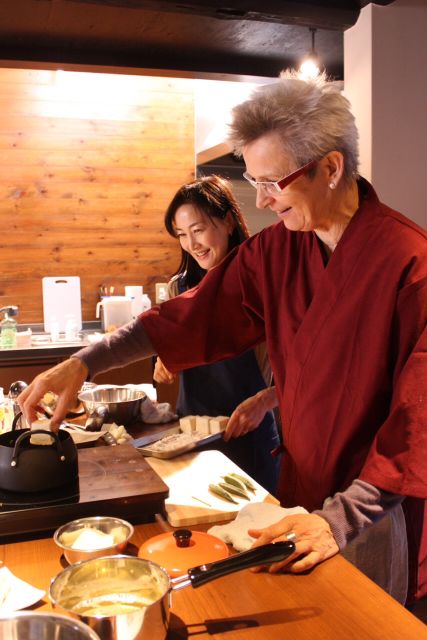
This class is taught in English. Past participants repeatedly praised the clarity of the instructions and the pace, with helpful written recipes included.
Group size is another big win. People described groups around 8, and in some cases as small as 2. That matters because it makes the class feel personal, not like a factory line.
You may meet different instructors, including names like Mei and Mae mentioned in feedback. Others include Coco and Ikari, plus Tomoko and Yukari. The common theme is friendly guidance, patience, and explanations that do not talk over you.
Dietary needs: how to get the right version for your plate
The class asks you to advise dietary requirements when booking. That is not just polite paperwork. It shows up in practice, with examples like no-shellfish versions and vegetarian accommodations.
If you have a specific allergy or dietary restriction, you will want to communicate it clearly during booking so the staff can guide you toward the right menu adjustments.
Price and value: is $67 for 3 hours fair?
At $67 per person for about 3 hours, the value depends on what you expect from a cooking class. If you want a hands-on morning with ingredients, apron and utensils included, plus lunch, it is a solid deal.
The reason it feels worth it is the whole package:
- You actively cook multiple dishes, not just one
- You get ingredients and tools provided
- You sit down and eat the lunch you made
- You receive written recipes so you can repeat the cooking at home
Also, the small-group format likely helps your learning rate. More attention means fewer mistakes, faster progress, and better results when it is time to eat.
If your goal is purely sightseeing, you could spend less money on a breakfast meal and a walking tour. But if your goal is learning Japanese home-style techniques you can actually use again, this is one of the more practical spends in Kyoto.
Who this Kyoto bento class suits best
This is best for you if you like food and want a skill you can reuse. It is also a good pick if you want a break from temple lines and want something hands-on that still feels culturally tied to Japan.
It can work well for:
- Couples who want a memorable shared activity
- Solo travelers who value small groups and direct instruction
- Families with kids old enough to participate with supervision, since participants noted the class can be friendly and engaging
If you want a hardcore culinary boot camp with advanced knife work, this might not match your expectations. The structure leans toward approachable technique and bento assembly.
Practical tips to make your morning easier
Plan to arrive a few minutes early. You will be collecting ingredients, apron, and utensils, and you do not want to stress your group before cooking starts.
Wear comfortable clothes you can get a little messy in. Even if most work is guided, you will still be handling ingredients and cooking processes.
If you want to recreate it later, pay attention to the written recipes and any small tips instructors mention while you work. One of the biggest reasons people buy extra kitchen items is the realization that Japanese cooking tools make repetition easier.
Also, if you care about presentation, slow down slightly while assembling. Bento is half cooking, half arrangement.
Should you book this Kyoto morning bento class?
I would book it if you want a hands-on Kyoto experience that produces a real, satisfying lunch and gives you recipes you can use later. It is especially appealing if you like the idea of cooking multiple Japanese favorites in one session, with English instruction and small-group attention.
Skip it only if you are extremely budget-sensitive, need hotel pickup, or you are looking for a knife-skill intensive class. Otherwise, for the price and time, it is a very practical way to experience Japanese food culture beyond tasting.
FAQ
What dishes do you learn to make in the class?
You learn how to make sushi, tempura, teriyaki chicken, and miso soup.
How long is the Kyoto morning bento cooking class?
The class duration is about 3 hours (listed as 2.5 to 3 hours).
Where is the meeting point?
The meeting point is Cooking Sun, Funayacho, Shimogyo Ward, Kyoto 600-8466.
Is lunch included?
Yes. Lunch is included, and you eat what you cook.
What is included in the price?
Included items are the cooking class, ingredients, apron and utensils, and lunch.
Is hotel pickup or drop-off included?
No. Hotel pickup and drop-off are not included.
What language is the instruction in?
The instructor teaches in English.
Can the class accommodate dietary requirements?
Yes, you should advise any dietary requirements when booking.
More Workshops in Kyoto

New This Season
- Koyasan Day Trip by Private Car from Kyoto
- Old Port Town and Ultimate Sake Tasting Private Tour From Kyoto
- Kyoto’s Timeless Charm: 3hr Exploration of History and Peace
- Kyoto: 5 Types of Sushi Making
- Sacred Peak & Ancient Paths: Kurama-Kibune Hiking Experience
- Kyoto: Exclusive ZEN practice at Manpukuji temple in Uji
- Kyoto: Private Seasonal Aroma Yoga Class
- Traversing Kyoto’s Scenic West – Arashiyama to Kinkakuji
Cooking Classes, compared.
Ramen Cooking Class at Ramen Factory in Kyoto
Read our review →
Ramen Cooking Class at a Ramen Factory with Souvenir
Read our review →
Japanese Washoku Bento Small Group Cooking Class
Read our review →
Japanese Traditional Sweets Making and Tea Ceremony
Read our review →
Kyoto Ramen and Gyoza Cooking Class with Professional Chefs
Read our review →
Also filed under