
Reviewed · TEMPLE & SHRINE VISITS
Kyoto: Philosopher’s Path and Hidden Temple Walking Tour
Kyoto’s calm walk starts here. A local guide connects the Philosopher’s Path with quiet temples like Hōnen-in, so the scenery comes with context. I love the way the route feels unhurried, and I love that the temples are peaceful enough to actually hear yourself think.
Eikan-dō brings the same calm in a different form, with its wooden halls and pagodas tucked among tall trees. Then Nanzen-ji adds a practical, almost surprising twist, because the water you pass by on the path ties directly into the temple grounds.
One consideration: this is a walking tour in all weather, so you’ll want comfortable shoes and a rain layer if the forecast looks shaky.
In This Review
- Key things I’d watch for on this walk
- Starting at Ginkaku-ji Bridge, then easing into the Philosopher’s Path
- The Philosopher’s Path: where the canal becomes a story
- Hōnen-in: moss-covered calm and a gentle shift in mood
- Eikan-dō Zenrin-ji: wooden halls under trees that do the talking
- The in-between moments: two short pauses that keep the flow
- Nanzen-ji and Suijokaku: the red-brick aqueduct where the canal’s meaning clicks
- What the guide actually adds (and why it matters for value)
- Price and value: what $101 buys you in Kyoto time
- Practical tips so your feet and photos cooperate
- Who this tour fits best
- Should you book this Kyoto Philosopher’s Path and temple walk?
- FAQ
- Where is the meeting point?
- How long is the tour?
- How much does it cost?
- Which temples are visited?
- Is transportation included to the starting point?
- What languages are the guides?
- Can I take photos?
- What about cancellation and pay later?
Key things I’d watch for on this walk
- Philosopher’s Path canal views: a scenic, flat-feeling stretch that sets the tone for the temples to come
- Hōnen-in moss and gate: a quieter pocket of Kyoto designed for slow attention
- Eikan-dō Zenrin-ji architecture: wooden buildings plus shade under maples and pines
- Nanzen-ji waterworks connection: the aqueduct and water system link your walk to the final stop
- A local guide with philosophy context: the explanations help you read what you’re seeing
Starting at Ginkaku-ji Bridge, then easing into the Philosopher’s Path
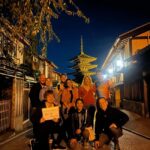
You start near Ginkakuji-bashi (Ginkakuji Bridge), with your guide holding a yellow sign that says DeepExperience. This matters because Kyoto navigation can be confusing when you’re between lanterns, side streets, and temple walls. From the first minutes, you get on the right route, without burning time figuring out which footpath leads where.
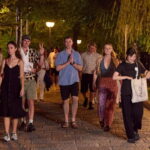
The tour is designed around a simple idea: walk first, understand second. That’s why the opening stretch along the Philosopher’s Path feels like a warm-up for your eyes. You’ll be dealing with a 30-minute walk, but it’s not a sprint. It’s more like settling into Kyoto, letting the canal-side views set your pace before you step into temple space.
And here’s what I like about this structure. It doesn’t treat the Philosopher’s Path like a photo-only corridor. Instead, it uses the walkway as a lead-in, so later details at Nanzen-ji feel like a payoff instead of trivia you forget.
The Philosopher’s Path: where the canal becomes a story
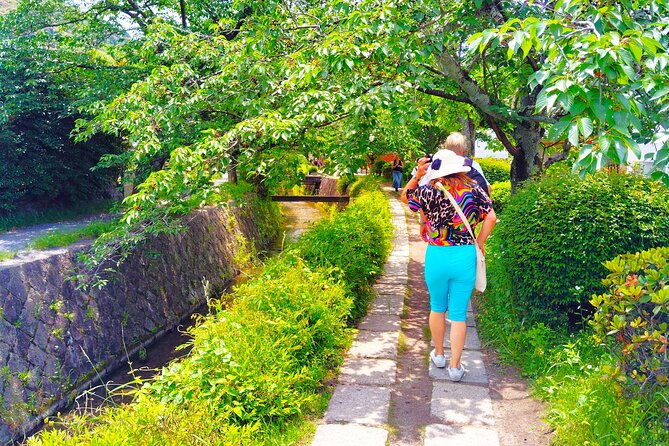
Expect a scenic stroll on the channel-side walkway that people associate with thoughtful walking in Kyoto. Even if you’ve seen photos of the Philosopher’s Path before, the experience usually lands better in person because of how close the water and stone edges feel to the path.
A big part of the value here is that the guide’s comments can turn small observations into something meaningful. You’ll notice how the route is shaped for wandering, and you’ll start connecting what you see with what the temples will explain later. If you’re the kind of traveler who likes to understand why places are arranged the way they are, this is a good setup.
Drawback check: because it is a walk, you’ll want to keep your energy steady. If you start your day already tired, this first segment could feel longer than the clock says. Build in a little buffer beforehand so you can enjoy the pace instead of managing discomfort.
More rooftops worth a detour
- Kyoto: Tea Ceremony Ju-An at Jotokuji Temple
★ 4.9 · 3,207 reviews - Arashiyama Bamboo, Temple, Monkeys, or Secret Sake Brewery
★ 4.8 · 886 reviews - Kyoto: Arashiyama Bamboo Forest, Monkeys, Matcha & Temple Tour
★ 5.0 · 759 reviews - Osaka/Kyoto: Arashiyama, Nara & Fushimi Inari Shrine w/Lunch
★ 4.4 · 754 reviews
Hōnen-in: moss-covered calm and a gentle shift in mood
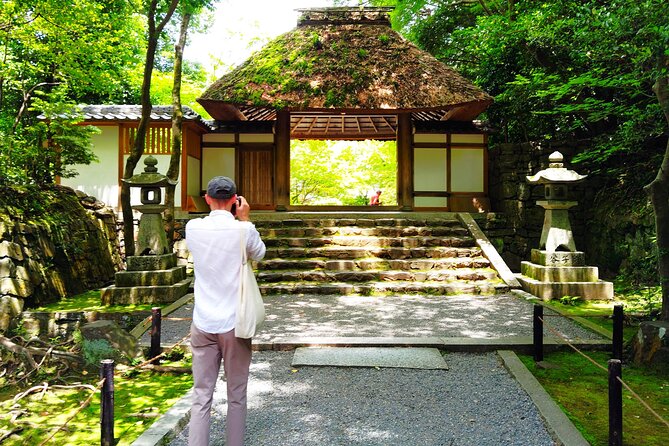
Your next stop is Hōnen-in, a temple known for a quiet, spiritual atmosphere and moss-covered grounds. You’ll also see the thatched gate, which gives the place a distinct, soft-edged feel compared with louder temple entrances.
This is the part of the tour where the volume of your day should drop. The grounds are the star here, and the guide’s historical context helps you understand why this kind of stillness matters in Kyoto. Even if you don’t read Japanese temple history every day, you’ll be able to follow the story because the guide is bringing the area’s history and philosophy into a walking rhythm.
I especially like temple stops like this when the goal is reflection, not checklist tourism. Hōnen-in is described as tranquil, and that matches how the tour is paced. You’re not rushing from one building to the next. You’re getting time to look down, look around, and slow your reactions.
The practical downside is simple: quiet temples still ask for respectful behavior, including watching where you step on grounds and being patient if pathways feel narrow. If you’re in a hurry by nature, this stop will ask you to slow down. If you’re open to that, it’s one of the tour’s best moments.
Eikan-dō Zenrin-ji: wooden halls under trees that do the talking
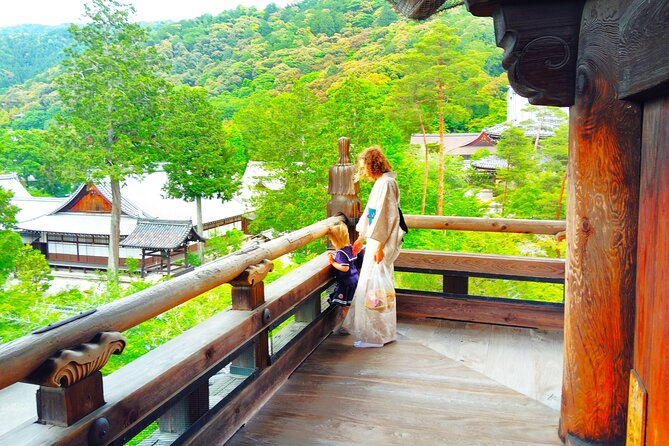
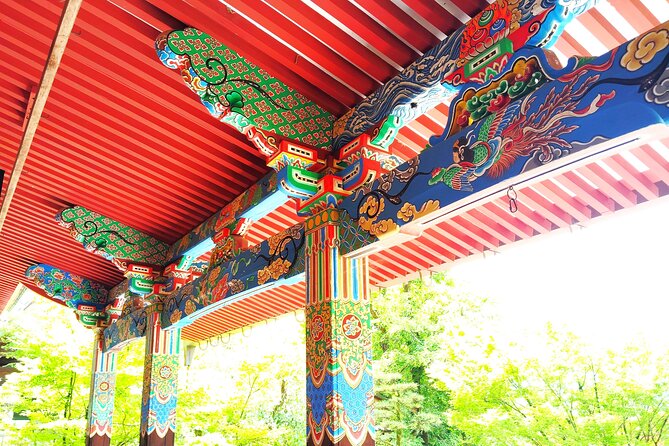
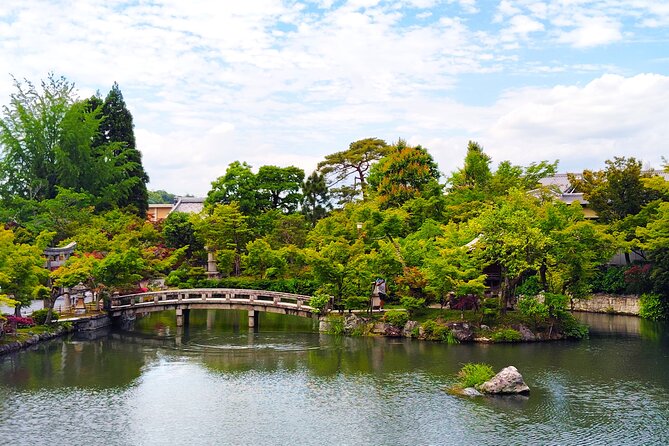
Next comes Eikan-dō Zenrin-ji, and this is where the tour turns architectural. Eikan-dō is known for its graceful wooden architecture, and the setting is part of the effect. The halls and pagodas rest among tall trees, with wide grounds that offer shaded viewing while you move through the complex.
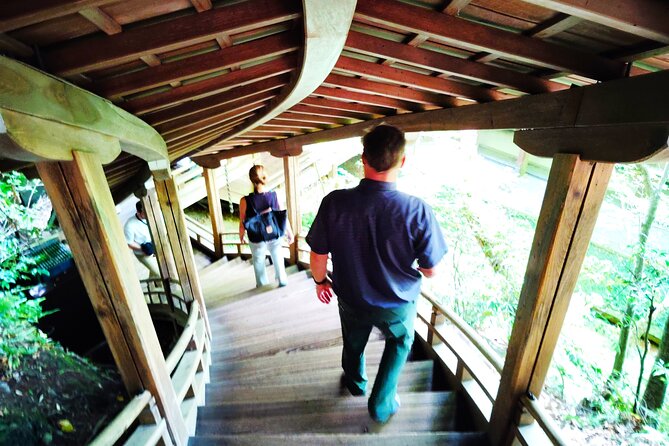
You’ll have about one hour here, which is a lot of time compared with many temple tours. That extra time helps because you’re not forced to sprint through photo angles. You can notice the structure, the way courtyards open, and how the buildings relate to the trees around them.
Here’s what you’ll likely feel if you pay attention. At Eikan-dō, you start to read the architecture as something that interacts with nature. The calm is not just in the air. It’s built into the spatial design. The guide’s explanations can turn what looks like simple beauty into a more grounded understanding of temple aesthetics and the philosophical vibe Kyoto does so well.
Small consideration: one hour means you’ll want to be comfortable walking on temple grounds and standing in places for the guide’s explanation. If your legs are sensitive, bring a posture you can maintain for stretches of time, then take brief moments to sit where allowed.
The in-between moments: two short pauses that keep the flow
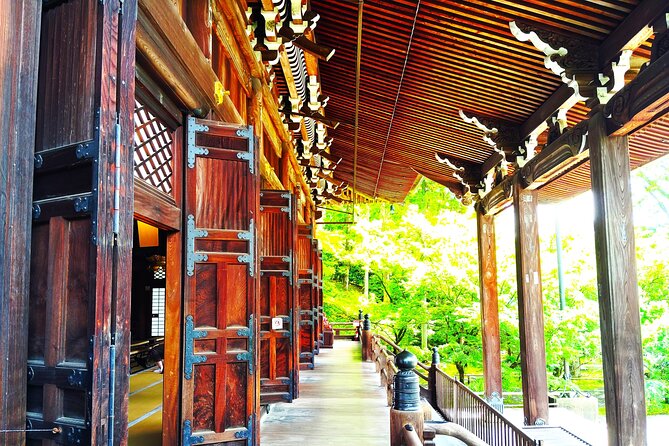
After Eikan-dō, the schedule includes additional photo stop and guided sightseeing segments, each around 30 minutes. The information you’re given suggests these are used to maintain flow through the approach toward the final temple area, with enough time for context and a few key views.
Even without a detailed stop name for every mid-tour break, the purpose is clear: the tour doesn’t treat Nanzen-ji as a sudden jump. It builds your readiness so when you arrive, you can appreciate what you’re seeing without feeling like you missed a chunk of the story.
I recommend treating these in-between pauses as part of the lesson, not just rest time. If you listen closely, you’ll be more ready for the final connection that ties the walk and the water together.
Nanzen-ji and Suijokaku: the red-brick aqueduct where the canal’s meaning clicks
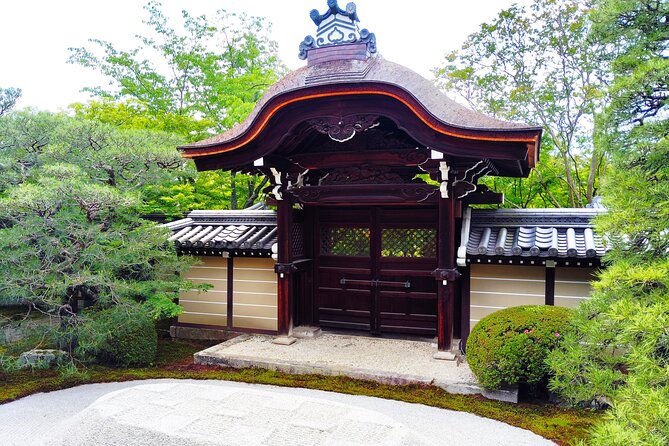
Your final destination is Nanzen-ji, one of Kyoto’s most iconic temples. This is the stop where the Philosopher’s Path feels less like a scenic route and more like the start of a larger system.
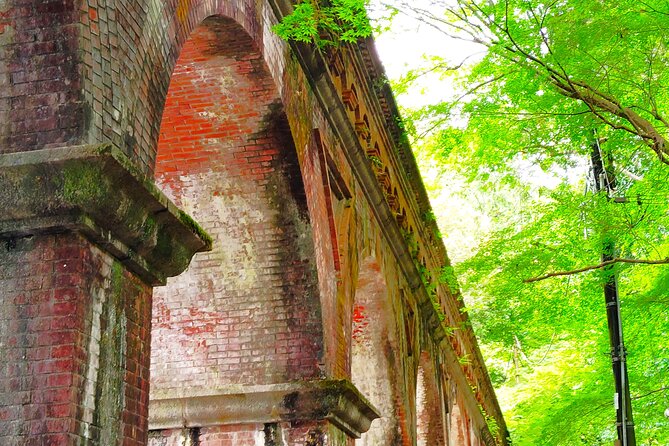
Here’s the unique detail that makes this tour memorable: the water flowing alongside the path comes from the canal that runs all the way from Lake Biwa, and it reaches the temple through a striking red-brick aqueduct that runs through Nanzen-ji’s grounds. Knowing that changes the way you think about what you walked along earlier. It turns the canal into infrastructure with a destination, and the temple into a place shaped by that practical reality.
Your tour finishes at 水路閣 (Suijokaku), the waterwork structure inside the Nanzen-ji area. If you like visual payoffs, this is it. You can look at the aqueduct and understand why the architecture feels dramatic, not random. You’re seeing a functional water channel made scenic.
The only caution is timing and attention. Suijokaku is often photographed, so if you’re trying to get your own calm moment, you’ll want to follow the guide’s cues on when to move and where to stand. Don’t fight the crowd. Match the rhythm and you’ll get a better view of the structure.
A quieter way to spend a day in Kyoto

What the guide actually adds (and why it matters for value)
This tour is led by an expert local guide who brings together temples, nature, and history and philosophy of the area. Based on the one verified comment tied to this experience, the guide’s knowledge is a big reason people rate it so highly.
That matters because Kyoto can overwhelm you if you treat temples like standalone postcard stops. The guide ties the route together so Hōnen-in’s quiet mood connects to the broader spiritual atmosphere, and Eikan-dō’s wooden design makes more sense than just being pretty. Then Nanzen-ji’s waterworks connection gives you a concrete, memorable link.
A good local guide does two things. First, they help you see better by giving you what to notice. Second, they help you remember by giving you a thread from stop to stop. This tour is built around that thread.
Price and value: what $101 buys you in Kyoto time
At $101 per person for a 3-hour private group with three temples and admission fees included, you’re paying for more than entry tickets. You’re paying for guide-led time and for someone to handle the flow.
Here’s how to judge the value in practical terms. If you were to do this on your own, you’d likely spend time finding the best entry points, figuring out which areas matter most, and paying separate admission fees at the temples. On top of that, without context, you might spend longer at places you like but do not fully understand, and rush the stops you actually care about.
So the question becomes: do you want a guided narrative, or do you want total freedom? If you’re the type who enjoys learning while walking, this price starts to look fair quickly. If you prefer reading quietly on your own and building your own route, you might find it more economical to DIY. But you’ll lose the specific connections, especially the water-and-temple link that makes Nanzen-ji feel like the finish of a story.
Practical tips so your feet and photos cooperate
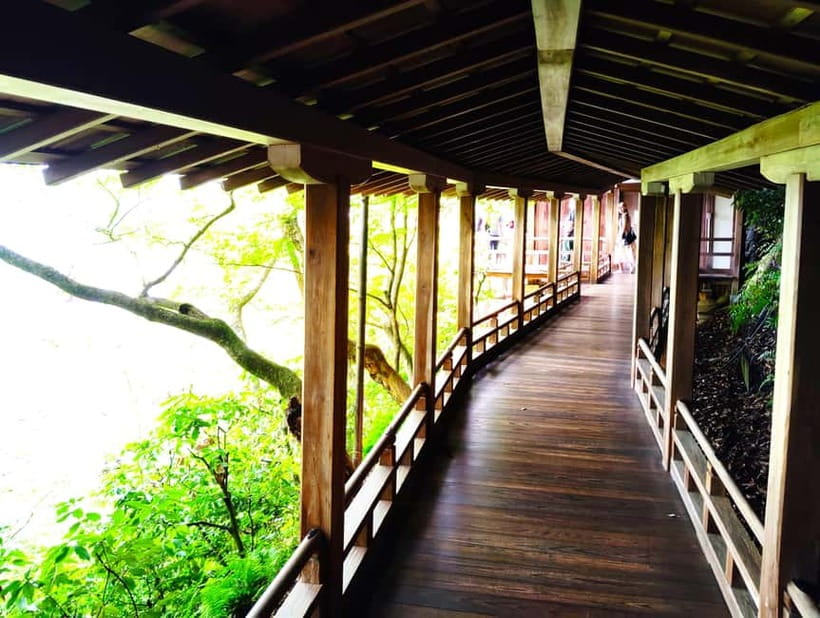
This tour is a lot of walking, and it runs in all weather conditions. That means you should plan around your stamina, not just the sights.
- Wear comfortable shoes you can walk in for multiple temple-ground stretches.
- Dress for all weather, including rain. Even light drizzle can make paths slippery.
- Photography is allowed in most areas, but follow signs and be respectful around quiet zones.
- You should expect a steady pace, with photo breaks and guided stops, so pack less and move easier.
If you want the best experience, avoid going in with a phone-only mindset. Take a few photos, sure, but give yourself time to look up at the way buildings frame trees, and down at the way temple grounds are maintained.
Who this tour fits best
This walking tour suits you if you want a calmer Kyoto day with built-in context. It’s a good match if you enjoy temple architecture, appreciate quiet spaces, and like connecting “what you see” to “why it matters.”
It’s also a smart choice if you’re short on time but still want multiple temple experiences without turning the day into a sprint. The 3-hour duration is long enough to feel like you had a real route, but short enough to pair with dinner plans or another nearby sightseeing block.
If you dislike walking or struggle with uneven temple paths, you might find the route more demanding than you expected. In that case, consider whether a shorter or more accessible option would fit your day better.
Should you book this Kyoto Philosopher’s Path and temple walk?
I’d say yes if you want a guided route that connects scenery, temple atmosphere, and local thinking. The Philosopher’s Path is the easy start, Hōnen-in is the calm reset, Eikan-dō is the architecture hour, and Nanzen-ji plus Suijokaku is the memorable payoff with the red-brick aqueduct.
Book it if you value context and you’re comfortable walking for a few hours. Skip it if your priority is maximum independent wandering with no structure, because this tour is designed with a clear pace and clear stops.
If you’re hoping for a Kyoto day that feels thoughtful without being slow and boring, this one hits that balance.
FAQ
Where is the meeting point?
The tour meets at Ginkakuji-bashi (Ginkakuji Bridge). Your guide will be waiting holding a yellow sign that says DeepExperience.
How long is the tour?
The duration is 3 hours.
How much does it cost?
The price is $101 per person.
Which temples are visited?
You visit three temples with admission fees included: Hōnen-in, Eikan-dō Zenrin-ji, and Nanzen-ji (ending at Suijokaku).
Is transportation included to the starting point?
No. Transportation to the starting point is not included.
What languages are the guides?
The live guide offers Japanese and English.
Can I take photos?
Photography is allowed in most areas, but please be respectful of signs indicating otherwise.
What about cancellation and pay later?
There is free cancellation up to 24 hours in advance for a full refund. You can also reserve now & pay later to keep plans flexible.
New This Season
- Koyasan Day Trip by Private Car from Kyoto
- Old Port Town and Ultimate Sake Tasting Private Tour From Kyoto
- Kyoto’s Timeless Charm: 3hr Exploration of History and Peace
- Kyoto: 5 Types of Sushi Making
- Sacred Peak & Ancient Paths: Kurama-Kibune Hiking Experience
- Kyoto: Exclusive ZEN practice at Manpukuji temple in Uji
- Kyoto: Private Seasonal Aroma Yoga Class
- Traversing Kyoto’s Scenic West – Arashiyama to Kinkakuji
Temple & Shrine Visits, compared.
Arashiyama Bamboo, Temple, Monkeys, or Secret Sake Brewery
Read our review →
Arashiyama Bamboo Forest, Monkeys, Matcha & Temple Tour
Read our review →
Arashiyama, Nara & Fushimi Inari Shrine w/Lunch
Read our review →
Kyoto Zen Meditation & Garden Tour at a Zen Temple with Lunch
Read our review →
KYOTO Tea Ceremony with kimono near by Imamiya Jinjya Shrine
Read our review →Arashiyama Bamboo, Matcha, Monkeys & Temple Tour
Read our review →Also filed under