
Reviewed · SUSHI-MAKING WORKSHOPS
Kyoto Sushi Making Experience with a Professional Sushi Chef
Sushi lessons in Kyoto are surprisingly relaxing. This one pairs hands-on nigiri with expert guidance from a Taisho sushi chef, then tops it off with sake tastings and your own matcha, all in a small group format.
I especially like that you do not just watch. You learn sushi technique, then you taste what you made, plus you get a structured sake tasting with pairing tips so your bites make sense.
One thing to think about first: dietary needs are limited. This experience is not set up for vegetarian, vegan, or gluten-free requests, and food is prepared in shared kitchens so allergy-free meals cannot be guaranteed.
In This Review
- Key highlights to know before you book
- Kyoto sushi making with a Taisho chef and a calm, small group pace
- Where you start near Karasuma Oike, then pick wagashi before class
- Inside the sushi restaurant: making nigiri, roll sushi, and tempura
- Sake tastings and sushi pairings that connect flavors
- Matcha whisking in a Kyoto-style garden with wagashi
- Price and value: what $161 buys you in real teaching time
- What you will actually learn, and what to practice at home
- Who this Kyoto sushi class is best for, and who should skip
- Getting there on time: meeting point, pacing, and late arrivals
- Should you book this Kyoto sushi making experience?
- FAQ
- How long is the Kyoto sushi making experience?
- Where is the meeting point?
- Is the class taught in English?
- How big is the group?
- What is included in the experience?
- Can vegetarians, vegans, or gluten-free guests join?
- Is there a minimum age for participants?
- Is free cancellation available?
Key highlights to know before you book
- Taisho chef instruction on nigiri shaping and precise knife work
- Make and eat your own nigiri plus roll sushi, not just a demonstration
- Sake tasting with pairings that connect flavors to each bite
- Tempura set freshly prepared by the chef
- Matcha whisking in a Kyoto-style garden with wagashi sweets
- Small group limit of 7 for a calmer, more personal pace
Kyoto sushi making with a Taisho chef and a calm, small group pace
Kyoto sushi making works best when you slow down and focus. This experience is built around that idea, with a small group capped at 7 participants, so you are not fighting for attention while a chef works at speed.
The chef is a professional Taisho sushi maker, and the class format is a mix of watching and then doing. You get guidance for knife technique and the feel of shaping sushi rice, then you make your own set under careful supervision.
A huge plus for many English speakers is the English instruction. Your guide translates the process and adds context as you go, including cultural notes around food, customs, and pairings.
Where you start near Karasuma Oike, then pick wagashi before class
Your meeting point is near Karasuma Oike Station Exit 5. From there, the group heads to DIESEL 京都 as your starting hub, then you spend time with a local guide at a nearby area connected to traditional sweets.
That sweets stop matters more than it sounds. You choose Japanese sweets (wagashi) earlier in the evening, and you bring that selection into the matcha finale later. It turns the matcha moment from a random add-on into a planned pairing: bitter, grassy matcha and a sweet you picked yourself.
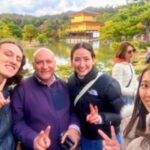
Expect a friendly, guided shop visit and some time for tour photos. The pacing is designed to get you set up for the food class without rushing straight into sushi.
Learn to roll your own sushi
- Sushi Making in Kyoto! Same-day bookings welcome!
★ 5.0 · 713 reviews - The Original Small-Group Sushi Making Class in Kyoto
★ 5.0 · 436 reviews - Kyoto: Small-Group Authentic Sushi Making Workshop
★ 5.0 · 137 reviews - Sushi – Authentic Japanese Cooking Class – the best souvenir from Kyoto!
★ 5.0 · 93 reviews
Inside the sushi restaurant: making nigiri, roll sushi, and tempura
The core experience happens in an authentic sushi restaurant setting where you meet the professional chef. The class covers 9 nigiri, plus roll sushi, and you will also eat a tempura set prepared by the chef.
Here is what you should picture. First, the chef demonstrates the motions and the “why” behind them, including how sushi rice gets handled and how nigiri is finished. Then you copy that rhythm at your own station, with the guide and chef checking details so you end up with sushi that is actually edible, not just pretty.
The nigiri count is a useful detail because it tells you the class is not a tiny snack. You are getting enough pieces to taste differences across bites, especially after the sake tasting part later.
Then comes tempura. You are not expected to cook it from scratch, but you do get freshly made tempura as part of the meal, which balances the whole menu. Sushi is light and precise, tempura is crisp and warm, and together they help your palate reset between tastings.
Sake tastings and sushi pairings that connect flavors
After your sushi-making time, the experience shifts to drinks and flavor logic. You get two drinks and you also do sake tastings, with the guide offering pairing tips to help you connect what you taste with what you are eating.
Sake can feel intimidating if you have only ordered one type at a restaurant. This format helps because you taste as part of the meal, then match it to the food you just made, especially the nigiri pieces and rolls.
What makes this section valuable is the sequencing. You make sushi first, then learn how sake changes the way fish, rice, and seasoning taste together. That means you can remember specific pairings instead of just sampling alcohol in general.
If you like food education with a practical outcome, this is a strong part of the class. You leave with pairings you can actually recreate at a restaurant, or at least a better instinct for what to try next time.
Matcha whisking in a Kyoto-style garden with wagashi
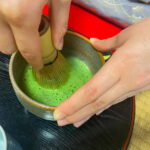
The finale is slower and more peaceful. You end in a Kyoto-style garden, and your guide teaches you how to whisk matcha, then you enjoy it with the Japanese sweets you selected earlier.
This is not a rushed tea drop-in. The experience is timed so you are tasting matcha at a calm moment after the sushi and sake program, and that helps the flavors land. Matcha is bold and slightly bitter, while wagashi usually brings sweetness, texture, and sometimes subtle seasonal flavors.
A nice detail from past groups is the seating setup during the matcha portion, often on tatami mats. That makes the end of the night feel traditional and grounded, not like a standard restaurant dinner where everything is loud and moving.
You also get tour photos as part of the overall experience. Even if you do not love taking pictures, having someone handle it helps you actually enjoy the moment while you concentrate on whisking and tasting.
Price and value: what $161 buys you in real teaching time
At $161 per person, this is not a budget activity. But it also is not “just a meal.” You are paying for a professional Taisho chef, guided instruction in English, and a full sequence of food and drink: sushi making, tempura, sake tastings, matcha whisking, wagashi, and photos.
Duration is about 210 minutes (around 3.5 hours). That matters because technique-heavy food experiences often fail when they feel rushed. Here, you get time to watch, practice, eat, taste, and finish with matcha without turning it into a fast conveyor-belt class.
The small-group limit of 7 also affects value. In a crowded class, your questions get delayed and your sushi shaping can suffer. In a smaller group, you are more likely to get quick fixes while you are learning, which is when the experience is most useful for bringing home skills.
Finally, you get both skill building and tasting in the same night. That combination is what makes the class feel like an experience, not a cooking demo where you leave hungry or unsure what you learned.
A day of temples goes further with something to break it up.
What you will actually learn, and what to practice at home
You come away knowing more than just how a finished piece of sushi looks. The chef’s teaching focuses on real technique: nigiri shaping, handling sushi rice, and the motions behind clean, consistent results.
You also get roll sushi practice. That is a different skill set from nigiri, and it is the kind of thing many people want to learn because it is harder to replicate from memory.
The matcha session adds a second set of hands-on knowledge. You whisk your own matcha, and you taste it with your chosen wagashi, which turns the lesson into a complete sensory memory.
At home, your best “transfer” from this class will be confidence. You will know what to ask for at a sushi counter, what terms people use for matcha, and how pairings can shift the whole bite.
Who this Kyoto sushi class is best for, and who should skip
This experience works well for food lovers who want technique, not only dinner. It is friendly to all cooking levels, so you do not need to be an experienced home cook to enjoy it.
It is also a good fit if you want a structured cultural evening in Kyoto. You get sweets, sushi, tempura, sake, and matcha, with guidance throughout, which makes it easier than piecing together all of that yourself after a long day of sightseeing.
It is not for everyone. You should skip this if you need vegetarian, vegan, or gluten-free meals, because those requests cannot be accommodated. Wheelchair users also are not able to join, based on suitability.
If you are traveling with kids, note the minimum age is 4 years old. Any child handling knives or potentially dangerous steps needs adult supervision, so plan accordingly.
Getting there on time: meeting point, pacing, and late arrivals
This class starts on time, with that strict on-time rule in place out of respect for everyone in the group. Late arrivals will not be able to join, reschedule, or receive a refund, so I suggest arriving a little early and doing a quick station orientation walk.
Duration is about 210 minutes, so treat it like a real meal slot, not an easy add-on. Wear clothes you can sit comfortably in, especially since the matcha portion may involve tatami-style seating.
Also consider weather. The activity can be canceled if conditions are unsafe, which is normal for an outdoor garden component.
Should you book this Kyoto sushi making experience?
Book it if you want a hands-on Kyoto food night with a Taisho chef, not a casual sushi dinner. The strongest reasons are the structured sushi making you actually do yourself, the fact that you eat your own creations, and the way the sake tastings connect to what you are tasting in real time. Add matcha whisking with wagashi in a Kyoto-style garden, and it becomes a complete evening, not a single-course workshop.
Skip it if your group has dietary restrictions like vegan, vegetarian, or gluten-free needs, or if wheelchair accessibility is required. Also skip it if you hate any kind of schedule pressure, because the experience starts on time and late entry is not an option.
If you want one practical souvenir from Kyoto, it is not a magnet. It is the feeling of making nigiri with correct technique, then pairing sake and matcha so the flavors click in your head.
FAQ
How long is the Kyoto sushi making experience?
The experience lasts 210 minutes, which is about 3.5 hours.
Where is the meeting point?
You meet near Karasuma Oike Station Exit 5.
Is the class taught in English?
Yes. The instructor provides instruction in English.
How big is the group?
It is a small group limited to 7 participants.
What is included in the experience?
You get pro sushi chef instruction, sushi and tempura, two drinks, sake tastings, a matcha experience, wagashi (Japanese sweets), and tour photos.
Can vegetarians, vegans, or gluten-free guests join?
No. Vegetarian, vegan, and gluten-free requests are not accommodated.
Is there a minimum age for participants?
Yes. Participants must be at least 4 years old, and children must be supervised by an accompanying adult for knives or potentially dangerous steps.
Is free cancellation available?
Yes. You can cancel up to 24 hours in advance for a full refund.
New This Season
- Koyasan Day Trip by Private Car from Kyoto
- Old Port Town and Ultimate Sake Tasting Private Tour From Kyoto
- Kyoto’s Timeless Charm: 3hr Exploration of History and Peace
- Kyoto: 5 Types of Sushi Making
- Sacred Peak & Ancient Paths: Kurama-Kibune Hiking Experience
- Kyoto: Exclusive ZEN practice at Manpukuji temple in Uji
- Kyoto: Private Seasonal Aroma Yoga Class
- Traversing Kyoto’s Scenic West – Arashiyama to Kinkakuji
Sushi-Making Workshops, compared.
Sushi Making in Kyoto! Same-day bookings welcome!
Read our review →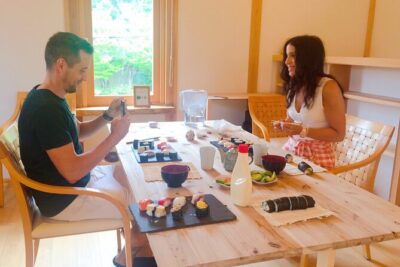
The Original Small-Group Sushi Making Class in Kyoto
Read our review →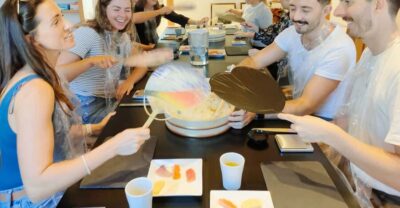
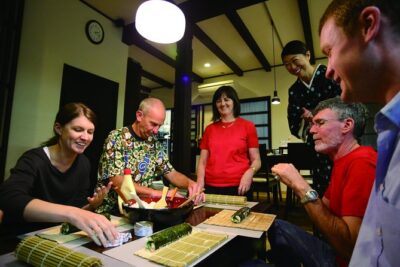
Sushi – Authentic Japanese Cooking Class – the best souvenir from Kyoto!
Read our review →
Private Kyoto Sushi Cooking Class & Tea Ceremony with Emika
Read our review →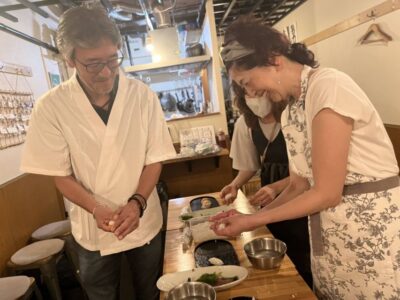
Enjoy Sushi & Market Tour! Best for Family & Couple!
Read our review →
Sushi or Traditional Japanese Cuisine in a Kyoto Home with Emika
Read our review →Also filed under