Reviewed · TOURS
KYOTO: Tour guidato tra i tesori della città (in italiano)
Kyoto in half a day sounds crazy. This tour is interesting because you move efficiently between the big-name sights and still get real context from a native Kyoto guide speaking Italian. I also like that transport and entrance fees are covered, so you spend the day seeing instead of figuring out.
The tradeoff is the tight schedule. You’ll walk several times and fit a lot into one morning and afternoon, so if you prefer slow, long temple time, you may feel a bit rushed.
In This Review
- Key points to know before you go
- Half-Day Kyoto, built around famous stops (and real explanations)
- Kyoto Station meeting point: where to start without stress
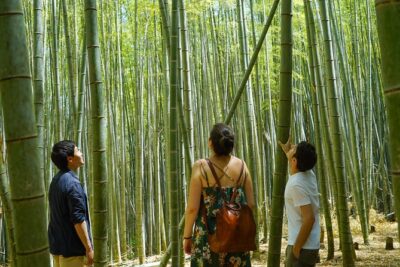
- Sagano Bamboo Forest: the 1-hour walk that sets the tone
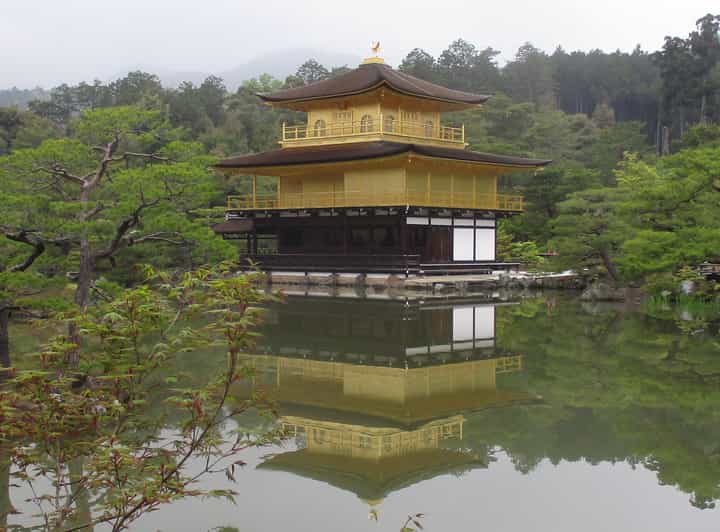
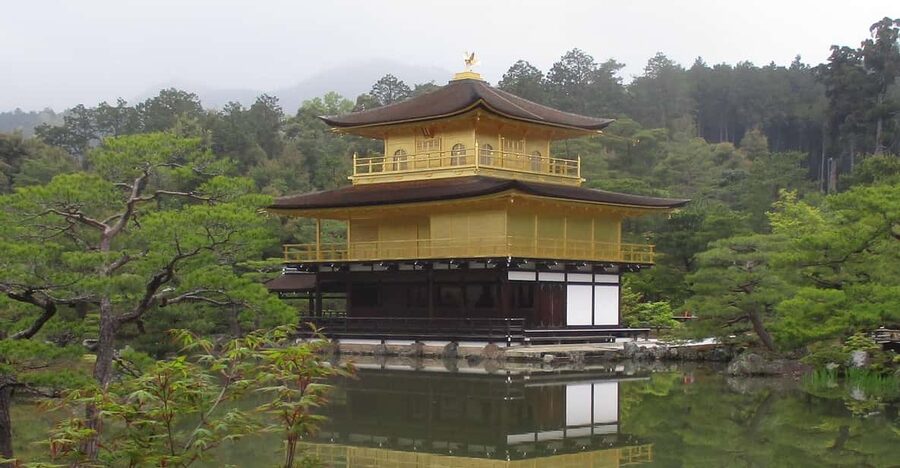
- Kinkaku-ji (Golden Pagoda): why it’s even better with context
- Getting back to Kyoto Station: a real break, not just transit
- Kiyomizu-dera + Sannenzaka and Ninenzaka: the afternoon walking you should plan for
- Gion and the world of Maiko and Geiko
- Kyōto Minami-za and the final stroll to Pontocho
- Price and value: does $153 make sense for what you get?
- Who this tour is best for (and who should consider alternatives)
- What the guide is really like, based on feedback
- Should you book this Kyoto half-day tour?
- FAQ
- Where do we meet for the tour?
- What language is the tour guide?
- How long is the tour?
- Which main sights are included?
- Is transportation and admission included in the price?
- Does the tour end at Pontocho?
- Is there a break during the day?
- Is the tour wheelchair accessible?
Key points to know before you go
- Italian-speaking, native Kyoto guide who answers questions and connects the past to daily life
- Kinkaku-ji plus Sagano Bamboo Forest in the morning, before the day gets crowded
- Kiyomizu-dera and the streets of Sannenzaka and Ninenzaka in the afternoon walking stretch
- Gion, Maiko and Geiko context, with the tour ending near Pontocho
- Ends in Pontocho, and you can leave partway if you want to keep your own schedule
Half-Day Kyoto, built around famous stops (and real explanations)
If you want Kyoto without spending days bouncing between transit lines, this half-day format makes a lot of sense. You start at Kyoto Station, then head out to the northwest suburbs for signature sights, before returning toward the traditional east-side area for temples and old streets.
What makes it work is the guide. You’re not just getting a route, you’re getting a story. The tour focuses on how Kyoto developed as Japan’s old capital and how aristocrats and literati lived, plus what the samurai class meant in everyday culture. You also get a practical framing of daily life in the past and how it echoes in modern Kyoto.
Kyoto Station meeting point: where to start without stress
You meet at Kyoto Station, North Entrance (Karasuma-guchi). The specific meeting spot is in the space between the two escalators in front of the taxi terminal (not the bus terminal), on the east side just outside the central entrance, north of the station.
This matters more than it sounds. Kyoto Station is huge, and you’ll save time if you arrive a little early and look for the exact landmark. You’ll receive an email with detailed meeting instructions the day before, which is a helpful buffer if it’s your first time at the station.
Kyoto rewards patience — the quieter half of the city sits just off the main path.
- PERFECT KYOTO 1-Day Bus Tour
★ 5.0 · 13,518 reviews - Kyoto: Fushimi Inari, Kinkakuji, Bamboo Grove 1 Day Bus Tour
★ 4.8 · 4,316 reviews - Kyoto: Tea Ceremony in a Traditional Tea House in Kiyomizu
★ 4.9 · 3,519 reviews - Kyoto Geisha Walking Tour: Gion District & Hidden Gems
★ 4.7 · 3,273 reviews
Sagano Bamboo Forest: the 1-hour walk that sets the tone
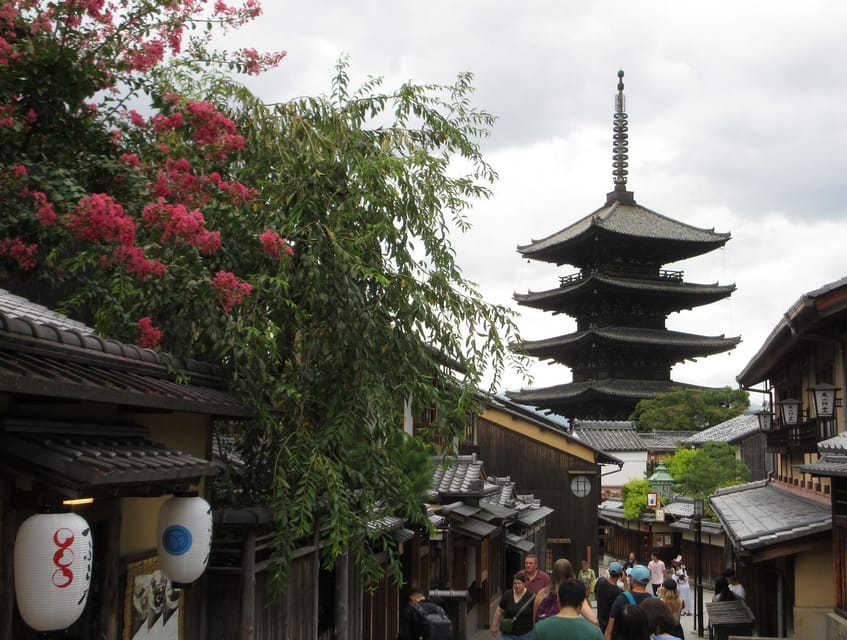
The morning begins with a short train ride and then straight into the Sagano Bamboo Forest area. Expect guided touring and a walk of about an hour.
This stop is famous for a reason, but the value here is how the guide positions it in the broader Kyoto story. Bamboo here is not just a photo background. In a well-led tour, it becomes a moment to talk about why Kyoto’s natural setting mattered to people connected to the court and later influential families.
Practical tip: plan to move at a comfortable pace during the walk. It’s long enough to feel like an experience, not just a quick look. Wear shoes you can trust on uneven paths, and bring water if you run warm.
Kinkaku-ji (Golden Pagoda): why it’s even better with context
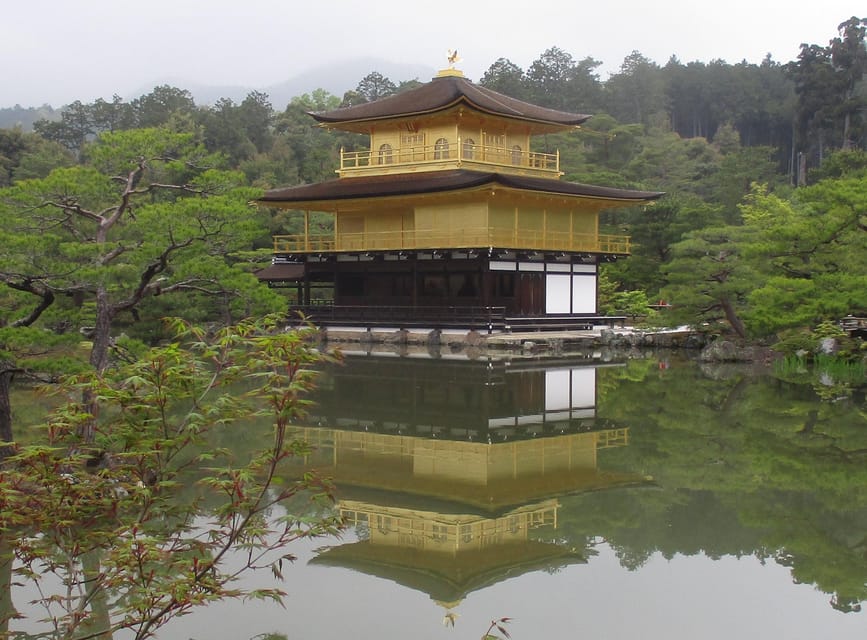
After the bamboo area, you take another train and then a short bus segment to reach Kinkaku-ji. You’ll have about an hour for a guided visit and sightseeing.
The Golden Pavilion is the headline, but the tour’s strength is your understanding. You’ll learn about the historical capital and daily life in ways that make the temple feel connected to Kyoto, not like a separate attraction. When someone answers your questions about what you’re seeing, the place stops being just an exterior view.
One more practical thought: one hour sounds fixed, but the pacing of guided visits can change depending on the group. If you like having a few minutes to step back and observe details on your own, this is the type of stop where you’ll want to manage your attention between the guide’s explanations and your own looking.
Getting back to Kyoto Station: a real break, not just transit
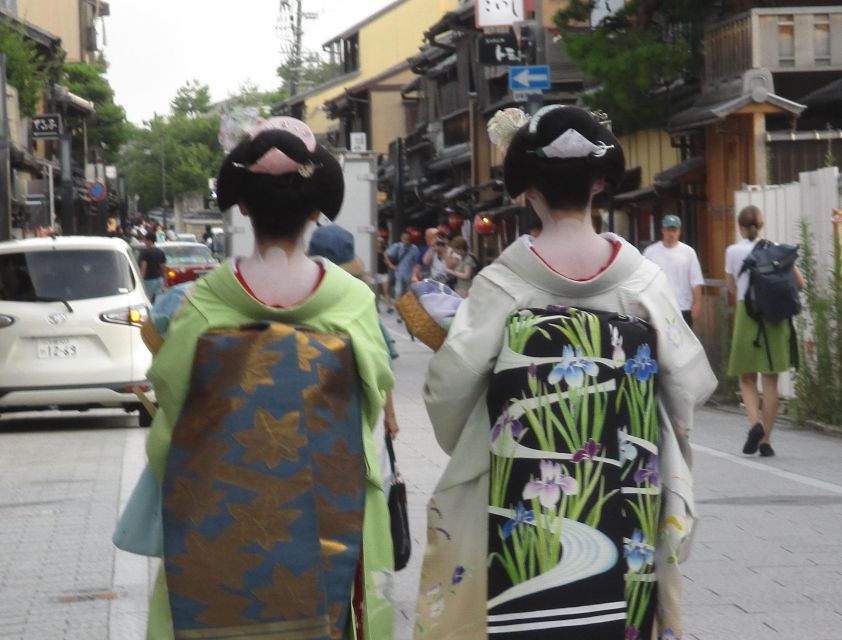
This itinerary builds in a break time back at Kyoto Station, around one hour. That’s a gift in a half-day plan.
It gives you a chance to reset, grab a snack, and avoid the common mistake of trying to see everything while hungry. It also gives you a mental break before the afternoon walking near Kiyomizu-dera and the traditional lanes.
You then take bus and subway segments to continue. The schedule is built for movement efficiency, so don’t underestimate how much your energy will matter more than your time. You’re going to stand, walk, and transfer, so use the break to recharge.
Kiyomizu-dera + Sannenzaka and Ninenzaka: the afternoon walking you should plan for
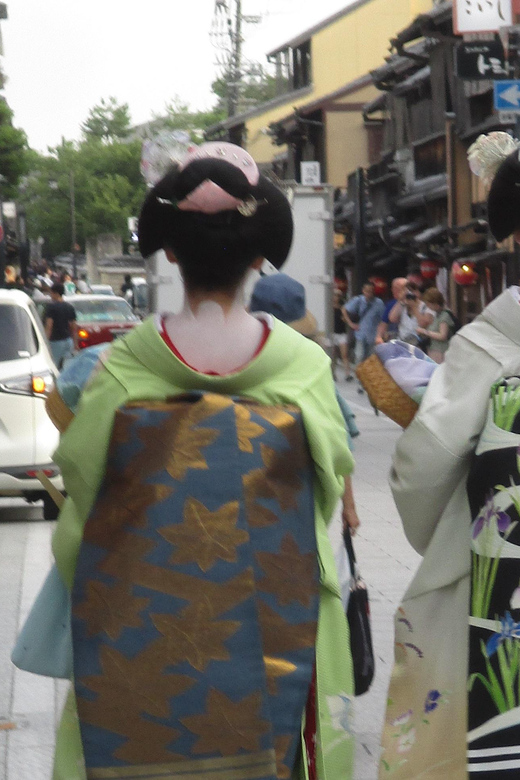
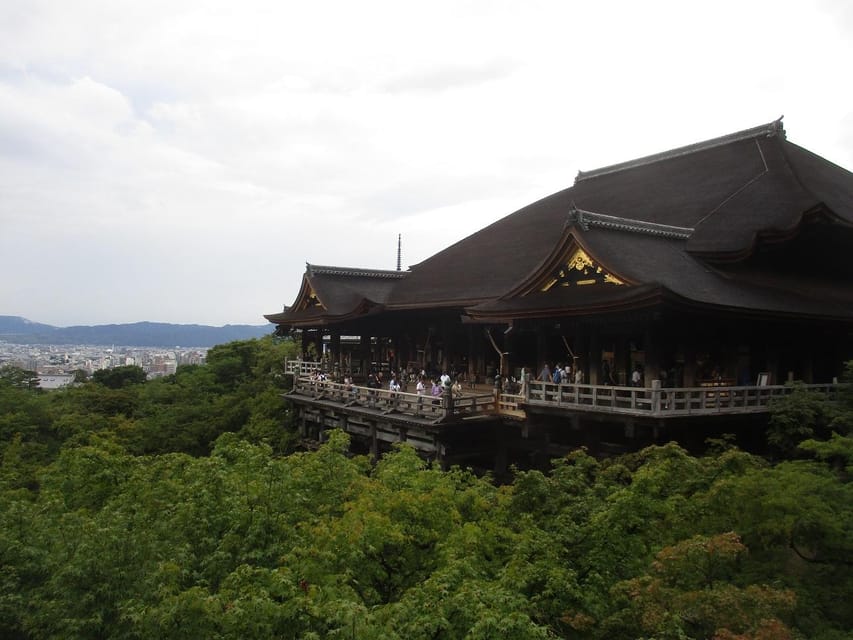
In the afternoon you head to Kiyomizu-dera for about an hour of guided visit and sightseeing. After that, you’ll move on foot into the older street areas of Sannenzaka and Ninenzaka.
This is where Kyoto shifts from landmark sightseeing to human-scale streets. The guide’s explanations help you understand why these areas matter, not only what to photograph. You’ll also get a sense of preserved environments and the feel of older Kyoto life.
Practical advice: go slow through the stone-lane sections. You’ll be walking on and between different stretches, and the route can feel longer than you expect because it’s not just one continuous walk. Wear comfortable shoes and keep your phone battery charged if you’re using maps, because you’ll be moving through multiple areas.
A day of temples goes further with something to break it up.
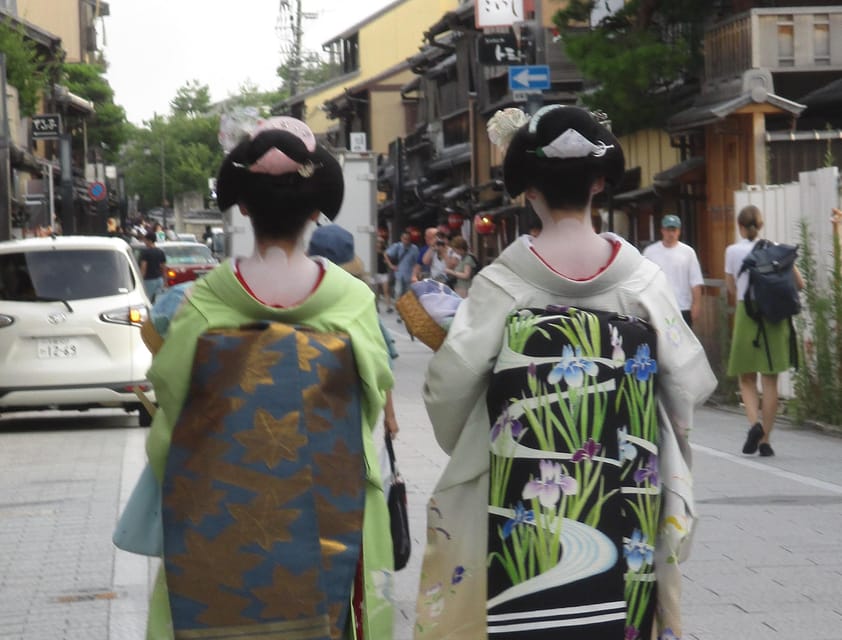
Gion and the world of Maiko and Geiko
After the temple and street segments, the tour reaches Gion for about 30 minutes of guided sightseeing, with more on foot time around the area.
This is one of the best parts of an Italian-speaking tour because explanations can clear up common confusion. You’ll hear about the Gion-kobu area, the traditional workplace connected to professional artists such as Maiko and Geiko, and you’ll get the cultural background behind why the district still matters.
Think of this as a chance to see Kyoto as more than temples. You’re learning how arts, tradition, and social life shaped the city. Even if you don’t plan to do nightlife, Gion gives you that layered Kyoto feeling.
Kyōto Minami-za and the final stroll to Pontocho
Near the end, you’ll pass by Kyōto Minami-za, with a short sightseeing segment. Then the tour finishes in Pontocho.
Pontocho is a practical ending point. It’s easy to turn your day into your own plan. The highlights say you can leave halfway if you want, which is a big deal if you’re trying to match your energy to your schedule. If you’d rather stop earlier, you can. If you want the evening atmosphere, you can continue toward Pontocho where you’re positioned to keep exploring.
Price and value: does $153 make sense for what you get?
At about $153 per person for a half-day, the price looks reasonable once you compare it to the total workload. You’re getting an Italian-speaking native guide, guided sightseeing at multiple major sites, and you’re also covered for all transportation and entrance fees included during the itinerary.
The value piece here is the combination:
- You’re not only paying for entry tickets. You’re paying for transfers between areas that can be annoying to coordinate quickly.
- You’re paying for explanations that make the stops easier to understand, especially at Kinkaku-ji and Kiyomizu-dera where the details matter.
- You’re paying for a structured plan that prevents wasted time, especially during the busiest parts of the day.
Is it “cheap”? No. But it’s not a bare-bones pass either. If you’re short on time in Kyoto and you want guided context across top sights, it’s a solid use of money.
Who this tour is best for (and who should consider alternatives)
This tour fits you if:
- You want to see Kinkaku-ji, Sagano Bamboo Forest, and Kiyomizu-dera without building a complicated route.
- You like asking questions and receiving answers from a guide who understands Kyoto deeply and explains the connection between history and daily life.
- You’re comfortable with a half-day that includes walking and multiple transit segments.
It might feel less ideal if:
- You prefer spending two or three hours at one location rather than covering several stops in one day.
- You have mobility limitations that make repeated walking difficult. The tour is listed as wheelchair accessible, but the itinerary still includes walking segments near traditional lanes and temple areas.
What the guide is really like, based on feedback
The strongest praise is about the guide’s Italian and teaching style. One review highlighted that the guide explained everything in detail and told the story of each temple. Another praised the fact that the guide speaks Italian perfectly and is very available.
That combination is exactly what you want on a guided Kyoto day. You’ll get more than a route explanation. You’ll get meaningful background that helps you connect Kinkaku-ji, Kiyomizu-dera, and the Gion area into one Kyoto picture.
Should you book this Kyoto half-day tour?
If you want a smart, time-saving Kyoto overview and you like learning from a guide who answers questions in Italian, I’d book this. It’s especially good if it’s your first time in Kyoto and you want the major highlights with context, plus a finish in Pontocho where you can shape the rest of your evening.
Skip it if you’re planning a slow, deep temple day or you know Kyoto well already and just want to wander. This tour is for momentum, clear guidance, and getting the best of many places without losing your schedule.
FAQ
Where do we meet for the tour?
You meet in the space between the two escalators in front of the taxi terminal (not the bus terminal), located to the east just outside the central entrance to the north of Kyoto Station.
What language is the tour guide?
The tour guide speaks Italian.
How long is the tour?
The itinerary lasts about 1 day, but the schedule is described as half-day in duration.
Which main sights are included?
The tour includes Sagano Bamboo Forest, Kinkaku-ji (Golden Pagoda), Kiyomizu-dera, Sannenzaka, Ninenzaka, Gion, and a short stop near Kyōto Minami-za, finishing in Pontocho.
Is transportation and admission included in the price?
Yes. All transportation and entrance fees to the monuments visited during the itinerary are included.
Does the tour end at Pontocho?
Yes. The tour finishes at Pontocho, and you can leave the experience halfway if you prefer.
Is there a break during the day?
Yes. There is a break time of about 1 hour at Kyoto Station.
Is the tour wheelchair accessible?
Yes, the tour is listed as wheelchair accessible.
New This Season
- Koyasan Day Trip by Private Car from Kyoto
- Old Port Town and Ultimate Sake Tasting Private Tour From Kyoto
- Kyoto’s Timeless Charm: 3hr Exploration of History and Peace
- Kyoto: 5 Types of Sushi Making
- Sacred Peak & Ancient Paths: Kurama-Kibune Hiking Experience
- Kyoto: Exclusive ZEN practice at Manpukuji temple in Uji
- Kyoto: Private Seasonal Aroma Yoga Class
- Traversing Kyoto’s Scenic West – Arashiyama to Kinkakuji
Tours, compared.
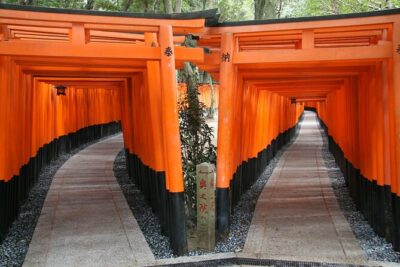
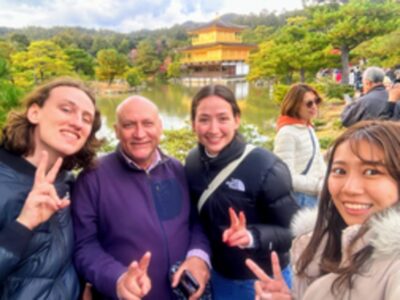
Fushimi Inari, Kinkakuji, Bamboo Grove 1 Day Bus Tour
Read our review →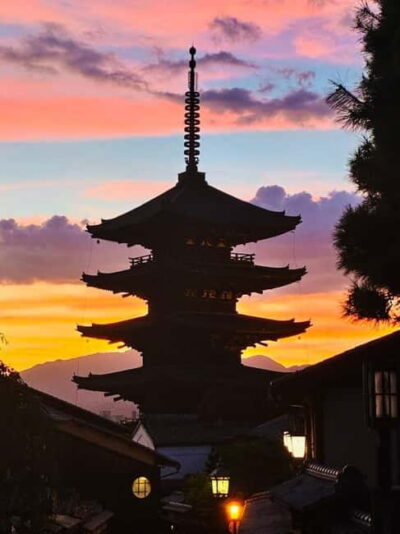
Kyoto Geisha Walking Tour: Gion District & Hidden Gems
Read our review →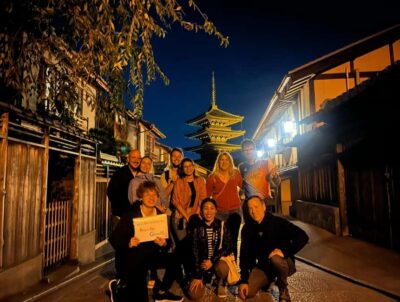
Gion Magical Night Walking Tour with Geisha Trivia
Read our review →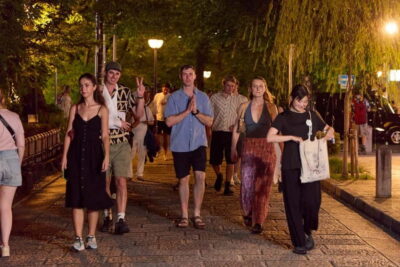
Gion Geisha District Walking Tour – Stories of Geisha
Read our review →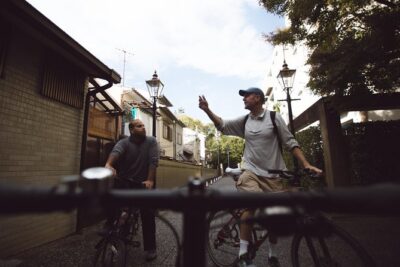
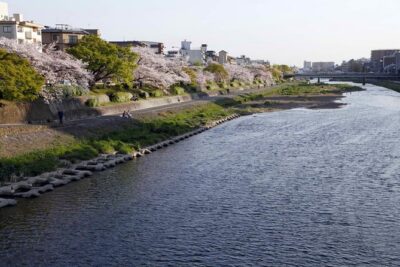
Kyoto Night Foodie Tour in Gion (9+ dishes + 6 Sake tastings)
Read our review →