
Reviewed · GION GEISHA QUARTER WALKS
Kyoto: Try Nishijin Weaving in the Oldest Geisha District
Paper, thread, and old Kyoto in one morning. I especially like that you begin at Kitano Tenmangū and get the shrine story that shaped the area. I also love the hands-on Nishijin weaving workshop, led by a real craft master, not a demo.
This is a true 3 hour experience, so expect some walking and focused time at the loom, plus chilly shrine air if you go in winter or rain.
In This Review
- Key Things That Make This Tour Worth Your Time
- Kamishichiken Begins at Kitano Tenmangū, Not at a Photo Spot
- The 30 Minute Shrine Visit, and Why It Sets the Tone
- Nishijin Weaving Class: Tsuzure-ori, 4000 Years of Pattern Work
- What the Craftsman Guidance Feels Like (and Why It Gets Praise)
- The Second Guided Walk Through Kamishichiken, 400 Meters That Explain a District
- Price and Value: What $131 Gets You in Real Time
- Weather, Timing, and What to Pack for the Shrine and Workshop Mix
- Who This Tour Fits Best (and Who Might Prefer Another Plan)
- Should You Book This Nishijin Weaving and Kamishichiken Tour?
- FAQ
- How long is the tour?
- Where do I meet the guide?
- What is the main district you visit?
- How much time is spent at Kitano Tenmangū Shrine?
- How long is the weaving class?
- What weaving technique will I learn?
- Do I get to make a textile item?
- Is there a guided walk through Kamishichiken?
- What languages are available for the live guide?
- Is free cancellation offered?
Key Things That Make This Tour Worth Your Time

- Kitano Tenmangū connection: you learn how the guardian shrine helped create the Hanamachi district feel
- Hands-on Nishijin weaving: you make something with traditional technique guidance in a real workshop
- Tsuzure-ori basics: learn the method behind patterned textiles said to be thousands of years old
- Kamishichiken street immersion: a short, meaningful stroll through a preserved 400 meter stretch
- Guides with warmth: past groups highlight friendly, natural interpretation (names like Kanako San and Yayoi-san show up in praise)
Kamishichiken Begins at Kitano Tenmangū, Not at a Photo Spot
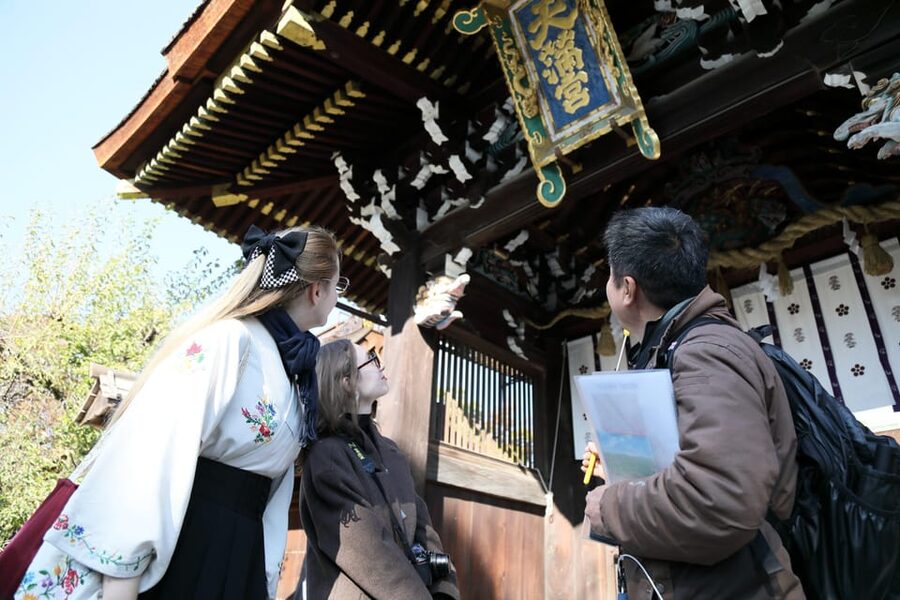
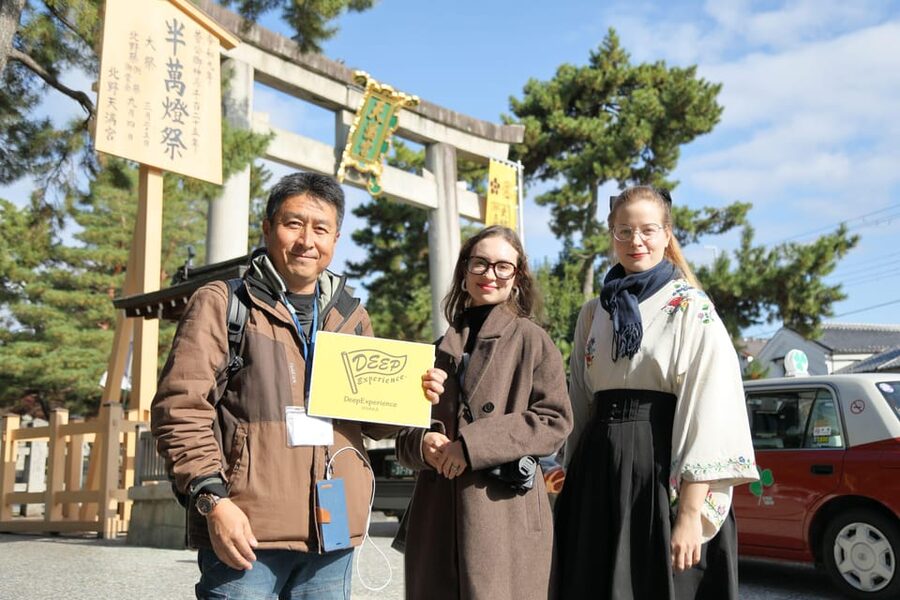
Kyoto’s geisha district areas can feel like a backdrop if your day is rushed. This one starts where the story actually begins: Kitano Tenmangū Shrine, with your meeting at the first grand torii gate (the one marked as 一の鳥居). That matters. You are not just checking a site off a list. You’re getting the cultural and spiritual context that helped shape Kamishichiken, Kyoto’s oldest Hanamachi district.
I like the rhythm here. First you step into a calmer world around the shrine, then you move into the district where that cultural system took a physical form. It makes the later street walk much more readable. The guide’s explanations can turn latticework townhouses and quiet lanes into something you can actually place in time.
The 30 Minute Shrine Visit, and Why It Sets the Tone
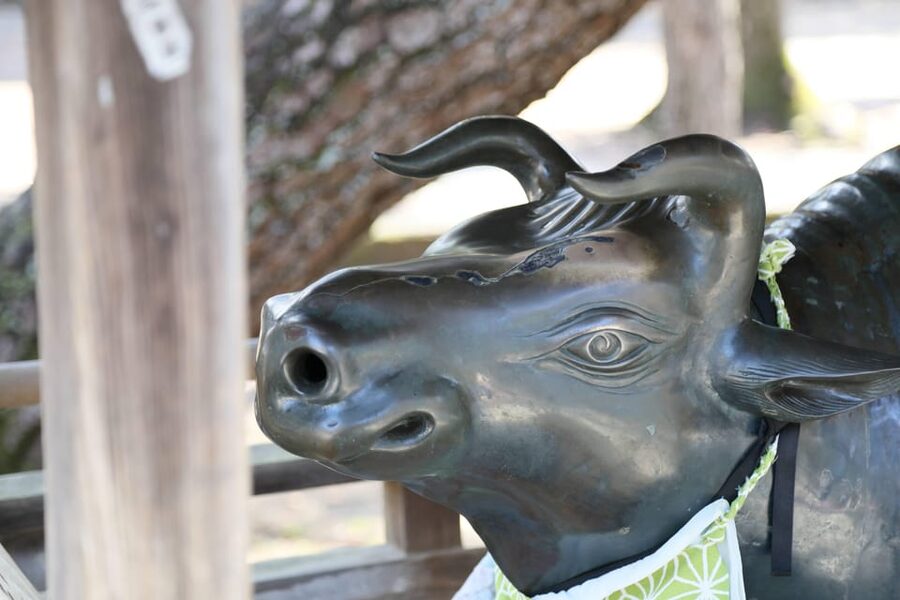
You’ll spend about 30 minutes at Kitano Tenmangū with a guided visit. The idea is simple, and it works well: you pay your respects, then your guide points out key cultural assets, including the main worship hall and other important treasures connected with the shrine.
A detail I appreciate is the mention of seasonal scenery in the shrine grounds. That’s practical advice for your planning. If it’s winter, you’ll likely feel the cold more here before you’re seated at the loom. If it’s rainy, the shrine setting can still feel charming and atmospheric, and you get a chance to slow down instead of sprinting between indoor stops.
One small add-on you might see is dango tasting, but it’s subject to the store’s availability. So I treat it as a bonus, not a guarantee. If you want sweets, plan around the experience itself, not the snack.
Lantern-lit streets of the geisha quarter
- Kyoto Geisha Walking Tour: Gion District & Hidden Gems
★ 4.7 · 3,273 reviews - Kyoto: Gion Magical Night Walking Tour with Geisha Trivia
★ 4.9 · 2,393 reviews - Kyoto: Gion Geisha District Walking Tour – Stories of Geisha
★ 4.7 · 2,187 reviews - Best of Kyoto: Gion, Geisha, Pagodas & Cobblestones
★ 4.9 · 2,058 reviews
Nishijin Weaving Class: Tsuzure-ori, 4000 Years of Pattern Work
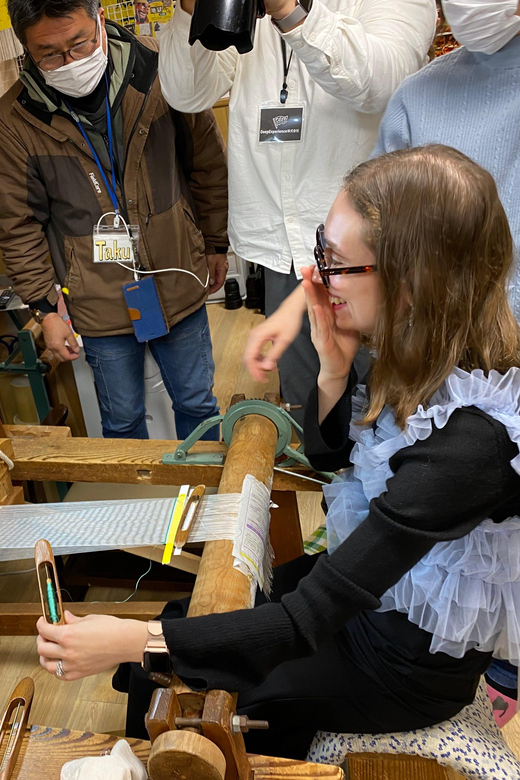
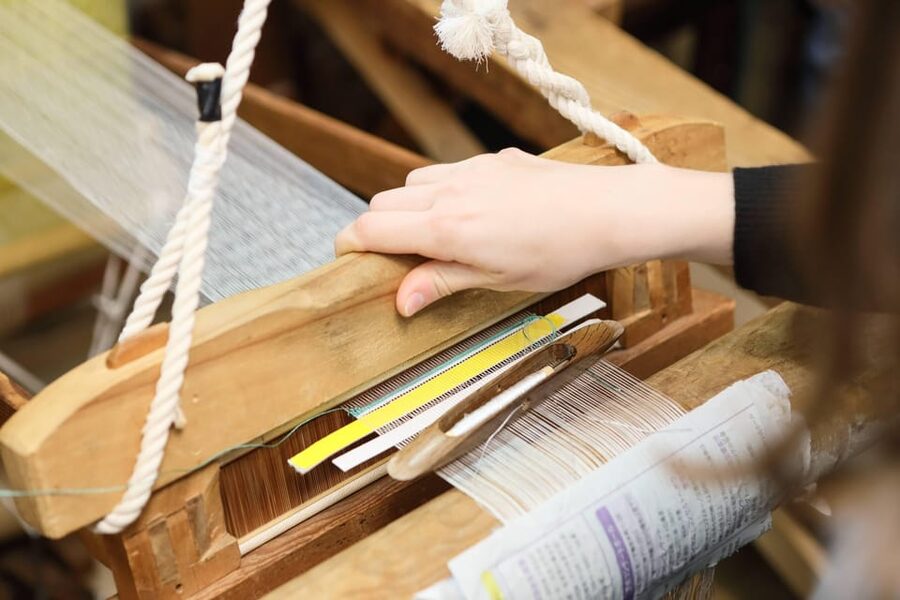
Now for the part that most people come for: the weaving workshop. You get about 1.5 hours to learn the basics of Tsuzure-ori, described here as a weaving tradition with roots around 4000 years old, and also noted as the world’s oldest patterned textile and the oldest Nishijin textile technique.
Let’s translate that into real-life value. You are not studying terms. You’re learning the method in a way your hands can remember. Nishijin weaving is famous for detail, but the best part of a workshop is that you get a first, physical understanding of why the technique takes patience.
In the class, you choose an item from the available selection and create your own one-of-a-kind work under the guidance of a traditional craftsman in a real workshop. That “choose an item” piece matters for comfort and expectation. You can go in thinking you’ll leave with something tangible, not just a certificate and photos.
What the Craftsman Guidance Feels Like (and Why It Gets Praise)

From the reviews, the standout theme is how human the instruction feels. People repeatedly mention guides being warm and natural, and they also praise the master weaver for being patient and humorous. Names that come up include Kanako San (praised as kind and friendly), Yayoi-san (praised for being informative), and Hirano sensei (praised as knowledgeable, patient, and even funny).
That kind of teaching changes the experience. In a weaving class, beginners can freeze up fast if the pace is rigid. Here, the praise suggests the craft master and interpreters are set up to help you get unstuck without making you feel rushed. If you’re the kind of traveler who likes doing things slowly and getting feedback, you’ll probably enjoy this format.
If you’re a fiber arts person, this is especially satisfying because you’re learning a technique associated with the long-running Nishijin tradition, not a modern craft imitation. And if you’re new to textile arts, it’s still approachable because the workshop is structured around making something you can complete in the allotted time.
The Second Guided Walk Through Kamishichiken, 400 Meters That Explain a District
After the class, you get another 30 minute guided tour through Kamishichiken. This is where the “past” becomes visible in the most practical way: you walk the lanes and learn what you’re looking at.
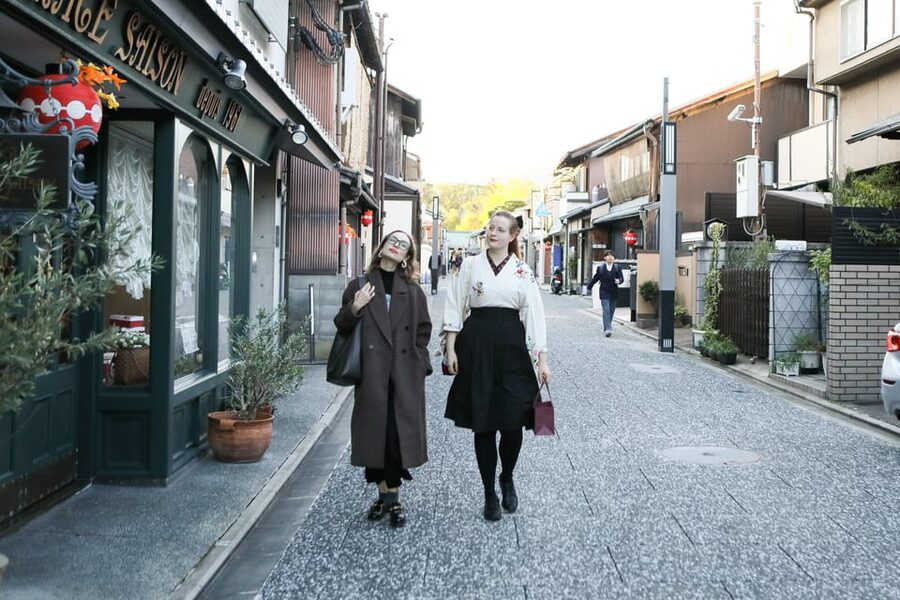
Kamishichiken is described here as a 400 meter street lined with townhouses featuring traditional latticework. That short distance is a gift. You can take in the texture of the neighborhood without turning the day into a long hike.
Your guide will point out places associated with local geiko and maiko. Now, you may not see performers directly, and the tour description doesn’t promise sightings. But it still helps to understand where the district’s culture lives and how the neighborhood structure supports it.
I like that this walk is specifically positioned as a way to see the preserved townscape and get whisked into the past. You’re away from the heaviest crowds, which makes a difference when you want to notice details like wooden facades, rhythm of entrances, and the way the street feels at human walking speed.
Price and Value: What $131 Gets You in Real Time
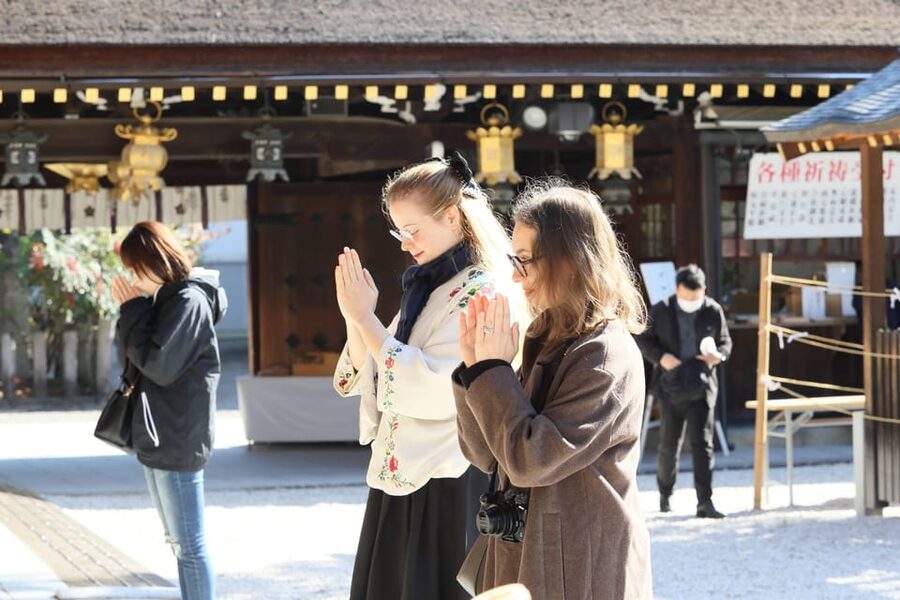
The price is listed as $131 per person for 3 hours. On paper, that can sound steep compared to “just walking around Kyoto.” The value is that you’re paying for three things working together:
- Guided cultural interpretation at Kitano Tenmangū, where context can be hard to find on your own
- A hands-on Nishijin weaving workshop with a craftsman and a guided setup
- A guided walk through Kamishichiken, where the significance of the architecture is easier with a knowledgeable storyteller
If you were to do the parts separately, you might end up paying for a workshop anyway. The difference is that this format strings them together so the shrine, the weaving craft, and the district street fabric all support each other.
My practical takeaway: if you’re the type who enjoys one “do” activity more than three quick “see” stops, this pricing usually makes sense. If you only want casual sightseeing and never want to try a craft, then it’s not your best value option.
A day of temples goes further with something to break it up.


Weather, Timing, and What to Pack for the Shrine and Workshop Mix
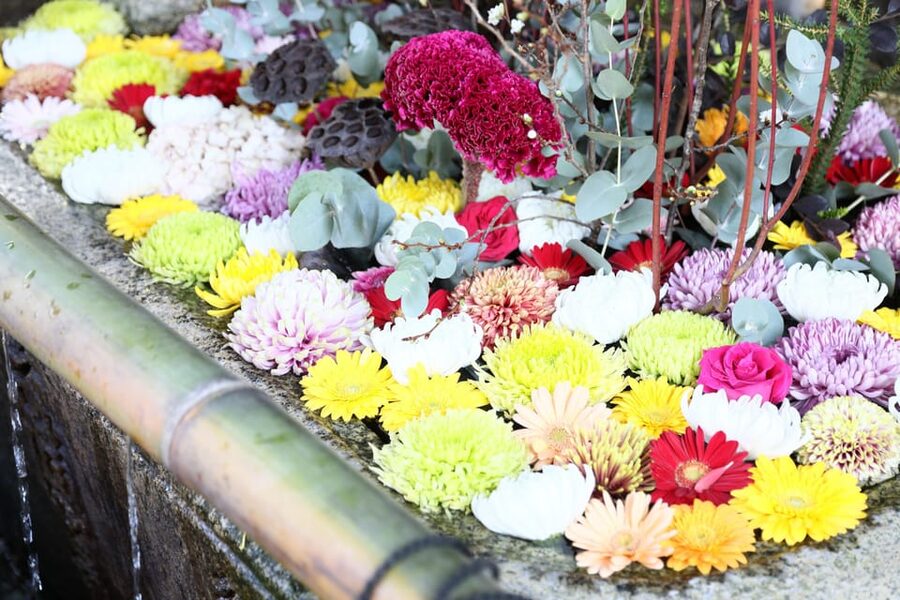
The tour is short, but it spans both outdoor and indoor time. Your shrine stop is outdoors, and the weaving class is in a workshop. One review specifically notes that even when it was cold and rainy, the shrine scenery added extra charm. Still, you should plan realistically.
Bring layers, especially if you travel in winter. Comfortable shoes matter because you’ll be walking the streets of Kamishichiken. Also, wear something you can sit and work in comfortably for 1.5 hours without worrying about every small movement.
If you’re hoping to get great photos, aim for the shrine and the lattice-lined street segments. The workshop will also offer good visuals, but your main job there is making your piece, not just shooting content.
Who This Tour Fits Best (and Who Might Prefer Another Plan)
This tour is best for travelers who want one meaningful craft experience with strong cultural context. You’ll likely be happy if you:
- enjoy traditional arts and want a hands-on output
- like guided walking where the guide helps you read what you see
- want Kyoto culture beyond temples, with a direct link to Hanamachi life
It may be less ideal if:
- you want purely free time and no structured workshop
- you prefer quick sightseeing with minimal sitting and focus
- you dislike activities that require patience with your hands
If you’re unsure, think about your own travel style. This experience rewards slow attention. It’s not a sprint.
Should You Book This Nishijin Weaving and Kamishichiken Tour?
I would book it if you want a Kyoto day that produces something real, not just memories. The strongest reason is the pairing of Kamishichiken storytelling with Nishijin weaving instruction, including the technique described as Tsuzure-ori. Add in the consistently praised warmth of guides like Kanako San, Yayoi-san, and the craft expertise credited to Hirano sensei, and you get a craft day that feels guided, not intimidating.
I would hesitate only if your budget is tight or you know you will not enjoy workshop-style time. For everyone else, it’s a smart way to connect Kyoto’s shrine roots to its craft traditions in just 3 hours.
FAQ
How long is the tour?
The tour duration is 3 hours.
Where do I meet the guide?
Meet the guide in front of the first grand torii gate of Kitano Tenmangu, where the guide will be holding a yellow sign with DeepExperience logo.
What is the main district you visit?
You explore Kamishichiken, Kyoto’s oldest Hanamachi district.
How much time is spent at Kitano Tenmangū Shrine?
The shrine visit is about 30 minutes with a guided tour.
How long is the weaving class?
The weaving class lasts about 1.5 hours.
What weaving technique will I learn?
You learn the basics of Tsuzure-ori weaving, described as a long-standing patterned textile technique associated with Nishijin.
Do I get to make a textile item?
Yes. You choose an item from the available selection and make your own piece under the guidance of a traditional craftsman.
Is there a guided walk through Kamishichiken?
Yes. You get about 30 minutes of guided touring through the Kamishichiken streets.
What languages are available for the live guide?
The live tour guide is available in English and Japanese.
Is free cancellation offered?
Yes. You can cancel up to 24 hours in advance for a full refund.
New This Season
- Koyasan Day Trip by Private Car from Kyoto
- Old Port Town and Ultimate Sake Tasting Private Tour From Kyoto
- Kyoto’s Timeless Charm: 3hr Exploration of History and Peace
- Kyoto: 5 Types of Sushi Making
- Sacred Peak & Ancient Paths: Kurama-Kibune Hiking Experience
- Kyoto: Exclusive ZEN practice at Manpukuji temple in Uji
- Kyoto: Private Seasonal Aroma Yoga Class
- Traversing Kyoto’s Scenic West – Arashiyama to Kinkakuji
Gion Geisha Quarter Walks, compared.

Kyoto Geisha Walking Tour: Gion District & Hidden Gems
Read our review →
Gion Magical Night Walking Tour with Geisha Trivia
Read our review →
Gion Geisha District Walking Tour – Stories of Geisha
Read our review →
Best of Kyoto: Gion, Geisha, Pagodas & Cobblestones
Read our review →

Kyoto Night Foodie Tour in Gion (9+ dishes + 6 Sake tastings)
Read our review →
Kyoto Gion Geisha District Walking Tour – The Stories of Geisha
Read our review →
Kyoto Gion: 2-Hour Geisha Culture & History Walking Tour
Read our review →Also filed under