
Reviewed · COOKING CLASSES
Kyoto Udon and Tempura Cooking Class with Professional Chefs
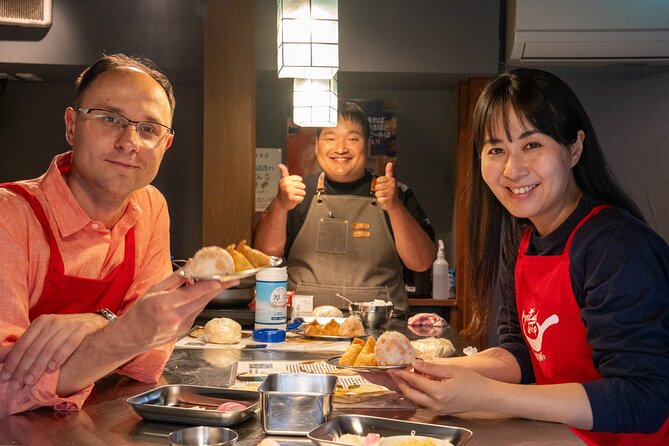
If you like hands-on food, this class delivers. You start with flour and water and end up frying tempura, plus making sushi rice classics and eating everything you make with sake. It is designed for real beginners, and the small group feel means you actually get to do the work, not just watch.
I especially love how practical it is: knead, roll, cut, shape rice, and fry. I also like the meal payoff, because you sit down to hot and cold udon and the rest of your dishes instead of calling it quits right after cooking. One thing to consider is that transportation is not included, so you will want to plan how you get to the meeting point near public transit.
In This Review
- Why This Kyoto Cooking Class Feels Like Real Udon Shop Work
- Key Highlights Worth Showing Up For
- Meeting at 7-Eleven in Nakagyo: Simple Start, Real Momentum
- Step One: Udon From Flour and Water to Chewy Noodles
- Making Onigiri and Inari Sushi: The Rice Skills That Travel
- Tempura Frying: Crispy, Golden, and Not as Scary as It Sounds
- The Meal: Eat Your Udon, Sushi, Tempura, Then Mini Sake Tasting
- Recipes and Photos: Your Kitchen Backup Plan
- Price and Value: Is $85.39 Worth It?
- Who This Kyoto Class Fits Best
- Should You Book This Udon and Tempura Class?
- FAQ
- What is the duration of the Kyoto udon and tempura cooking class?
- What time does the tour start?
- Where is the meeting point?
- How many people are in the group?
- What dishes are included in the class?
- Are drinks included?
- Is transportation to the meeting point included?
- Do I need cooking experience?
- Will I get recipes or photos after the tour?
- Is there free cancellation?
Why This Kyoto Cooking Class Feels Like Real Udon Shop Work
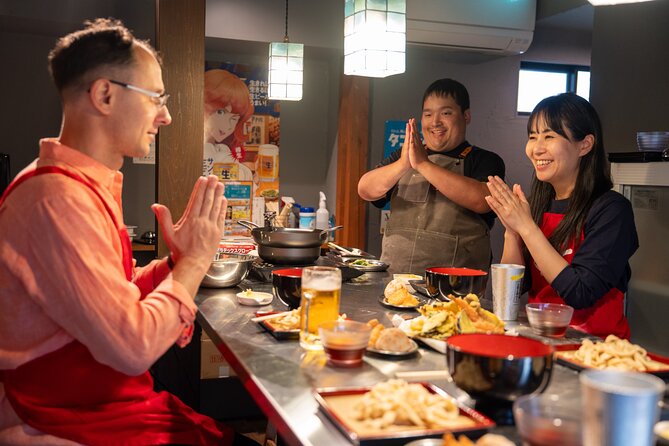
Kyoto is famous for food that looks simple, then beats you with technique. This experience focuses on the basics that matter, like dough texture, knife control, and how to fry tempura until it turns crisp and golden.
The format helps. You get guidance from a local udon master plus an English-speaking guide, and the group size is capped at 8 travelers. That mix is great if your Japanese is limited, because you are not guessing what to do with slippery dough and hot oil.
And it is not just udon. You also make onigiri and inari sushi, then fry tempura. By the time you eat, you have a full Kyoto set in your hands, not just one highlighted dish.
One more detail I like: the class includes two drinks with your meal. That usually means sake is part of the experience, and you get a simple tasting moment right where it belongs, at the table.
Key Highlights Worth Showing Up For
- Small group, hands-on cooking with a maximum of 8 travelers
- From scratch udon dough with kneading, rolling, and cutting practice
- Rice shaping plus inari sushi (onigiri and inari sushi are both included)
- Tempura frying instruction geared to get you crisp results
- Eat what you make, with a mini sake tasting
- Take-home recipes and photos sent by email after the tour
Meeting at 7-Eleven in Nakagyo: Simple Start, Real Momentum
You meet at 7-Eleven, 599 Uraderachō, Nakagyo Ward, Kyoto, starting at 10:00 am. The tour also ends back at the meeting point, so you do not need to figure out a complicated route afterward.
This start location is practical because it is a familiar landmark in Kyoto, and the area is described as near public transportation. You will still want to arrive a few minutes early, mainly so you can check in smoothly with your mobile ticket and settle in before cooking begins.
Quick heads-up: transportation to and from the meeting point is not included. That is normal for cooking classes, but it matters if you are traveling with a stroller, heavy luggage, or you are hopping between neighborhoods. Plan your route so you are not stressed when the class starts.
A quieter way to spend a day in Kyoto
- Ramen Cooking Class at Ramen Factory in Kyoto
★ 5.0 · 1,937 reviews - Kyoto: Ramen Cooking Class at a Ramen Factory with Souvenir
★ 4.9 · 532 reviews - Kyoto: Ramen, Gyoza, and Onigiri Cooking Class
★ 5.0 · 445 reviews - Kyoto: Japanese Washoku Bento Small Group Cooking Class
★ 5.0 · 380 reviews
Step One: Udon From Flour and Water to Chewy Noodles
The most satisfying part of the lesson is the udon process. You start with just flour and water, then work through kneading, rolling, and cutting. The point is not perfection, it is understanding how the dough behaves as you handle it.
You will have a local udon master guiding the technique. This is where the class earns its name. Udon is deceptively simple, but chew and texture come from how you handle the dough. When you do it yourself, you learn what good dough feels like, and you stop relying on store-bought expectations.
If you worry you will be bad at it, do not. The experience is built for beginners, and the instruction is designed around learning by doing. That is exactly what you want when you are working with something as tactile as noodle dough.
From the meal side, you can expect to taste both hot and cold udon. That is a useful way to understand udon as more than one mood. Hot udon gives you comfort and aroma, while cold udon highlights chew and clean flavors.
Making Onigiri and Inari Sushi: The Rice Skills That Travel
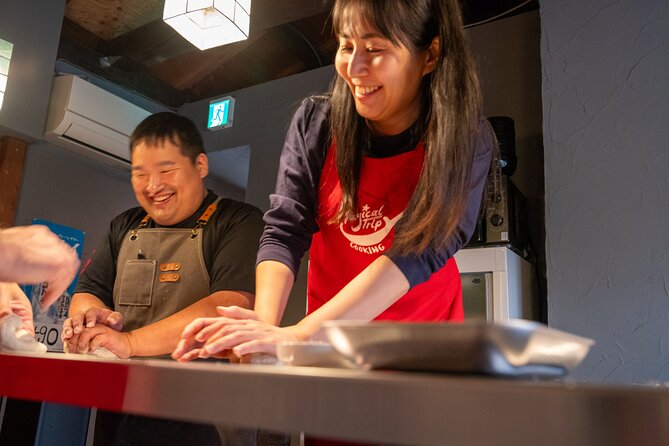
Next comes rice, and this is where your confidence starts to grow. You prepare classic Japanese rice dishes like onigiri and inari sushi, guided step by step.
Onigiri is the sort of food that looks casual until you try it. The technique is mostly about handling rice so it sticks without getting gluey, and shaping with control. Even if you have never rolled a rice ball before, you can learn it in a short class because the steps are concrete.
Inari sushi adds a different texture and flavor profile. Inari is often associated with a sweet-savory filling and a pouch-like base, so it is a great contrast after plain rice shaping. The practical value here is that you learn how a familiar Japanese snack turns into a complete bite that feels balanced, not just sweet.
I also like that these dishes are not separate from the udon and tempura story. They feel like a Kyoto meal you could build at home: chewy noodles, rice you can shape, then something crisp and fried for contrast.
Tempura Frying: Crispy, Golden, and Not as Scary as It Sounds
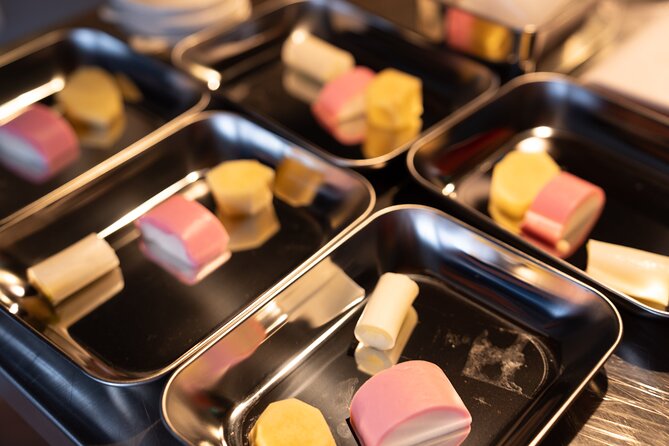
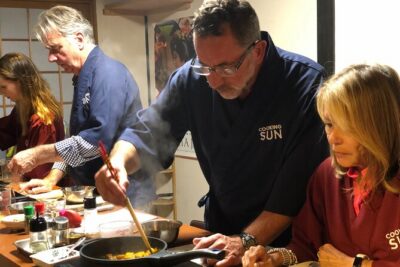
Then you hit tempura, the part many people fear because it involves heat and timing. The class keeps it manageable by providing friendly instruction as you fry crispy tempura.
Tempura is a great choice for a cooking class because the results are obvious. If batter is too thick or oil is wrong, you see it. But if everything clicks, you get that light crackle and golden color that tastes like more than just fried food.
You fry tempura alongside your other dishes, and the meal gives you a chance to judge your work right away. One practical tip from the vibe of the class: do not treat it like a science project. Follow the guide, watch what is happening as it fries, and adjust your pace. You are learning technique, not performing for an audience.
Also, you will eat what you make. That matters for tempura because you can compare the crispness and flavor while it is still at its best, not an hour later when everything is lukewarm.
The Meal: Eat Your Udon, Sushi, Tempura, Then Mini Sake Tasting
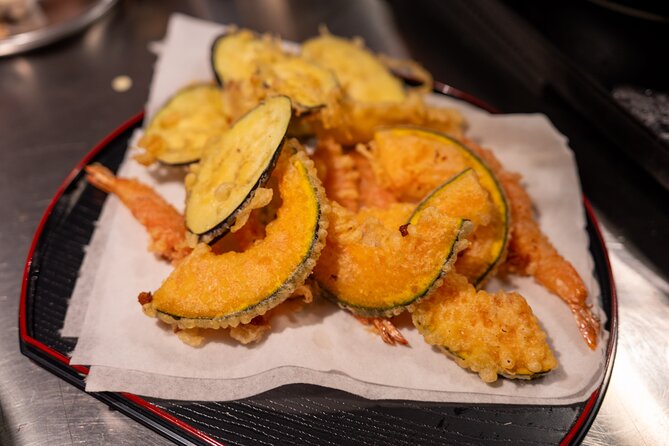
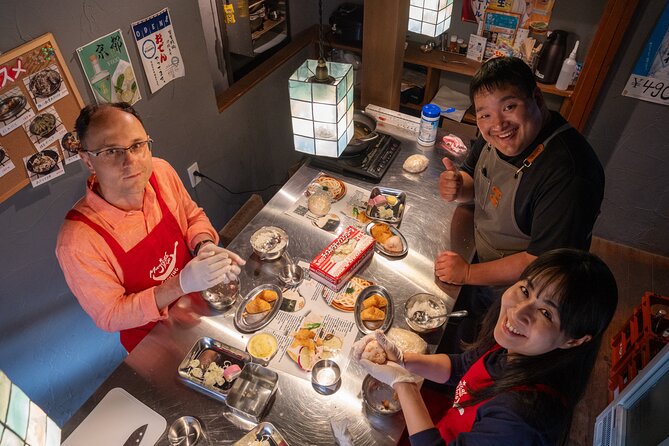
After cooking, you get to enjoy everything you made, including fresh udon, sushi, and tempura. This is where the experience stops being a class and becomes a meal.
What I really like is the pairing. The class includes two drinks, and your choice can be alcoholic or non-alcoholic, including sake. A mini sake tasting is a neat way to connect the flavors you worked on with something traditional that Kyoto is known for.
If you have ever taken a cooking class that ends right after the cooking part, you know how unsatisfying that can feel. Here, the timing is right because you learn the dish, then you taste it at the right moment. You also get to share the table moment with your small group of up to 8 people, which makes the whole thing feel social without turning chaotic.
And please do yourself a favor and bring your appetite. The class is not tiny snack-sized. It is a full lesson meal, plus multiple dishes you actually made.
A day of temples goes further with something to break it up.


Recipes and Photos: Your Kitchen Backup Plan
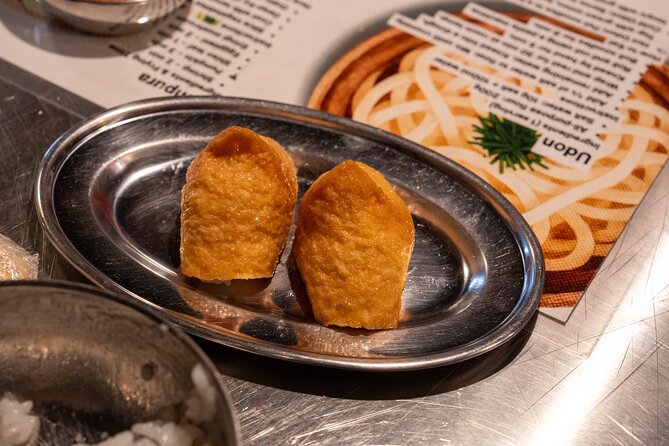
This tour gives you more than just memories. You receive downloadable English recipes so you can recreate the dishes at home.
That matters because the hardest part of cooking lessons is translating technique later. Recipes in English help you remember the sequence and ingredients without needing to translate menus or hunt down formulas.
You also get tour photos. Your guide takes photos during the experience and sends them to you by email afterward. It is a simple touch, but it helps you remember what the steps looked like, especially for things like dough texture or how the tempura should look when it is ready.
Price and Value: Is $85.39 Worth It?
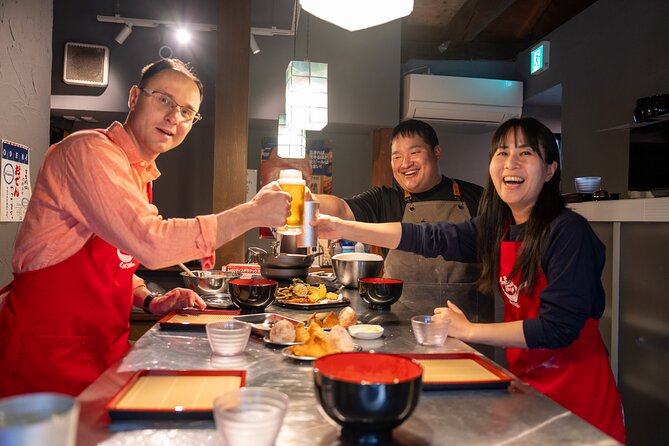
At $85.39 per person, this is not the cheapest thing to do in Kyoto. But it is also not a long, low-impact workshop. You get 2 hours 30 minutes of guided, hands-on cooking with professional instruction, and you leave with a full meal you created plus take-home resources.
Here is what you are paying for, in plain terms:
- You learn multiple dishes from scratch: udon, onigiri, inari sushi, and tempura.
- You get ingredients and cooking support included, plus tasting and eating everything you make.
- Drinks are included, with two drink options and sake included.
- You get downloadable recipes and photos afterward.
If you compare it to the cost of a meal plus a culinary experience in Kyoto, the value makes sense because the cooking time is structured and the results feed you. If you just want to eat, you will find plenty of restaurants. If you want technique and a Kyoto meal you can replicate later, this price is easier to justify.
Who This Kyoto Class Fits Best
This experience is a strong match if you want a beginner-friendly cooking day that still feels authentic.
You will likely enjoy it if:
- You like learning by doing, not just watching.
- You want a Kyoto food lesson with multiple dishes, not one standout dish only.
- You are traveling with family, since the format is designed to be approachable and the pace is guided.
- You want English support from an English-speaking guide alongside specialist udon instruction.
If you are the type who hates hands-on messy work, this may be less fun because udon dough and frying tempura require full participation. But if you can handle getting flour on your hands, you are in the right place.
Should You Book This Udon and Tempura Class?
I think this is worth booking if you want more than dinner. The big reasons to choose it are the step-by-step udon making, the mix of sushi and tempura, and the fact that you eat the results with a sake tasting.
Skip it only if your schedule is tight and you cannot reach the meeting point easily, because transportation is not included. Also skip it if you strongly prefer restaurant-style dining only, because the experience is built around cooking and tasting you made yourself.
If you want a hands-on Kyoto food memory you can repeat at home, this class hits the mark. Book it, show up hungry, and let the dough do its thing.
FAQ
What is the duration of the Kyoto udon and tempura cooking class?
The class runs about 2 hours 30 minutes.
What time does the tour start?
The start time is 10:00 am.
Where is the meeting point?
You meet at 7-Eleven, 599 Uraderachō, Nakagyo Ward, Kyoto, 604-8041, Japan.
How many people are in the group?
The tour has a maximum of 8 travelers.
What dishes are included in the class?
You learn to make udon, tempura, onigiri, and inari sushi.
Are drinks included?
Yes. Two drinks are included, and you can choose alcoholic or non-alcoholic, including sake.
Is transportation to the meeting point included?
No. Transportation to and from the meeting point is not included.
Do I need cooking experience?
No. The class is described as suitable even if you have no experience.
Will I get recipes or photos after the tour?
Yes. You receive downloadable recipes, and your guide takes photos during the tour and sends them to you by email afterward.
Is there free cancellation?
Yes. You can cancel for a full refund up to 24 hours in advance of the experience’s start time.
New This Season
- Koyasan Day Trip by Private Car from Kyoto
- Old Port Town and Ultimate Sake Tasting Private Tour From Kyoto
- Kyoto’s Timeless Charm: 3hr Exploration of History and Peace
- Kyoto: 5 Types of Sushi Making
- Sacred Peak & Ancient Paths: Kurama-Kibune Hiking Experience
- Kyoto: Exclusive ZEN practice at Manpukuji temple in Uji
- Kyoto: Private Seasonal Aroma Yoga Class
- Traversing Kyoto’s Scenic West – Arashiyama to Kinkakuji
Cooking Classes, compared.
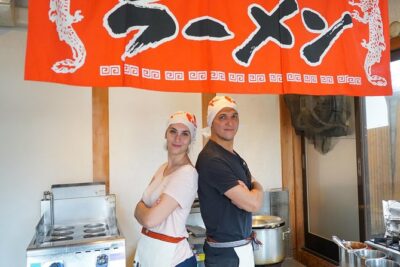
Ramen Cooking Class at Ramen Factory in Kyoto
Read our review →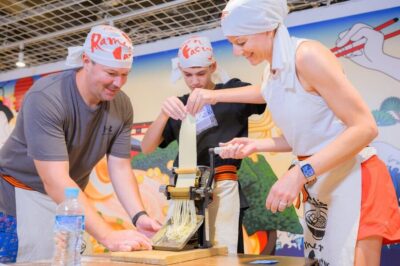
Ramen Cooking Class at a Ramen Factory with Souvenir
Read our review →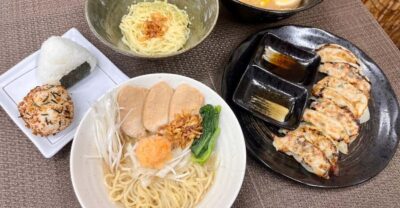
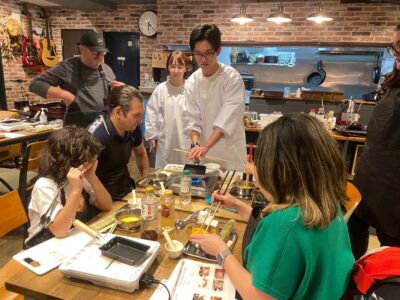
Japanese Washoku Bento Small Group Cooking Class
Read our review →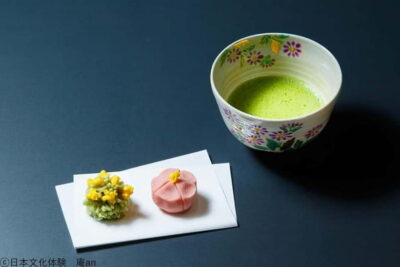
Japanese Traditional Sweets Making and Tea Ceremony
Read our review →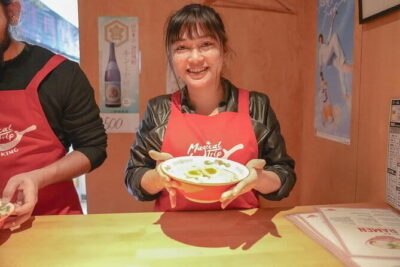
Kyoto Ramen and Gyoza Cooking Class with Professional Chefs
Read our review →
Also filed under