
Reviewed · COOKING CLASSES
Kyoto Udon & Tempura Cooking Class with Professional Chefs
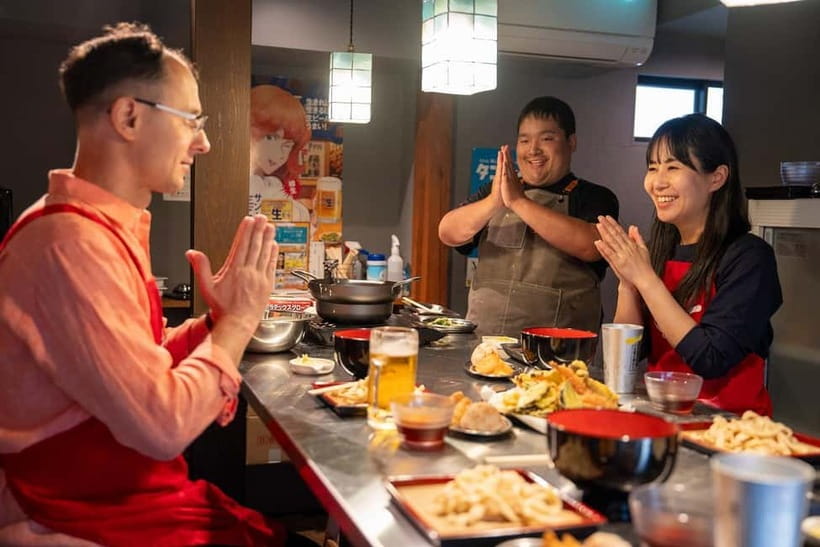
Udon is flour and water, then magic. This Kyoto cooking class turns that simple start into chewy homemade noodles and crisp tempura in about two hours.
I especially like the small group size (up to 8), because you actually get time with the udon master and a friendly English-speaking guide. I also love that you leave with an English recipe set, so the dishes are not just an experience, they become a repeatable plan for home cooking.
One thing to consider is that class flow can vary. If you’re very strict about making every component fully from scratch, confirm ahead of time what you will personally prepare, since some parts (like tempura batter prep or other elements) may be more “hands-on” than “from-zero-to-bowl.”
In This Review
- Key Things You’ll Notice
- Getting Oriented at Kyoto-Kawaramachi’s 7-Eleven
- Turning Flour and Water Into Kyoto Udon Noodles
- Inari Sushi and Onigiri: Shaping Seasoned Rice
- Tempura Frying: Crisp Coats the Easy Way
- Eating What You Make, Plus Mini Sake Tasting
- What You Pay, and Why It Can Be Good Value at $83
- Timing, Group Size, and How to Plan Your Day
- Who This Kyoto Udon and Tempura Class Is For
- Should You Book This Kyoto Udon and Tempura Class?
- FAQ
- How long is the Kyoto Udon & Tempura Cooking Class?
- Where is the meeting point?
- What dishes will I learn to make?
- Do I need any cooking experience?
- Is the class taught in English?
- How big is the group?
- Are ingredients provided?
- What drinks are included?
- Is cancellation free if I change my plans?
Key Things You’ll Notice
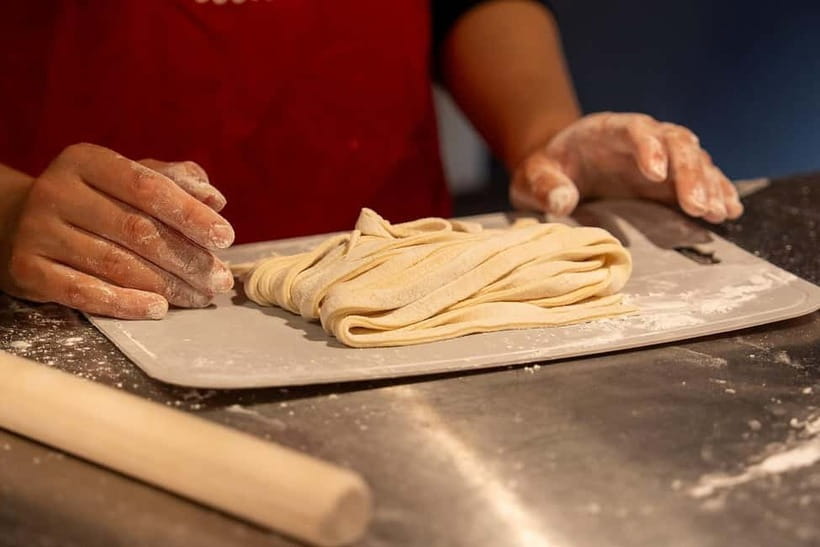
- Udon from scratch, by hand: mix, knead, and roll flour and water into noodles
- Inari sushi rice work: steam, season, then shape into inari sushi and onigiri
- Tempura practice: you fry your own golden bites under guidance
- English support in a restaurant setting: you get step-by-step help without guessing
- Mini sake tasting included: you get to pair the meal, not just finish it
- Take-home English recipes: useful for recreating the dishes with ingredients you can actually find
Getting Oriented at Kyoto-Kawaramachi’s 7-Eleven
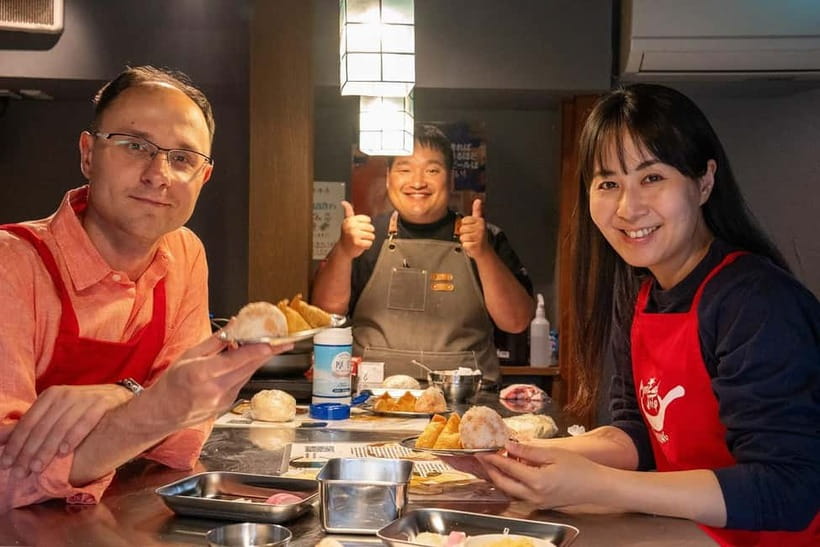
Most cooking classes go smoother when you show up early and calm. This one starts at 7-Eleven in Kyoto Kawaramachi-Takoyakushi, a short walk from Kyoto-Kawaramachi Station. If you’re using the Keihan Kyoto Line, it’s about a 3-minute walk from Exit B3. If you’re coming via the Keihan Main Line, it’s around a 9-minute walk from Exit 3 of Gion-Shijo Station.
Why that matters: Kyoto is busy, and you do not want to sprint while hungry. The meet-up spot is convenient for getting there on foot, which is the easiest way to keep your timing comfortable. When you arrive, you’ll quickly get sorted into a small group and move from instructions into action.
Turning Flour and Water Into Kyoto Udon Noodles
This is the heart of the experience, and it’s why I think the class is worth your time even if you’re not a big “cooking person.” You start with very basic ingredients, flour and water, and you work the dough the same way noodle makers have for generations. That means your hands do the work: you mix, knead, and roll.
Udon has a distinct feel because of the dough, not because of complicated flavoring. When you roll it out, you start to understand why good udon is chewy and satisfying. It’s also a relief that you do not need any cooking background. The process is physical and guided, so you learn by repeating the motions correctly rather than by knowing food science.
A practical tip for enjoying this part: slow down and focus on texture. If the dough feels tight or dry, you’ll be shown what to adjust. If it feels too soft, you’ll learn how the dough should behave. That feedback is the real value, because it transfers to whatever noodle project you try later.
One more reality check: the class description emphasizes making udon noodles from scratch, and the experience you get is mostly hands-on. Still, if you were hoping to cook every final udon component yourself, keep expectations flexible. Some classes spend more time on dough work than on the full finishing stages, and you’ll want to know what’s included for your specific session.
A quieter way to spend a day in Kyoto
- Ramen Cooking Class at Ramen Factory in Kyoto
★ 5.0 · 1,937 reviews - Kyoto: Ramen Cooking Class at a Ramen Factory with Souvenir
★ 4.9 · 532 reviews - Kyoto: Ramen, Gyoza, and Onigiri Cooking Class
★ 5.0 · 445 reviews - Kyoto: Japanese Washoku Bento Small Group Cooking Class
★ 5.0 · 380 reviews
Inari Sushi and Onigiri: Shaping Seasoned Rice
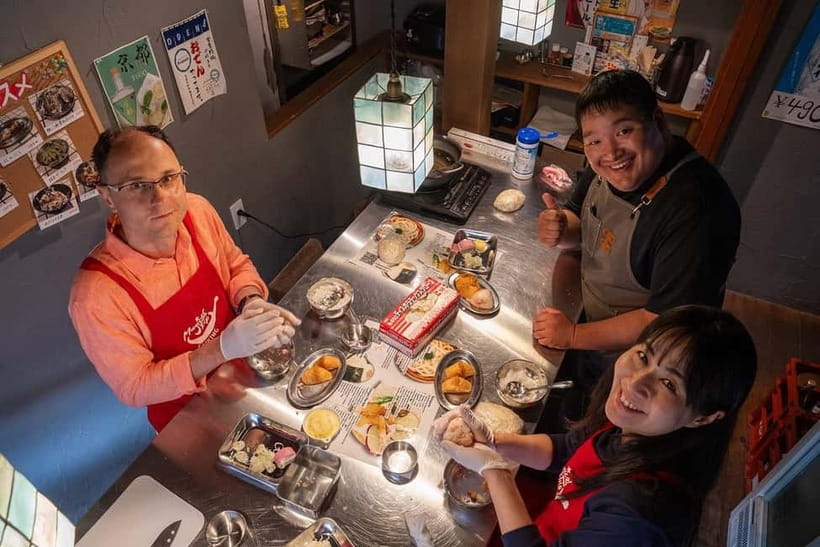
After the udon dough work, you shift to rice and Japanese shaping. You’ll get freshly steamed rice, learn how to season it for Inari Sushi, and then shape it into tasty bites like onigiri and inari sushi.
This section is more than “make food, eat food.” It teaches you a Japanese kitchen skill that’s hard to learn from a restaurant meal. The shaping part has a rhythm, and when it clicks, you’ll feel oddly proud. You also get to taste how the rice seasoning works with the rest of the dish, which is the difference between copying a recipe and understanding what you’re tasting.
Why this is a smart inclusion: inari sushi can be intimidating if you just read about it online. Here, you’re shown the practical steps and how the rice should behave while you shape it. And because it’s hands-on, you’ll remember it later when you try to recreate it.
As for what you personally do, the experience is designed around you making your own portions. Still, some participants have reported that sushi prep can be more abbreviated than expected. If this is your priority, ask the operator beforehand what exactly you will assemble at the table, so there are no surprises on the day.
Tempura Frying: Crisp Coats the Easy Way
Then comes the crispy payoff: tempura. The guide and chef demonstrate the steps, and you fry your own golden bites. Tempura is all about technique and timing. Too hot, and it burns. Too cool, and it turns oily and heavy. That’s why a class like this is useful, because it puts you near someone who can steer your hands quickly.
Even if you’ve eaten tempura for years, frying it yourself teaches you what you’ve been missing. You start to notice the batter texture, the way ingredients behave in oil, and how quickly you have to move. That feedback is hard to get alone at home.
One thing to keep in mind: while the experience is described as learning from scratch, there can be variation in how much of the batter prep happens in front of you. Some sessions focus more on dipping ingredients and frying under guidance, which is still valuable because the frying technique is the key skill. If you want the full batter-making steps personally, it’s worth confirming in advance.
Eating What You Make, Plus Mini Sake Tasting
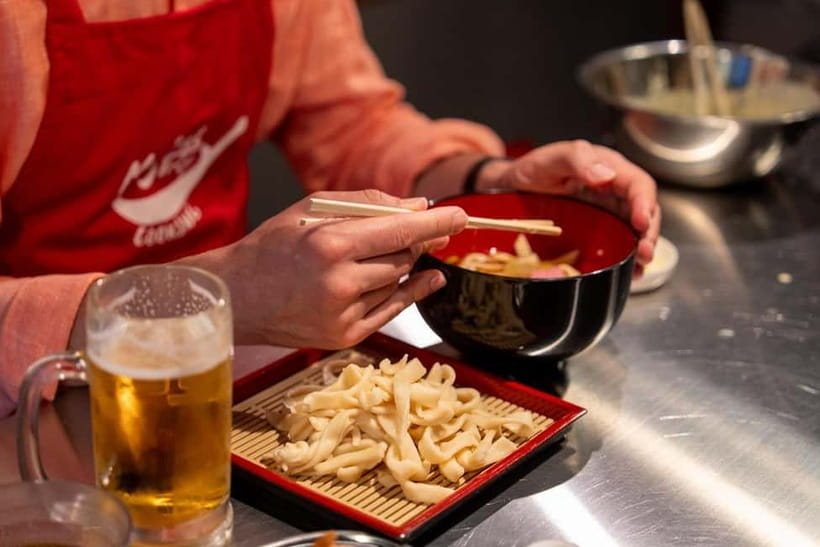
The best cooking classes end with food that tastes like the work you did. Here, you eat your homemade udon, inari sushi, and tempura. You also get paired with a mini sake tasting experience, plus two drinks total.
This is where the lesson turns into memory. Chewy udon feels different when you shaped the dough yourself. Inari sushi becomes a real flavor concept when you’ve seasoned the rice. Tempura tastes better when you’ve watched the oil and heard that frying sizzle.
The sake component is also a nice touch for travelers who want the Kyoto food mood without turning it into a long night. You’re tasting while the meal is fresh, and it helps you understand how Japanese drinks fit into the dining rhythm.
What You Pay, and Why It Can Be Good Value at $83
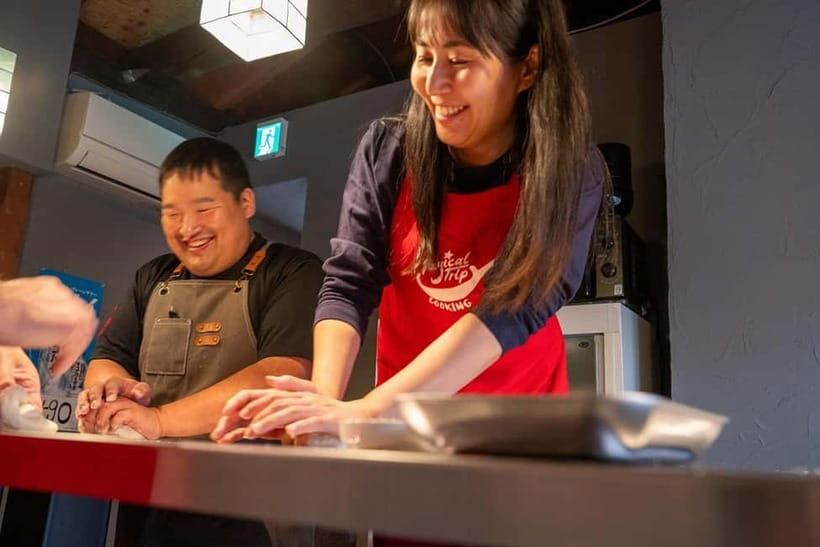
At $83 per person for a two-hour class, you might wonder if this is just entertainment. For me, the value hinges on three things that this experience includes.
First, you’re not learning in a vacuum. You’re cooking in a restaurant-style setting with a local udon master and an English guide, in a small group of up to 8. That kind of attention matters because noodle and frying work both reward correct technique.
Second, you get more than one dish. Udon, inari sushi, and tempura is a lot for a short session. Many food tours focus on tasting, and you do less cooking. Here, you leave with multiple “wins” you can explain to friends, because you made them.
Third, the take-home English recipe set is not just a nice souvenir. It’s what turns the class into something you can repeat. That means your money buys more than an afternoon. It buys a skill you can practice again.
That said, consider your expectations about “from scratch.” If your idea is fully producing every component end-to-end, you should confirm the level of batter and finishing work you personally do. If you’re happy to learn technique and participate actively, the experience is likely to feel worth it.
A day of temples goes further with something to break it up.


Timing, Group Size, and How to Plan Your Day
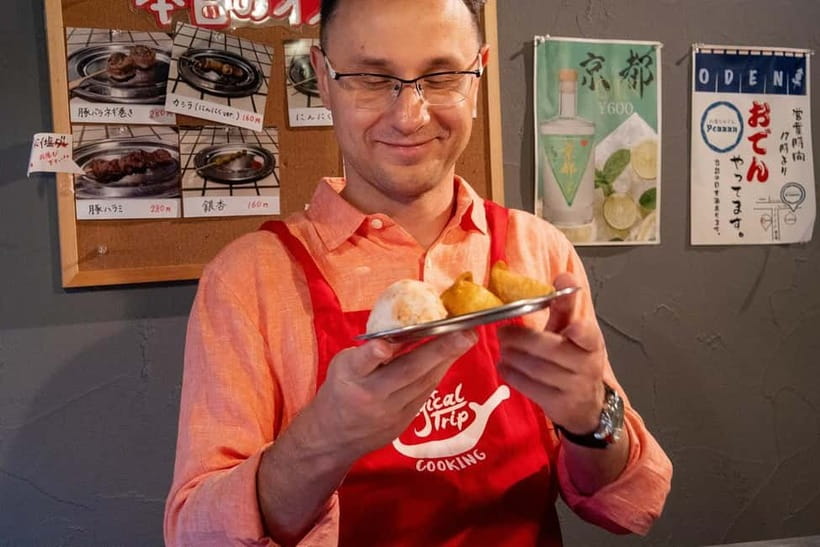
The listed duration is 2 hours, and the format is a small group, limited to 8 participants. In real life, two hours can feel tight or generous depending on how hands-on the class is at each step, and how many people have questions. For that reason, I suggest building in a little buffer before and after your session.
If you’re sequencing this into a Kyoto day, pair it with nearby sightseeing rather than something far away. The meeting point is in the Kawaramachi area, which is a strong base for getting around on foot and by train. You’ll also be fed by the end, so you can keep dinner lighter.
One practical note: some sessions can run closer to an hour and a half plus eating, especially if the class is paced quickly or if stations are prepped in advance. Even if that happens, you’ll still get the core noodle and frying experience, just with less total sitting time.
Who This Kyoto Udon and Tempura Class Is For
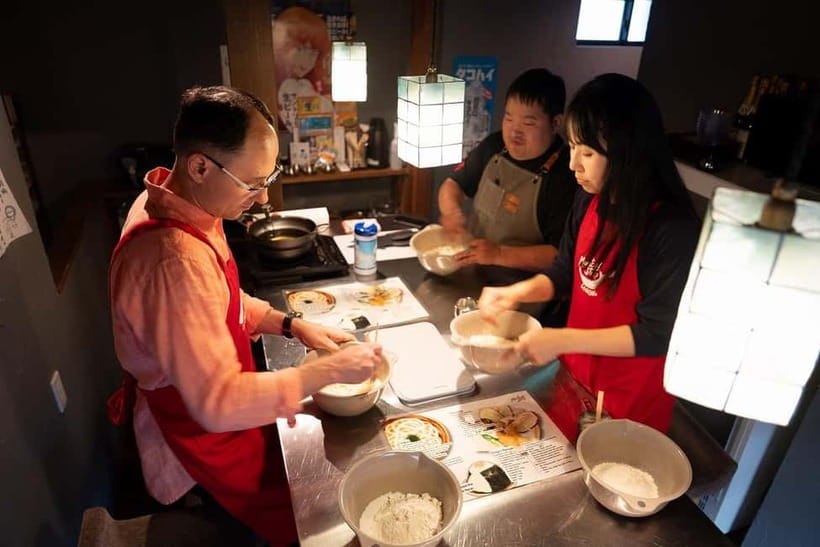
This is a good fit if you want hands-on cooking without stress. You do not need prior cooking experience, and the class is suitable for all ages, so it can work for couples, families, and first-timers.
I’d also point it out to travelers who learn best by doing. If you remember techniques better than facts, this format is your friend. Kneading and shaping stick in your mind in a way that reading a recipe never does.
On the other hand, if you’re the type who only enjoys cooking when you control every ingredient from start to finish, you may want to confirm specifics before booking. Based on how these classes are run, the core emphasis is on learning, participating, and tasting your creations rather than running a full “factory tour” of every component.
Should You Book This Kyoto Udon and Tempura Class?
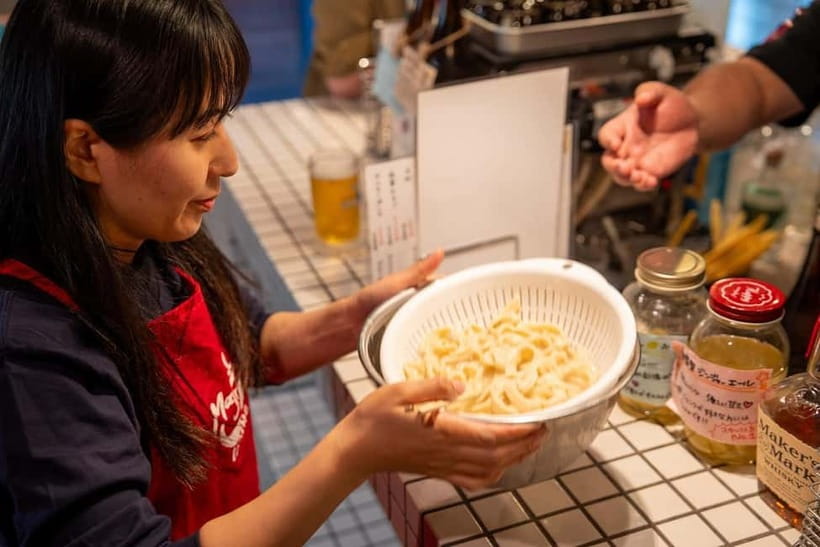
Book it if you want a compact Kyoto experience that actually involves your hands. The combination of udon noodle making, inari sushi rice work, and tempura frying is an efficient way to learn three Japanese flavors and techniques in one sitting. Add the English guidance and the small-group feel, and it becomes a class where you can ask questions and get corrected in real time.
Skip or adjust expectations if you care most about fully doing every step end-to-end, with every batter and broth component made by you. In that case, contact the provider before your day to confirm how much you will personally prepare versus what’s handled by the chefs.
Overall, if your goal is to leave Kyoto with a skill, not just a photo, this is the kind of cooking class that delivers.
FAQ
How long is the Kyoto Udon & Tempura Cooking Class?
It’s listed as 2 hours.
Where is the meeting point?
Meet at the 7-Eleven in Kyoto Kawaramachi-Takoyakushi. It’s about a 3-minute walk from Kyoto-Kawaramachi Station Exit B3, or about a 9-minute walk from Gion-Shijo Station Exit 3.
What dishes will I learn to make?
You’ll learn to make udon noodles, inari sushi, and tempura, and you’ll eat what you prepare.
Do I need any cooking experience?
No. Prior cooking experience is not required.
Is the class taught in English?
Yes, the instructor and guide support is in English.
How big is the group?
It’s a small group, limited to 8 participants.
Are ingredients provided?
Yes, ingredients are provided for the cooking class.
What drinks are included?
Two drinks are included, and there is also a mini sake tasting experience.
Is cancellation free if I change my plans?
Free cancellation is available up to 24 hours in advance for a full refund.
New This Season
- Koyasan Day Trip by Private Car from Kyoto
- Old Port Town and Ultimate Sake Tasting Private Tour From Kyoto
- Kyoto’s Timeless Charm: 3hr Exploration of History and Peace
- Kyoto: 5 Types of Sushi Making
- Sacred Peak & Ancient Paths: Kurama-Kibune Hiking Experience
- Kyoto: Exclusive ZEN practice at Manpukuji temple in Uji
- Kyoto: Private Seasonal Aroma Yoga Class
- Traversing Kyoto’s Scenic West – Arashiyama to Kinkakuji
Cooking Classes, compared.
Ramen Cooking Class at Ramen Factory in Kyoto
Read our review →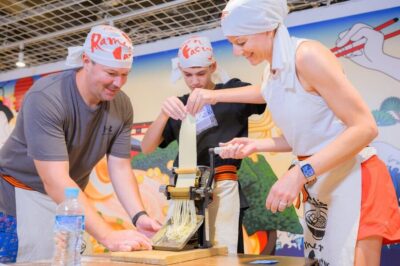
Ramen Cooking Class at a Ramen Factory with Souvenir
Read our review →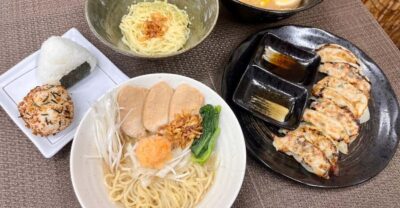
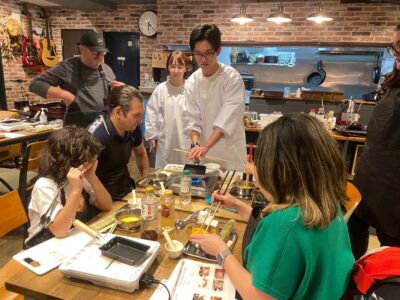
Japanese Washoku Bento Small Group Cooking Class
Read our review →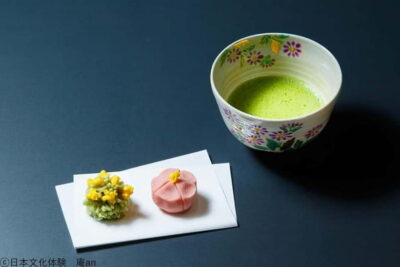
Japanese Traditional Sweets Making and Tea Ceremony
Read our review →
Kyoto Ramen and Gyoza Cooking Class with Professional Chefs
Read our review →
Also filed under