Reviewed · TOURS
Kyoto’s Higashiyama: Tradition, Art & Religion Tour
Kimono and temples, crammed into one smart walk. I like how this Higashiyama route links major sights like Kiyomizu-dera with a quieter Zen pause at Kennin-ji, so you get both wow and calm. You also move through the streets in a traditional kimono, which makes the area feel more lived-in than any checklist.
I especially like that the tour handles the paid entries you care about most. Admission to Kiyomizu-dera and Kennin-ji is included, plus public transportation fees from a designated pickup point are covered. One drawback to keep in mind: the meeting point details have to be crystal clear, and I would confirm your exact meet landmark ahead of time to avoid a missed start.
In This Review
- Key Highlights You’ll Feel Immediately
- Higashiyama in 3.5 Hours, and What You Really Get
- Price and Value: What $114.99 Covers (and What It Does Not)
- Meeting the Guide Without Losing the Morning
- The Uphill Moment at Kiyomizu-dera’s Overhanging Stage
- Kennin-ji Zen Calm, Tied to Eisai
- Yasaka Shrine’s Vermillion Finish: Ending With Strong Visuals
- Gion Streets and Geisha District Atmosphere (Without Acting Like a Tourist Trap)
- What the Kimono Adds (and How to Make It Comfortable)
- Who This Private Tour Is Best For
- Timing and Weather: The Kyoto Reality Check
- Practical Tips That Make the Walk Easier
- Should You Book This Higashiyama Tradition, Art & Religion Tour?
- FAQ
- How long is the tour?
- How much does the tour cost per person?
- Is pickup offered?
- Are admissions included?
- Is food included?
- Does the price include transportation?
- Is this tour private?
- Do I need a printed ticket?
- What happens if the weather is poor?
Key Highlights You’ll Feel Immediately
- A 3.5-hour route through Higashiyama’s essentials without turning it into an all-day slog
- Nationally accredited interpreter-guide to translate what you’re seeing into real context
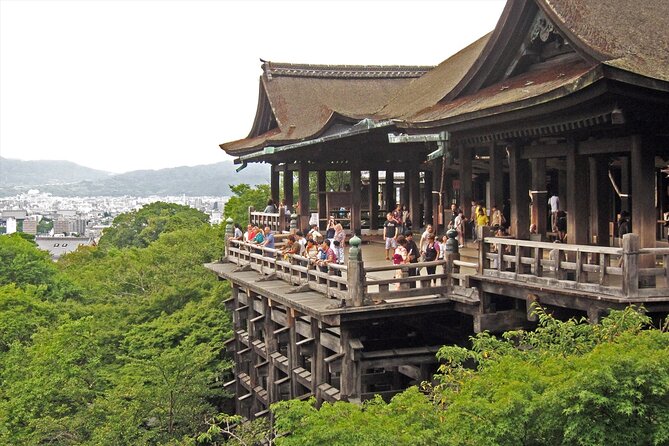
- Kiyomizu-dera climb for its overhanging stage views plus its 1,250+ years of history
- Kennin-ji’s serene Zen stop, tied to Eisai, the founder of Zen Buddhism
- Yasaka Shrine’s vermillion buildings to close the day with a strong visual finish
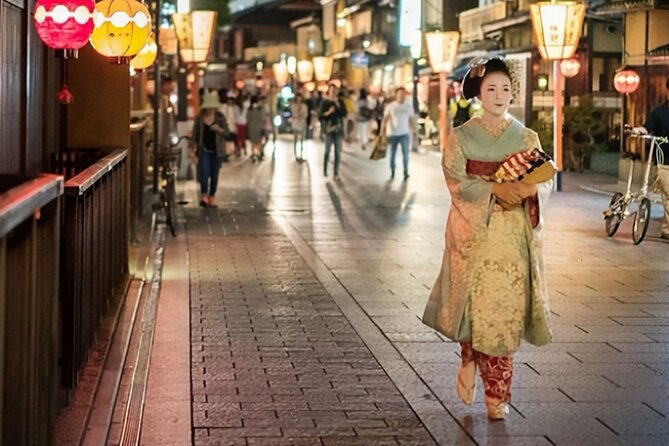
- Gion street walk with traditional shops and geisha district atmosphere
Higashiyama in 3.5 Hours, and What You Really Get
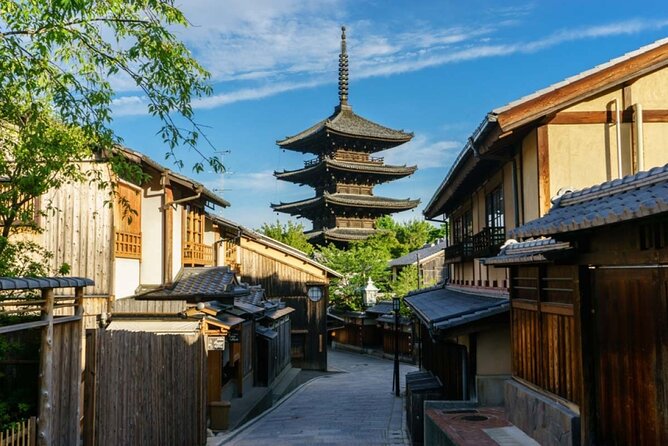
This tour is built for people who want the headline Kyoto experience without spending your entire day hopping between transit stops and lines. In about 3 hours 30 minutes, you cover Higashiyama’s signature triangle: Kiyomizu-dera, Kennin-ji, and Yasaka Shrine, with a Gion walk layered in for the street-level “this is Kyoto” feeling.
I like the pacing because it gives you a clear arc. It starts with the big temple moment, shifts to a calmer Zen environment, and then ends with shrine visuals and the geisha district atmosphere. That rhythm matters. If you only do the famous stop, you leave feeling like you collected photos, not meaning.
Also, the guide is an interpreter, not just a roaming storyteller. That means you should be able to follow what the buildings, rituals, and street layouts mean, not just what their names are.
Price and Value: What $114.99 Covers (and What It Does Not)
At $114.99 per person, this is not a budget “stand on a bus and look out the window” option. The value comes from the parts you usually end up paying for or figuring out yourself.
Here’s where the money goes, based on what’s included:
- Admissions for Kiyomizu-dera and Kennin-ji
- Public transportation fees from a designated pickup point
- Interpreter-guide services (nationally accredited)
- A private tour format, meaning it’s only your group
What it does not cover:
- Food and beverages
- Shopping expenses
- Any private transportation upgrade costs (if you choose to travel privately)
If you’re the kind of traveler who dislikes surprise expenses, this is reassuring. Two major temple admissions are already in the price, so you can focus on the walking, the sights, and the questions. If you want lunch on the go in Higashiyama, plan to pay for it yourself.
Kyoto rewards patience — the quieter half of the city sits just off the main path.
- PERFECT KYOTO 1-Day Bus Tour
★ 5.0 · 13,518 reviews - Kyoto: Fushimi Inari, Kinkakuji, Bamboo Grove 1 Day Bus Tour
★ 4.8 · 4,316 reviews - Kyoto: Tea Ceremony in a Traditional Tea House in Kiyomizu
★ 4.9 · 3,519 reviews - Kyoto Geisha Walking Tour: Gion District & Hidden Gems
★ 4.7 · 3,273 reviews
Meeting the Guide Without Losing the Morning
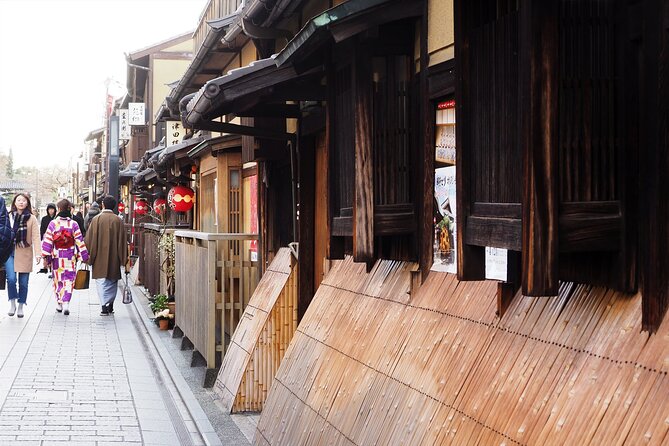
This is the one practical area I’d treat like a checklist. The tour offers pickup, and the tour also provides a mobile ticket. Still, the meeting point details must be exact.
There’s a caution worth taking seriously: meeting instructions can mismatch between what your ticket states and what the guide expects. In one unfortunate case, the guide was about 25 to 30 minutes away due to rush hour traffic, and the tour had to be canceled because they could not connect in time.
So, here’s what I suggest you do:
- When you receive confirmation, check the exact meet landmark wording.
- If you can, message the operator the day before and repeat back the meet location in plain language.
- Plan to arrive early enough that a short transit delay does not turn into a missed start.
If you choose pickup from your hotel or a designated location, still verify the exact pickup spot. In Kyoto, “in front of” can mean different corners, different entrances, and different levels of confusion.
The Uphill Moment at Kiyomizu-dera’s Overhanging Stage
Kiyomizu-dera is the star you came for, and the tour knows it. You’ll trek up to this temple complex, which traces back over 1,250 years. The most famous feature is its overhanging stage with views over the city.
What makes this stop worth the effort is not just the architecture, it’s the viewpoint experience. When you stand where the stage directs you, you understand why people built and traveled to this place in the first place. It’s a temple that also functions like a public lookout, a place where you can see the world beyond the gates.
A guide interpreter also helps you avoid the common problem of temple fatigue, where everything starts to look the same. With the story explained, you’re more likely to notice how the site is arranged and why certain angles matter for worship, ceremony, and daily temple life.
One consideration: this area can involve uphill walking. Wear shoes you trust. Save the stiff brand-new sneakers for a flat day.
Kennin-ji Zen Calm, Tied to Eisai
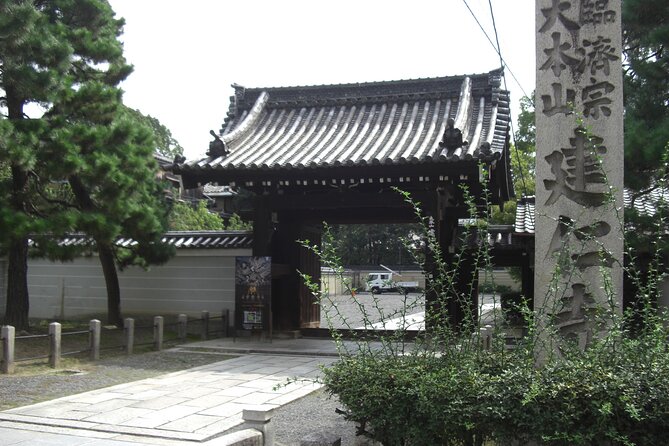
After Kiyomizu-dera, the tour makes a smart move by shifting gears to Kennin-ji Temple, described as the oldest Zen temple in Kyoto. You get a serene moment here, which is the kind of break that makes the rest of your visit feel more intentional.
The tour also connects this temple to Eisai, identified here as the founder of Zen Buddhism. That detail changes how you look around. You’re not just admiring a building, you’re watching a living timeline. The oldest Zen temple in Kyoto is not a backdrop, it’s a real institution with a legacy that shaped how Zen spread in Japan.
Practical advice: keep your voice low, walk slowly, and take your time in the spaces that feel quieter. This stop is short enough that you still move on with energy, but it’s long enough to reset your senses.
If you’re sensitive to crowds, this is a good part of the route to breathe. It’s the calm counterweight to Kiyomizu-dera.
Yasaka Shrine’s Vermillion Finish: Ending With Strong Visuals
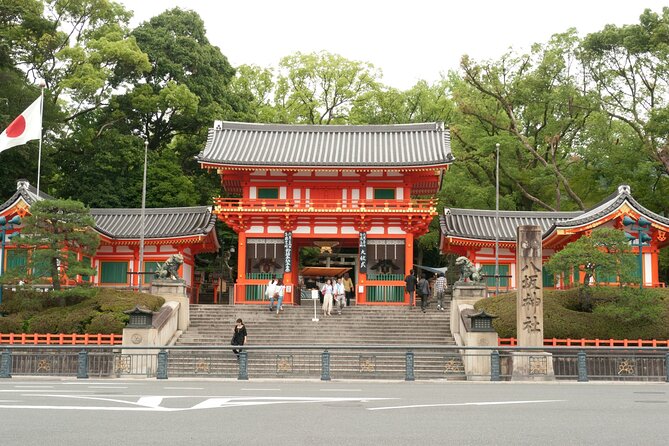
The tour wraps up at Yasaka Shrine, and the description points to its vermillion red buildings. That color is not subtle in person. It’s the kind of visual payoff that makes a good end point, especially after temple steps and narrow street walking.
Finishing at Yasaka Shrine also works because it feels like a community focal point. Shrines can be lively without needing to be chaotic. The key is that you’re ending in a place that naturally invites a last round of photos, quiet standing, and one more look at traditional architecture.
If you’re planning onward travel after the tour, treat this as a convenient anchor. You’ll leave with a strong “Kyoto memory” that’s easier to talk about than a random stop.
A day of temples goes further with something to break it up.
Gion Streets and Geisha District Atmosphere (Without Acting Like a Tourist Trap)
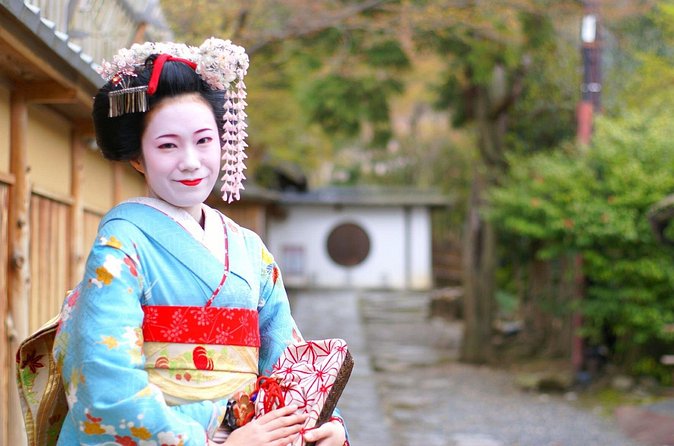
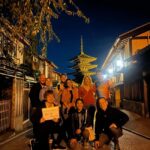
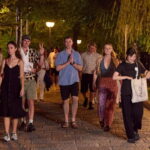
You also walk through Gion, Kyoto’s most famous geisha district. The tour is clear that this is part of the Higashiyama experience, not an isolated photo moment. You’ll see traditional shops, cafés, and galleries dotted through the area.
This is the part where you can easily overdo it if you go into the streets like a hunt. Instead, I recommend a simple rule: move with the flow and treat the street like a neighborhood, not a set.
A guided walk helps because you avoid the dead ends and the “where do I go next” confusion. It also helps you understand what you’re looking at, so you don’t just chase uniforms or performances.
If you want to browse shops, remember the tour does not include shopping. Set a small budget and decide ahead of time what is worth it. Otherwise, Higashiyama can turn into emotional spending, and your feet will be the first thing to complain.
What the Kimono Adds (and How to Make It Comfortable)
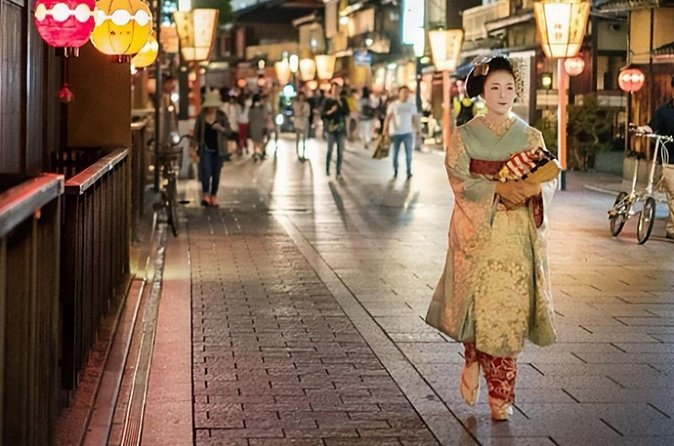
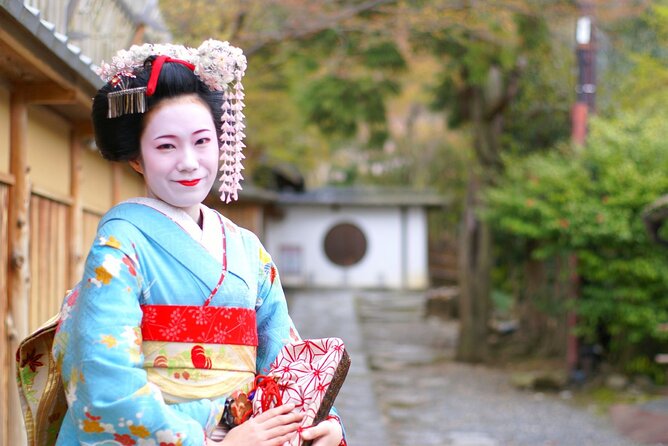
One of the defining features here is that you’ll visit in a traditional kimono. That changes the feel of the whole route. It’s not only for photos. It slows you down slightly, makes your posture more deliberate, and makes the street scenes feel more ceremonial.
But comfort matters. A kimono can restrict how you walk quickly or sit comfortably for a long time. This tour includes temple stairs and uphill walking, so choose practical footwear and plan for a bit less speed than you’re used to.
You’ll likely spend most of the time walking through historic streets and sacred spaces. Think of the kimono as part costume, part reminder to behave like this is a real cultural setting, not just a sightseeing corridor.
Who This Private Tour Is Best For
This is a private tour, meaning it’s only your group. That format tends to suit travelers who:
- want a guided explanation without merging into a large herd
- prefer flexible pacing when questions come up
- value structure in a compact time window
Most travelers can participate, and service animals are allowed. The tour is also near public transportation, which helps if you need to get to the starting area without a taxi.
This is a great match if you’re short on time. With a 3 hours 30 minutes duration, you can pair it with a separate evening plan, like dinner in another part of Kyoto.
It may be less ideal if you hate walking uphill or if your schedule is so tight that a weather disruption would ruin everything. The experience requires good weather.
Timing and Weather: The Kyoto Reality Check
Kyoto’s weather can change plans. This experience requires good weather, and if it’s canceled due to poor weather, you’ll be offered a different date or a full refund.
So how do you handle that as a planner? Keep your Kyoto day structure flexible. If you can, avoid booking a second hard commitment immediately after the tour. That way, if the tour shifts dates, you don’t have to rebuild your whole itinerary.
Also, if you’re traveling in a rain-prone season, pack accordingly. Even if the tour runs, wetter stone streets can feel slippery.
Practical Tips That Make the Walk Easier
These are small things that add up on a Higashiyama day:
- Wear shoes with traction. Temple steps plus uphill streets is not where to test new soles.
- Bring a light layer. You’re outside for a lot of the tour window, and temple areas can feel cooler than the street.
- Plan for no food included. If you get hungry during the walk, you will pay for snacks or lunch on your own, so don’t assume you can wait until the end.
- Keep expectations realistic about shopping. The tour passes traditional shops and cafés, but shopping expenses are on you.
And one more tip about logistics: before you set off, confirm the exact meet landmark. If the meeting instructions are unclear, that’s how you lose the tour start time, and the consequences are immediate.
Should You Book This Higashiyama Tradition, Art & Religion Tour?
I’d book this if you want a guided, story-forward walk through Kyoto’s most famous historic district in about half a day. The combination of Kiyomizu-dera, Kennin-ji, Yasaka Shrine, and Gion gives you variety without random wandering. The fact that admissions for Kiyomizu-dera and Kennin-ji are included helps the math, and the interpreter-guided format helps you understand what you’re seeing.
I would think twice if your schedule is strict or if you hate walking uphill and standing for viewpoints. Also, take the meet-up details seriously. Confirm the landmark you will meet the guide at, even if your confirmation says a familiar phrase like in front of your hotel.
If you handle those two things, you’ll get a well-rounded Higashiyama day where tradition, art, and religion are connected, not just stacked.
FAQ
How long is the tour?
It runs about 3 hours 30 minutes.
How much does the tour cost per person?
The price is $114.99 per person.
Is pickup offered?
Yes, pickup is offered from a designated location, such as a hotel.
Are admissions included?
Yes. Admission to Kiyomizu-dera Temple and Kennin-ji Temple are included.
Is food included?
No. Food and beverages are not included.
Does the price include transportation?
Public transportation fees from the designated pickup location are included. Private transportation would cost extra.
Is this tour private?
Yes. Only your group participates.
Do I need a printed ticket?
No. A mobile ticket is offered.
What happens if the weather is poor?
If the experience is canceled due to poor weather, you will be offered a different date or a full refund. Free cancellation is available up to 24 hours in advance.
New This Season
- Koyasan Day Trip by Private Car from Kyoto
- Old Port Town and Ultimate Sake Tasting Private Tour From Kyoto
- Kyoto’s Timeless Charm: 3hr Exploration of History and Peace
- Kyoto: 5 Types of Sushi Making
- Sacred Peak & Ancient Paths: Kurama-Kibune Hiking Experience
- Kyoto: Exclusive ZEN practice at Manpukuji temple in Uji
- Kyoto: Private Seasonal Aroma Yoga Class
- Traversing Kyoto’s Scenic West – Arashiyama to Kinkakuji
Tours, compared.
Fushimi Inari, Kinkakuji, Bamboo Grove 1 Day Bus Tour
Read our review →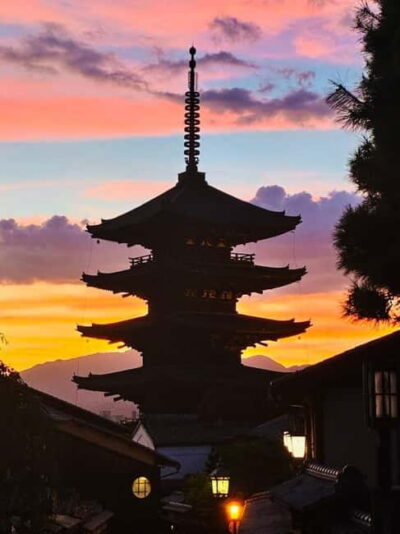
Kyoto Geisha Walking Tour: Gion District & Hidden Gems
Read our review →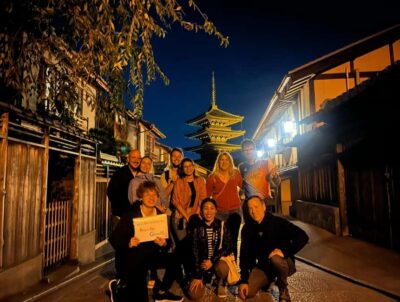
Gion Magical Night Walking Tour with Geisha Trivia
Read our review →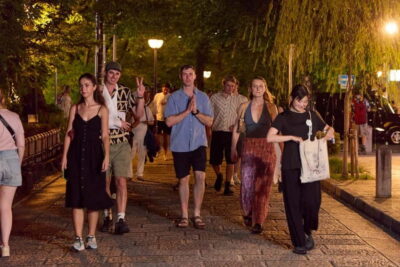
Gion Geisha District Walking Tour – Stories of Geisha
Read our review →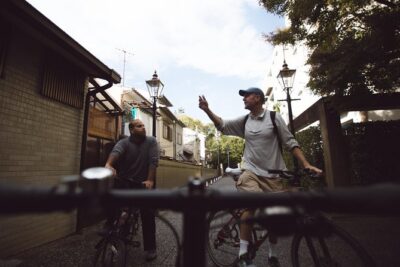
Kyoto Night Foodie Tour in Gion (9+ dishes + 6 Sake tastings)
Read our review →