
Reviewed · COOKING CLASSES
Making Fresh To-fu from soybeans in Kyoto
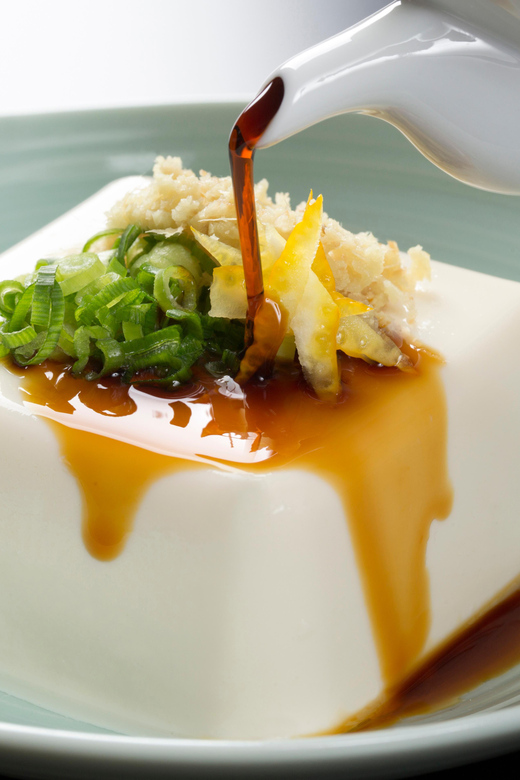
Fresh tofu starts with your hands. In Kyoto, this hands-on tofu masterclass turns soybeans into what you eat right away, and I like how the lesson stays practical and easy. I also like the fresh soymilk and oboro-dofu you get during the process, but note the class takes place in a compact apartment space.
This is not the kind of food class where you just watch. It helps you understand why Japanese tofu feels different from overseas tofu, especially when you try it chilled, plain, or in simple uses like miso soup. You’ll also have an easier time fitting it into your schedule because it’s within a short walk of Shijo Station or Karasuma Station, and it’s designed to work for gluten-free, vegan, halal-friendly, and allergy-free diets with advance notice.
The format is friendly and focused: small group (up to 6), and the instructor speaks English and Japanese. Plan for 90 minutes. When you arrive, take the elevator to the third floor, then press the doorbell for 302.
In This Review
- Key things I think you’ll care about
- Kyoto tofu tastes different, and this class explains why
- From soybeans to fresh tofu: what the 90 minutes feels like
- The hands-on lesson that upgrades your Japan food skills
- Soymilk and oboro-dofu: a snack you earn during production
- Four tofu dishes: learning by comparing real plates
- Meet the instructor and learn in a small Kyoto apartment
- Price and value: is $56 for 90 minutes worth it?
- Who should book this tofu masterclass in Kyoto?
- Practical tips so you get the most from the class
- Should you book this Kyoto fresh tofu workshop?
- FAQ
- Where is the meeting point in Kyoto?
- How long is the tofu making class?
- Is the class easy to reach from major stations?
- What group size is it?
- What languages are supported?
- What dietary needs can be accommodated?
- What is included in the price?
- What is not included?
- Can I get a refund if my plans change?
Key things I think you’ll care about
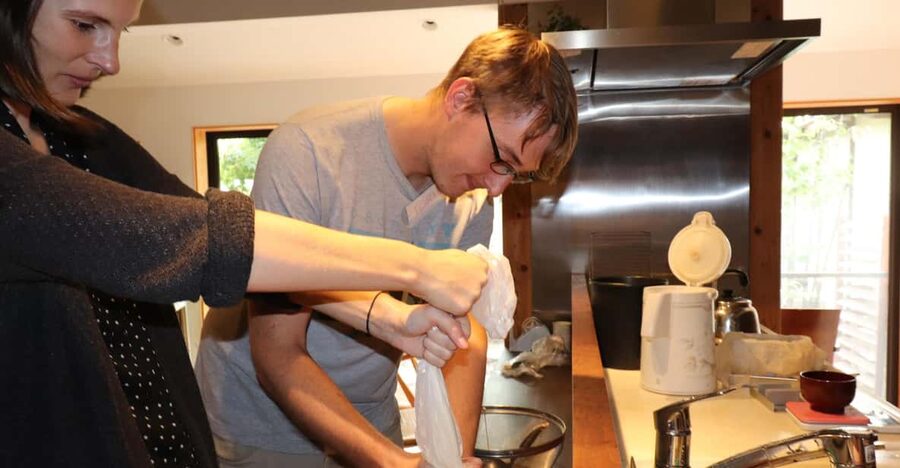
- You start with soybeans and end with fresh tofu you can taste immediately
- Soymilk and oboro-dofu happen during production, so you are tasting along the way
- Four different tofu dishes let you learn by comparing textures and flavors
- Small group size (6 max) keeps the Q and A realistic
- Near Shijo and Karasuma stations, making it easy to plug into a Kyoto day
- Dietary needs can be accommodated if you tell the team in advance
Kyoto tofu tastes different, and this class explains why
If you have only had tofu from overseas, the Japanese version can feel like a totally different ingredient. In Japan, tofu is often eaten as-is, especially chilled tofu, and it shows up in straightforward dishes like miso soup. Abroad, it’s commonly used as a background ingredient in stir-fries and stews, where the texture gets softened and the flavor gets carried by sauces.
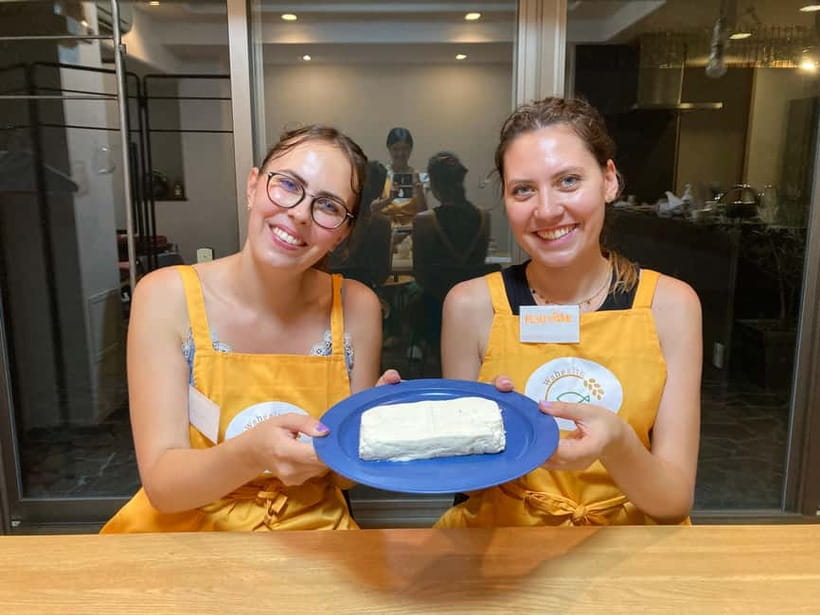
In this class, you focus on the original chain: how soybeans become tofu, and what that means for hardness, taste, and mouthfeel. The big idea is simple. When tofu is made by hand from soybeans, it tends to be thicker and tastier than tofu made by machine, even when you eat it without much else.
That matters for you because it changes how you order and cook in Kyoto. After learning what the base product tastes like, you’re better equipped to appreciate chilled tofu at the right moment, or to understand why a small bowl of miso soup can taste so clean.
From soybeans to fresh tofu: what the 90 minutes feels like
This masterclass is built around a full flow, not just one highlight. You start by learning the fundamentals, then you move into hands-on production, then you eat.
Here is the overall rhythm you can expect:
- You get an intro to tofu, including soybean differences and the practical steps from soybeans to tofu.
- As production goes, you get to taste what is being made, not just the final product.
- You then enjoy freshly made tofu first in a simple way, then in multiple dishes made using what you made.
The classroom focus is on helping you understand the original taste. That’s why you eat the tofu without seasoning first. It’s a smart teaching choice. It trains your palate to notice things like texture and freshness before salt, soy sauce, or garnishes blur the picture.
One practical bonus: the experience is short, 90 minutes. That makes it a good fit if you want something hands-on without sacrificing a big chunk of an afternoon. You can pair it with temple time and dinner plans in the same day, especially if you want a calmer pause between Kyoto stops.
A quieter way to spend a day in Kyoto
- Ramen Cooking Class at Ramen Factory in Kyoto
★ 5.0 · 1,937 reviews - Kyoto: Ramen Cooking Class at a Ramen Factory with Souvenir
★ 4.9 · 532 reviews - Kyoto: Ramen, Gyoza, and Onigiri Cooking Class
★ 5.0 · 445 reviews - Kyoto: Japanese Washoku Bento Small Group Cooking Class
★ 5.0 · 380 reviews
The hands-on lesson that upgrades your Japan food skills
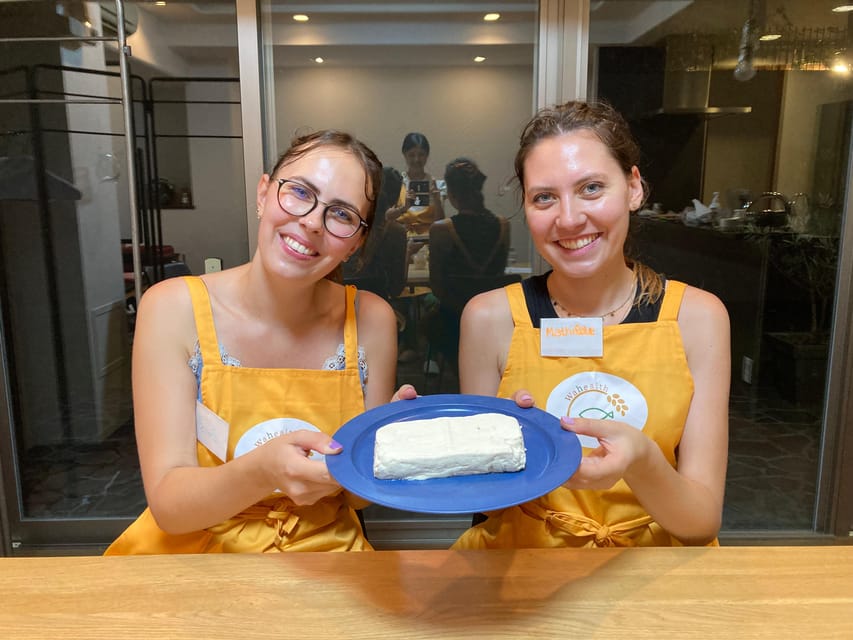
What I like most is that the class doesn’t treat tofu like a mystery box. You learn why the Japanese approach is different, and you learn how tofu connects to broader Japanese eating habits, often under the umbrella of washoku-style thinking.
In concrete terms, you will cover:
- how to think about soybean differences
- how tofu is made from soybeans
- how tofu is typically eaten in Japan
That last part is quietly useful. When you understand how Japanese people eat tofu, you stop treating it like a substitute for meat. You start treating it like a delicate, fresh ingredient that can stand on its own.
And yes, you’ll have a real taste comparison point. The idea is that tofu made by hand is thicker and tastier than machine-made tofu, and you can tell the difference when you eat it plainly. That kind of sensory learning sticks longer than any explanation.
Soymilk and oboro-dofu: a snack you earn during production
One of the best parts is that you don’t have to wait until everything is finished to start tasting. As the production process happens, you enjoy soymilk and oboro-dofu.
This is a great teaching moment, because it shows tofu as a spectrum, not a single final block. Soymilk is the earlier liquid phase of the journey, and oboro-dofu is closely tied to how tofu solids appear and transform. You get to taste the process.
For you, this means the class feels like progress. You are not sitting through a long stretch and then getting a quick sample at the end. You get edible milestones, and that keeps attention high in a small group setting.
Four tofu dishes: learning by comparing real plates
After you taste freshly made tofu in a simple way, the class includes four different tofu dishes made with the tofu you produced.
The key value here is comparison. Tofu can taste and feel different depending on how it is handled, what it is paired with, and whether the dish emphasizes chill texture, warmth, or gentle seasoning. When you taste multiple dishes back-to-back using the same base, it becomes much easier to tell what changes are coming from the tofu versus the seasoning.
You’ll also feel the pacing. The food portions are described as tastings, not full meals. That is actually helpful for your day planning. You can come hungry, taste everything, and then head off to a regular Kyoto dinner without feeling overstuffed.
Meet the instructor and learn in a small Kyoto apartment
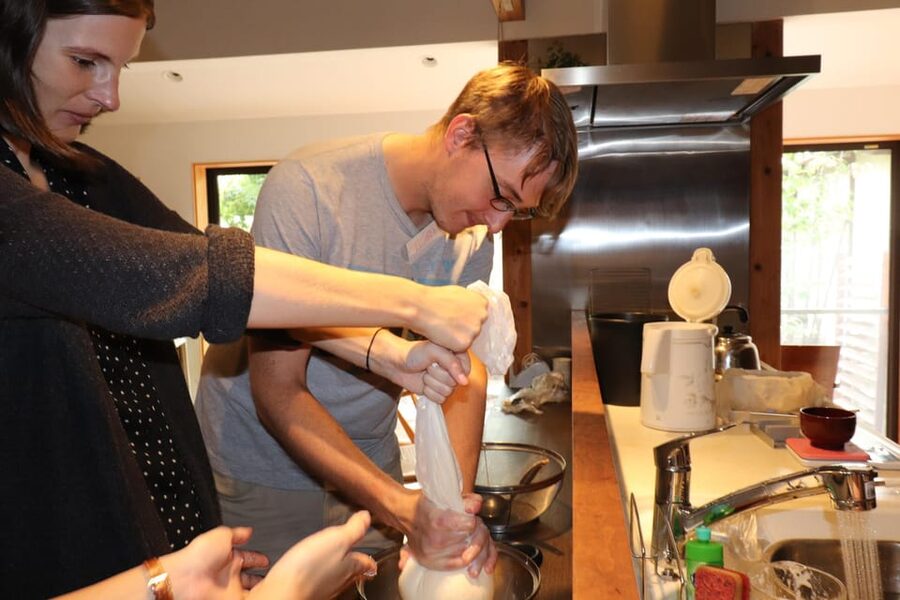
This experience is run through the Japan Association of Washoku Lifestylists, and the instruction is available in English and Japanese. The small group format, limited to 6 participants, is not just a marketing line. It makes questions workable, and it keeps the pace from dragging.
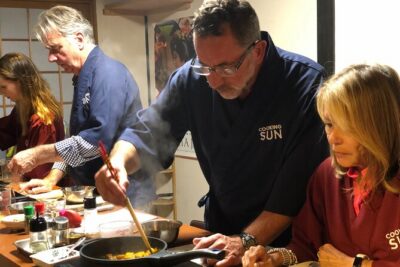
One detail I found especially appealing is the setting. The class can be held in a small apartment, and that can feel more authentic than a polished cooking studio. It also makes the hands-on work feel grounded, like you are learning how a real household treats food.
In a small space, you also learn faster, because you are close to the action and the instructor. The people leading the session are friendly and make the process easy, including answering questions clearly. If you like practical food skills and you enjoy asking how and why, this format will work well.
A day of temples goes further with something to break it up.

Price and value: is $56 for 90 minutes worth it?
At $56 per person for 90 minutes, you’re paying for three things:
- Guided instruction on soybeans and tofu making
- Hands-on tasting during production (soymilk and oboro-dofu)
- A set of four tofu dishes built from tofu you helped make
If you compare it to the cost of a typical food experience, you’re not just buying snacks. You are buying an ingredient education. You get to experience why Japanese tofu is eaten differently, and you get the palate training that helps you recognize quality when you buy tofu later.
Is it the cheapest option in Kyoto? No. But it is strong value if you care about cooking skills, not just eating. The price makes sense when you factor in the small group size, the ingredient work, and the multi-stage tasting.
Also, the location helps. Being within about a 10 minute walk of Shijo Station or Karasuma Station can save you time and transit hassle, which adds real value to a one-day schedule.
Who should book this tofu masterclass in Kyoto?
This is a great pick if:
- you want a hands-on Kyoto food experience rather than a lecture
- you are curious about Japanese tofu culture, especially chilled tofu and simple uses
- you like tasting your way through a lesson, including soymilk and oboro-dofu
- you want to ask questions in a small group
You might skip it if:
- you dislike compact spaces and tight quarters
- you only want a casual snack with no real technique or learning component
- you are looking for a long, full meal experience, because the class is tastings, not full meals
Diet-wise, it is built to be flexible. The class notes it can accommodate gluten-free, vegan, halal-friendly, and allergy-free needs as long as you let them know ahead of time.
Practical tips so you get the most from the class
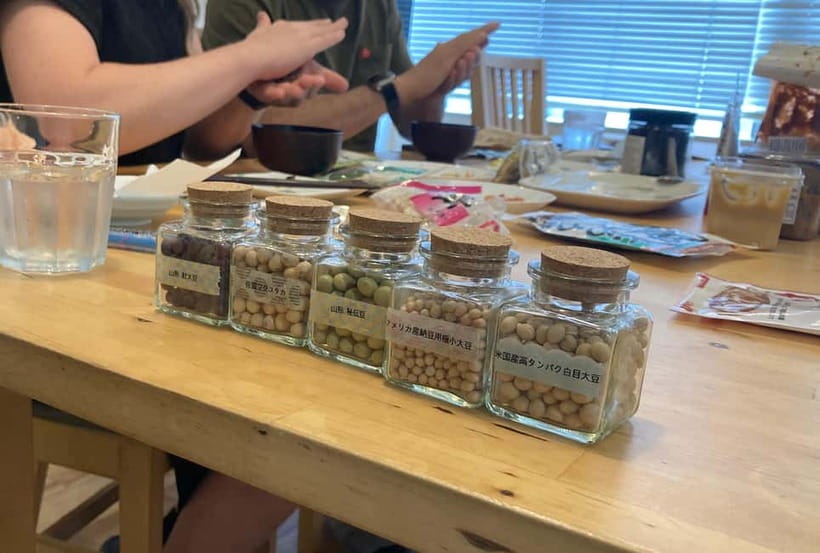
A tofu workshop can be simple, but your comfort affects your enjoyment. Here are a few smart ways to prepare based on how these classes are described:
- Plan for tastings, not a full meal. Eat lightly beforehand so you enjoy the four tofu dishes, but don’t expect it to replace dinner.
- Tell them about dietary needs early. The course says ingredient preparation can be adjusted if you share restrictions.
- Arrive on time for the elevator and doorbell meeting point. Take the elevator to the third floor, then press the doorbell for 302.
- Bring questions. With a small group, you’ll likely get more direct answers, especially about soybean differences and how tofu is eaten in Japan.
- Expect a compact setting. If you are traveling with a strong preference for lots of personal space, keep that in mind.
Should you book this Kyoto fresh tofu workshop?
I think you should book it if you want a Kyoto experience that is practical, tasty, and actually changes how you see a common ingredient. The best part is the combination of making from soybeans, tasting during production, and then comparing four tofu dishes made with your own tofu.
If your travel goal is only one thing, like a big sightseeing day or a long meal, you might feel limited by the 90 minute, tastings-focused format. But if you want to understand Japanese tofu at the ingredient level, this is a strong choice.
And for value, $56 is easiest to justify when you care about learning, texture, and the difference between hand-made and machine-made tofu. If that sounds like your kind of Kyoto morning or afternoon, this one belongs on your list.
FAQ
Where is the meeting point in Kyoto?
You take the elevator to the third floor and press the doorbell for 302.
How long is the tofu making class?
The experience lasts 90 minutes.
Is the class easy to reach from major stations?
Yes. It’s within about a 10 minute walk from Shijo Station or Karasuma Station.
What group size is it?
It is limited to a small group of up to 6 participants.
What languages are supported?
The instructor speaks English and Japanese.
What dietary needs can be accommodated?
The experience is listed as gluten-free, vegan, halal-friendly, and allergy-free OK. You should let the team know about any restrictions so ingredients can be prepared accordingly.
What is included in the price?
Included items are the instructor introduction, learning about tofu and how it is made, tasting freshly made tofu, and enjoying four different tofu dishes made with the tofu you make.
What is not included?
Transportation to and from the activity location is not included. Meals and drinks other than the tofu tasting are not included.
Can I get a refund if my plans change?
Free cancellation is available up to 24 hours in advance for a full refund.
New This Season
- Koyasan Day Trip by Private Car from Kyoto
- Old Port Town and Ultimate Sake Tasting Private Tour From Kyoto
- Kyoto’s Timeless Charm: 3hr Exploration of History and Peace
- Kyoto: 5 Types of Sushi Making
- Sacred Peak & Ancient Paths: Kurama-Kibune Hiking Experience
- Kyoto: Exclusive ZEN practice at Manpukuji temple in Uji
- Kyoto: Private Seasonal Aroma Yoga Class
- Traversing Kyoto’s Scenic West – Arashiyama to Kinkakuji
Cooking Classes, compared.
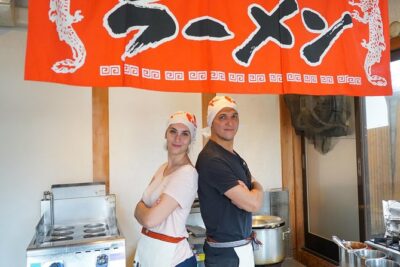
Ramen Cooking Class at Ramen Factory in Kyoto
Read our review →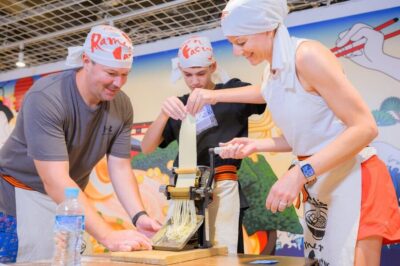
Ramen Cooking Class at a Ramen Factory with Souvenir
Read our review →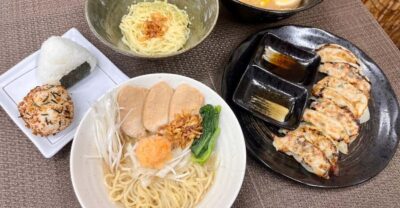
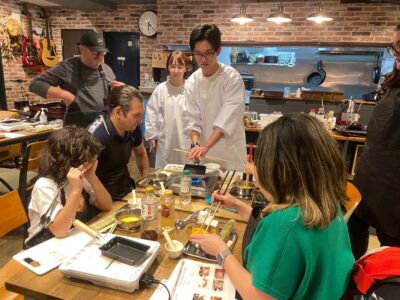
Japanese Washoku Bento Small Group Cooking Class
Read our review →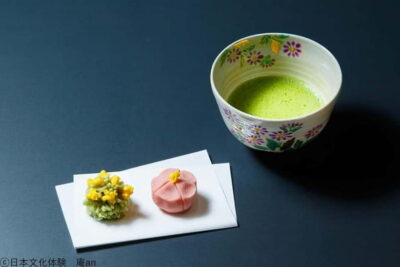
Japanese Traditional Sweets Making and Tea Ceremony
Read our review →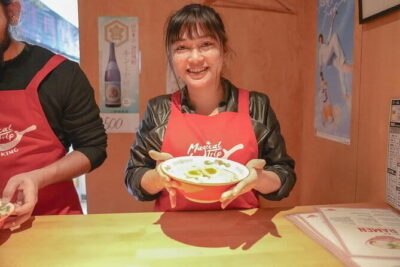
Kyoto Ramen and Gyoza Cooking Class with Professional Chefs
Read our review →
Also filed under