
Reviewed · SUSHI-MAKING WORKSHOPS
Making Hand Rolled Sushi with the Okami
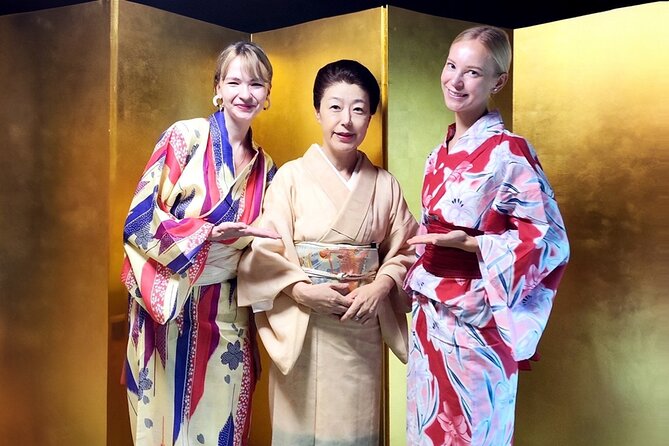
Temaki sushi in a machiya feels like stepping indoors. You roll your own hand-rolled sushi with the okami in a 120-year-old Kyoto townhouse, where the whole class runs at a slower, homey pace instead of a factory-style demo.
I really like two things here: the Nishiki Market-sourced ingredients and the fact you get to make about 6 to 7 rolls yourself, not just watch. The main thing to think about is timing, since it starts at 12:00 pm and runs around 2 hours, so you’ll want a plan for lunch afterward.
In This Review
- Key things that make this Kyoto sushi class work
- Temaki Sushi Inside a 120-Year-Old Kyoto Machiya
- Your 12:00 Start: Meeting, Setting Expectations, and Rolling Your First Hand Roll
- Nishiki Market Ingredients and How to Build Rolls That Actually Hold
- The Meal Part: Miso Soup, Tea Refills, and Food Culture in Kyoto Dialect
- What You’ll Make: Six to Seven Hand Rolls (Plus How to Choose Fillings)
- Solo Friendly, Private by Design, and Easy to Fit Into a Kyoto Day
- Price and Value at $104.77: What You’re Paying For
- Small Practical Tips So You Get More From the Class
- Should You Book This Kyoto Hand-Rolled Sushi Experience?
- FAQ
- How long is the Kyoto hand-rolled sushi experience?
- Where does the experience start?
- What time does it start?
- How many hand-rolled sushi pieces will I make?
- Is lunch included?
- What drinks are included?
- What ingredients are used?
- Can I accommodate vegetarian or allergies?
- Is the tour private?
- Can I cancel and get a full refund?
- Is transportation included?
Key things that make this Kyoto sushi class work
- A 120-year-old machiya townhouse setting where you feel the everyday Kyoto vibe
- You roll your own temaki (about 6 to 7) with a landlady who teaches patiently
- Nishiki Market ingredients including seafood and seasonal vegetables, plus lots of tasty add-ins
- Japanese tea refills are free, so the meal feels relaxed, not rushed
- Private space options if you book four people, plus it’s possible to join solo
Temaki Sushi Inside a 120-Year-Old Kyoto Machiya
Kyoto has plenty of food tours, but this one is built around something more personal: sitting in a real 120-year-old townhouse, then making sushi the way people do at home, with guidance from the okami (the landlady).
The big draw is the setting. A machiya is not just decoration. It changes how you move and how you pay attention. The class feels cozy and traditional, like you’ve been invited into someone’s kitchen rather than ushered through a scripted activity. If you like cute, cultural, hands-on experiences, this format hits that sweet spot.
Then there is the food part. You’re not doing a complicated multi-step masterpiece. You’re making hand-rolled sushi, temaki style, where technique is simple enough to learn quickly but good enough that the results still feel rewarding. Expect a homestay-like atmosphere where the pace gives you time to get it right.
Your 12:00 Start: Meeting, Setting Expectations, and Rolling Your First Hand Roll
The experience runs about 2 hours and starts at 12:00 pm. You’ll meet at あそんでいきなはれKYOTO, 151 Inuichō, Kamigyo Ward, Kyoto. The activity ends back at the meeting point, so you don’t have to worry about figuring out a second transport step.
Once you’re inside, the class is structured around you learning the mechanics of temaki, then building your own rolls. That matters, because hand-rolled sushi can look easy until you try to keep nori, rice, and fillings from sliding around. Here, you get support while you practice.
The experience is also designed to be flexible for groups. You can join alone. If you book as a group of four, you can have the entire space to yourselves, which turns the class from a shared activity into something closer to a private cooking visit. Either way, the goal stays the same: make around 6 to 7 hand rolls during the session.
If you tend to get nervous in small-group cooking classes, this format helps. It’s not high-speed. It’s more like, take your time and learn the rhythm.
Learn to roll your own sushi
- Sushi Making in Kyoto! Same-day bookings welcome!
★ 5.0 · 713 reviews - The Original Small-Group Sushi Making Class in Kyoto
★ 5.0 · 436 reviews - Kyoto: Small-Group Authentic Sushi Making Workshop
★ 5.0 · 137 reviews - Sushi – Authentic Japanese Cooking Class – the best souvenir from Kyoto!
★ 5.0 · 93 reviews
Nishiki Market Ingredients and How to Build Rolls That Actually Hold
The ingredients are a key selling point. The sushi fillings are selected from Nishiki Market, which the tour describes as Kyoto’s Kitchen. That means you’re not working with random pre-portioned components. You’re using choices that feel tied to where Kyoto people actually shop for food.
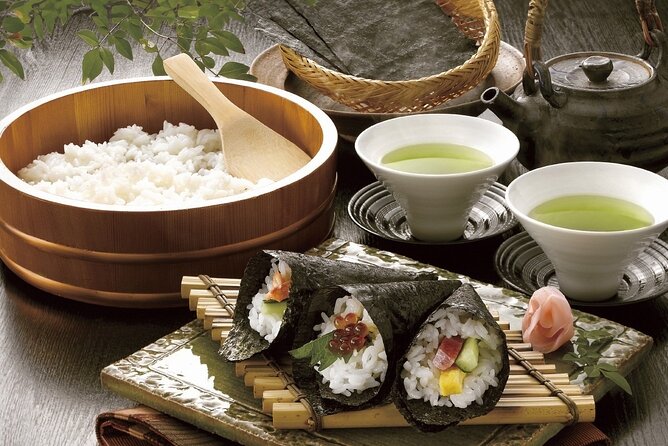
You’ll make original sushi rolls using a mix of options. Based on what’s listed for the class, you can expect fillings like:
- Tuna
- Tuna mayo with soy sauce
- Salmon
- Peeled shrimp
- Tamagoyaki (Japanese omelet)
- Avocado
- Shiso leaf
- Imitation crab
The exact lineup can shift with season and timing. That’s normal in cooking classes like this, but it’s also part of the fun. You get to see how the class adapts to what’s available.
Here’s how I’d think about the roll-building you’ll do. You’re balancing three things:
- Portion control, so you don’t overstuff.
- Even distribution of fillings, so you get flavor in every bite.
- Getting the nori wrapped in a way that stays together.
Even if you’re a total beginner, expect the class to guide you through the basics so your finished rolls feel like real temaki, not just rice with toppings.
Also, you’re not limited to the standard set. There’s an on-site option to add extra sushi rolls if you want more to eat during the 2-hour window. That’s useful if you’re the type who always underestimates how hungry sushi makes you.
The Meal Part: Miso Soup, Tea Refills, and Food Culture in Kyoto Dialect
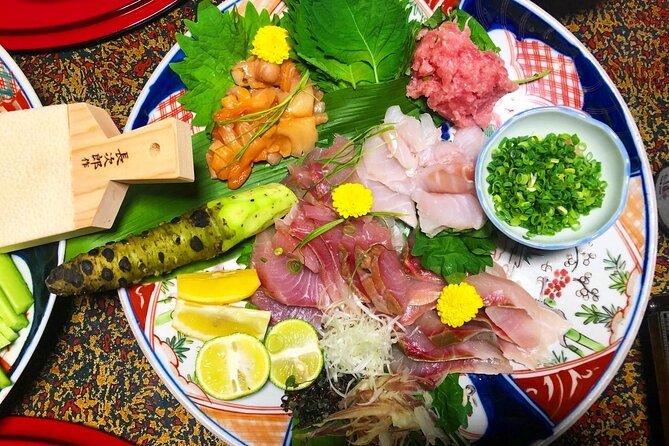
This class is not only about rolling sushi. You also get the comfort-food rhythm that makes the experience feel like a visit.
Included with your lunch is one bowl of miso soup, plus coffee and/or tea. During the session, Japanese tea refills are free, which is a small detail that makes a big difference. It keeps the room relaxed and gives you a reason to slow down between rolls.
You’ll also have chances to learn about Japanese food culture before or after the meal. The tour specifically notes that the okami teaches in the Kyoto dialect, which adds personality and local flavor. You’re not just learning technique. You’re getting a sense for how food sounds and feels in this region.
That Kyoto dialect piece matters more than it sounds on paper. In real life, it changes the energy of the conversation. It makes the class feel lived-in, like you’re understanding a local perspective rather than following a generic script.
If you care about culture as much as food, this is one of those experiences where both sides support each other. The cooking teaches the culture, and the culture makes the cooking feel meaningful.
What You’ll Make: Six to Seven Hand Rolls (Plus How to Choose Fillings)
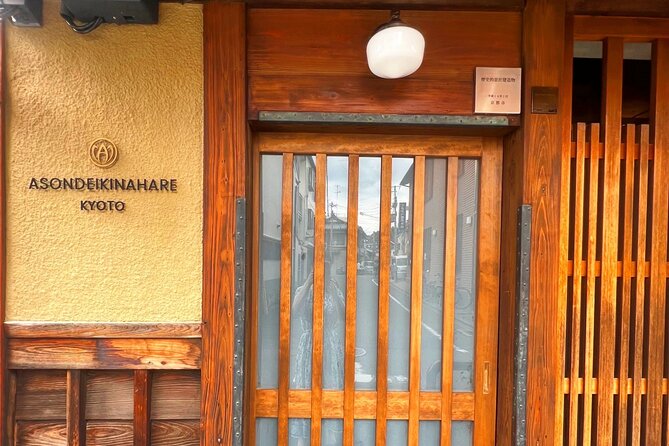
Plan for about 6 to 7 hand-rolled sushi total during the session. That quantity is realistic for a 2-hour class, and it usually lands you in the satisfied zone without turning it into a rice-and-more-rice marathon.
The filling options include both seafood and classic extras, so you can mix textures and flavors. For example:
- Want a classic bite? Choose tuna or salmon.
- Want something sweet and savory? Try tamagoyaki.
- Want that aromatic green note? Add shiso leaf.
- Want creaminess? Avocado can balance the stronger flavors.
If you’re picky or have preferences, tell the host ahead of time. The tour notes that you can request dietary needs like vegetarianism or allergies during booking. Do it early so they can plan the ingredients correctly.
If you’re someone who always eats with photos and curiosity, I’d lean into experimenting. Temaki is the format where you can try a combo you wouldn’t make at home because you don’t have the patience or the right guidance. Here you’ll have both.
Solo Friendly, Private by Design, and Easy to Fit Into a Kyoto Day
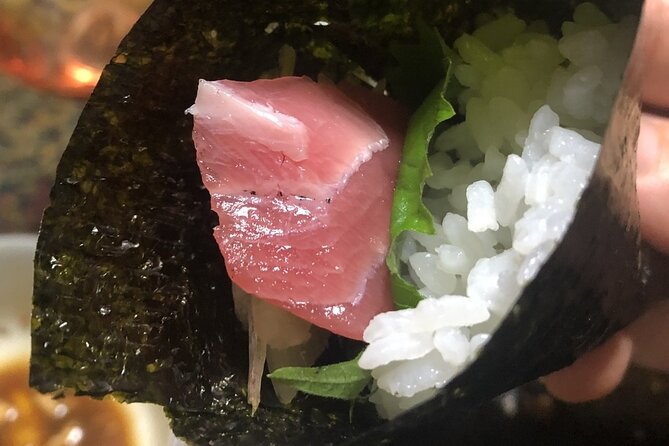
One of the best parts is flexibility. You can join alone, and the experience is private for your group. That means you are not competing for attention in a large crowd.
If you book four people at once, you can have the entire space to yourselves. That private setup changes the feel of the class. You can ask more questions without waiting your turn. You can also enjoy the slower pace without feeling like you’re sharing the table with strangers.
This is also the kind of activity that pairs well with other Kyoto plans. Because the class includes lunch, it can function as your main food stop. You’re done in about 2 hours, then you can continue exploring after.
If you’re traveling as a couple, this also works well if you want a quiet, home-style activity that doesn’t feel like a tourist production. And if you’re traveling with friends, the four-person private option can be a great way to justify the price, because you spread the cost while keeping the personal feel.
A day of temples goes further with something to break it up.


Price and Value at $104.77: What You’re Paying For
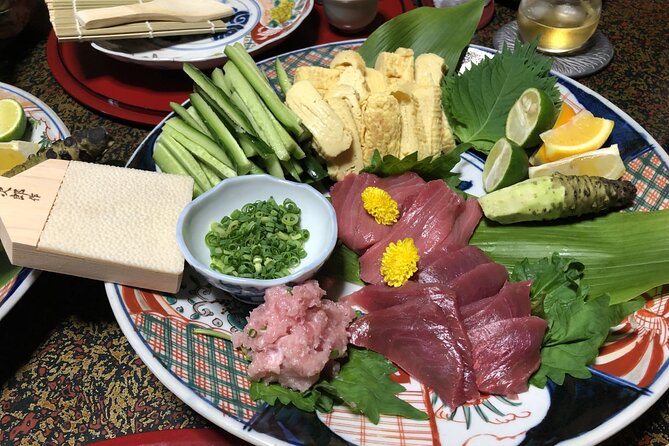
At $104.77 per person, the price is not low, but it’s not random either. You’re paying for several things that matter in Kyoto:
- Lunch is included.
- You get coffee and/or tea.
- You get miso soup.
- You get quality ingredients sourced from Nishiki Market.
- You get a local host teaching you directly in a traditional townhouse setting.
- You get enough structure to make around 6 to 7 hand rolls yourself.
In other words, this is not a ticket for a room plus a few samples. It’s a hands-on class with a meal built in. When a cooking experience includes both instruction and ingredients, the value makes more sense.
The private option is also part of the value equation. Even if you book solo, you’re still in a private group setting. If you’re booking with friends, the four-person setup can turn the experience into a nearly full-on private visit.
If you’re a budget traveler, I’d treat this as a “spend once, savor long” meal. If cooking is one of the things you enjoy most about travel, it tends to feel worth it because you leave with skills and a real memory, not just a photo.
Small Practical Tips So You Get More From the Class
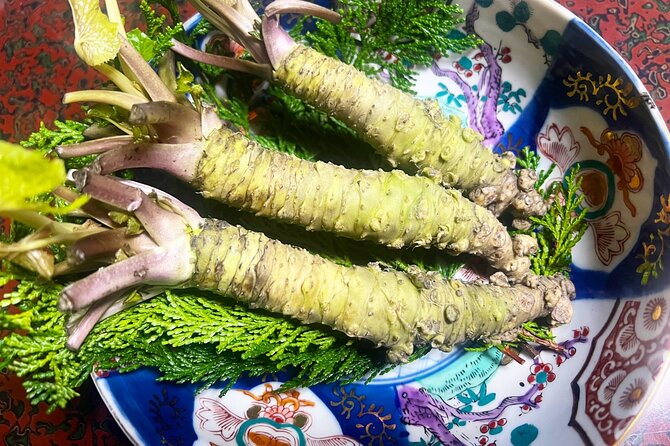
A few practical moves will help you enjoy it more.
- Arrive hungry enough to enjoy your roll building, but not so stuffed that you lose focus. You’ll make about 6 to 7 temaki.
- If you have allergies or strict preferences, mention them at booking. The tour explicitly says you should let them know.
- Be ready to eat what’s seasonal. The ingredients listed can vary slightly by season and timing, so think of it as a guided tasting through temaki options.
- Plan to stay after you eat. Tea refills are free, and the food culture explanation happens before or after the meal. Giving yourself time makes that part land better.
- Wear comfortable clothes. You’ll be seated and handling food, and nothing in a cooking class wants a restrictive wardrobe.
One more thought: the class is taught in the Kyoto dialect. Even if you don’t understand every word, you’ll still catch the rhythm and the tone. Just be present and ask simple questions. That’s usually when the experience becomes most fun.
Should You Book This Kyoto Hand-Rolled Sushi Experience?
If you want a Kyoto food moment that feels warm, personal, and genuinely local, I’d say yes. This is the kind of cooking class where you’re actively making the food, in a traditional space, with a host who teaches patiently and keeps things friendly. The cozy machiya setting helps, but the real win is the mix of technique, tea, and a meal that doesn’t feel like a rushed pit stop.
I’d skip it if you’re mainly chasing high volume sightseeing or if cooking classes in general feel stressful for you. Also, because it starts at 12:00 pm and lasts about 2 hours, it needs a place on your calendar that matches that timing.
FAQ
How long is the Kyoto hand-rolled sushi experience?
It lasts about 2 hours.
Where does the experience start?
The meeting point is あそんでいきなはれKYOTO, 151 Inuichō, Kamigyo Ward, Kyoto, 602-8497, Japan.
What time does it start?
Start time is 12:00 pm.
How many hand-rolled sushi pieces will I make?
You can make about 6 to 7 hand-rolled sushi.
Is lunch included?
Yes. Lunch is included.
What drinks are included?
Coffee and/or tea are included, and Japanese tea refills are free. You can also add options like beer, wine, and soft drinks as listed.
What ingredients are used?
Ingredients can include tuna, tuna mayo with soy sauce, salmon, peeled shrimp, tamagoyaki, avocado, shiso leaf, and imitation crab, depending on season and timing. Ingredients come from Nishiki Market.
Can I accommodate vegetarian or allergies?
Yes. You can request dietary needs such as vegetarianism or allergies at the time of booking.
Is the tour private?
Yes. It is private for your group. Joining alone is possible, and booking four people at once can mean you have the entire space to yourselves.
Can I cancel and get a full refund?
Free cancellation is available. You can cancel up to 24 hours in advance for a full refund.
Is transportation included?
No. Private transportation is not included.
New This Season
- Koyasan Day Trip by Private Car from Kyoto
- Old Port Town and Ultimate Sake Tasting Private Tour From Kyoto
- Kyoto’s Timeless Charm: 3hr Exploration of History and Peace
- Kyoto: 5 Types of Sushi Making
- Sacred Peak & Ancient Paths: Kurama-Kibune Hiking Experience
- Kyoto: Exclusive ZEN practice at Manpukuji temple in Uji
- Kyoto: Private Seasonal Aroma Yoga Class
- Traversing Kyoto’s Scenic West – Arashiyama to Kinkakuji
Sushi-Making Workshops, compared.
Sushi Making in Kyoto! Same-day bookings welcome!
Read our review →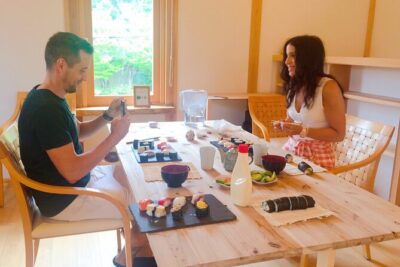
The Original Small-Group Sushi Making Class in Kyoto
Read our review →
Sushi – Authentic Japanese Cooking Class – the best souvenir from Kyoto!
Read our review →
Private Kyoto Sushi Cooking Class & Tea Ceremony with Emika
Read our review →
Enjoy Sushi & Market Tour! Best for Family & Couple!
Read our review →
Sushi or Traditional Japanese Cuisine in a Kyoto Home with Emika
Read our review →Also filed under