Reviewed · TOURS
Naoshima Island 2 Days Tour from Osaka or Kyoto
Japan’s art island feels custom with time built in. This Naoshima 2-day tour strings together the island’s most famous architect and contemporary-art stops with a private English speaking guide and includes an e-bike so you can actually pedal the hills. You also get a real overnight on Naoshima, which matters because a day trip can feel rushed.
What I love most is how the plan balances big-ticket museums with “walk-around” art moments, so your day does not turn into one long line after another. The second big win is the bicycle setup, especially the power-assisted option, because Naoshima is small but not flat. One thing to watch: Chichu Art Museum (and the optional Sugimoto Time Corridors) are not included, and you’re expected to buy those tickets online yourself.
In This Review
- Key takeaways before you book
- The smart reason to do Naoshima with a guided two-day plan
- Day 1 in Honmura: the Art House Project and Tadao Ando’s inside-out spaces
- Art House Project (multi-site ticket included)
- Ando Museum (admission included)
- Red Pumpkin at Miyanoura Port, plus Naoshima Pavilion
- Day 1 on wheels: renting an e-bike and reading Naoshima at your own pace
- Day 2: Benesse House Museum and Lee Ufan before the underground masterpiece
- Benesse House Museum (admission included)
- Lee Ufan Art Museum (admission included)
- Chichu Art Museum (ticket not included, buy online)
- What Chichu feels like: architecture, light, and time pressure you control
- Optional swap-ins like Hiroshi Sugimoto’s Time Corridors
- Price and value: what you are actually paying for
- Logistics that matter more than you think (and how to handle them)
- Luggage and getting around
- Ferry time limits
- Weather matters
- Can you switch plans day-of?
- Who this tour suits best
- Should you book this Naoshima 2-day tour from Osaka or Kyoto?
- FAQ
- How long is the Naoshima 2 days tour?
- Where does the tour depart from?
- What is included in the price?
- Which museum tickets are not included?
- Do I need to buy Chichu tickets in advance?
- Can I rent an electric bicycle?
- What if I cannot ride a bicycle?
- Is the tour private?
- Is this tour refundable if plans change or weather is bad?
Key takeaways before you book
- A guided art circuit across two days so you are not guessing routes or ticket timing.
- Power-assisted e-bikes help you move between sites despite Naoshima’s stiff slopes.
- Tadao Ando-designed spaces show up more than once, including architecture inside old wooden houses and modern concrete galleries.
- Not every major museum ticket is included. Chichu is on you to purchase online.
- An overnight on Naoshima means you can see the island after cruise-day crowds and before morning calm.
- Luggage rules are real. Avoid suitcases, and plan for a backpack or bike basket.
The smart reason to do Naoshima with a guided two-day plan
Naoshima is famous for art, but it is also famous for logistics. The ferry timing is limited, you cannot just stretch the day, and the island’s roads can be slower than you expect once you factor in climbs and bike returns. Doing it with a guide turns Naoshima from a choose-your-own-adventure into a smooth sequence you can enjoy.
This tour is built around a practical loop: you hop over from the Osaka or Kyoto side using round-trip bullet train, cross by ferry, then spend a full night on the island. That matters for your pacing. Museums like Chichu (which is partly underground) tend to feel best when you can slow down, not when you are constantly watching the clock.
Another point I like: the experience is private. That means if you want to spend a few extra minutes at a specific stop, or if your group energy is higher on day two, you are not trapped in a big crowd rhythm. You do get some flexibility, too, since the guide can help adjust the schedule on tour day.
Day 1 in Honmura: the Art House Project and Tadao Ando’s inside-out spaces
Day one leans into Naoshima’s residential-art DNA, starting in the Honmura district.
Kyoto rewards patience — the quieter half of the city sits just off the main path.
- PERFECT KYOTO 1-Day Bus Tour
★ 5.0 · 13,518 reviews - Kyoto: Fushimi Inari, Kinkakuji, Bamboo Grove 1 Day Bus Tour
★ 4.8 · 4,316 reviews - Kyoto: Tea Ceremony in a Traditional Tea House in Kiyomizu
★ 4.9 · 3,519 reviews - Kyoto Geisha Walking Tour: Gion District & Hidden Gems
★ 4.7 · 3,273 reviews
Art House Project (multi-site ticket included)
Your first big stop is the Art House Project area, which uses vacant houses as art spaces. This is not just about seeing finished artworks. It is about moving through a neighborhood where the building itself feels like part of the art. The plan uses a multi-site style approach across several houses in Honmura, so you are not stuck in one room for three hours.
You can expect a slow, layered experience as you move from one house space to the next. The idea here is that everyday life and memory are layered into the art, so your route is part of the viewing experience.
One practical benefit of bundling this on a guided schedule: you spend more time absorbing and less time figuring out which house is worth your next turn.
Ando Museum (admission included)
Right after that residential art world, you shift to a Tadao Ando-designed inner space in an older wooden house. The contrast is the point. You go from outward, lived-in rooms to a controlled concrete-and-light setting that frames photos, sketches, and models tied to Ando’s work and Naoshima’s story.
This stop is shorter, so it acts like a palate cleanser. You will likely feel it most if you are paying attention to light and shadow, not just artwork.
Red Pumpkin at Miyanoura Port, plus Naoshima Pavilion
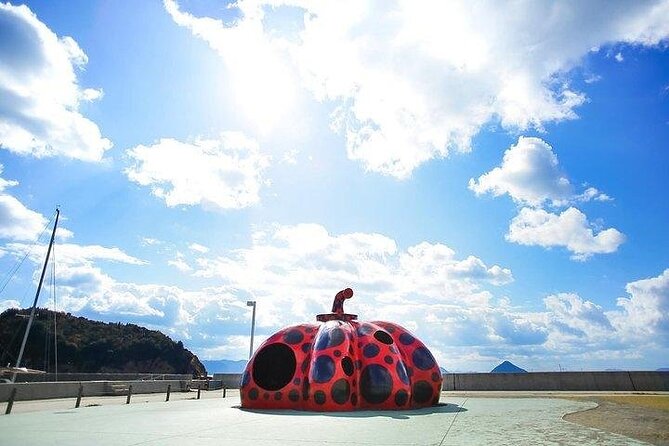
Before you settle into your island rhythm, the tour includes two atmosphere builders right where you arrive. There is the Red Pumpkin, the first sculpture-like welcome you see when the ferry enters Miyanoura Port. It is part of the mythmaking of Naoshima, and it is a simple way to get your imagination switched on before you hit museums.
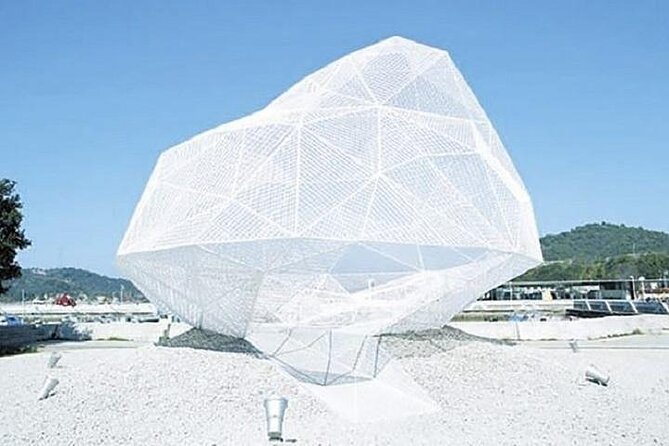
Then comes the Naoshima Pavilion, a structure made of stainless steel mesh triangles, inspired by the idea of an island in water. It is one of those places that makes you look longer than you expect, especially if you are there near evening light.
Day 1 on wheels: renting an e-bike and reading Naoshima at your own pace
After the big stops, you get time on Naoshima-cho with a rental bicycle included. This is where the tour earns its keep. You are not just transported between attractions. You are given a way to roam with a plan.
Two things matter here.
First, Naoshima has stiff slopes. If you are even mildly worried about stamina, do not tough it out. This tour’s bicycle option includes power-assisted e-bikes, and the notes ask you to confirm you can ride an electric bicycle. That one detail can change the whole vibe of your day, because it keeps you from arriving at museums sweaty, stressed, and annoyed.
Second, your luggage needs to fit the system. You are told not to bring suitcases because the hotel is not set up for suitcase carry by bicycle. You should plan for a backpack-sized load that fits a front basket if that is what the guide uses.
If the weather turns rough, the tour also mentions you may use town bus and on-site shuttle options instead of cycling. And here is the important constraint, only one bus route exists, and you cannot travel both directions like you can by bike. So when the weather is good, bikes are easiest. When it is bad, the island’s movement options get more limited.
A day of temples goes further with something to break it up.
Day 2: Benesse House Museum and Lee Ufan before the underground masterpiece
Day two starts with a pair of museums that feel like bookends for what you have been learning about art on this island.
Benesse House Museum (admission included)
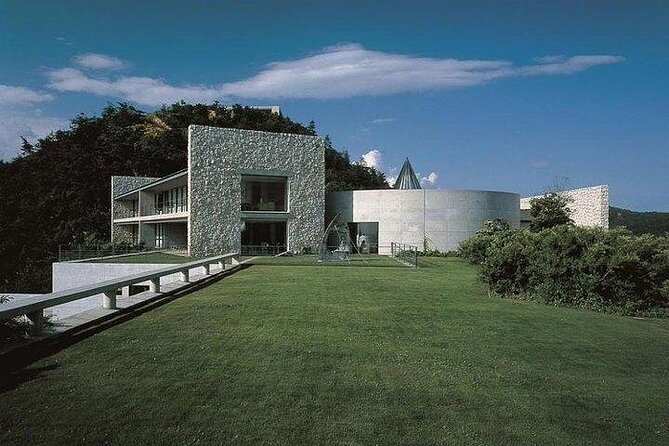
Benesse House Museum is both museum and architecture lesson. It was opened as a place combining nature, art, and architecture, with a view over the Seto Inland Sea. The museum is designed by Tadao Ando, and the building’s large opening is meant to connect you to outside light and outside air.
What I like about starting here on day two is the reset. After Honmura and Ando’s smaller inner spaces on day one, you shift to a bigger sense of place. Your brain starts thinking in “architecture as a display case” mode, not “art on a wall.”
The visit includes exhibits and site-specific installations tied to the museum itself, so you are not seeing a generic collection in a generic room.
Lee Ufan Art Museum (admission included)
Then you head to the Lee Ufan Art Museum. This is a more recent addition to Naoshima, and it focuses on major works by Lee Ufan, including large installations made with stone, concrete, and big iron slabs, plus earlier paintings.
Architecturally, it again ties back to Ando, because the building mixes geometric reinforced concrete with open spaces that change the way you experience the artwork. This is the kind of museum where you start noticing how the building controls your walking pace and sight lines.
Time here is shorter, so you likely finish with a clear sense of direction toward Chichu.
Chichu Art Museum (ticket not included, buy online)
Now you come to the reason many people plan their whole Japan trip around Naoshima.
Chichu Art Museum is built mostly underground, designed to reduce visual impact on the Seto Inland Sea scenery. Even though it is largely subterranean, the museum still uses natural light to change the look of the artworks throughout the day and across seasons.
Here is the practical point: because the entrance fee is not included, you must buy your ticket online yourself. That can be the difference between a relaxed Chichu visit and a last-minute scramble. If you are booking this tour far ahead, plan to purchase Chichu tickets as soon as you have the dates locked.
What Chichu feels like: architecture, light, and time pressure you control
Chichu can feel almost silent, which is exactly what it was designed for. You are in spaces shaped around how light falls. The museum’s permanent collection includes works by Claude Monet, James Turrell, and Walter De Maria, so you are not dealing with one single art style. You are dealing with how perception changes when you control light rather than rely on bright overhead rooms.
If you have only a short attention span, Chichu can still work, but you need to follow your own pace. The underground setting naturally slows you down. The trick is avoiding the stress that comes from forgetting tickets. Once you have your Chichu entry handled, the museum becomes a calm, sensory visit, not a logistics test.
Also, note the tour time at Chichu is set at around 1 hour 30 minutes. That is enough to see the core spaces, but not enough to linger forever. I recommend you decide in your head what kind of moment you want: one or two light-focused rooms, or a broader sweep. Either is fine.
Optional swap-ins like Hiroshi Sugimoto’s Time Corridors
The tour notes that you might have a chance to add Hiroshi Sugimoto Gallery: Time Corridors. The entrance fee is not included, and you are told to buy online tickets yourself. This stop is listed as an optional add-on, and it depends on how your schedule and time on the island line up.
If you are the type who loves experimental time and light effects, Time Corridors can add variety after Chichu. If you prefer to protect your schedule and avoid ticket stress, you can also treat it as a bonus, not a must.
One more smart detail from the tour notes: you can skip a spot you do not go to, but there is no refund for skipped fees. If you want extra sites, you pay the ticket fee on the spot, and you may need extra transportation time. In other words, the guide will help, but the island still runs on clocks.
Price and value: what you are actually paying for
$990.98 per person sounds steep until you look at what is bundled. This price includes the big travel and the big art costs that normally make Naoshima trips feel expensive.
From Osaka or Kyoto, you get round-trip bullet train, round-trip ferry from Uno to Naoshima, and a one-night hotel stay on Naoshima, plus breakfast. On top of that, you receive guided museum time across multiple Ando-linked stops, including the Art House Project, Benesse House Museum, Ando Museum, and Lee Ufan Art Museum. You also get rental e-bike time included, which is not just convenience. It is the way you get to enjoy the island without turning the trip into a fitness boot camp.
The parts that are not included are clear: lunch and dinner for both days, and entrance fees for Chichu and Hiroshi Sugimoto Gallery: Time Corridors. The value story here is that the tour handles most of the paid, time-sensitive structure, and you only pay for the final, essential art-ticket items yourself.
If your priorities are art and efficiency, this can be good value. If your goal is maximum freedom with no planning, you might find that buying everything yourself feels cheaper. But Naoshima punishes guesswork, and a guided 2-day loop reduces that risk.
Logistics that matter more than you think (and how to handle them)
Here are the practical pieces that make or break your experience.
Luggage and getting around
You are warned: no suitcases. The reason is simple. The tour uses a bicycle system, and bike carry has limits. Plan on a backpack or a load small enough for the front basket. If you overpack, you will feel it every time you mount the bike.
Ferry time limits
The ferry schedule is fixed. You cannot extend island time. This is why the tour’s two-day structure is useful. It spreads your art stops across two days instead of forcing everything into a single sprint.
Weather matters
The experience needs good weather. If it is canceled due to poor weather, the tour notes that you will be offered a different date or a full refund. Heavy rain and strong winds can also affect cycling. If moving by bike becomes difficult, bus and shuttle options may be used, but cycling is still the default plan.
Can you switch plans day-of?
The guide is happy to help adjust your schedule on the day of the tour. You can skip spots. You can also add new stops, but you should expect additional ticket costs and possibly extra transportation fees.
Who this tour suits best
This is a strong match if you want:
- A guided art-focused Naoshima plan with minimal guesswork
- The option to ride e-bikes without suffering the hills
- A comfortable overnight so you can enjoy museums without a ferry countdown
It might be less ideal if you dislike the idea of buying tickets online ahead of time for Chichu, or if you want a completely unscripted day with zero structure.
If you enjoy architecture and the way light changes perception, this tour aligns well with the island’s Ando-centered design approach across multiple museums.
Should you book this Naoshima 2-day tour from Osaka or Kyoto?
I would book it if you want a clean, art-heavy route with major sites covered and you value an overnight on Naoshima. The biggest reasons are practical: you get most key museum admissions handled, you get an e-bike setup for the slopes, and you avoid the biggest time sinks of coordinating transit and museum visits on your own.
I would pause before booking if your ideal Naoshima day is totally spontaneous and you are not comfortable buying Chichu and any optional time corridors tickets online yourself. Also, think about your luggage. If you travel with a suitcase, this tour is going to feel like a hassle.
If you get the tickets handled early and you pack light, this tour is one of the more efficient ways to experience Naoshima’s art without rushing your eyes.
FAQ
How long is the Naoshima 2 days tour?
It runs for about 2 days.
Where does the tour depart from?
It departs from Osaka or Kyoto, and pickup is offered.
What is included in the price?
The tour includes round-trip bullet train, round-trip ferry (Uno to Naoshima), breakfast, a one-night hotel stay on Naoshima, a rental bicycle (including e-bike/power-assisted option), admission fees for the Art House Project, Benesse House Museum, Ando Museum, and Lee Ufan Art Museum, and the guide service (English or Spanish depending on plan).
Which museum tickets are not included?
Chichu Art Museum ticket fees are not included, and you buy them online yourself. Hiroshi Sugimoto Gallery: Time Corridors is also not included, and the ticket must be purchased online by you.
Do I need to buy Chichu tickets in advance?
Yes. The tour notes that you should buy the Chichu tickets online yourself.
Can I rent an electric bicycle?
Yes. The tour includes rental bicycles and specifically mentions power-assisted bicycle support. You should confirm you can ride an electric bicycle.
What if I cannot ride a bicycle?
If you cannot ride, the tour can use town bus and on-site shuttle bus transportation. If bus transportation is used, all participants will use the same means of transportation, and cycling and bus cannot be offered at the same time.
Is the tour private?
Yes. It is described as a private tour/activity, and only your group participates.
Is this tour refundable if plans change or weather is bad?
The experience is non-refundable and cannot be changed for any reason. If it is canceled due to poor weather, you will be offered a different date or a full refund. It can also be canceled if a minimum number of travelers is not met, with an alternative date/experience or a full refund offered.
New This Season
- Koyasan Day Trip by Private Car from Kyoto
- Old Port Town and Ultimate Sake Tasting Private Tour From Kyoto
- Kyoto’s Timeless Charm: 3hr Exploration of History and Peace
- Kyoto: 5 Types of Sushi Making
- Sacred Peak & Ancient Paths: Kurama-Kibune Hiking Experience
- Kyoto: Exclusive ZEN practice at Manpukuji temple in Uji
- Kyoto: Private Seasonal Aroma Yoga Class
- Traversing Kyoto’s Scenic West – Arashiyama to Kinkakuji
Tours, compared.
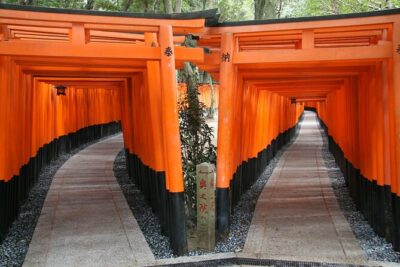
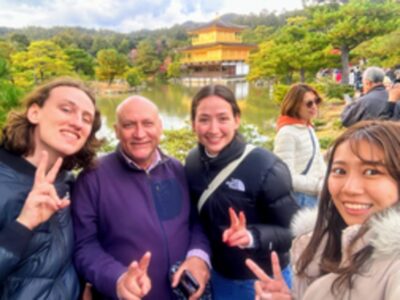
Fushimi Inari, Kinkakuji, Bamboo Grove 1 Day Bus Tour
Read our review →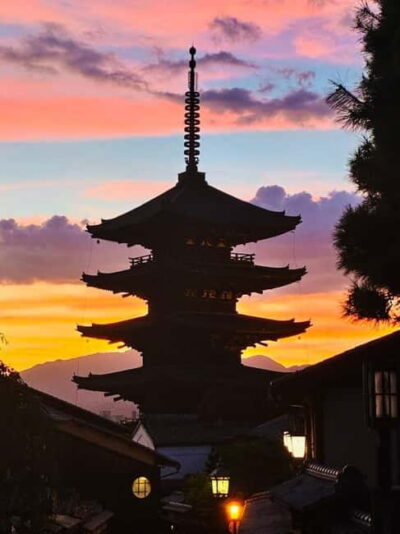
Kyoto Geisha Walking Tour: Gion District & Hidden Gems
Read our review →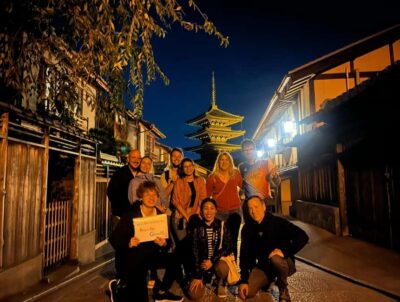
Gion Magical Night Walking Tour with Geisha Trivia
Read our review →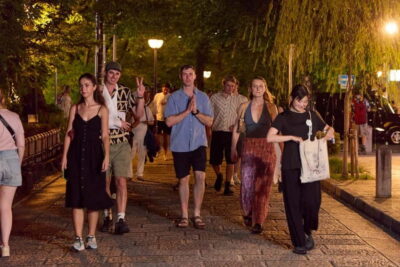
Gion Geisha District Walking Tour – Stories of Geisha
Read our review →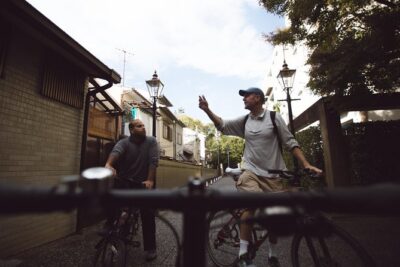
Kyoto Night Foodie Tour in Gion (9+ dishes + 6 Sake tastings)
Read our review →