
Reviewed · FUSHIMI INARI SHRINE WALKS
Private eBike Tour Exploring Fushimi with Torii Red Gate Ride
Red torii gates, quiet bike paths.
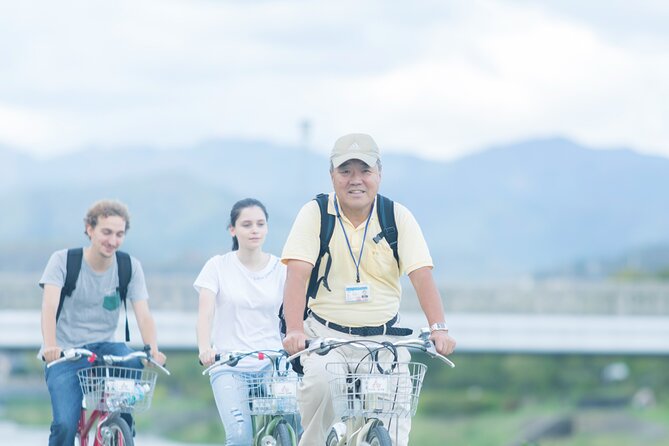
This private e-bike tour strings together Kyoto’s top Shinto and temple moments with a guide who keeps things moving, from cycling along side streets to walking the famous red gates at Fushimi Inari. I really like that you get time inside the big temple stops, then you roll back out on wheels to see quieter Kyoto scenes, not just stand in lines. I also like the human touch from guides like Kaz, Yuichi, and JJ, who bring humor, explain what you’re looking at, and even help with photos.
One thing to consider is timing and weather: the tour runs in rain, so you’ll want to embrace the slow, cozy pace and dress for wet roads even with the included rain poncho. Also, this is for small groups (minimum 2 guests per guide), so it is not a solo-friendly option.
In This Review
- Key highlights to look for
- Why an e-bike works so well for Kyoto’s big sacred sights
- Getting started at Kyoto Station’s cycle terminal
- Stop 1: Cycling past the Nintendo Original Building
- Sanjusangendo Temple: the thousand Buddhas moment
- Tofuku-ji Temple: quick Zen calm and photos
- Fushimi Inari-taisha: walking through the torii red gate maze
- Back to Kyoto along the Kamo River embankment
- Guides like Kaz, Yuichi, and JJ make the difference
- Price and value: $111.05 per person, with a lot included
- Rain, pace, and what to wear (so you stay comfortable)
- Practical fit: who should book this tour
- Should you book this private e-bike Fushimi tour?
- FAQ
- How long is the private e-bike tour?
- What is included in the price?
- Is the tour only in good weather?
- Is this a private tour?
- What are the group size limits?
- Are children allowed?
- Can I bring snacks, or are snacks included?
Key highlights to look for
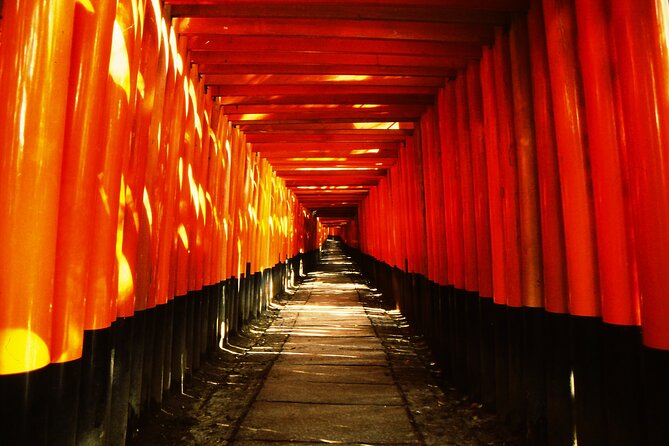
- Fushimi Inari walking route through the red torii gates with your guide’s context.
- Sanjusangendo Temple visit with guided time in the corridors of the thousand Buddha statues.
- Smoother Kyoto streets by e-bike, a practical way to connect sites without exhausting bus rides.
- Small, calm stops like Tofuku-ji for photos and a breather before the big shrine moment.
- Kamo River return ride along the embankment, where you might spot wildlife as you cruise.
Why an e-bike works so well for Kyoto’s big sacred sights
Kyoto can feel like a hop-and-skip from one highlight to the next. The problem is that buses and taxis can be slow in crowded areas, and walking can turn into stop-start frustration. An e-bike keeps you in the rhythm, so you spend more time seeing and less time calculating routes.
On this tour, the e-bike makes a smart trade. You get to cover distance between temples and shrine areas, then switch to walking where it matters most. The result is a day that feels paced, with built-in moments to look up, take photos, and slow down inside places like Sanjusangendo.
And yes, the famous red gates at Fushimi Inari are the star, but the bike part matters too. Cycling along calmer streets helps you approach the shrine area with less stress, then your guide handles the big-picture story so you are not wandering with only partial context.
Getting started at Kyoto Station’s cycle terminal
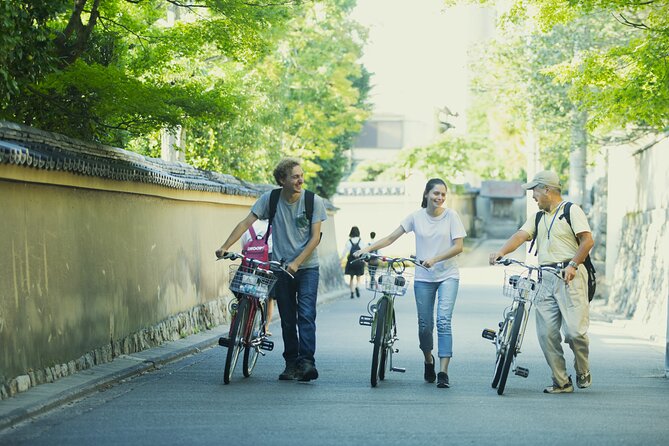
You meet at Kyoto Cycling Tour Project, in the Kyoto Station Cycle Terminal area. The practical win here is simple: Kyoto Station is the easiest transport hub in the city, and you are not trying to meet your guide in a backstreet far from transit.
This is also a private setup. Only your group rides together, so the pace can stay consistent, and your guide can answer questions without juggling different schedules. Group size is small by design, with a minimum of 2 guests and a maximum of 6 per guide, and an extra guide can be added for larger groups up to 7 to 12 with no extra fee.
Before you roll out, you’ll get the safety basics handled for you, including a helmet. If rain is in the forecast, the included rain poncho helps you keep moving instead of losing the day to gear problems.
Still climbing through the orange gates?
- Kyoto: Fushimi Inari, Kinkakuji, Bamboo Grove 1 Day Bus Tour
★ 4.8 · 4,316 reviews - Fushimi Inari Hidden Hiking Tour (Private Option Available)
★ 5.0 · 1,750 reviews - Osaka/Kyoto:Kinkakuji,Arashiyama,FushimiInariShrine,NaraPark
★ 4.1 · 1,596 reviews - Kyoto/Osaka: Nara, Fushimi Inari Taisha, Arashiyama Bus Tour
★ 4.7 · 1,275 reviews
Stop 1: Cycling past the Nintendo Original Building
The tour’s first viewpoint is brief, about 10 minutes. You cycle past the former offices of one of Kyoto’s famous companies at the Nintendo Original Building area, with the building serving as a quick bridge between Kyoto’s modern identity and its long cultural routines.
This is not a long sightseeing detour, so it works best if you enjoy these little context moments. You get a sense that Kyoto is not only temples and old streets, it also has a modern tech and design pulse living alongside everything ancient.
If you are hoping for a deep stop with museum-style explanations, this is not that. Think of it as a cool palate cleanser before the spiritual heavy hitters.
Sanjusangendo Temple: the thousand Buddhas moment
Sanjusangendo Temple is the first major time sink, and it is where the tour’s tone shifts. You’ll spend about an hour here, and your guide stays with you to explain the history and significance while you move through the old corridors.
The headline feature is the famous sight of a thousand Buddha statues. That phrasing can sound dramatic in a brochure way, but on the ground it tends to create a different effect. The corridor setting, the repetition, and the sense of scale all add up. This is the kind of place where your guide’s context changes what you notice, so you do not just see statues, you start to understand why the layout and the collection matter.
One practical benefit: because you are on a planned route, you are not stuck figuring out where to go inside. You can focus on the experience, and when you want a slower moment for quiet or photos, you can usually find it without dragging the whole group.
If you care about temple etiquette, this is a good spot to slow your body and keep your movement respectful. It is the sort of place where calm behavior fits the setting.
Tofuku-ji Temple: quick Zen calm and photos
Next comes a short break at Tofuku-ji, about 15 minutes. The time here is intentionally light, so you can grab photos and soak in the quiet feeling without feeling rushed into a full guided tour of another big complex.
Tofuku-ji is described as a quiet but imposing Zen temple, and that combination is exactly why this stop works. You get a contrasting vibe from the more image-heavy stop at Sanjusangendo. Here you can breathe, reset your attention, and let the visual mood shift.
Drawback? The time is short. If you want to spend a long period inside multiple buildings, this stop will feel like a taste, not a meal. Still, for most people the quick stop is a smart move, especially when your biggest anchor time is later at Fushimi Inari.
Fushimi Inari-taisha: walking through the torii red gate maze
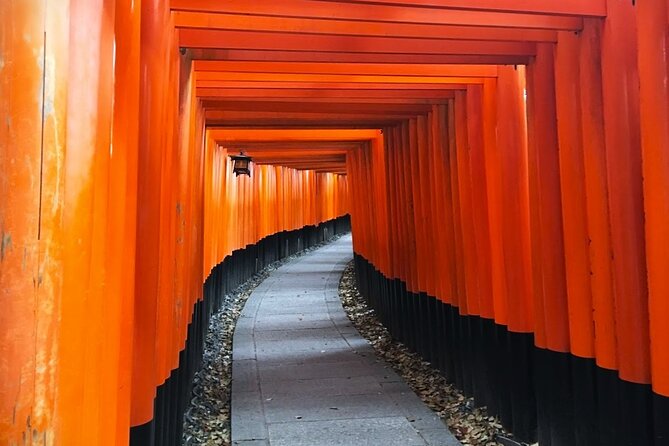
Then you hit the main event: Fushimi Inari-taisha Shrine. Your guide leads you along the thousand-gate paths, with about an hour set aside. This is the moment most people come for, and the value here is the way your route gets explained as you walk.
Seeing the gates is one thing. Understanding how the shrine works as a sacred site is another. With your guide, you are not just counting torii, you’re learning what you are walking through and why it is arranged the way it is. That makes the gates feel more purposeful and less like a photo obstacle course.
I also like the way this stop is handled in a private bike tour format. You are not only arriving, you are arriving as part of a route built around keeping you moving. Even if you still see crowds at key moments, a guide-managed plan often helps you spend less time stuck and more time experiencing.
Wear comfortable shoes. Torii pathways encourage you to keep walking, and when you do, the physical effort is part of the charm. If you want a shorter loop, you can usually adjust with your guide’s help so the hour still feels like yours.
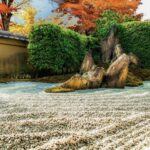
A quieter way to spend a day in Kyoto
Back to Kyoto along the Kamo River embankment
After the shrine time, you remount the bikes. The tour includes a return ride back toward Kyoto Station, and one of the most relaxing segments is cycling along the peaceful embankment by the Kamo River.
This section is quieter by nature. Instead of shrine crowds or temple corridors, you get open sight lines, water views, and the feeling of moving through Kyoto rather than only arriving at monuments. The tour description also notes lots of wildlife, so keep an eye out for birds and activity along the river edge.
This is also where e-bikes shine again. You can stay comfortable and still enjoy the scenery. The pace feels leisurely, and it helps your body absorb the day’s walking time from the earlier stops.
If your legs feel a bit tired, this river ride is a good reward. You finish the tour with motion, not with another rush to find transit.
Guides like Kaz, Yuichi, and JJ make the difference
The tour runs with an English-speaking licensed or certified guide, and the guide style is a big part of the experience. In the feedback I’m using to judge fit, people repeatedly highlight warmth, energy, and humor, along with strong practical help like taking photos for you.
You’ll find examples of guides such as Kaz and Yuichi being praised for making the tour chilled yet interesting. There are also mentions of guides like Tibor being patient and kind with kids, and JJ and Kay being extremely knowledgeable and helpful, including real-world problem-solving support during a medical emergency. That last detail is the kind of thing you hope you never need, but it matters because it signals calm professionalism when it counts.
For you, the guide matters most in two places. At Sanjusangendo, context helps you make sense of the thousand Buddha setting. At Fushimi Inari, guide-led routing keeps your walking focused, so you spend your hour moving through meaning, not just moving through gates.
Price and value: $111.05 per person, with a lot included
At $111.05 per person for about 3 hours 30 minutes, this tour sits in the mid-range for a private Kyoto experience. The price makes more sense when you look at what’s bundled in.
Included items and services:
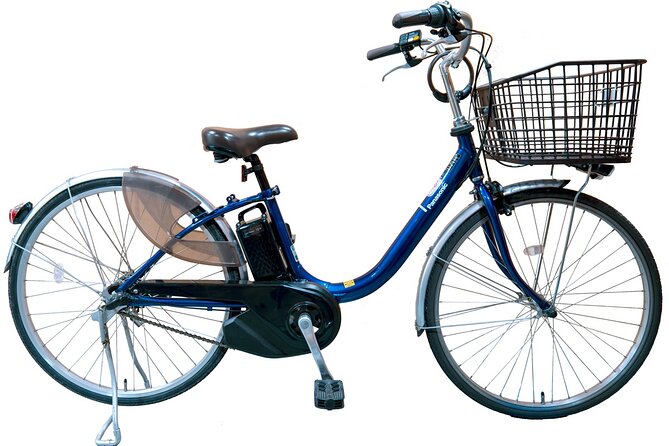
- Helmet and an e-bike
- Rain poncho if weather turns
- An original cycling map
- Accident insurance
- Licensed or certified English-speaking guide
- Admission included for Sanjusangendo Temple
- Multiple other stops marked as free time
Not included: snacks.
Here is why that inclusion list matters for value. You are not paying separately for the bike, you are not scrambling for basic safety gear, and a guide is handling the pacing and navigation between major sites. Plus, one hour at Sanjusangendo is not a casual drive-by stop, so you are buying time with a guide inside a major temple complex, not just a bike ride around town.
The snack point is the one loose end. If you prefer to eat on your own schedule, plan a small treat beforehand or pick something near Kyoto Station before meeting. The tour itself is more about movement and sight time than meal time.
Rain, pace, and what to wear (so you stay comfortable)
The tour operates in rain. That sounds like a warning, but in practice it can be a good thing. Kyoto in rain is often quieter, and the e-bike experience can feel even more sheltered than walking. Still, you should dress like wet weather is real.
You will get a rain poncho. Use it correctly and keep your hands and phone protected. If your phone is your camera, you’ll want a dry way to carry it so you can still take pictures at torii gates and inside temple corridors.
Pace is leisurely, and that matters because the tour blends cycling time with short walking segments at each stop. The total duration includes cycling between locations, so do not expect long temple marathons at every site. It is built for a balanced day: enough time for the big moments, and enough movement to keep Kyoto feeling alive.
Practical fit: who should book this tour
This tour is a strong match if you want:
- A private plan connecting Fushimi Inari with Sanjusangendo and Tofuku-ji
- A guided walking experience at major sacred sites
- Less stress than routing yourself by bus or rail
- A comfortable ride around town using e-bike support
It is also a good choice for families where kids can safely ride a bike on roads. Children must be at least 10 years old, 145 cm or above, and able to ride a bicycle safely on the road unassisted.
If you want zero bike time and only long stays inside temples, this might not fit. The tour includes cycling plus time stops, and the time inside each site is set. Think of it as a guided “connections tour” rather than a single-site deep study day.
One more fit note: solo riders cannot join, since the minimum per guide is 2 guests. If you are traveling as a pair or small group, this format is ideal.
Should you book this private e-bike Fushimi tour?
Yes, if your top Kyoto goals are Fushimi Inari and Sanjusangendo, and you also want an easy way to connect them without turning your day into logistics. The biggest draw for me is the balance: you get a structured hour at Fushimi Inari through the red gate paths, plus an hour at Sanjusangendo with guided context inside the thousand Buddha corridors, then a relaxing return along the Kamo River.
Book it if you value a guide who can explain what you’re seeing and help your group move comfortably through Kyoto. Guides like Kaz, Yuichi, and JJ show up as names linked to strong, friendly energy and practical support such as photo help.
Skip it if you need a very flexible schedule, you are traveling solo, or you are uncomfortable riding in rain conditions even with a poncho. Also, if you expect long time inside every temple, the short Tofuku-ji stop might feel brief.
If you do book it, come with comfortable shoes and a small snack plan. You’ll get a Kyoto day that feels like it belongs to you, not like a checklist you rushed through.
FAQ
How long is the private e-bike tour?
The tour duration is about 3 hours 30 minutes, including time cycling between locations.
What is included in the price?
You get use of an e-bike and helmet, a rain poncho, an original cycling map, a licensed English-speaking guide, accident insurance, and the bicycle itself. Admission for Sanjusangendo Temple is included, and other stops are listed as free.
Is the tour only in good weather?
No. The tour will operate in rain.
Is this a private tour?
Yes. It is a private tour/activity, so only your group participates.
What are the group size limits?
A minimum of 2 and a maximum of 6 guests can be accepted per guide. For groups of 7 to 12 people, an extra guide can be arranged with no extra fee.
Are children allowed?
Children must be at least 10 years old, 145 cm or above, and able to ride a bicycle safely on the road unassisted.
Can I bring snacks, or are snacks included?
Snacks are not included.
More Cycling Tours in Kyoto

New This Season
- Koyasan Day Trip by Private Car from Kyoto
- Old Port Town and Ultimate Sake Tasting Private Tour From Kyoto
- Kyoto’s Timeless Charm: 3hr Exploration of History and Peace
- Kyoto: 5 Types of Sushi Making
- Sacred Peak & Ancient Paths: Kurama-Kibune Hiking Experience
- Kyoto: Exclusive ZEN practice at Manpukuji temple in Uji
- Kyoto: Private Seasonal Aroma Yoga Class
- Traversing Kyoto’s Scenic West – Arashiyama to Kinkakuji
Fushimi Inari Shrine Walks, compared.
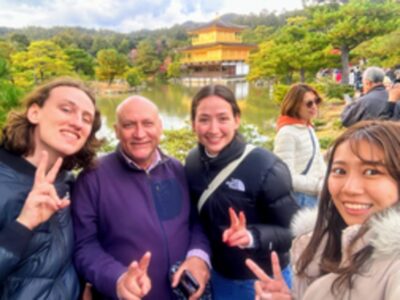
Fushimi Inari, Kinkakuji, Bamboo Grove 1 Day Bus Tour
Read our review →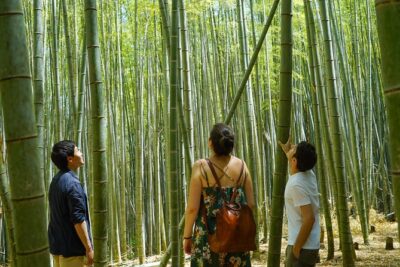
Fushimi Inari Hidden Hiking Tour (Private Option Available)
Read our review →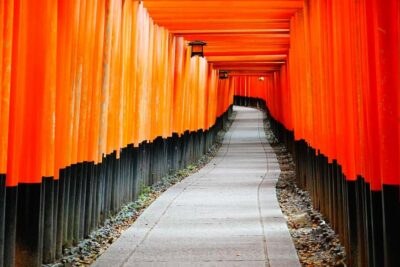
Kinkakuji,Arashiyama,FushimiInariShrine,NaraPark
Read our review →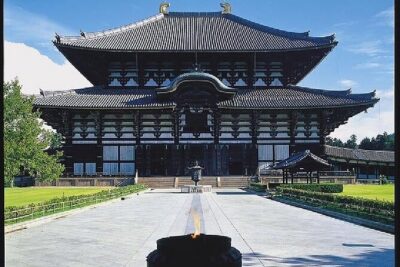
Nara, Fushimi Inari Taisha, Arashiyama Bus Tour
Read our review →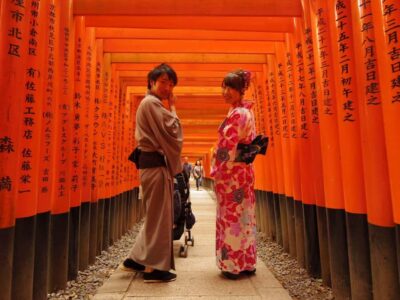
Arashiyama, Nara & Fushimi Inari Shrine w/Lunch
Read our review →
Nijo Castle, Kiyomizu & Fushimi Inari Guided Tour
Read our review →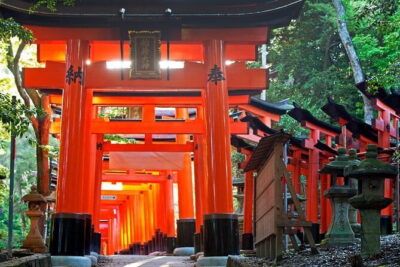
Nijo, Kinkaku-ji, Arashiyama, Kiyomizu & Fushimi Inari
Read our review →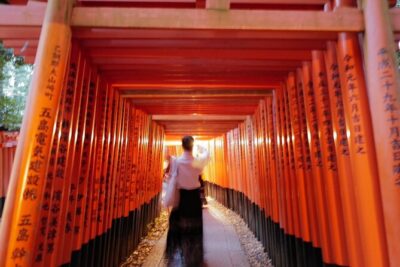
Also filed under