
Reviewed · COOKING CLASSES
Private Guided Traditional Buddhist Cooking in Japan
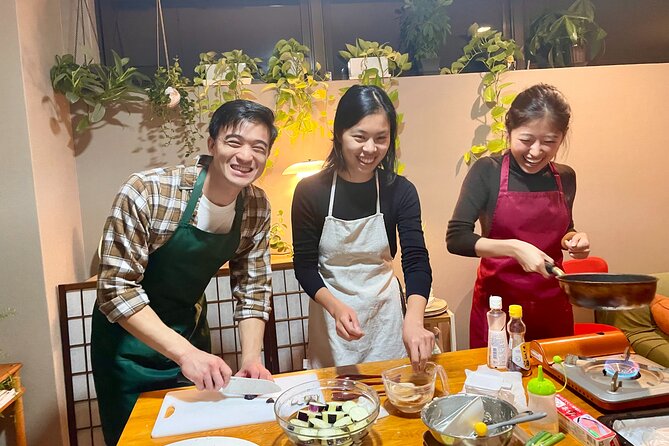
Want Kyoto flavors without meat or fish? This private Shojin-ryori class pairs temple visits with hands-on cooking taught by Yukari, focused on seasonal plant ingredients. I love that you cook the meal yourself, not just watch, and that you get written recipes you can actually repeat at home. One thing to consider, this is vegan Buddhist cooking, so it is not a good match if you want meat or fish on the menu.
You also get a real Kyoto-feeling context by stopping at Enkoji Temple, Shisendo Temple, and Ginkakuji Temple before you start cooking. I like the way Yukari explains ingredients and techniques clearly, then turns it into a practical cooking session you can follow step by step. The main drawback for some people is timing and logistics, since private transportation is not included, you will want to plan your own way to the meeting point and between stops.
In This Review
- Key things I’d plan around
- Kyoto vegan Buddhist cooking that feels personal, not performative
- What you actually cook: 7 dishes plus rice balls
- Your guide: Yukari, and why her class structure matters
- Temple stops that set the food context: Enkoji, Shisendo, Ginkakuji
- Hands-on cooking flow: what happens before you start plating
- How gluten-free is handled
- The price and value: $70.94 for a private, full meal
- Where you meet and how the schedule works
- What this experience is best for
- A quick, practical packing checklist
- Should you book Kyoto Private Guided Traditional Buddhist Cooking?
- FAQ
- What dishes are included in the Shojin-ryori cooking class?
- Is this experience vegan, and can you do gluten-free?
- Is the tour private?
- How long is the experience, and when does it start?
- What is included in the price?
- Is private transportation included, and what about cancellation?
Key things I’d plan around
- Shojin-ryori focus: plant-based Buddhist meals, no animal products, using seasonal produce, tofu, grains, seaweed, and fermented flavors
- A true hands-on format: you make 7 dishes plus rice balls, not just one or two simple items
- Temple context first: Enkoji Temple, Shisendo Temple, and Ginkakuji Temple set the cultural stage for what you cook
- Yukari’s teaching style: patient guidance plus recipes you can take home for later
- Diet flexibility: gluten-free can be accepted, just let them know
Kyoto vegan Buddhist cooking that feels personal, not performative
Kyoto can be a lot. Between temples, shops, and snack hunting, it’s easy to feel like you are just collecting moments instead of understanding food. This experience fixes that by pairing two things Kyoto does well: quiet temple atmosphere and careful cooking.
The core of the class is Shojin-ryori, traditional Buddhist cooking made without meat or fish. Buddhism prohibits killing animals, so the dishes are built from vegetables, soy products, grains, seaweed, and fermented ingredients. That is why this meal tastes Japanese, but also feels lighter and balanced.
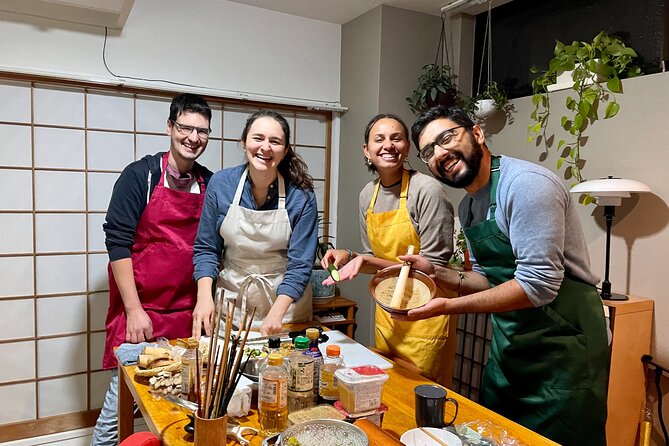
And since it is private, the whole session can be paced to your group. You are not squeezed into a slow line or competing for attention. It is more like cooking with a host who knows Kyoto food deeply and enjoys sharing it.
What you actually cook: 7 dishes plus rice balls
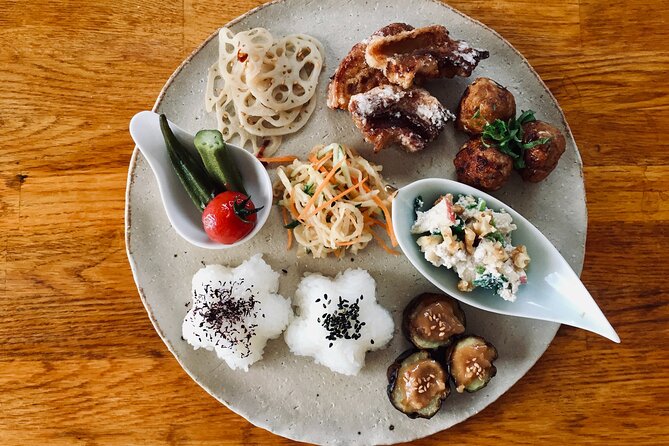
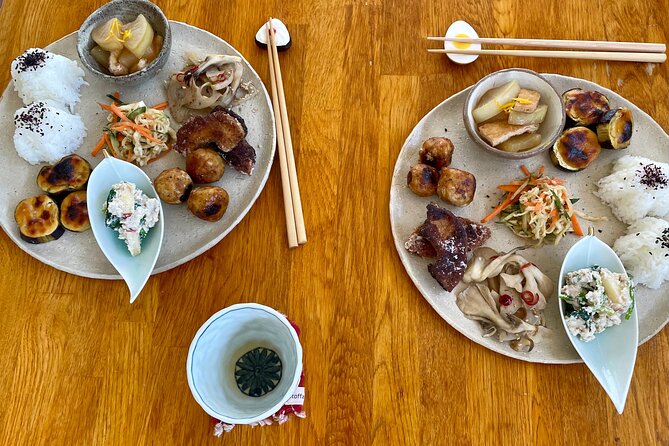
The class is built around making a full plate lunch-style meal, with multiple components. You will cook these items:
- Simmered seasonal vegetables
- Dried strips of daikon salad
- Kinpira of lotus (braised thinly sliced lotus)
- Nasu dengaku (miso-grazed eggplant)
- Shiraae (mashed tofu salad)
- Spicy teriyaki balls
- Vegetarian fried chicken using wheat gluten
- Plus 2 rice balls
A big part of the appeal here is variety. You get soft and savory (tofu and braises), crisp or refreshing elements (daikon salad), and classic Japanese comfort textures (eggplant with miso, wheat-gluten “fried chicken” style). The “teriyaki balls” also give you that familiar sweet-savory flavor profile, but in a plant-based form.
The session ends with a beautiful, flavorful plate lunch (dinner) style meal that you share. Even if you do not consider yourself a “good at cooking” person, this format is designed so you can participate and still get strong results by the end.
A quieter way to spend a day in Kyoto
- Ramen Cooking Class at Ramen Factory in Kyoto
★ 5.0 · 1,937 reviews - Kyoto: Ramen Cooking Class at a Ramen Factory with Souvenir
★ 4.9 · 532 reviews - Kyoto: Ramen, Gyoza, and Onigiri Cooking Class
★ 5.0 · 445 reviews - Kyoto: Japanese Washoku Bento Small Group Cooking Class
★ 5.0 · 380 reviews
Your guide: Yukari, and why her class structure matters
The experience is hosted by Yukari’s Japanese Home Cooking, and the teaching approach comes through clearly in the feedback you get from past participants. People consistently highlight Yukari as welcoming and patient, with clear explanations of ingredients and cooking details.
Two practical strengths stand out for me:
- You get the how, not just the what. The class is not only about assembling dishes, it’s about understanding why ingredients are handled a certain way in Buddhist and Kyoto-style cooking.
- You leave with recipes. That is huge. Many cooking classes give you a memory and a vague sense of what you did. Here, you get written recipes so you can actually recreate the meal later.
If you are traveling with kids, it also helps that the class has shown it can keep younger participants engaged. Expect a teaching style that works even when attention spans are short.
Temple stops that set the food context: Enkoji, Shisendo, Ginkakuji
This part matters more than you might think. Even though you are there to cook, the class builds cultural context first, by making three temple stops: Enkoji Temple, Shisendo Temple, and Ginkakuji Temple.
Because the food is Buddhist vegan cooking, seeing the temples first gives you the emotional and cultural “why” behind the ingredients. Shojin-ryori is not a modern trend here. It grew from a tradition shaped by strict rules against harming animals, and that influence shows up in how the food is built, seasoned, and balanced.
Practical consideration: temple stops mean you should dress like you are walking and standing. The experience runs about 2 hours 30 minutes, so the schedule is not huge, but it is still active. Wear comfortable shoes, and keep your layers ready, since Kyoto can change feel quickly between morning and later in the day.
Hands-on cooking flow: what happens before you start plating
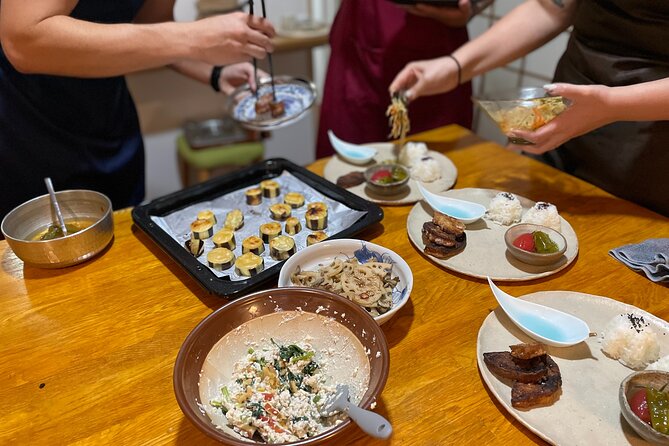
The class structure is straightforward, which is good because you are on a schedule.
- First, Yukari introduces Shojin-ryori and local ingredients, including what makes them fit Buddhist cooking.
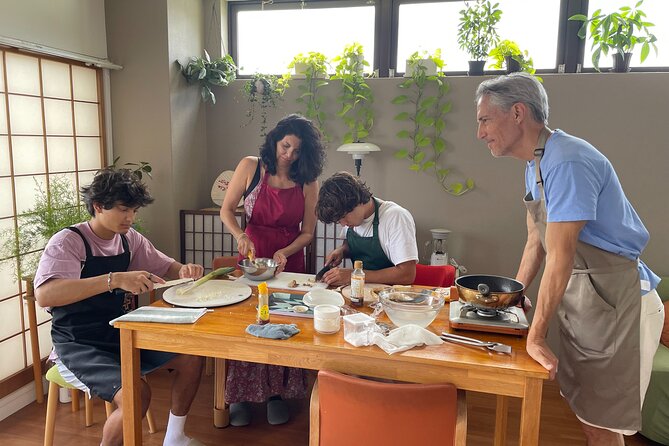
- Then you put on aprons and move into hands-on preparation.
- Finally, you enjoy the meal you made together.
That “teach first, cook immediately” flow is a smart design. If you start cooking without context, Japanese vegan dishes can feel mysterious. With the explanation up front, you understand what you are doing, whether you are slicing, simmering, mixing, or shaping rice balls.
You will also hear about the delicate details that make Japanese cooking feel precise. Some parts may be simple technique (like getting the texture right for tofu salad), while other parts can be about timing and seasoning (like miso-grazing eggplant or getting flavor balance in daikon preparations).
How gluten-free is handled
The class states it can accept gluten-free participants, but you need to let them know. That matters because several dishes are likely to involve soy sauce, wheat-based ingredients, or wheat gluten substitutes depending on the recipe set.
If you have gluten sensitivity rather than a mild preference, message them clearly in advance. Ask how they handle wheat gluten since one of the dishes is specifically vegetarian fried chicken using wheat gluten, and you want confirmation of the substitution plan.
A day of temples goes further with something to break it up.
The price and value: $70.94 for a private, full meal
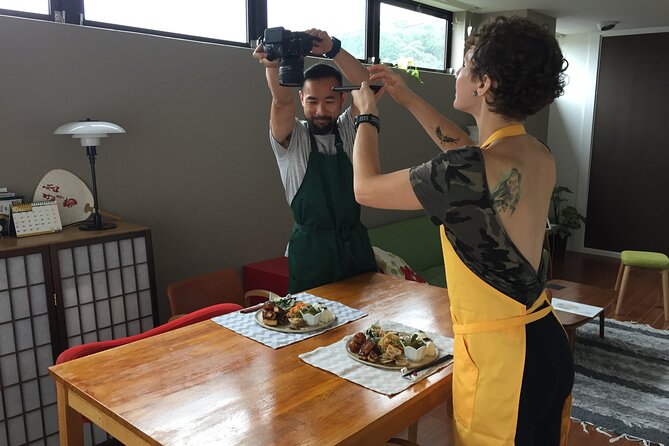
At $70.94 per person for about 2 hours 30 minutes, this is not an ultra-cheap “grab a ticket and snack” activity. But it is also not priced like a fancy restaurant meal with no participation.
Here is what you are paying for, based on what is included:
- Lunch ingredients
- Drink (water or tea)
- Apron
- All equipment
- Utility charges and facility fee
- Recipes
Private cooking classes often get expensive fast because ingredients, kitchen access, and a dedicated instructor add up. In this case, you also leave with recipes, which increases the value if you plan to cook Japanese food at home again.
Two practical value tips:
- If you are a couple or small group, private format usually means better attention per person. You are paying for that direct coaching.
- Since private transportation is not included, consider how you are getting there. If you already plan to use public transit in Kyoto, this fits easily into a day of temple hopping.
Where you meet and how the schedule works
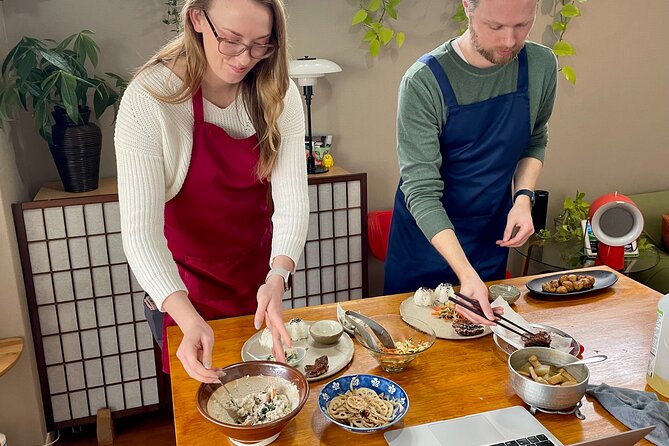
The experience starts at 10:00 am and ends back at the meeting point. It is a mobile ticket experience, and the meeting point is near public transportation:
Japan, 606-8165 Kyoto, Sakyo Ward, Ichijōji Nodachō, 16 Fairmont Building.
You should plan for the day to be on time. A cooking class has less wiggle room than a museum visit, and temple timing can also be strict.
What this experience is best for
This is a strong match if you want any of the following:
- You are interested in Japanese Buddhist cuisine and how it shapes everyday flavors
- You prefer vegan food that still feels “real,” not bland
- You want hands-on cooking with clear steps and take-home recipes
- You like cultural grounding, not just a food demo
- You are traveling with someone who eats differently, since the meal is based on strict no-animal-products Shojin-ryori
It is less ideal if you mainly want a quick snack, or if you are only interested in meat and seafood flavors. The entire concept centers on plant-based cooking as tradition.
A quick, practical packing checklist
You do not need special gear because aprons and equipment are provided. Still, I recommend:
- Comfortable walking shoes for the temple stops
- A light layer (Kyoto mornings can feel cool)
- A small bag for your take-home recipes
- Any dietary notes shared in advance, especially if you need gluten-free handling
Should you book Kyoto Private Guided Traditional Buddhist Cooking?
Yes, I think you should book it if you want a Kyoto food experience with real context and real participation. For about $70.94 per person, you get a private, guided Shojin-ryori cooking session with multiple dishes, a shared meal, and written recipes for later.
Skip it if you are looking for a seafood or meat-focused cooking adventure, or if you dislike plant-based Buddhist menus. Also, plan your own transit, since private transportation is not included.
If you like the idea of cooking seasonal Kyoto flavors without animal products, and you want a teacher like Yukari who explains carefully and leaves you with recipes, this is a very satisfying use of your time.
FAQ
What dishes are included in the Shojin-ryori cooking class?
You will cook simmered seasonal vegetables, dried strips of daikon salad, kinpira of lotus, nasu dengaku (miso-grazed eggplant), shiraae (mashed tofu salad), spicy teriyaki balls, and vegetarian fried chicken using wheat gluten. You also make 2 rice balls, and you finish with a plate lunch-style meal.
Is this experience vegan, and can you do gluten-free?
The cooking is based on Shojin-ryori, which is made without animal products such as meat and fish. Gluten-free is accepted, but you should let them know in advance.
Is the tour private?
Yes. It is a private tour/activity, and only your group will participate.
How long is the experience, and when does it start?
The duration is about 2 hours 30 minutes, and the start time is 10:00 am. It ends back at the meeting point.
What is included in the price?
Included are lunch ingredients, a drink (water or tea), an apron, all equipment, utility charges, facility fee, and recipes.
Is private transportation included, and what about cancellation?
Private transportation is not included. Free cancellation is available if you cancel up to 24 hours in advance of the experience start time for a full refund. If you cancel less than 24 hours before, the amount you paid will not be refunded.
New This Season
- Koyasan Day Trip by Private Car from Kyoto
- Old Port Town and Ultimate Sake Tasting Private Tour From Kyoto
- Kyoto’s Timeless Charm: 3hr Exploration of History and Peace
- Kyoto: 5 Types of Sushi Making
- Sacred Peak & Ancient Paths: Kurama-Kibune Hiking Experience
- Kyoto: Exclusive ZEN practice at Manpukuji temple in Uji
- Kyoto: Private Seasonal Aroma Yoga Class
- Traversing Kyoto’s Scenic West – Arashiyama to Kinkakuji
Cooking Classes, compared.
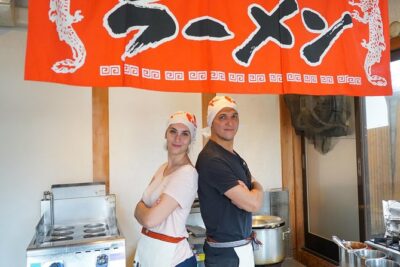
Ramen Cooking Class at Ramen Factory in Kyoto
Read our review →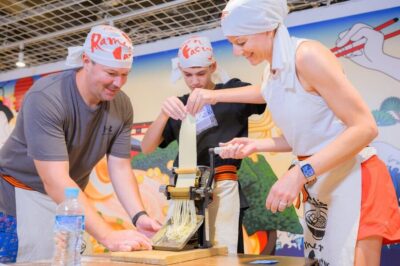
Ramen Cooking Class at a Ramen Factory with Souvenir
Read our review →
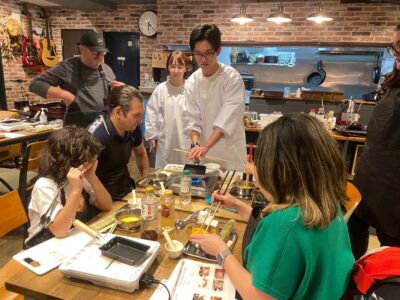
Japanese Washoku Bento Small Group Cooking Class
Read our review →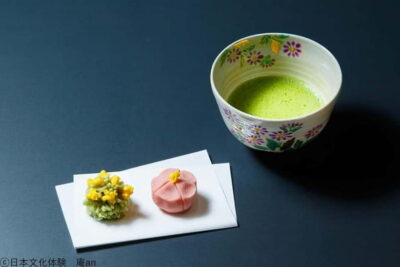
Japanese Traditional Sweets Making and Tea Ceremony
Read our review →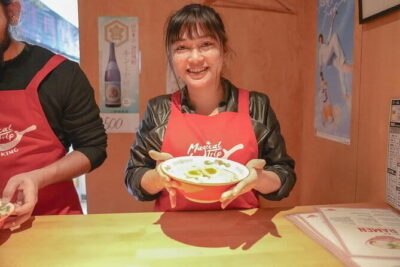
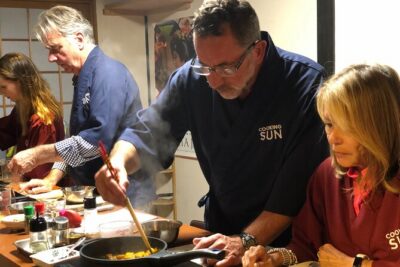
Kyoto Ramen and Gyoza Cooking Class with Professional Chefs
Read our review →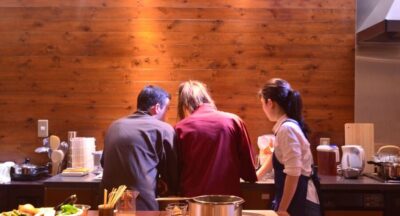
Also filed under