
Reviewed · WORKSHOPS
Private Koto Lesson in Kyoto with a Professional Koto Performer
Kyoto is full of culture, but this one teaches it in your hands. At Soushunan, a professional koto performer leads a private lesson where you learn how to play the traditional piece Sakura, with the koto and music notation provided.
I especially like two things: it is taught by the owner, a real performer (not a textbook demo), and the lesson is built for real beginners, including kids from age 3 up. One thing to consider is that private transportation is not included, so you’ll want to plan how you get to Kamigyo Ward.
The pacing is relaxed but focused. You’ll work on koto technique while also picking up what the instrument is used for in Japanese tradition, then you get a chance to hear the teacher play after your lesson.
In This Review
- Key things I’d circle before booking
- Why this Kyoto koto lesson feels more real than a one-hour show
- Soushunan meeting point in Kamigyo Ward: simple and central enough
- Learning Sakura on the koto: what you can expect during the hands-on part
- The instructor matters: professional performer, patient teaching, real progress
- The tea break and the teacher’s performance: why the ending is worth it
- Price and value: why $60 for 1h20 can make sense in Kyoto
- Who should book this koto lesson, and who should pause
- Practical tips so your Sakura lesson goes smoothly
- Quick FAQ before you commit
- FAQ
- How long is the private koto lesson?
- Is this lesson private or shared with other people?
- What song do you learn during the session?
- Do I need to bring a koto or music materials?
- Is it suitable for children and older adults?
- Is transportation included from my hotel?
- Do I get a ticket on my phone?
- What is the cancellation policy?
- Should you book this private koto lesson at Soushunan?
Key things I’d circle before booking
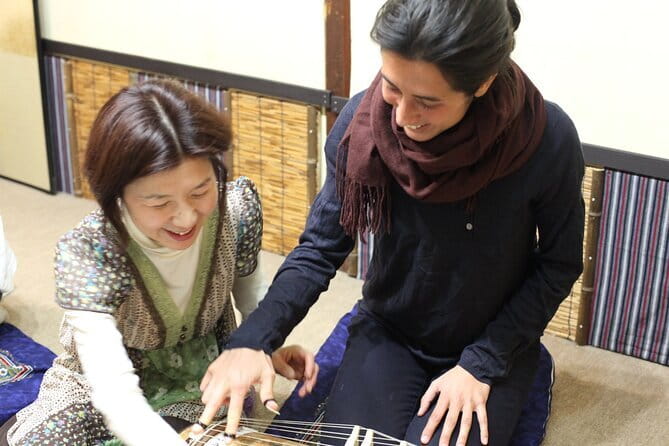
- Private lesson with the owner: only your group, taught by a professional performer at Soushunan
- You learn Sakura on the koto: the specific piece is part of the experience, not just general instruction
- Everything needed is included: koto instrument usage and music notation are provided
- Family-friendly ages (3 to elderly): the lesson is designed for wide age ranges
- History and tradition are included: you learn the why behind the playing, not only the how
- Tea break plus teacher performance: you get a moment to rest and enjoy the artist side too
Why this Kyoto koto lesson feels more real than a one-hour show
If you want Kyoto culture you can watch, you can find it everywhere. If you want Kyoto culture you can do, this private koto lesson is a smarter use of time.
A big difference here is that the instructor is a working performer. That matters because koto playing is touch and timing, not just memorizing notes. A skilled performer tends to teach the small practical fixes that help your sound improve quickly, and that is exactly what you are paying for.
Also, the lesson is focused on a named piece, Sakura. When you know the goal, you feel progress sooner. Instead of an open-ended “try a bit,” you’re working toward something concrete, the way music instruction should be.
The third reason I like it is the structure. You do not just sit and listen. You learn, you play, and you finish with a performance moment and a tea break. That gives the experience both sides: hands-on learning and appreciation.
Soushunan meeting point in Kamigyo Ward: simple and central enough
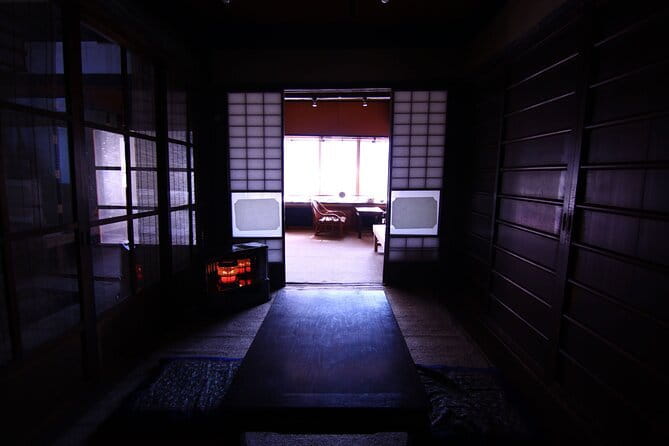
The lesson starts at 箏春庵 soushunan288-2, Higashishinmeichō, Kamigyo Ward, Kyoto (602-8162). The good news is it is near public transportation, so you are not stuck with a long taxi bill just to get to the class.
A practical note: this is a short lesson overall (about 1 hour 20 minutes), so arriving a few minutes early helps you settle in before you start. You do not want to sprint into the session while you are still figuring out where you are.
You will also use a mobile ticket. If you’re traveling with spotty data, make sure the ticket is accessible offline before you head out.
A quieter way to spend a day in Kyoto
- Kyoto: 45-Minute Tea Ceremony Lesson Experience
★ 4.3 · 2,378 reviews - Ramen Cooking Class at Ramen Factory in Kyoto
★ 5.0 · 1,937 reviews - Kyoto : Chopsticks Making Workshop in Gion with Engraving Option
★ 5.0 · 958 reviews - Kyoto: Samurai Sword Class by Experts in Traditional Arts
★ 4.9 · 657 reviews
Learning Sakura on the koto: what you can expect during the hands-on part
The core of the experience is straightforward: you learn to play traditional Japanese music on a koto, taught by a professional performer.
Here’s how the lesson is set up to work for beginners:
- You receive guidance on how to play the instrument.
- You work on a traditional song, specifically Sakura.
- You also learn the history and tradition behind what you’re playing.
- Music notation is available, so you are not scrambling for materials.
Even if you have never touched a koto before, the experience is designed to be approachable. The instrument may look detailed, but the lesson format is meant for learning. The teacher’s job is to make the instrument feel manageable, not intimidating.
The koto is also deeply tied to formal Japanese culture and ceremonial contexts. You’ll hear why that matters as you learn. That adds meaning to the notes. When you understand what the music represents, you tend to practice more carefully, even with limited time.
The instructor matters: professional performer, patient teaching, real progress
What really stood out from the teaching style is kindness and patience. The lesson is described as highly effective for both kids and adults, and the results sound practical, not “just participation.”
A recurring theme is that the teacher takes students seriously. One person’s child was able to play some nice pieces by the end, and the key milestone mentioned was mastering Sakura. That’s a great sign for you if you want more than a brief taste.
Also, because the instructor is the owner at Soushunan, you get continuity. There is no sense of a rotating staff where the experience changes each time. You are showing up for an actual performer-led session, and that translates into better coaching.
If you’re the type who worries you will be the slow one in a class, a private setting helps a lot. You can ask questions, and the pacing can match your group. You’re not competing with anyone. You’re building.
The tea break and the teacher’s performance: why the ending is worth it
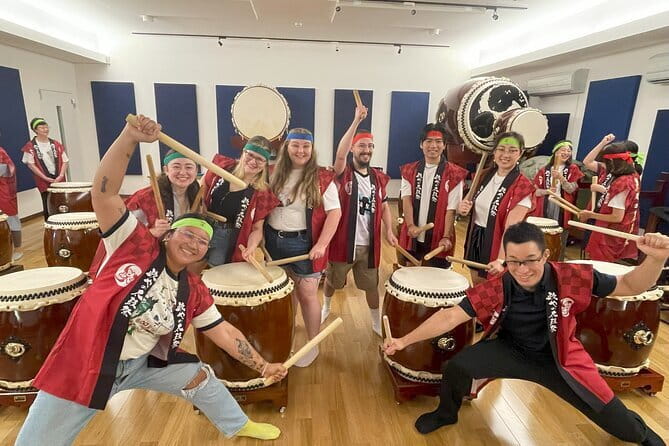
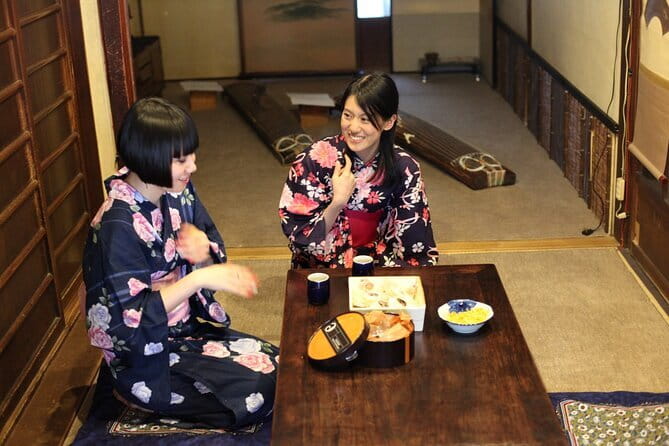
After you finish the hands-on portion, you’ll take a tea break and also enjoy your teacher’s performance.
This part is more than a nice add-on. In music lessons, there’s a mental shift when you stop doing and start listening. The tea break gives you time to reset, and the performance lets you hear what the music should feel like once it’s in confident hands.
I like this ending because it turns your lesson into a full experience. You leave with:
1) the basics you practiced, and
2) a model of what it sounds like when done well.
That combination makes it easier to remember what mattered during the instruction. It also helps you appreciate the instrument beyond the mechanics.
Price and value: why $60 for 1h20 can make sense in Kyoto
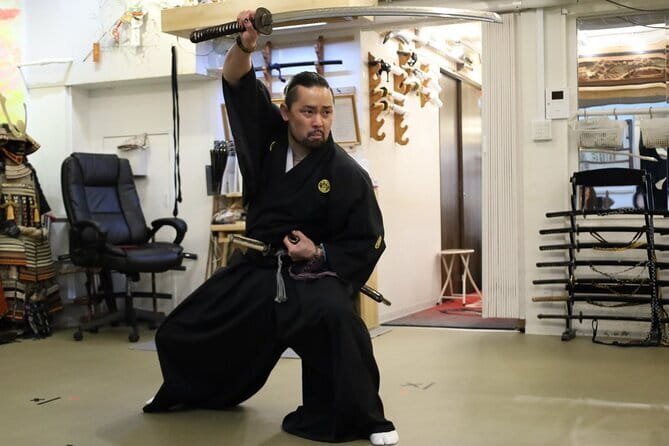
At $60 per person for about 1 hour 20 minutes, this falls into a category that can either be a great deal or an expensive “fun activity,” depending on what’s included and who teaches.
Here, the value looks stronger because:
- All fees and taxes are included.
- The koto instrument usage fee and lesson fee are included.
- The class is private, so you’re paying for individual attention rather than sharing instruction with strangers.
- The teacher is a professional performer, so you are paying for skill transfer, not just renting time in a room.
So what are you really buying? Not just an instrument session. You’re buying access to correct technique, feedback, and a cultural explanation delivered by someone actively engaged in performance.
Where the price may feel less worth it is if you are only looking for casual sightseeing with no interest in learning. In that case, you might prefer a lower-cost cultural activity. But if you want to leave with an actual skill moment, this is one of the better formats in Kyoto.
One more value tip: the experience is booked on average about 57 days in advance. That suggests it fills up. If dates matter for your trip, plan ahead so you don’t lose the slot.
A day of temples goes further with something to break it up.

Who should book this koto lesson, and who should pause
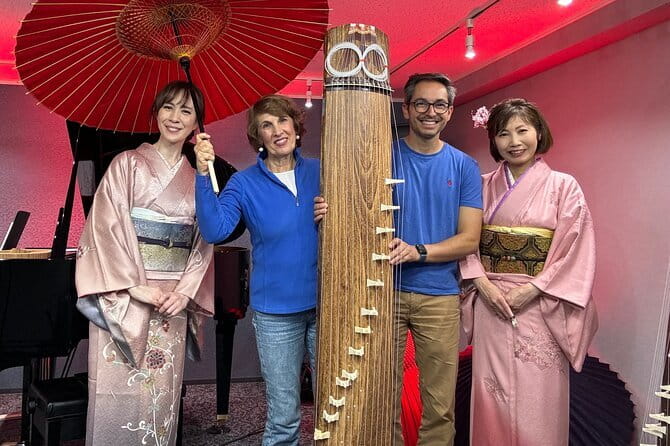
This is a strong fit for:
- Families with mixed ages, since it is positioned for people from age 3 to elderly
- First-timers who want a guided entry into Japanese traditional music
- Culture lovers who enjoy context, not just hands-on practice
- Anyone who wants a private class in Kyoto without spending all day traveling between multiple stops
You might pause if:
- You want a full-day experience. This is about instruction time plus a performance moment, so it’s compact.
- You’re expecting transport from wherever you are staying, because private transportation is not included.
- You only want to watch. This experience is built around doing the playing.
That said, if you’re even slightly curious, the private format keeps the pressure low. You get support, and you get a result you can feel.
Practical tips so your Sakura lesson goes smoothly
You don’t need special preparation, but these tips help you get the most out of a short session.
- Wear comfortable clothes and shoes that are easy to move in. You’ll be focused on posture and playing, and comfort helps.
- Arrive a bit early. A 1 hour 20 minutes session can feel tight if you’re rushing.
- Bring patience for the first few minutes. The koto looks simple until you are holding and playing it, and the teacher will guide you through that.
- Ask for clarification early. If you have a question about how to read the notation or how to make a sound, it’s better to ask right away so your practice time stays productive.
- If you’re going as a family, decide who will play first, then rotate. Even in a private setting, that planning keeps it fun instead of chaotic.
If you care about learning outcomes, go in with the goal of getting through Sakura with confidence, not perfection. Music instruction is about repetition and correction, and you’ll get both here.
Quick FAQ before you commit
FAQ
How long is the private koto lesson?
It runs for about 1 hour 20 minutes.
Is this lesson private or shared with other people?
It is private. Only your group participates.
What song do you learn during the session?
You will be taught to play Sakura.
Do I need to bring a koto or music materials?
No. The koto instrument usage fee is included, and musical instruments and music notation are available for the lesson.
Is it suitable for children and older adults?
Yes. The lesson is designed so everyone from about 3 years old to elderly people can participate.
Is transportation included from my hotel?
No. Private transportation is not included.
Do I get a ticket on my phone?
Yes. You receive a mobile ticket.
What is the cancellation policy?
You can cancel for a full refund up to 24 hours before the experience starts. Any cancellation within 24 hours of the start time is not refunded.
Should you book this private koto lesson at Soushunan?
Book it if you want a Kyoto cultural experience with real skill-building, not just watching. A private lesson, a professional performer, and a clear goal like Sakura make it a strong value at $60.
Skip it if you mainly want casual sightseeing, or if you don’t have an easy plan to reach Kamigyo Ward by public transport. Since transport is on you, the lesson is best when your day already includes that area.
If you’re traveling with family or you want an approachable way to learn traditional Japanese music, this is one of those rare activities that checks the boxes: hands-on, guided, and memorable.
New This Season
- Koyasan Day Trip by Private Car from Kyoto
- Old Port Town and Ultimate Sake Tasting Private Tour From Kyoto
- Kyoto’s Timeless Charm: 3hr Exploration of History and Peace
- Kyoto: 5 Types of Sushi Making
- Sacred Peak & Ancient Paths: Kurama-Kibune Hiking Experience
- Kyoto: Exclusive ZEN practice at Manpukuji temple in Uji
- Kyoto: Private Seasonal Aroma Yoga Class
- Traversing Kyoto’s Scenic West – Arashiyama to Kinkakuji
Workshops, compared.
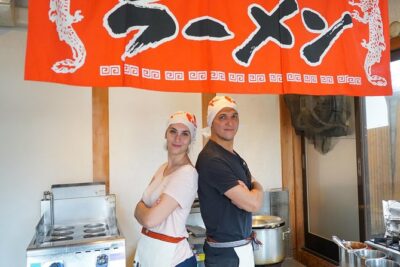
Ramen Cooking Class at Ramen Factory in Kyoto
Read our review →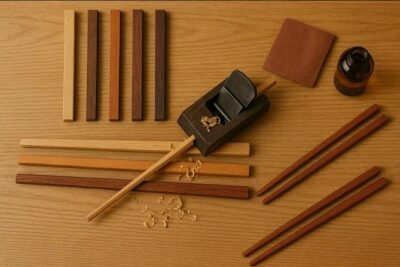
Chopsticks Making Workshop in Gion with Engraving Option
Read our review →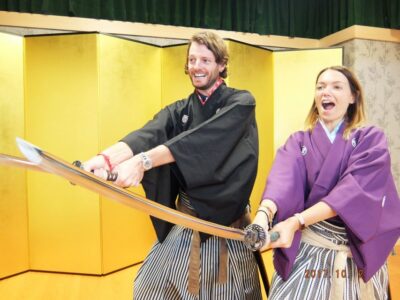
Samurai Sword Class by Experts in Traditional Arts
Read our review →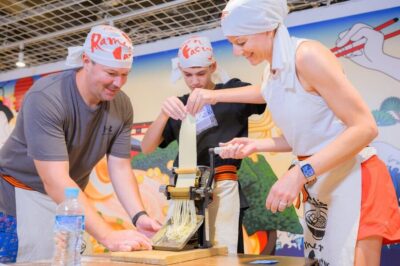
Ramen Cooking Class at a Ramen Factory with Souvenir
Read our review →
Ninja 1-hour Hands-on Lesson by Japanese master in Kyoto -Entry
Read our review →
The Original Small-Group Sushi Making Class in Kyoto
Read our review →Also filed under