
Reviewed · COOKING CLASSES
Private Kyoto Cooking Class with Aki in a Beautiful Wooden House
A private cooking class in a real Kyoto home beats the usual crowd. I love the hands-on pace, where you help cook and can stop to ask questions right while things are happening. I also like the setting and teaching style, Aki’s English guidance makes Japanese cooking feel doable, not mysterious.
The main thing to consider is that the menu changes by season, so you might not cook the exact dishes you’re hoping for. Still, the variety is part of the fun, and you’ll learn techniques that travel with you beyond the meal.
In This Review
- Key Things I’d Plan Around
- Aki’s Wooden-House Kitchen: Why This Feels Like Kyoto, Not a Show
- What makes the home setting practical
- Seasonal Dishes You’ll Actually Want to Cook Again
- What you can expect to learn, beyond the dishes
- Vegetarian option, if you need it
- How the 3 Hours Run: A Clear Flow From Recipes to Eating
- The big advantage of asking questions mid-cooking
- The Meal After Cooking: What It Tastes Like and Why It Matters
- Why the meal format is a big value point
- Price and Value: What $95 Buys You in Kyoto
- When this is especially worth it
- A quick reality check
- Planning Tips That Make the Morning Easier
- Dietary needs and allergies
- What to wear and bring
- Who This Private Kyoto Cooking Class Fits Best
- Should You Book This Private Kyoto Cooking Class?
- FAQ
- What time does the cooking class start?
- How long is the cooking class?
- Is this a private class?
- Do I get recipes in English?
- What kinds of dishes might we cook?
- Is there a vegetarian option?
- Are drinks included?
- How do I get there?
Key Things I’d Plan Around
- A wooden house kitchen in Kyoto feels personal, not staged
- Recipes in English plus patient, step-by-step guidance
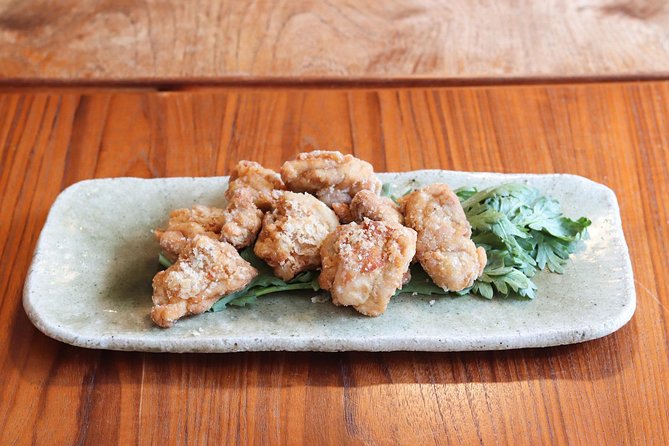
- Seasonal home-style dishes like chikuzenni and braised burdock root
- About one hour of cooking, then you eat what you made
- Private group experience so you can ask questions as you go
Aki’s Wooden-House Kitchen: Why This Feels Like Kyoto, Not a Show
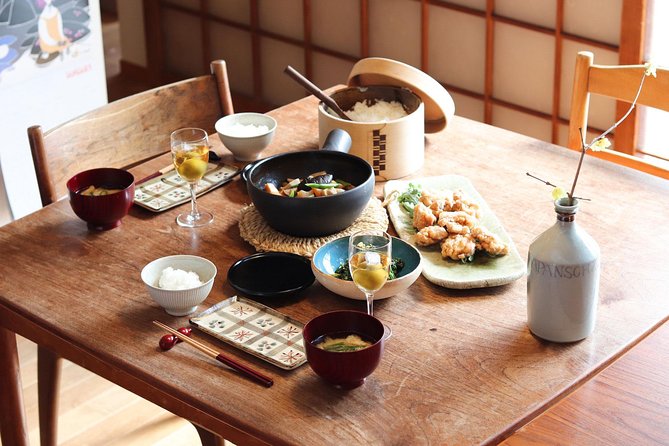
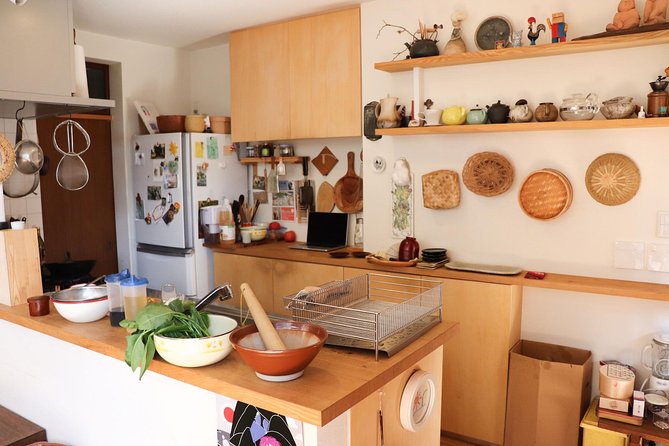
If you’re looking for a cooking class that doesn’t feel like a theme park, this one has the right vibe. You’re cooking in a beautiful wooden house in Kyoto with Aki, and the whole session has that calm, lived-in feeling that big cooking schools usually miss.
The private setup matters. You’re not waiting for your turn at a shared station. You’re working with your host in a small, focused flow, which means it’s easier to understand what you’re doing and why. And since the recipes are provided in English, you can follow along without guessing.
This is also the kind of class where you learn more than a list of dishes. Aki shares techniques and small cooking decisions that you simply would not get from a typical restaurant plate. The goal is that you can recreate the style at home, not just take a photo and move on.
What makes the home setting practical
- Wooden houses tend to feel cooler and calmer than studios, especially in the morning.
- Home-style cooking is about routine, seasoning, and timing, not fancy plating.
- You can ask questions in the moment, which makes mistakes less stressful.
A quieter way to spend a day in Kyoto
- Ramen Cooking Class at Ramen Factory in Kyoto
★ 5.0 · 1,937 reviews - Kyoto: Ramen Cooking Class at a Ramen Factory with Souvenir
★ 4.9 · 532 reviews - Kyoto: Ramen, Gyoza, and Onigiri Cooking Class
★ 5.0 · 445 reviews - Kyoto: Japanese Washoku Bento Small Group Cooking Class
★ 5.0 · 380 reviews
Seasonal Dishes You’ll Actually Want to Cook Again
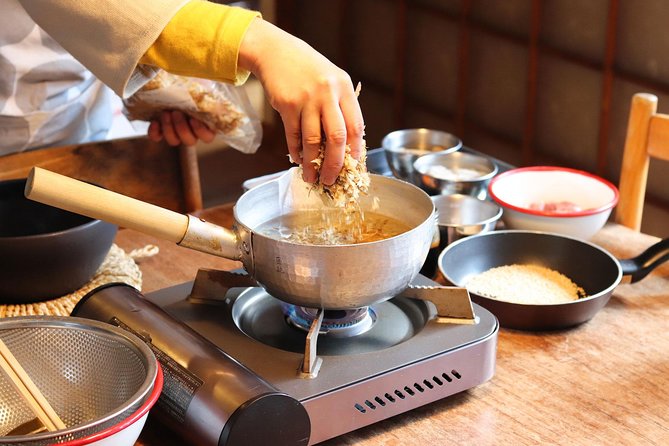
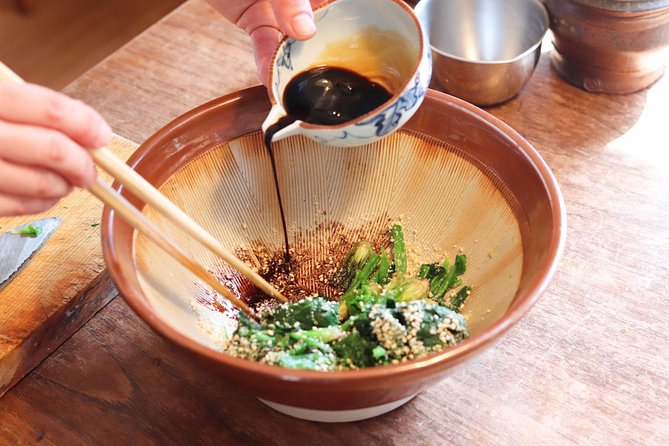
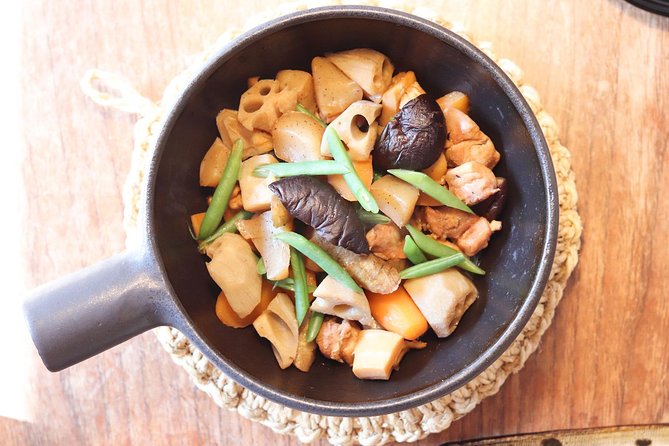
One of the best parts of this experience is that the dishes are seasonal and home-style. That means you’re not stuck repeating the same “tourist menu” that never changes. Sample dishes mentioned include chikuzenni (braised chicken and vegetables), braised burdock root, and miso soup.
Even if you’ve had miso soup in restaurants, you’re likely to learn something new here. A big selling point is that Aki will share tips for classics like miso soup, including the kinds of details that affect taste but are rarely explained in casual dining. The private format helps, because you can ask why something works and how to adjust it.
And because the menu varies by season, you get a snapshot of Kyoto home cooking at that time of year. That’s a more honest way to understand Japanese food. You see what people cook when ingredients are at their best, not what’s easiest to serve on a fixed schedule.
What you can expect to learn, beyond the dishes
You’ll work through prep and cooking steps with guidance, so you understand the sequence. That matters for anything you try again later, like:
- How braising changes the texture of vegetables and meat
- How to build flavor for soups through timing and seasoning
- How to handle familiar dishes in a way that still feels new
Vegetarian option, if you need it
There is a vegetarian option available, and you should request it when you book. Since the menu is seasonal, that request helps the host plan meals that match your needs rather than improvising at the table.
How the 3 Hours Run: A Clear Flow From Recipes to Eating
This class is about 3 hours total, starting at 10:30 am. Plan for a morning rhythm: cook, eat, then feel like you’ve earned your Kyoto snack break.
You’ll begin at the meeting point in the Shimogamo area (Ipponmatsu, Shimogamo Matsunokicho, Sakyo Ward, Kyoto). There’s no hotel pickup or drop-off, so get yourself there using public transportation and a short walk if needed. It ends back at the meeting point.
From there, the class shape is simple:
- English recipes and instructions
- Hands-on cooking for roughly one hour
- Sit down for the meal you helped prepare
The hands-on part is where this experience earns its high marks. You’re not standing on the sidelines. You participate in preparation and cooking, and you can keep moving between steps with Aki’s guidance. In past experiences people have loved how comfortable it feels, with clear instruction and an easy pace.
A day of temples goes further with something to break it up.

The big advantage of asking questions mid-cooking
Cooking is timing. When you’re private, you can ask at the exact moment confusion hits. That’s how you learn. Not later, not in theory, in the moment with your hands on the ingredients.
If you want to leave with skills, this format is a gift. You’ll pick up the little decisions, like how to judge doneness or how to adjust seasoning during a step, not just at the end.
The Meal After Cooking: What It Tastes Like and Why It Matters
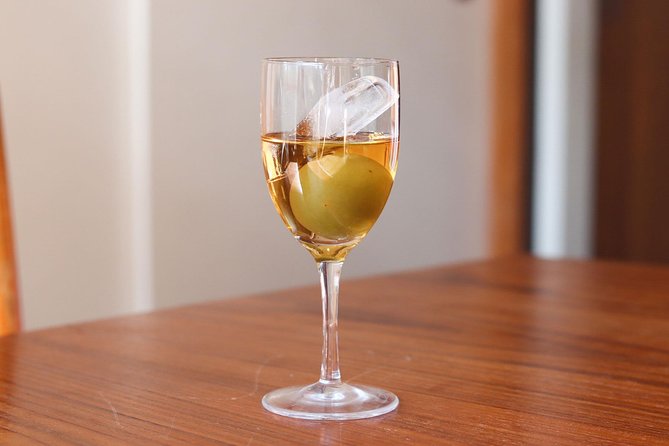
About an hour after cooking starts, you eat the meal together. The food is home-cooked, and that means it’s built for comfort and real flavors, not restaurant flash.
Included with the meal are drinks. The overview mentions alcoholic drinks, while the provided inclusions specifically list non-alcoholic beverages. To be safe, if alcohol is important to you, confirm what’s actually included when you book. Either way, you’re set up for a relaxed meal right after cooking, when everything is freshest.
One detail that really sticks from strong feedback is the amount of food. People noted tons of leftovers, which is practical in Kyoto. You can keep going with your day without rushing to find lunch later, and leftovers make it easy to snack your way through sightseeing.
Why the meal format is a big value point
A lot of classes teach cooking but then serve a small bite. Here, you cook and then you sit down with what you made. That closes the loop. You taste the result while the process is still in your head, which helps your brain learn faster.
And since it’s a private class, the meal also feels like part of the conversation. You’re not just consuming, you’re experiencing the style Aki cooks at home.
Price and Value: What $95 Buys You in Kyoto
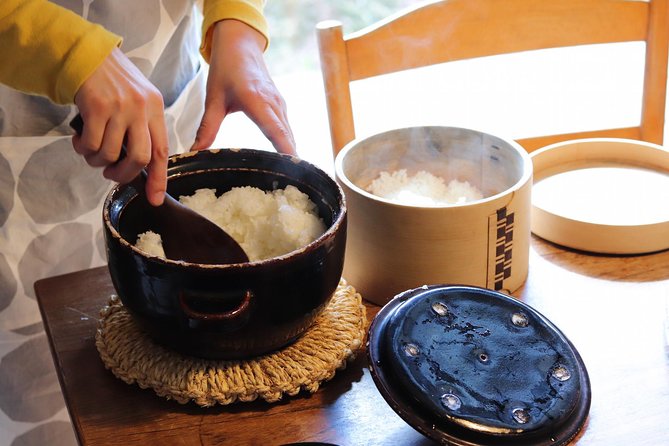
At $95 per person, this isn’t a budget-only activity. But for a private, hands-on class in someone’s home, it often compares well with other cooking options that feel more crowded or more instructional-without-participation.
Here’s what you’re getting for the price:
- Private class for your group only
- A hands-on cooking experience, not a watch-and-hope session
- Recipes in English
- A home-cooked meal you help prepare
- Taxes, fees, and handling charges included
The biggest value piece is the private teaching time. If you’ve ever done a group class where the instructor has to cover basics for everyone, you know how much attention you lose. Here, you get the chance to slow down, ask questions, and learn the details.
When this is especially worth it
- You want real Japanese home-style cooking, not only what tourists see
- You’re traveling with a friend or small group and want a shared activity
- You like cooking and want skills you can reuse later
- You prefer morning plans that don’t steal the whole day
A quick reality check
The menu is seasonal, so if you have your heart set on one exact dish, you should keep expectations flexible. Still, the dishes described are classic, and the techniques transfer well.
Planning Tips That Make the Morning Easier
This is a near-public-transportation meeting point, and you’ll get a mobile ticket. Confirmation happens within 48 hours of booking, so you’ll know your spot soon enough to plan your day.
Because there’s no hotel pickup, do yourself a favor and build in a little buffer. Give yourself time to reach the meeting point, settle in, and not start the class stressed.
Dietary needs and allergies
If you have allergies, dietary restrictions, or preferences, tell Aki at the time of booking. The class is personalized, and that early info helps keep the cooking smooth and safe. If you want vegetarian, request it during booking too.
What to wear and bring
No special gear is listed, so treat it like a normal kitchen visit. Bring comfortable shoes, because even in a home setting you may stand and move around during prep.
Who This Private Kyoto Cooking Class Fits Best
This class is a strong match for travelers who want a more intimate alternative to crowded cooking classes. It’s also ideal if you like cultural learning that isn’t just sightseeing.
Pick this if:
- You want to cook with a local host, in her space
- You appreciate patient instruction in English
- You want a calm, structured morning plan
- You like the idea of learning seasonal home recipes
You might skip it if:
- You hate hands-on cooking, or you want a purely observational activity
- You need a strict menu with no seasonal variation
- Your schedule cannot handle starting at 10:30 am
Should You Book This Private Kyoto Cooking Class?
Book it if you want a morning in Kyoto that feels personal, practical, and genuinely learnable. For the money, the private format and hands-on cooking are the core value. You’re not just getting a meal. You’re taking home techniques you can repeat, plus a Kyoto day that starts with something memorable and tasty.
If you’re choosing between a crowded group class and a home-style private experience, this one is the better bet for comfort and clarity. And if leftovers would help your sightseeing plans, you’ll likely appreciate how much food you come away with.
FAQ
What time does the cooking class start?
It starts at 10:30 am.
How long is the cooking class?
The experience is approximately 3 hours.
Is this a private class?
Yes. It is private and only your group participates.
Do I get recipes in English?
Yes. The host provides recipes in English and guides you through the cooking process.
What kinds of dishes might we cook?
The menu varies by season, but examples include chikuzenni, braised burdock root, and miso soup.
Is there a vegetarian option?
Yes. A vegetarian option is available, and you should advise the host at booking.
Are drinks included?
The overview says alcoholic drinks are included, while the listed inclusions specify non-alcoholic beverages. If alcohol matters, confirm when you book.
How do I get there?
There is no hotel pickup or drop-off. The meeting point is near public transportation, and the class ends back at the meeting point.
New This Season
- Koyasan Day Trip by Private Car from Kyoto
- Old Port Town and Ultimate Sake Tasting Private Tour From Kyoto
- Kyoto: 5 Types of Sushi Making
- Sacred Peak & Ancient Paths: Kurama-Kibune Hiking Experience
- Kyoto’s Timeless Charm: 3hr Exploration of History and Peace
- Kyoto: Exclusive ZEN practice at Manpukuji temple in Uji
- Kyoto: Private Seasonal Aroma Yoga Class
- Traversing Kyoto’s Scenic West – Arashiyama to Kinkakuji
Cooking Classes, compared.
Ramen Cooking Class at Ramen Factory in Kyoto
Read our review →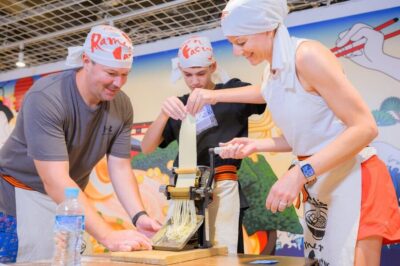
Ramen Cooking Class at a Ramen Factory with Souvenir
Read our review →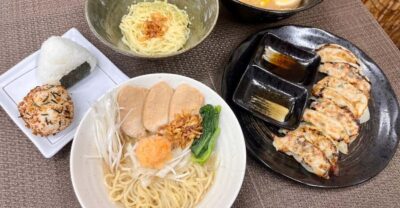
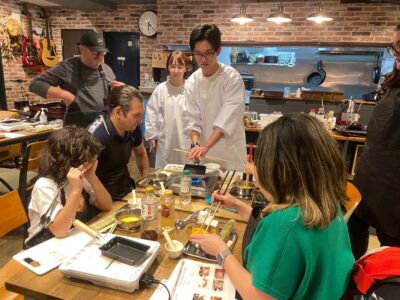
Japanese Washoku Bento Small Group Cooking Class
Read our review →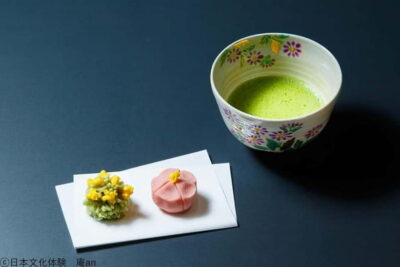
Japanese Traditional Sweets Making and Tea Ceremony
Read our review →
Kyoto Ramen and Gyoza Cooking Class with Professional Chefs
Read our review →
Also filed under