
Reviewed · ARASHIYAMA BAMBOO FOREST WALKS
Private Walking Tour in Bamboo Forest & Hidden Spots in Arashiyama
A bamboo walk can feel touristy fast. This private Sagano-to-Arashiyama route adds temples and local history, then lands you in the famous bamboo forest without rushing.
I especially like how the tour mixes peaceful old places with small, off-the-radar streets in Sagano. You also get a guide who can point out what you’re actually seeing, not just recite basics. One thing to plan for: the bamboo section is popular, so the experience can feel crowded if you don’t start early and keep your expectations realistic.
In This Review
- Key things I’d watch for on this Kyoto walk
- Why Sagano feels like old Kyoto (and how this tour keeps it humane)
- Meeting at Saga-Arashiyama Station, then walking a steady 4-hour loop
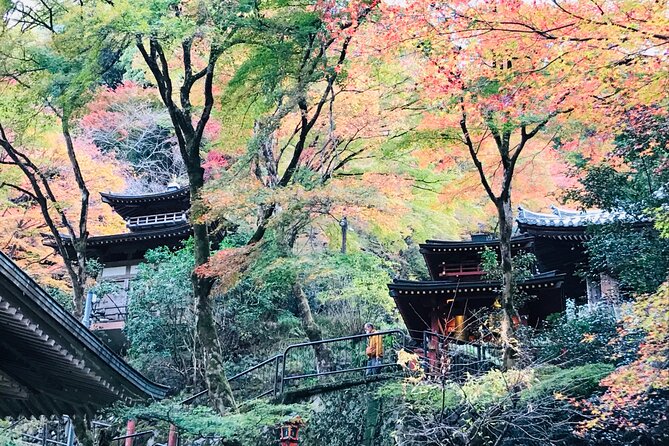
- Seiryōji (Saga Shakadō): starting with Kyoto’s quieter 9th-century roots
- Toriimoto Preservation Area: Atago highway and fire-prevention Shinto vibes
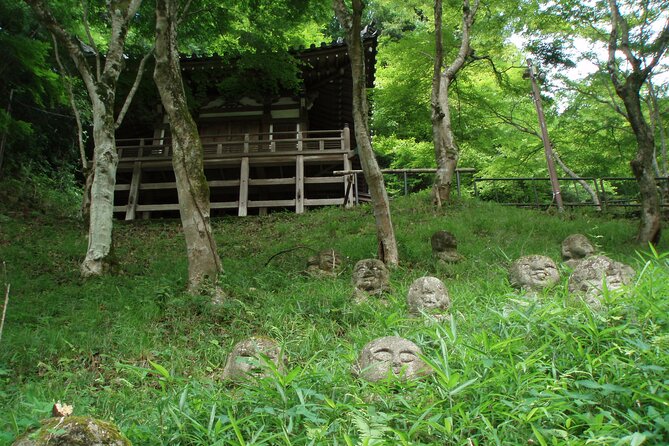
- Otagi Nenbutsu-ji: 1,200 Rakan statues and the calm weirdness of hand-carving
- Bamboo Forest Street: the photos are real, the crowds are real too
- Tenryu-ji: World Cultural Heritage garden time for your calm reset
- Togetsukyo Bridge: Moon-Crossing Bridge and river views worth the walk
- Price and tickets: what $85.87 buys you, and what you’ll still pay
- Who this private walk is best for
- Should you book this Sagano and bamboo private walking tour?
- FAQ
- How long is the private walking tour?
- What time does the tour start?
- Where do I meet the guide?
- Where does the tour end?
- Is this tour private?
- What’s included in the price?
- Are temple entrance fees included?
- Do I need lunch included?
- Is transportation from my hotel included?
- Is cancellation free?
Key things I’d watch for on this Kyoto walk
- Sagano first, Arashiyama second: you get old-village Kyoto energy before the crowds hit full speed.
- Seiryōji (Saga Shakadō) is genuinely old: a 9th-century aristocrat villa temple start sets the tone.
- Otagi Nenbutsu-ji is the wow stop: 1,200 hand-carved Rakan statues, a calm place that still feels strange in a good way.
- Tenryu-ji adds Zen garden time: a World Cultural Heritage temple moment that slows everything down.
- Togetsukyo Bridge finishes the story: you end at Moon-Crossing Bridge with a good nearby exit point for more exploring.
- Expect bamboo traffic: early timing helps, but it’s still a photo magnet.
Why Sagano feels like old Kyoto (and how this tour keeps it humane)
Kyoto has a way of turning amazing sights into line-ups. This walk helps by starting in Sagano, a centuries-old resort area tied to aristocratic life, before you hit the big-name Arashiyama bamboo zone. That order matters. It means you get to feel the quieter side of the river valleys first, then see the bamboo while you still have the energy to enjoy it.
I also like that the focus isn’t only on the bamboo. You’re led through a sequence of temples and preserved streets that explain how this area grew, what people valued here, and why certain places feel important. It makes the afternoon feel like a connected walk, not a series of checkmarks.
Finally, it’s private. That changes everything about pacing. If you want an extra few minutes at a shrine stone marker or you need a quick break, you can usually do it without being stuck behind a fast-moving crowd.
Meeting at Saga-Arashiyama Station, then walking a steady 4-hour loop
You meet at Saga-Arashiyama Station (Saga-Tenryūji area), around 9:00 am, then the tour ends near Togetsukyo Bridge. The route is designed to be walkable over roughly half a day, with short stops that don’t bulldoze you through each site.
Duration is about 4 hours, and it’s positioned as a “mobile ticket” experience. That’s handy because you’re not juggling paper vouchers. Also, since it’s near public transportation, you’re not forced into a complex schedule just to reach the start.
What this means for you: go in expecting a walking day, but a calm one. You’re not crossing Kyoto’s whole city. You’re moving through Sagano and Arashiyama at a sensible pace, with real viewing time.
Green light through a bamboo grove
- Kyoto: Fushimi Inari, Kinkakuji, Bamboo Grove 1 Day Bus Tour
★ 4.8 · 4,316 reviews - Osaka/Kyoto:Kinkakuji,Arashiyama,FushimiInariShrine,NaraPark
★ 4.1 · 1,596 reviews - Kyoto/Osaka: Nara, Fushimi Inari Taisha, Arashiyama Bus Tour
★ 4.7 · 1,275 reviews - Kyoto Arashiyama Walking Tour: Bamboo, Monkeys, Gardens & Secrets
★ 5.0 · 1,216 reviews
Seiryōji (Saga Shakadō): starting with Kyoto’s quieter 9th-century roots
The first stop, Seiryōji (Saga Shakadō), is known as one of Kyoto’s oldest temples. It’s associated with a 9th-century origin as an aristocrat’s villa. Even if the exact details don’t stick in your head, the feeling does.
This is the kind of start that helps you “switch modes” from street-life Kyoto into older, temple Kyoto. The temple context also sets up later stops. Once you’ve seen one place shaped by aristocratic-era taste and ritual, the rest of the route reads more clearly.
Admission here is listed as free, so you can focus on the guide’s commentary and let the place do the work.
Toriimoto Preservation Area: Atago highway and fire-prevention Shinto vibes
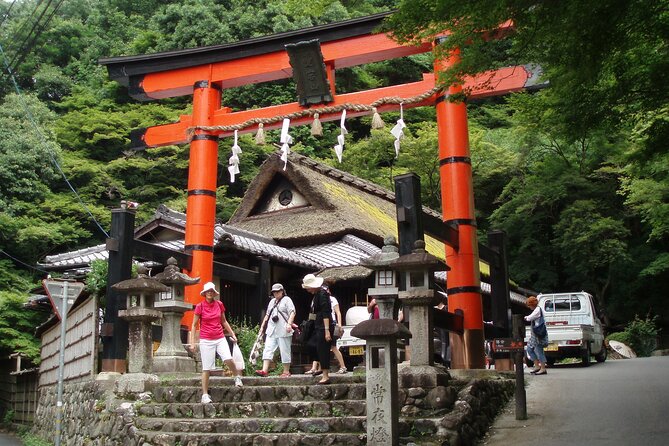
Next you head to the Saga Toriimoto Traditional Buildings Preservation Area, one of Kyoto’s town preservation areas. It used to be called Atago highway, an old road linked to Mt. Atago, where a Shinto god is enshrined for fire prevention.
This is one of those stops that’s easy to skip if you’re only chasing the headline sights. But it’s valuable because it shows you a different kind of Kyoto beauty: not only temples with big names, but the street texture and sacred geography that supported daily life.
You’ll also get a sense of why preservation matters. The area isn’t just pretty. It’s a living timeline of how people moved, worshipped, and built in this part of town.
Admission is listed as free, so it’s a strong “value per minute” stop.
Otagi Nenbutsu-ji: 1,200 Rakan statues and the calm weirdness of hand-carving
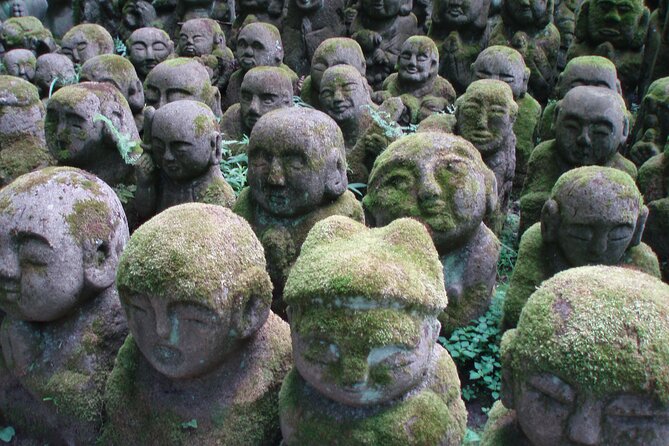
Then comes Otagi Nenbutsu-ji, famous for its 1,200 stone statues of Rakan, the Buddha’s disciples. The statues are described as hand carved by 1,200 individuals. That detail is important. It turns the site from a visual to a human story.
This stop has a specific mood: peaceful, slightly whimsical, and a bit surreal as you walk through groups of statues that seem to have their own personalities. It’s not a place where you rush for photos and leave. Give yourself time to slow down and look.
The entry fee is not included, so plan on an extra cost here. Also, because this is a quieter temple experience, it’s a good spot to mentally reset after the excitement of the bamboo route is still ahead.
Bamboo Forest Street: the photos are real, the crowds are real too
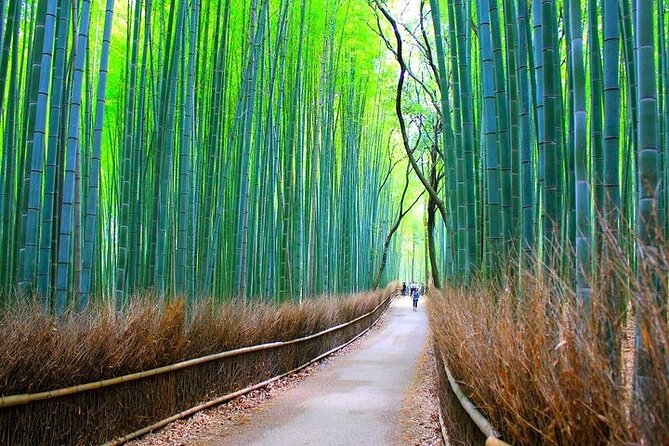
The route then brings you into Bamboo Forest Street, the famous Arashiyama bamboo grove path. This is the “I get it now” moment for many people, because the bamboo looks almost engineered for photos. Tall stalks, tight perspective, and that filtered light effect.
The guide also covers bamboo as a plant and how it’s been used in Japan. That helps, because bamboo isn’t just a backdrop. It’s part of Japanese craft, food, and everyday life. When you understand the plant, the grove stops being only a picture setting.
Now the consideration: bamboo can get very crowded. Several visits can be magical early, and less magical later when you’re stuck behind selfie sticks and slow walkers. This tour starts at 9:00 am, which is exactly what you want to reduce crowd pain.
A practical note from experience in this area: bring bug spray and wear clothing that can handle a bit of outdoor time. You’re walking through gardens and paths, and bugs can find exposed skin.
A quieter way to spend a day in Kyoto

Tenryu-ji: World Cultural Heritage garden time for your calm reset
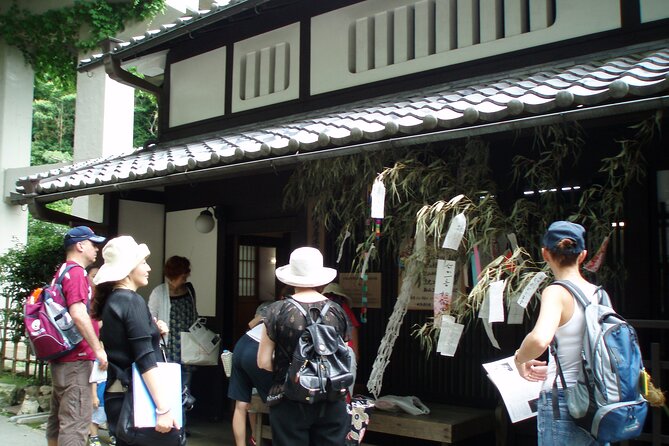
After bamboo, the tour shifts gears at Tenryu-ji, a Zen Buddhist temple founded in the 14th century. It’s listed as part of World Cultural Heritage sites in Kyoto. The big value here is tempo.
Zen garden time is what many people need after a photo-heavy zone. This is the place to stop moving, sit for a moment if seating exists where you are, and let the garden shapes and stillness do the talking. It’s not about checking “Zen” off a list. It’s about giving your brain a slower rhythm.
Entry here is not included, so factor that in financially. Still, it’s a strong stop because it changes how you experience the rest of Kyoto that day.
Togetsukyo Bridge: Moon-Crossing Bridge and river views worth the walk
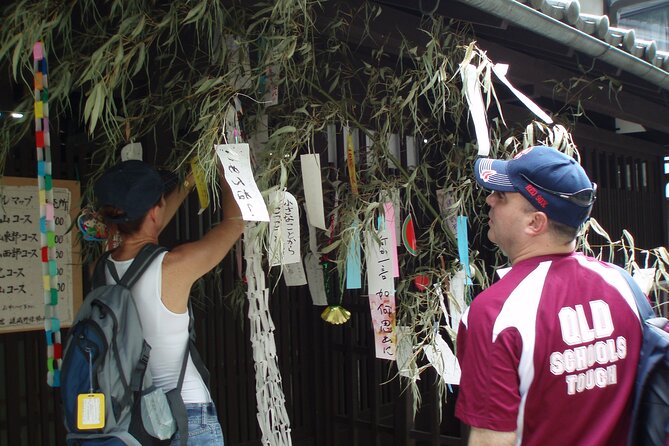
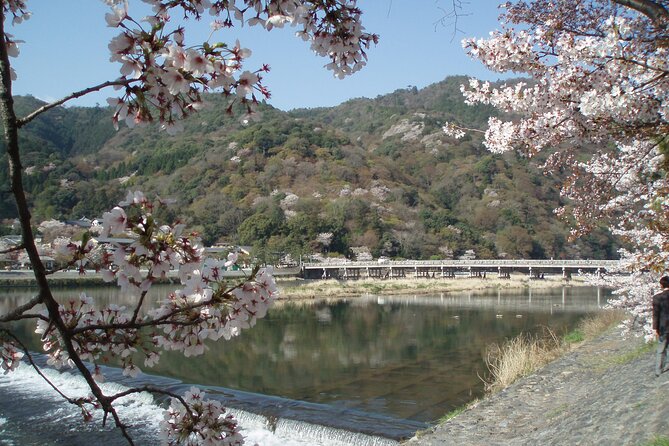
You finish at Togetsukyo Bridge, built to reach the temple across the river. An ancient emperor is said to have named it Moon Crossing Bridge after seeing the moon as if it was crossing.
This finish works well because it turns your last stretch into a viewpoint walk. You’re not just leaving a site, you’re landing on a classic Kyoto photo angle, with the river perspective that ties Sagano and Arashiyama together.
Admission here is listed as free. The tour ends at the bridge area, close to Monkey Park, so if you still have energy, you can keep exploring without having to regroup your plans.
Price and tickets: what $85.87 buys you, and what you’ll still pay
At about $85.87 per person for a private 4-hour walking tour, the value is mainly in the guide and the routing. You’re paying for a professional guide, plus the time spent hitting multiple sites that would be harder to connect on your own without missing context.
What’s included: a professional guide. What’s not included: temple entrance fees (and lunch, plus hotel pickup and drop-off).
Some stops are free (Seiryōji, Saga Toriimoto, the bamboo forest street section, Togetsukyo Bridge). But others are not included (notably Otagi Nenbutsu-ji and Tenryu-ji). So your total spend depends on how you budget for entrances and how many you decide to pay on-site.
My practical take: if you’re the type who enjoys learning why a place is special and you want someone to keep the pace comfortable, this price feels fair. If you only care about the bamboo pictures and want to self-tour everything, you could spend less on your own. But you’d also lose the connecting story between the temples, preserved streets, and river route.
Who this private walk is best for
This tour is a great fit if you want:
- A calmer Kyoto side beyond the busiest streets
- Real context at temples and preserved areas, not just scenery
- A private guide so you can move at your pace
- A mix of bamboo + Zen + quirky statue art in one half-day
It’s also a good match if you’re staying near Kyoto Station and don’t want the hassle of coordinating multiple buses or rail segments by yourself. You meet at a major train area and walk locally from there.
If you are extremely sensitive to crowds, the main thing to watch is bamboo. Starting at 9:00 am helps a lot, but it won’t turn bamboo into a private forest.
Should you book this Sagano and bamboo private walking tour?
I’d book it if you want Arashiyama with a brain attached. The bamboo is the headline, but the stronger payoff is the sequence: a very old temple start, a preserved street with Shinto fire-prevention context, the 1,200-statue oddball temple experience, then Zen garden time at Tenryu-ji, and a good river finish at Togetsukyo Bridge.
I’d skip it or reconsider if you only want the bamboo photos and plan to rush. You could easily DIY the route and spend more time in just one zone. For most people, though, private pacing plus temple context turns this into a more satisfying half-day than a “bamboo then leave” stop.
FAQ
How long is the private walking tour?
The tour lasts about 4 hours.
What time does the tour start?
The start time is 9:00 am.
Where do I meet the guide?
You meet at Saga-Arashiyama Station, address listed at 11-1 Sagatenryūji Kurumamichichō, Ukyo Ward, Kyoto.
Where does the tour end?
The tour ends at Togetsukyō Bridge, 1-5 Sagatenryūji Susukinobabachō, Ukyo Ward, Kyoto, near Monkey Park.
Is this tour private?
Yes. It’s a private tour, so only your group participates.
What’s included in the price?
A professional guide is included. It also uses a mobile ticket.
Are temple entrance fees included?
Temple admission is not included. Some stops are listed as free, but others are not.
Do I need lunch included?
No. Lunch is not included.
Is transportation from my hotel included?
No. Hotel pickup and drop-off and transportation to/from attractions are not included.
Is cancellation free?
You can cancel for a full refund if you cancel at least 24 hours before the experience’s start time.
New This Season
- Koyasan Day Trip by Private Car from Kyoto
- Old Port Town and Ultimate Sake Tasting Private Tour From Kyoto
- Kyoto’s Timeless Charm: 3hr Exploration of History and Peace
- Kyoto: 5 Types of Sushi Making
- Sacred Peak & Ancient Paths: Kurama-Kibune Hiking Experience
- Kyoto: Exclusive ZEN practice at Manpukuji temple in Uji
- Kyoto: Private Seasonal Aroma Yoga Class
- Traversing Kyoto’s Scenic West – Arashiyama to Kinkakuji
Arashiyama Bamboo Forest Walks, compared.
Fushimi Inari, Kinkakuji, Bamboo Grove 1 Day Bus Tour
Read our review →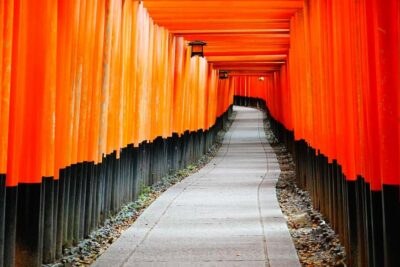
Kinkakuji,Arashiyama,FushimiInariShrine,NaraPark
Read our review →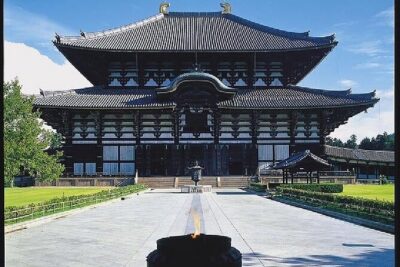
Nara, Fushimi Inari Taisha, Arashiyama Bus Tour
Read our review →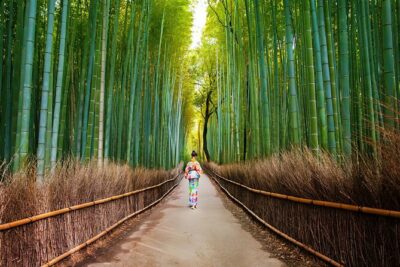
Kyoto Arashiyama Walking Tour: Bamboo, Monkeys, Gardens & Secrets
Read our review →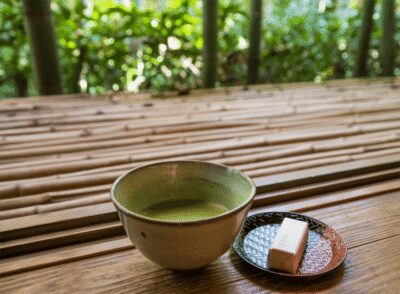
Arashiyama Bamboo, Temple, Monkeys, or Secret Sake Brewery
Read our review →
Arashiyama Bamboo Forest, Monkeys, Matcha & Temple Tour
Read our review →
Arashiyama, Nara & Fushimi Inari Shrine w/Lunch
Read our review →
Nijo, Kinkaku-ji, Arashiyama, Kiyomizu & Fushimi Inari
Read our review →Also filed under