
Reviewed · NARA & DEER PARK DAY TRIPS
Single- & multi-day Adventures within Kyoto Nara Osaka Kobe
One day in Japan can feel like a blur, so this tour helps you stack the big hits with less stress. You get private transportation just for your group, plus on-board Wi-Fi and 100V AC power so you can keep maps, photos, and messages under control while you travel between cities. I especially like the way the day can be adjusted to your pace, not forced into a rigid script, but one drawback is that admission fees and attraction tickets are generally not included, so you’ll want to budget for those.
This is a smart fit if you want the Kyoto temples, Osaka food streets, Nara’s deer and giant Buddha, and Kobe’s sake and harbor areas without the hassle of juggling trains and timing. You’ll also start and end with pickup and drop-off from places you choose, which makes a multi-city plan feel doable, even across a full 4 days. Just note there is no restroom on board, so plan bathroom stops during the scheduled breaks.
In This Review
- Key things that make this Kyoto, Nara, Osaka, Kobe private tour work
- The private car that turns multi-city sightseeing into a real plan
- Day 1 in Kyoto: sandbar views, seaside boathouses, Arashiyama, and temple-hopping
- Day 2 in Osaka: castles, ramen-cup history, parks, and food streets
- Day 3 in Nara and Kyoto: deer at Nara Park, Todai-ji scale, lanterns, tea country, and gardens
- Day 4 in Kobe: mountains, sake, harbor history, foreign houses, gardens, and onsen time
- Price and logistics: what $385 per group really means for value
- The best-fit traveler (and who should consider a shorter version)
- Should you book Kyosako Private Tours Japan for Kyoto, Nara, Osaka, Kobe?
- FAQ
- How many people are in the private group?
- Do you offer hotel pickup and drop-off?
- Is there Wi-Fi or power on the vehicle?
- Are admission fees included in the tour price?
- Can I book this as a 1-day or multi-day experience?
- Can the itinerary be adjusted during the tour?
- Will I receive a mobile ticket?
- What is the cancellation window for a full refund?
Key things that make this Kyoto, Nara, Osaka, Kobe private tour work
- Private car, not shared bus chaos, with pickup and drop-off at your hotel, airport, or other chosen location
- Wi-Fi plus 100V AC power on board, great for keeping your phone alive and your photos backed up
- Customizable routing based on your preferences, so you can spend more time where you care most
- Multi-city payoff in a single trip, mixing Kyoto’s classics with Osaka, Nara, and Kobe
- Many stops are marked free or included, which helps your budget even when admissions vary
The private car that turns multi-city sightseeing into a real plan
The biggest advantage here is simple: you do not have to coordinate public transit while sightseeing. With a private group (up to 8) and an air-conditioned vehicle, you can move between Kyoto, Osaka, Nara, and Kobe in a way that feels built for travelers, not commuters.
I also like that the vehicle includes Wi-Fi access and 100V AC power for charging laptops and cameras. That means you can look up opening times, translate signs, and check directions without draining your battery, and it helps on long days when you’re hopping between neighborhoods.
The tour is designed to be flexible. Your schedule can be changed based on your preferences and suggestions, which matters because some days are more crowded and some are not, and you can let the “temperature of the day” guide you.
One practical consideration: there is no restroom on board. That sounds small until you hit a string of temples and markets, so I recommend treating bathroom breaks as part of your strategy, not an afterthought.
Day 1 in Kyoto: sandbar views, seaside boathouses, Arashiyama, and temple-hopping
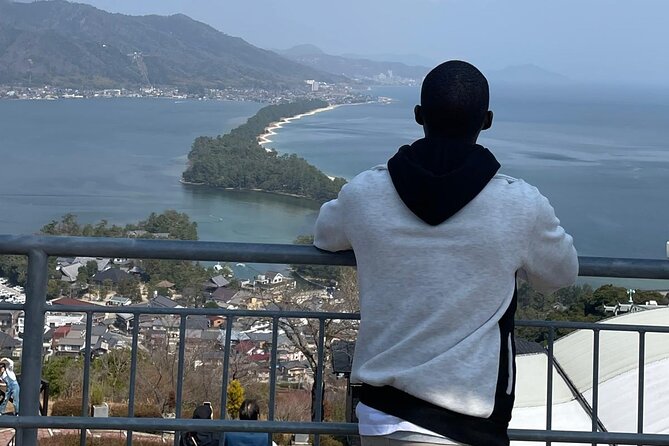
Day 1 starts with Amanohashidate, a pine-covered sandbar that bridges two sides of Miyazu Bay. This is a “slow down and look” stop, the kind where you notice the shapes of islands and coastline instead of just chasing the next photo spot. Some days, the payoff comes from the view itself, not an entry ticket.
Next you head to Ine no Funaya, a seaside fishing village known for its funaya boathouses lined along the bay. It’s a great contrast to big temple scenery, because it feels more lived-in and coastal than staged. If you like Japanese folk-tale flavor, this stop ties into the Urashima shrine and the story of Urashima Taro.
From there, you move into western Kyoto with Arashiyama, a long-running destination that’s been popular since the Heian period. It’s touristy, yes, but it’s also one of those areas where the surrounding nature does a lot of the work for you. Plan your time carefully if you want photos without rushing.
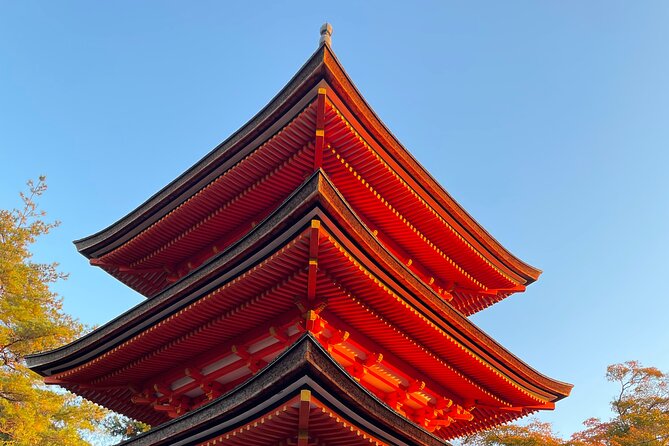
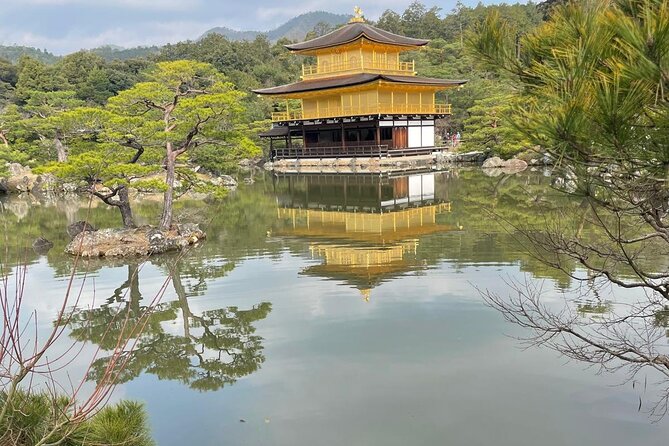
Then comes the classic temple circuit. Kinkakuji (Golden Pavilion) is set up for postcard views, originally called Rokuonji, and it’s known for its appearance overlooking a pond. Nijo Castle adds a different flavor with its palace-style setting and its role during the rise and fall of the Tokugawa era. Kyoto Imperial Palace gives you the imperial residence story up to 1868 when the emperor and capital moved to Tokyo.
If you want Kyoto texture beyond temples, you get it with Nishiki Market, also nicknamed Kyoto kitchen. This narrow shopping street focuses on food, from fresh seafood to other kitchen-ready finds, so it’s a fun stop even if you just graze.
You then return to the Zen and garden side with Ginkakuji (Silver Pavilion). It’s tied to Higashiyama and the Ashikaga shogun’s retirement villa influence, so it’s more than a single building. Nanzen-ji follows, a well-known Rinzai Zen temple area with gardens and a temple hall centered around a pond.
After that, Kyoto’s atmosphere shifts again in Gion, the geisha district. The stop is framed around the area’s historic feel, including Yasaka jinja, famous for its vermilion gate. It’s one of those places where you notice the old-street vibe more than a specific object.
For statues and sacred intensity, Sanjusangendo is on the route, famous for 1001 Kannon statues. If you like spiritual art, this is the kind of stop that makes you slow down and count without feeling forced.
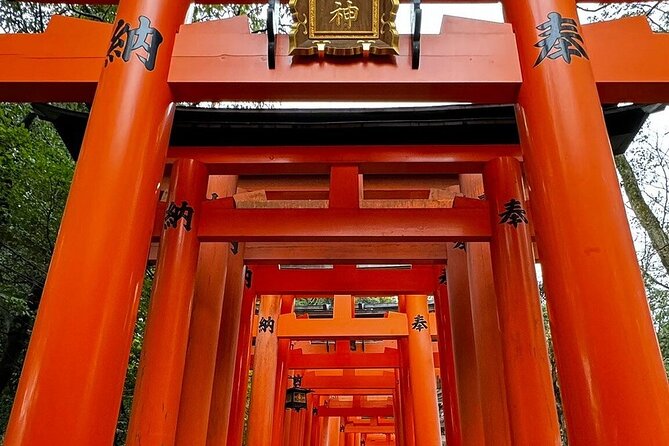
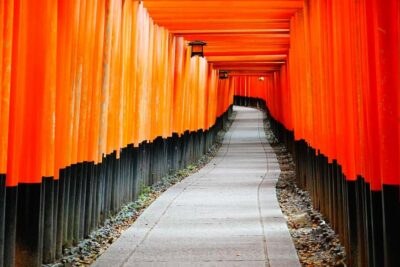
Day 1 also includes a major pilgrimage shrine stop: Fushimi Inari-taisha, established in 711 AD. People visit for all kinds of wishes, including prosperity and safety, and the shrine is the kind of place where walking inside the shrine grounds feels like an experience on its own.
Then you get a nature break with the Hozugawa River experience, described as a boat ride endpoint. This is a nice counterweight to temple time, especially if you want something hands-on and outdoorsy rather than shrine-only.
The day stretches toward Kyotango, noted for long beaches including Shotenkyo Beach, and it also points out Kotohiki-hama, the singing sand beach. Finally, you get a contrast stop at Amanohashidate Winery, a quieter option for wine and nature lovers. In this plan, those two late-day items are marked free, which is a helpful budget swing if you’re tracking costs.
Deer that bow back, a short ride away
- Osaka/Kyoto:Kinkakuji,Arashiyama,FushimiInariShrine,NaraPark
★ 4.1 · 1,596 reviews - Kyoto/Osaka: Nara, Fushimi Inari Taisha, Arashiyama Bus Tour
★ 4.7 · 1,275 reviews - Osaka/Kyoto: Arashiyama, Nara & Fushimi Inari Shrine w/Lunch
★ 4.4 · 754 reviews - Kyoto and Nara Day Trip from Kyoto
★ 4.5 · 445 reviews
Day 2 in Osaka: castles, ramen-cup history, parks, and food streets
Day 2 begins with Osaka Castle, a five-story landmark with a big visual presence. It’s a classic anchor for an Osaka day, and even if you do not love castles, the building itself is the statement.
Next is a very specific pop-culture stop: CUP NOODLES MUSEUM OSAKA IKEDA. It focuses on instant ramen cup variations and includes a reproduction tied to Momofuku Ando’s hut. If you enjoy food-science stories, this is a fun diversion from shrine tourism.
You then escape to greenery with Minoo Park, set just outside Osaka. The plan notes lush greenery and a tranquil atmosphere, plus the nearby Minoosan Ryuanji Temple as part of the experience. This is a good reset when your feet start to feel temple-worn.
Back into city neighborhoods, you visit Shinsekai, a pre-WW2 area redeveloped with theme-like references to places such as New York and Paris in different sections. The stop description also points to Tsutenkaku, so it’s a neighborhood with identifiable anchors.
For shopping and specialty goods, you pass Sennichimae Doguyasuji Shopping Street, known for wholesalers and shops with items like cutlery and crockery. It’s the kind of street where you see everyday objects that locals actually buy, not just tourist souvenirs.
Then you hit one of Osaka’s most famous eating zones: Kuromon Market. It’s described as Osaka’s Kitchen and is known for fresh seafood, meat, and produce. This is a place where you can build your own light “tasting route” based on what looks best.
For a step back in time, Hozenji Yokocho is on the list. It’s a narrow alley with lanterns and cobblestone, plus it includes access to Hozen-ji temple. Even if you keep it short, it helps you understand Osaka as more than neon.
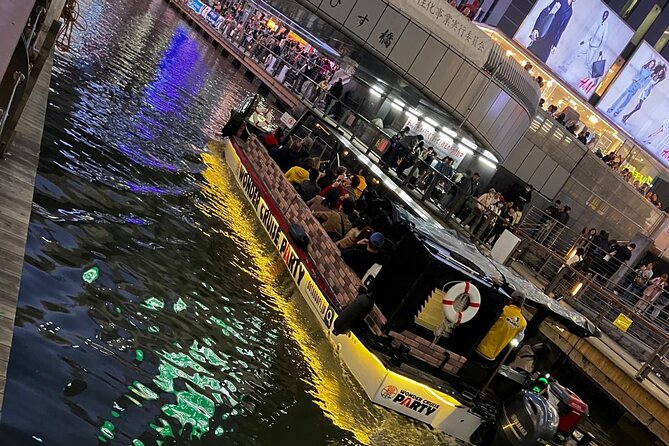
The tour also includes one of the city’s best-known nightlife streets: Dotombori. Expect neon lights along the canal, street food energy, and famous signage like the Glico highlight. It’s fun for atmosphere, but do not plan this as a “sit still and relax” part of your day.
From there, you move to Shinsaibashi-suji, a covered shopping street often considered Osaka’s main shopping area. It’s listed as 600 meters long and gives you lots of choices if you want snacks, gifts, or just people-watching.
You also get a long-time spiritual anchor with Sumiyoshi Taisha, one of the oldest shrine references in the plan. It’s described as almost 2000 years old and notes the Sumiyoshi-zukuri shrine architecture, with roots before Buddhism arrived.
The harbor area appears next with Tempozan Harbor Village, positioned as a leisure complex and home to Kaiyukan, described as the world’s largest aquarium. Even if you do not enter the aquarium, the area can work as a break between more intense walking districts.
For big views and a seasonal-feeling lookout, you visit Hoshi no Buranko Bridge. It’s described as a long suspension bridge about 50 meters high, with a 360-degree panoramic view, and autumn color is highlighted. If you’re traveling outside peak season, you might still enjoy the wide-open perspective.
Day 2 rounds out with a pair of cultural and craft-leaning stops: Asahi Beer Museum and Tondabayashi Jinaimachi. The beer museum is about tasting and interactive experiences, and it includes a mention of brewery tours. Tondabayashi Jinaimachi focuses on preserved traditional townhouses from the Edo period through early Showa.
Day 3 in Nara and Kyoto: deer at Nara Park, Todai-ji scale, lanterns, tea country, and gardens
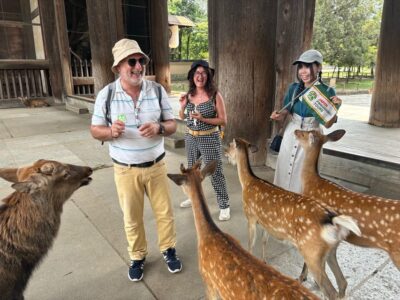
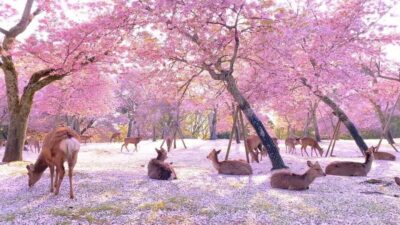
Day 3 starts in Nara Park, a huge 660-hectare area known for free-roaming deer. Feeding the deer is mentioned, so this is one of those stops where you go in knowing it will be playful, a little chaotic, and full of people. It’s also a fast way to understand why Nara feels different from Kyoto’s more formal palace-temple rhythm.
Then you go straight to the grand centerpiece: Todai-ji Temple and its giant bronze Buddha (Daibutsu). It’s described as a UNESCO World Heritage site and as one of the largest wooden buildings in the world. If you like scale, this is the day’s “wow” moment.
For a lighter pace, Higashimuki Shopping Street gives you a covered arcade near Nara Park. The plan highlights rainy-day convenience and even a mochi pounding stop. This is a nice place to reset your energy without feeling like you lost time.
Kofuku-ji Temple follows, a historic Buddhist site dating back to the 7th century. It’s described as a complex with pagodas, halls, and gardens, which helps you get both architecture and a calm walk.
Back toward Kyoto’s street life, you visit Sanjodori, a shopping and dining street connecting Gion and Kawaramachi. The stop is marked as admission included in the plan, which can simplify your day if that includes access tied to the walking area. It also gives you a straightforward way to browse without committing to a single mega-attraction.
Then comes a classic Kyoto calm stop: Isuien Garden. It’s described as a traditional garden with a pond and teahouse, plus carefully landscaped features. If you’ve spent the morning in crowds, this kind of garden time helps you slow down and let your eyes rest.
Your route includes Kasuga Grand Shrine, known for lanterns donated by worshippers. The plan calls out hundreds of bronze lanterns hanging from buildings and stone lanterns along the approaches. It’s a powerful visual stop, and it’s also one where walking the grounds feels meaningful.
You’ll also spend time in Naramachi, an area of old Machiya merchant townhouses and small alleys. The stop highlights cafes and shops, making it a good “low-pressure strolling” option between temples.
Finally, the day includes Uji, a detour to southern Kyoto known for green terraced fields and Japanese tea. The stop frames Uji as a quiet shift in scenery and specifically points to Uji’s reputation for fine Japanese tea. This is a strong way to end a day that started with large-scale monuments and end on a slower, more local note.
Day 4 in Kobe: mountains, sake, harbor history, foreign houses, gardens, and onsen time
Day 4 is where you feel Kobe’s mix of nature, food, and international influence. It begins at Mt. Rokko, listed as 931 meters and described as the highest peak in the Rokko mountain range with city views behind it. The plan also references Kobe Nunobiki Herb Gardens, which can give you a garden-and-view combination instead of another shrine queue.
Next comes Nada no Hitotsubi, a sake district where the plan points to traditional brewing backed by high quality rice, water, and favorable weather. You’ll visit sake breweries in this area, so it’s a good day for anyone who likes to connect the drink to the place that makes it.
One brewery stop is Kobe Shushinkan, which includes a large sake shop and a restaurant pairing Japanese cuisine with sake. The plan also notes free guided tours of a sake warehouse held once per day. This is the kind of stop where you get more than shopping, you get context.
Then the tour shifts to a sober, important stop: Port of Kobe Earthquake Memorial Park. It describes the January 17, 1995 earthquake and how the memorial is tied to lives lost and destruction across the city. If you care about understanding place through lived events, this is a must-do kind of visit.
You then explore Kobe’s international history with Kitano Ijinkan-gai, a district of former foreign merchant and diplomat residences. The plan mentions that many were set after the port opened to foreign trade in the second half of the 19th century, with more than a dozen former homes.
After that, you visit Chinatown (Nankinmachi), developed by Chinese merchants near the port after foreign trade increased in 1868. The stop description notes the area’s name connection to Nanjing. It’s a good way to get another cultural lens beyond Japanese-only neighborhoods.
For a modern harbor entertainment stretch, Kobe Harborland appears next. It’s described as a major tourist area with shopping malls, restaurants, movie theaters, and recreation.
Then you add one of Japan’s most famous castle visits: Himeji Castle. The plan calls it White Heron Castle and notes it as Japan’s first UNESCO World Cultural Heritage site. Even if castles are not your main interest, it’s one of those architecture stops that tends to impress.
You continue with Koko-en, described as one of Japan’s most beautiful gardens and listed as a national special scenic spot. The plan highlights man-made lakes, bridges, and ancient buildings, which makes it a garden day you can enjoy even if you are tired from walking.
For relaxation, you move to Arima Onsen, one of the oldest and famous hot spring resorts in Japan. The plan says you can enjoy a comfortable bath, plus a hot spring footbath to help with fatigue. This is a perfect capstone after a very active day.
Back on the views and garden side, you visit Rokko Garden Terrace, described as an English garden with cottage-style and meadow-style areas. Finally, you go up to Rokko-Shidare Observatory, known for a tree-like dome and panoramic views of Osaka Bay from atop the Rokko mountains. If the weather is clear, this is the kind of final stop that sticks.
Price and logistics: what $385 per group really means for value
The price is $385 per group, up to 8 people. That matters because the “per person” cost drops fast if you’re sharing with friends or family, and because you’re paying for private transportation across multiple cities, not a single neighborhood outing.
A private car also changes the math with time. Instead of losing hours to train transfers and platform confusion, you keep the day moving on one schedule, with flexible adjustments when something needs more or less time.
The catch is admissions and ticketed entries. The tour states that admission fees and sightseeing tickets are not included. At the same time, several specific stops are marked free or admission included in the plan, so your total spend might be lower than a fully ticketed itinerary, but you should still assume you’ll pay at least some attraction fees.
One more logistics note: there’s Wi-Fi and power on board, but there is no restroom on board. So you’ll want to build in time for breaks, especially if you’re doing a full 4-day stretch.
A day of temples goes further with something to break it up.
The best-fit traveler (and who should consider a shorter version)
This works best for people who want efficiency without feeling rushed. If you hate the stress of train schedules and walking between multiple far-apart sights, a private route is a relief.
I’d also point it toward families and small groups who want to stay together. With up to 8 people and a private vehicle, you can set your own rhythm, and that’s a big deal in Japan where a single missed connection can snowball into an entire late afternoon.
If you’re traveling with one must-see focus, like sake in Kobe or temple architecture in Kyoto, you’ll benefit from the customization angle. The plan is flexible, and I’m encouraged by how day planning can be handled by people such as Kevin and Chi, with frequent communication and day flow tweaks.
If you’re a low-energy traveler, you might consider the shorter duration option. The tour supports one to four days, and a packed multi-city plan can feel like a lot even with private transport.
Should you book Kyosako Private Tours Japan for Kyoto, Nara, Osaka, Kobe?
If you want to check off multiple cities with minimal logistics stress, I think this is a strong value, especially at the group price. The tour is highly rated, with a 4.8 out of 5 score and 94% recommended, which is a good sign that the private-car experience is landing well for most people.
Book if: you want hotel pickup, Wi-Fi on board, and a route that mixes major Kyoto sights with Osaka food streets, Nara’s landmarks, and Kobe’s sake and onsen. Also book if you like the idea of customizing the schedule as you go, rather than being chained to a single timetable.
Consider alternatives or shorten the plan if: you’re sensitive to long driving days, you do not want to pay separate attraction tickets, or you prefer one city per trip. In this plan, many stops are marked free, but not all, so your final budget depends on which ticketed places you prioritize.
If you do book, do two simple things. Ask ahead which stops in your selected duration are marked as free or included, and plan your stamina around the fact that there is no restroom on board.
FAQ
How many people are in the private group?
This is a private tour, and your group size can be up to 8 people. Only your group participates.
Do you offer hotel pickup and drop-off?
Yes. Pickup and drop-off are offered at hotels, the airport, and other locations you want.
Is there Wi-Fi or power on the vehicle?
Yes. The vehicle has Wi-Fi access, and it is fitted with 100V AC power supply for charging devices like laptops and cameras.
Are admission fees included in the tour price?
No. Admission fees and sightseeing tickets are not included.
Can I book this as a 1-day or multi-day experience?
Yes. The experience can be booked for one to four days, with flexible options across Kyoto, Nara, Osaka, and Kobe.
Can the itinerary be adjusted during the tour?
Yes. The itinerary is flexible and can be changed according to your preferences and suggestions.
Will I receive a mobile ticket?
Yes. The tour includes a mobile ticket.
What is the cancellation window for a full refund?
You can cancel up to 24 hours in advance of the experience start time for a full refund. If you cancel less than 24 hours before, the amount you paid will not be refunded.
New This Season
- Koyasan Day Trip by Private Car from Kyoto
- Old Port Town and Ultimate Sake Tasting Private Tour From Kyoto
- Kyoto’s Timeless Charm: 3hr Exploration of History and Peace
- Kyoto: 5 Types of Sushi Making
- Sacred Peak & Ancient Paths: Kurama-Kibune Hiking Experience
- Kyoto: Exclusive ZEN practice at Manpukuji temple in Uji
- Traversing Kyoto’s Scenic West – Arashiyama to Kinkakuji
- Kyoto: Private Seasonal Aroma Yoga Class
Nara & Deer Park Day Trips, compared.
Kinkakuji,Arashiyama,FushimiInariShrine,NaraPark
Read our review →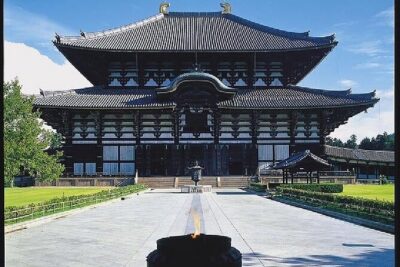
Nara, Fushimi Inari Taisha, Arashiyama Bus Tour
Read our review →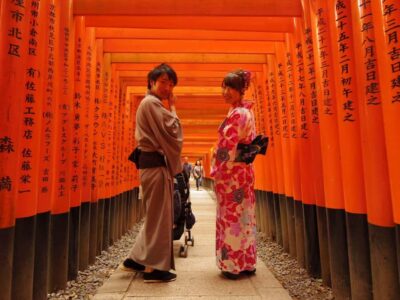
Arashiyama, Nara & Fushimi Inari Shrine w/Lunch
Read our review →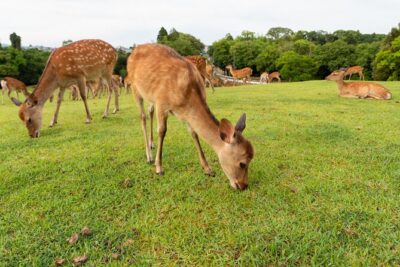
Full Day Guided Tour to Kyoto and Nara from Osaka by Van
Read our review →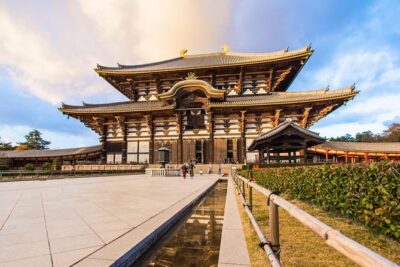
Also filed under