
Reviewed · SUSHI-MAKING WORKSHOPS
Sushi Making Experience in Kyoto
Knife skills are not the point here.
This Kyoto sushi-making experience turns sushi into a learn-it-by-doing moment, with fresh, seasonal ingredients and a small-group format that keeps things personal.
I also like the cultural layer built in, including talk about washoku and the evolution of sushi, led by the local instructor. One heads-up: it is only 1 hour, so it is best if you come hungry but expect a single focused session, not a full food crawl, and transportation to the studio is not included.
In This Review
- Key Highlights That Make This Kyoto Class Worth Your Time
- Sushi-Making in Kyoto: A Hands-On Lesson With Real Cultural Context
- Finding the Studio: What Your First Minutes Will Feel Like
- Learning Washoku and Sushi Culture, Not Just Sushi Shapes
- Selecting Fresh, Seasonal Ingredients for Nigiri
- Rolling Maki: Building Your Own Platter Step by Step
- Green Tea Finish: Eating What You Made
- Price and Value: Is $51 for 1 Hour Actually Fair?
- Who Should Book This Kyoto Sushi-Making Experience?
- Should You Book It?
- FAQ
- How long is the sushi-making experience?
- What is the price per person?
- How many people are in the small group?
- Is the instructor available in English?
- What is included in the class?
- What is not included?
- Where do I meet the host?
- Is there free cancellation?
- Can I reserve now and pay later?
- Is this experience suitable for babies?
Key Highlights That Make This Kyoto Class Worth Your Time
- Small group up to 8 people: more hands-on attention and less waiting around.
- Nigiri and maki practice: you learn two of the core sushi styles, not just one.
- Fresh, seasonal ingredients: you are working with what is available locally and in season.
- English instruction from a local instructor: clear guidance plus cultural context.
- Green tea with your meal at the end: you finish by eating what you made, not packing up and leaving.
Sushi-Making in Kyoto: A Hands-On Lesson With Real Cultural Context
Kyoto is famous for tradition, and this sushi-making class keeps that spirit but makes it practical. The format is built around doing the work yourself, guided by a local instructor who teaches you how to craft nigiri and maki using fresh, seasonal ingredients.
What I like most is that the learning is not just technique. You also get the cultural significance behind this iconic Japanese dish, including the way sushi fits into washoku, Japanese food culture. In one verified review, Victoria highlighted that she learned about washoku and how sushi has evolved, and she praised her instructor, Yoschino, as a standout.
The main consideration for planning is time. Since the class lasts 1 hour, you should treat it like a focused workshop. You will leave with skills and photos, but you will not be lingering for hours or stacking on lots of extra food beyond what is included.
Finding the Studio: What Your First Minutes Will Feel Like
The meeting point is simple. You meet outside, and the host welcomes you in. That means you do not need to hunt inside a big building with multiple businesses.
For your own sanity, show up a few minutes early and plan to confirm where the host is meeting you outside. Since transportation to the studio is not included, you will want to already know how you are getting there, whether that is walking, taxi, or your own route planning.
Once you are in, the class stays in a cozy studio setting. The small group size, limited to 8 participants, helps keep the pacing manageable. In practice, that usually means you get help when you need it, not just a lecture and a timer.
Learn to roll your own sushi
- Sushi Making in Kyoto! Same-day bookings welcome!
★ 5.0 · 713 reviews - The Original Small-Group Sushi Making Class in Kyoto
★ 5.0 · 436 reviews - Kyoto: Small-Group Authentic Sushi Making Workshop
★ 5.0 · 137 reviews - Sushi – Authentic Japanese Cooking Class – the best souvenir from Kyoto!
★ 5.0 · 93 reviews
Learning Washoku and Sushi Culture, Not Just Sushi Shapes
A good sushi class teaches you how to make rolls. A great one teaches you why those rolls exist. Here, the instruction includes cultural significance, so you understand what you are building and why it matters.
You also learn about washoku, which shows up as the broader framing for Japanese meals and food culture. In Victoria’s review, she called out that the class covered washoku and the culture surrounding it, and she especially praised Yoschino for the guidance. That kind of explanation tends to make the technique stick, because you are not memorizing steps in a vacuum.
You will also learn about sushi’s evolution as part of the cultural talk. You might not walk away with a textbook summary, but you will have a clearer sense of how sushi became what it is today and why people treat it with care. For me, that is where “fun activity” starts turning into real appreciation.
Selecting Fresh, Seasonal Ingredients for Nigiri
The class includes learning how to select fish, then using what you choose to craft nigiri. That matters more than many people expect. Sushi tastes simple, but it is not random. Ingredient choice is part of the craft.
You are working with fresh, seasonal ingredients, so your experience connects to what is likely available locally at the time. Even if you are a beginner, that approach helps you understand the logic behind sushi quality: freshness and timing.
And because you are guided by an instructor in English, you are not left guessing. The teaching focus is on how to craft your nigiri properly, which is why the class hits that “selecting fish to perfecting the nigiri” learning arc.
One practical note: this is a hands-on class. That is good. It also means you should be ready to pay attention and follow directions closely, especially when fish and sushi elements are involved.
Rolling Maki: Building Your Own Platter Step by Step
After nigiri, the class moves into maki. This gives you the best of both worlds: you learn something shaped by hand, then something rolled with technique and consistency.
You also create a variety of sushi styles, so you are not making one small item and calling it done. The goal is for you to finish with creations you can eat, plus photos you will actually want to show later.
If you have never rolled sushi before, do not panic. The class is designed to be suitable for beginners. The small group size helps here too, because an instructor can adjust the pace and give individual guidance when needed.
I also like that the class uses the same fresh, seasonal ingredients theme, so your nigiri and maki feel like part of one coherent meal rather than random practice pieces.
Green Tea Finish: Eating What You Made
The end of the session is the reward. You savor your sushi creations with green tea. That is included, so you are not scrambling to find a place to eat afterward, and you are not guessing what goes with what.
This part matters for learning. When you taste your own work, you understand what “good” feels like. If something was a little off, you notice it immediately. If something worked, you remember the technique that got you there.
You also leave with great photos, which is a real consideration in Kyoto. Food is a huge part of the city’s culture, and a class like this gives you something visual that is linked to real skill, not just a plate of dinner you ordered.
And while this is not presented like a sightseeing tour, it still gives you a better lens for what you see and taste later in the city. Sushi stops being a mystery and starts feeling like a craft you can recognize.
A day of temples goes further with something to break it up.


Price and Value: Is $51 for 1 Hour Actually Fair?
At $51 per person for a 1-hour class, the value depends on what you want from it.
Here is what you get for the price:
- a sushi-making class
- a local instructor
- fresh, seasonal ingredients
- a variety of sushi (including nigiri and maki)
- green tea
You do not get:
- transportation to the studio
- additional food and drinks
So yes, it is a paid experience. But you are not just paying for instruction. You are paying for the ingredients and the guided time, in a small group limited to 8 participants. That small-group cap is usually where value shows up. If it were a large class, you would spend more time waiting. Here, you should expect more actual making and more direct help.
If your plan is “I want a memorable Kyoto food experience and I want to take home skills,” this pricing can make sense. If your plan is “I want the cheapest meal possible,” this is not the right tool. But that is not really the point of a hands-on class.
Who Should Book This Kyoto Sushi-Making Experience?
This experience fits best if you want an interactive food activity with real learning.
It is especially good for:
- beginner-friendly cooks who want a guided introduction
- food enthusiasts who care about washoku and food culture
- travelers who want sushi skills plus photos and a full, satisfying finish
It is also a good pick if you are traveling with friends or want to meet a small group of people who are there for the same reason: learning and tasting something you made yourself.
If you hate structured classes, or you are expecting an all-day experience, you may find the 1-hour duration too short. Also, since transportation is not included and you meet outside, you should plan your route in advance so you are not stressed right before the class.
One more boundary: it is not suitable for babies under 1 year. If you are traveling with young kids, double-check fit with the class rules.
Should You Book It?
I would book this Kyoto sushi-making class if you want a hands-on workshop that combines technique with food culture. The small group size and English instruction are practical wins, and the fact that you learn both nigiri and maki gives you a better skill foundation than a single-style class. Add in green tea at the end and you have a complete experience, not just practice.
Skip it if you are looking for a long meal, extra dining, or a transportation-included plan. And if your main goal is eating as cheaply as possible, you might prefer another option.
If you want that Kyoto “do something with your hands, learn why it matters, then eat it” moment, this one is a strong match.
FAQ
How long is the sushi-making experience?
It lasts 1 hour.
What is the price per person?
The price is $51 per person.
How many people are in the small group?
The class is limited to 8 participants.
Is the instructor available in English?
Yes, the instructor speaks English.
What is included in the class?
The experience includes the sushi-making class, a local instructor, fresh seasonal ingredients, a variety of sushi styles, and green tea.
What is not included?
Transportation to the studio and additional food and drinks are not included.
Where do I meet the host?
You meet outside, and the host will welcome you in.
Is there free cancellation?
Yes, you can cancel up to 24 hours in advance for a full refund.
Can I reserve now and pay later?
Yes, you can reserve now and pay later, meaning you pay nothing today.
Is this experience suitable for babies?
It is not suitable for babies under 1 year.
New This Season
- Koyasan Day Trip by Private Car from Kyoto
- Old Port Town and Ultimate Sake Tasting Private Tour From Kyoto
- Kyoto’s Timeless Charm: 3hr Exploration of History and Peace
- Kyoto: 5 Types of Sushi Making
- Sacred Peak & Ancient Paths: Kurama-Kibune Hiking Experience
- Kyoto: Exclusive ZEN practice at Manpukuji temple in Uji
- Kyoto: Private Seasonal Aroma Yoga Class
- Traversing Kyoto’s Scenic West – Arashiyama to Kinkakuji
Sushi-Making Workshops, compared.
Sushi Making in Kyoto! Same-day bookings welcome!
Read our review →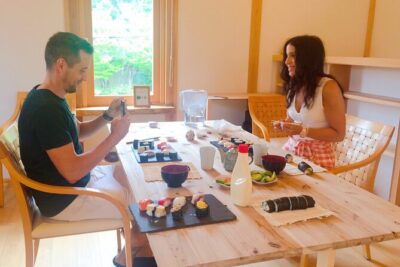
The Original Small-Group Sushi Making Class in Kyoto
Read our review →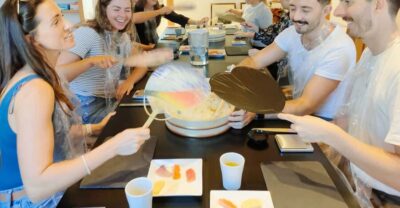
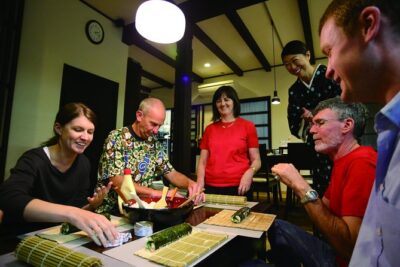
Sushi – Authentic Japanese Cooking Class – the best souvenir from Kyoto!
Read our review →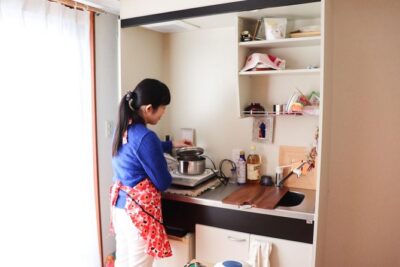
Private Kyoto Sushi Cooking Class & Tea Ceremony with Emika
Read our review →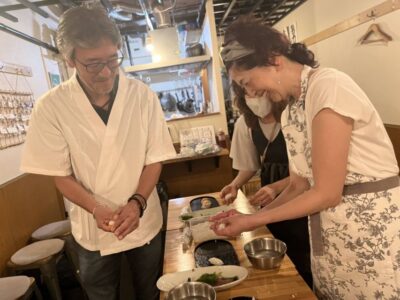
Enjoy Sushi & Market Tour! Best for Family & Couple!
Read our review →
Sushi or Traditional Japanese Cuisine in a Kyoto Home with Emika
Read our review →Also filed under