
Reviewed · SUSHI-MAKING WORKSHOPS
Sushi Making Experience in Kyoto
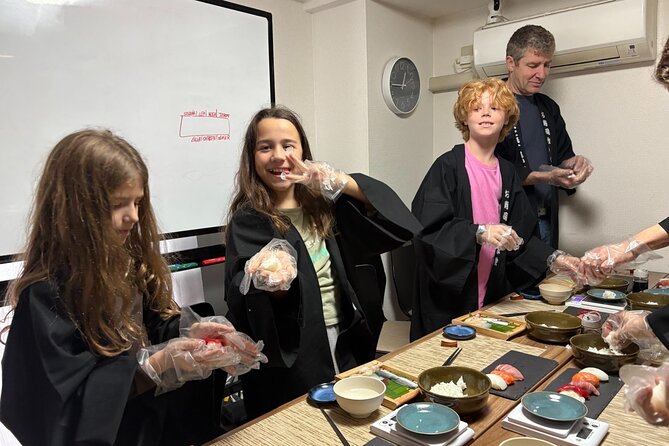
Sushi class in Kyoto is a fast way to learn by doing. In a cozy, small-group setting, you’ll make multiple styles of sushi, including nigiri and maki, while learning why this food matters in Japan. The best part is that you finish by eating your own creations, served with green tea.
What I like most is how the session blends technique with culture. You are not just learning how to roll or shape, you’re learning the cultural significance and sushi history along the way, with clear, organized teaching from guides like AI and Haruki. My second favorite thing is the vibe: it is designed to work for both beginners and foodie types, even if you have kids in the group.
One thing to consider is time. With about 1 hour, the class moves at a friendly pace but it is not a slow, drawn-out deep practice session, so come ready to focus and taste as you go.
In This Review
- Key highlights
- Starting out at Miyagawasuji, right where Higashiyama makes sense
- Why making nigiri and maki teaches more than recipes
- The “cozy setting” factor, and why it matters in Kyoto
- From ingredients to built sushi, with fresh local flavors
- Nigiri and maki practice, plus the sushi-history context
- What the green tea at the end is really doing for you
- Group size, pace, and who this one-hour class fits best
- Price and value: what $52.38 buys you in Kyoto
- How to get the most out of a sushi workshop
- Should you book this Kyoto sushi-making experience?
- FAQ
- Where is the meeting point for this sushi making experience?
- How long is the sushi making experience in Kyoto?
- How much does the experience cost?
- What kinds of sushi will I make?
- Is there a maximum group size?
- Is it easy to join if I am a beginner?
- Is it possible to cancel for a refund?
Key highlights
- Small group of up to 8, so you get real attention, not just a show-and-tell
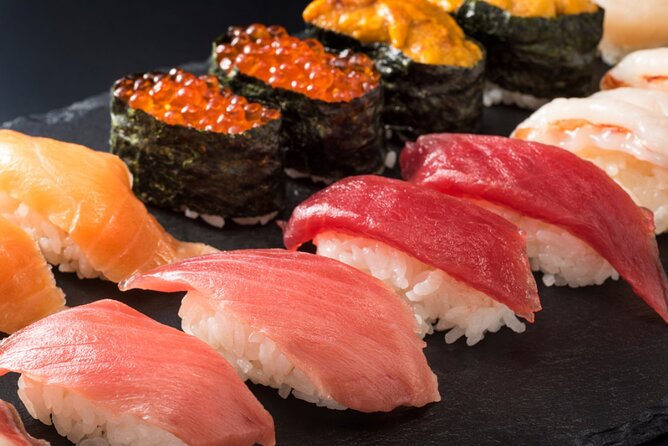
- Nigiri and maki from scratch, with hands-on building of the sushi you will eat
- Sushi history and cultural meaning, taught alongside the cooking steps
- Green tea and tasting your work, so the class ends with a full belly
- Fun for mixed ages, which makes it a smart family-friendly plan
- Mobile ticket and a central meeting point near public transport
Starting out at Miyagawasuji, right where Higashiyama makes sense
This experience starts at 2-chōme-255 Miyagawasuji in Kyoto’s Higashiyama Ward, and it ends back at the same meeting point. If you are planning to spend your Kyoto days in and around Higashiyama, this location is convenient, because it keeps the class from turning into a complicated commute.
The meeting point is near public transportation, which matters in Kyoto. You can spend less time wrestling buses and trains, and more time using your limited energy for walking. Also, because the tour is only about an hour, getting there smoothly helps you keep a calm, ready-for-sushi mood.
Why making nigiri and maki teaches more than recipes
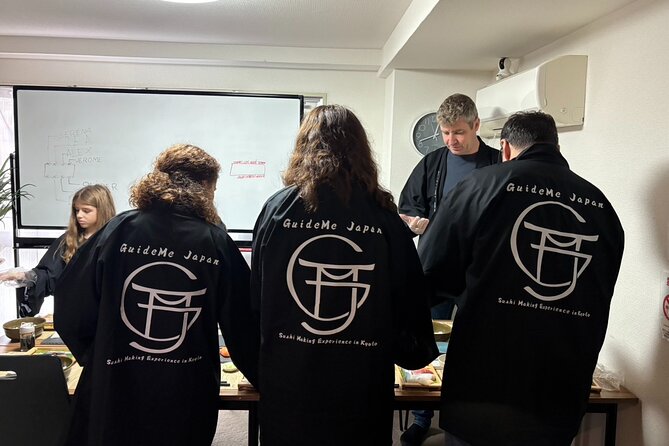
Plenty of food experiences show you pictures and send you home hungry. This one works differently. You make sushi from scratch, then eat what you made. That simple loop is a learning cheat code.
Here’s why I think you’ll get more out of it than a basic tasting: sushi is not just ingredients. It is also technique, portioning, and the idea of balance. Even when the class is short, shaping and assembling nigiri and rolling maki force you to pay attention to details you would never notice from eating alone.
You also get the cultural side of the dish, not as a random lecture. The experience is built around the significance behind sushi in Japanese food culture. That combination helps the whole thing click. After the class, sushi becomes easier to read on a menu, and you can connect flavors to tradition instead of treating everything like it is just salty-sweet-umami.
Learn to roll your own sushi
- Sushi Making in Kyoto! Same-day bookings welcome!
★ 5.0 · 713 reviews - The Original Small-Group Sushi Making Class in Kyoto
★ 5.0 · 436 reviews - Kyoto: Small-Group Authentic Sushi Making Workshop
★ 5.0 · 137 reviews - Sushi – Authentic Japanese Cooking Class – the best souvenir from Kyoto!
★ 5.0 · 93 reviews
The “cozy setting” factor, and why it matters in Kyoto
Kyoto can feel busy even when you are not trying to rush. That is why I like experiences that keep you in a comfortable, low-pressure space. The class happens in a cozy setting, and that supports one of the most useful outcomes of cooking lessons: you can ask questions without feeling self-conscious.
The class is also limited to a maximum of 8 travelers. In plain terms, that usually means the instructor can check what your hands are doing, not only what your face looks like. In a sushi-making session, that makes a real difference, because small adjustments matter.
One more note from the experience vibe: it is described as fun and interactive, and it is set up so both beginners and regular sushi lovers can enjoy themselves. The short duration helps here too. You get focused instruction without the fatigue that can come from longer cooking tours.
From ingredients to built sushi, with fresh local flavors
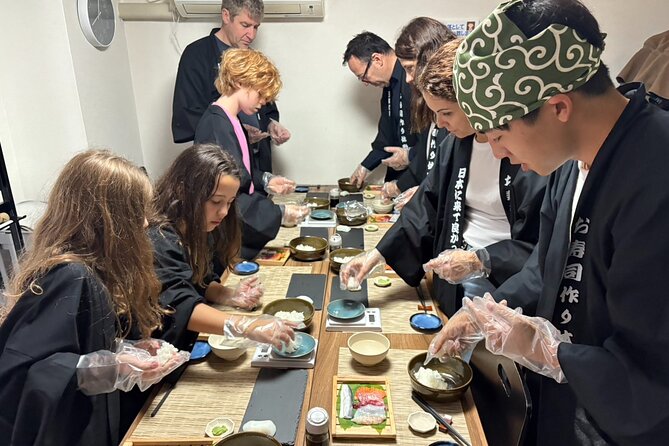
The experience says you will use the freshest local ingredients. Even without a long list of specific items, the point is clear: you are not working with random pantry substitutes. You are building sushi using ingredients that actually taste like Kyoto and Japan right now.
I also like that you get to learn while making a variety of sushi styles. Sushi is often treated like one thing, but nigiri and maki have different demands. Nigiri is about the feel and shape. Maki is about rolling and consistent pieces. Handling both in one session gives you a fuller sense of what sushi chefs do beyond one signature trick.
Because you will be using fresh ingredients, you can expect your final product to taste better than what you might get from a pre-made option. It is not just a “class meal.” It is the dish you made, plus the satisfaction of knowing you were part of the process.
Nigiri and maki practice, plus the sushi-history context
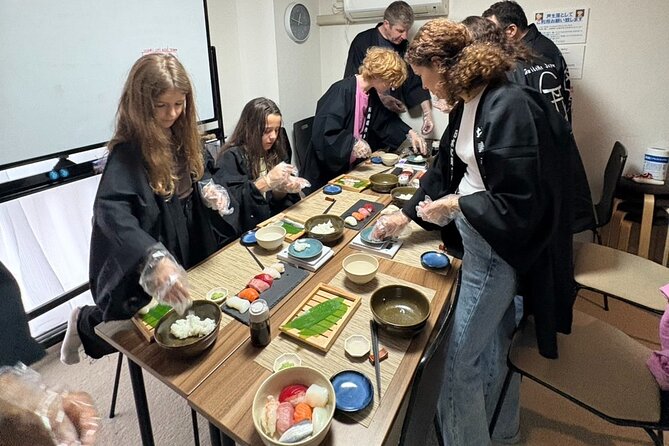
The core of the session is simple: you make sushi from scratch while learning about Japanese food culture and the cultural significance of sushi. That matters because sushi history is not just trivia. It shapes how people think about ingredients, craft, and etiquette.
One strong signal from the experience is that the teaching includes sushi history, and it is described as well organized. A group of 7 with kids and adults enjoyed it, which tells me the instructor likely keeps explanations clear and the pacing friendly, not “do this perfectly or get it wrong.”
Guides AI and Haruki are specifically mentioned in the positive feedback. If you like classes where the instructor gives you a path you can follow, this setup sounds like it aims for that. You do not need to be an expert to participate. The experience says most travelers can join, so you should be able to jump in even if you have never touched sushi rice before.
What the green tea at the end is really doing for you
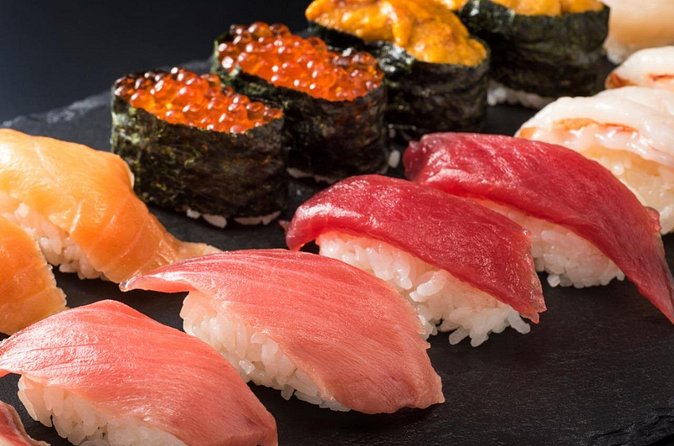
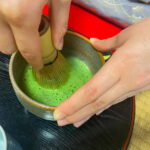
At the end, you enjoy the sushi you made, served with green tea. That detail sounds small, but it improves the whole experience.
First, green tea acts like a palate reset. It helps keep each bite from blending into the next. Second, you get a satisfying finish that feels complete. The meal is not separate from the lesson. It is part of the learning loop.
And because you are eating the sushi that you assembled, you can connect what you did with what it tastes like. That is the kind of feedback that sticks. Later, when you order sushi, you’ll remember how certain textures and flavors feel and why they were chosen.
A day of temples goes further with something to break it up.

Group size, pace, and who this one-hour class fits best
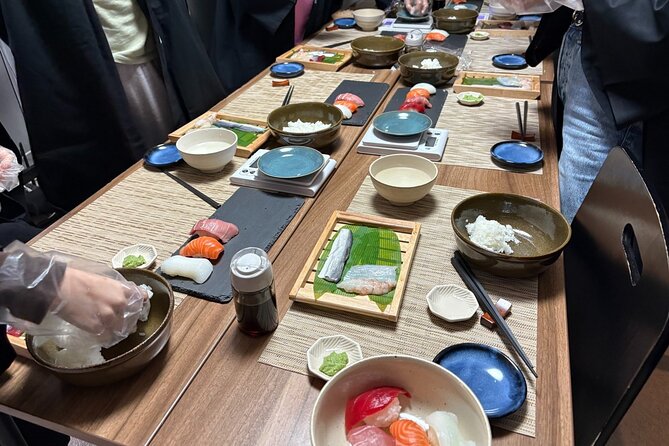
This is an up-to-8 group experience and it lasts about an hour. For many people, that is ideal in Kyoto. You can add it to a busy travel day without turning your schedule into a jigsaw puzzle.
I’d especially recommend it if:
- You are traveling with family or mixed ages and want an activity everyone can enjoy
- You are a sushi fan who wants more than eating, but you do not want a multi-hour cooking commitment
- You want a fun photo opportunity while learning something real
- You are a beginner and prefer guided instruction in a small group
The main consideration is the time limit. One hour can fit “learn and make,” but it cannot fit “master everything.” If you want deep, chef-level repetition, you might look for a longer class. For most visitors though, a short, well-organized session is the sweet spot.
Price and value: what $52.38 buys you in Kyoto
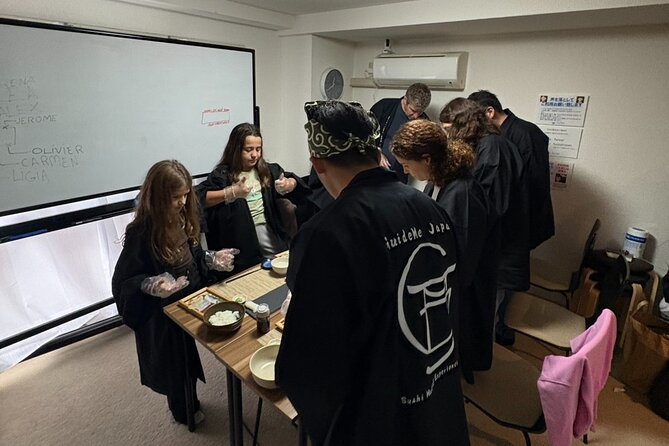
The price is $52.38 per person, and the experience runs about 1 hour. That sounds like a lot until you break down what’s included in the value equation.
You are paying for:
- Instruction that teaches both making sushi and understanding its cultural significance
- Hands-on preparation of sushi styles like nigiri and maki
- Fresh local ingredients used during the session
- The sushi meal you made, plus green tea
- A small-group limit, which usually improves the quality of attention
- A mobile ticket and a straightforward in-and-out schedule
For Kyoto, this is the kind of cost that makes sense when you compare it to the price of multiple meals and you factor in what you learn. You are not just buying lunch. You are buying a memorable skill, a better understanding of sushi culture, and something you can actually repeat later at home.
Also, the class promises great photos and full bellies. Even if you take photos yourself, the process gives you natural moments to capture, especially while you are shaping and assembling.
How to get the most out of a sushi workshop
Because you have limited time, a little prep helps. Here’s what I’d do in your shoes.
- Arrive ready to focus. You only have about an hour, so distractions reduce how much you absorb.
- Come hungry. The point is to eat what you make, and you want to enjoy the flavors fully.
- Ask questions early. If the group is small, you should feel comfortable clarifying techniques and cultural meaning right away.
- Plan your day around the class end. Since it returns you to the starting point, you can slot it into a walking plan afterward without a big transit change.
If you are sensitive to food routines, I recommend you check details at booking about what’s included. The experience description confirms sushi-making styles and ingredients are used, but it does not list every component publicly here. When in doubt, ask so you feel good about what you’ll be tasting.
Should you book this Kyoto sushi-making experience?
If you want a Kyoto activity that is hands-on, culturally grounded, and short enough to fit real travel schedules, I’d book it. The experience hits the sweet spot for sushi lovers who also want context, and it sounds well organized based on what people highlighted. The small group size is a practical win, especially if you like instruction and feedback.
I would skip it only if you are looking for a long, slow, advanced workshop where you repeat the same technique for hours. Otherwise, this one-hour sushi class gives you a satisfying mix of making, learning, and eating, with the kind of atmosphere that works for beginners and families.
FAQ
Where is the meeting point for this sushi making experience?
The start (and end) point is listed as 2-chōme-255 Miyagawasuji, Higashiyama Ward, Kyoto, 605-0801, Japan.
How long is the sushi making experience in Kyoto?
The duration is approximately 1 hour.
How much does the experience cost?
The price is $52.38 per person.
What kinds of sushi will I make?
The experience includes making a variety of sushi styles, including nigiri and maki.
Is there a maximum group size?
Yes. The tour/activity has a maximum of 8 travelers.
Is it easy to join if I am a beginner?
Yes. The experience notes that most travelers can participate, and it is designed for both complete beginners and sushi lovers.
Is it possible to cancel for a refund?
Yes, free cancellation is available. You can cancel up to 24 hours in advance of the experience for a full refund, with the cutoff based on the local start time.
New This Season
- Koyasan Day Trip by Private Car from Kyoto
- Old Port Town and Ultimate Sake Tasting Private Tour From Kyoto
- Sacred Peak & Ancient Paths: Kurama-Kibune Hiking Experience
- Kyoto’s Timeless Charm: 3hr Exploration of History and Peace
- Kyoto: 5 Types of Sushi Making
- Kyoto: Exclusive ZEN practice at Manpukuji temple in Uji
- Kyoto: Private Seasonal Aroma Yoga Class
- Traversing Kyoto’s Scenic West – Arashiyama to Kinkakuji
Sushi-Making Workshops, compared.
Sushi Making in Kyoto! Same-day bookings welcome!
Read our review →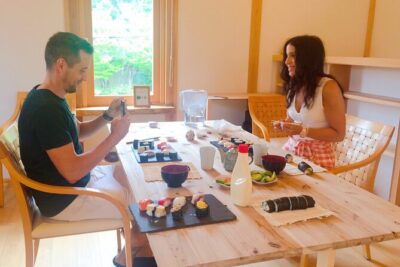
The Original Small-Group Sushi Making Class in Kyoto
Read our review →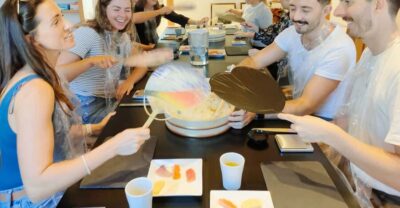
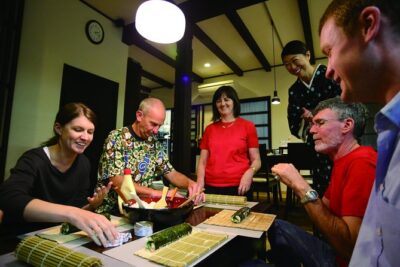
Sushi – Authentic Japanese Cooking Class – the best souvenir from Kyoto!
Read our review →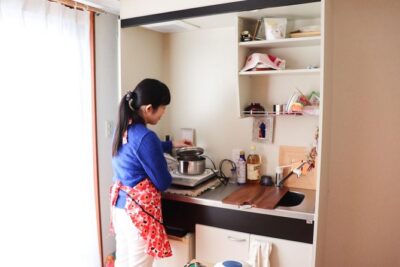
Private Kyoto Sushi Cooking Class & Tea Ceremony with Emika
Read our review →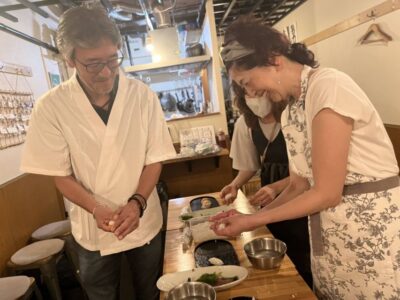
Enjoy Sushi & Market Tour! Best for Family & Couple!
Read our review →
Sushi or Traditional Japanese Cuisine in a Kyoto Home with Emika
Read our review →Also filed under