
Reviewed · COOKING CLASSES
Tofu Shop Visit & Japanese Cooking Class in Kyoto with Rita
Tofu tastes different when you learn how it’s made. This Kyoto experience pairs a 90-year-old tofu shop visit with a hands-on class led by Rita, who explains the process and helps with translation so you can actually follow what is happening. My favorite part is the hands-on cooking class with dashi and miso, plus Rita’s clear, friendly teaching style. One thing to keep in mind: you do not see the full tofu-making process because production starts early in the morning.
You also get a stress-free setup. You will not need to buy ingredients, because everything for the lesson is provided, and you finish by eating what you made. Expect seasonal cooking, and you will get English recipes to take home.
In This Review
- Key Things To Know Before You Go
- A 90-Year-Old Tofu Shop Visit That Explains the Food
- Rita’s Cooking Class: Dashi and Miso Soup as the Foundation
- What You Cook, Then Eat: A Meal You Actually Help Make
- Touring Kyoto With Rita: Translation Help and Real Ingredient Talk
- Vegetarian and Seasonal Changes: How to Plan So You Get the Meal You Want
- Price and Logistics for a 2.5-Hour Kyoto Food Lesson
- Who Should Book This Tofu Shop and Japanese Cooking Class
- Should You Book This Kyoto Tofu and Cooking Experience?
- FAQ
- Where does the tour start and end?
- What time does the experience begin?
- How long is the experience?
- What is included in the price?
- Is hotel pickup or drop-off included?
- Is there a vegetarian option?
- Can the menu change?
- Will I get recipes to take home?
- What is the cancellation window for a full refund?
Key Things To Know Before You Go
- 90-year-old tofu shop: a rare, local look at how tofu fits into everyday Japanese food
- Behind-the-scenes production context: you see key steps, but not the entire morning process
- Dashi and miso basics: you learn the foundation of many Japanese dishes
- Multiple dishes in one lesson: enough variety to feel like you learned real home cooking
- Meal plus beer option: you get to enjoy the food right after cooking
- Private, group-only experience: you stay with your party, with Rita guiding and translating
A 90-Year-Old Tofu Shop Visit That Explains the Food
The tour starts at 27 Koyama Motomachi, Kita Ward, Kyoto, at 10:30 am. It ends back at the meeting point, so you do not have to solve any transportation puzzle mid-day. Also, it is near public transportation, which matters in Kyoto where stops can feel like they are miles apart if you get off the train wrong.
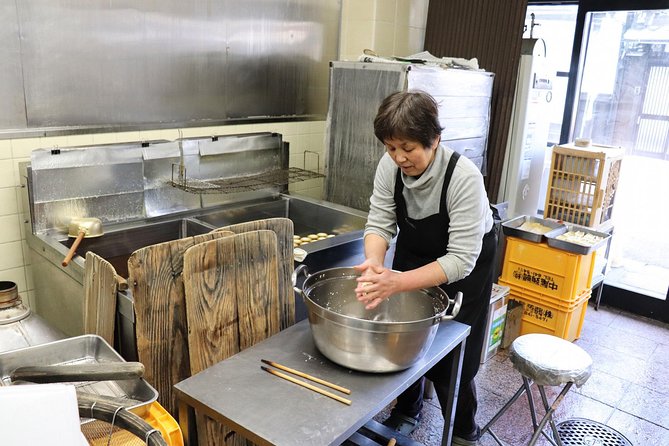
The big draw is the tofu shop itself, described as about 90 years old. Rita walks you through how tofu begins with soy beans and how tofu turns into many different products. That matters because tofu is not one single food in Japan. It is a whole family. When you understand the basic idea behind the production, you start to recognize how texture, firmness, and usage connect to what you eat later in the class.
There is one practical limitation. You will not see the entire manufacturing process, because production starts early in the morning. So you should go with the right expectations. Think of this as a behind-the-scenes look and explanation, not a full factory walkthrough from start to finish.
I also like that the shop visit is paired with the cooking class. You get a mental map first, then you cook with that map in your head.
Rita’s Cooking Class: Dashi and Miso Soup as the Foundation
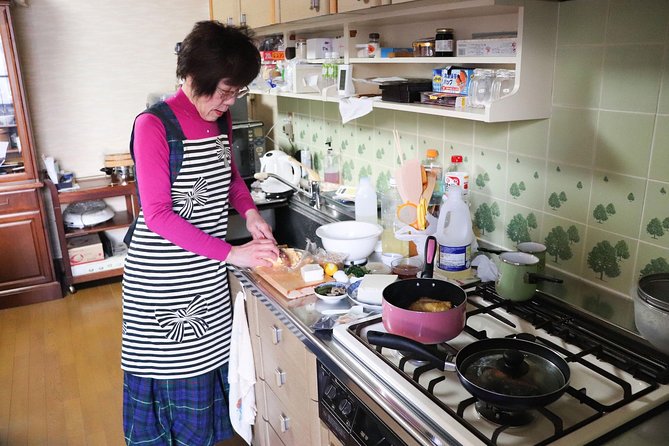
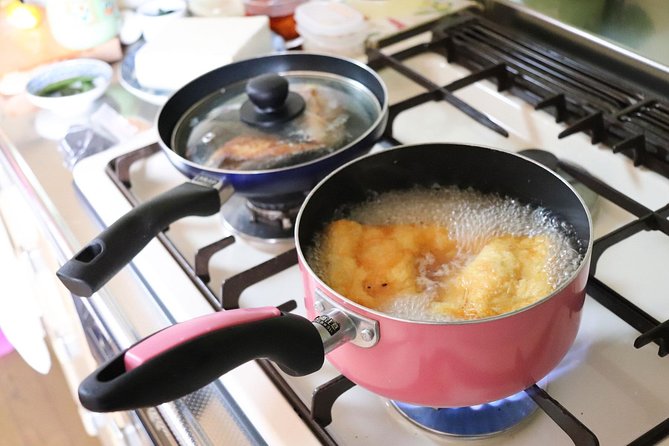
After the tofu shop, you move upstairs for the hands-on Japanese cooking lesson with Rita. The class runs about an hour and a half before you sit down to eat. This timing is a sweet spot. Long enough to actually make food with your hands, short enough that you are not exhausted before the meal.
Rita focuses on Washoku, the skills, knowledge, and traditions behind Japanese home cooking. You will learn to identify and use core ingredients and seasonings, especially the role of dashi, the base for many Japanese dishes. From the information provided, you will use dashi as the foundation for your miso soup. That is a smart learning structure. Dashi is one of those things that sounds simple until you try to make it, then suddenly you understand why Japanese cooks treat it like the backbone.
You will also be cooking with fresh, seasonal vegetables. That is more than a nice idea. Seasonal produce changes what flavors you notice. It keeps the dishes from feeling generic, and it teaches you how Japanese meals think in terms of timing and balance, not just taste.
Menu variation is part of the deal here. The menu may change depending on the season, so you might not make the exact same dishes year-round. That said, the overall goals are consistent: you learn the ingredients and seasonings that shape classic Washoku flavors, then you leave with recipes in English for what you made.
A quieter way to spend a day in Kyoto
- Ramen Cooking Class at Ramen Factory in Kyoto
★ 5.0 · 1,937 reviews - Kyoto: Ramen Cooking Class at a Ramen Factory with Souvenir
★ 4.9 · 532 reviews - Kyoto: Ramen, Gyoza, and Onigiri Cooking Class
★ 5.0 · 445 reviews - Kyoto: Japanese Washoku Bento Small Group Cooking Class
★ 5.0 · 380 reviews
What You Cook, Then Eat: A Meal You Actually Help Make
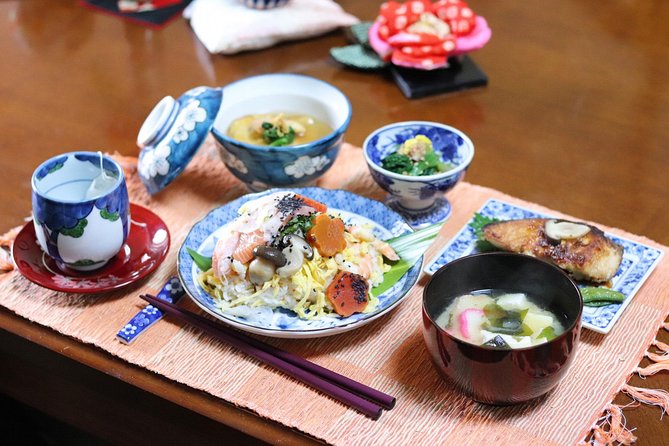
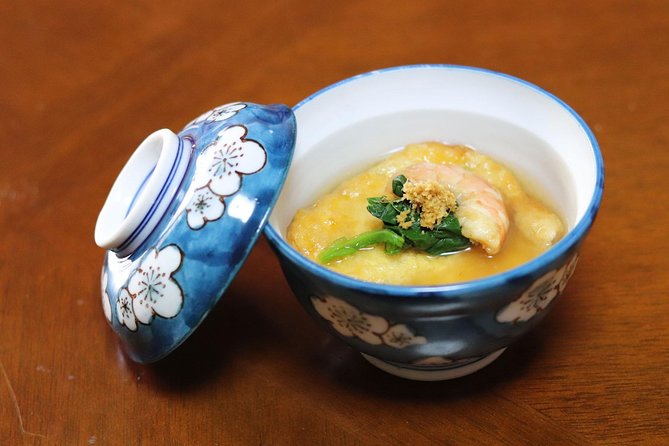
The lesson is not just for learning. You get to eat the results together right after cooking. In Japan, that sounds like a small detail, but it is a big quality-of-life upgrade. You do not wander around hungry afterward, hoping you can find a decent place to eat at the right time.
You can also enjoy local beer, listed as 1 to 2 glasses, or choose a soft drink instead. If you are trying to keep the day relaxed, this is the kind of built-in finish that works well. You get a food win at the end of the class, not a food scramble.
The food itself is positioned as balanced and nutritious, using fresh, seasonal vegetables and a focus on foundational flavoring like dashi and miso. Since you learn the base and the seasoning logic, you can understand why the meal tastes the way it does, not just that it tastes good.
One more practical point: there is no requirement for you to bring ingredients. Everything is provided for the lesson, and that takes away one of the most annoying parts of cooking experiences in Japan. You can show up, cook, and eat without hunting for specific items in a market first.
Touring Kyoto With Rita: Translation Help and Real Ingredient Talk
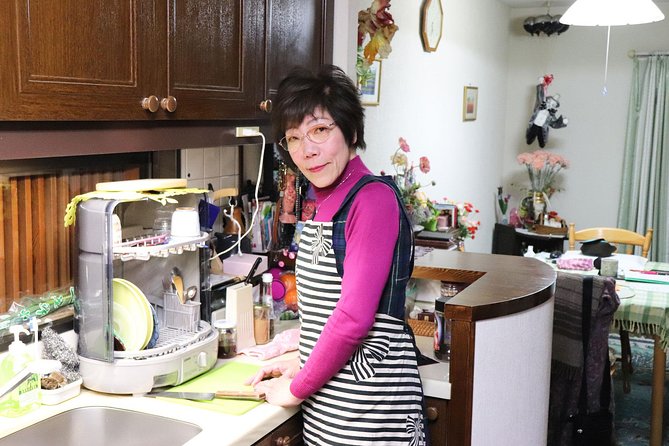
This is not a generic sightseeing walk. It is a food-focused day, with a local who answers questions and helps translate. That translation support is more than convenience. In a tofu shop and a Japanese home-style cooking context, small wording differences matter. If you cannot understand why something is used, you will remember the dish but not the method.
Rita’s role shows up in the way she teaches the meaning behind ingredients and how they are sourced. The information you get is described as having real explanation behind every ingredient, and it includes a behind-the-scenes view of tofu production plus guidance on typical home cooking ingredients. In the reviews, people specifically called out ingredient sourcing and nutritional value during the market-style ingredient talk. So even if you are not a full-time food nerd, you will likely pick up helpful context that makes the experience feel anchored in daily Japanese life.
Also, since this is a private, group-only experience, you are not stuck listening to someone else’s questions or waiting for time slots. You move with your group, and Rita can tailor answers.
Vegetarian and Seasonal Changes: How to Plan So You Get the Meal You Want
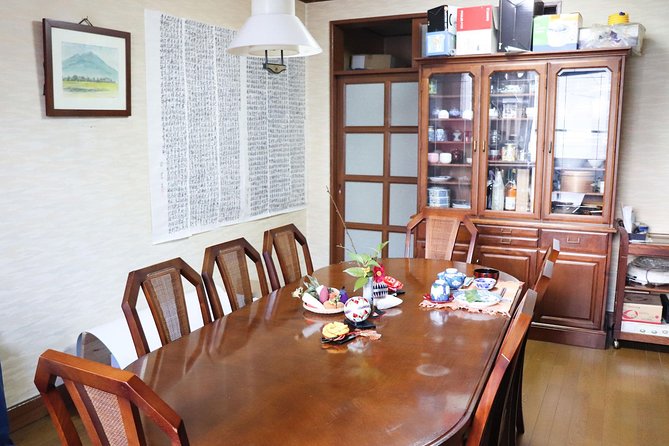
If you eat vegetarian, this tour offers a vegetarian option. The key is simple: advise at the time of booking. If you have any allergies, dietary restrictions, or specific cooking preferences, you also need to flag it when you book.
Seasonality also affects what you cook. The menu may vary depending on the season, and cooking with seasonal vegetables means the dish lineup can shift. This is normal for Japanese home cooking. It is also why you should share dietary needs early. You want to make sure the seasonal menu still matches your requirements.
One more consideration: you will be learning dashi and miso soup as part of the class structure. If your dietary needs relate to specific animal ingredients, you will want to confirm what is used for dashi in your specific menu plan. The tour data does not specify the dashi composition, only that you will learn to make it and use it in miso soup. So treat this as a practical prompt to message the operator with your dietary details.
If you do that, this experience can be a very smooth way to learn Washoku flavors without having to redesign your entire meal plan on the spot.
Price and Logistics for a 2.5-Hour Kyoto Food Lesson
The price is listed at $202.00 per person, and it is usually booked about 16 days in advance on average. At face value, that number might feel steep, especially if you are used to big-group food tours. But here is what makes it make more sense when you compare it to what you actually get.
You are paying for three things at once:
- A visit to a private tofu shop experience with explanation and translation support
- A hands-on cooking class where you make multiple dishes
- The meal you cooked, plus local beer (1 to 2 glasses) or soft drink
You also get private, personalized experience for your group only. That can reduce the feeling of paying for empty time. Instead, the time is built around cooking, eating, and learning. It is also only about 2 hours 30 minutes total, so you are not sacrificing half a day just to get a brief taste.
Logistics are also fairly straightforward. There is no hotel pickup or drop-off, and the tour starts and ends at the same meeting point. That is not always ideal if you are staying far from transit, but it keeps the schedule clean. Since it is near public transportation, you can plan to arrive without stressing over a driver schedule.
Lastly, you get a mobile ticket and group discounts. The group discounts are a small bonus, but in a private experience, every small cost reducer helps.
A day of temples goes further with something to break it up.

Who Should Book This Tofu Shop and Japanese Cooking Class
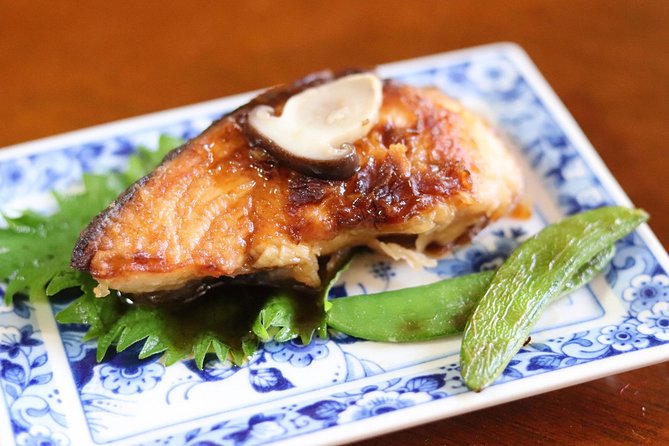
This is a strong match if you want more than sampling food. You want to understand how tofu connects to Japanese cooking, and you want a practical skill you can repeat later at home.
I think it is especially good for:
- Food lovers who like learning ingredients and methods, not just eating
- Travelers who appreciate a guide who can translate and explain clearly, especially in smaller venues like a tofu shop
- People who want a Kyoto experience that avoids the stress of finding ingredients or arranging dinner plans after the lesson
- Cooks at home who would use English recipes and want dashi and miso soup fundamentals
It may not be the best fit if you expect a full production factory tour. The info provided is clear that you will not see the entire tofu-making process from start to finish.
Should You Book This Kyoto Tofu and Cooking Experience?
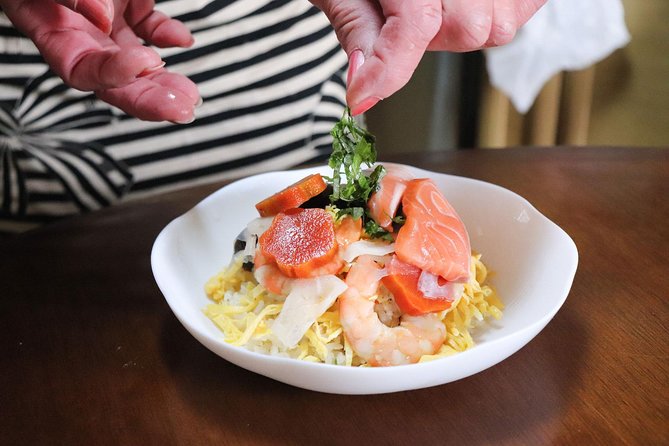
Yes, I would book it if your goal is practical Japanese cooking, not just sightseeing. The combination of a 90-year-old tofu shop visit, a hands-on Washoku class with dashi and miso soup, and a shared meal afterward is efficient and satisfying. Rita’s translation and ingredient explanations sound like the kind of detail that makes a cooking class stick in your memory.
If you are on the fence because of price, focus on the value of what is included: shop visit, class, meal, and beer option, all in about 2 hours 30 minutes. That is not a casual add-on. It is a focused food learning block.
Just plan ahead for dietary needs. Tell the operator about allergies or restrictions at booking, and confirm the vegetarian approach you need. If you do that, you will likely end the day with both a fuller understanding of tofu and a meal you can recreate at home using the English recipes.
FAQ
Where does the tour start and end?
It starts at 27 Koyama Motomachi, Kita Ward, Kyoto, and it ends back at the same meeting point.
What time does the experience begin?
The start time is 10:30 am.
How long is the experience?
The duration is about 2 hours 30 minutes.
What is included in the price?
The experience includes a private tofu shop visit, the cooking lesson, the meal, local beer (1 to 2 glasses), and gratuities.
Is hotel pickup or drop-off included?
No, hotel pickup and drop-off are not included.
Is there a vegetarian option?
Yes, a vegetarian option is available. You need to advise at the time of booking.
Can the menu change?
Yes, the menu may vary depending on the season.
Will I get recipes to take home?
Yes, you will go home with recipes in English for the dishes you learned.
What is the cancellation window for a full refund?
You can cancel up to 24 hours in advance of the experience start time for a full refund.
New This Season
- Koyasan Day Trip by Private Car from Kyoto
- Old Port Town and Ultimate Sake Tasting Private Tour From Kyoto
- Sacred Peak & Ancient Paths: Kurama-Kibune Hiking Experience
- Kyoto’s Timeless Charm: 3hr Exploration of History and Peace
- Kyoto: 5 Types of Sushi Making
- Kyoto: Exclusive ZEN practice at Manpukuji temple in Uji
- Kyoto: Private Seasonal Aroma Yoga Class
- Traversing Kyoto’s Scenic West – Arashiyama to Kinkakuji
Cooking Classes, compared.
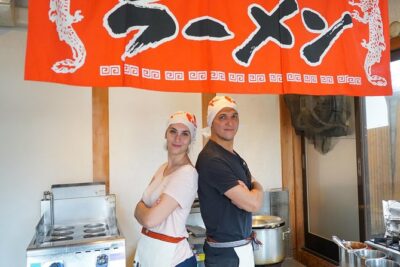
Ramen Cooking Class at Ramen Factory in Kyoto
Read our review →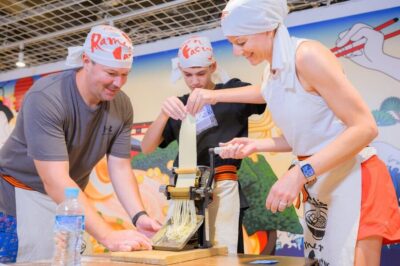
Ramen Cooking Class at a Ramen Factory with Souvenir
Read our review →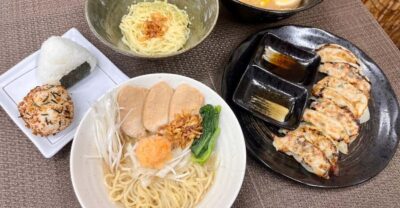
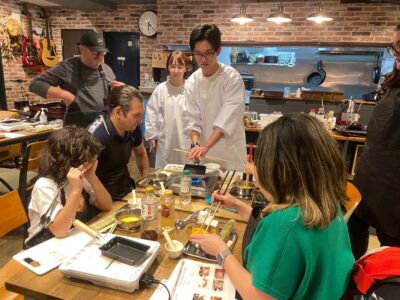
Japanese Washoku Bento Small Group Cooking Class
Read our review →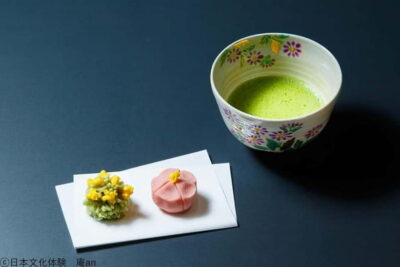
Japanese Traditional Sweets Making and Tea Ceremony
Read our review →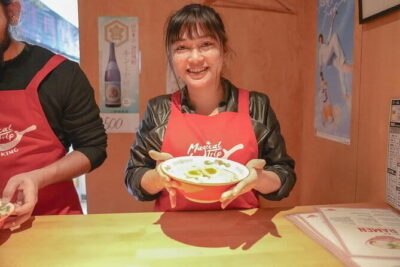
Kyoto Ramen and Gyoza Cooking Class with Professional Chefs
Read our review →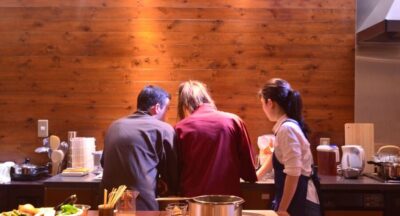
Also filed under