
Reviewed · WORKSHOPS
Traditional Japanese Knife Sharpening Class in Kyoto
Sharpening a knife can feel mysterious, until you do it. This Kyoto class turns that magic into clear steps, with hands-on practice using whetstones of different grits. You also get the background behind Japanese knives, so the technique makes sense, not just because someone said so.
I especially like the small group size (up to 6), which means you are not stuck watching from the back. I also liked the way the instructor, Clement, guided the room and still found time to chat while people learned the process.
One possible drawback: this activity depends on good weather, so if conditions are poor, your date may change or you may get a refund instead of a workshop day.
In This Review
- Key Things You’ll Notice Right Away
- Why Japanese Knife Sharpening Feels So Kyoto
- Meeting at MUSASHI JAPAN Sanjo, Near Kamo Onsen
- The First Half: History, Steel Types, and Sharpening Theory
- Whetstones of Different Grits, and How That Changes the Edge
- Sharpen Your Own Knife Under Expert Supervision
- The Take-Home Knife: A Keepsake That Actually Works
- Timing and Value: Is $97.55 Worth It?
- Who This Kyoto Knife Class Suits Best
- The Main Things to Consider Before You Go
- FAQ
- Where is the class meeting point?
- Does the tour include a stop at Kamo Onsen?
- How long is the experience?
- What is the price per person?
- How many people are in the group?
- Do I get a confirmation after booking?
- Is it near public transportation?
- What will we do during the class?
- What if the weather is bad?
- Is there free cancellation?
- Should You Book This Kyoto Knife Sharpening Class?
Key Things You’ll Notice Right Away
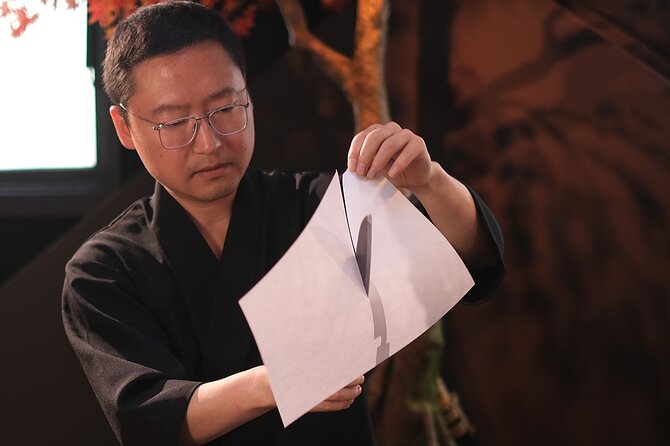
- Up-close coaching in a group of 6, so you can actually ask questions while you sharpen
- Whetstones of different grits, so you learn why finishing and smoothing matter
- A real take-home result, because you leave with the knife you sharpen during class
- Knife history and steel types before you start grinding, so the method feels logical
- Instruction from Clement, who impressed with both clarity and conversation
Why Japanese Knife Sharpening Feels So Kyoto
Kyoto is a place where craft is taken seriously, even in everyday objects. A knife sharpening class fits that energy perfectly, because the tool sits right at the center of daily cooking.
What makes this experience stand out is that it is not just a demonstration. You learn the reasons behind the steps, then you do the work yourself under guidance.
You also leave with something you can use at home. Instead of a generic souvenir, you get a knife outcome tied to the skills you just practiced, which makes the whole thing feel practical, not performative.
Meeting at MUSASHI JAPAN Sanjo, Near Kamo Onsen
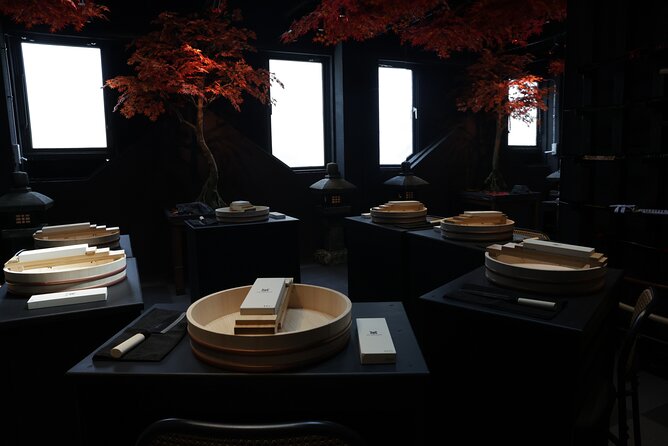
Your class starts at MUSASHI JAPAN 京都三条店 Knife Shop in Kyoto. The listed meeting point is in Nakagyo Ward, in the Ishibashicho area, and it is linked to the Kamo Onsen area.
The good news for your planning: it is near public transportation. That matters in Kyoto, where time spent hopping between areas can quietly eat your day.
The session ends back at the meeting point. So you are not forced into a longer route afterward, which is helpful if you are trying to fit this into an already packed itinerary.
A quieter way to spend a day in Kyoto
- Kyoto: 45-Minute Tea Ceremony Lesson Experience
★ 4.3 · 2,378 reviews - Ramen Cooking Class at Ramen Factory in Kyoto
★ 5.0 · 1,937 reviews - Kyoto : Chopsticks Making Workshop in Gion with Engraving Option
★ 5.0 · 958 reviews - Kyoto: Samurai Sword Class by Experts in Traditional Arts
★ 4.9 · 657 reviews
The First Half: History, Steel Types, and Sharpening Theory
Before anyone starts sharpening, you get the “why.” The class covers knife history, plus steel types and the basic theory behind sharpening techniques.
That sequence is smart for two reasons. First, it helps you understand what you are aiming for with each stroke and each grit. Second, it stops the class from turning into a trick you repeat without knowing what is happening.
If you care about cooking tools, this part is especially useful. A sharp edge is not only about cutting power, it is also about the kind of edge your knife needs.
One highlight from the experience is how the instructor supported learning in real time. In one of the highest-rated accounts, Clement was described as phenomenal and chatty in the best way, making the theory feel approachable instead of overly formal.
Whetstones of Different Grits, and How That Changes the Edge
The core hands-on focus is sharpening with whetstones of different grits. In plain terms, “grit” is about how rough or fine the abrasive surface is.
You use that concept to shape and refine the edge. Coarser grits typically help with initial work, while finer grits help with finishing. In class, the goal is that your knife ends up sharper and more controlled, not just “sharper in theory.”
You are not left to guess. The class is structured around instruction, supervision, and adjustments as you work. That is the difference between watching a video at home and learning with feedback in the room.
Also, because the group is capped at 6, your learning pace is easier to support. You are less likely to get rushed through the awkward parts that can make sharpening feel frustrating.
Sharpen Your Own Knife Under Expert Supervision
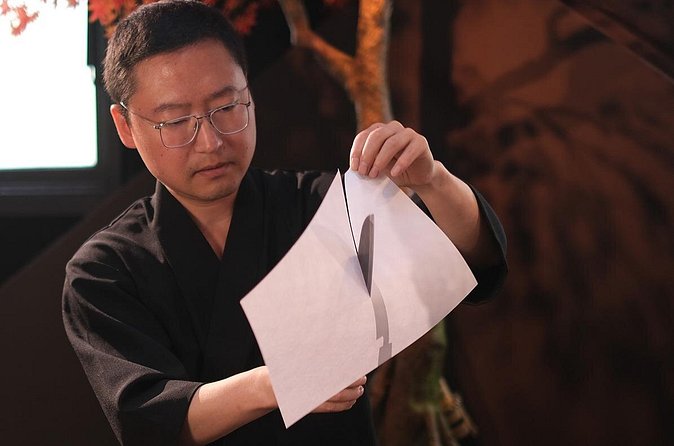
This is a hands-on class, so you are expected to sharpen your own blade while guided by instructors. The teaching style here is practical: you learn the method, then you apply it.
That matters because sharpening is mostly about consistent motion and correct technique. When someone can watch what you are doing and correct it early, you avoid a common problem: repeating the wrong motion for 30 minutes.
One of the most positive details tied to the experience is the outcome. A participant was very happy with the santoku knives they were bringing home. That is a strong signal that the final result is not just academic.
You should also think of this class as skill-building. Even if you do not get perfect results the first time, you will leave with a repeatable process you can apply to future sharpening at home.
The Take-Home Knife: A Keepsake That Actually Works
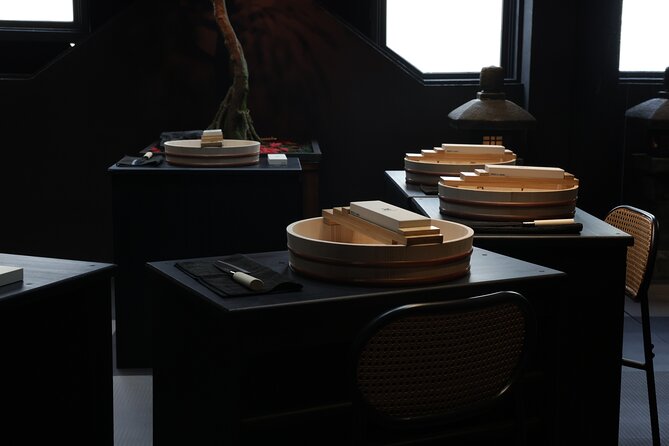
A lot of workshops in Kyoto end with a craft item you hang on a wall. This one ends with your knife.
The class is designed so you take home the knife you sharpen. That turns your learning into a concrete payoff you can use right away.
For food lovers, that is the best kind of souvenir. You are not buying a decorative object, you are bringing home better performance from a tool you care about.
If you are already into home cooking, this is also a confidence boost. It is one thing to know your knife is dull, and another thing to know what to do about it with whetstones.
A day of temples goes further with something to break it up.


Timing and Value: Is $97.55 Worth It?
The price is $97.55 per person for about 2 hours. On the surface, that may sound like a “special activity” cost, not a basic lesson.
But value here comes from the mix of things you get in that time. You receive instruction on knife history and steel types, then you get supervised sharpening practice, then you take home the sharpened knife as the final result.
For many people, the real value is avoiding trial and error. If you have ever tried to sharpen at home with no guidance, you know it can take time to get your technique and your expectations aligned.
The price also makes more sense given the small group limit (max 6). With fewer people, you are more likely to get direct help when you need it, which is hard to replicate in a larger setting.
Finally, the mobile ticket factor is a small convenience that helps. You can keep everything organized without hunting for paper on travel days.
Who This Kyoto Knife Class Suits Best
This is a good fit if you enjoy cooking, tools, and craft. The class is described as especially good for people who respect kitchen equipment and want to learn what goes into keeping it performing well.
It is also a good option if you like structured instruction. You will learn theory first, then practice. That is helpful if you do not want to jump straight into technique without context.
The class notes that most travelers can participate, which is reassuring if you are visiting Kyoto without advanced technical skills. Still, sharpening can be a hands-on activity, so if you have any limitations with fine hand movements, plan ahead and consider asking at booking.
The Main Things to Consider Before You Go
Keep these practical points in mind so you can enjoy the class instead of worrying about logistics.
First, plan around the weather requirement. The experience requires good weather, and if it is canceled due to poor conditions, you will either be offered a different date or a full refund.
Second, set expectations for the time window. At around 2 hours, this is not a half-day cultural lecture. You will learn and practice, but it is a focused workshop style, not a long immersion.
Third, consider what you will use at the end. Because you take home the knife you sharpen, you should be ready for the weight and packing needs that come with bringing a knife back with you. (Bring appropriate padding in your luggage plan.)
FAQ
Where is the class meeting point?
The start point is MUSASHI JAPAN 京都三条店 Knife Shop, 604-8036 Kyoto, Nakagyo Ward, Ishibashichō.
Does the tour include a stop at Kamo Onsen?
Kamo Onsen is listed as Stop 1, tied to the overall activity location.
How long is the experience?
It lasts 2 hours (approx.).
What is the price per person?
The price is $97.55 per person.
How many people are in the group?
The class has a maximum of 6 travelers.
Do I get a confirmation after booking?
Confirmation is received at the time of booking.
Is it near public transportation?
Yes, it is near public transportation.
What will we do during the class?
You learn the art of traditional Japanese knife sharpening using whetstones of different grits, study knife history, steel types, and sharpening theory, then sharpen your own blade and take home the knife you sharpen.
What if the weather is bad?
This experience requires good weather. If it is canceled due to poor weather, you will be offered a different date or a full refund.
Is there free cancellation?
Yes, you can cancel for a full refund up to 24 hours in advance of the experience start time.
Should You Book This Kyoto Knife Sharpening Class?
If you want a hands-on Kyoto experience that ends with something useful, I think this one fits. The combination of whetstone practice, a guided explanation of steel and technique, and the fact you take home the sharpened knife makes the experience feel like skill, not just sightseeing.
I would book it if you care about cooking tools and want a practical outcome, especially if you learn best when someone can watch what you do and coach you through it. I would also consider skipping or postponing if your trip is tight and you cannot handle weather-based changes.
New This Season
- Koyasan Day Trip by Private Car from Kyoto
- Old Port Town and Ultimate Sake Tasting Private Tour From Kyoto
- Kyoto’s Timeless Charm: 3hr Exploration of History and Peace
- Kyoto: 5 Types of Sushi Making
- Sacred Peak & Ancient Paths: Kurama-Kibune Hiking Experience
- Kyoto: Exclusive ZEN practice at Manpukuji temple in Uji
- Kyoto: Private Seasonal Aroma Yoga Class
- Traversing Kyoto’s Scenic West – Arashiyama to Kinkakuji
Workshops, compared.

Ramen Cooking Class at Ramen Factory in Kyoto
Read our review →
Chopsticks Making Workshop in Gion with Engraving Option
Read our review →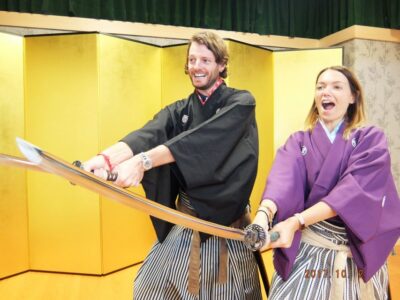
Samurai Sword Class by Experts in Traditional Arts
Read our review →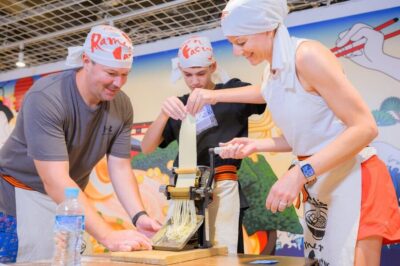
Ramen Cooking Class at a Ramen Factory with Souvenir
Read our review →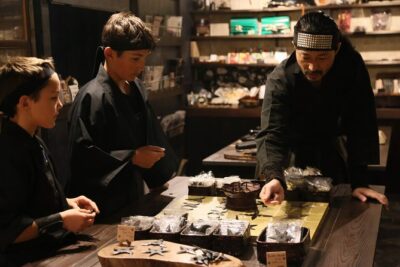
Ninja 1-hour Hands-on Lesson by Japanese master in Kyoto -Entry
Read our review →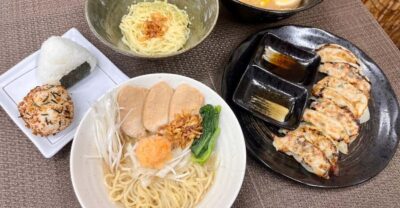
The Original Small-Group Sushi Making Class in Kyoto
Read our review →Also filed under