
Reviewed · TEA CEREMONIES
A Unique Antique Kimono and Tea ceremony Experience in English
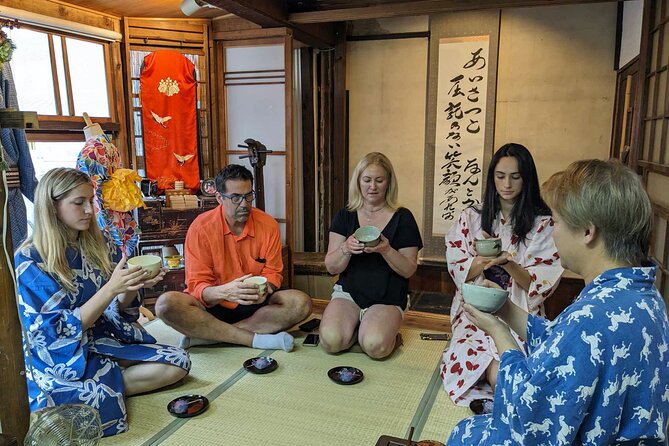
Kyoto slows down in a kimono. This small-group antique kimono and matcha experience puts you in a 100-year-old private house near Katsura Imperial Villa, where you learn etiquette and the steps behind matcha tea. I especially like how the hosts guide you through tea customs in English and how the whole setup feels quiet and unhurried, thanks to the neighborhood location.
Two highlights that really matter for your trip: you get the antique kimono rental included, and you learn from a tea host with 20+ years of experience. One possible drawback to note, though: this is a home setting, not a showy tea garden, and the whole experience runs about 1.5 hours, so if you want a long, deep workshop plus lots of different teas, you might wish you had more time.
In This Review
- Key things to know before you go
- A quiet Kyoto stop inside Miyagawa Tokusaburo Shoten
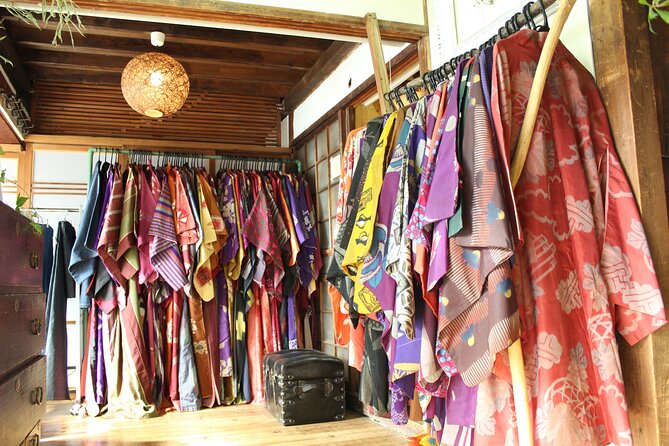
- Antique kimono rental that feels personal, not costume-shop
- Your 90-minute flow: what happens from arrival to farewell
- Small-group English lessons with room for questions
- Matcha making and tea etiquette: where the meaning lives
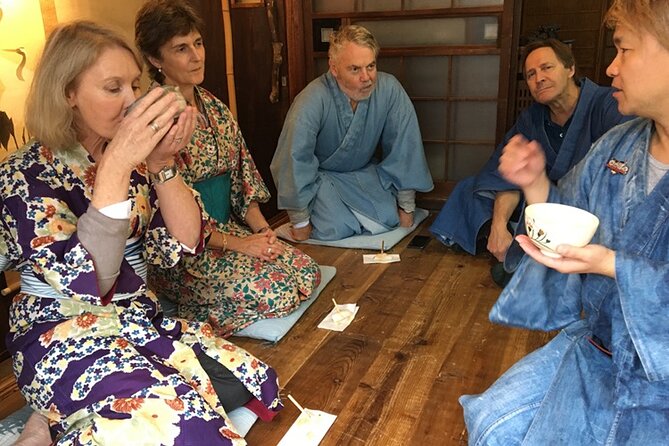
- The 100-year-old house experience: quiet, photo-friendly, and human
- Price and value: what $99.10 includes, and what you should compare
- Who should book this Kyoto matcha and kimono ceremony
- Should you book this tour? My decision guide
- FAQ
- How long is the Kyoto antique kimono and tea ceremony experience?
- What is the price per person?
- Is the tea ceremony experience in English?
- What group size should I expect?
- Is an antique kimono rental included?
- What does the tea ceremony include?
- What is not included in the price?
- Where do I meet for the experience?
- Is mobile ticketing used?
- Can I bring a service animal?
Key things to know before you go
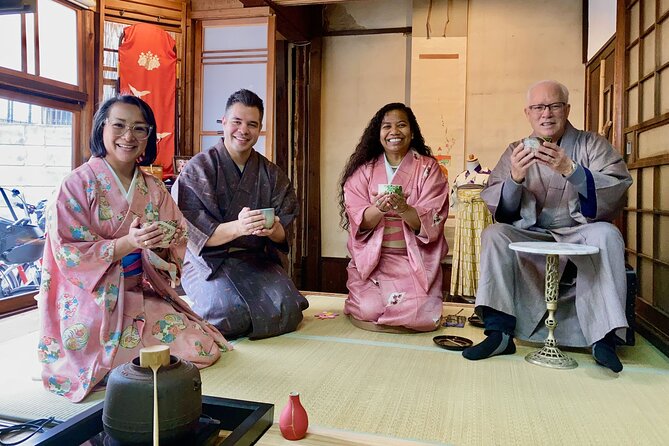
- Antique kimono rental is included, and you can choose what you wear before the ceremony.
- The tea ceremony happens in a 100-year-old private house near Katsura, away from the busiest streets.
- The host, Toku (and his wife and assistant), walk you through etiquette and manners with lots of patience.
- It’s capped at six people, which keeps the vibe calm and question-friendly.
- The focus includes matcha preparation, plus Japanese sweets with green tea.
- It’s offered in English, so you do not need tea-culture background first.
A quiet Kyoto stop inside Miyagawa Tokusaburo Shoten
This experience starts at Miyagawa Tokusaburo Shoten, at 32-4 Katsuranozatochō, Nishikyo Ward. The address is in the same general area where you get that Katsura Imperial Villa calm, which is a big part of why this feels different from the quick, scripted tea stops you see around central Kyoto.
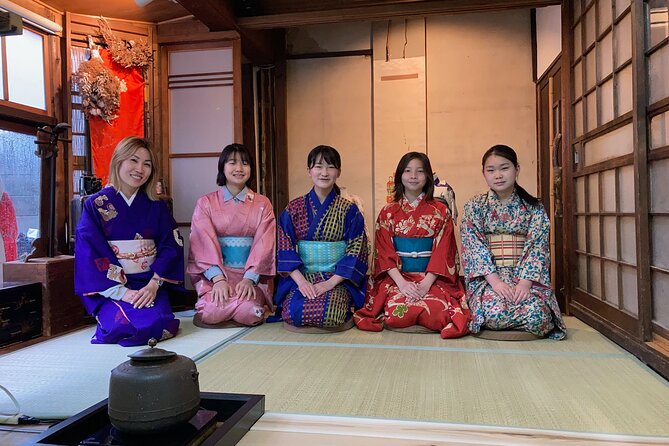
Instead of squeezing into a busy public venue, you settle into an old private house that is over 100 years old. The setting matters because tea ceremony is about slow attention, not spectacle. In other words, you get fewer distractions, and that makes the etiquette lesson actually stick.
One more practical plus: it is near public transportation, so you are not forced into a complicated routing plan just to get there.
Antique kimono rental that feels personal, not costume-shop
Let’s talk clothing, because this is a major draw. The rental fee for the antique kimono is included in the $99.10 per person price, and you are not just handed something generic. You get help selecting a kimono, choosing an obi, and getting styled properly for the ceremony.
What I like is the way the host treats dressing like part of the experience, not an annoying pre-show. Multiple reviews mention Toku as a kimono styling expert, plus help from his wife and assistant with things like hair accessories. That small attention to detail is what turns a rental into something memorable.
A note on expectations: this is about antique kimono, so the pieces can feel special and different from the glossy, brand-new looks you may have seen in other parts of Kyoto. If you are chasing only the most dramatic “tourist-kimono” look, focus on the fact that you are wearing something older and rarer, then let the ceremony be the payoff.
Walk the old streets in kimono
- Kimono Tea Ceremony at Kyoto Maikoya, NISHIKI
★ 5.0 · 911 reviews - Kyoto: Kimono Rental with Hairstyling and Accessories
★ 4.8 · 653 reviews - Kyoto: Kimono Tea Ceremony at Orizuruya Gion
★ 4.9 · 618 reviews - KYOTO Tea Ceremony with kimono near by Imamiya Jinjya Shrine
★ 5.0 · 343 reviews
Your 90-minute flow: what happens from arrival to farewell
The activity is about 1 hour 30 minutes, and it runs back to the starting point. The format is steady and calm: you arrive, you get dressed, you learn the etiquette, then you experience the matcha making and tasting.
Here is what that flow usually means for you on the ground:
First, you show up at the shop and meeting location. You will be greeted, and then you move into the kimono selection and styling stage. Plan on taking a bit of time to get comfortable, because kimono fit can change how you stand, sit, and move.
Next comes the etiquette portion. You will learn traditional manners for the ceremony, and the host also covers cultural context, including the relationship between samurai and the tea ceremony. That part is more interesting than it sounds, because it reframes tea as discipline and social code, not just a drink.
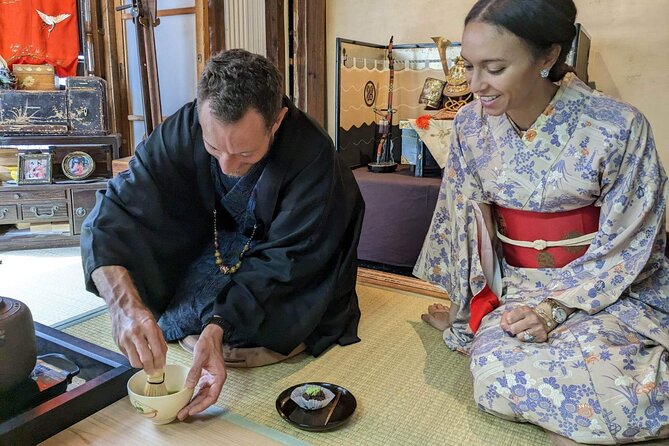
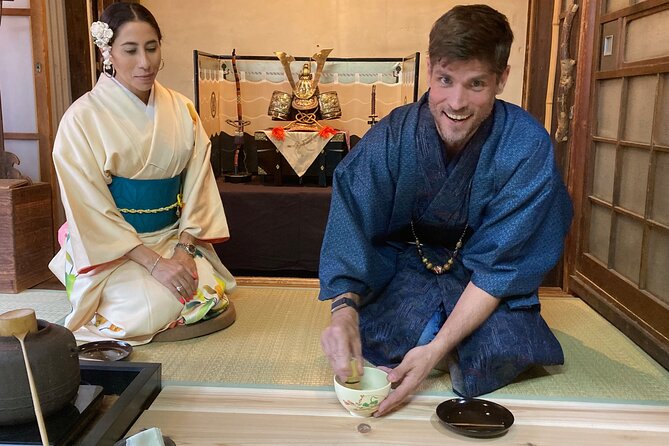
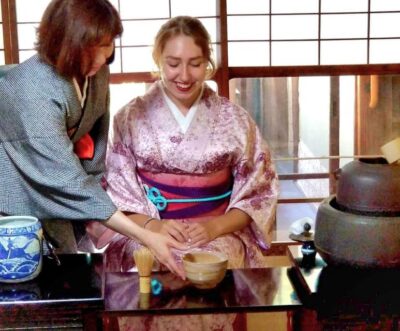
Then you move into the matcha segment. You learn how matcha tea is made, step by step, with clear explanations in English. Finally, you enjoy green tea and Japanese sweets as part of the ceremony.
If you have ever watched tea ceremony videos where everything looks scripted, this helps you understand why it is structured. The slowness is the point.
Small-group English lessons with room for questions
The ceremony is capped at six travelers, which is a sweet spot. It is small enough for you to ask questions and feel seen, but not so tiny that it turns into an awkward private performance.
English availability is explicitly listed, and it shows in how the host teaches. Reviews repeatedly praise the patience and clarity, with Toku described as kind and welcoming and his background in tea emphasized. That combination matters because tea etiquette has specifics, and you need a guide who can explain without rushing you.
One detail I think you will appreciate if you are traveling with kids or mixed-age groups: the experience is set up to be welcoming for young children. Reviews mention the host handling younger participants well, which suggests the pace is gentle and supportive rather than rigid.
Also, the ceremony is described as solemn, but the hosts keep things warm. That mix is ideal: respectful tradition, human guidance.
Matcha making and tea etiquette: where the meaning lives
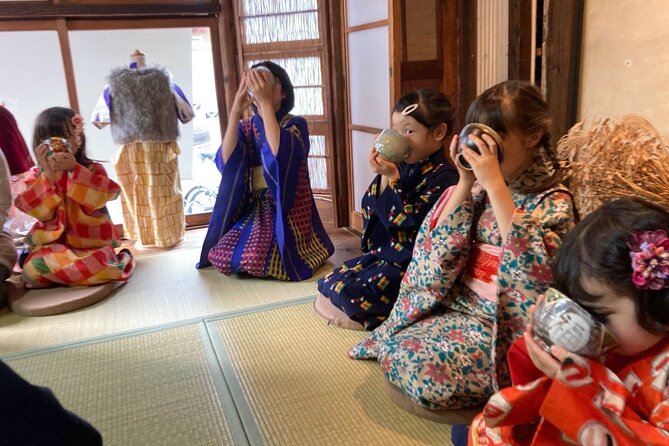
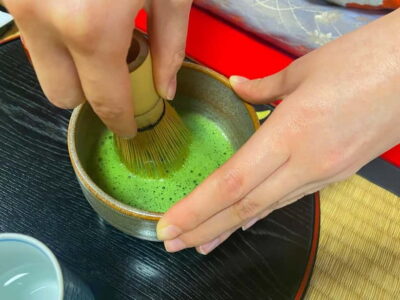
The headline promise is learning how matcha tea is made, and the experience delivers that through a structured walkthrough. Matcha is not just tea powder in hot water. The ceremony includes preparation steps, tools, and hand movements that you learn as part of the etiquette.
What you are really gaining, though, is the logic behind the ritual. Tea ceremony etiquette trains attention: how you receive, how you hold yourself, and when you speak. Even if you never remember every single movement perfectly, you start feeling the tempo.
The host also shares history and cultural connections, including why samurai culture intersected with tea. That context helps you see the ceremony as a practice of mindset and manners. It is less about mystique and more about social discipline.
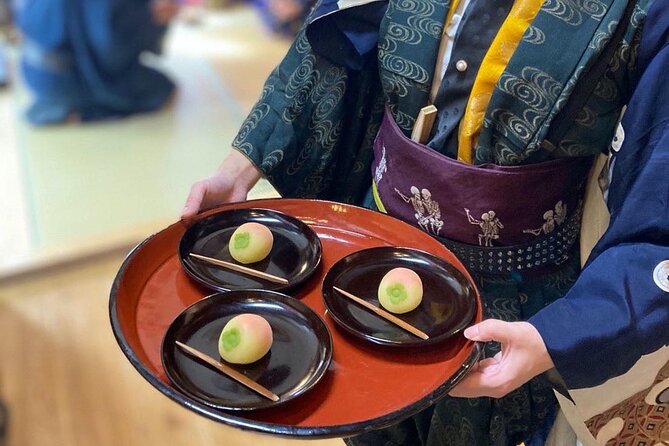
And yes, you also taste the results. The included tea ceremony fee covers green tea and Japanese sweets, which give you a complete “from preparation to tasting” loop.
If you are a visual learner, watch how the host demonstrates each step before you try. Reviews highlight that the ceremony is done slowly and explained carefully, which is exactly what you want for your first matcha lesson in Kyoto.
The 100-year-old house experience: quiet, photo-friendly, and human
The venue is close to Katsura Imperial Villa, which is one of the reasons the atmosphere feels calm. The house being over 100 years old also adds weight to the moment. You are not learning tea in a modern room built for tourists. You are learning it in a lived-in space, which makes the ceremony feel grounded.
Photography is another practical piece. Multiple reviews mention the hosts take photos and that there is plenty of time for pictures. Since you will be in antique kimono, this matters. You want photos that capture the whole experience, not only a quick selfie moment.
You might also see opportunities for themed photo setups. One review mentions a sword prop for a photo series. Do not count on it, but if it is available during your visit, it is a fun way to capture the samurai tea connection in a light, photo-friendly manner.
The main “feel” of this experience, though, is still the calm. If you are tired of crowds, this is the kind of stop that resets your energy.
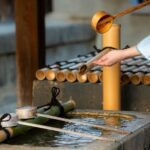
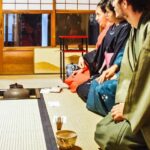
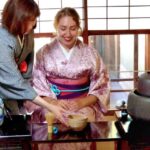
More bowls, poured the traditional way
Price and value: what $99.10 includes, and what you should compare
At $99.10 per person, this is not the cheapest tea experience in Kyoto. But the included items change the math.
You get:
- Antique kimono rental fee
- Tea ceremony experience fee, including green tea and Japanese sweets
- An English-led ceremony with a host who has 20+ years of experience
- A small-group cap of six, which usually means more attention than big tours
So you are paying for both the clothing experience and the guided lesson. For many visitors, the kimono rental alone would be a separate cost on its own. Here, it is bundled into a single 90-minute cultural session with tea instruction.
Is it worth it? For most people who enjoy tradition, quiet settings, and hands-on learning, yes. The overall rating is 4.9, with 97% recommending it, so the experience clearly lands with a lot of travelers.
The one fair caution is the “fit” of expectations. One review said it felt below expectations because the time felt short and they wanted more tea-related process and tasting. Keep in mind that your duration is 1.5 hours, so the approach is structured, not a long multi-course tea tasting evening.
Who should book this Kyoto matcha and kimono ceremony
This tour makes the most sense if you want:
- A tea ceremony lesson in English
- A small group setting
- Antique kimono styling as part of the learning experience
- A calm Kyoto experience near Katsura, not a busy crowd scene
You should also consider it if you care about learning etiquette, not only drinking matcha. Tea ceremony etiquette is where people usually say they remember the experience after the taste fades.
It might be less ideal if you:
- Want lots of different teas to sample in quantity
- Expect an outdoor garden setting with major sightseeing built in
- Plan on making this your main “tea masterclass” with deep theory and extended practice
Should you book this tour? My decision guide
Book this if you want a respectful Kyoto tradition taught at human speed, with antique kimono rental included and a calm setting that makes the ceremony feel real. The small-group cap and English instruction are strong advantages, and the hosts seem focused on explaining every step without making you feel rushed.
Skip or compare if your main goal is tasting many different teas or spending far more time on hands-on matcha practice. This experience is about the ceremony rhythm, etiquette, and a complete matcha moment in 90 minutes.
If you like quiet, you like details, and you want one standout cultural session in Kyoto without the crowd pressure, this is a very solid choice.
FAQ
How long is the Kyoto antique kimono and tea ceremony experience?
It lasts about 1 hour 30 minutes.
What is the price per person?
The price is $99.10 per person.
Is the tea ceremony experience in English?
Yes, it is available in English.
What group size should I expect?
The activity has a maximum of 6 travelers.
Is an antique kimono rental included?
Yes. The antique kimono rental fee is included.
What does the tea ceremony include?
The tea ceremony includes green tea and Japanese sweets, along with the tea ceremony experience fee.
What is not included in the price?
Lunch and dinner are not included.
Where do I meet for the experience?
You start at Miyagawa Tokusaburo shoten, 32-4 Katsuranozatochō, Nishikyo Ward, Kyoto, 615-8073, Japan. It ends back at the meeting point.
Is mobile ticketing used?
Yes, this activity uses a mobile ticket.
Can I bring a service animal?
Yes, service animals are allowed.
New This Season
- Koyasan Day Trip by Private Car from Kyoto
- Old Port Town and Ultimate Sake Tasting Private Tour From Kyoto
- Kyoto’s Timeless Charm: 3hr Exploration of History and Peace
- Kyoto: 5 Types of Sushi Making
- Sacred Peak & Ancient Paths: Kurama-Kibune Hiking Experience
- Kyoto: Exclusive ZEN practice at Manpukuji temple in Uji
- Kyoto: Private Seasonal Aroma Yoga Class
- Traversing Kyoto’s Scenic West – Arashiyama to Kinkakuji
Tea Ceremonies, compared.
Tea Ceremony in a Traditional Tea House in Kiyomizu
Read our review →
Kimono Tea Ceremony at Kyoto Maikoya, NISHIKI
Read our review →
Tea Ceremony in 100-year-old Kyo-Machiya Townhouse
Read our review →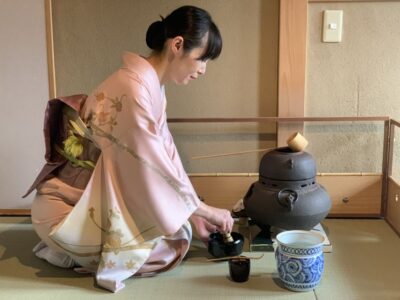
Also filed under