
Reviewed · GION GEISHA QUARTER WALKS
Geisha at Dusk: A Stroll Through Old Kyoto
That first step into old Kyoto feels like a time shift. This tour strings together Ebisu Shrine rituals, temple calm, and classic Gion streets timed for dusk, when the atmosphere clicks into place. I love how you get both culture and atmosphere in one short walk, and I also love that the guide, Romi, keeps things lively with pointed explanations and easy back-and-forth questions. One catch to plan for: you might not always spot a maiko or geiko during the route.
The value here is less about checking boxes and more about understanding what you are seeing as you walk. You start with a quick ritual at Kyoto Ebisu Shrine, then move through Kennin-ji Temple grounds, and finally end in Gion Shirakawa along the river-side townhouses. If you prefer guaranteed photo moments, you should know the tour does not promise encounters with maiko or geiko.
In This Review
- Key highlights worth your attention
- Meeting at Donguri-bashi Park, then walking straight into old Kyoto
- Kyoto Ebisu Shrine: the coin-toss ritual and the smile-face meaning
- Kennin-ji Temple grounds: where the atmosphere slows down
- Hanamikoji Street: traditional townhouses and the thrill of waiting
- Gion Shirakawa and the Shirakawa River: dusk turns the townhouses poetic
- What you learn from a guide like Romi, and why it changes the walk
- Practical pacing: comfortable shoes, camera time, and smart expectations
- Price and value: $20 for a guided dusk loop that makes sense
- Who this tour fits best (and who should choose something else)
- Should you book Geisha at Dusk?
- FAQ
- How long is the Geisha at Dusk tour?
- Where does the tour start?
- What is included in the price?
- What is the unique Ebisu ritual during the tour?
- Will I see a maiko or geiko on this tour?
- What should I bring?
Key highlights worth your attention
- Kyoto Ebisu Shrine starts the tour with the prosperity coin-toss ritual
- Kennin-ji Temple grounds include a look at the Wind and Thunder Gods picture
- Hanamikoji Street delivers the iconic wooden townhouse streetscape
- Gion Shirakawa at dusk is a calmer, slower-feeling end to the walk
- A small-group format makes it easier to ask Romi questions as you go
- The timing is built for sunset and the transition to after-dark scenes
Meeting at Donguri-bashi Park, then walking straight into old Kyoto
The tour begins at 団栗橋公園 (Donguri-bashi Park), where your guide meets you at a very specific spot: Donguri-bashi Park, coordinates 35.0018215, 135.771567. That matters more than it sounds. In Kyoto, getting your bearings right away saves time and stress, especially because the best part of this walk is the flow from one historic area to the next.
From the start, you will be in walking mode. The itinerary includes several photo stops and short segments of guided walking, then a longer stretch by the Shirakawa River. This pacing is one reason the tour works well as a 2-hour plan. It is enough time to feel the neighborhoods, but not so long that you lose the magic from fatigue.
I also like that the tour is explicitly wheelchair accessible. If you have mobility needs, that is worth taking seriously when you choose a Kyoto experience.
Kyoto Ebisu Shrine: the coin-toss ritual and the smile-face meaning
Your first stop is Kyoto Ebisu Shrine, dedicated to Ebisu, one of Japan’s Seven Lucky Gods. Ebisu is associated with prosperity, so it is a fun opener for a tour that is essentially about walking through good-looking old streets.
What makes this start memorable is the ritual. You toss a coin into a box beneath Ebisu’s smiling face. It is simple, a little playful, and surprisingly effective as a mental warm-up for the rest of the route. You are not just looking at scenery. You are participating in a tradition tied to good fortune.
You will also get context from the guide along the way. One reason people love this tour is that the guide points out interesting objects and explains their significance in Japanese culture, not in a textbook way. That makes the shrine stop feel like a doorway into the rest of Kyoto’s layers, not a detour on the way somewhere else.
Lantern-lit streets of the geisha quarter
- Kyoto Geisha Walking Tour: Gion District & Hidden Gems
★ 4.7 · 3,273 reviews - Kyoto: Gion Magical Night Walking Tour with Geisha Trivia
★ 4.9 · 2,393 reviews - Kyoto: Gion Geisha District Walking Tour – Stories of Geisha
★ 4.7 · 2,187 reviews - Best of Kyoto: Gion, Geisha, Pagodas & Cobblestones
★ 4.9 · 2,058 reviews
Kennin-ji Temple grounds: where the atmosphere slows down
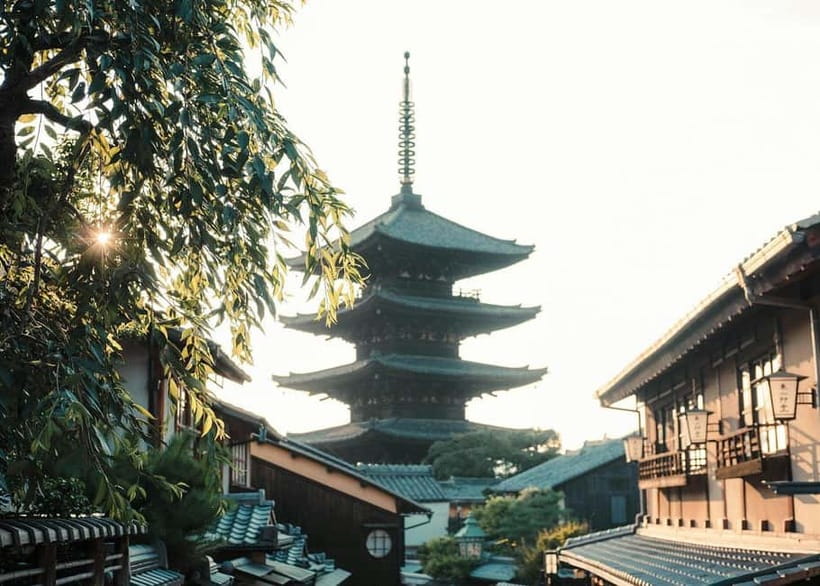
After Ebisu, you pass through the serene grounds of Kennin-ji Temple. This is where the tour gives your brain a breather. Shrines and streets can feel “visual busy” in Kyoto, but Kennin-ji is quieter and more grounded.
One highlight here is the famous Wind and Thunder Gods picture. It is part of the temple’s cultural treasures, and the guide uses it as a conversation starter. You are not just seeing an image. You are learning why it appears in that sacred setting and what it represents in Kyoto’s cultural imagination.
In a 2-hour experience, adding a temple grounds walk is not always a safe bet. Some tours make it too rushed. Here, the timing works because Kennin-ji sits naturally between the shrine start and the street life of Hanamikoji.
Practical tip: plan for a little transition time in your head. You go from a ritual action at Ebisu to a calmer, slower walk in temple grounds. That shift is part of the charm.
Hanamikoji Street: traditional townhouses and the thrill of waiting
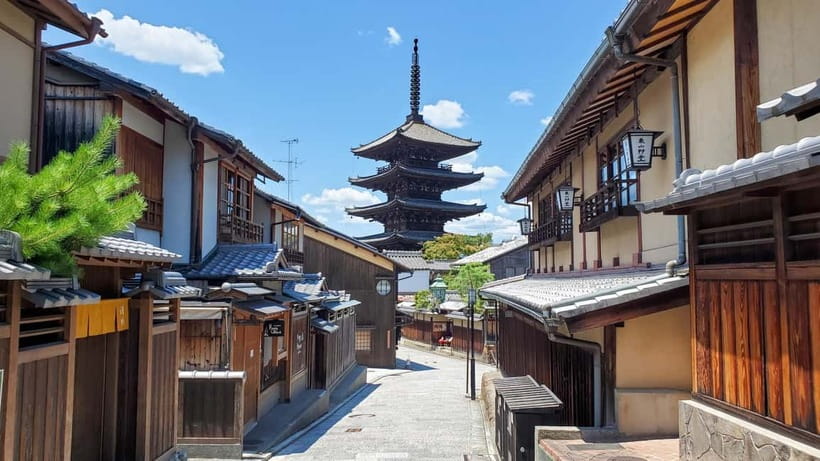
When you reach Hanamikoji Street, the feeling changes quickly. Suddenly you are in one of Kyoto’s most atmospheric and popular streets, surrounded by preserved traditional townhouses.
This is the moment where the tour delivers on the classic Kyoto look, the wooden facades, the historic street rhythm, and the sense that the city has layers. You will likely take photos here because the streetscape is designed for it, and the tour includes a stop for sightseeing and guided time.
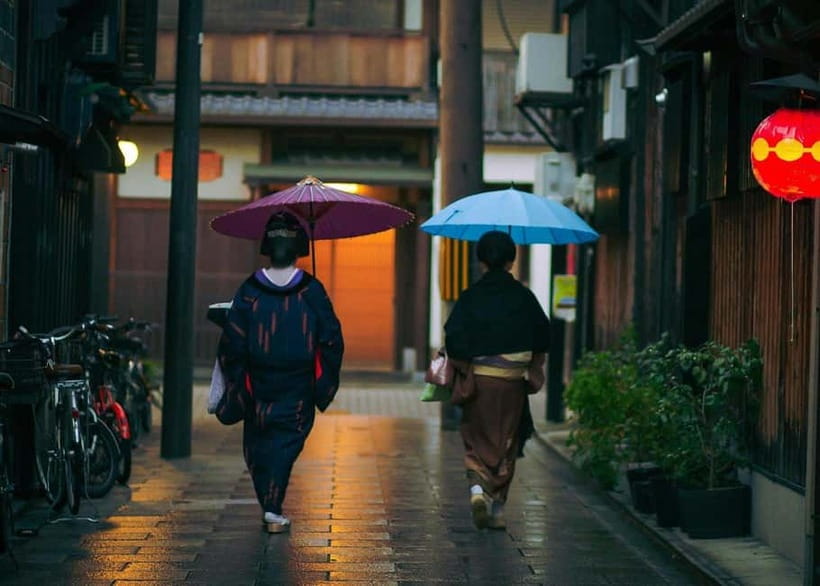
The other thing to watch for is timing and movement. If you are lucky, you might spot a maiko or geiko passing by. The tour does not guarantee encounters, and that is an honest and helpful note. Still, having your guide in your ear increases your chances in the everyday way, because they can point out what to look for and where to look from as you stroll.
Even if you never see a dancer-in-training, Hanamikoji remains worth it. It is one of those places where the real value is walking slowly enough to notice details: the shape of the townhouses, the street texture, and how the street “holds” Kyoto’s traditional image.
A small-group format helps here too. With fewer people, the guide can answer questions without the whole walk turning into a lecture you cannot follow.
Gion Shirakawa and the Shirakawa River: dusk turns the townhouses poetic
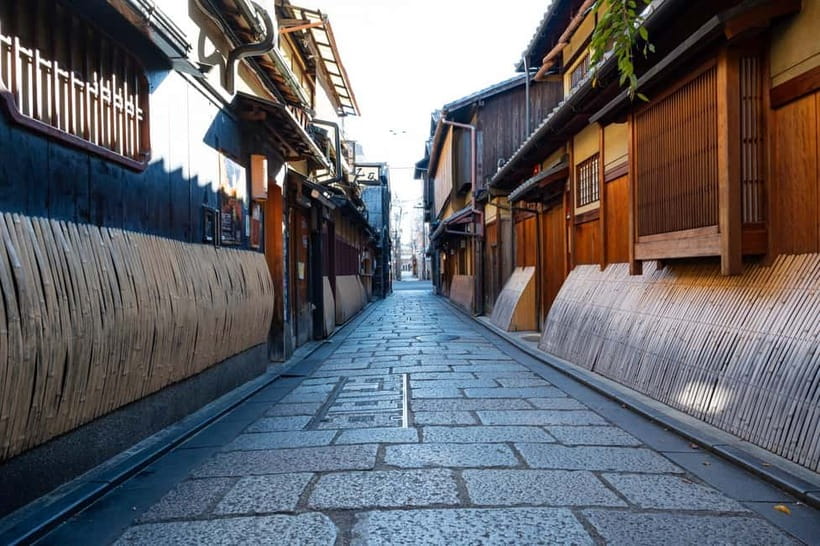
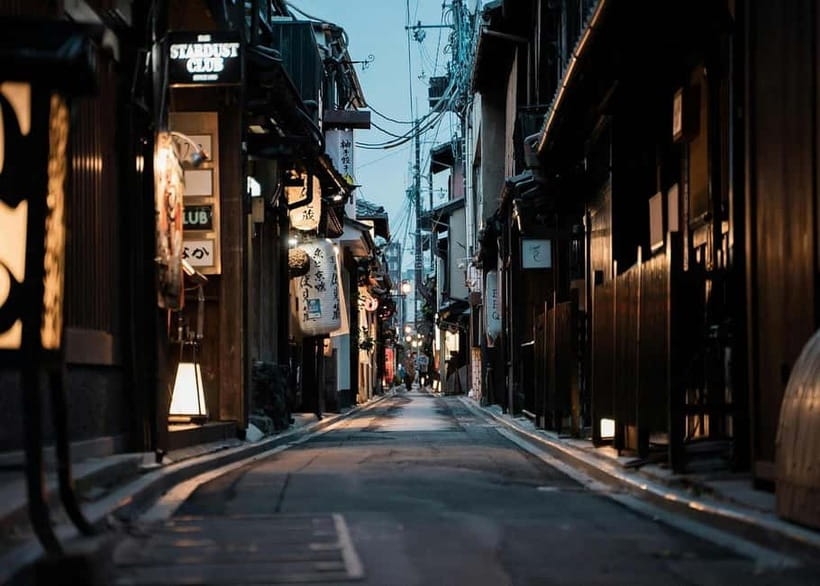
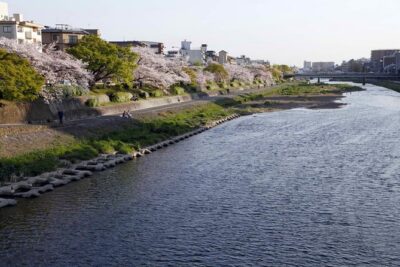
The final stretch is Gion Shirakawa, where you walk along cobblestone paths lined with traditional wooden townhouses by the clear Shirakawa River. This section is where the tour leans hard into atmosphere.
Why does this matter? Because Kyoto at dusk is not just daytime Kyoto with dimmer lights. The colors soften, the streets feel calmer, and the river-side setting makes the wooden townhouses look even more timeless.
You spend guided time and walking time here, including a focused stop by the Shirakawa area. The itinerary gives you a longer window, which makes sense. When the route is built for dusk, you want time to let the scene settle in, not just pass through.
The tour’s timing is specifically praised for landing around sunset and then moving into after-dark scenes. If you have been to Kyoto in the wrong lighting, you know how much that changes your experience. This is one of those rare cases where the clock is part of the product.
Photography note: cobblestones and river reflections can be forgiving for photos, but your feet will notice the ground. Comfortable shoes make a difference, especially if you arrive ready to walk.
What you learn from a guide like Romi, and why it changes the walk
The most praised element from the tour experience is the guide, Romi, described as warm, friendly, and very good at explaining details that connect to Japanese culture. That shows up in a few ways during the walk.
First, the guide points out interesting objects along the way. In Kyoto, that could mean anything from a visual detail on a building to a cultural cue near a shrine setting. Without that guidance, you can still enjoy the street views, but you might miss why a small detail is meaningful.
Second, the guide answers questions clearly, including the odd ones. That sounds informal, but it is a big deal. Kyoto is full of traditions and symbols that do not always translate directly. A guide who can respond in English helps you understand what you are seeing without forcing you into guessing mode.
Finally, the small group matters. It supports conversation. You can get clarification instead of rushing to keep up.
Even though you might not always see maiko or geiko, the tour still gives you what you came for: a guided way to read the streets of old Kyoto with confidence.
A quieter way to spend a day in Kyoto




Practical pacing: comfortable shoes, camera time, and smart expectations
This experience runs for 2 hours. That is a sweet spot for Kyoto’s walking style. You get enough time for multiple historic stops, but you are not locked into an all-afternoon slog.
What to bring is straightforward:
- Comfortable shoes
- A camera
I would add one more practical mindset: expect a mix of standing, walking, and short guided stops. So, if you are sensitive to uneven ground or crowds, choose your footwear like you mean it. Cobblestones near Shirakawa are not the place for fashion sneakers that do not have grip.
Also, manage expectations about geisha sightings. The tour explicitly notes that you may not always encounter maiko or geiko. I think that is good planning advice. If seeing geisha performers is your only goal, consider adding a second Kyoto plan for flexibility. If you want the culture of the streets and the dusk atmosphere, this is a strong fit even without a sighting.
Price and value: $20 for a guided dusk loop that makes sense
At $20 per person for a 2-hour guided walk, this falls into the category of “reasonable Kyoto value.” You are paying for a live English guide and a route that intentionally connects three different vibes: shrine ritual, temple calm, and Gion street energy.
Does it include a meal? No. So you should plan to eat before or after. The upside is you are not timing your experience around food stops, which keeps the 2-hour structure clean and focused.
What makes it good value is the density of recognizable places in a short window. You start at Donguri-bashi Park, go to Kyoto Ebisu Shrine for a unique coin-toss ritual, pass through Kennin-ji Temple grounds with the Wind and Thunder Gods picture, walk Hanamikoji Street for the townhouse scenery and possible sightings, and finish in Gion Shirakawa along the river-side cobblestones.
If you are already in Kyoto and you want one guided “best of old streets at dusk” plan, $20 is not a bad deal for that kind of guided continuity.
Who this tour fits best (and who should choose something else)
This works especially well if you:
- Want to see traditional Kyoto streets without spending your whole day sorting logistics
- Like a guided pace where someone explains what you are looking at
- Enjoy dusk lighting and want that transition from sunset to after dark
- Prefer a small-group feel so you can ask questions
It is also a nice choice for first-timers to Kyoto’s historic east-side areas, because the route is logical. It starts with a prosperity deity ritual, shifts to temple culture, then flows into the streets people associate with Kyoto’s traditional image.
Who might prefer a different option? If you want a long tour with lots of stops and time for heavy museum-style details, 2 hours may feel short. If you want guaranteed geisha or maiko encounters, this tour is transparent that sightings are not assured.
Should you book Geisha at Dusk?
Book this if you want a short, well-timed Kyoto walk that blends a fun ritual, a temple stop with meaningful imagery, and the classic streets of Hanamikoji plus Gion Shirakawa at dusk. The biggest selling point is not just the scenery. It is the guide experience, especially Romi, and the way the walk is structured to land around sunset.
Skip it or pair it with a backup plan if geisha sightings are your only priority. You are getting culture and atmosphere either way, but the tour does not promise encounters. If you go in wanting to understand the streets while the light softens, you will likely have a great time.
FAQ
How long is the Geisha at Dusk tour?
The tour lasts 2 hours.
Where does the tour start?
You meet at 団栗橋公園 (Donguri-bashi Park). The listed coordinates are 35.0018215, 135.771567.
What is included in the price?
The tour includes a local guide. A meal is not included.
What is the unique Ebisu ritual during the tour?
At Kyoto Ebisu Shrine, you toss a coin into a box beneath Ebisu’s smiling face as part of the ritual.
Will I see a maiko or geiko on this tour?
You may not always encounter maiko or geiko during the tour, so it is best to treat sightings as a bonus rather than a guarantee.
What should I bring?
Bring comfortable shoes and a camera.
New This Season
- Koyasan Day Trip by Private Car from Kyoto
- Old Port Town and Ultimate Sake Tasting Private Tour From Kyoto
- Kyoto’s Timeless Charm: 3hr Exploration of History and Peace
- Kyoto: 5 Types of Sushi Making
- Sacred Peak & Ancient Paths: Kurama-Kibune Hiking Experience
- Kyoto: Exclusive ZEN practice at Manpukuji temple in Uji
- Kyoto: Private Seasonal Aroma Yoga Class
- Traversing Kyoto’s Scenic West – Arashiyama to Kinkakuji
Gion Geisha Quarter Walks, compared.
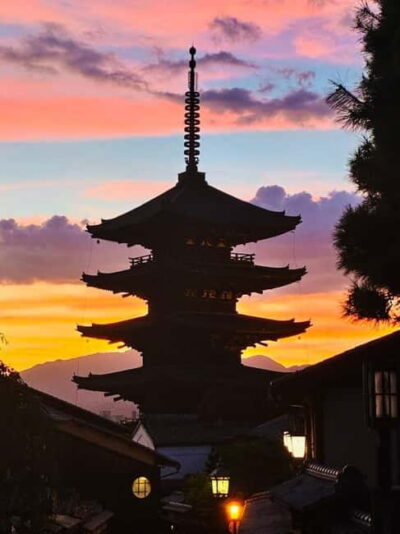
Kyoto Geisha Walking Tour: Gion District & Hidden Gems
Read our review →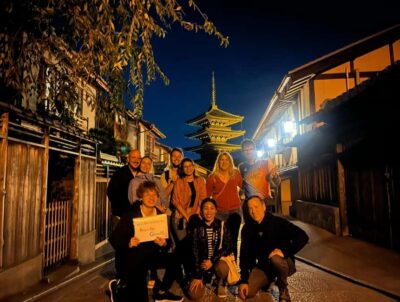
Gion Magical Night Walking Tour with Geisha Trivia
Read our review →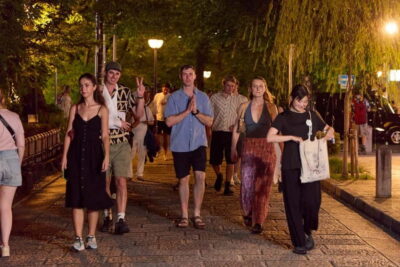
Gion Geisha District Walking Tour – Stories of Geisha
Read our review →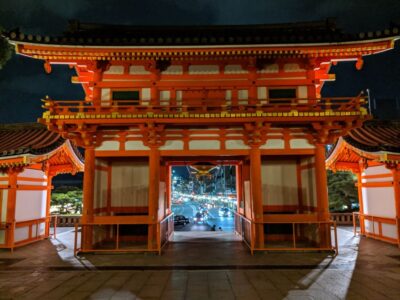
Best of Kyoto: Gion, Geisha, Pagodas & Cobblestones
Read our review →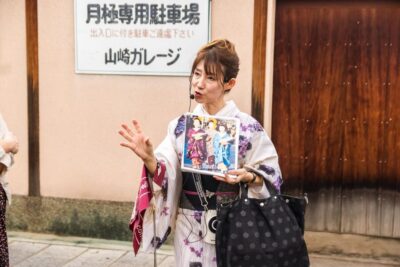
Kyoto Night Foodie Tour in Gion (9+ dishes + 6 Sake tastings)
Read our review →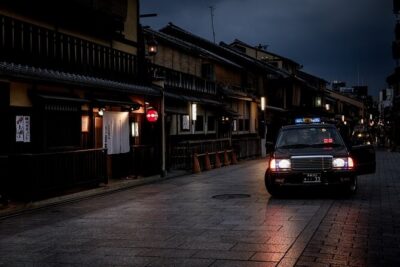
Kyoto Gion Geisha District Walking Tour – The Stories of Geisha
Read our review →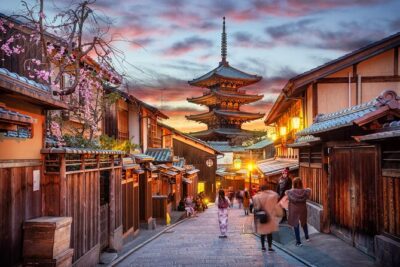
Kyoto Gion: 2-Hour Geisha Culture & History Walking Tour
Read our review →Also filed under