Reviewed · KIYOMIZU-DERA TEMPLE VISITS
Kiyomizudera, Higashiyama and Yasaka Shrine Guided Walking Tour
Kyoto can feel like a maze, until someone explains it. This 3-hour guided walking tour strings together major stops around Higashiyama, so you see more than just photo spots. I like how it pairs famous landmarks like Kiyomizudera with the everyday context around them, from old streets to Shinto shrines.
Two things I really liked: the guide’s depth of explanation, and the way the route flows from temple to shrine without rushing you off. One consideration: it is a walking tour with several transfers on foot, so comfortable shoes matter, and you’ll want good weather since the tour can be affected by conditions.
In This Review
- Key things to know before you go
- A 3-hour Kyoto walk built around Kiyomizudera and Yasaka
- Meeting point, pacing, and what a small group means
- Kiyomizudera UNESCO viewpoints and the story of Kannon
- Sannenzaka and Ninenzaka old-street strolls for snacks and photos
- Kodaiji Temple gardens and interiors tied to Toyotomi Hideyoshi’s wife
- Maruyama Park cherry blossom season stop and calm breaks
- Yasaka Shrine Shinto practices you can connect to the rest of the route
- Chion-in Sanmon Gate and the walk toward Gion-Shijo
- Price and value: where the $65 goes
- The weather factor you should take seriously
- Who this tour is best for (and who should skip it)
- Should you book this Kiyomizudera to Yasaka walking tour?
- FAQ
- What is the duration of the Kiyomizudera, Higashiyama and Yasaka Shrine guided walking tour?
- How much does the tour cost?
- What is included in the ticket price?
- Are meals included?
- What are the main stops on the walk?
- Is the tour admission free at Yasaka Shrine and Maruyama Park?
- Where does the tour start and end?
- What happens if the weather is poor?
Key things to know before you go
- Small group size (max 9) means more time for questions and fewer “lost in the crowd” moments.
- UNESCO Kiyomizudera is not just a stop, it is your starting point for understanding Buddhist symbolism and Kyoto viewpoints.
- Kodaiji Temple includes both its zen gardens feel and its lavish interiors, tied to Toyotomi Hideyoshi’s wife.
- Old-street window shopping at Sannenzaka and Ninenzaka is built into the walk, with traditional storefront vibes.
- Shinto at Yasaka Shrine adds cultural context you can connect to what you just saw on the temple side.
- Maruyama Park is a seasonal breather, especially in cherry blossom season.
A 3-hour Kyoto walk built around Kiyomizudera and Yasaka
If you only have a short window in Kyoto, this style of tour is exactly the right format: compact, focused, and guided. You start at Kiyomizudera, then move through Higashiyama’s old streets and temple compounds, ending near Gion.
What makes this tour feel practical is that it gives you a path through the area instead of dumping you at one big ticket attraction and hoping you know where to go next. You get a guided route that makes the sights connect: Buddhist themes at Kiyomizudera, temple memory and garden design at Kodaiji, and Shinto history and practices at Yasaka Shrine.
Also, the highlights are the kind you actually want to see in person. It is not just “pretty buildings.” You’re told what to look for, why it matters, and how each place fits into Kyoto’s religious and cultural mix.
Meeting point, pacing, and what a small group means
The tour begins at 112 Tatsumichō, Higashiyama Ward, Kyoto and ends at Gion-Shijo Station. It is near public transportation, so you’re not forced into a long pre-walk just to get started.
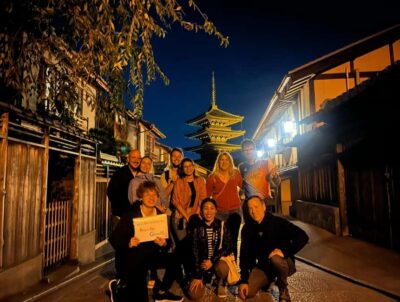
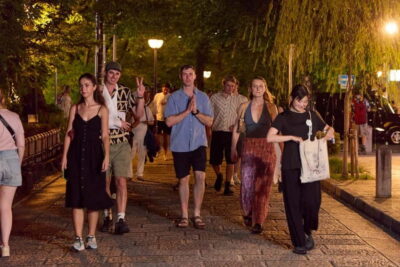
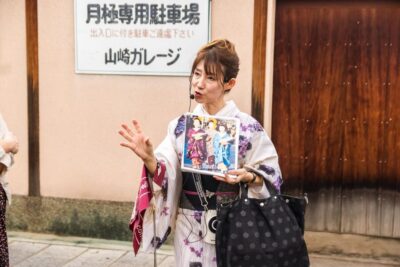
The group is capped at 9 travelers, which I love for this part of Kyoto. Crowds are real around these sights, and a smaller group helps you keep your bearings. More importantly, it gives the guide room to answer questions instead of rushing through them. The review you’ll come across for this tour really highlights that: the guide acts like a walking encyclopedia, and you can ask about shrines and temples as you go.
Pacing-wise, it is set for roughly 3 hours with several short stops. That means you will see a lot, but you will also want to stay focused on what you’re being pointed to. This is not the kind of tour where you can take a 30-minute detour to browse every snack stall, even though the streets are very tempting.
The wooden stage above the hillside
- Kyoto: Tea Ceremony in a Traditional Tea House in Kiyomizu
★ 4.9 · 3,519 reviews - Kyoto: Nijo Castle, Kiyomizu & Fushimi Inari Guided Tour
★ 4.7 · 700 reviews - Kyoto: Nijo, Kinkaku-ji, Arashiyama, Kiyomizu & Fushimi Inari
★ 5.0 · 699 reviews - Kyoto Tea Ceremony & Kiyomizu-dera Temple Walking Tour
★ 5.0 · 115 reviews
Kiyomizudera UNESCO viewpoints and the story of Kannon
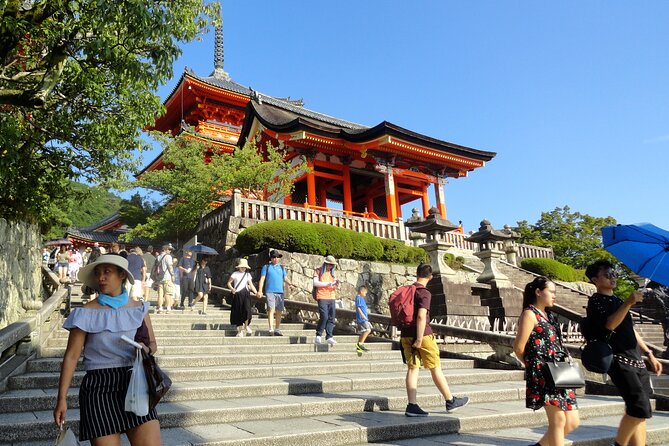
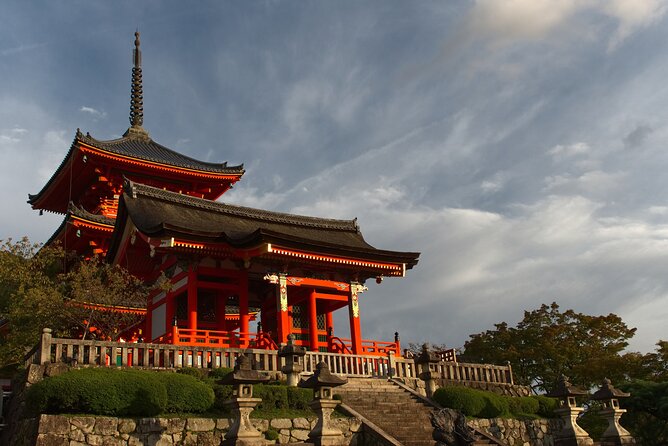
Kiyomizudera is the obvious anchor here, and for good reason. It is a UNESCO World Heritage Site, and the architecture is the main event from multiple angles. The tour gives you a structured entry into what you’re seeing, so the place lands with meaning instead of just spectacle.
You’ll learn about Kannon, the deity of peace and mercy, and you’ll hear about the sacred blue dragon, Seiryuu. That matters because it helps you interpret the visual details you spot around the grounds. When you understand the symbolic references, the carvings and motifs stop feeling random.
Plan for the views too. The tour highlights panoramic viewpoints from the temple area, and that is where Kiyomizudera really earns its fame. If you’re the type of traveler who likes to know what you’re looking at before you stare at it for 10 minutes, this stop will click immediately.
Practical tip: arrive mentally ready for stairs and uneven ground. Even if you’re in good shape, you’ll feel the climb from the surrounding streets. Wear shoes you can move in comfortably, and keep water nearby if weather is warm.
Sannenzaka and Ninenzaka old-street strolls for snacks and photos
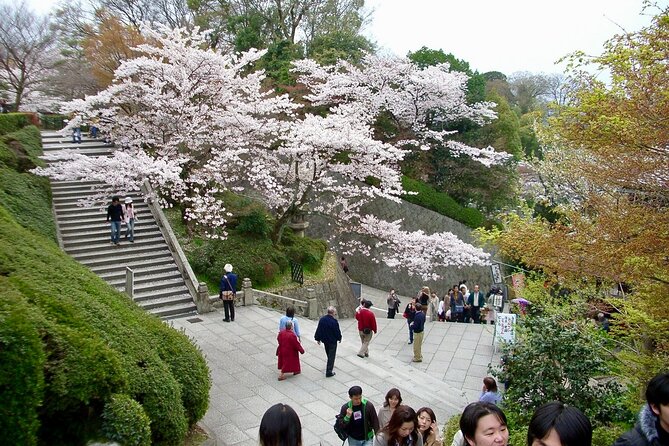
After Kiyomizudera, you shift from temple grounds to the lane that makes Higashiyama feel like Higashiyama: Sannenzaka and Ninenzaka. This segment is only about 30 minutes, so think of it as an orientation stroll rather than a full shopping spree.
What I like about this portion is the way it slows your brain down. You’re walking through old-style streets and seeing traditional architecture up close, with small shops lining the way. The tour does not include tickets here because you’re basically enjoying the street atmosphere, architecture, and the storefront rhythm.
This stop is also a smart place to take quick photos and reset before the next temple. If you time it right, you’ll enjoy the street vibe without feeling like you’re burning your whole tour budget on souvenirs.
One drawback to consider: Ninenzaka and Sannenzaka can be crowded during peak times. Since this is a guided group walk, you may not always have the freedom to stop exactly where you want for as long as you want. Still, the guided context around the temples makes up for it.
Kodaiji Temple gardens and interiors tied to Toyotomi Hideyoshi’s wife
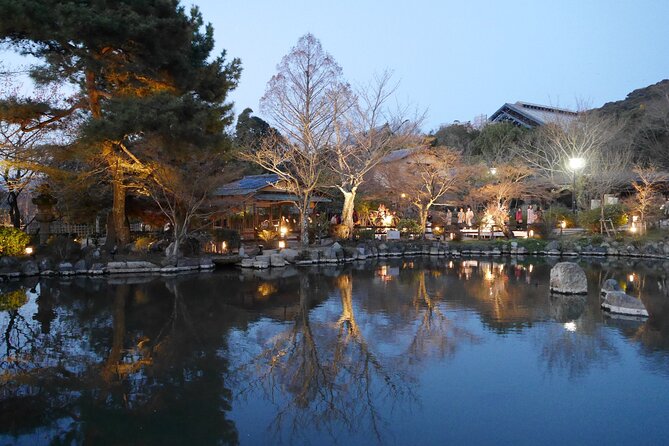
Next up is Kodai-ji (often written Kodaiji). This stop is another included-ticket moment, and it feels like a shift in mood. Where Kiyomizudera gives you big views and famous architecture, Kodaiji leans toward refined atmosphere.
You’ll walk through the street approach first, including Nene no Michi and the continuation from the old-street area. As you approach the temple, the tour frames it around why it exists: it was built in memory of Toyotomi Hideyoshi’s wife. That historical tie gives the visit a grounded reason to be there, beyond “because it’s famous.”
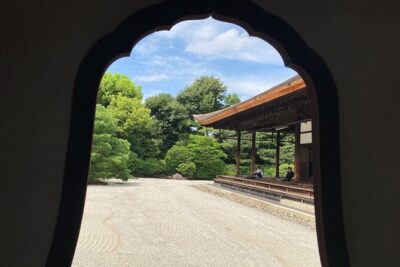
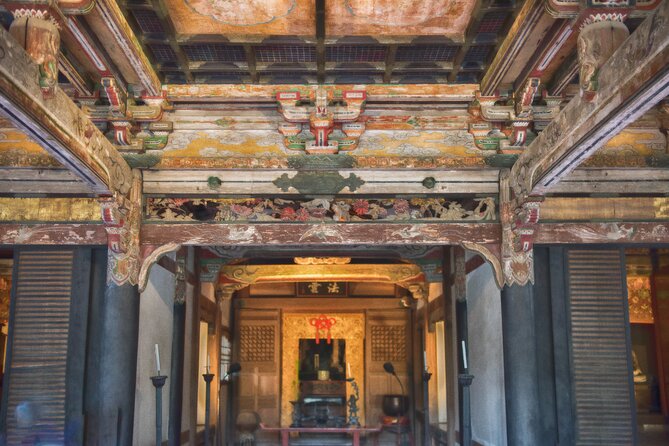
Inside, the highlights are the zen gardens and the lavish interiors. The garden part helps you understand how Japanese temple spaces are designed for looking, pausing, and feeling time slow down. The interiors add a different kind of interest: the decorative side and a sense of ceremony.
A real value point here: the tour includes entry fees for Kodaiji, so you’re not juggling ticket math while trying to follow the guide. You just show up, listen, and enjoy the spaces you paid to see.
Maruyama Park cherry blossom season stop and calm breaks
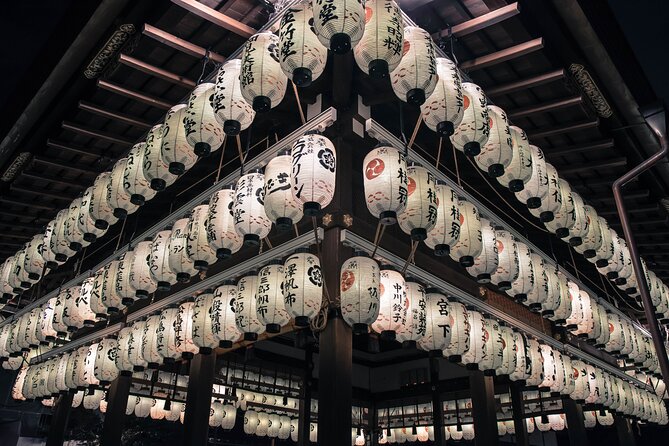
From the temple world, the route lands at Maruyama Park for about 30 minutes. This is a free stop and, in cherry blossom season, it’s known for its famed cherry blossom tree.
Even if you’re not visiting during peak bloom, this break can be useful. You’ve been walking through temple compounds and shrine pathways. A park stop gives you a different texture of time, more open air, and a place to look around without standing in a ticketed line.
Why this belongs in the tour: it helps balance your day. Without it, the itinerary would be heavy on enclosed temple and shrine spaces. With it, your legs get a mini reset and your eyes get a wider view of the neighborhood.
More rooftops worth a detour

Yasaka Shrine Shinto practices you can connect to the rest of the route
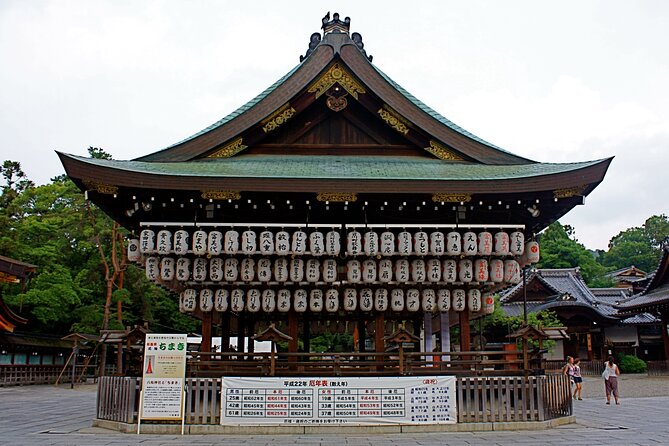
The final major cultural anchor is Yasaka Shrine, reached after Maruyama Park with another 30-minute segment. It is admission free, so you’re not paying extra just to access the experience.
This is where the tour adds the Shinto layer. You’ll learn about Shinto history, culture, and practices, and your guide helps you understand what you’re seeing in a way that is easy to follow. This matters because in Kyoto, temples and shrines can look like cousins to first-time visitors. Having someone explain the differences in belief and ritual helps everything you saw earlier feel more coherent.
Yasaka Shrine is also a great “wrap-up” moment because it transitions you toward Gion. You’re not just ending at a train station, you’re ending in a cultural zone where the religious and daily-life worlds overlap.
If you’re the kind of traveler who likes to understand how people actually use places, this stop is worth your attention. Even a short shrine visit can feel meaningful when you know what practices to look for.
Chion-in Sanmon Gate and the walk toward Gion-Shijo
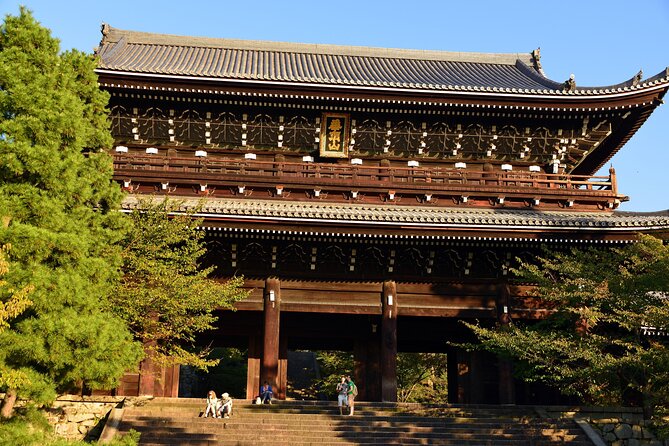
One more highlight included in the tour’s big-picture promise is the Chion-in Temple Sanmon Gate. While the itinerary sections are time-based around the main stops, this is the kind of sight that usually defines the visual feel of the route.
Why it matters: Sanmon gates are powerful architectural moments in Kyoto. They give you that “this is the entrance to something grand” feeling, and they frame the sense that you are moving through a layered historic city rather than just hopping between points.
From there, you finish near Gion-Shijo Station. That finish is useful because it puts you in a practical location for continuing your day. You can head toward dinner plans, take transit, or continue exploring nearby streets without feeling like you’re stuck far from the city’s main arteries.
Price and value: where the $65 goes
At $65 per person for about 3 hours, this is a reasonable price for a guided walking tour that includes two main admissions. Specifically, entrance fees are included for Kiyomizudera and Kodaiji Temple.
That’s the part that makes the math work. Without those included entries, you’d be paying extra on top of the tour. Instead, you’re paying mostly for the guide, the route, and the time spent at the most complex places to navigate.
A small detail I genuinely appreciate is the group size cap of 9 travelers. In Kyoto, the value often comes from how well your guide can keep you together and answer questions. A larger group can turn a meaningful explanation into a race. Here, the smaller cap supports a more personal feel.
Also, you get an English-speaking tour guide and a mobile ticket. That reduces friction on arrival, especially if you’re juggling transit and crowds.
The weather factor you should take seriously
This tour requires good weather. If it’s canceled due to poor conditions, you’ll be offered a different date or a full refund. That matters because temple neighborhoods can be slippery, visibility can drop, and crowds can become difficult to manage safely when conditions are unpleasant.
If you’re planning your Kyoto days, keep this tour near the middle of your schedule, not on the one day you’re least flexible. That way, if the forecast turns, you have backup options.
Who this tour is best for (and who should skip it)
This tour is a strong match if you:
- want a guided route through Higashiyama that makes sense to first-timers
- enjoy religion and culture explanations, not just photos
- like the idea of asking questions and getting clear answers from an English-speaking guide
- want a short Kyoto experience that covers multiple major stops without planning every turn
It might be less ideal if you:
- prefer totally free-form exploration with lots of long solo breaks
- struggle with walking and stairs, since several stops involve movement through temple areas and old streets
- hate crowds and timed walking groups, because some of these places are popular by nature
The best part is that even though it is “famous Kyoto,” the guidance keeps it from feeling generic. You’re taught what to notice, especially at Kiyomizudera and Yasaka Shrine.
Should you book this Kiyomizudera to Yasaka walking tour?
Yes, I think you should book it if you want a high-value, high-context Higashiyama day. The pricing works better than it looks at first glance because admissions for Kiyomizudera and Kodaiji are included. And the guide factor is the real reason this tour earns repeat interest: you get detailed explanations and answers, not just a script of stop names.
Book it especially if you’re the type who wants to understand Kyoto’s mix of Buddhist and Shinto culture instead of treating every building as a photo backdrop. With a max group size of 9, you should feel more like you’re learning with a guide than being processed through a crowd.
If you can line up a day with decent weather and wear comfortable shoes, this is one of those tours that helps your Kyoto trip feel organized, meaningful, and not exhausting.
FAQ
What is the duration of the Kiyomizudera, Higashiyama and Yasaka Shrine guided walking tour?
It runs for about 3 hours.
How much does the tour cost?
The price is $65.00 per person.
What is included in the ticket price?
The tour includes an English-speaking tour guide and entrance fees for Kiyomizudera and Kodai-ji (Kodaiji). Other stops are free or without admission.
Are meals included?
No. Meals and other drinks are not included.
What are the main stops on the walk?
You’ll visit Kiyomizudera, walk through Sannenzaka and Ninenzaka, see Kodaiji Temple, visit Maruyama Park, and go to Yasaka Shrine. The route also includes the Chion-in Temple Sanmon Gate as part of the highlights.
Is the tour admission free at Yasaka Shrine and Maruyama Park?
Yes. Yasaka Shrine and Maruyama Park are listed as admission free.
Where does the tour start and end?
It starts at 112 Tatsumichō, Higashiyama Ward, Kyoto and ends at Gion-Shijo Station 1 Chome Miyagawasuji, Higashiyama Ward, Kyoto.
What happens if the weather is poor?
The experience requires good weather. If it is canceled due to poor weather, you will be offered a different date or a full refund.
More Walking Tours in Kyoto
New This Season
- Koyasan Day Trip by Private Car from Kyoto
- Old Port Town and Ultimate Sake Tasting Private Tour From Kyoto
- Kyoto’s Timeless Charm: 3hr Exploration of History and Peace
- Kyoto: 5 Types of Sushi Making
- Sacred Peak & Ancient Paths: Kurama-Kibune Hiking Experience
- Kyoto: Exclusive ZEN practice at Manpukuji temple in Uji
- Kyoto: Private Seasonal Aroma Yoga Class
- Traversing Kyoto’s Scenic West – Arashiyama to Kinkakuji
Kiyomizu-dera Temple Visits, compared.
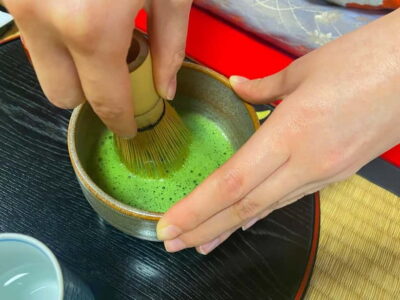
Tea Ceremony in a Traditional Tea House in Kiyomizu
Read our review →
Nijo Castle, Kiyomizu & Fushimi Inari Guided Tour
Read our review →
Nijo, Kinkaku-ji, Arashiyama, Kiyomizu & Fushimi Inari
Read our review →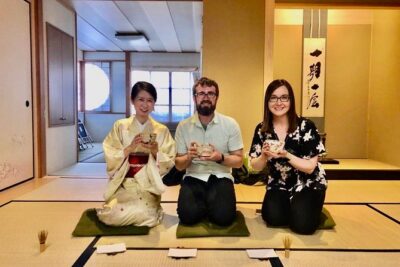
Kyoto Tea Ceremony & Kiyomizu-dera Temple Walking Tour
Read our review →
Kyoto Kiyomizu Tea Ceremony with Scenic Garden Views
Read our review →
Kimono/Yukata Rental 5 Minute from Kiyomizu-dera
Read our review →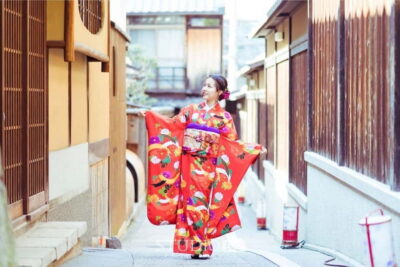
Kyoto Gion Kiyomizudera Kimono Yukata Hairstyle | Photoshoot
Read our review →