

Reviewed · RAMEN TOURS
Kyoto 6 hr Private Guided Tour and Ramen Making Experience
Ramen class meets Kyoto temples in one smart half-day. This private experience pairs a licensed English walk with 90 minutes at Ramen Factory, where you make noodles from scratch and shape homemade char siu. Ramen Factory is the kind of place that turns a photo stop into a skill you take home.
I love the flexible itinerary. You pick 2 to 3 sights from the Kyoto area options, and your guide can adjust the route to fit your pace and interests, like English-speaking guide Nabet did for a past guest. I also like the hands-on ramen approach, not just a tasting, you’ll learn noodle making step by step and work with homemade char siu during the class.
One thing to consider is that it’s still a walking tour. Admission tickets are not included for many temples, and the whole day depends on good weather, so check conditions and wear shoes that can handle stone sidewalks.
In This Review
- Key things that make this Kyoto tour work
- How the 6-hour plan flows from walking to ramen
- Picking your 2 to 3 Kyoto stops, so the day doesn’t feel rushed
- Southern Kyoto classics: Fushimi Inari, Gion, and Kyoto’s food street
- Temple power in central/east Kyoto: Kiyomizu-dera, Higashiyama, and big viewpoints
- Higashiyama temple sampling: Ginkakuji to Nanzenji Suirokaku
- The northern temple set: Kinkakuji, Ninna-ji, Ryoan-ji
- Extra imperial and nature-adjacent options: Shugakuin, Kibune, and more
- Arashiyama and Sagano: bamboo, bridges, and temple quiet
- Ramen Factory class: noodle-making from scratch and char siu hands-on
- Price and value: what you’re paying for at $235.22 per person
- Practical tips for a smoother day on foot
- Who this private Kyoto ramen-and-temple tour is best for
- Should you book this Kyoto private ramen tour?
- FAQ
- How long is the Kyoto tour and ramen-making experience?
- Is this a private tour?
- Is pickup included?
- Can I choose which sights to visit?
- Are temple and attraction admission tickets included?
- What exactly do I do during the ramen-making part?
- Is the ramen experience available for vegetarian, vegan, or Muslim-friendly needs?
- What is included in the tour price?
- Are there any age limits or participation requirements?
- What weather happens if it’s bad?
Key things that make this Kyoto tour work
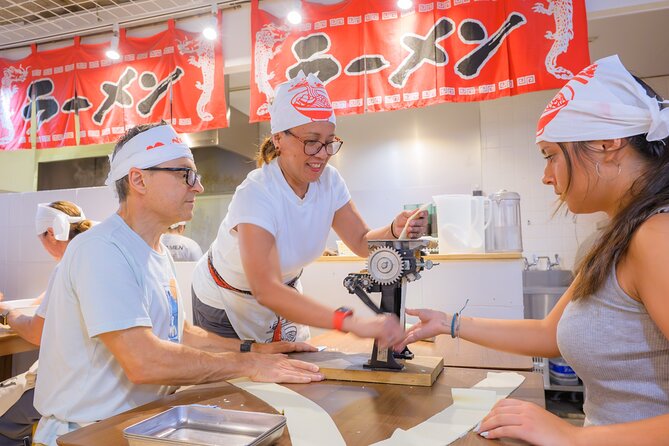
- 90 minutes of real ramen-making with noodle work from scratch plus homemade char siu
- A licensed English guide who can adjust your walking route to match your needs
- Choose 2 to 3 sights from Kyoto’s best-known districts and temple areas, so the day feels personal
- Dietary-friendly ramen courses (vegetarian, vegan, Muslim-friendly with no pork, no alcohol, halal meat)
- A smooth handoff from temple walking to your Ramen Factory session
How the 6-hour plan flows from walking to ramen
This is designed as a half-day rhythm: you start with a guided walking portion, then you’re dropped off at Ramen Factory for the class. The tour description lists about 6 hours total on the calendar, with the walking portion running roughly 4 hours from your start time and the ramen class lasting 90 minutes.
That handoff is the practical genius here. Kyoto can be time-sucking on your first trip because you’re constantly figuring out routes, ticket lines, and where to eat next. This format helps you keep momentum, while the ramen part gives you a clear, timed activity instead of wandering hungry and hoping for good timing.
Also note the start time can vary. The company estimates about 4 hours from the start of the walking portion, then you finish at Ramen Factory.
Picking your 2 to 3 Kyoto stops, so the day doesn’t feel rushed
You control the feel of the tour by choosing 2 to 3 spots from a broad set of options. That matters because Kyoto has two speeds: slow temples and fast transit. A flexible private guide helps you stitch the route together without trying to cram everything into one day.
Here’s what each type of stop gives you, plus what to think about before you choose.
More bowls worth the wait
- Ramen Cooking Class at Ramen Factory in Kyoto
★ 5.0 · 1,937 reviews - Kyoto: Ramen Cooking Class at a Ramen Factory with Souvenir
★ 4.9 · 532 reviews - Kyoto: Ramen, Gyoza, and Onigiri Cooking Class
★ 5.0 · 445 reviews - Kyoto Ramen and Gyoza Cooking Class with Professional Chefs
★ 5.0 · 282 reviews
Southern Kyoto classics: Fushimi Inari, Gion, and Kyoto’s food street
Fushimi Inari-taisha Shrine is the big draw with vermillion-red torii gates, but what makes it worth a guided visit is the context. It’s more than scenery, you’ll get the stories that help you read what you’re seeing.
Nijo Castle brings in a different kind of Kyoto. It’s a UNESCO World Heritage site tied to Tokugawa Ieyasu and the early Edo Period. One consideration: castle days can shift from scenic to line-waity depending on timing, so if you hate queues, pair it with easier, shorter stops.
Gion is the Geisha district vibe, with narrow alleyways that can feel intimidating if you don’t know what to look for. A guide helps you understand the layout and where the quieter lanes are, so you’re not just following the busiest foot traffic.
Nishiki Market (often nicknamed Kyoto’s kitchen) is great if you like snacks and ingredient-hunting. The “watch out” is simple: markets can turn into quick-stop chaos. If you’re pairing it with temples, keep it to a short window and plan snacks later.
Temple power in central/east Kyoto: Kiyomizu-dera, Higashiyama, and big viewpoints
Kiyomizu-dera is one of Kyoto’s most famous temples, and the guided angle helps you see it beyond the postcard. Expect lots of walking on temple grounds, so if you’re thinking of choosing more than one temple stop, pick locations that stay in roughly the same general area.
Higashiyama Ward is the district experience. It’s also a good “buffer” choice, because you get atmosphere between major temples. If your group likes strolling, it’s a solid pick. If you’re short on energy, you may want to keep it to one key district stop rather than layering too many.
Kyoto Imperial Palace gives you the formal side of Kyoto. It was the residence of Japan’s Imperial Family until 1868 when the capital moved to Tokyo, and it sits on spacious grounds. This is a good choice if you want a quieter, more structured break from crowds.
Pontocho is for the evenings vibe, a narrow dining alley along Shijo-dori and Sanjo-dori near the Kamogawa River. Even if you’re not dining, a guided walk here is a nice way to understand Kyoto’s eating culture without getting overwhelmed by menus.
Higashiyama temple sampling: Ginkakuji to Nanzenji Suirokaku
If you’re choosing your stops around eastern Kyoto, these are strong candidates.
Ginkakuji (Silver Pavilion) is a Zen temple tied to Shogun Ashikaga Yoshimasa’s retirement villa. The main draw is the refined garden setting and the mood of the grounds. Consideration: this is a popular temple zone, so arrive ready to share space with other visitors.
Nanzenji Suirokaku is part of Nanzenji and focuses on the impressive aqueduct-style structure associated with Suirokaku. It’s a great “visual break” between traditional garden scenes because it adds scale and drama.
Tofuku-ji is known for spectacular autumn colors, but it’s still meaningful outside peak season as a major Zen temple complex. If your travel timing is not in autumn, think of it as a large temple with strong atmosphere rather than a guarantee of fall color.
Toji is another major Zen temple tied to the Heian Period after the capital moved to Kyoto. It’s a good option when you want something classic and central without overcommitting to small, garden-only sites.
The northern temple set: Kinkakuji, Ninna-ji, Ryoan-ji
Kinkakuji (Golden Pavilion) is famous for its gold-leaf look, formally known as Rokuonji. If seeing the shimmer is your goal, this is the one you’ll want to prioritize. The consideration is that it can be crowded, so a guide’s timing helps.
Ninna-ji is a World Heritage listed temple, head temple of the Omuro School of the Shingon sect. It’s a strong pick if you like temples that feel more than just one main highlight photo.
Ryoan-ji is all about the rock garden, the one that makes people pause and stare. This is the choice for slower thinkers who enjoy that Zen-style minimalism. It can also be visually busy with visitors, so go in ready for quiet attention rather than expecting emptiness.
A quieter way to spend a day in Kyoto

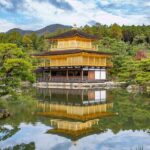
Extra imperial and nature-adjacent options: Shugakuin, Kibune, and more
Shugakuin Imperial Villa is an imperial villa managed by the Imperial Household Agency, built in the 17th century. If your group enjoys garden design and less crowded grounds, this can be a high payoff pick.
Kibune River is more of a nature-and-legend stop. Kibune is a small town in a forested valley tied to Kifune Shrine, and the myth about a goddess traveling by boat adds flavor to the walk. If you want a break from major temple crowds, this can be a nice change of pace.
Arashiyama and Sagano: bamboo, bridges, and temple quiet
This is where Kyoto gets very “move your feet and look around.”
Arashiyama is the district on the west side, known since the Heian Period as a place nobles enjoyed. If you want scenic strolling with options to pair different sights, it’s a natural pick.
Tenryu-ji is the key Zen temple in Arashiyama and a registered World Heritage site. If you choose one major temple in this area, this is a strong candidate.
Togetsukyo Bridge is the iconic “Moon Crossing Bridge.” It’s known for its long-ago Heian origin and later reconstruction, and it’s a simple landmark that frames the whole river area.
Bamboo Forest Street is for the bamboo walk effect. It’s best when there’s a light breeze moving the stalks, but either way it’s a classic route for a photo, and a guide helps you time it so you’re not stuck at peak congestion.
Okochi Sanso Garden is in the back of the bamboo groves, known as the former villa of actor Okochi Denjiro. This one is great if you like gardens with layered buildings and viewpoints.
Jojakkoji Temple, Nisonin, Gioji Temple, and Adashino Nembetsu-ji are all part of a temple chain that shifts you from big highlights to smaller, mossy, hillside-feeling spaces. The tradeoff is that they’re shorter stops, but the upside is the calmer atmosphere when you string them well.
Otagi Nenbutsu-ji Temple is famous for its 1200 stone statues of rakan, each different. This is the choice for the curious side of your group who likes unusual, highly specific details.
Yoshimine-dera adds another twist in the west mountains, built along a slope, so it’s more about the setting than one single landmark.
Daikaku-ji is a large temple in Sagano, originally built as Emperor Saga’s detached palace. It’s a good option if you want something bigger and more relaxed than a single photo point.
Katsura Imperial Villa is an architectural and garden design highlight, completed in 1645 as a residence. If gardens are your thing, this is worth considering.
Ramen Factory class: noodle-making from scratch and char siu hands-on
The centerpiece is the 90-minute class at Ramen Factory in Kyoto. You’re not just watching. You’ll learn noodle making from scratch, and you’ll also make homemade char siu with guidance from an English-speaking instructor.
That structure matters. Ramen tastes simple, but the process is not. When you learn the noodle steps, you start understanding why certain bowls taste better and what changes when you handle dough differently. And char siu is its own world, so getting hands-on with the pork preparation gives the meal a deeper story than ordering one dish.
Ramen Factory is described as a unique restaurant where you can make original ramen by hand. It’s part of Menbaka, a Fire Ramen restaurant group, so even the vibe is tied to a ramen-focused identity rather than a generic tourist spot.
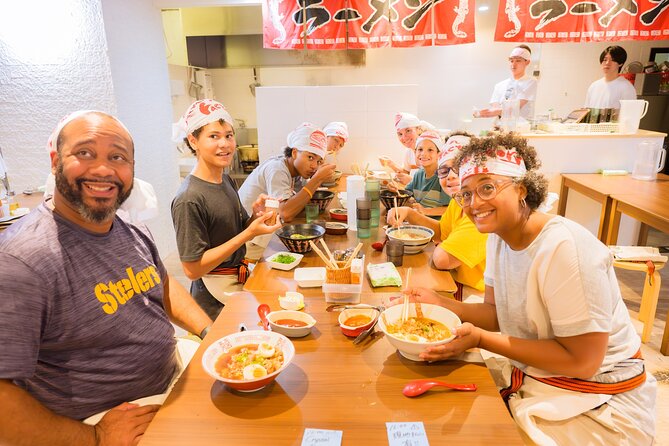
Dietary fit is a real win here. The tour offers vegetarian, vegan, and Muslim-friendly courses, with no pork, no alcohol, and halal meat where needed. If you have to travel with food restrictions, this is the kind of activity that prevents you from feeling stuck eating an awkward side dish while everyone else enjoys the full experience.
Price and value: what you’re paying for at $235.22 per person
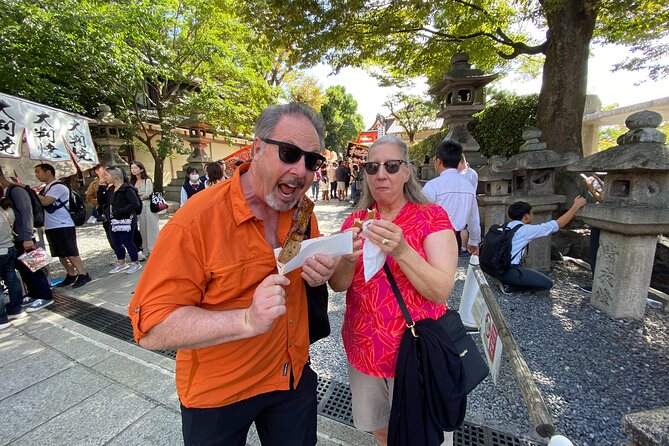
At $235.22 per person, this is not a budget activity, but it also isn’t just a walking tour with a snack attached. You’re paying for three combined things:
First, you get a private, licensed local English guide for the walking portion. That’s time on the ground, plus interpretation, plus route-building for your chosen sights.
Second, you get 90 minutes of instruction at Ramen Factory, including both noodle making and char siu. Hands-on classes cost money because they require instructors, prep, and time.
Third, the tour includes help coordinating the transition between walking and the ramen class, instead of making you figure out public transit while hungry.
If you’re traveling with friends, the listing also notes group discounts, which can make this feel more reasonable. Since the tour is described as frequently booked (about 100 days in advance on average), I’d plan to lock it in early, especially if you want specific dates in peak seasons.
Practical tips for a smoother day on foot

This experience is built around walking, so your comfort matters. Wear shoes you can walk in for a few hours, and bring layers because temple districts can shift in temperature and wind.
Think ahead about admissions. The tour states that guide entry fees are only covered for sights listed under what to expect, and many major temples and palaces list admission as not included. Plan for the possibility you will pay for tickets at some stops, then choose fewer paid sites if you’re trying to control costs.
Lunch is also not included. If you’re doing market browsing like Nishiki, keep your snack plan light so the ramen class still feels like the main event.
If you’re choosing Arashiyama-area stops, remember that West Kyoto can feel spread out. Even if each stop is short, stacking many can turn into a lot of stair-and-walk time.
Who this private Kyoto ramen-and-temple tour is best for
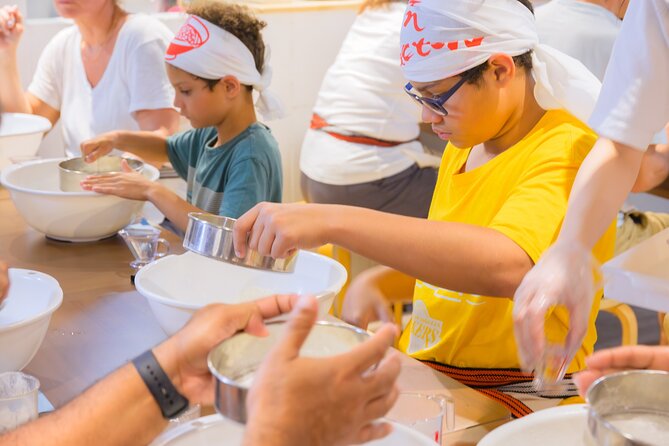
This is a good fit if you want Kyoto with structure. It works well for first-timers who can’t yet read the city map fluently, and it also works for food lovers who want a hands-on Kyoto experience beyond eating your way through markets.
You’ll probably like it if:
- You want a private guide and the ability to shift your itinerary.
- You like temples and districts but want context so the sights make sense fast.
- You have dietary restrictions and want a ramen course that accommodates them.
It may be less ideal if:
- You dislike walking or want lots of unhurried temple time.
- You want a fully self-paced day with no pre-set timing at Ramen Factory.
- You only want paid attractions included, because many admissions are not included.
Should you book this Kyoto private ramen tour?
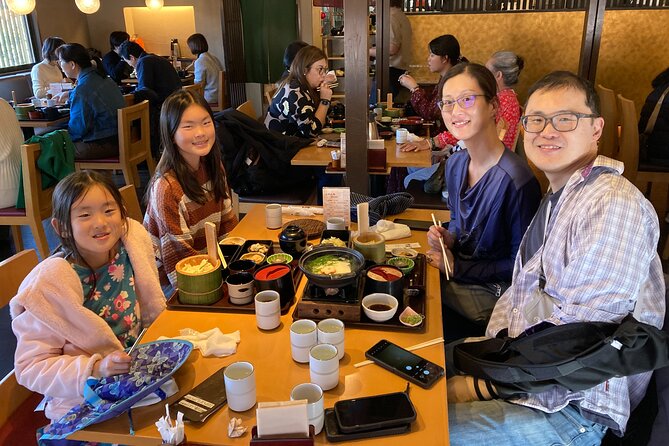
Yes, I’d book it if your ideal Kyoto day is part learning, part food craft, and not part guessing. The biggest reason is the pairing: a guided walkthrough that sets the stage, then a ramen class where you get to do the work, including noodles and char siu, with an English-speaking instructor.
Book it sooner rather than later if your dates are flexible. With the tour showing high advance demand, waiting can narrow your choices.
If you want to make the best decision, pick your 2 to 3 sights based on your walking stamina, then let ramen be the fixed anchor at the end. That way the day stays fun instead of frantic.
FAQ
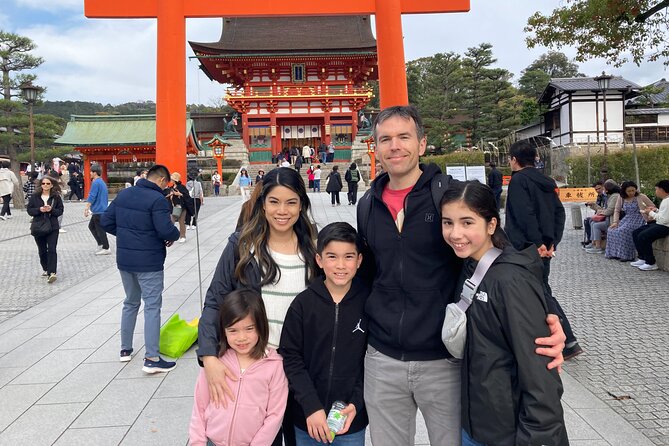
How long is the Kyoto tour and ramen-making experience?
The experience is approximately 6 hours total, including about 90 minutes for ramen making at Ramen Factory and a walking tour portion of about 4 hours from your start time.
Is this a private tour?
Yes. It is a private tour/activity, and only your group will participate.
Is pickup included?
Pickup is offered, and the tour is a walking experience. The meet up is on foot within a designated Kyoto City area.
Can I choose which sights to visit?
Yes. You can craft your itinerary by choosing 2 to 3 spots from the available what to expect or itinerary options.
Are temple and attraction admission tickets included?
Admission ticket details vary by sight. The tour states that entrance fees are not included, and many listed stops note admission as not included.
What exactly do I do during the ramen-making part?
You will have a 90-minute hands-on ramen-making experience where you learn noodle making from scratch and homemade char siu making with an English-speaking instructor.
Is the ramen experience available for vegetarian, vegan, or Muslim-friendly needs?
Yes. Vegetarian, Vegan, and Muslim-friendly courses are available, with no pork, no alcohol, and halal meat options.
What is included in the tour price?
Included items are a licensed local English speaking guide, 90 minutes of ramen making experience, and a customizable tour with 2 to 3 sights, plus meet up with the guide on foot within the designated area.
Are there any age limits or participation requirements?
Children 3 years old or older can participate, and most travelers can join. Service animals are allowed.
What weather happens if it’s bad?
The experience requires good weather. If canceled due to poor weather, you will be offered a different date or a full refund.
New This Season
- Koyasan Day Trip by Private Car from Kyoto
- Old Port Town and Ultimate Sake Tasting Private Tour From Kyoto
- Kyoto: 5 Types of Sushi Making
- Sacred Peak & Ancient Paths: Kurama-Kibune Hiking Experience
- Kyoto’s Timeless Charm: 3hr Exploration of History and Peace
- Kyoto: Exclusive ZEN practice at Manpukuji temple in Uji
- Kyoto: Private Seasonal Aroma Yoga Class
- Traversing Kyoto’s Scenic West – Arashiyama to Kinkakuji
Ramen Tours, compared.
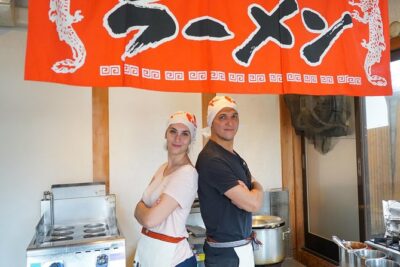
Ramen Cooking Class at Ramen Factory in Kyoto
Read our review →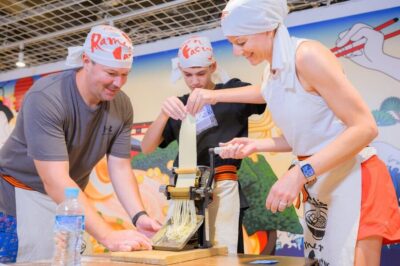
Ramen Cooking Class at a Ramen Factory with Souvenir
Read our review →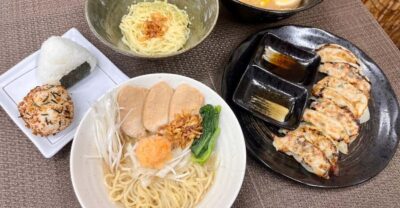

Kyoto Ramen and Gyoza Cooking Class with Professional Chefs
Read our review →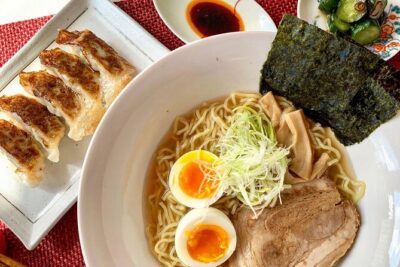
Home style Ramen and Homemade Gyoza in Kyoto
Read our review →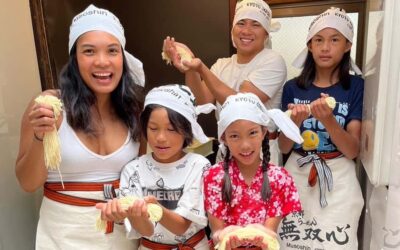
Kyoto Michelin Ramen Workshop or Painting Ramen Essentials
Read our review →Kyoto Ramen & Gyoza Cooking Class with Professional Chefs
Read our review →Also filed under