
Reviewed · NARA & DEER PARK DAY TRIPS
Kyoto and Nara: Private Customized Tour with Guide & vehicle
Ten thousand torii feel different in a car-and-guide day. I like how this private, customized Kyoto and Nara route strings together the big name sights with time to ask questions and adjust as you go.
You get a true walk through the Fushimi Inari torii tunnel and a full day that also reaches across to Nara’s famous temple scale. One thing to consider: the guide experience can vary, so you’ll want to go in with clear interests and questions.
A second reason I like this setup is the hands-on pacing. With a driver plus an English-speaking guide, you can move between Kyoto and Nara without wrestling trains, transfers, and ticket lines all day.
You also get built-in flexibility, including shopping time, photo stops, and a bit of breathing room at key places.
The main drawback is simple: if you expect lots of commentary at every stop, you might be disappointed. Some bookings report the guide’s spoken explanations were limited, so you should treat the tour as guided movement first, with guidance that’s most useful when you’re specific.
In This Review
- Key Things to Know Before You Go
- A 10-Hour Kyoto and Nara Plan That Actually Feels Doable
- Fushimi Inari Taisha, 1 Hour of Torii Tunnel Energy
- Golden Pavilion and Zen Gardens: The Kyoto Moment People Remember
- Arashiyama Bamboo Forest, Togetsukyo Views, and a Better Way Through the Crowds
- Iwatayama Monkey Park: Fun, Scenic, and Worth the Walk
- Kiyomizu-dera and the Historic Streets Link to Your Evening Mood
- Nara Park Deer, Todai-ji, and Kasuga Taisha Lantern Atmosphere
- Nara Park: deer up close, easy and a little surreal
- Todai-ji: the Great Buddha scale hits different
- Kasuga Taisha: stone lantern pathways
- How the “Customized” Part Plays Out in Real Life
- Vehicle and Timing: The Value of Not Guessing Your Day
- Price and Value: $465 Per Group Up to 6 People
- What You Should Bring for a Comfortable Day
- Who This Tour Fits Best
- Should You Book This Kyoto and Nara Private Tour?
- FAQ
- How long is the Kyoto and Nara private tour?
- Where can you be picked up and dropped off?
- Is this tour private, and what is the group size?
- What languages does the live guide speak?
- What is included in the tour price?
- What is not included?
- What key attractions does the day include?
- Is the tour wheelchair accessible?
- What should I bring?
- Is free cancellation available, and can I pay later?
Key Things to Know Before You Go
- Private and customized means you can adjust timing, not just follow a script
- Fushimi Inari is built in early, with walking time to experience the torii tunnel properly
- Kyoto variety covers temples, bamboo, river views, and classic streets in one long day
- Nara is more than deer photos, with Todai-ji and a shrine stop that adds atmosphere
- Up to 6 people keeps the cost reasonable per person when you split it
- English and Hindi are both supported, which can help you get answers faster
A 10-Hour Kyoto and Nara Plan That Actually Feels Doable
Kyoto and Nara in one day sounds intense, because it is. But done well, it saves you time and stress, especially if you’re staying in Osaka or only have one day to spare. This is a private group tour with a vehicle, so you’re not spending your day commuting between stops.
I like the way the itinerary balances “I came to Japan for this” icons with a few moments to simply look around. You’ll have photo stops and guided walking through places that are visually dramatic, like torii gates and bamboo stalk corridors. You’ll also get structured time in longer temple complexes, like Todai-ji.
Fushimi Inari Taisha, 1 Hour of Torii Tunnel Energy
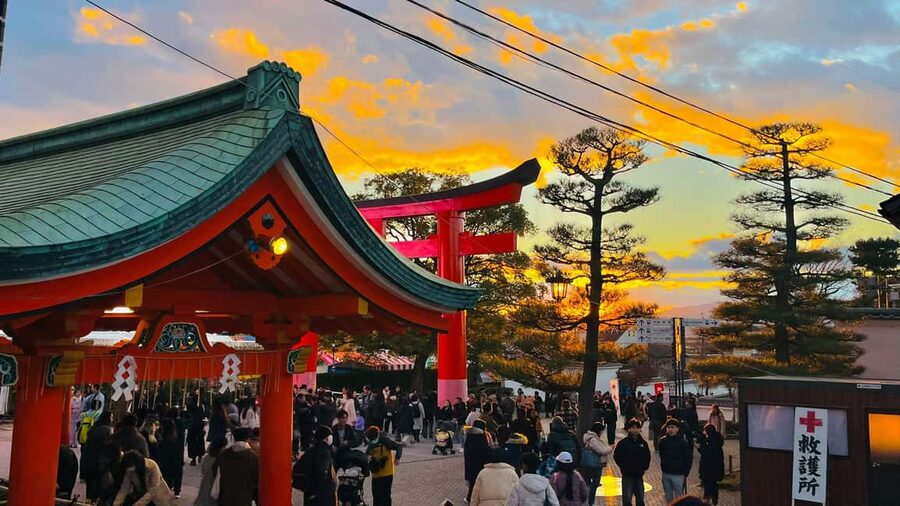
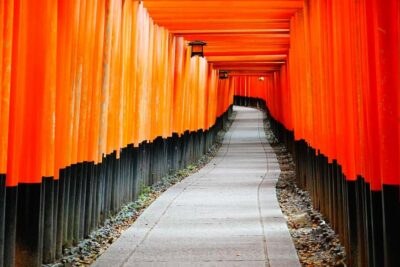
Fushimi Inari is one of those sights that can feel chaotic if you arrive without a plan. The good news here is that the day includes a dedicated block for Fushimi Inari, with time for both touring and shopping. Expect a full-on walk among the vermilion torii that climbs into the wooded paths.
What makes the torii walk worth it is the changing feel as you go deeper. At the front, everything is bright and crowded. Deeper in, you tend to get quieter, with more sense of temple rhythms and forest shade.
Practical tip: wear comfortable shoes and keep your pace steady. If you want photos with less crowds, start with the well-known stretches, then move along at a rhythm that suits you rather than stopping every 10 seconds.
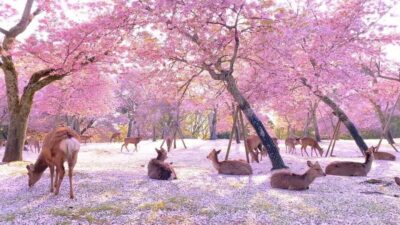
Deer that bow back, a short ride away
- Osaka/Kyoto:Kinkakuji,Arashiyama,FushimiInariShrine,NaraPark
★ 4.1 · 1,596 reviews - Kyoto/Osaka: Nara, Fushimi Inari Taisha, Arashiyama Bus Tour
★ 4.7 · 1,275 reviews - Osaka/Kyoto: Arashiyama, Nara & Fushimi Inari Shrine w/Lunch
★ 4.4 · 754 reviews - Kyoto and Nara Day Trip from Kyoto
★ 4.5 · 445 reviews
Golden Pavilion and Zen Gardens: The Kyoto Moment People Remember
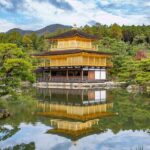
Kyoto highlights for most people include Kinkaku-ji, and this tour explicitly aims there. The Golden Pavilion is covered in gold leaf and reflects over its pond, giving you that unmistakable “Japan postcard” scene. Even if you’ve seen photos before, being there in person changes the scale and sparkle.
The tour description also points to Zen garden viewing around Tenryu-ji. This matters because it slows the day down in a good way. You get from flashy icon to quieter temple landscaping, where you can actually observe how Japanese garden design works with pathways and viewpoints.
Practical tip: bring your camera settings mindset. Bright surfaces can blow out highlights, so tap-to-focus and check exposure before you take 50 near-identical shots.
Arashiyama Bamboo Forest, Togetsukyo Views, and a Better Way Through the Crowds
Arashiyama is popular for a reason, and bamboo is one of the most instantly “wow” experiences in Japan. This tour includes the Bamboo Grove, with guided time to find good angles and keep your walking efficient. You get about an hour there, which is just enough to feel the place without turning it into a stampede marathon.
Next up is Togetsukyo Bridge, which is more than a backdrop. It’s a staging point where you see how the river and the surrounding temple district connect visually. With 1.5 hours allocated, you should be able to take photos, walk the area, and get your bearings instead of hovering in one spot.
If crowds are your worry, this private format helps. You can move when your guide suggests, rather than getting stuck behind a slow group that never seems to move.
Iwatayama Monkey Park: Fun, Scenic, and Worth the Walk
Iwatayama Monkey Park adds a different tempo to the Kyoto half of the day. The idea is simple, watch Japanese macaques in a hillside setting while enjoying wider views. It’s not only about monkeys, it’s also the way the park gives you a higher vantage point on Arashiyama’s surroundings.
You’ll likely spend about one hour here including photo pauses and walking. That’s long enough to enjoy the setting, but not so long that it drags the rest of your plan.
Practical tip: don’t expect a guarantee of monkey sightings. You might see activity right away, or you might watch them move between areas. Stay patient and focused on the view while you wait.
Kiyomizu-dera and the Historic Streets Link to Your Evening Mood
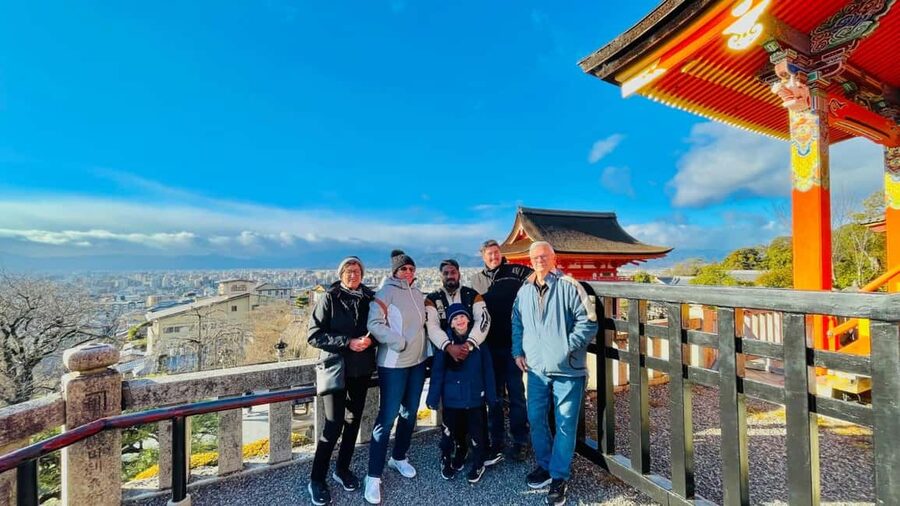
Kiyomizu-dera is a major temple stop in this plan, with a longer guided block that includes visiting time and walking. The complex is famous for dramatic architecture, and even if you don’t obsess over details, it’s one of those places that rewards slow observation.
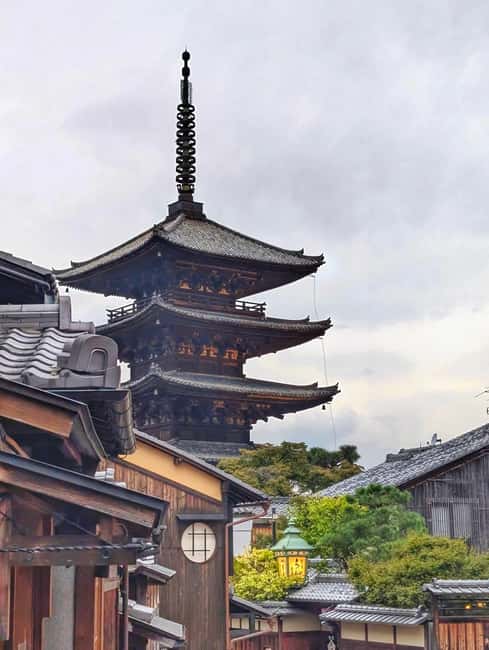
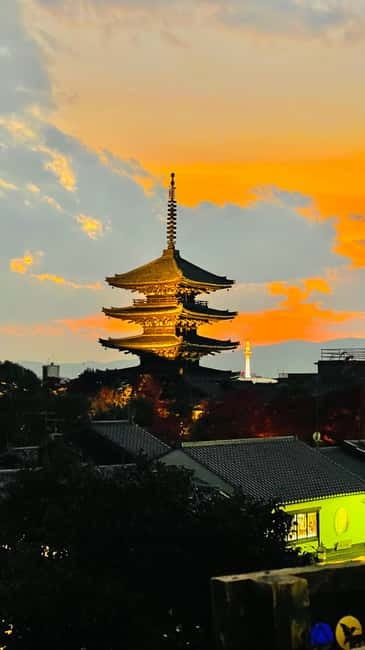
From there, the tour includes Gion, with guided time to see the traditional streets and the atmosphere that people come for. The highlight notes lantern-lit streets, which is exactly the right vibe for Gion. If your schedule lands you near dusk, that glow makes the neighborhood feel like more than just a photo location.
Practical tip: plan to buy small snacks or drinks if you need a break, but don’t assume meals are included. This tour does not include meals, so you’ll want a quick plan for hydration.
A quieter way to spend a day in Kyoto

Nara Park Deer, Todai-ji, and Kasuga Taisha Lantern Atmosphere
Nara is where the day gets emotional in a different way than Kyoto. The tour includes Nara Park and Todai-ji, and it also highlights Kasuga Taisha. These are three very different “feel” moments that all work together.
Nara Park: deer up close, easy and a little surreal
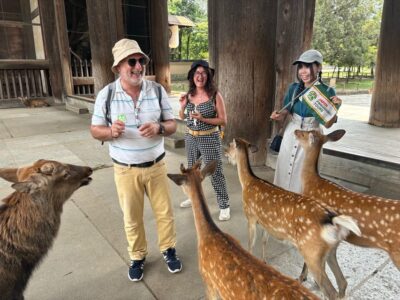
You get about 45 minutes in Nara Park. The main event is the deer roaming freely, and interacting with them is one of the most unique experiences in Japan. It’s also the kind of place where you’ll want to be calm and respectful, since deer can crowd you fast when they smell snacks.
Practical tip: cash helps if you want to purchase deer-friendly snacks, since entry tickets and meals are not included. If you bring your own snacks, be careful about what is allowed, because rules can vary by site.
Todai-ji: the Great Buddha scale hits different
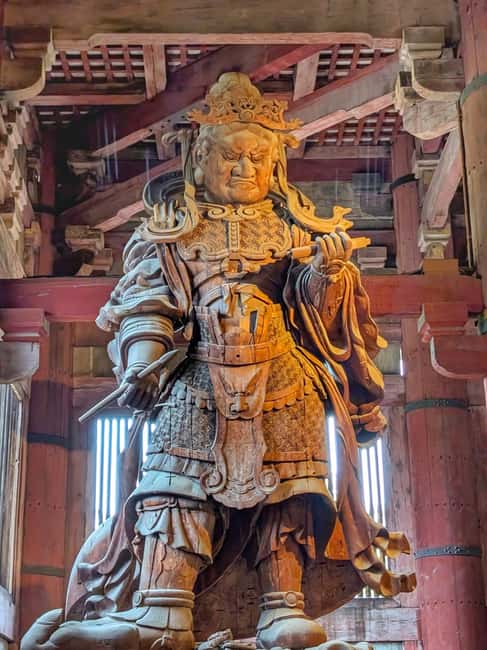
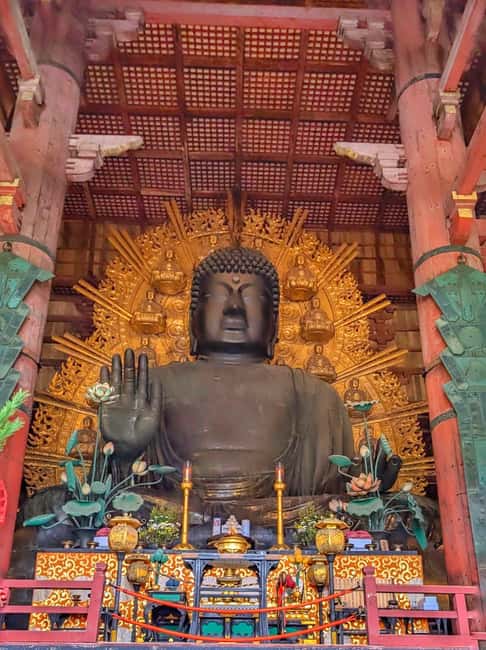
Todai-ji is a centerpiece stop with about one hour allocated for visit and guided touring. This is where you see the Great Buddha, described as the largest bronze statue of Buddha Vairocana in the world. Even if you’ve seen it in images, walking inside the main hall makes the scale feel real.
Practical tip: give yourself time for a first look, then take a second pass to notice architectural rhythm and sightlines. The hall can feel huge from different angles, so move slowly rather than rushing for one perfect shot.
Kasuga Taisha: stone lantern pathways
The itinerary highlights Kasuga Taisha, known for its ancient stone lantern pathways. This kind of stop is a good match for the end of a long day because it’s atmospheric. You’re not just ticking a box, you’re walking through a setting that feels ceremonial.
Practical tip: wear shoes with grip if the paths look slick after rain. You’ll likely spend time walking rather than sitting.
How the “Customized” Part Plays Out in Real Life
A private tour lives and dies by expectations. This is described as a customized tour with a flexible itinerary, and that’s exactly what you want when you’re trying to fit a lot into one day. If your priority is temples, tell the guide early. If you care more about gardens or photo angles, say that too.
One caution from real-world experience: some guide time can focus more on driving and less on storytelling. The fix is easy. Bring a short list of questions that match what you want to see, like how the torii gates relate to Shinto tradition, or what makes Zen landscaping different from garden landscaping elsewhere.
Also note the guide language support includes English and Hindi. That can help if you prefer discussing meaning and context in a more comfortable language.
Vehicle and Timing: The Value of Not Guessing Your Day
The tour includes transport, parking, tolls, and gas, which is a big part of the day’s value. When you’re moving between Kyoto and Nara, the cost of taxis or private transfers can climb quickly, especially during busy hours. Here, you’re effectively bundling those logistics into the tour price.
You’ll also appreciate that the day is paced for walking. The itinerary lists walking time at each stop, not just “photo and leave.” That matters, because Kyoto and Nara aren’t places you enjoy by standing still.
Practical tip: build energy for long walks. This is a 10-hour day, and even with breaks, it’s still a lot on your legs.
Price and Value: $465 Per Group Up to 6 People
At $465 per group up to 6, this pricing can be a smart deal if you’re traveling as a small group and want comfort plus guidance. If you fill all six spots, that’s roughly $77 per person for the guided vehicle day, before tickets and meals.
If you’re only two people, the same group price becomes closer to $232 per person, which is more of a splurge. In that case, you’re paying for convenience and a private pace rather than just sightseeing.
Either way, the value hinges on what you want most:
- If you want less stress and smarter route planning, the private car and guided time can be worth it.
- If you mostly want to follow your own plan, you might compare this to transit plus entry tickets and see if the convenience premium makes sense for you.
Remember, entry tickets and meals are not included. So budget for those on top of the tour price.
What You Should Bring for a Comfortable Day
The tour asks you to bring a few practical items, and I agree with all of them. Comfortable shoes matter because you’ll walk at multiple stops. Bring a camera if you want to capture torii, bamboo corridors, and temple interiors.
Also bring cash. Even if you can pay for some things with card, cash can help with smaller vendors and any deer snacks in Nara Park.
Who This Tour Fits Best
This is a great match if you want a guided day that feels personal, not like a herd moving on a schedule. It’s especially useful if you want to see major Kyoto and Nara highlights without doing the route planning yourself.
It also suits families and mixed-age groups because the format is private and you can take breaks as needed. The tour notes wheelchair accessibility, which can be a major deciding factor for people planning mobility needs.
If you prefer deep lecture-style history at every stop, you’ll want to communicate that early. If the guide’s verbal depth varies, your best outcome comes when you guide the conversation.
Should You Book This Kyoto and Nara Private Tour?
I’d book it if your top priorities are convenience, a flexible private pace, and a well-stocked list of Kyoto and Nara must-sees in one day. The Fushimi Inari torii walk plus Nara Park deer plus Todai-ji is a strong combo, and the vehicle inclusion keeps the logistics simpler.
I would not book it blindly if you want constant, detailed explanations at every stop. If you’re sensitive to that, send a clear message in advance with what you want covered, and prepare a question list.
If you’re splitting the cost with up to 6 people, it can be a very reasonable way to get a guided day without living on trains.
FAQ
How long is the Kyoto and Nara private tour?
It lasts 10 hours.
Where can you be picked up and dropped off?
Pickup has two options, Osaka or Kyoto. Drop-off also has two options, Osaka or Kyoto.
Is this tour private, and what is the group size?
It is a private group. The price is listed per group up to 6.
What languages does the live guide speak?
The live tour guide speaks English and Hindi.
What is included in the tour price?
Included items are the English speaking guide, customized tour, transport, tolls, gasoline, and parking.
What is not included?
Meals, personal expenses, and entry tickets are not included.
What key attractions does the day include?
The tour highlights Fushimi Inari Taisha, Kinkaku-ji (Golden Pavilion), Arashiyama Bamboo Grove, Tenryu-ji gardens, Nara Park, Todai-ji, and Kasuga Taisha, plus Kyoto stops like Gion, Kiyomizu-dera, and Togetsukyo Bridge.
Is the tour wheelchair accessible?
Yes, it is listed as wheelchair accessible.
What should I bring?
Bring comfortable shoes, a camera, and cash.
Is free cancellation available, and can I pay later?
Free cancellation is available up to 24 hours in advance for a full refund. The tour also offers reserve now & pay later.
New This Season
- Koyasan Day Trip by Private Car from Kyoto
- Old Port Town and Ultimate Sake Tasting Private Tour From Kyoto
- Sacred Peak & Ancient Paths: Kurama-Kibune Hiking Experience
- Kyoto’s Timeless Charm: 3hr Exploration of History and Peace
- Kyoto: 5 Types of Sushi Making
- Kyoto: Exclusive ZEN practice at Manpukuji temple in Uji
- Kyoto: Private Seasonal Aroma Yoga Class
- Traversing Kyoto’s Scenic West – Arashiyama to Kinkakuji
Nara & Deer Park Day Trips, compared.
Kinkakuji,Arashiyama,FushimiInariShrine,NaraPark
Read our review →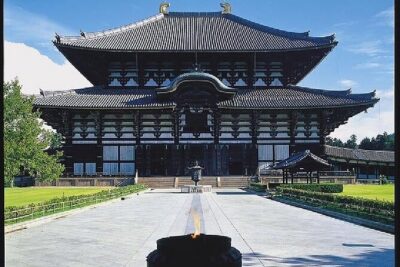
Nara, Fushimi Inari Taisha, Arashiyama Bus Tour
Read our review →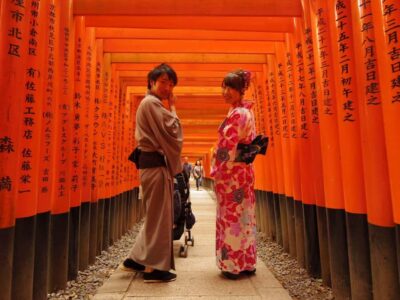
Arashiyama, Nara & Fushimi Inari Shrine w/Lunch
Read our review →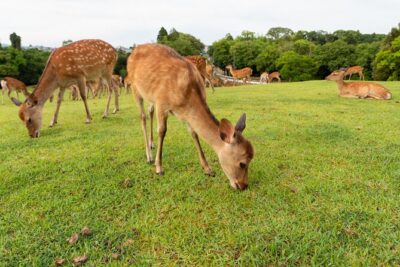
Full Day Guided Tour to Kyoto and Nara from Osaka by Van
Read our review →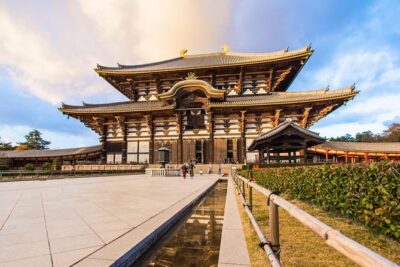
Also filed under