
Reviewed · WALKING TOURS
Kyoto Early Bird Walking Tour
Kyoto before the crowds feels like cheating. This Kyoto Early Bird Walking Tour lines up three star sights in a tight half-day, with an English guide and a morning start that makes everything calmer and easier to photograph.
What I like most is the chance to walk through the Fushimi Inari torii gates before the biggest waves arrive, and then slow down at Kinkakuji for the morning light.
You’ll also get real-world context, not just names on a sign. A standout reported by recent guests is that the guide, Hironori, keeps the tour varied and at a comfortable pace while explaining Japanese culture and everyday life along the way.
One consideration: this is not a leisurely stroll. You should expect about 15,000 steps and moderate fitness, with some long transit legs and a finish around noon.
In This Review
- Key things to know before you go
- Meeting at Kyoto Station, then going straight to the good stuff
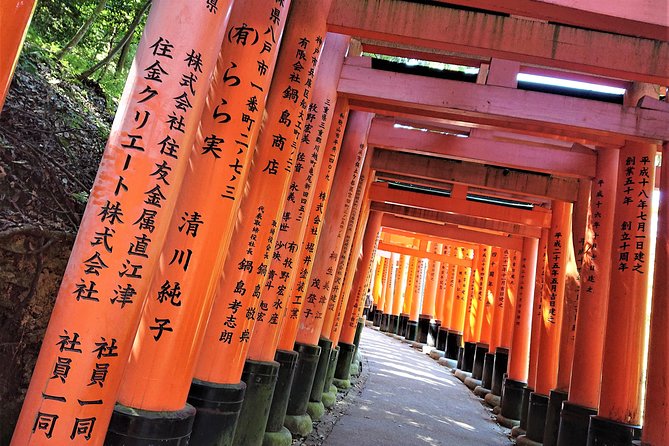
- Fushimi Inari Taisha before the crowds: torii gates and the fox story
- Getting around Kyoto on trains and city buses: why the travel time is part of the plan
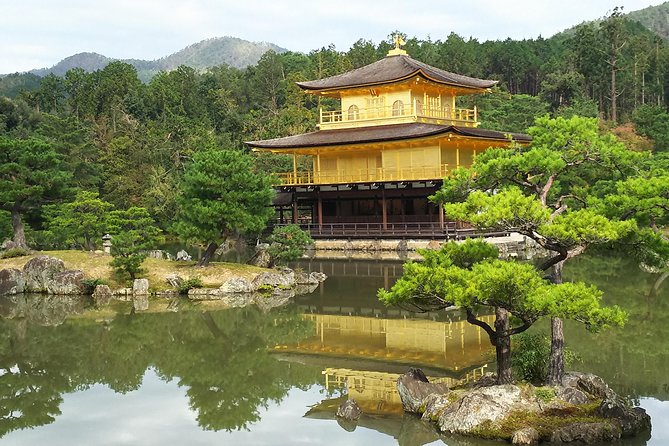
- Kinkaku-ji in the morning sun: glistening gold and Zen connections
- Arashiyama bamboo forest: cooling shade and the breeze sound
- The pace, step count, and what to wear
- Price and value: $102 for three major sights and a morning advantage
- Who should book this Kyoto Early Bird Walking Tour
- Should you book this early bird Kyoto walk?
- FAQ
- How long is the Kyoto Early Bird Walking Tour?
- What is the price per person?
- What are the main stops included on the tour?
- Is the Kinkaku-ji admission ticket included?
- How do I meet the guide at Kyoto Station?
- What about public transportation during the tour?
- What time of day does the tour end?
- Can I end the tour in Arashiyama instead of returning to Kyoto Station?
- Is this tour suitable for people with mobility impairments?
Key things to know before you go
- Early start for fewer people at Fushimi Inari and the bamboo forest
- Photo-friendly timing for torii gates and Kinkakuji reflections in the pond
- A real culture guide who explains Shintoism, Zen Buddhism, and daily life in Japan
- Three famous stops in one half-day so you do not lose time planning connections
- Extra costs to budget (Kinkakuji admission and local transport)
Meeting at Kyoto Station, then going straight to the good stuff
The tour meets early at Kyoto Station at the JR lines, beside the central ticket gates on the ground floor. Look on the north side of the station building, down the stairs from Mr. Donut, and spot the guide holding a name board with your name.
The whole format matters. You start with momentum, not waiting around for people to arrive, and you get your route to the first shrine without figuring out trains on the fly. It is also a practical choice if you only have one morning in Kyoto.
Fushimi Inari Taisha before the crowds: torii gates and the fox story
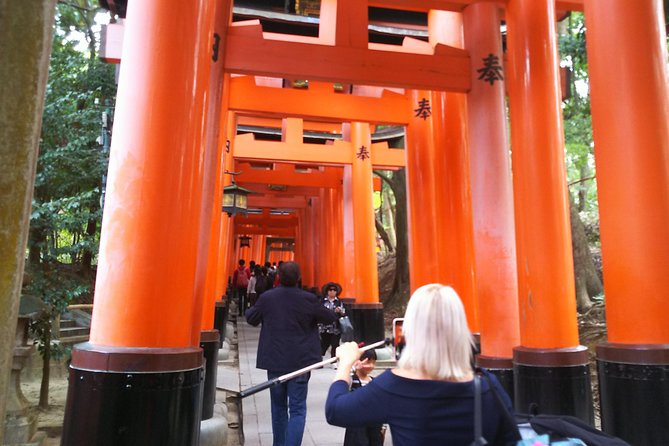
Fushimi Inari Taisha is the reason you wake up early. After a short train ride, you dive into the shrine precinct and start walking through the torii gates while the morning is still quiet enough to enjoy it.
This is where the tour’s timing pays off in a very real way. The biggest benefit is not just fewer people, it is fewer interruptions, which means you can take cleaner photos and actually follow the route instead of constantly weaving around other groups.
Your guide also brings meaning to what you see. You learn about Shintoism, why the shrine matters in Japan, and you get pointed toward the many fox statues in the area, including what they represent in shrine tradition. If you usually zoom through landmarks, this stop makes them feel less like a checklist and more like a living place.
Practical note: you will be doing plenty of walking here, and it is an active route. Comfortable shoes are not optional, and if you are sensitive to stairs or uneven paths, plan to take it easy as the morning heats up.
A quieter way to spend a day in Kyoto
- Kyoto Geisha Walking Tour: Gion District & Hidden Gems
★ 4.7 · 3,273 reviews - Kyoto: Gion Magical Night Walking Tour with Geisha Trivia
★ 4.9 · 2,393 reviews - Kyoto: Gion Geisha District Walking Tour – Stories of Geisha
★ 4.7 · 2,187 reviews - Night Walk in Gion: Kyoto’s Geisha District
★ 4.5 · 2,003 reviews
Getting around Kyoto on trains and city buses: why the travel time is part of the plan
Between stops, the tour uses public transport, including a longer city-bus segment. The day includes about 20 minutes of train time to reach Fushimi Inari, then roughly 50 minutes of public transport to Kinkakuji, followed by about 30 minutes to Arashiyama.
That might sound like a lot of transit for a walking tour, but it is actually the value. You do not waste your limited morning time figuring out routes, and you stay on track to keep the half-day schedule workable.
Budget-wise, local public transport to and from the attractions runs about 1,300 yen. Meals and drinks are not included, so you’ll want to carry water. It is a smart idea to bring a small snack too, especially if you do not want to hunt for food right after your tour ends around noon.
Kinkaku-ji in the morning sun: glistening gold and Zen connections
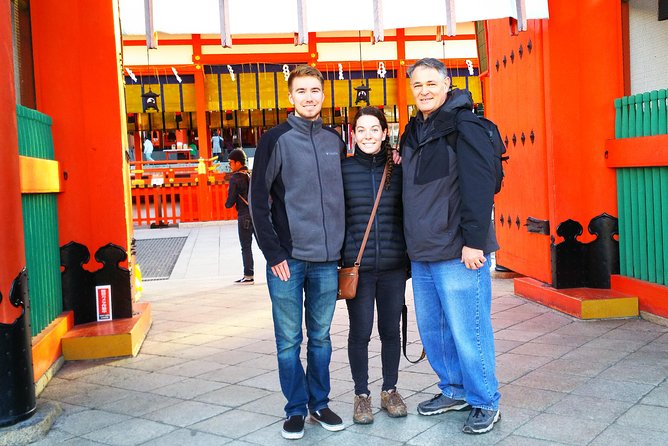
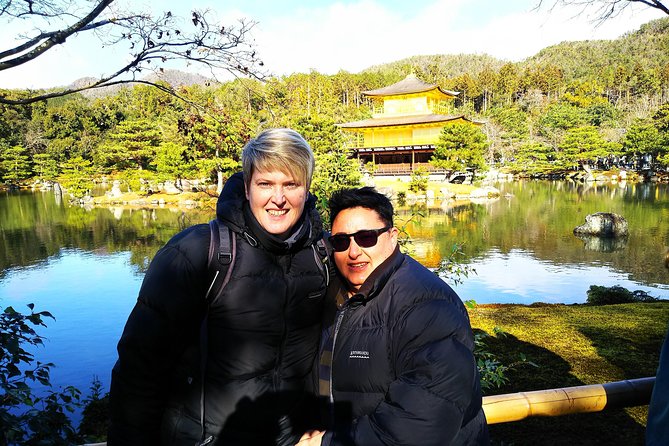
Next comes Kinkakuji Temple. You get about an hour on-site, timed so you can appreciate the gilded building while it is still cool and bright in the morning light.
A big photography plus is the setting. The tour focuses on the temple’s reflections in the pond, so you can look for those mirrored views when the light is at its best. This is also a good time to slow down and actually look, because the pace here is not meant to feel like you are sprinting between viewpoints.
What makes this stop more than just scenic is the context your guide gives you. You’ll hear about Zen Buddhism and how it connects to the samurai warrior class, and you’ll learn how the surrounding hills were incorporated into the garden design to create depth.
One cost to plan for: Kinkaku-ji admission is extra (500 yen). It is not included in the tour price, so treat it as part of your on-the-ground budget. If you prefer one less surprise, plan to carry the amount or have it ready in your payment method.
Arashiyama bamboo forest: cooling shade and the breeze sound
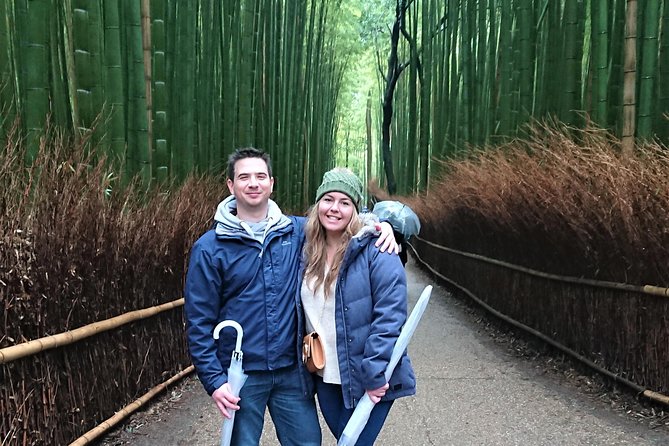
Arashiyama comes next, with about 1.5 hours in the bamboo forest area. This is the part of the tour that feels more atmospheric than historic, and that shift is a nice change of pace after temple sightseeing.
The bamboo forest is described as cool and confined, and that matches the experience you should aim for. You will get the iconic sense of the place through the breeze moving through the stalks and leaves, a sound that is hard to get when you visit later in the day.
Timing matters again. The tour is set so you hear that bamboo-breeze moment just as temperatures begin to rise before midday. Translation: you are more comfortable moving slowly through the path, and the experience stays calm instead of turning into a sweaty rush.
The tour ends back at Kyoto Station, but you can also opt to finish in Arashiyama if you want extra time there on your own. If you like lingering, this option can save you from backtracking and helps you turn the day into more of an experience than a schedule.
The pace, step count, and what to wear
This is a walking tour, not a short highlights drive-by. Expect about 15,000 steps, with enough movement across the shrine grounds and between viewpoints that your legs will notice it.
A moderate fitness level is required, and it is not suitable for people with mobility impairments or low fitness. If you know your typical limit is short walks, consider a different format.
Wear comfortable shoes you trust. Also think about how you’ll handle morning crowds if you are sensitive to noise, since the tour is still visiting major attractions. Bringing water is a practical move since meals and drinks are not included.
A day of temples goes further with something to break it up.

Price and value: $102 for three major sights and a morning advantage
At $102 per person for a 5-hour guided experience, the biggest question is whether it feels worth it compared to doing these stops on your own.
Here is the value angle that makes sense. You are paying for:
- an English-speaking guide who explains Shintoism, Zen Buddhism, and Japanese everyday life
- early timing that helps you see torii gates and other spots with fewer people
- a structured half-day route that links three famous locations without you spending your morning figuring it out
Costs that are not included are also clear:
- Kinkakuji admission at 500 yen
- Public transportation around 1,300 yen
- Meals and drinks
When you add those together, the total spend is still reasonable for three top-name sights, especially in a city where travel planning can eat up your time. The tour structure also helps you avoid the common Kyoto mistake: spending your whole morning commuting and then arriving at the best sights when they are already packed.
One extra value point from the review feedback: the guide experience. A verified booking described the tour as varied, paced pleasantly, and educational. That matters because a guided morning can turn landmarks into something you understand, not just something you see.
Who should book this Kyoto Early Bird Walking Tour
This fits best if you:
- want Fushimi Inari torii photos without the worst crowd pressure
- like learning cultural context, not just collecting pictures
- have limited time and want a workable plan from Kyoto Station through noon
- appreciate a structured, guided route that includes major transit legs
It might not fit you if you:
- need a low-step day, or you know 15,000 steps is beyond your comfort
- want a slow, sit-down sightseeing rhythm with lots of breaks
- prefer to explore at your own pace with no set route, since the plan is tight
If you are traveling as a private group, the guide format can feel especially good. You get the route and explanations without being lost in a large tour herd.
Should you book this early bird Kyoto walk?
My take: book it if you care about timing and guidance. The early start is not a marketing trick here. It directly improves your experience at Fushimi Inari, supports better photos, and keeps the bamboo forest visit more comfortable.
Skip it only if your fitness level is low or you need a mobility-friendly format, because the day is built around walking and stepping around different temple and shrine areas. Also factor in the small extras so you are not surprised by Kinkakuji admission and local transit.
If you want a morning in Kyoto that feels smoother, calmer, and more meaningful, this tour is a smart use of half a day. It gives you the big three sights, plus the cultural why behind what you are seeing, then lets you free up the rest of your day after noon.
FAQ
How long is the Kyoto Early Bird Walking Tour?
The tour lasts 5 hours.
What is the price per person?
The price is $102 per person.
What are the main stops included on the tour?
You visit Fushimi Inari Taisha Shrine, Kinkaku-ji Temple, and the Arashiyama bamboo forest (with Fushimi Inari and Arashiyama listed as included, and Kinkaku-ji requiring an admission ticket).
Is the Kinkaku-ji admission ticket included?
No. Kinkaku-ji admission is extra at 500 yen.
How do I meet the guide at Kyoto Station?
Meet beside the central JR ticket gates on the ground floor, on the north side of Kyoto station near Kyoto Tower. The guide will hold a name board with your name.
What about public transportation during the tour?
Public transportation is used between attractions, and the estimated cost is about 1,300 yen. The tour uses a mix of train and city bus travel.
What time of day does the tour end?
The tour ends around noon, leaving time for other activities afterward.
Can I end the tour in Arashiyama instead of returning to Kyoto Station?
Yes, you can opt to end in Arashiyama to enjoy more time there yourself.
Is this tour suitable for people with mobility impairments?
No. It is not suitable for people with mobility impairments, and it requires moderate fitness due to the walking and about 15,000 steps.
New This Season
- Koyasan Day Trip by Private Car from Kyoto
- Old Port Town and Ultimate Sake Tasting Private Tour From Kyoto
- Kyoto’s Timeless Charm: 3hr Exploration of History and Peace
- Kyoto: 5 Types of Sushi Making
- Sacred Peak & Ancient Paths: Kurama-Kibune Hiking Experience
- Kyoto: Exclusive ZEN practice at Manpukuji temple in Uji
- Kyoto: Private Seasonal Aroma Yoga Class
- Traversing Kyoto’s Scenic West – Arashiyama to Kinkakuji
Walking Tours, compared.
Kyoto Geisha Walking Tour: Gion District & Hidden Gems
Read our review →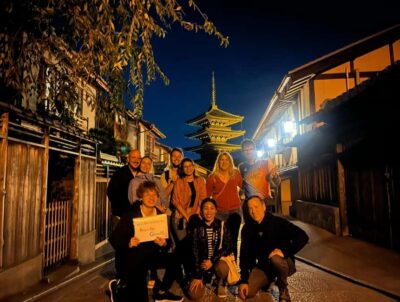
Gion Magical Night Walking Tour with Geisha Trivia
Read our review →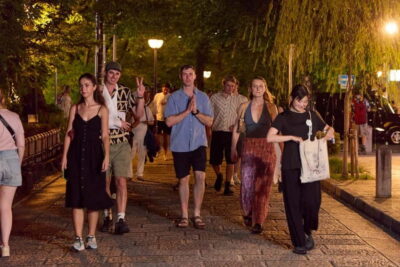
Gion Geisha District Walking Tour – Stories of Geisha
Read our review →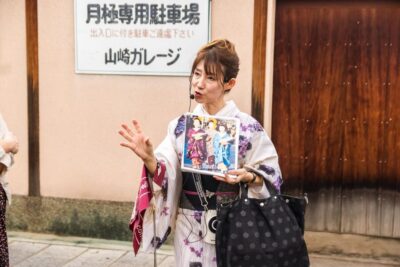
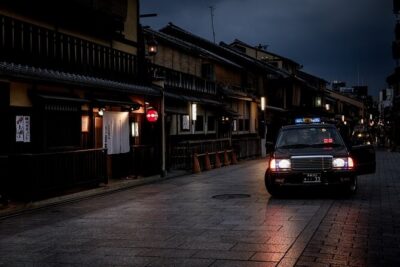
Kyoto Gion Geisha District Walking Tour – The Stories of Geisha
Read our review →
Nishiki Market Brunch Walking Tour (7 Tastings + Brunch)
Read our review →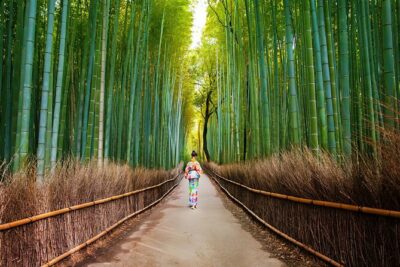
Kyoto Arashiyama Walking Tour: Bamboo, Monkeys, Gardens & Secrets
Read our review →
Kyoto Gion: 2-Hour Geisha Culture & History Walking Tour
Read our review →Also filed under