
Reviewed · WALKING TOURS
KYOTO Explore Top Highlights by Private Walking Tour
Kyoto goes smoother with a private plan. This day tour is built around what you want, with your guide drafting a custom itinerary before you finalize, then adjusting the stops to your pace. The route typically hits Arashiyama bamboo area and Kinkakuji Golden Pavilion.
I like that the guide is local and can speak English or Thai, which makes it easier to ask questions, especially if you are traveling with kids. Guides I’ve seen described like Senji, Marin, and Shinji also focus on practical flow, not just checklists, and they help with photo moments when you want them.
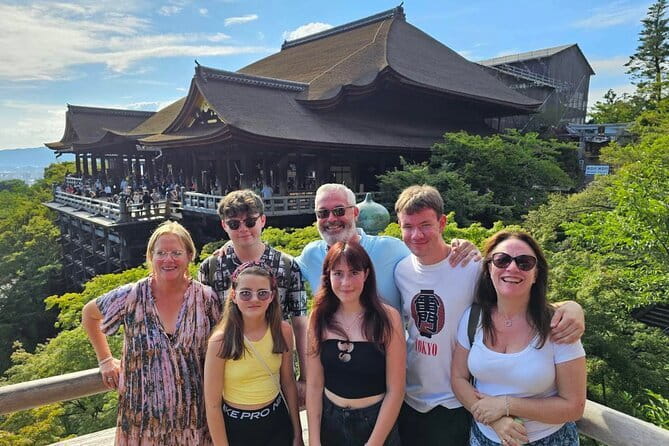
One drawback to plan for is that several temple and garden entrances charge extra, like Kinkakuji and Kiyomizudera, and those fees are not included. Also, the walk toward Kiyomizudera runs through steep areas with lots of stairs near Ninenzaka and Sanenzaka, and English skill can vary from one guide to another.
In This Review
- Key things to know before you go
- Kyoto highlights, built around your wish list
- Price and logistics: what the $192 private day really includes
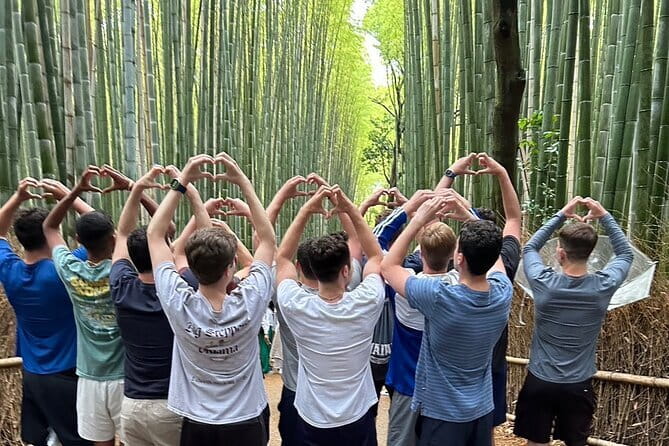
- Arashiyama Kimono Forest and the bamboo walk you can actually keep up with
- Kinkakuji Golden Pavilion in 30 minutes, plus those bonsai details
- Fushimi Inari Taisha short course under 30 minutes
- Nishiki Market lunch option, then Gion stroll toward Ninenzaka and Sanenzaka
- Kiyomizudera Temple and the steep stairs reality check
- Guide quality: photos, cash help, and language you should plan for
- Should you book this private Kyoto walking tour?
- FAQ
- How long is the Kyoto Explore Top Highlights private walking tour?
- What is the group size limit?
- Is pickup offered?
- Is there a mobile ticket?
- Are entrance fees included?
- Which stops are listed as free admission?
- What language does the guide speak?
- What is the cancellation policy?
Key things to know before you go
- Your route starts with your wish list, then gets refined before you lock it in.
- Short-course timing for Fushimi Inari means you get the torii feeling without the full climb.
- Flat per-group pricing up to 6 can be good value versus paying for separate seats.
- Photo help is part of the job, and you may even receive pictures afterward.
- Entrance fees and transport are on you, so budget yen beyond the tour price.
- Nishiki Market is a standing, packed experience, especially if you plan to snack or lunch there.
Kyoto highlights, built around your wish list
The big selling point here is control. Instead of a fixed, one-size route, you share what you want to see and what you want to eat, and the guide drafts an itinerary for you before you finalize. You can also adjust on the day based on your pace, which matters in Kyoto when you might be tired from early morning or you want one more stop because something caught your eye.
The tour is built around major hits that most first-timers want: Arashiyama, Kinkakuji, Fushimi Inari Taisha, Nishiki Market, Gion, Ninenzaka, Sanenzaka, and Kiyomizudera. But the way you flow between them can be different depending on what you care about most. If your priorities are temples and views, you’ll get more time where it counts. If your priorities are food and streets, the day can tilt that way.
This setup is especially helpful if you’re traveling with kids or anyone who hates feeling rushed. You still visit the big places, but you do it with a plan that can bend.
Price and logistics: what the $192 private day really includes
It’s $192 per group for up to 6 people, and the tour runs about 8 hours. Pickup is offered, and you get a mobile ticket, which makes the start of the day easier. The guide fee is included, and the guide is local and speaks English and Thai.
What is not included is where your budget planning comes in. Public transportation fees (train, bus, taxi) and any private transportation fees are not included. Entrance fees are also not included, and the tour lists Kinkakuji 500 JPY, Tenryuji 500 JPY, and Kiyomizudera 600 JPY. Food and drink are also on your tab.
Here’s the value angle. If you compare the cost to hiring a guide alone for a day in Kyoto, $192 for a group of up to 6 can work out well, especially when you want help with timing and navigation. You are paying for someone to manage routes, crowd pressure, and your stop order. The tradeoff is that you still need to pay for transit and entry. If you want a “one price covers everything” day, this may feel a bit more DIY than you expect.
Practical tip: plan to have some yen ready for both transit and entrances. In one story shared by a guide experience, Senji helped locate a cash machine for yen withdrawal, which is the kind of lifesaver you’ll appreciate when you’re short on cash.
A quieter way to spend a day in Kyoto
- Kyoto Geisha Walking Tour: Gion District & Hidden Gems
★ 4.7 · 3,273 reviews - Kyoto: Gion Magical Night Walking Tour with Geisha Trivia
★ 4.9 · 2,393 reviews - Kyoto: Gion Geisha District Walking Tour – Stories of Geisha
★ 4.7 · 2,187 reviews - Night Walk in Gion: Kyoto’s Geisha District
★ 4.5 · 2,003 reviews
Arashiyama Kimono Forest and the bamboo walk you can actually keep up with
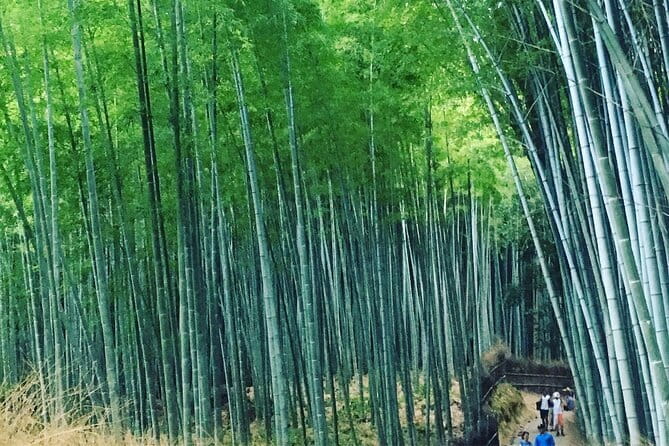
Stop 1 is Arashiyama Kimono Forest, with a walk to the bamboo forest and the town, planned for about 1 hour. Admission is not included for this stop.
Why start here? Arashiyama is a classic Kyoto mood, and the bamboo area tends to be photo-heavy and crowd-friendly in the sense that it draws people from all directions. A guided start helps you get oriented fast and move through the area without spending the whole hour simply figuring out where to stand.
What to watch: your time is limited. You get a one-hour window to enjoy the bamboo area and the surrounding town walk. If you want to spend a long time photographing every angle, ask your guide if the Arashiyama time can flex later in the day. Also, wear shoes you trust. Kyoto sidewalks can be uneven, and you’ll be walking for hours after this.
Kinkakuji Golden Pavilion in 30 minutes, plus those bonsai details
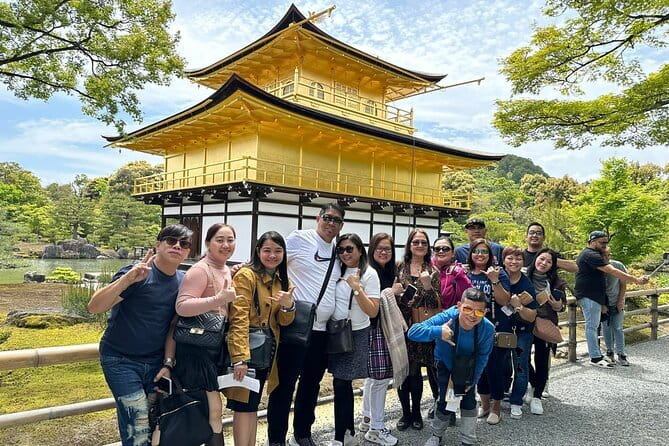
Stop 2 is Kinkakuji Temple, the Golden Pavilion, scheduled for about 30 minutes. Admission is not included, and the listed entrance fee is 500 JPY. You’ll also see an over 600-year-old bonsai mentioned as part of the experience.
How you get there is part of the plan too. The route can use bus or train, which is useful when you want to skip the guesswork of which line gets you closest without burning time.
The main tradeoff with Kinkakuji is also the main benefit: 30 minutes is great for hitting the highlights, but it’s not long enough for a slow, repeated look at every corner. If Kinkakuji is your number one must-see, tell your guide early. They may shift your day so you get a deeper visit here, or they may help you focus on the exact views you care about most.
Fushimi Inari Taisha short course under 30 minutes
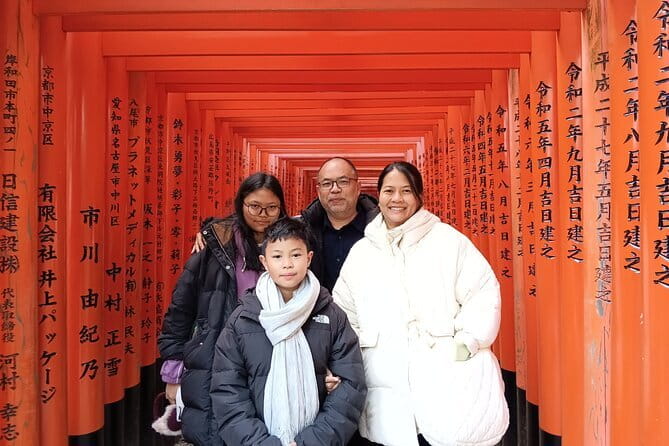
Stop 3 is Fushimi Inari-taisha Shrine. The overall walking is about 2 hours if you do the full route, but this tour does a short course taking less than 30 minutes. Admission is free.
This is one of those decisions that can make or break a day. If you want the famous torii vibe but you do not want to commit to a long climb through busy paths, a short course is a smart compromise. You still get the key visual, without turning the afternoon into a leg workout.
What you might miss is also clear: less time means fewer torii gates in your personal photo set and fewer chances to stop and read small details along the way. If you love hiking and you want the full progression, you’ll probably prefer to extend the route on your own. If your goal is iconic Kyoto in a manageable chunk, this version fits well.
Nishiki Market lunch option, then Gion stroll toward Ninenzaka and Sanenzaka
Stop 4 is Nishiki Market Shopping District for about 1 hour. Admission is free. It’s known for Kyoto kitchen items, and lunch can happen here if you do not mind standing and crowds.
This is a good stop if you like practical souvenirs and snack-level eating. You can get small things you’ll actually use, like food items or kitchen-related goods, and you can keep moving. The only caution is comfort. Nishiki is tightly packed, so expect shoulder-to-shoulder energy, especially around mealtimes.
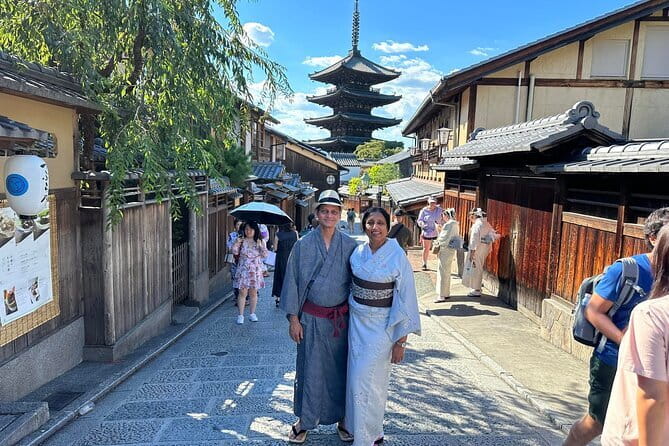
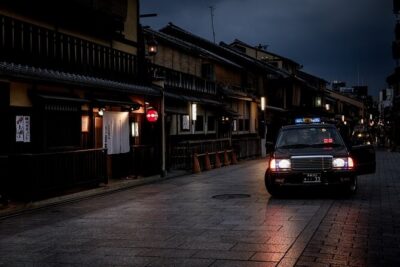
Stop 5 is Gion, planned for about 3 hours. Admission is free, and the walk continues toward Ninenzaka up to Kiyomizudera. The plan even includes hoping to spot Geisha.
Important expectation: seeing Geisha is never something you can bank on. But a guided stroll helps you use your time in the neighborhoods where appearances are more likely, and it can also help you avoid wasting time circling back for photos.
This is also where you’ll feel the rhythm change. After Nishiki, the day becomes more about atmosphere, side streets, and photo stops. It’s a great time to tell your guide what kind of photos you like, because some guides are clearly photo-focused. Marin is one example of a guide described as a gifted photographer, and Shoji shared lots of pictures after the day, which can be a fun bonus if you want a second set of images beyond your own phone shots.
A day of temples goes further with something to break it up.
Kiyomizudera Temple and the steep stairs reality check
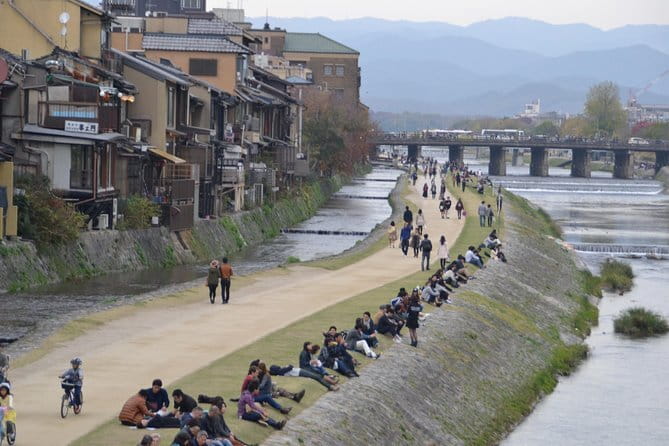
Stop 6 is Kiyomizudera Temple for about 2 hours. Admission is not included, and the listed entrance fee is 600 JPY.
To get there, you go through Ninenzaka and Sanenzaka, where the area is steep and there are shops on both sides. Expect stairs, shifting crowds, and the kind of old-street Kyoto that looks great in photos but can be tiring after a long day.
This is why pacing matters. If you plan on buying snacks or small souvenirs, your legs will feel it when you climb. If your group includes kids or someone with limited mobility, tell your guide early so they can plan shorter breaks and a smarter flow.
If you love viewpoints and temple atmosphere, this stop is usually worth the effort. If you’re physically worn out, it can still be enjoyable as long as you take breaks before you feel trapped by the stairs and crowds.
Guide quality: photos, cash help, and language you should plan for
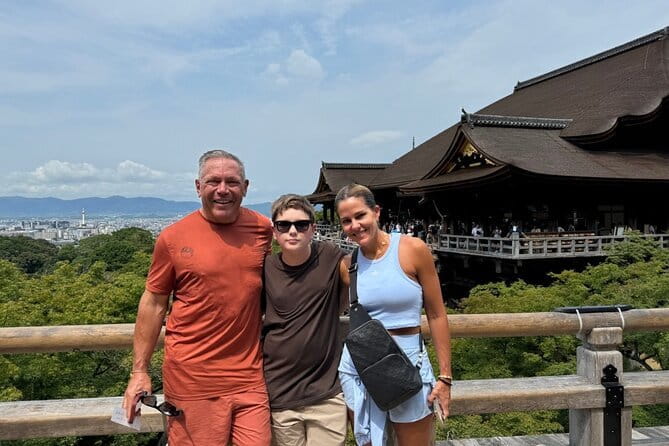
The private guide factor is the heart of this experience. In the positive examples, the help is practical. Senji is described as tailoring the day for both adults and kids, and he also helped locate a cash machine so yen withdrawal was not a last-minute scramble. Shinji is described as sweet and photo-minded, and he even helped someone get their coin back after it got stuck in a dispenser.
Marin is described as accommodating and flexible, and also as a strong photographer who knows good photo spots. Shoji is described as sending lots of pictures after the day, which can be a nice way to get usable shots if your group spent too much time talking and not enough time taking photos.
Balanced note: language quality can vary. One group reported that their guide’s English was difficult to understand and that they got less information than they expected. If language clarity is important to you, share your expectations early and ask questions from the start. Even a guide who speaks less confidently can still handle logistics, but your experience is better when you can communicate clearly about what you want most.
Should you book this private Kyoto walking tour?
Book it if you want efficiency plus flexibility. This is a strong fit for families, first-timers, and anyone who wants Kyoto’s big highlights without spending the whole day figuring out trains, entrances, and how to pace through crowds. The group size up to 6 also keeps the cost reasonable when you split it.
Skip it, or at least reconsider, if you prefer to slow down on your own and linger deeply at a single site. With fixed timing like the 30-minute Kinkakuji stop and the short-course Fushimi Inari plan, you may feel a bit constrained. Also, if you are counting every yen, remember that entrance fees and transport are not included.
My bottom line: this is the kind of tour that works best when you show up with a short list of priorities and you’re open to adjusting your route on the fly. If you do that, you’re likely to leave Kyoto feeling like you saw the essentials, without feeling like you were sprinting through them.
FAQ
How long is the Kyoto Explore Top Highlights private walking tour?
The tour is about 8 hours.
What is the group size limit?
This is a private tour for your group, up to 6 people.
Is pickup offered?
Yes, pickup is offered.
Is there a mobile ticket?
Yes, you receive a mobile ticket.
Are entrance fees included?
No. Entrance fees are not included. The tour lists Kinkakuji 500 JPY, Tenryuji 500 JPY, and Kiyomizudera 600 JPY as examples of entrance fees.
Which stops are listed as free admission?
Fushimi Inari-taisha is listed as free, Nishiki Market is listed as free, and Gion is listed as free.
What language does the guide speak?
The tour includes a local English and Thai speaking tour guide.
What is the cancellation policy?
You can cancel for a full refund up to 24 hours in advance. If you cancel less than 24 hours before the start time, the amount paid is not refunded.
New This Season
- Koyasan Day Trip by Private Car from Kyoto
- Old Port Town and Ultimate Sake Tasting Private Tour From Kyoto
- Kyoto’s Timeless Charm: 3hr Exploration of History and Peace
- Kyoto: 5 Types of Sushi Making
- Sacred Peak & Ancient Paths: Kurama-Kibune Hiking Experience
- Kyoto: Exclusive ZEN practice at Manpukuji temple in Uji
- Kyoto: Private Seasonal Aroma Yoga Class
- Traversing Kyoto’s Scenic West – Arashiyama to Kinkakuji
Walking Tours, compared.
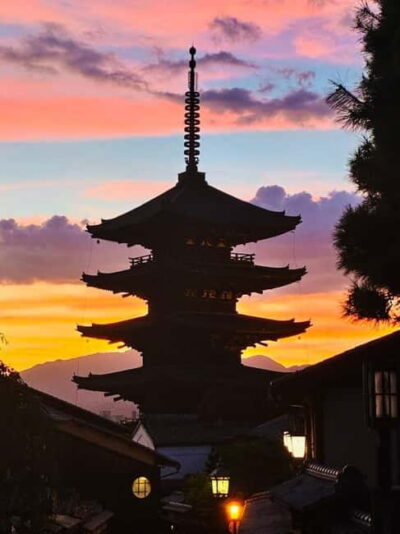
Kyoto Geisha Walking Tour: Gion District & Hidden Gems
Read our review →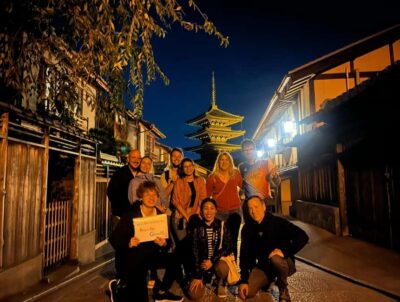
Gion Magical Night Walking Tour with Geisha Trivia
Read our review →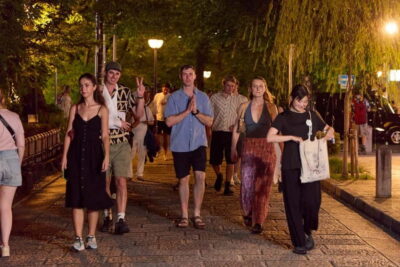
Gion Geisha District Walking Tour – Stories of Geisha
Read our review →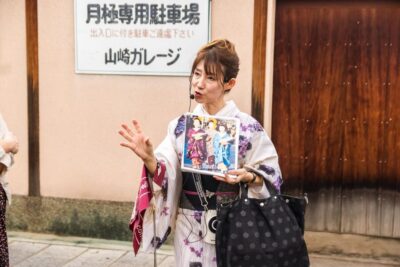
Kyoto Gion Geisha District Walking Tour – The Stories of Geisha
Read our review →
Nishiki Market Brunch Walking Tour (7 Tastings + Brunch)
Read our review →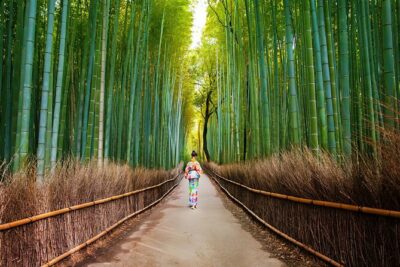
Kyoto Arashiyama Walking Tour: Bamboo, Monkeys, Gardens & Secrets
Read our review →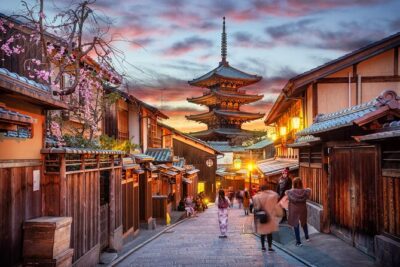
Kyoto Gion: 2-Hour Geisha Culture & History Walking Tour
Read our review →Also filed under