
Reviewed · FUSHIMI INARI SHRINE WALKS
Kyoto Fushimi District Food and History Tour
Fushimi is Kyoto’s sneaky history zone. This 5 hour Kyoto Fushimi district tour mixes shrine meaning with real local food stops, not just photos, and I like that the day is built around sake culture plus sweets as you move through the area. The drawback to flag up front: it is a shared group, so French is not guaranteed unless you request it early, with English prioritized if multiple nationalities join.
What makes this feel worth the money is how tightly it packs entrances, tastings, and guided context into one morning, starting at 9:30 am right by the Fox statue at Fushimi Inari Taisha. For a booked price of $78.04 per person, you are not only paying for walking and talking, you are also getting included museum time, snacks, and hands-on shopping help. Plus, the group stays small, up to 10 people, which usually means less waiting around and more time to ask questions.
You’ll finish back at the same meeting point, with a clear sense of how Fushimi connects to Japan’s turning points, from the Inari spirit to the Meiji era story tied to Fushimiguchi. One more practical note: the day is mostly outdoors and on city sidewalks, so comfortable shoes matter.
In This Review
- Key highlights
- Why Fushimi matters when you are tired of the big crowds
- Price and value: $78.04 is buying more than a walk
- The flow of the morning, from shrine meaning to canal calm
- Entering Fushimi Inari-taisha without getting stuck in gate-line mode
- Gekkeikan Ōkura Sake Museum: how exported sake connects to everyday culture
- Canal of Fushimi: a short walk that breaks up the heavy parts
- The Battle of Fushimiguchi trace, brief but purposeful
- Teradaya Historic Site and Sakamoto Ryoma’s near-assassination story
- Ryoma shopping street, plus taiyaki and the sweet reset
- Fushimi sweets after sake: 伏水菓蔵 本店 and where coffee fits
- Guides, language, and what to expect from a small group
- Who this tour is best for in Kyoto
- Should you book Kyoto Fushimi food and history tour?
- FAQ
- How long is the Kyoto Fushimi District Food and History Tour?
- What is the meeting point and start time?
- What is included in the price?
- Is lunch included?
- What food and sweets will I get?
- Is coffee or tea included?
- Will the tour be in French?
- How big is the group?
- What is the cancellation policy?
Key highlights
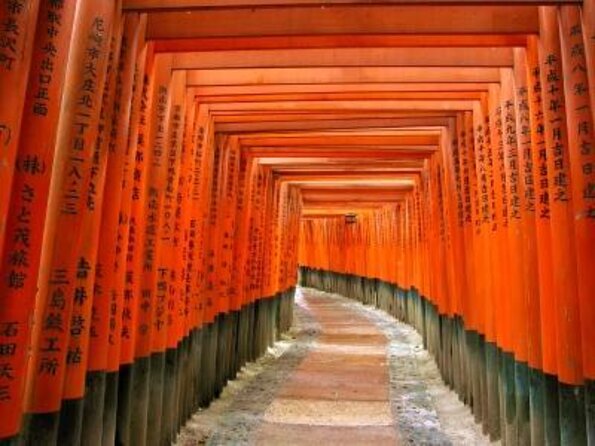
- A Fushimi route that goes beyond the thousand gate scene, focusing on meaning and lesser-known spots
- Gekkeikan Ōkura Sake Museum entry included, plus a look at sake culture tied to export history
- Canal of Fushimi walk, a calmer break that feels like traditional Kyoto life
- Battle of Fushimiguchi battlefield trace, short but story-driven, linked to the Meiji restoration beginning
- Teradaya Historic Site, built around Sakamoto Ryoma’s near-assassination and escape
- Food stops with built-in breaks, including taiyaki and cafe sweets, plus guidance for lunch
Why Fushimi matters when you are tired of the big crowds
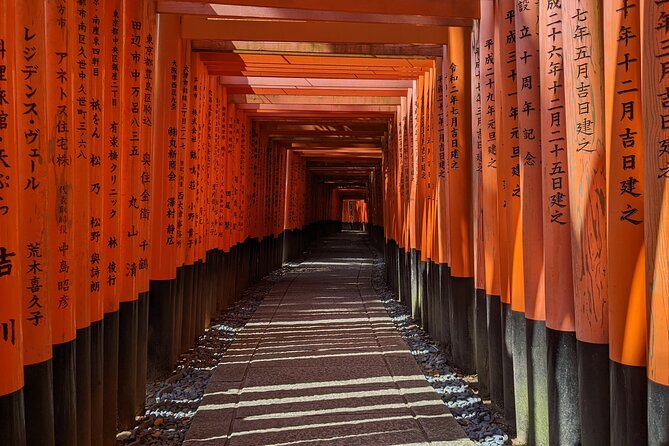
If Kyoto is a choose-your-own-adventure, Fushimi is the chapter you read when you want something less scripted. You still visit Fushimi Inari-taisha, but the emphasis is not on the endless gates and the busiest selfie rhythm. Instead, the focus is on why the Inari spirit matters and on a few quieter corners most people skip.
I like this approach because it makes Fushimi feel like a living neighborhood, not an outdoor theme park. You get to connect food, faith, and history in the same half-day. And since the tour stays in the district near Kyoto station access, it is easy to build into your itinerary.
A small group also helps. You can actually hear your guide and ask follow-up questions, which matters when you are learning how the places connect to Japan’s bigger story.
Price and value: $78.04 is buying more than a walk
At $78.04 per person for about 5 hours, the price can look “reasonable” until you list what is included. Here is the practical value math:
- Sake museum admission is included
- Teradaya Historic Site admission is included
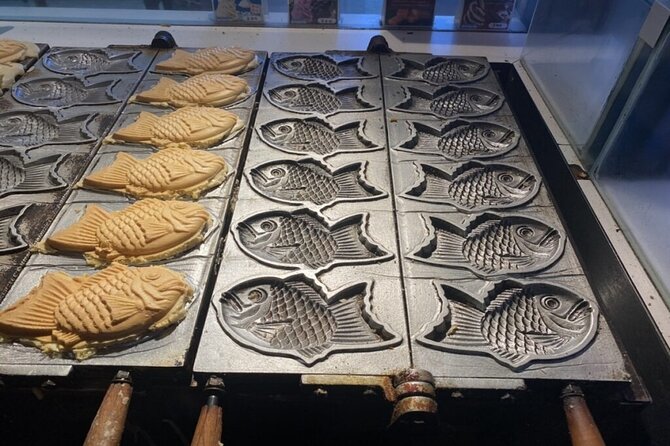
- You get 1 taiyaki per person
- You also get up to 2 sweets at the cafe stop
- The tour includes full guiding, plus shopping and translating assistance
That set of inclusions is what turns this from a sightseeing loop into an experience that feeds you and explains you. Lunch is not included, but you do get guided help at the Ryoma shopping street, which is often where people get stuck guessing what to order and where.
One more detail I appreciate: the tour uses a mobile ticket, which means less fuss once you are on the move. The tour is also near public transportation, so you are not trapped in a maze of taxis.
Still climbing through the orange gates?
- Kyoto: Fushimi Inari, Kinkakuji, Bamboo Grove 1 Day Bus Tour
★ 4.8 · 4,316 reviews - Fushimi Inari Hidden Hiking Tour (Private Option Available)
★ 5.0 · 1,750 reviews - Osaka/Kyoto:Kinkakuji,Arashiyama,FushimiInariShrine,NaraPark
★ 4.1 · 1,596 reviews - Kyoto/Osaka: Nara, Fushimi Inari Taisha, Arashiyama Bus Tour
★ 4.7 · 1,275 reviews
The flow of the morning, from shrine meaning to canal calm
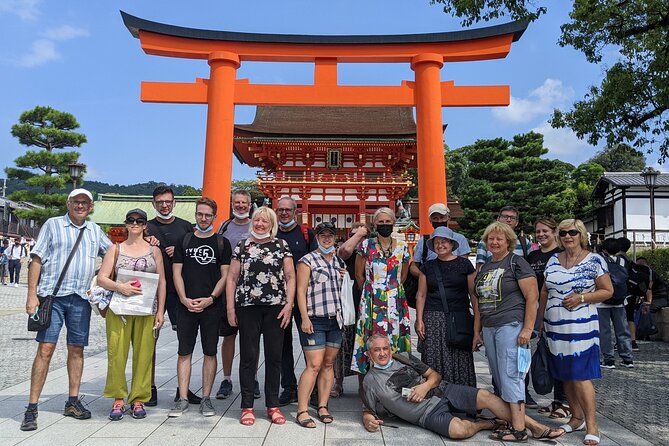
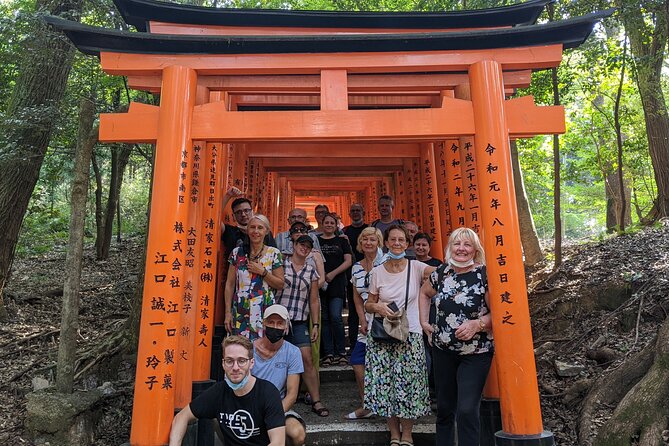
This tour is timed like a good day out: shrine first, then a museum, then outdoor walking, then history sites, and finally the food-and-shopping stretch. You start at 9:30 am at the Fox statue at Fushimi Inari Taisha. From there, you work your way through key Fushimi spots and you come back to the same meeting place at the end.
It helps that the stop lengths are varied. You get about an hour for the shrine focus, an hour in the sake museum, a short canal walk, brief battlefield trace time, and longer stretches for the Ryoma shopping area and sweets. That mix prevents the day from feeling like one long lecture.
Also, the tour is capped at a maximum of 10 people. With that size, you are more likely to keep a steady pace instead of constantly stopping for the slowest person in the group.
Entering Fushimi Inari-taisha without getting stuck in gate-line mode
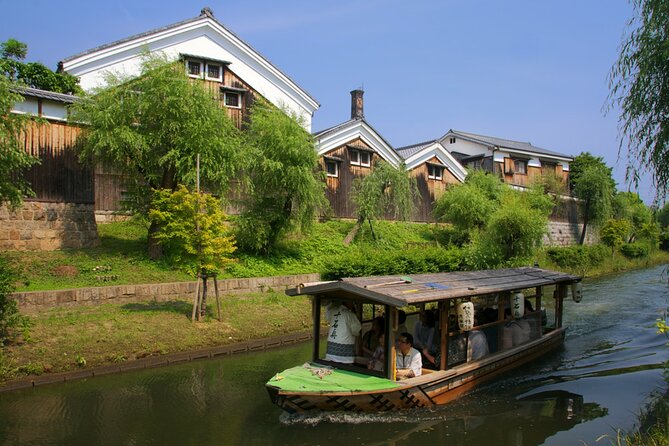
Yes, you do go to Fushimi Inari-taisha. But the point is not to spend the whole time chasing the most famous visual. You’ll learn about the origin of the Inari spirit, then you get to explore a few lesser-known spots in the area that most people miss.
This is a smarter way to visit because the shrine is big, and the “what am I looking at?” feeling hits fast. Having a guide steer you toward the meaning behind what you see saves time and makes your photos way more satisfying later, even if you just use them as memory bookmarks.
If you want a purely minimalist visit, this part might feel structured. But if you want understanding, it is the right opener. Expect around 1 hour here, with the ticket being free.
Practical tip: if you are combining this with other shrine stops later that day, you might want to keep your next plan lighter. The learning part can make you slower, in a good way.
Gekkeikan Ōkura Sake Museum: how exported sake connects to everyday culture
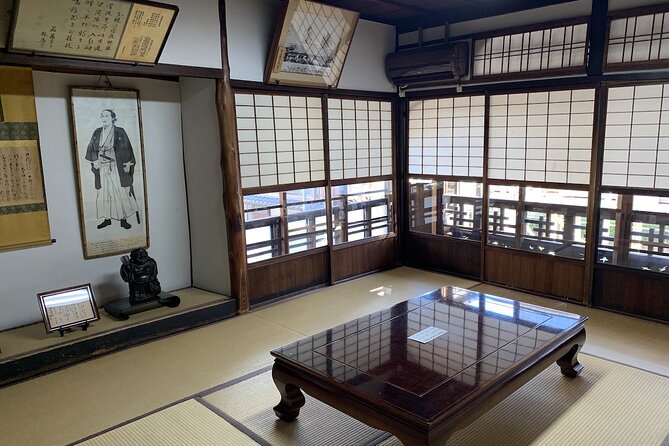
The Gekkeikan Ōkura Sake Museum stop is one of the most practical payoffs in the whole route. Admission is included, and you get about 1 hour inside to explore sake culture through the lens of an old distillery.
What I like here is that the museum ties local tradition to a bigger story: Gekkeikan is described as the very first distillery to export Japanese alcohol overseas. That gives context beyond “sake exists.” You start to see how a local craft moved outward and changed how outsiders experienced Japan.
There is also an indirect benefit for non-sake experts. Even if you do not know the difference between styles yet, the guided walkthrough helps you understand what to look for later, when you see labels or tasting offers in town.
Potential drawback: museum time can feel a bit “indoors classroom” if you wanted only outdoor strolling. But in this itinerary, it is a good reset before more walking.
Canal of Fushimi: a short walk that breaks up the heavy parts
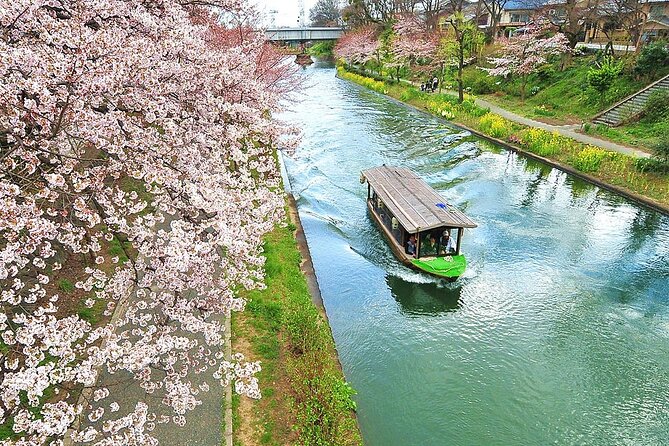
After the museum, you head to 伏見運河, the Canal of Fushimi. This is the calm moment. You spend about 30 minutes here, and the idea is simple: enjoy the outdoors and look at the beauty of a traditional Kyoto district, with seasonal cherry blossom vibes possible.
Why this works is because the day already includes intense historical themes. A lighter outdoor stop helps your brain absorb what you learned. It also gives you space to slow down, take photos, and just watch normal life in a place that is not trying to perform for tourists.
This stop is free, and it is short, so you should not expect a long “romantic riverside day.” Think of it as a breath of air between chapters.
More of Kyoto's centuries, explained
The Battle of Fushimiguchi trace, brief but purposeful
Next comes the Battle of Fushimiguchi Battlefield Trace. You only get around 15 minutes, and that matters for expectations. This is not a full battlefield museum experience. It is a guided story stop that explains why this conflict is linked to the beginning of the Meiji restoration.
I like this kind of short stop because it acts like a timeline marker. You leave with a name and a sense of what changed, which is exactly what many bigger-history visits fail to do. You do not feel overwhelmed with facts, yet you get enough context to continue exploring later on your own.
The drawback is obvious: if you want deeper detail, this alone will not satisfy. But as part of a food-and-history day, it is a smart use of time.
Teradaya Historic Site and Sakamoto Ryoma’s near-assassination story
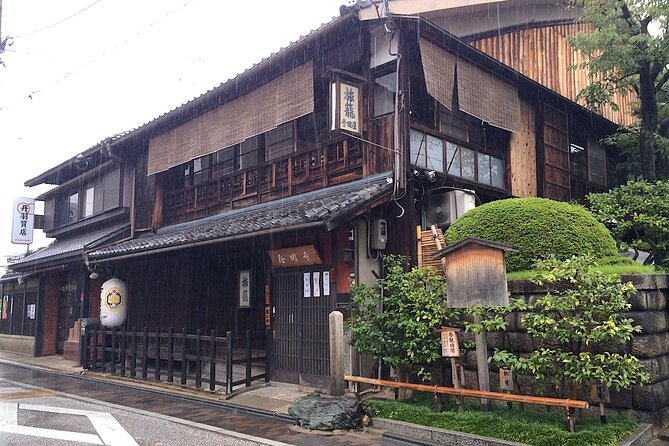
At the Teradaya Historic Site, the tour leans into a human story. You are guided through the background of Sakamoto Ryoma, one of the important historical figures highlighted on this itinerary, who came close to being assassinated in his room by the Shinsengumi, and then barely escaped.
This stop is about 30 minutes, and it is included. You get an emotionally clear narrative, not just names on stone. And even if Ryoma is not on your pre-trip reading list, the story structure makes it easier to remember.
The value here is that it connects directly to the surrounding area. When you then hit the Ryoma-themed shopping street right after, the theme feels earned, not like a random souvenir zone.
Ryoma shopping street, plus taiyaki and the sweet reset
Then you move into 竜馬通り商店街, the Ryoma Shopping Street. Think of it as an area meant for food, drinks, and browsing, similar in spirit to other famous market-style streets, but presented here as keeping its local tradition.
You spend about 1 hour 10 minutes here. The tour includes guidance and translating assistance, which is a big deal in Japan when you want to order without playing guess games. It also gives you time to do the practical stuff: pick snacks, find a lunch option, and grab small items you actually want.
Lunch itself is not included, but you do have your guide’s assistance for where and what to eat in the area. Based on what I know from how this tour has been run, the lunch moment is one of the easiest ways to turn the day into something personal, because you can match your order style to your comfort level.
Food included in this part: you get 1 taiyaki per guest. Earlier or later you will also have a sweets stop with cafe treats.
Fushimi sweets after sake: 伏水菓蔵 本店 and where coffee fits
The tour ends with a sweet break at 伏水菓蔵 本店. You have about 30 minutes here, and admission is free. The idea is to enjoy traditional Japanese sweets after the sake museum, then relax before heading back to transit for the final segment.
You also get the chance for a coffee moment here. Coffee and tea drinks are not included, so this is a choose-your-own add-on. Still, it is a good timing pick if you want something warm or a caffeine reset after tasting and browsing.
This ending matters because it wraps the day in one clear Japanese flavor note: not just food stops, but a purposeful sequence. Sake culture leads into sweets, and the day finishes on something you can savor without rushing.
Guides, language, and what to expect from a small group
One thing you should know before booking: this is often a shared group, and French cannot be guaranteed for every date. If you request a francophone guide, you need to contact in advance so the provider can confirm availability. In shared tours, English is prioritized if multiple nationalities join.
That said, every guide speaks at least English and Japanese, so you are not going to get stuck with zero communication. If French is available as an extra language, the guide may switch between languages as needed.
If you are traveling solo, you can book directly, but there is a 2 guest minimum rule to make the session go ahead. If it does not meet the minimum, the tour might be canceled with a reschedule or refund option offered.
Finally, the tour is capped at 10 travelers. In practice, that tends to keep things flexible. You are more likely to get help that goes beyond the script, like assistance with rail planning. One guide named Remi has been praised for being thoughtful and for helping guests navigate rail plans, going above and beyond when people needed it.
Who this tour is best for in Kyoto
This Kyoto Fushimi food and history tour is a great match if you want:
- A half-day plan that does more than tick off landmarks
- A mix of history, shrine meaning, and real food stops
- A guided experience that helps you order and browse without stress
- A route that stays closer to local Fushimi life rather than only chasing the most famous gate views
It is also useful if you are not a “museum every day” person. The day uses museums and battlefield storytelling, but it balances them with outdoor walking and market time.
Who might not love it: if your priority is purely the most famous Fushimi Inari photo spots and nothing else, you might feel the emphasis is different. This is meant to teach you how Fushimi connects, so expect context, not just sights.
Should you book Kyoto Fushimi food and history tour?
I’d book it if you want a day that feels like a real local loop with built-in food moments and guided meaning. The value is strong because museum entries and multiple snacks are included, and the guide support helps you actually enjoy the shopping and lunch area instead of navigating alone.
I’d skip it only if you strongly need a guaranteed French guide for a specific date, or if you want a long, unstructured wandering day focused only on the busiest Fushimi Inari gate views. With those two things in mind, this tour is a smart, efficient way to experience Fushimi beyond the obvious.
FAQ
How long is the Kyoto Fushimi District Food and History Tour?
The tour lasts about 5 hours.
What is the meeting point and start time?
You meet at the Fox statue at the entrance to Fushimi Inari Taisha Shrine, near 稲荷駅, and the start time is 9:30 am.
What is included in the price?
Included are full guiding, entrance to the Gekkeikan Ōkura Sake Museum, entrance to Teradaya Historic Site, 1 taiyaki per guest, and snacks of up to 2 sweets at the cafe, plus shopping and translating assistance.
Is lunch included?
Lunch is not included, but you can enjoy lunch at the Ryoma Shopping street with your guide’s assistance.
What food and sweets will I get?
You will receive 1 taiyaki per guest, and you can also get up to 2 sweets at the cafe stop at 伏水菓蔵 本店.
Is coffee or tea included?
Coffee and or tea drinks are not included.
Will the tour be in French?
French cannot be guaranteed for shared tours. Guides speak at minimum English and Japanese, and French may be added if available. For a francophone guide on your date, you should contact in advance.
How big is the group?
The tour has a maximum of 10 travelers.
What is the cancellation policy?
You can cancel for a full refund up to 24 hours before the experience’s start time, with free cancellation available under that window.
More Food & Drink in Kyoto
More Food in Kyoto

New This Season
- Koyasan Day Trip by Private Car from Kyoto
- Old Port Town and Ultimate Sake Tasting Private Tour From Kyoto
- Kyoto’s Timeless Charm: 3hr Exploration of History and Peace
- Kyoto: 5 Types of Sushi Making
- Sacred Peak & Ancient Paths: Kurama-Kibune Hiking Experience
- Kyoto: Exclusive ZEN practice at Manpukuji temple in Uji
- Kyoto: Private Seasonal Aroma Yoga Class
- Traversing Kyoto’s Scenic West – Arashiyama to Kinkakuji
Fushimi Inari Shrine Walks, compared.
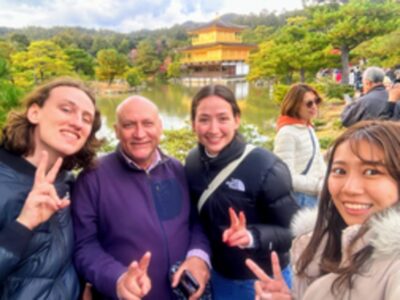
Fushimi Inari, Kinkakuji, Bamboo Grove 1 Day Bus Tour
Read our review →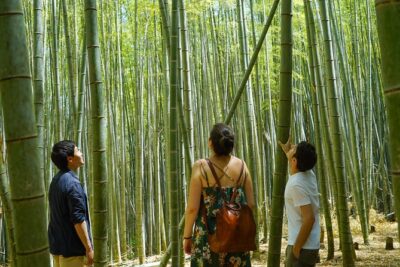
Fushimi Inari Hidden Hiking Tour (Private Option Available)
Read our review →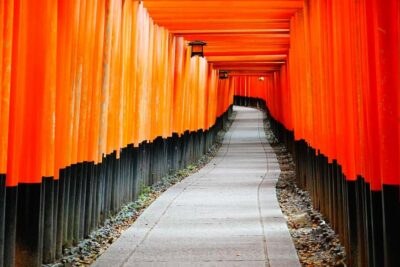
Kinkakuji,Arashiyama,FushimiInariShrine,NaraPark
Read our review →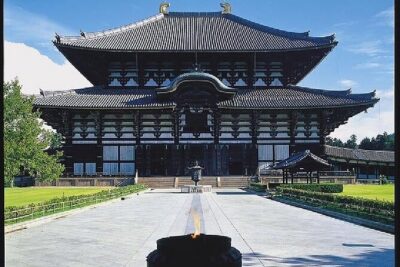
Nara, Fushimi Inari Taisha, Arashiyama Bus Tour
Read our review →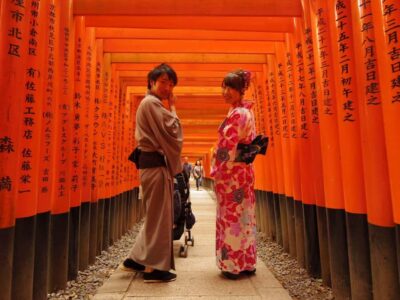
Arashiyama, Nara & Fushimi Inari Shrine w/Lunch
Read our review →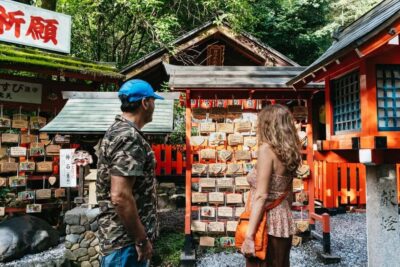
Nijo Castle, Kiyomizu & Fushimi Inari Guided Tour
Read our review →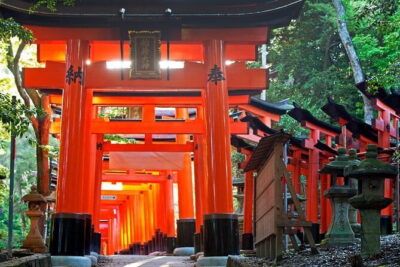
Nijo, Kinkaku-ji, Arashiyama, Kiyomizu & Fushimi Inari
Read our review →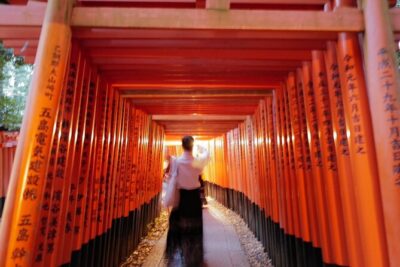
Also filed under