

Reviewed · FUSHIMI INARI SHRINE WALKS
Kyoto Fushimi Inari Taisha Walking Tour with Audioguide
A hillside of red gates is the perfect way to burn 90 minutes. This Kyoto Fushimi Inari Taisha walking tour uses an audioguide so you can explore the torii climb on your own schedule. The route is designed to keep you oriented while you learn what you are seeing and why it matters.
I especially like two parts. First, the app comes with an offline map and GPS-style routing, so you are not constantly re-checking street signs. Second, there are 21 audio recordings narrated by a professional historian, covering beliefs, shrine customs, and practical cues along the way.
The main drawback is simple: this is fully self-guided. You will need your own smartphone and headphones, and you will not have a human guide to answer questions on the spot.
In This Review
- Key highlights to look for
- Fushimi Inari, in 90 minutes: the big idea
- Where you start: Great ToriiJapan and how to find your route fast
- The audioguide setup: what you get, and what you must bring
- Walking the torii gates: what the audio helps you notice
- The three peaks concept: pacing yourself without a crowd
- Local shrines along the way: more than scenery
- Photography guidance: where to slow down and look
- Spring water coffee: the kind of detour that keeps the day fun
- Price and value: is $8.33 really fair for this format?
- Who this self-guided audio walk is best for
- One more practical tip: make the audio part of your route
- Should you book this Kyoto Fushimi Inari Taisha audio walk?
- FAQ
- How long is the Kyoto Fushimi Inari Taisha walking tour with audioguide?
- Where does the tour start and end?
- Is there an entrance fee for Fushimi Inari Taisha?
- Is this an in-person guided tour?
- What do I need to bring?
- Does the guide work offline?
- Can I cancel for a full refund?
Key highlights to look for

- Offline routing so you can focus on the climb, not navigation
- 21 historian-narrated tracks that explain what you are seeing as you walk
- A route built around torii, the three peaks, and local shrines
- Smartphone audio that stays easy to hear (pause, detour, and restart anytime)
- Freedom to stop for breaks and photos without slowing down a group
Fushimi Inari, in 90 minutes: the big idea

Fushimi Inari Taisha is one of those places where a simple walk turns into a story. You start by stepping into the famous torii gate corridor, then you move through a sacred hillside landscape linked to Mount Inari’s traditions.
What makes this experience practical is the format. Instead of herding yourself through a crowded group, you use a mobile app and follow an on-screen route. You can slow down for photos, stop for a snack, or choose a side path, then rejoin the main route when you feel ready.
This also helps you get more out of the spiritual details. The audio is not just scenic commentary. It explains beliefs tied to the site, and it talks about customs like offerings and how people seek fortune.
Where you start: Great ToriiJapan and how to find your route fast
Your meeting point is Great ToriiJapan, 612-0881 Kyoto, Fushimi Ward, 深草薮之内町68番地. The activity ends back at the meeting point, which is great for planning. You can build your day around a loop, rather than worrying about how you will get home afterward.
You do not need to plan a complex transit puzzle either. The meeting area is listed as near public transportation, so you can pop over for a focused walk. Because the duration is about 1 hour 30 minutes (approx.), you can often fit this between other Kyoto must-dos without feeling rushed.
The key prep is on your phone, not your feet. Before you set out, download or prepare the materials the app provides, then start the tour so the offline map and route display are ready to use.
Still climbing through the orange gates?
- Kyoto: Fushimi Inari, Kinkakuji, Bamboo Grove 1 Day Bus Tour
★ 4.8 · 4,316 reviews - Fushimi Inari Hidden Hiking Tour (Private Option Available)
★ 5.0 · 1,750 reviews - Osaka/Kyoto:Kinkakuji,Arashiyama,FushimiInariShrine,NaraPark
★ 4.1 · 1,596 reviews - Kyoto/Osaka: Nara, Fushimi Inari Taisha, Arashiyama Bus Tour
★ 4.7 · 1,275 reviews
The audioguide setup: what you get, and what you must bring
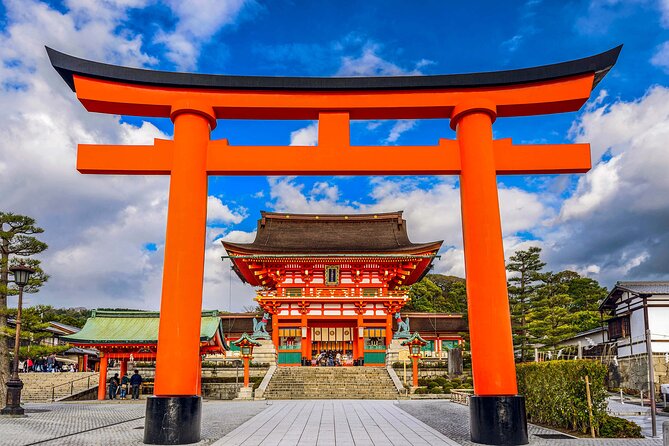
This is a phone-based audio tour run by TouringBee. You get access through a mobile app for iOS and Android, and it includes offline map routing. There are also illustrations of recognizable landmarks, which helps when the trail splits or the gates look similar.
You also get 21 audio recordings, narrated by a professional historian. One-year access means you can come back to the app later in your preferred language, which is handy if you revisit the area or want to refresh what you learned.
What you must bring:
- Your smartphone
- Headphones
And one more note that affects the day: this is described as not an official audio guide for Fushimi Inari Taisha. That does not mean it is bad. It just means you should treat it as a well-designed self-guided walkthrough, not an endorsed site product.
Walking the torii gates: what the audio helps you notice
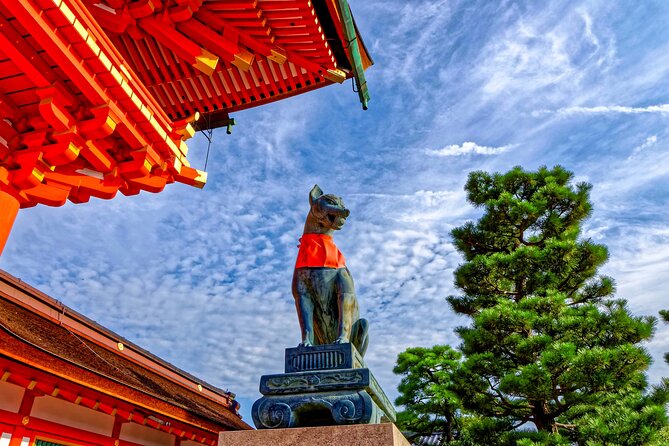
The tour is built around the signature look of Fushimi Inari. Expect to pass through many vermilion torii gates as you move along the path. Even if you have seen photos before, up close you notice how repetitive structures can still feel different from one bend to the next.
Here is where the audio guide becomes more than background. The recordings explain the spiritual framing of the site while you are actually walking through it. You will hear how people interact with the shrine, what offerings are about, and how traditional beliefs connect to the place.
You also get cues for how to experience it respectfully. The audio mentions guidance for things like seeking fortune, making offerings, and requesting help from local spirits. The value here is timing. The explanation arrives as you are standing where the custom makes sense, instead of being something you read after you already moved on.
The three peaks concept: pacing yourself without a crowd

The route is designed to take you up toward the three peaks of Mount Inari. You do not need to sprint. The whole point of a self-guided tour is that you choose your pace, based on your energy and how long you want to linger at points of interest.
A practical way to think about this: torii gates are dense, and the climb can feel longer when you keep stopping for photos and reading. The audio helps because it gives you structured moments to pay attention, so you are not just wandering while your brain waits for meaning.
If you want a shorter day, you can treat this as a choose-your-own-effort climb. The audio guide lets you deviate down a scenic path and return to the route later. That flexibility matters because the best views often appear at places you would not choose if you were trapped in a strict group schedule.
Local shrines along the way: more than scenery
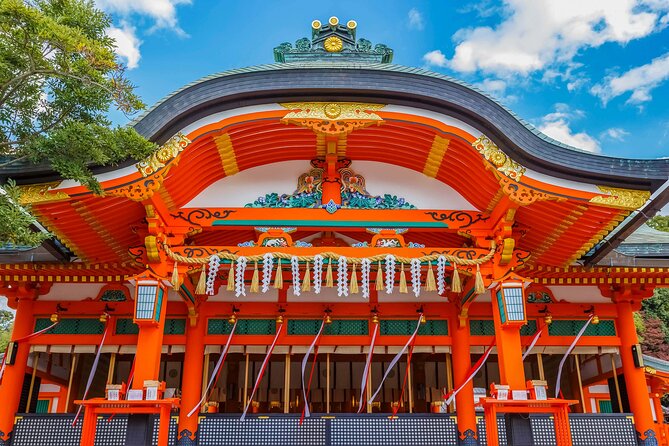
Along the walk, you will explore local shrines presented as some of the most captivating stops on the route. The app includes illustrations of recognizable landmarks, which is useful when your eyes are busy with red gates and your phone screen is the only consistent guide.
The shrine portion of the audio is where this tour can feel most meaningful. Instead of generic history, you get practical cultural context you can connect to actions people might perform there. Expect the audio to cover spiritual ideas tied to the site, plus guidance related to how visitors participate, such as offerings and the concept of seeking fortune.
A small but important note: the tour does not include all sights of Fushimi Inari Taisha. That is not a flaw. It is how an efficient 90-minute experience stays readable and walkable. If you want to cover everything top to bottom, you can, but you will need more time than this app-based route suggests.
A quieter way to spend a day in Kyoto




Photography guidance: where to slow down and look

Fushimi Inari is a photography magnet, but the tricky part is knowing when to stop. This tour’s recordings include highlights for best spots for photography. That means you spend less time guessing which angle will work and more time composing calmly.
My advice: treat photography spots as rest stops. If the audio suggests an area, give yourself a minute to step off the main flow, check the light, and then take photos when it feels steady. You will get better results and you will also keep the walk enjoyable instead of turning it into a rush.
Also, the audio guide design makes it easy to pause. You can pause for breaks at cafés or simply step away to catch your breath, then continue without losing your place.
Spring water coffee: the kind of detour that keeps the day fun

The audio guide even points you to where to purchase spring water coffee. I like this because it turns the walk into a real outing, not just a checklist climb.
It also helps with timing. Torii walks can be surprisingly draining, and having a planned option for a break keeps you from getting stuck looking for something random halfway up. If you find a good moment to stop, do it. Then return to the route when you are ready.
Price and value: is $8.33 really fair for this format?
At $8.33 per person, this tour prices like a budget add-on to your Kyoto day, not a premium guided service. That matters because you are not paying for a person on-site. You are paying for a structured route, offline navigation support, and narrated content you can replay later.
Here is the value logic I use:
- Time saved: offline maps and a guided route reduce the chance you will wander in the wrong direction.
- Meaning added: 21 recordings provide context while you are moving.
- Flexibility kept: you are not forced to keep up with a group.
The tradeoff is the self-guided nature. If you want a live guide who can answer history, religion, or etiquette questions in real time, this will feel limited. If you are happy learning through audio and taking your own rhythm, the price is easier to justify.
Who this self-guided audio walk is best for
This is a great match for travelers who:
- Prefer independence over schedules and group pacing
- Like learning through short stories and practical context
- Are comfortable using a smartphone for route following
- Want a manageable 1 hour 30 minute commitment in a big sightseeing area
It is also useful for first-time Kyoto visitors. Fushimi Inari is visually overwhelming at first. A route with audio structure helps you process what you see instead of just collecting red-gate images.
Where it may not fit as well: if you hate planning, if your phone battery is always an issue, or if you want a human guide to interpret everything directly. Since smartphones and headphones are not included, you will also want to make sure you can use your own gear comfortably.
One more practical tip: make the audio part of your route
The biggest way to get value from an audio tour is to treat it like a companion, not like a podcast you only half listen to. When the audio calls out a shrine, an offering concept, or a photography point, slow down for a moment and look around before moving on.
Also, remember you can pause and detour. If you want the best experience, use that freedom with intention. Take a short break, then continue. Do not spend the whole walk jumping between scenic detours, or you will end up far from your planned 90-minute flow.
Should you book this Kyoto Fushimi Inari Taisha audio walk?
If you want a simple, structured, self-guided way to climb through torii gates with explanations in your headphones, I think this is worth considering. The offline map routing, 21 historian-narrated tracks, and the built-in guidance for shrine customs and photography make it a solid value at $8.33.
Skip it if you want an in-person guide, you expect a fully official site audio product, or you need someone to handle questions as you go. For most people, though, this hits a sweet spot, especially if you like traveling at your own pace and you do not mind doing a little prep on your phone.
FAQ
How long is the Kyoto Fushimi Inari Taisha walking tour with audioguide?
It is listed as about 1 hour 30 minutes (approx.).
Where does the tour start and end?
It starts at Great ToriiJapan in Fushimi Ward, and it ends back at the same meeting point.
Is there an entrance fee for Fushimi Inari Taisha?
Admission to Fushimi Inari Taisha is free, and entrance fee or tickets are not included.
Is this an in-person guided tour?
No. It is a self-guided audio tour with a mobile app, so there is no in-person tour guide.
What do I need to bring?
You will need your own smartphone and headphones. Transportation, food, and beverages are also not included.
Does the guide work offline?
The tour includes an offline map with routes for GPS navigation.
Can I cancel for a full refund?
Yes. You can cancel for free up to 24 hours in advance for a full refund. If you cancel less than 24 hours before the experience starts, the amount paid is not refunded.
New This Season
- Koyasan Day Trip by Private Car from Kyoto
- Old Port Town and Ultimate Sake Tasting Private Tour From Kyoto
- Sacred Peak & Ancient Paths: Kurama-Kibune Hiking Experience
- Kyoto’s Timeless Charm: 3hr Exploration of History and Peace
- Kyoto: 5 Types of Sushi Making
- Kyoto: Exclusive ZEN practice at Manpukuji temple in Uji
- Kyoto: Private Seasonal Aroma Yoga Class
- Traversing Kyoto’s Scenic West – Arashiyama to Kinkakuji
Fushimi Inari Shrine Walks, compared.

Fushimi Inari, Kinkakuji, Bamboo Grove 1 Day Bus Tour
Read our review →
Fushimi Inari Hidden Hiking Tour (Private Option Available)
Read our review →
Kinkakuji,Arashiyama,FushimiInariShrine,NaraPark
Read our review →
Nara, Fushimi Inari Taisha, Arashiyama Bus Tour
Read our review →
Arashiyama, Nara & Fushimi Inari Shrine w/Lunch
Read our review →
Nijo Castle, Kiyomizu & Fushimi Inari Guided Tour
Read our review →
Nijo, Kinkaku-ji, Arashiyama, Kiyomizu & Fushimi Inari
Read our review →
Also filed under